

In Isère, water shapes every landscape: mountain torrents, winding rivers, majestic lakes, wetlands, historic canals and groundwater. It irrigates crops, supplies our homes and sustains a remarkable level of biodiversity. But how can we preserve this precious resource and ensure that everyone can enjoy it in harmony ?
The answer lies in a few simple, responsible actions. Here are our tips for protecting water in Isère. Translated with DeepL.com (free version)
In Isère, aquatic environments are exceptionally rich and fragile. Wetlands, streams, high-altitude lakes, as well as oxbow lakes, peat bogs and marshes – these areas are true havens for biodiversity. They are home to a multitude of rare or endangered species and play a vital role in water regulation and flood control.
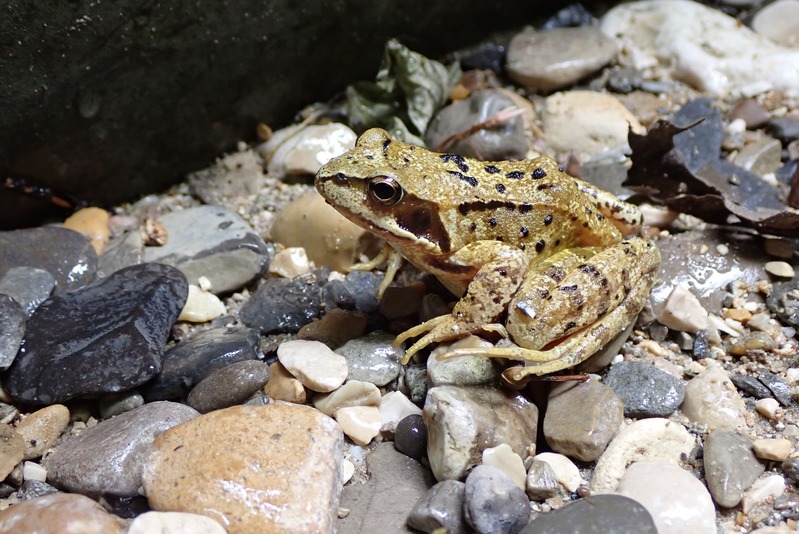
Wetlands and streams are among the most sensitive ecosystems in the department. Their balance depends on specific vegetation and very delicate soils, which are often waterlogged. Simply stepping off the paths can be enough to cause lasting damage to these habitats: trampling compacts the soil, destroys young shoots, accelerates erosion and clouds the water, disrupting aquatic life.
Key points :
- Amphibians, such as frogs and newts, come to breed in ponds and small streams.
- Aquatic plants filter the water and provide shelter for many insects and fish.
- Even the slightest damage can have consequences for the entire food chain.
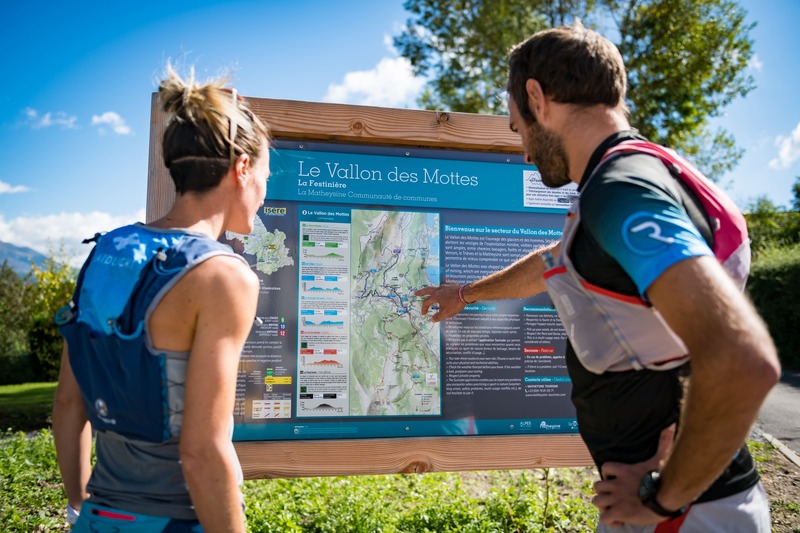
To protect these environments, it is essential to stay on the marked paths when out walking or hiking.
- This prevents trampling of riverbanks and wetlands, which are highly susceptible to erosion.
- It minimises the destruction of natural habitats and allows vegetation to regenerate.
- It preserves water quality, which is essential for flora and fauna.
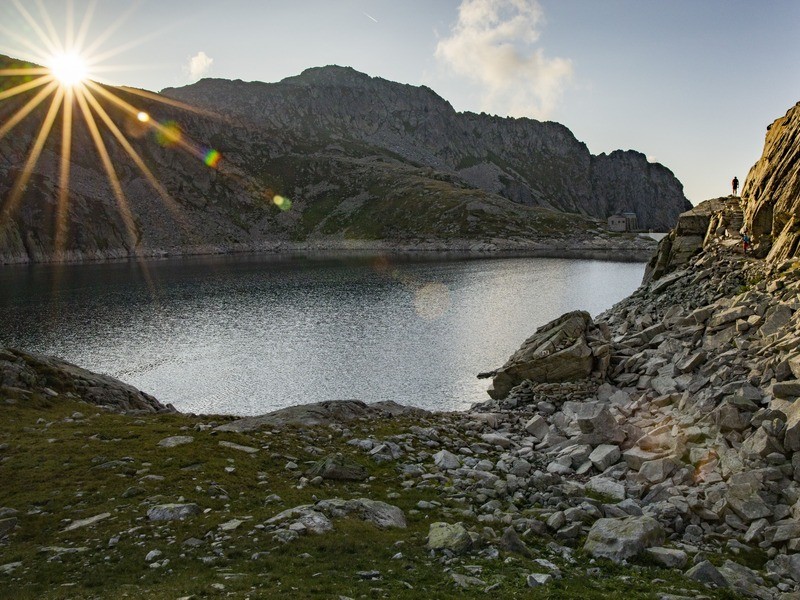
High-altitude lakes and their surroundings are natural treasures, but they are also highly vulnerable environments. Swimming is often prohibited there, and this applies to our four-legged friends as well.
These bans exist for a number of reasons :
- Ensure the animals are left undisturbed, particularly during the breeding season.
- Protect aquatic plants, which are often rare and sensitive.
- Avoid introducing sunscreen and other pollutants that impair water quality.
- Limit the introduction of invasive micro-organisms unintentionally carried by humans… or by dogs.
- Ensure everyone’s safety: cold water can lead to hypothermia or drowning, even for strong swimmers.
Enjoy the beauty of the mountain lakes by simply looking at them, without going in, so that the flora and fauna can thrive in peace.
Certain lakes, rivers or areas are subject to strict regulations designed to protect biodiversity, safeguard drinking water supplies or ensure the safety of visitors.
Always follow local signs and guidelines.
They are in place to ensure that all uses can coexist and to preserve natural environments.
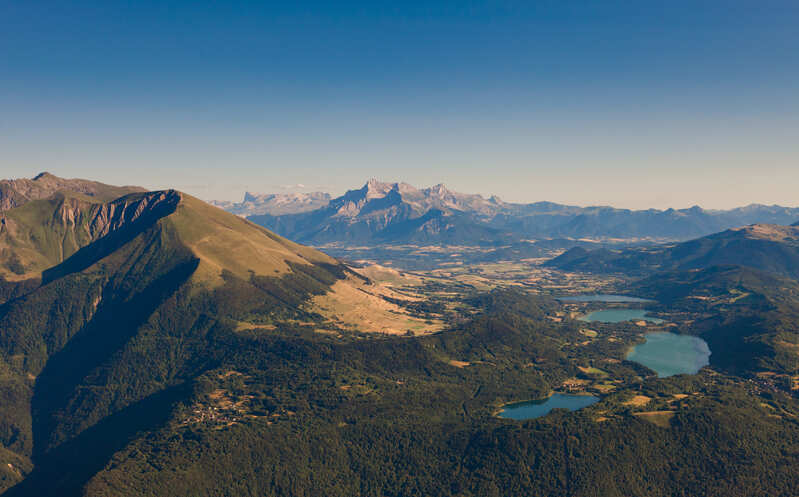
Water in Isère is also a resource for leisure, agriculture, fishing, boating and irrigation… To ensure that everyone can enjoy it for years to come, let’s all behave responsibly.
Why ?
- To ensure access for everyone: local residents, farmers, fishermen, walkers, wildlife…
- To protect water quality, which is essential for life and health.
- Please respect local customs and regulations to avoid conflicts and encourage shared use.
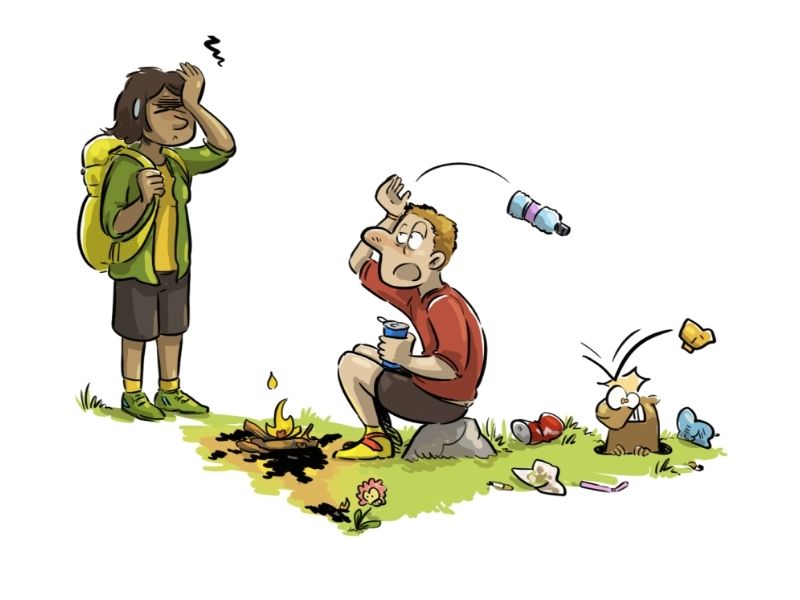
A piece of paper, a piece of packaging or an apple core left by the side of a stream does not simply vanish into thin air. In the mountains, as elsewhere, nature is not a rubbish bin. Every item of litter left behind causes long-term pollution of the water and soil and threatens wild flora and fauna.
Key points :
- The mountains are a habitat for many species. Respect their habitat.
- Always carry a small bag for your rubbish and take it back down to the valley to be recycled.
- Even so-called ‘biodegradable’ waste (such as peelings) must be disposed of in bins.
A simple gesture : Take everything back with you to preserve the beauty and purity of our rivers and lakes.
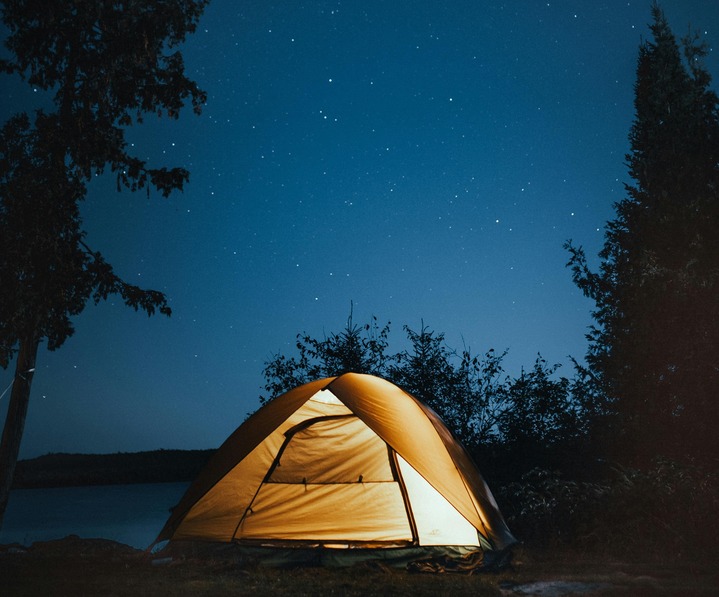
Camping or picnicking by the water’s edge are special moments, but they must be enjoyed whilst respecting the environment.
Best practice :
- Set up camp at the required distance from the water.
- Do not use soap or detergent directly in or near rivers or lakes.
- Respect the peace and quiet of the area: keep noise to a minimum and follow the regulations in force in the various areas you pass through.
Water in Isère is the result of a delicate balance between nature and human activity. Preserving it depends on each and every one of us, every day.
In summary :
- Stay on the paths and respect protected areas.
- Be mindful of the flora and fauna.
- Leave no trace of your visit.
- Respect local customs and regulations.
By following these simple steps, you’ll help to preserve the beauty and abundance of Isère’s water resources, both today and in the future.
Head to the Water sports section on the Isère Outdoor website and app. You’ll find places where you can swim without harming the local flora and fauna !

the digital trails





The Isère Outdoor application was created
by the Département de l'Isère
Infos & contact
Conseil départemental de l'Isère
7 rue Fantin Latour
CS 41096
38 022 Grenoble cedex 1
Tel. 04 76 00 38 38
 Isère Outdoor - Water in Isère

