

Come summer or winter, the natural areas of the Isère region are home to numerous wild species. Ibex, roe deer, marmots and birds of prey: their home is your playground.
So, as with any shared accommodation, to ensure everything runs smoothly, there are a few rules for living together that need to be followed.
Stay with us – we’ll set them out in detail on this page!

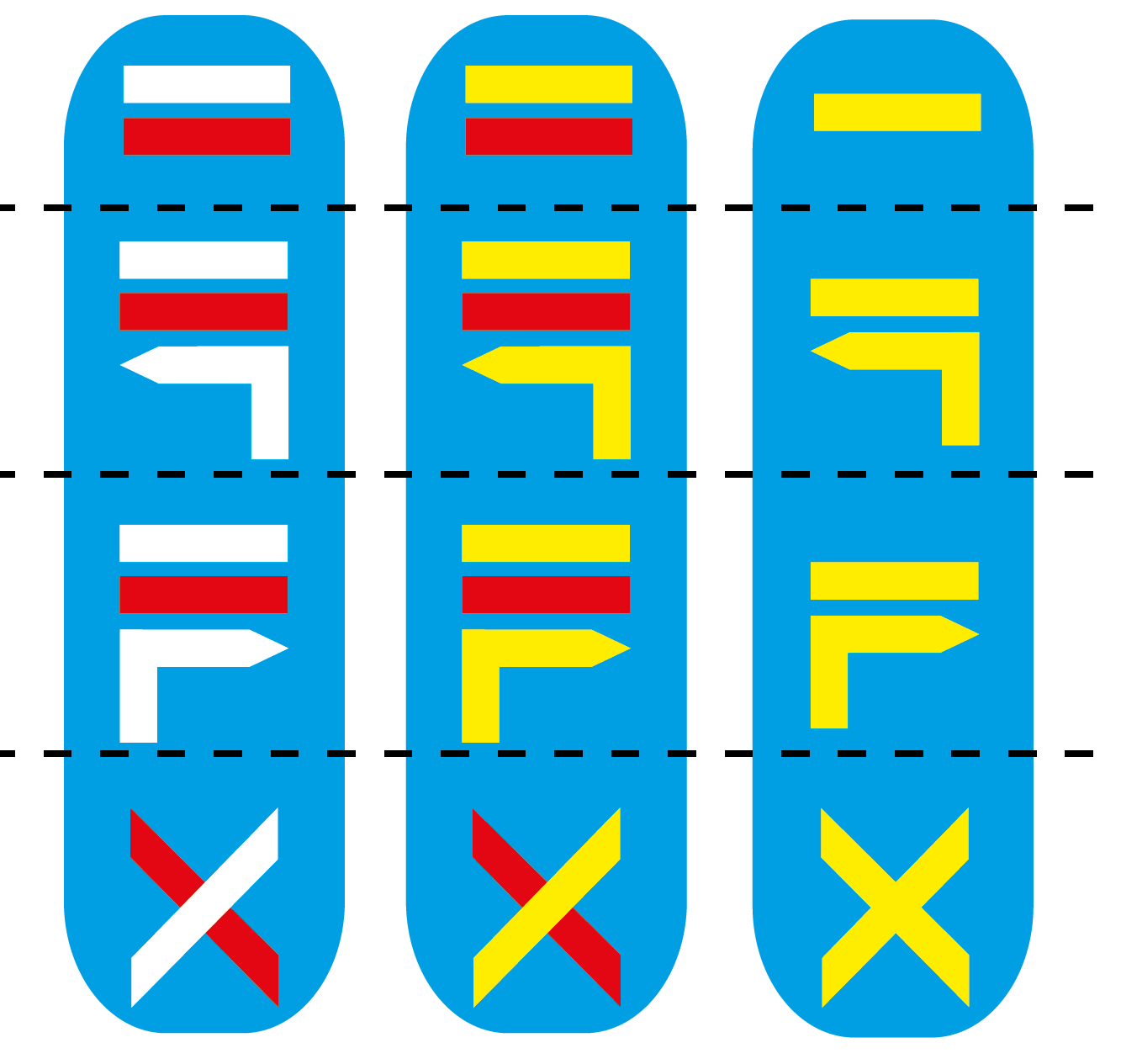
In a shared flat, everyone has their own room. In the wild, everyone has their own space! Would you like it if a stranger suddenly turned up in your living room? That’s right, wildlife has a right to privacy too! To respect their privacy and avoid putting the animals at risk, I stick to the marked trails.
When walkers all stick to the same paths, it leaves more quiet spaces where animals can go about their business: hunting, eating, sleeping. (Almost) just like us, really!
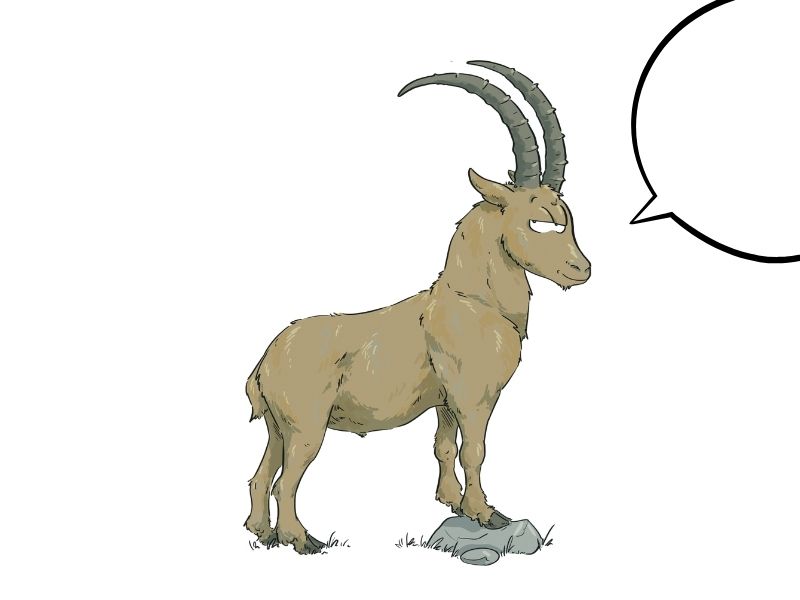
When you see me, you might feel like giving me a little something to eat, but for me, it’s not a treat! Even though I’ve got used to you being around, if you feed me, it changes my behaviour!
The risks associated with feeding wild animals:
- They can become dependent on humans
- They lose their instincts for foraging and are more exposed to danger
- This encourages the spread of disease amongst animals
- The food provided is often unsuitable for their bodies
The best way to help them? Watch them from a distance and let them get on with things as they do so well in their natural habitat!
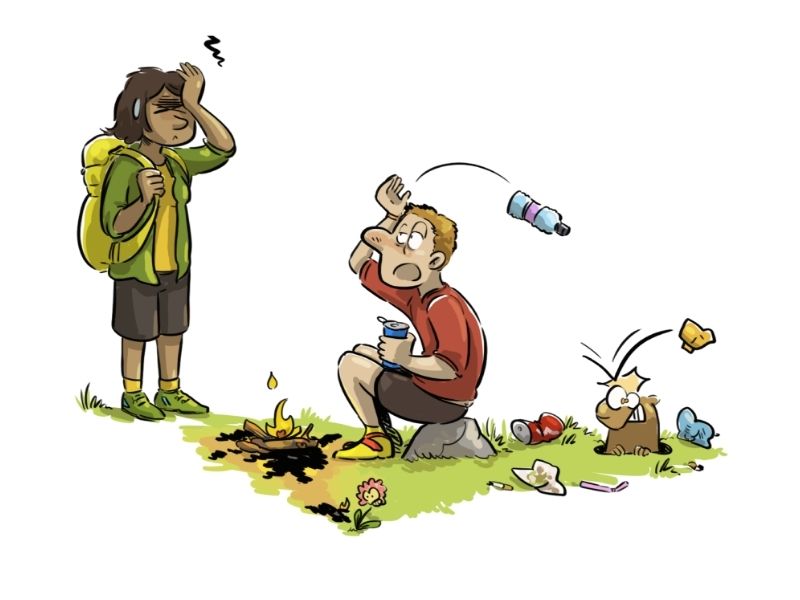
Rubbish, even if it is biodegradable, disrupts ecosystems. It can injure animals, make them ill, or kill them if they eat it.
When you’re out and about: take a bin bag with you, and bring back your own rubbish and any you come across along the way.
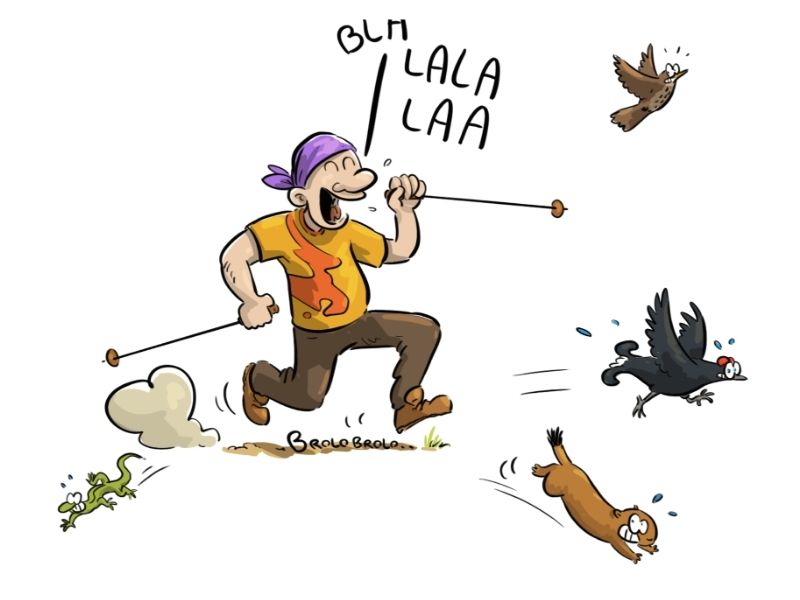
When I’m invited to someone’s house whom I don’t know very well, I try to make a good impression. And if my host is shy, I adapt my behaviour so as not to put them on the spot. It’s a bit the same with wild animals.
Some are curious, others are skittish, and many are very shy. So, when I come across them, I keep my distance and stay calm whilst observing them. Getting too close, running or shouting can cause intense stress and cause the animals to flee, sometimes even abandoning their habitat.
The best approach? Observe quietly, from a distance, and enjoy the moment…
It is strongly recommended (and in some protected areas, compulsory) to keep your dog on a lead so that wildlife can go about its business undisturbed in its natural environment.
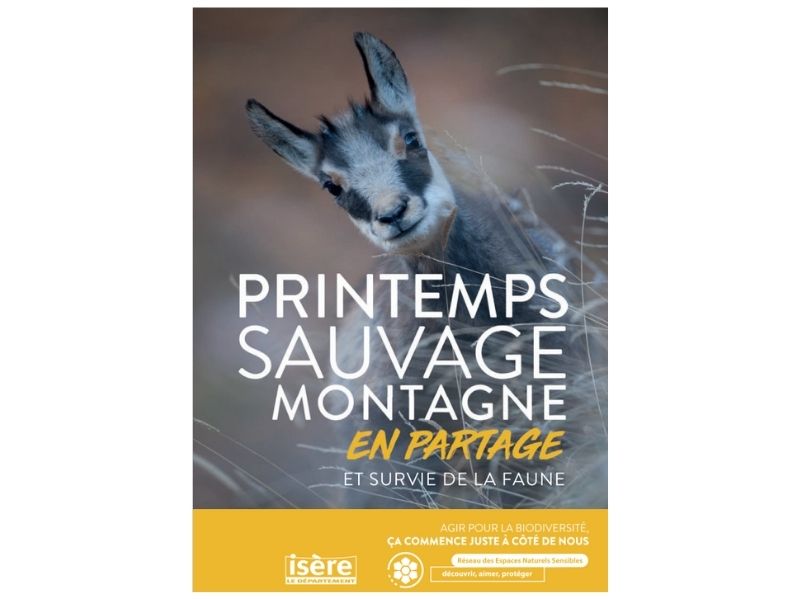
In spring
Most animals change their habitat between winter and summer. They share the space and the species coexist, but still… to each their own level.
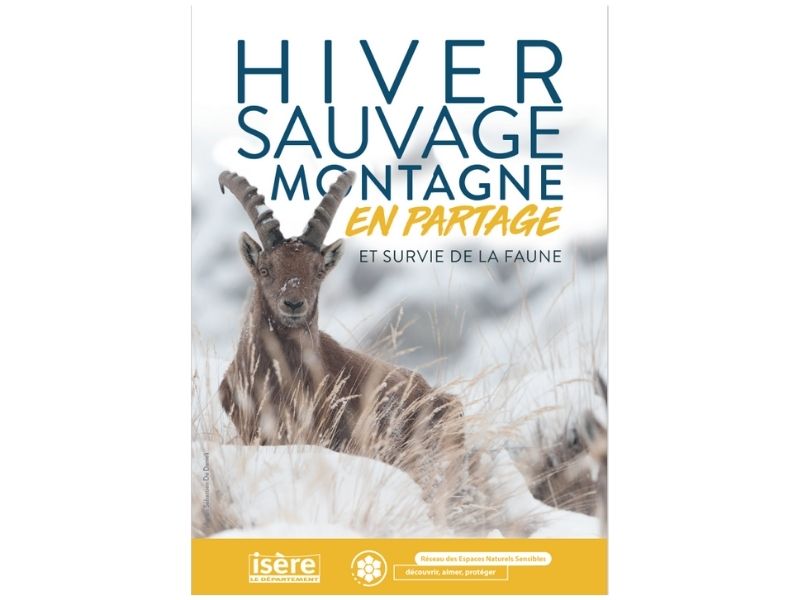
In winter
Weakened by harsh winter conditions, the animals are threatened by repeated disturbances as they draw on their reserves and risk dying of starvation or disease.

the digital trails





The Isère Outdoor application was created
by the Département de l'Isère
Infos & contact
Conseil départemental de l'Isère
7 rue Fantin Latour
CS 41096
38 022 Grenoble cedex 1
Tel. 04 76 00 38 38
 Isère Outdoor - Share nature with wildlife

