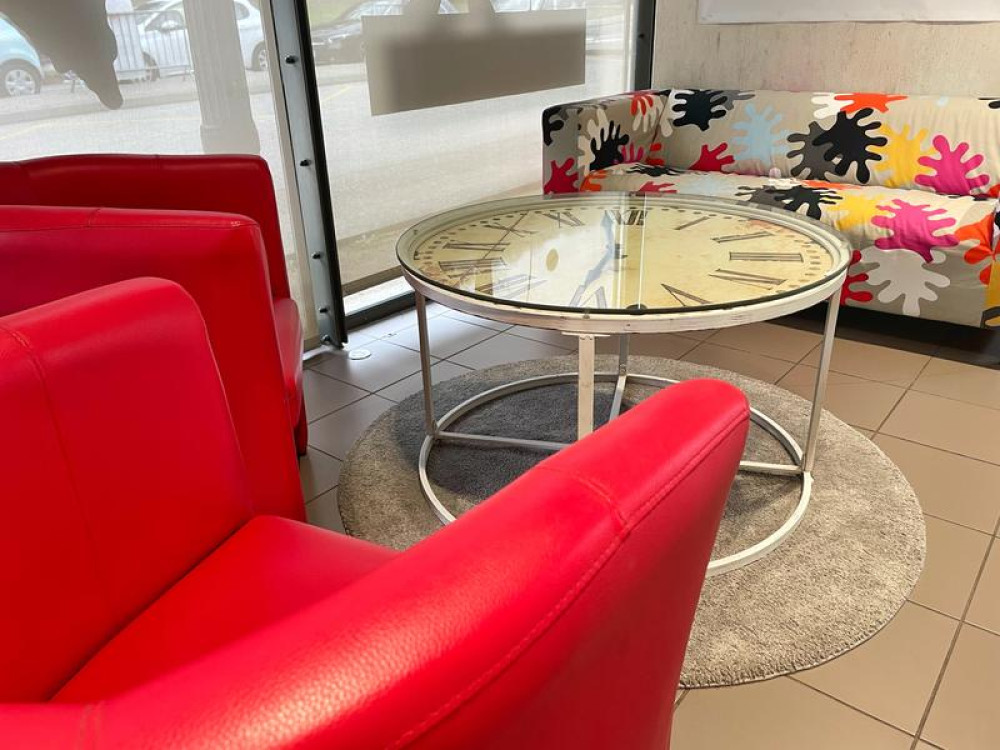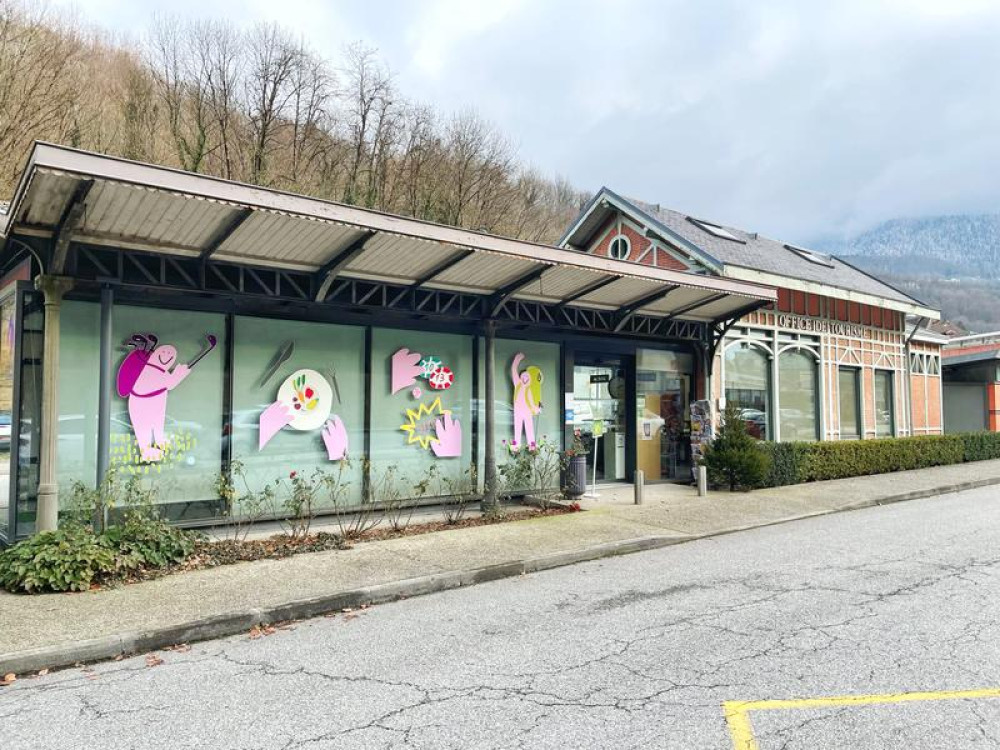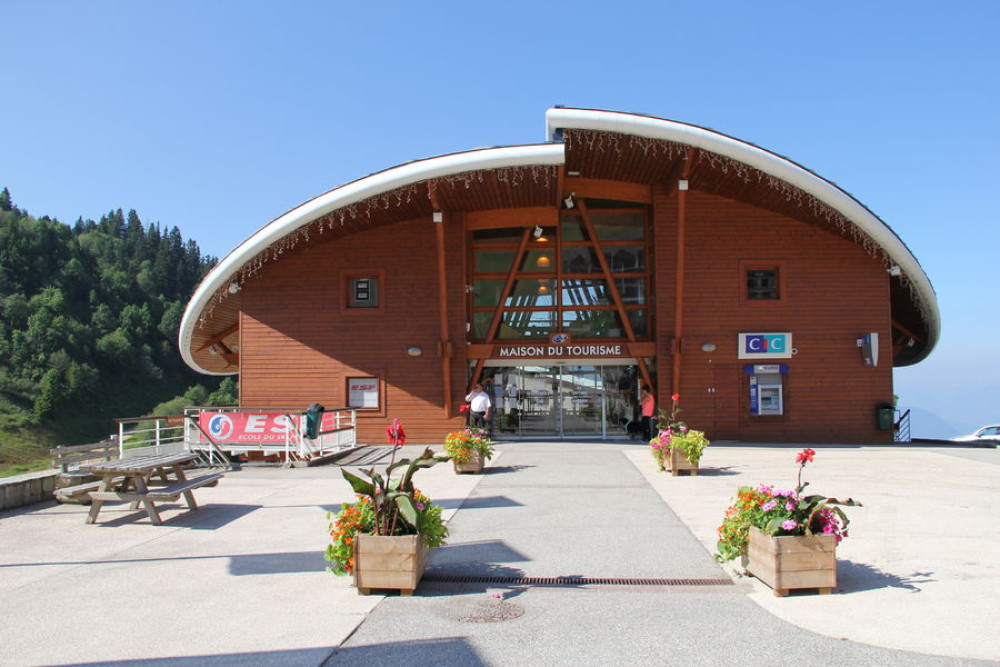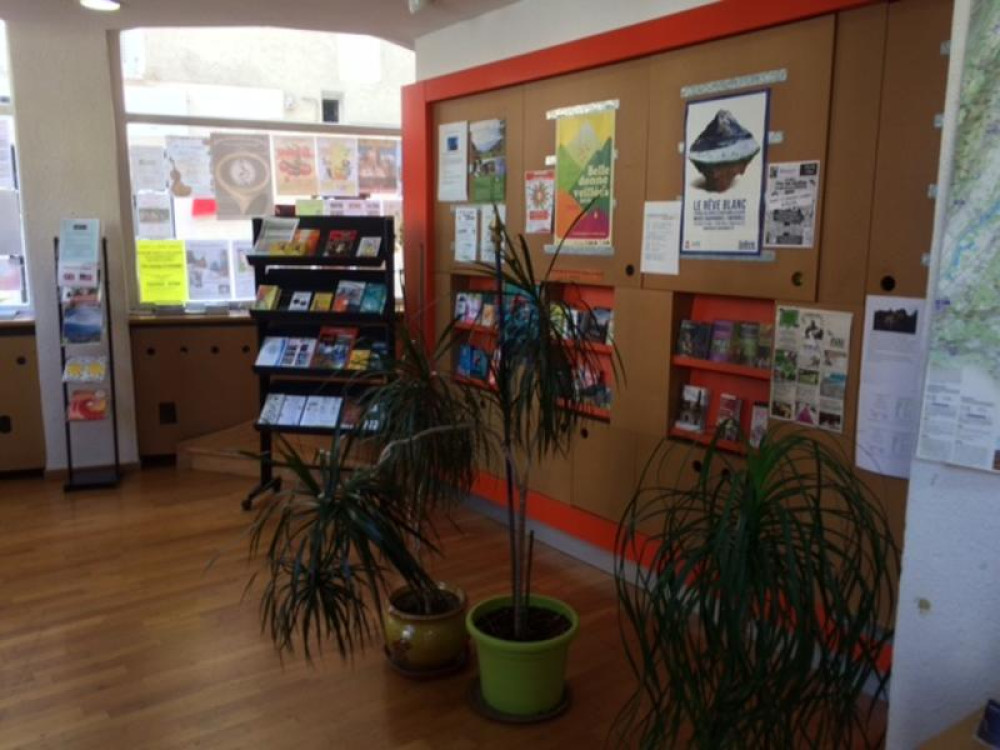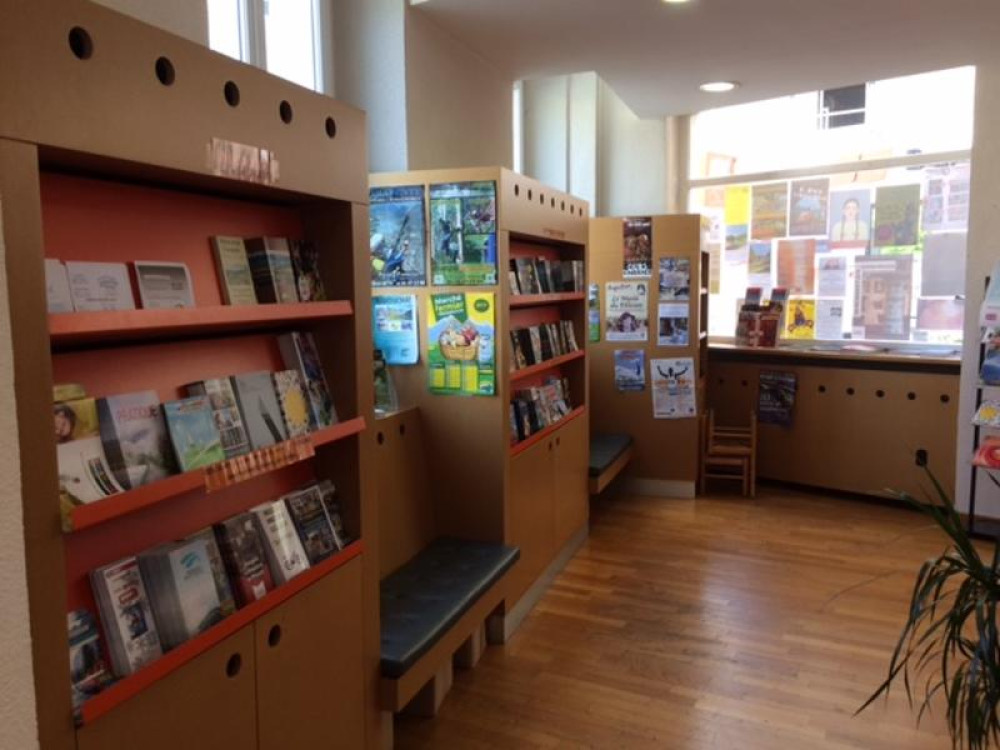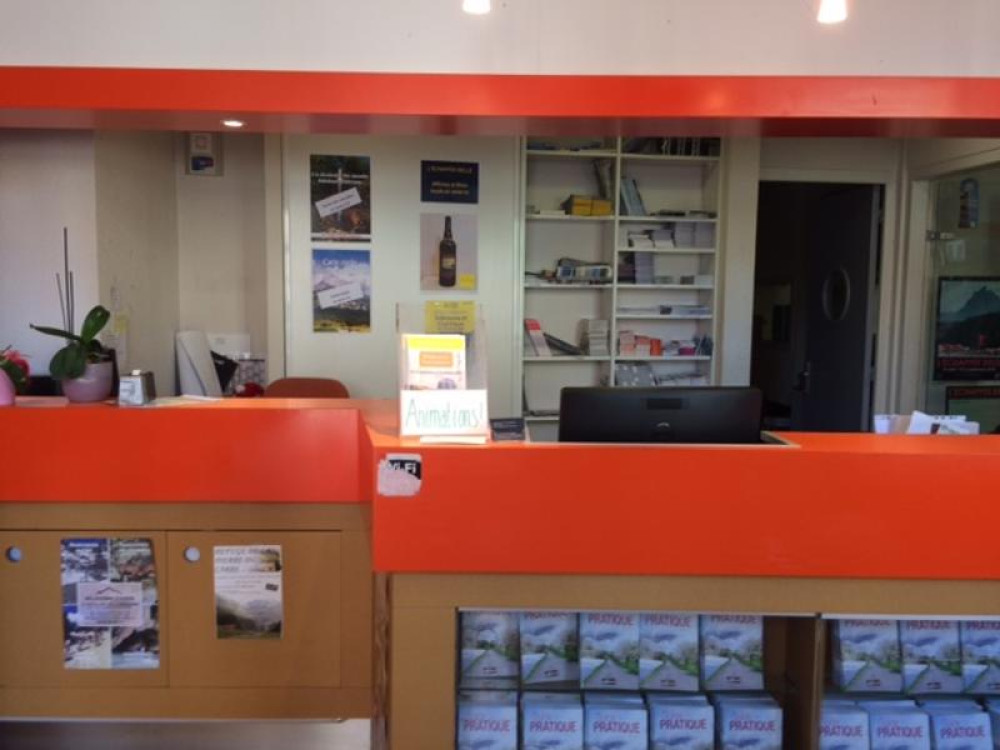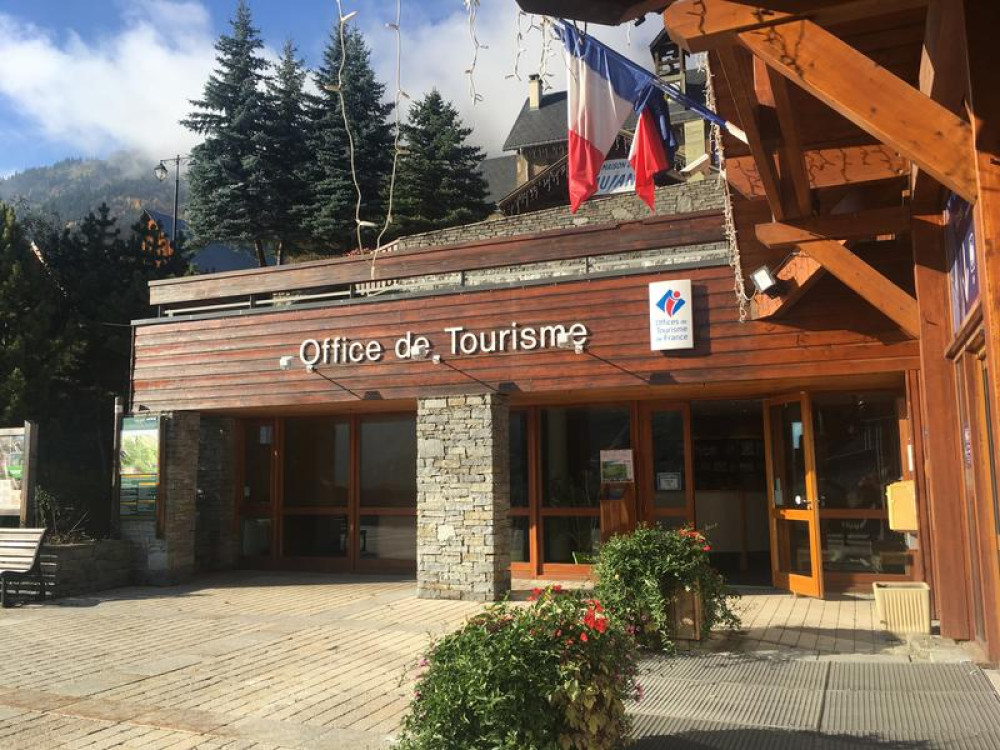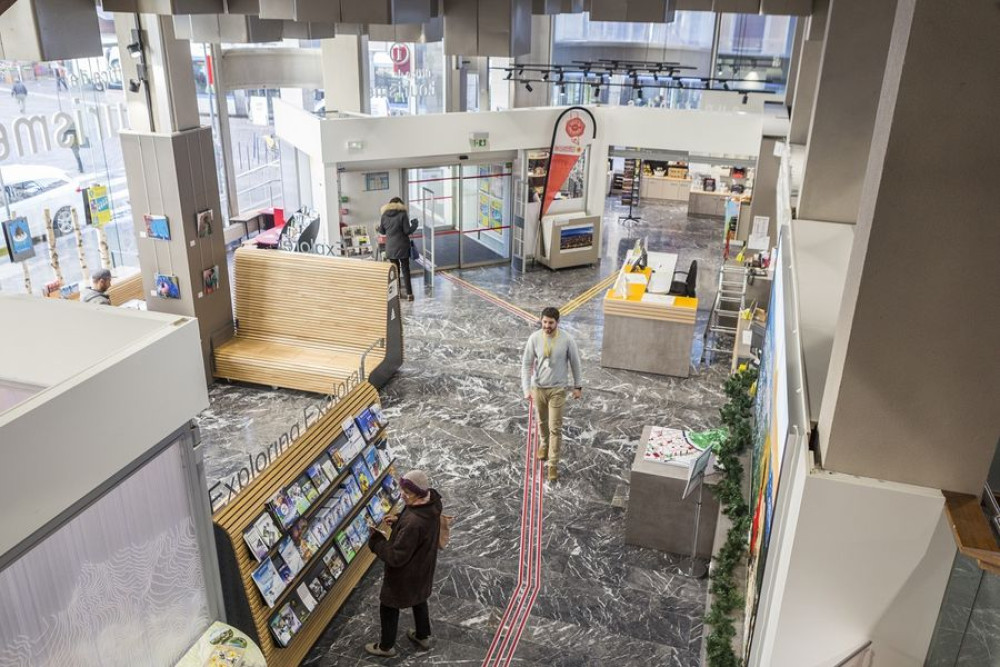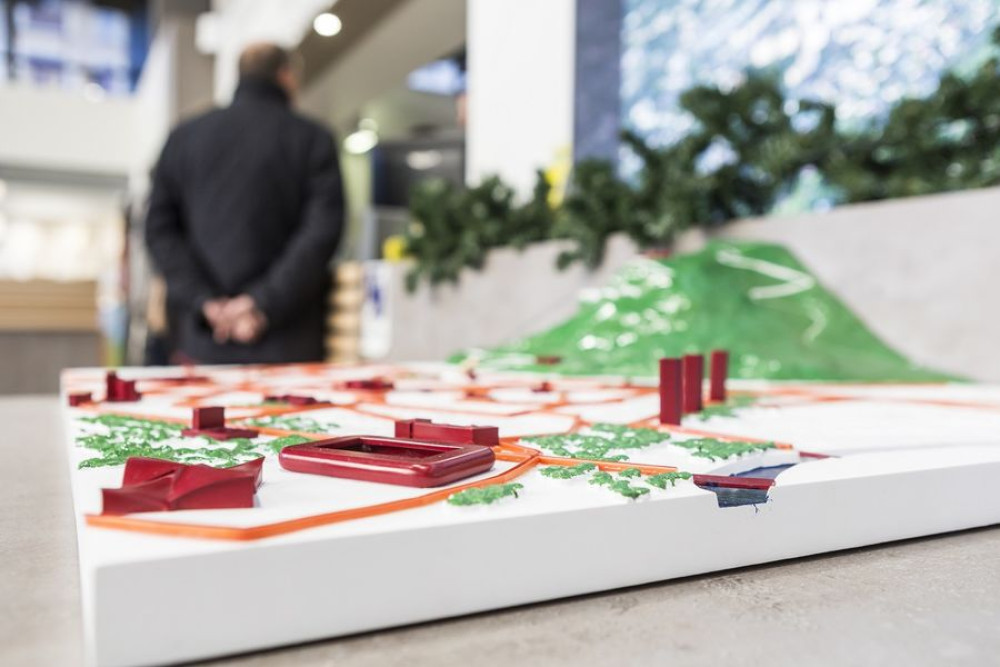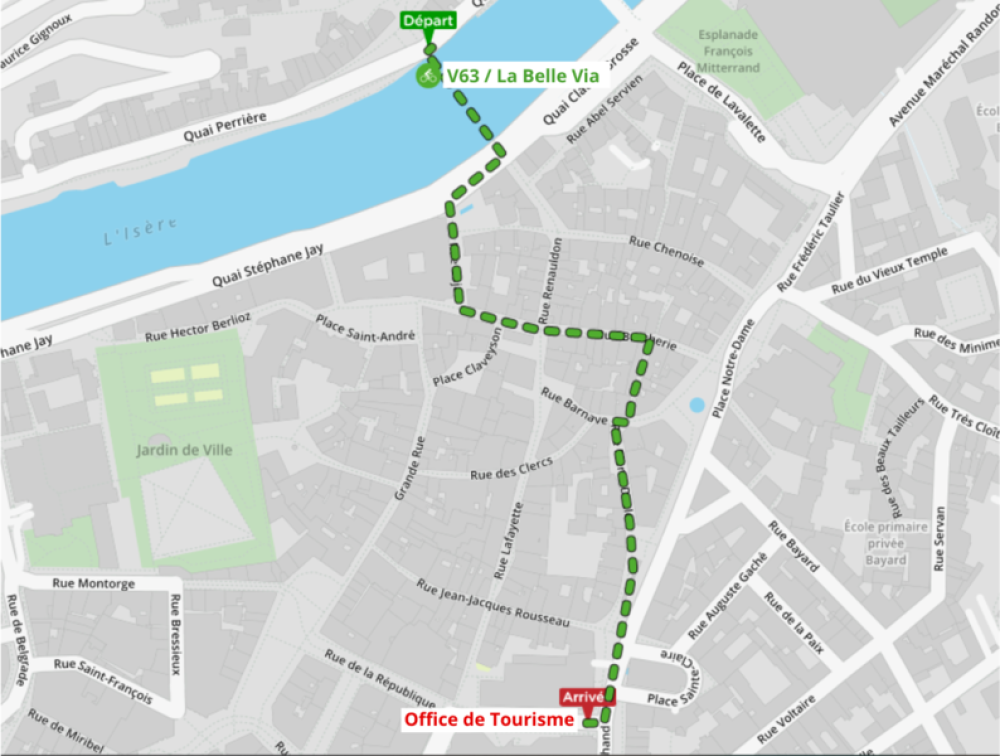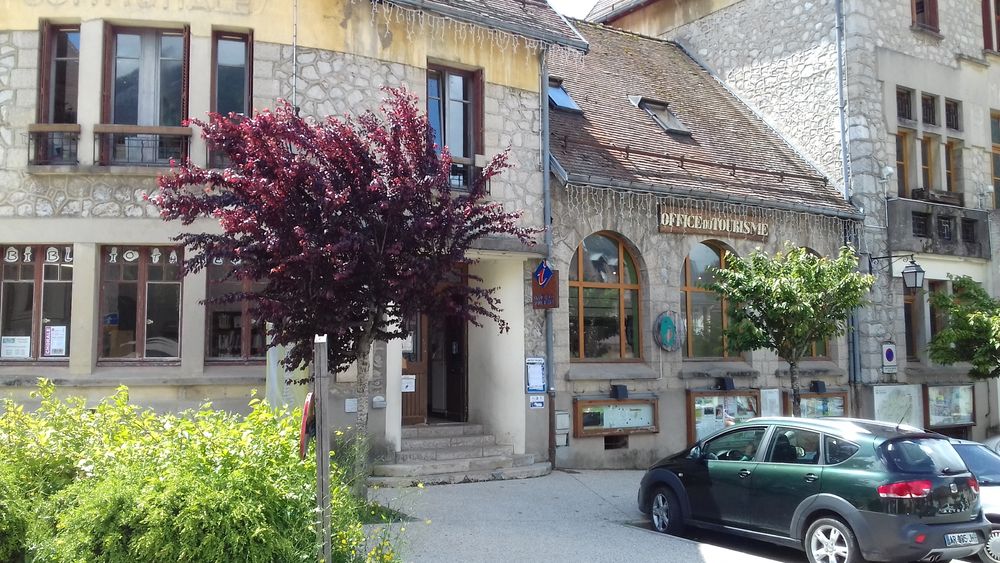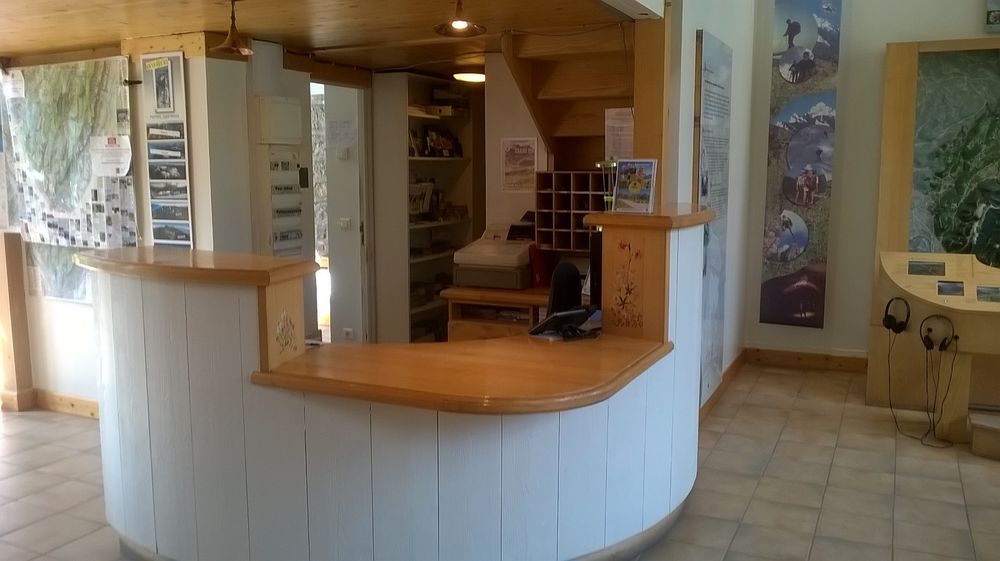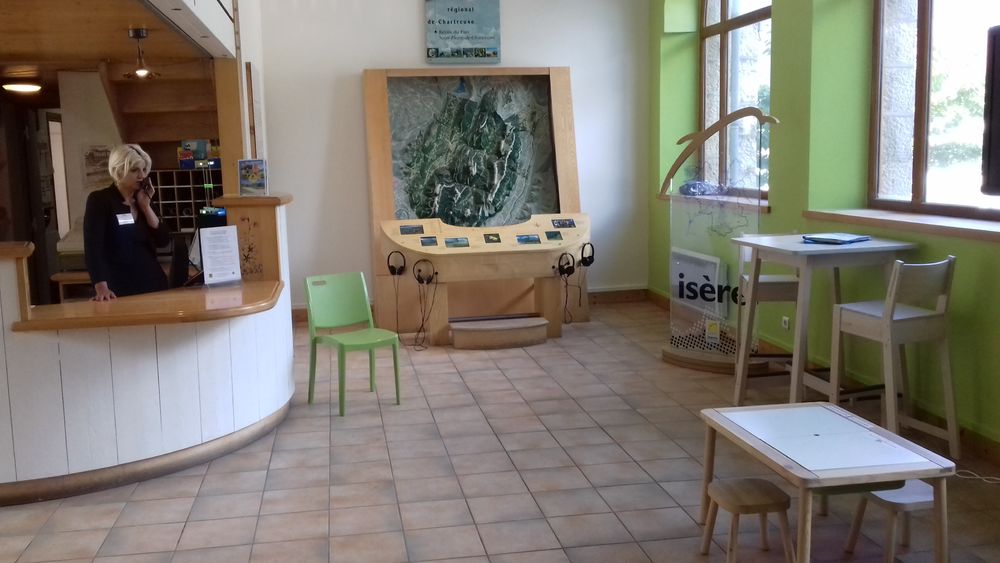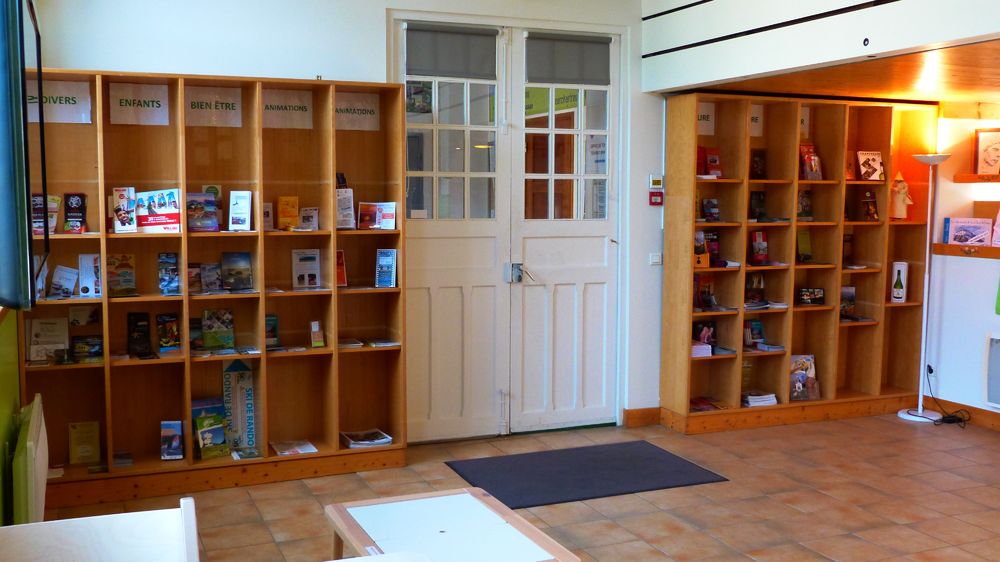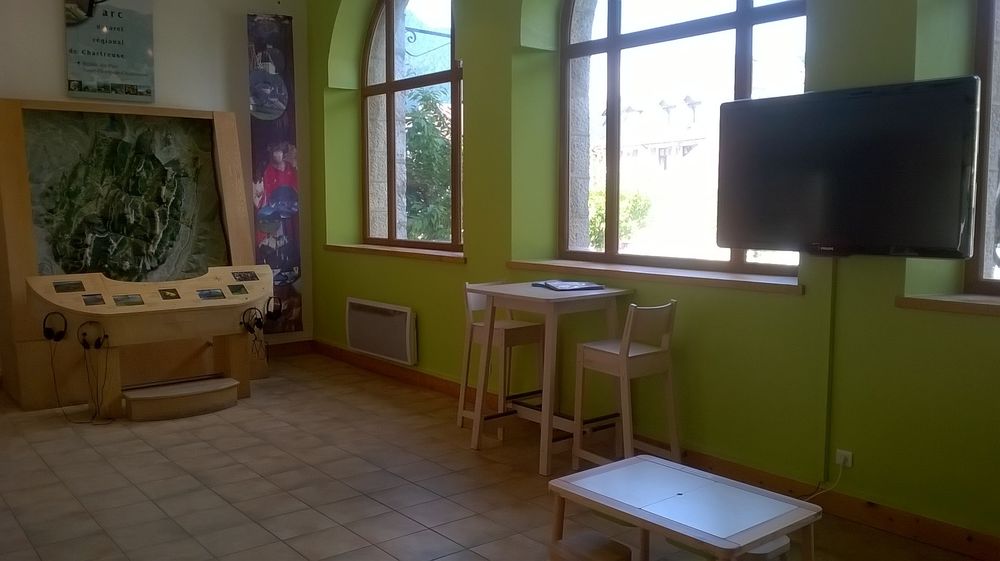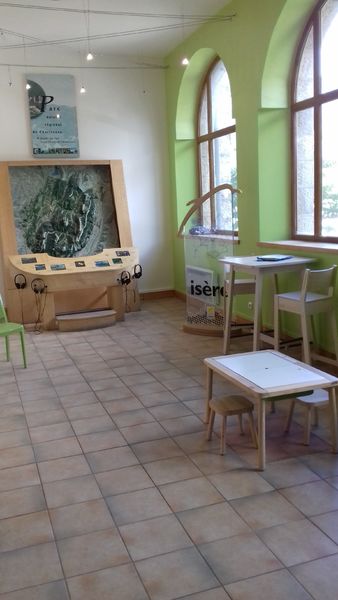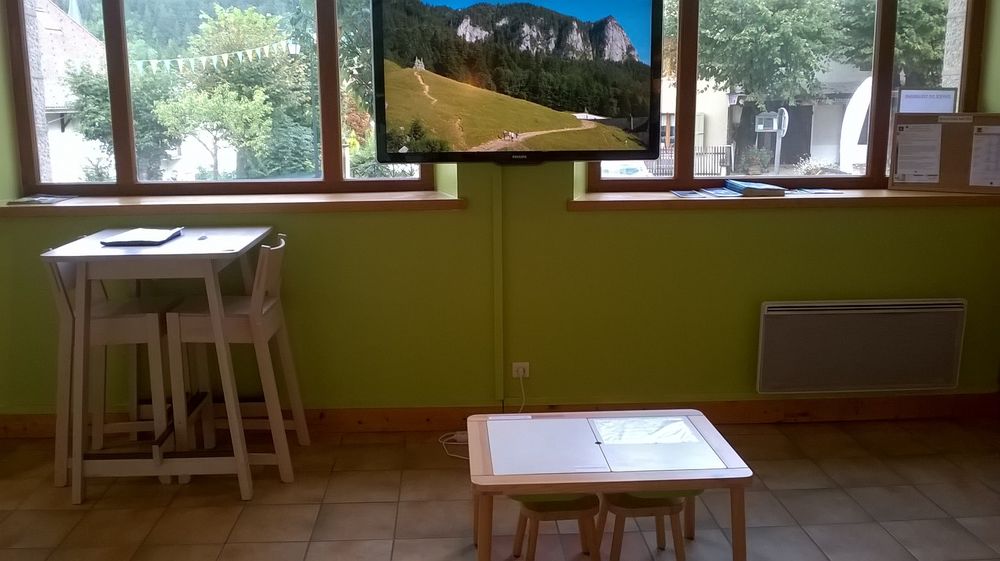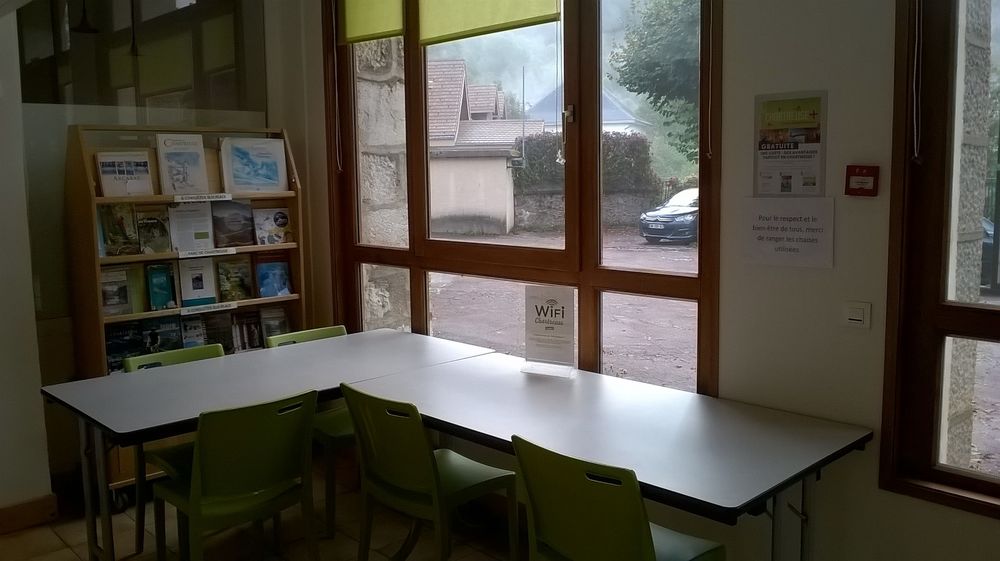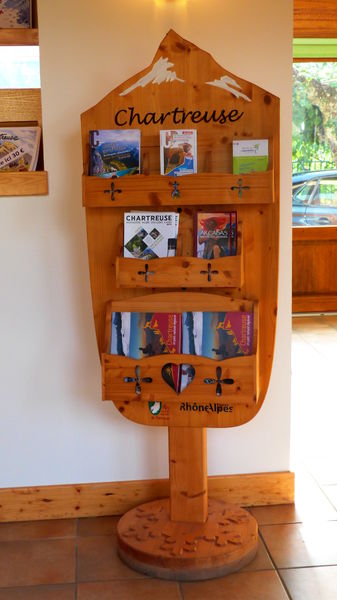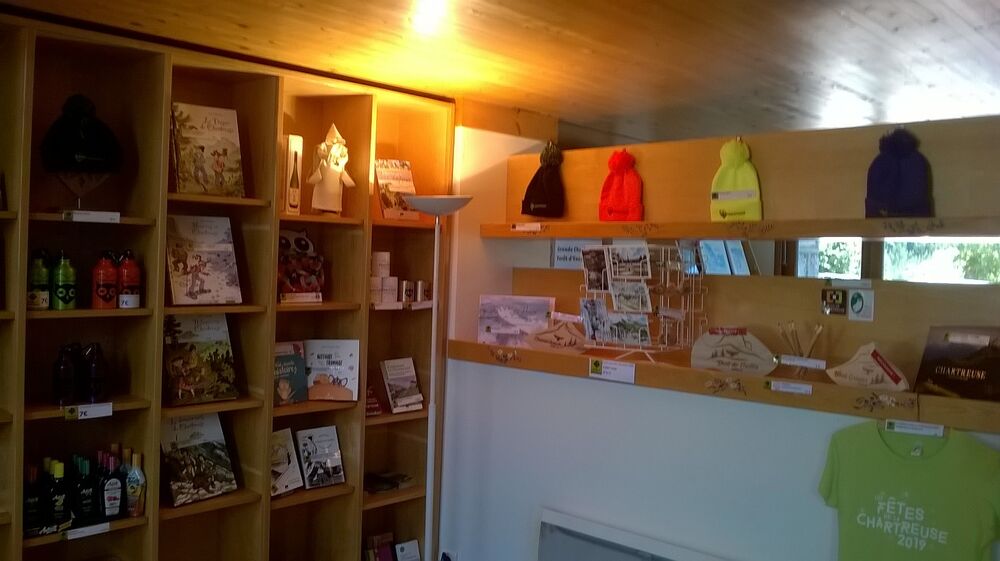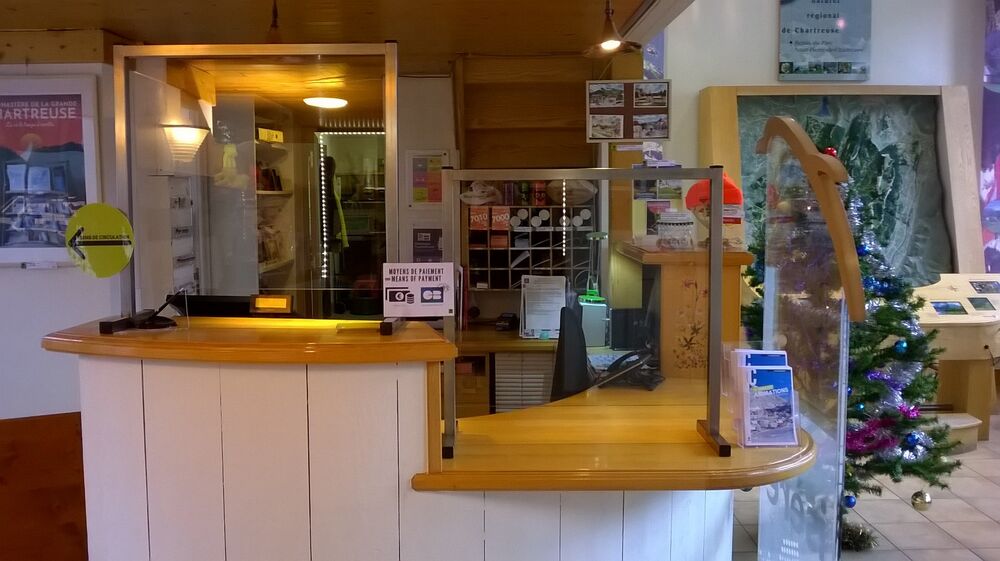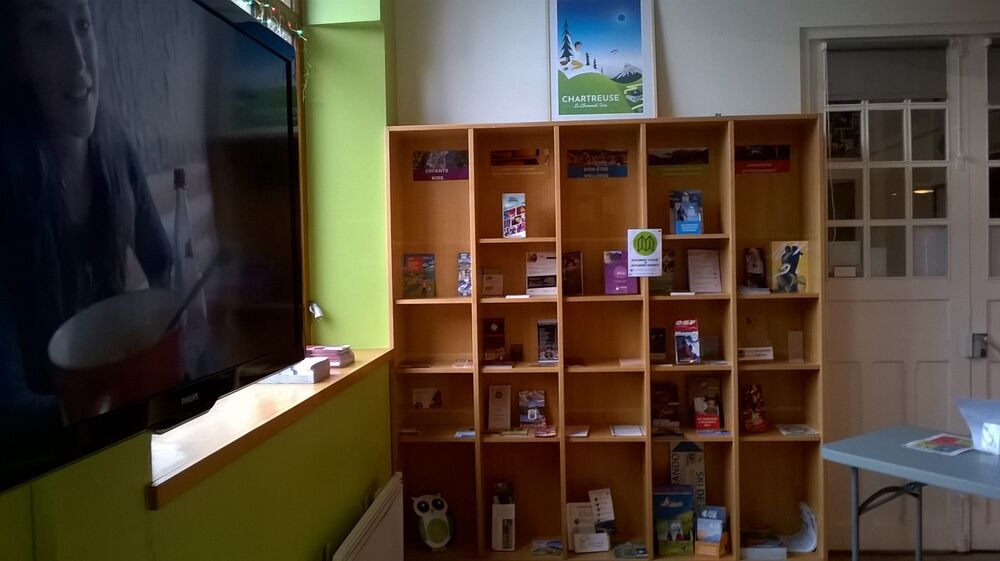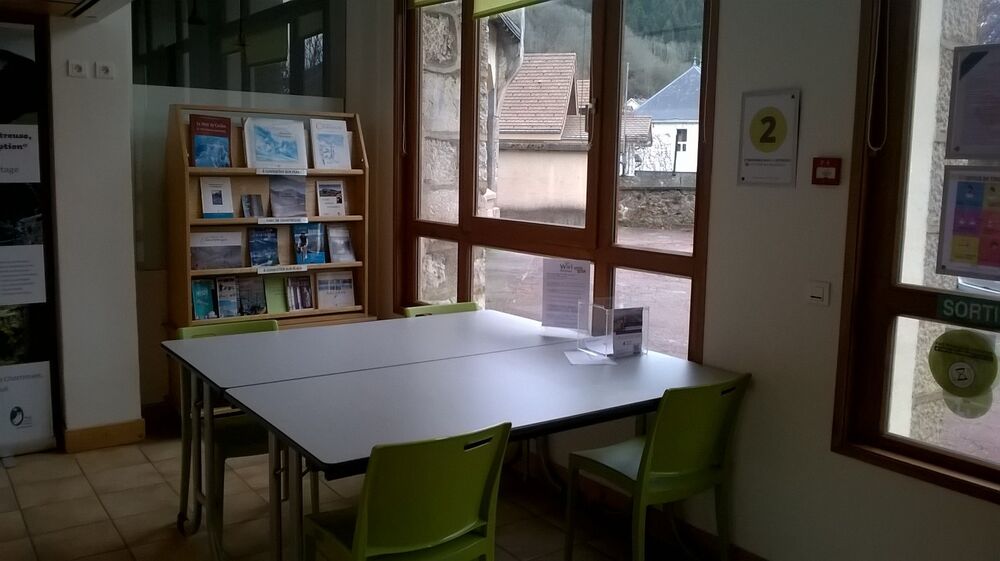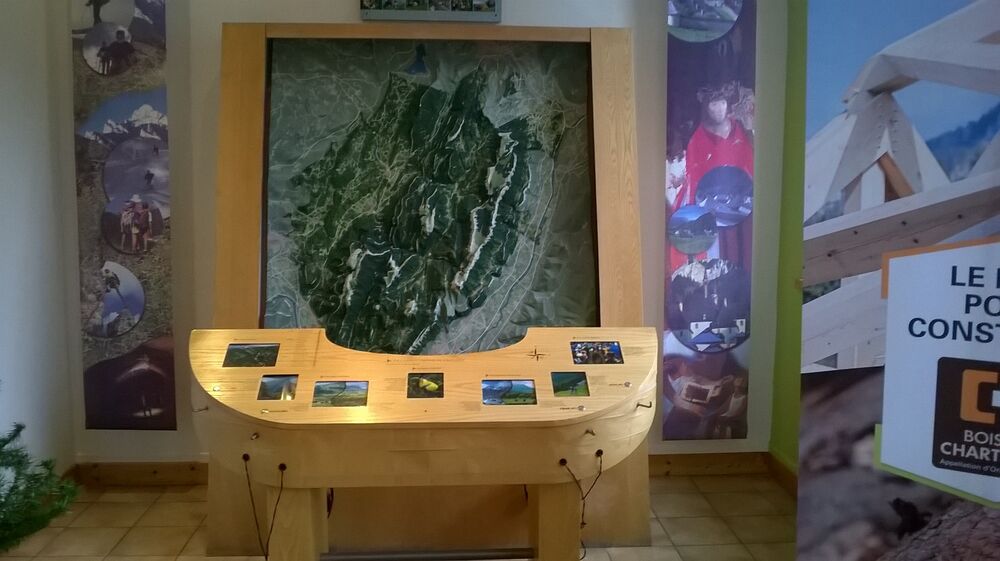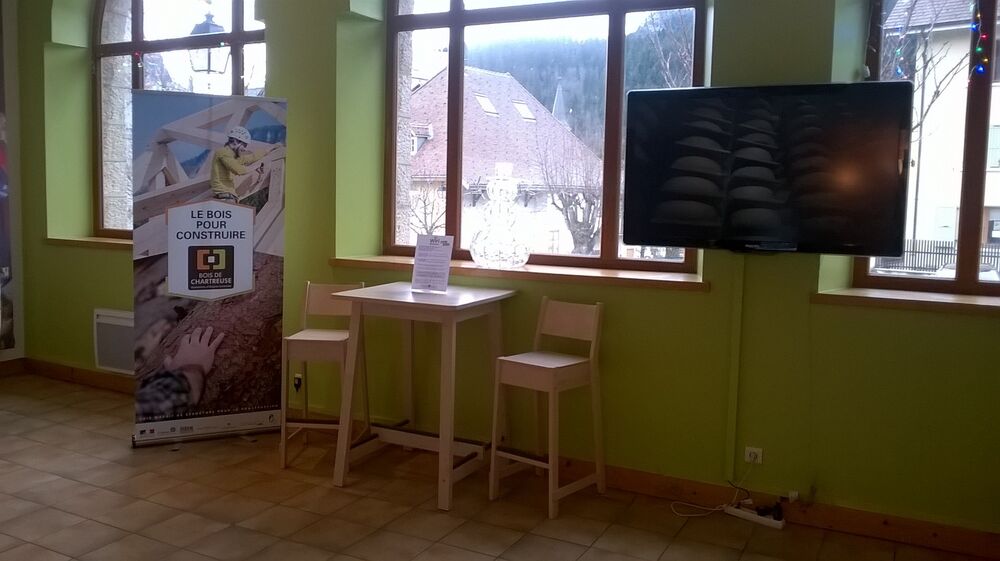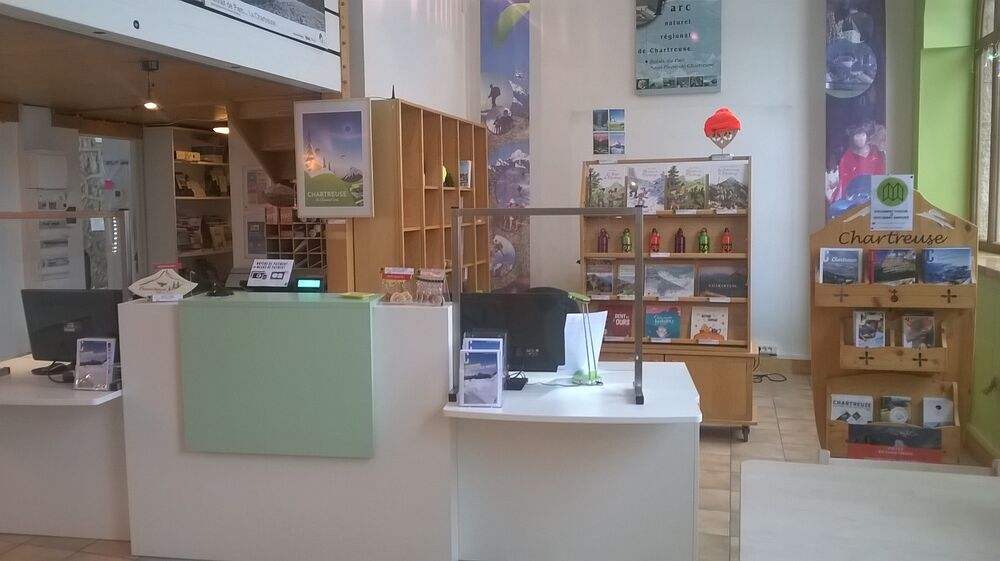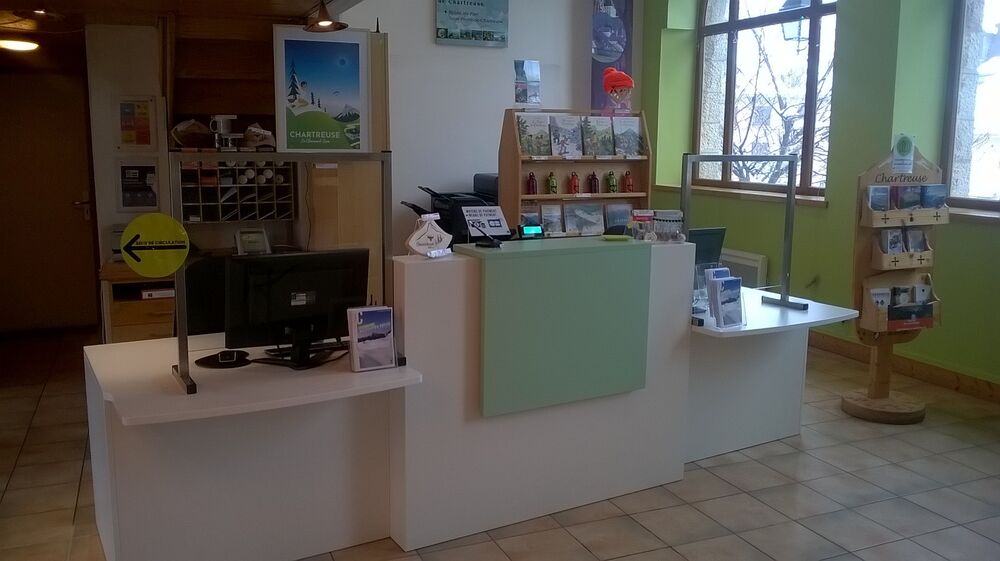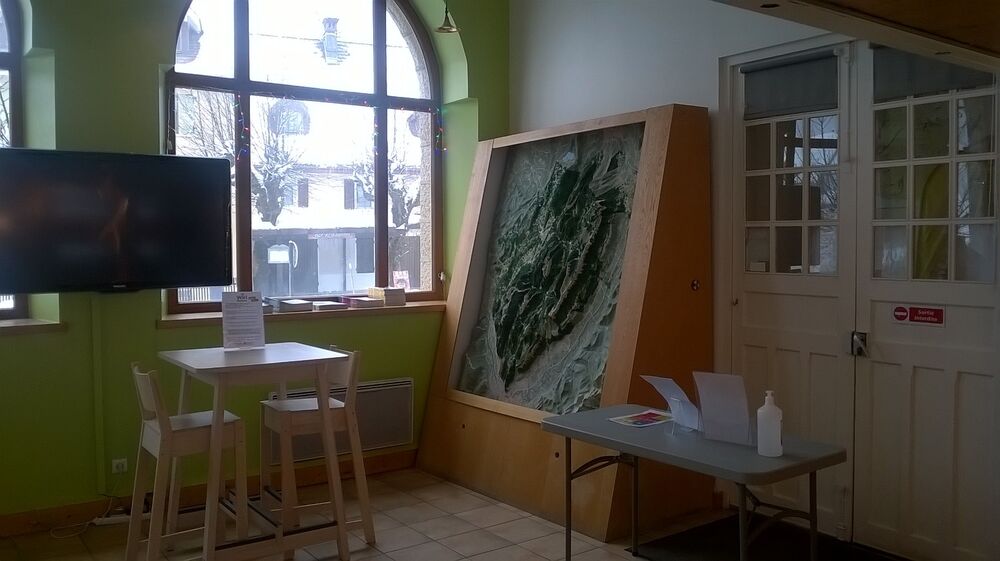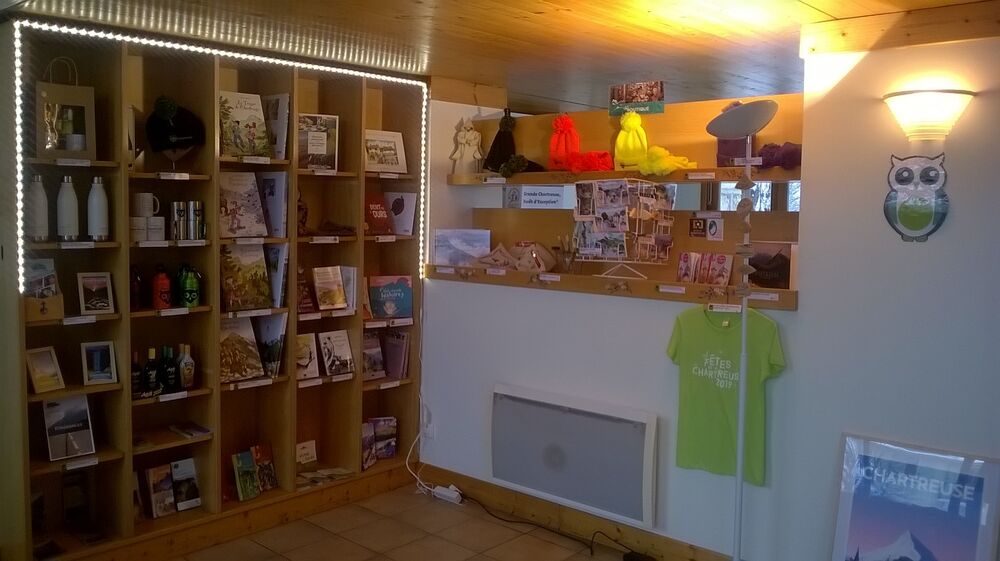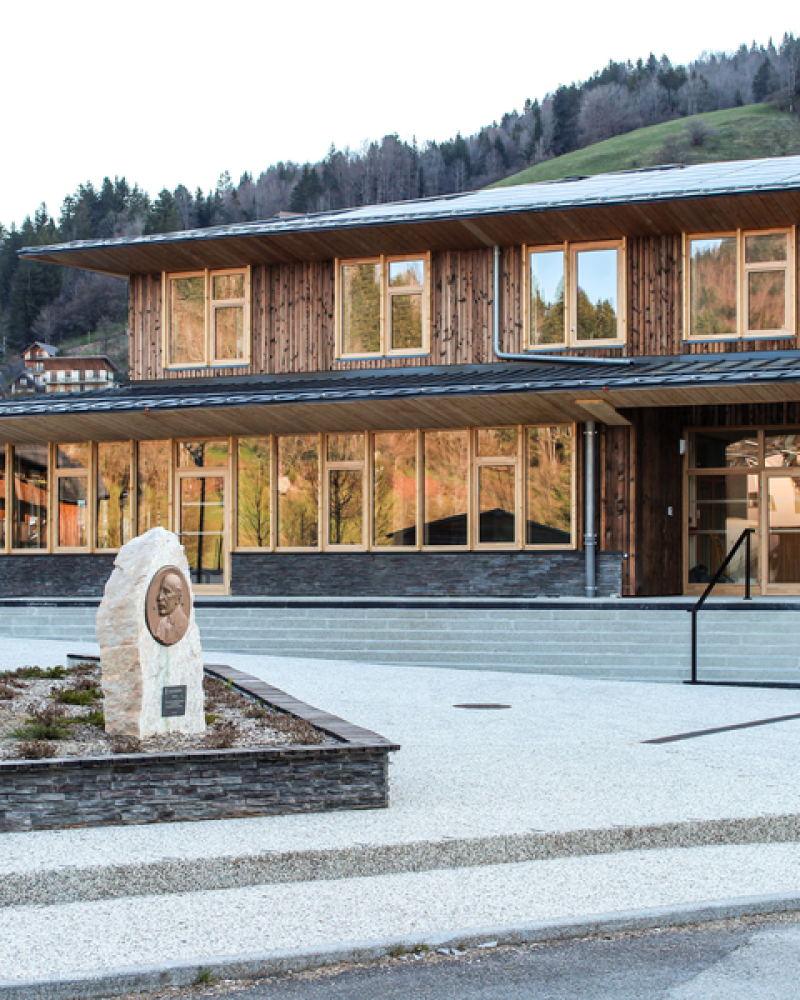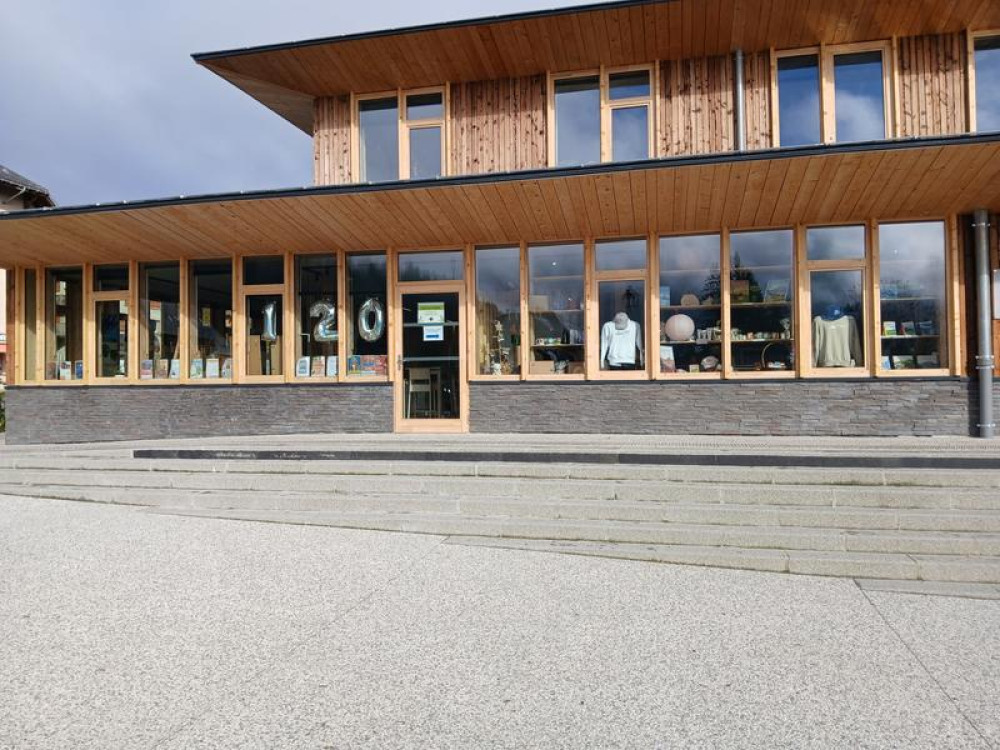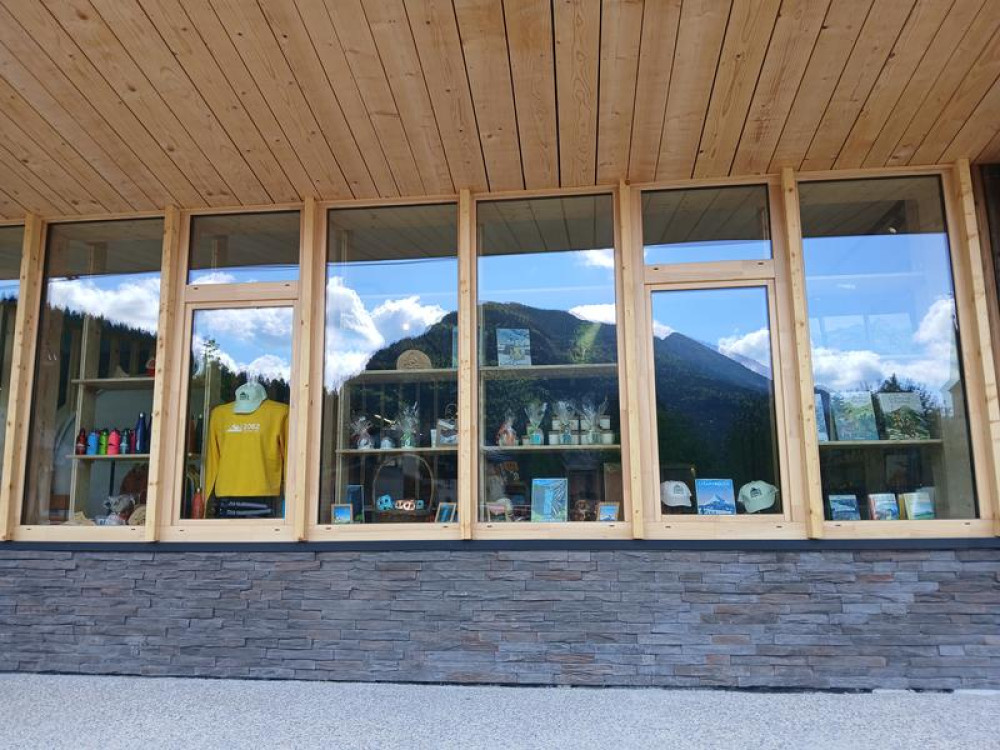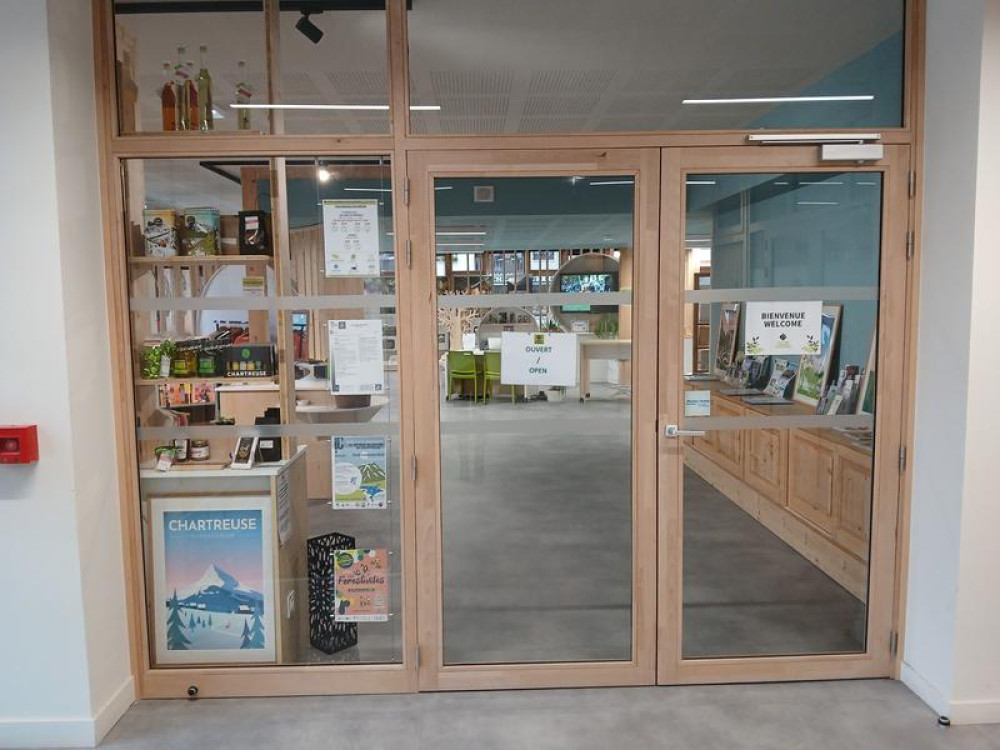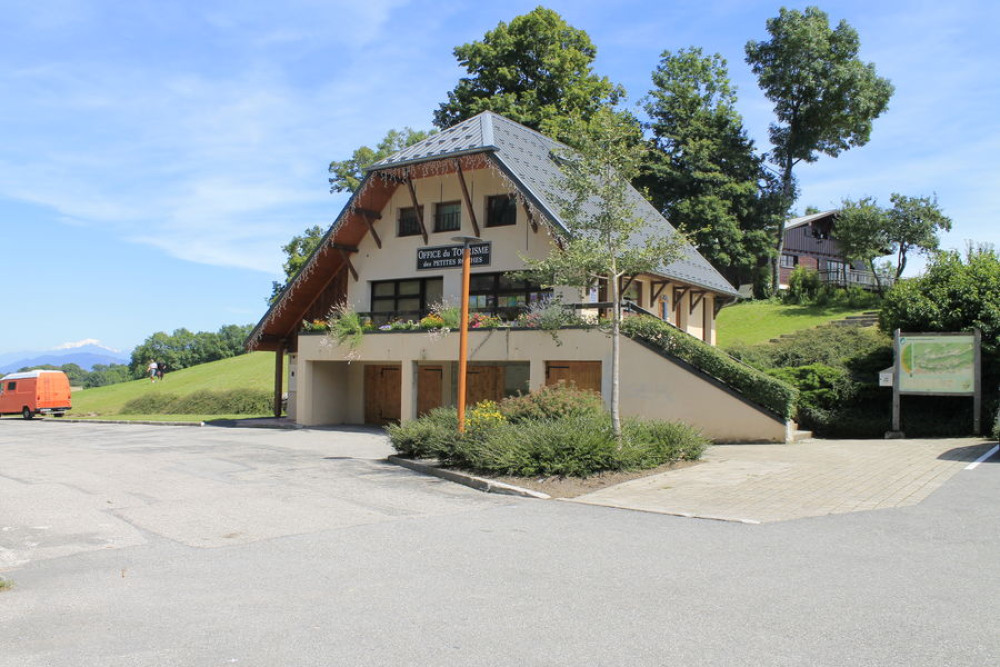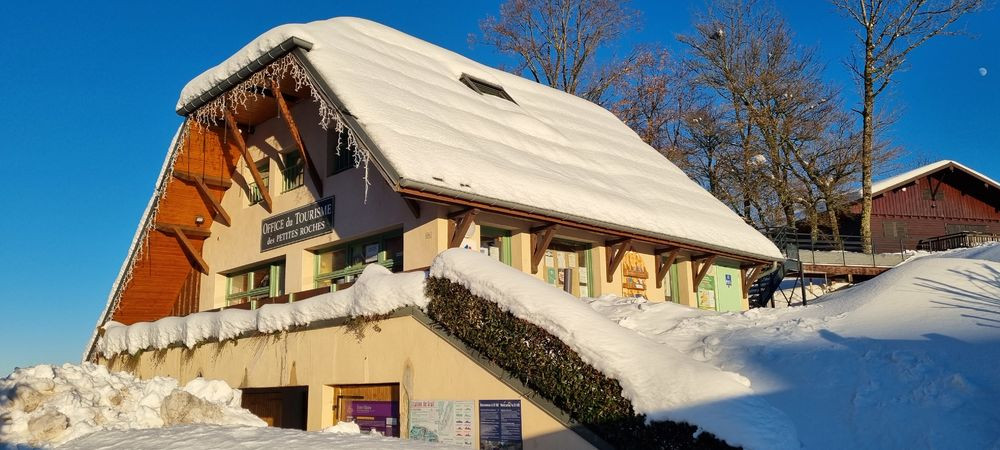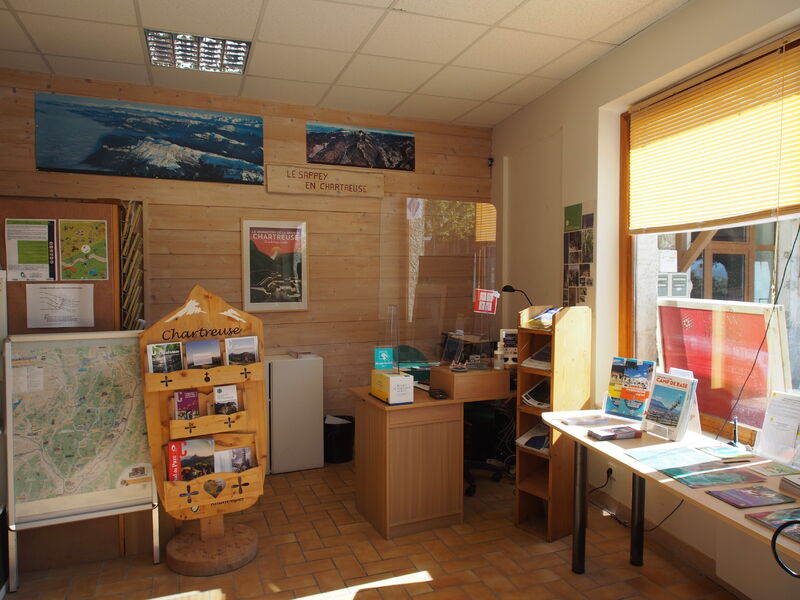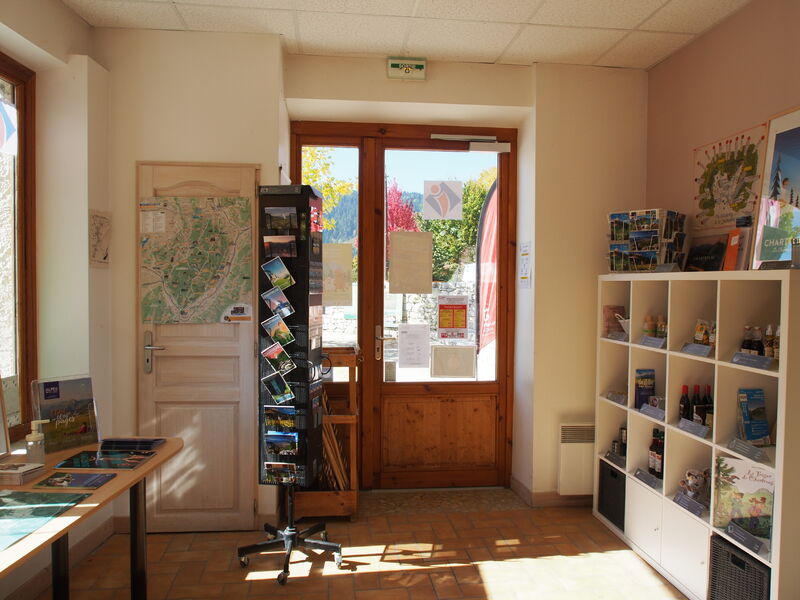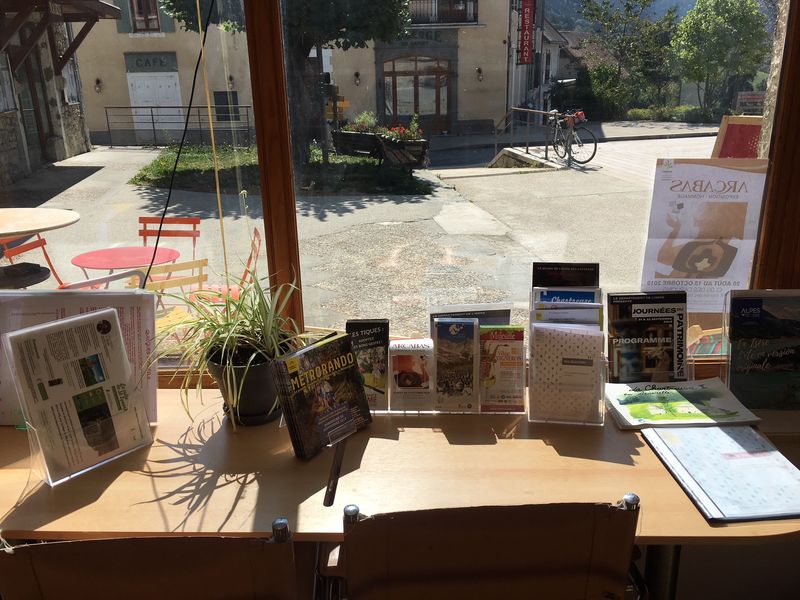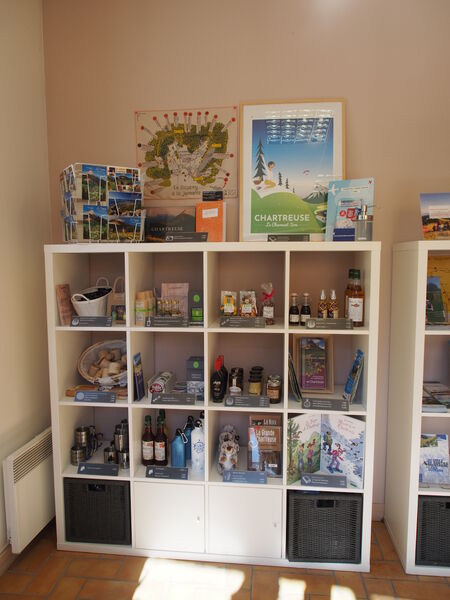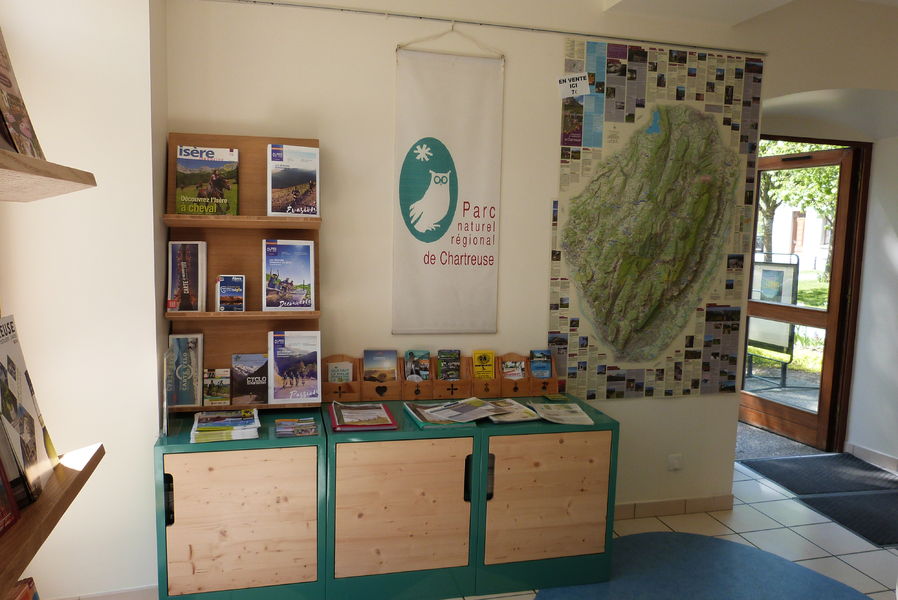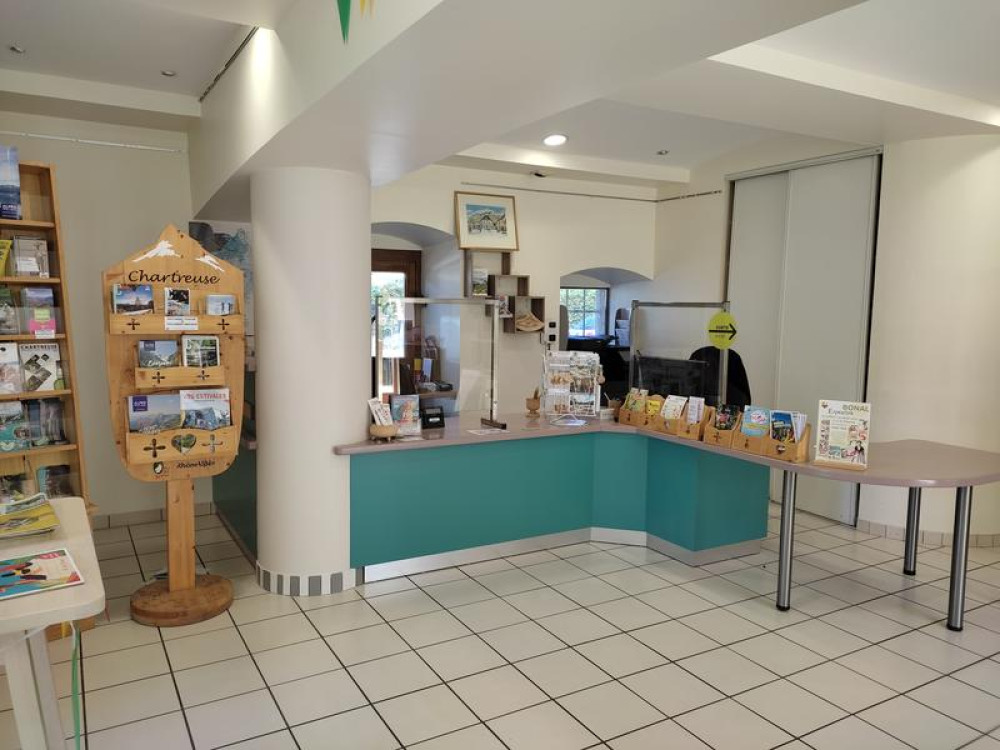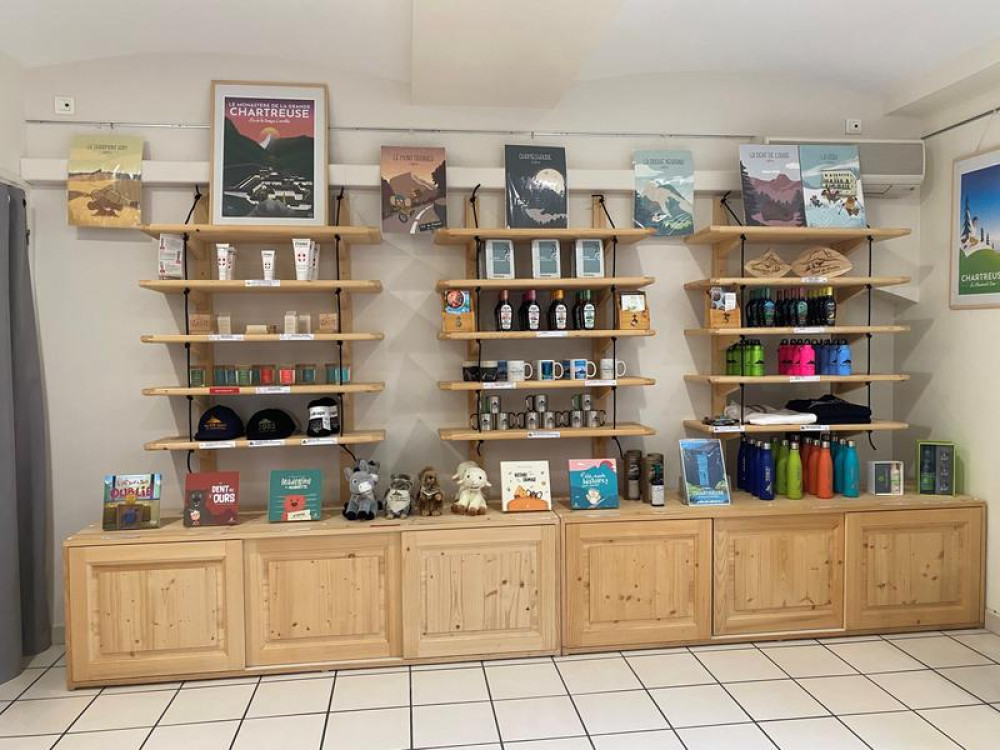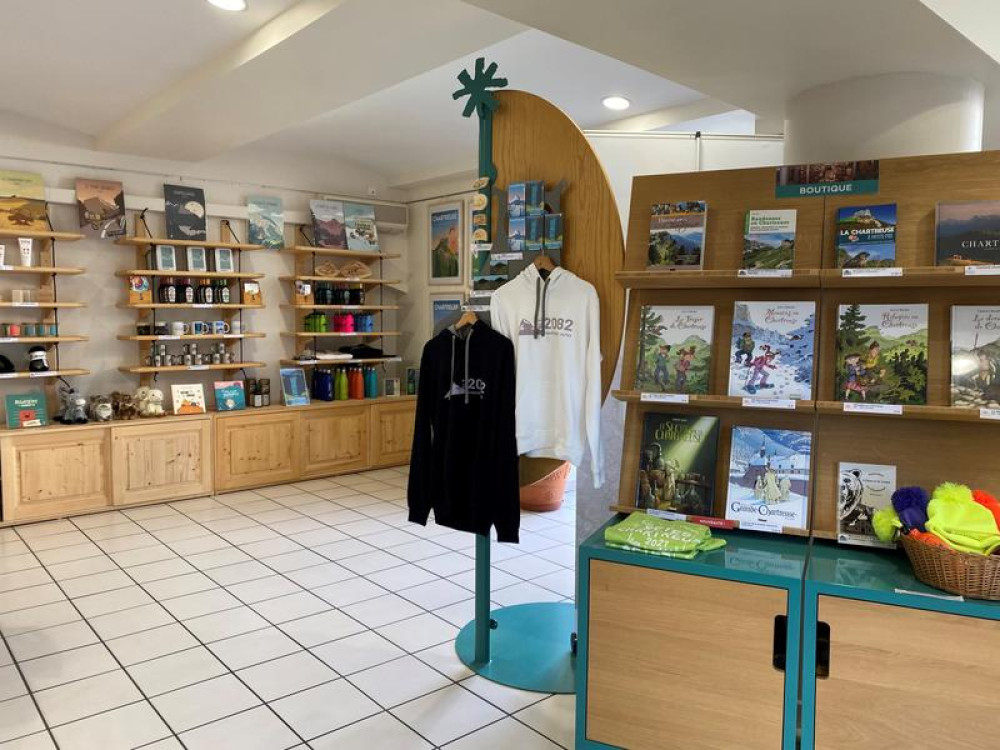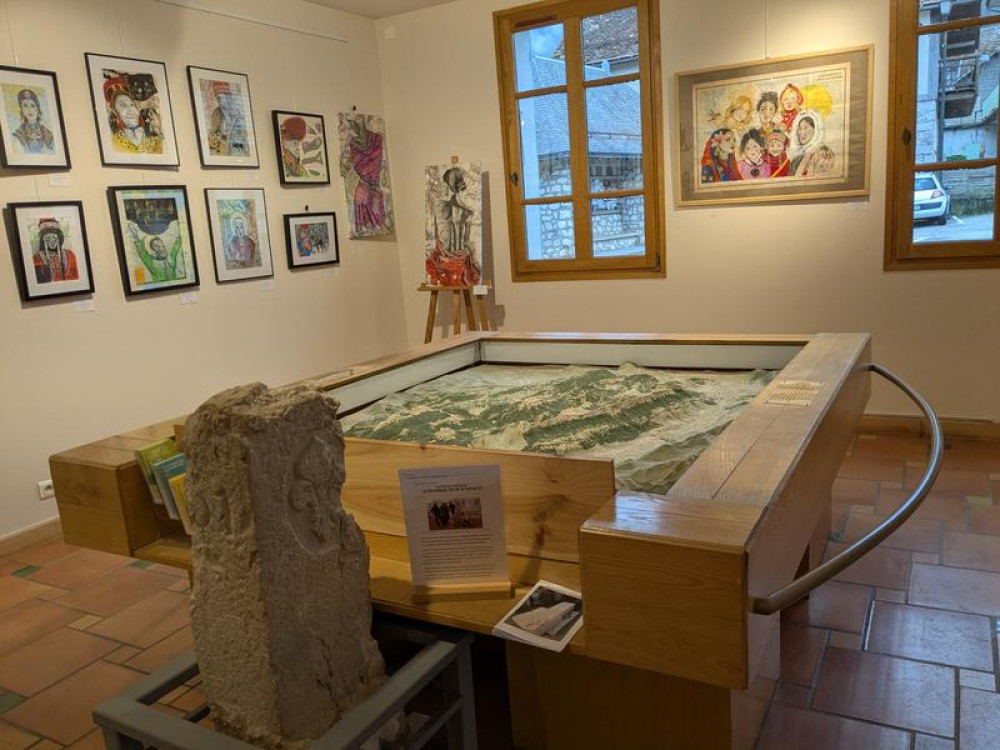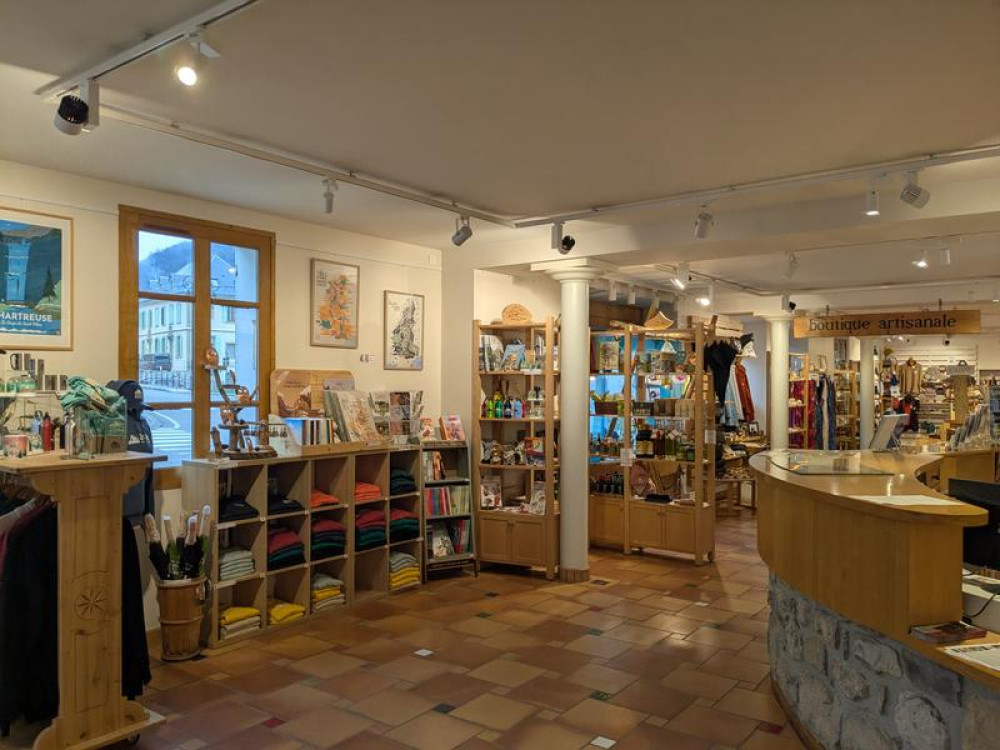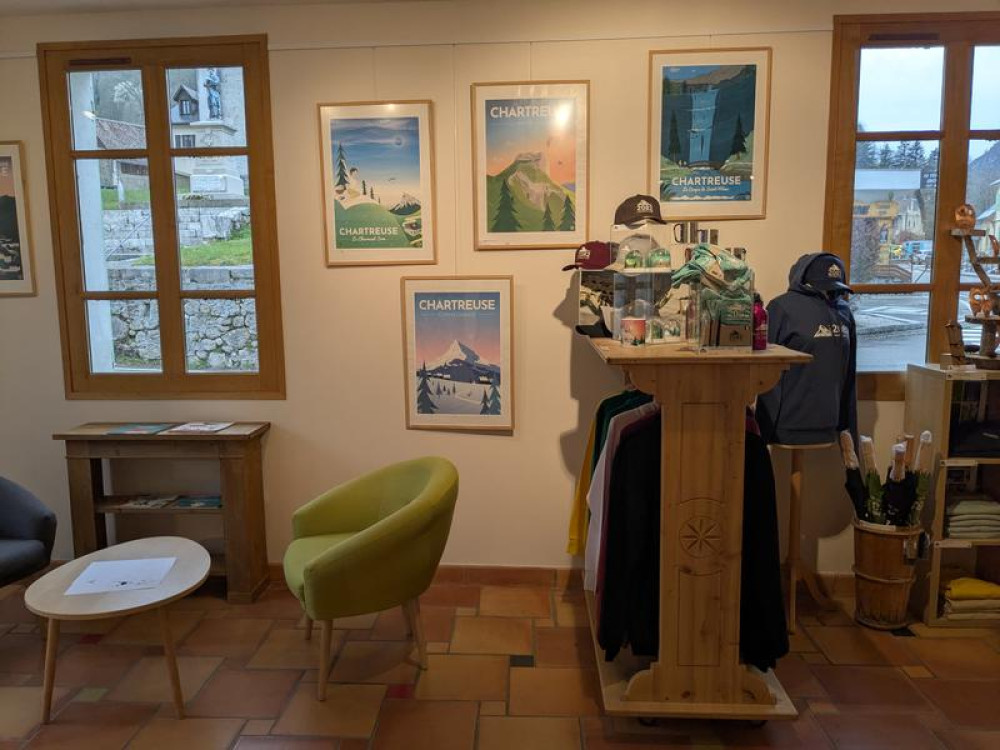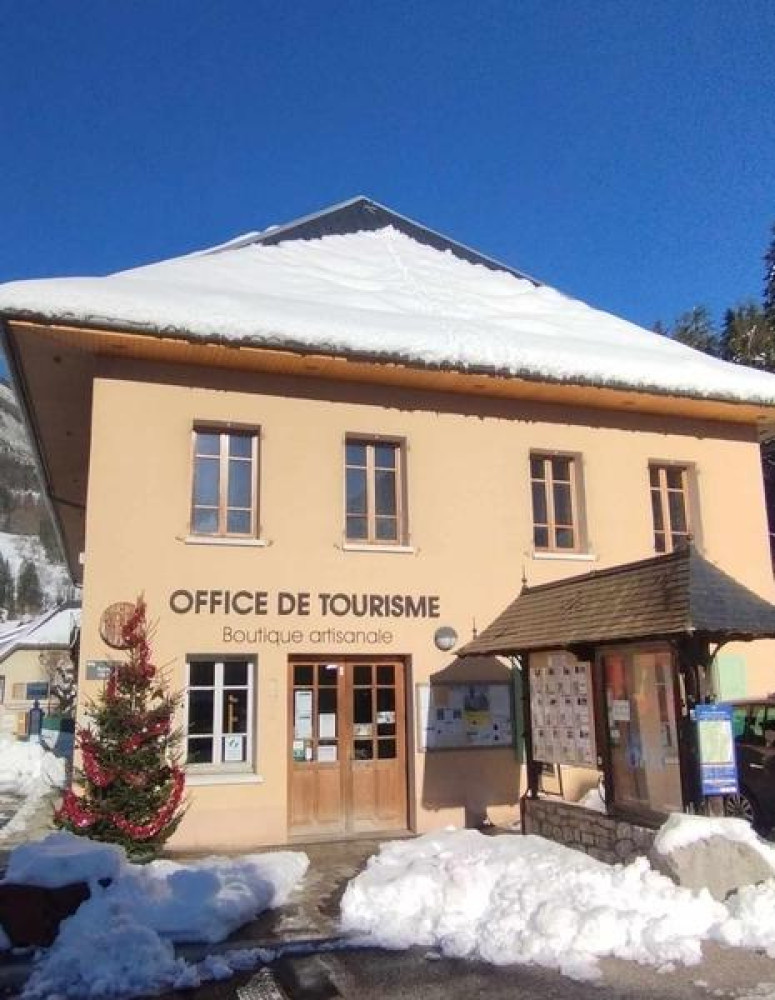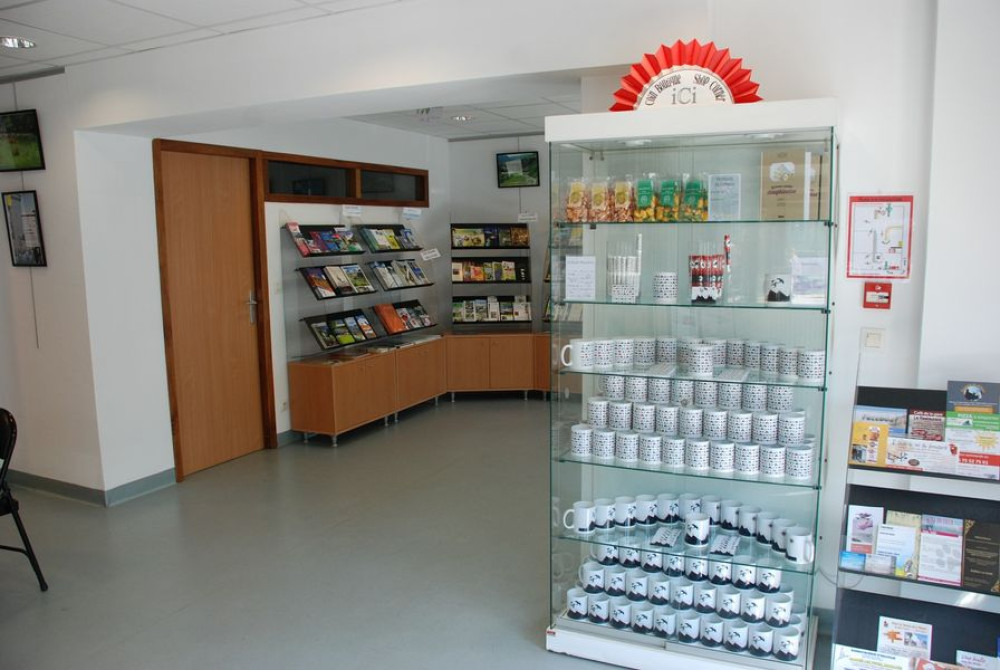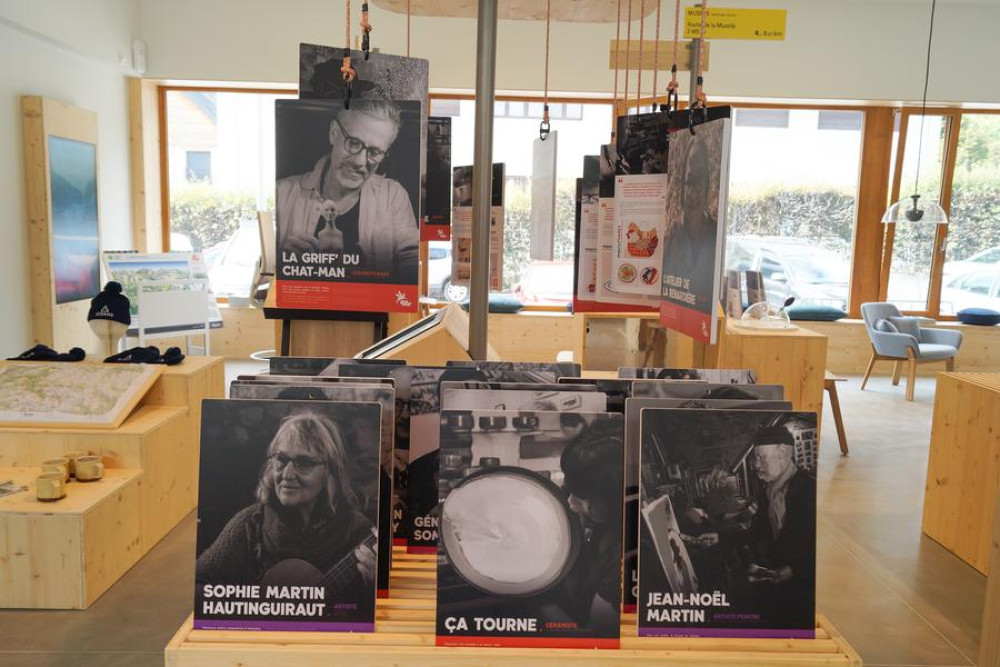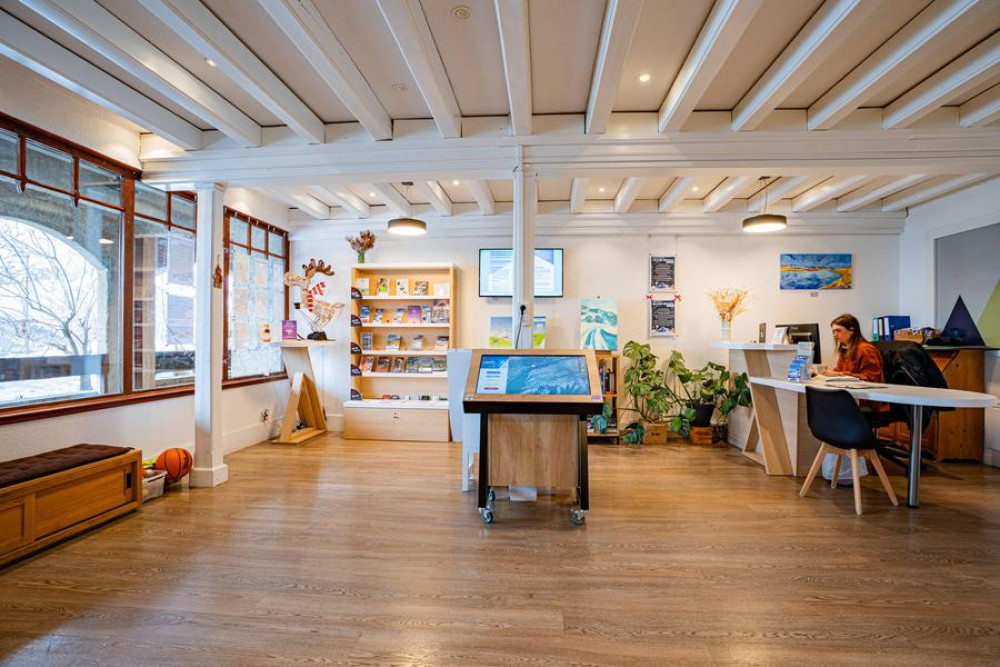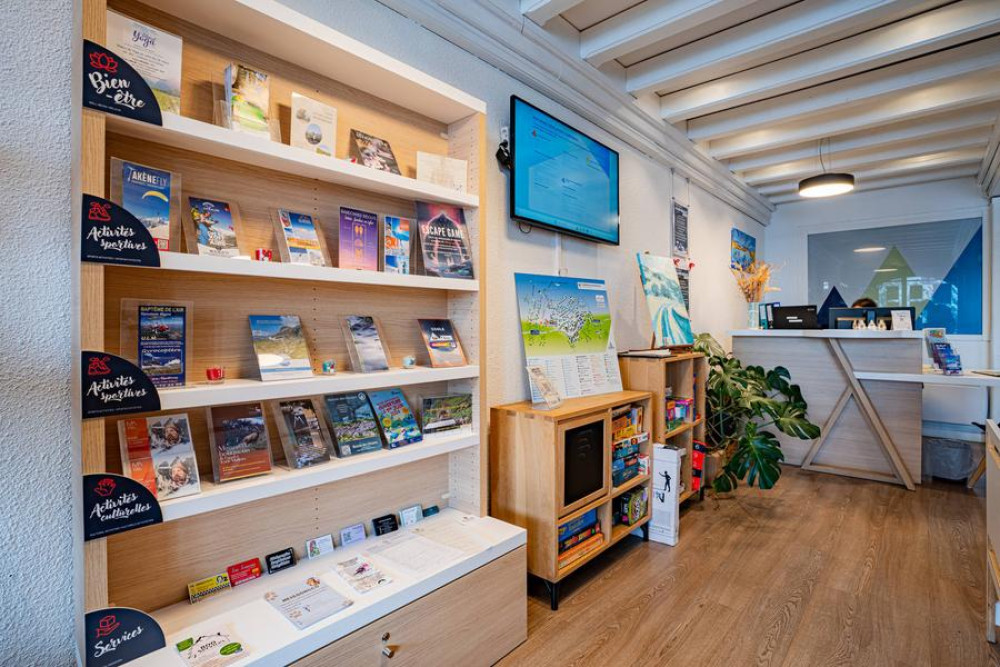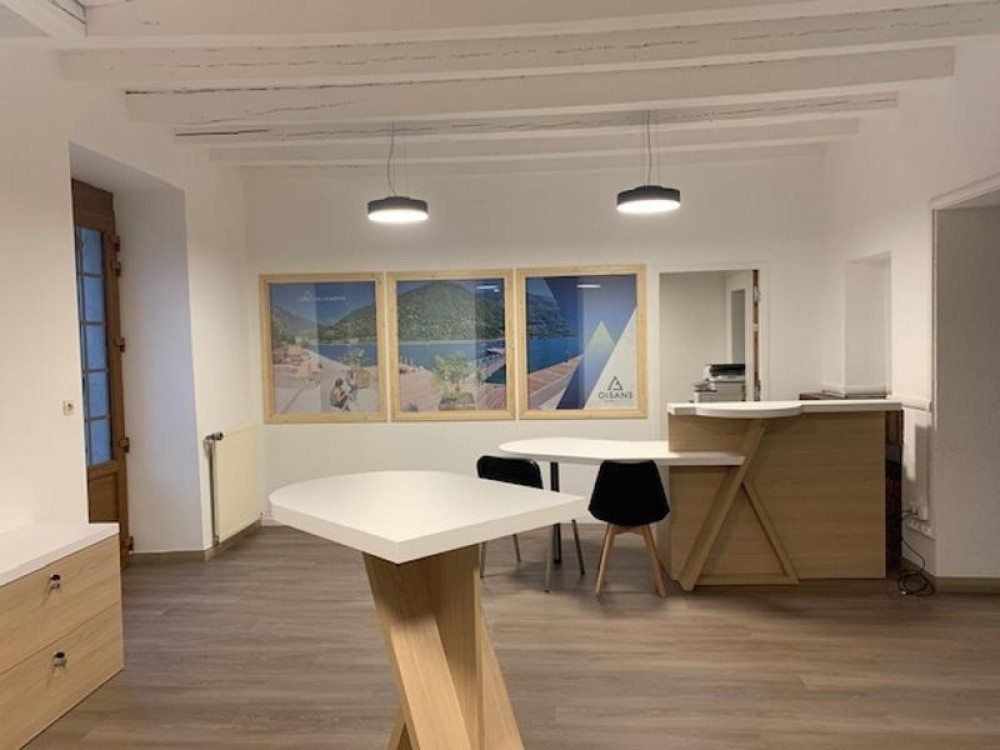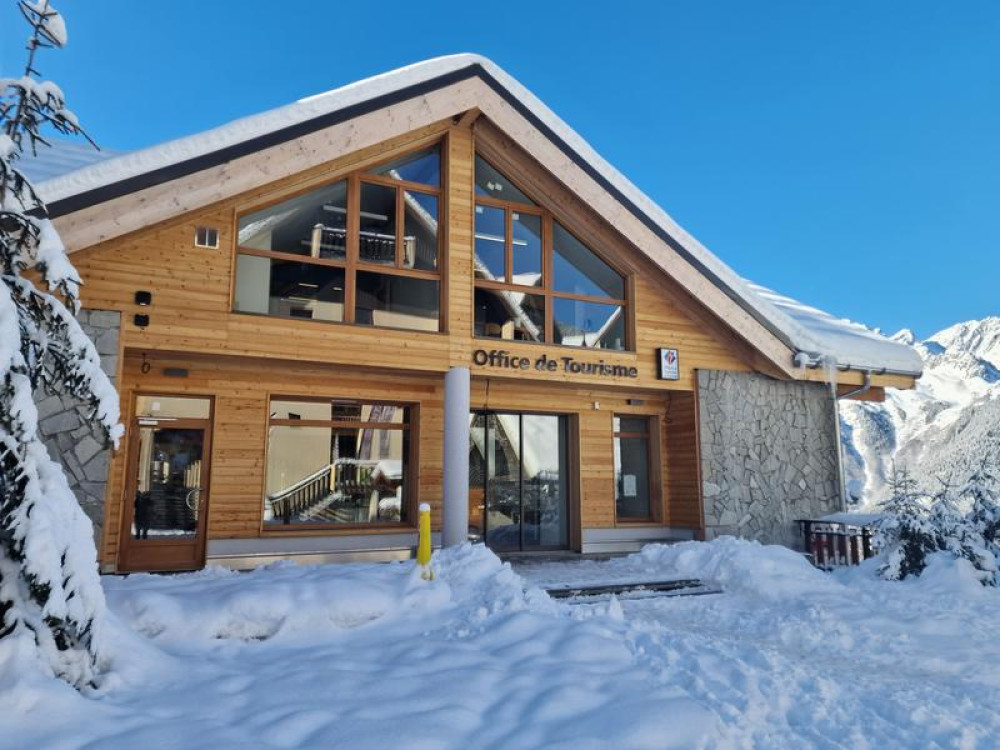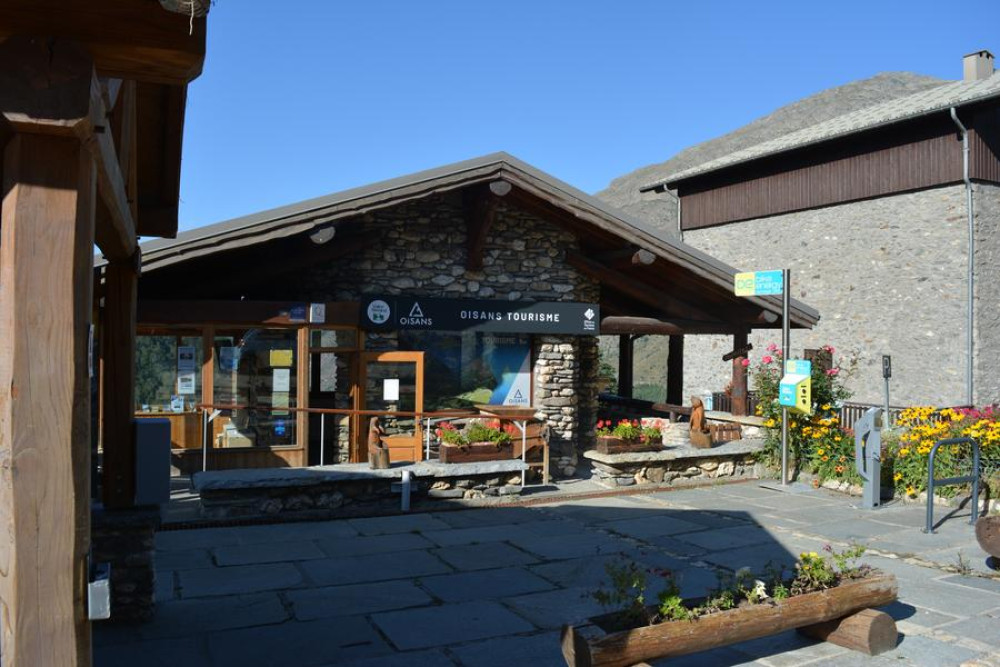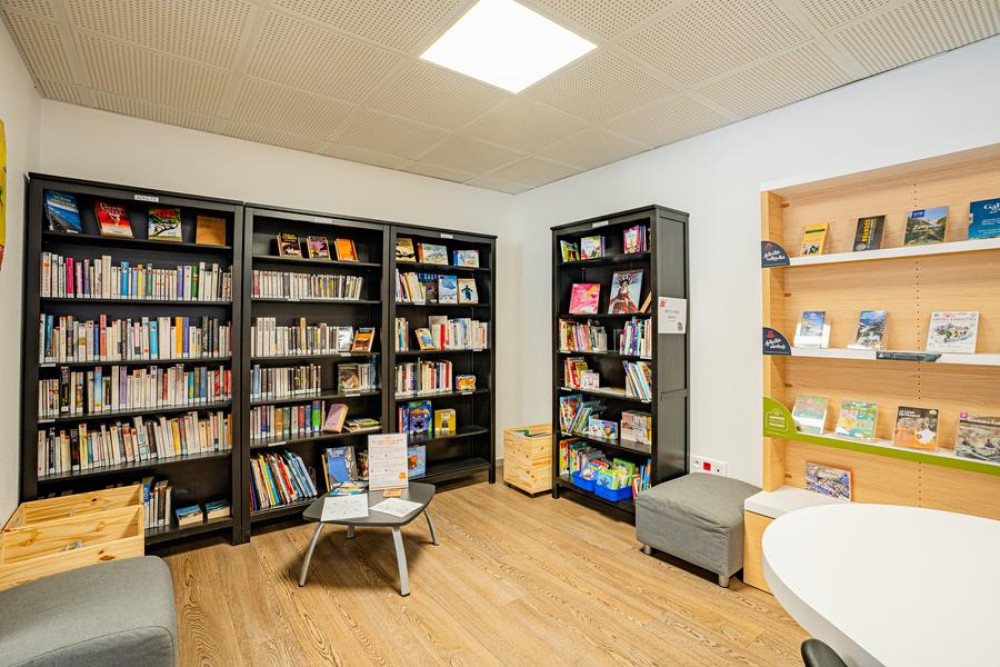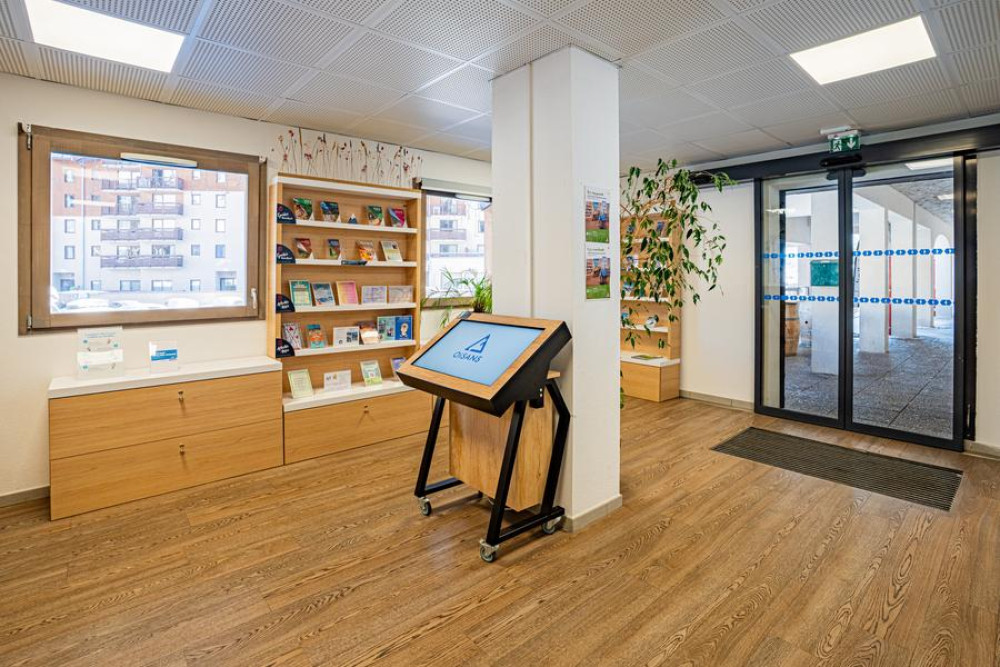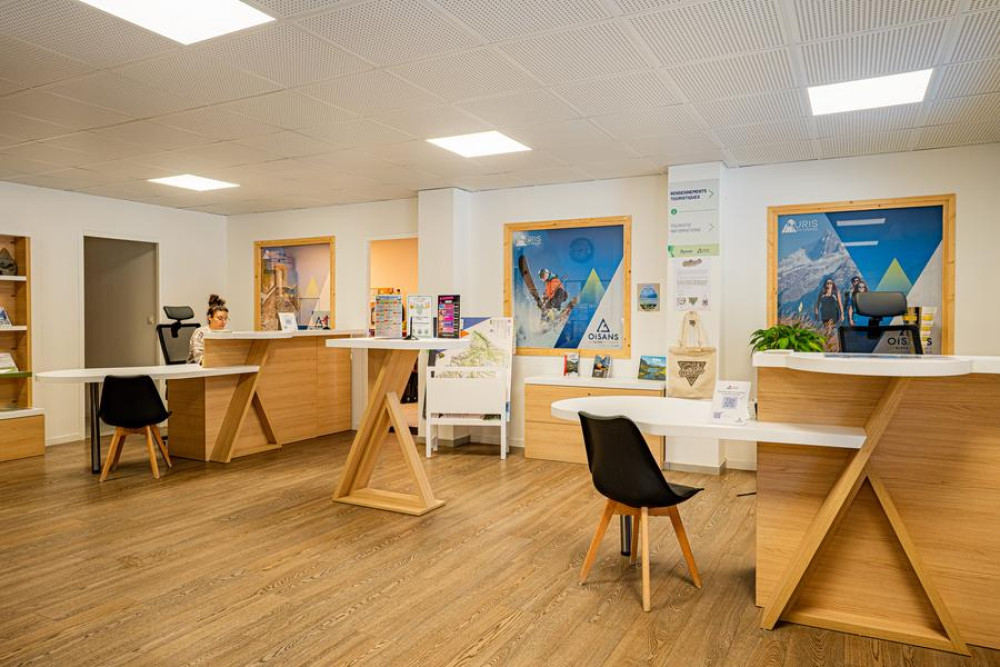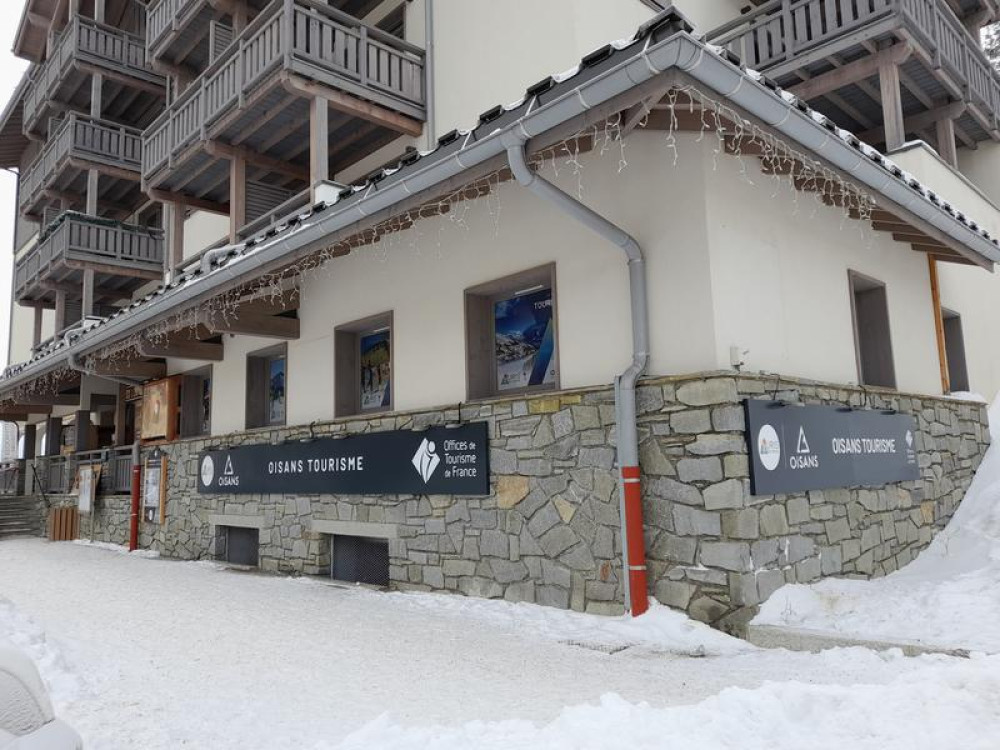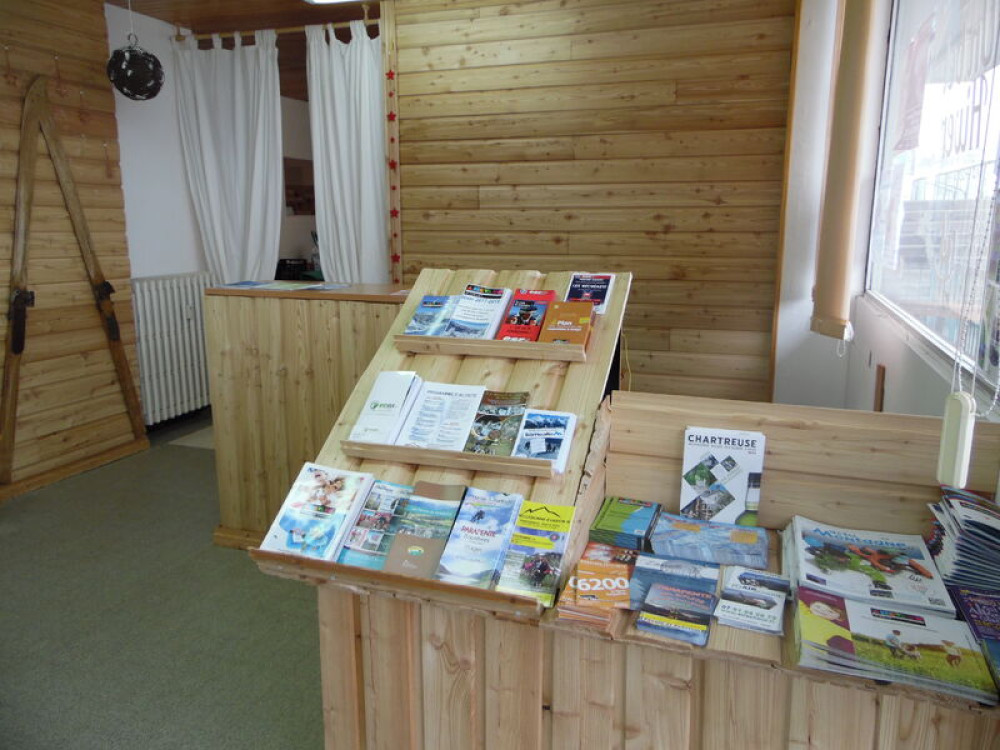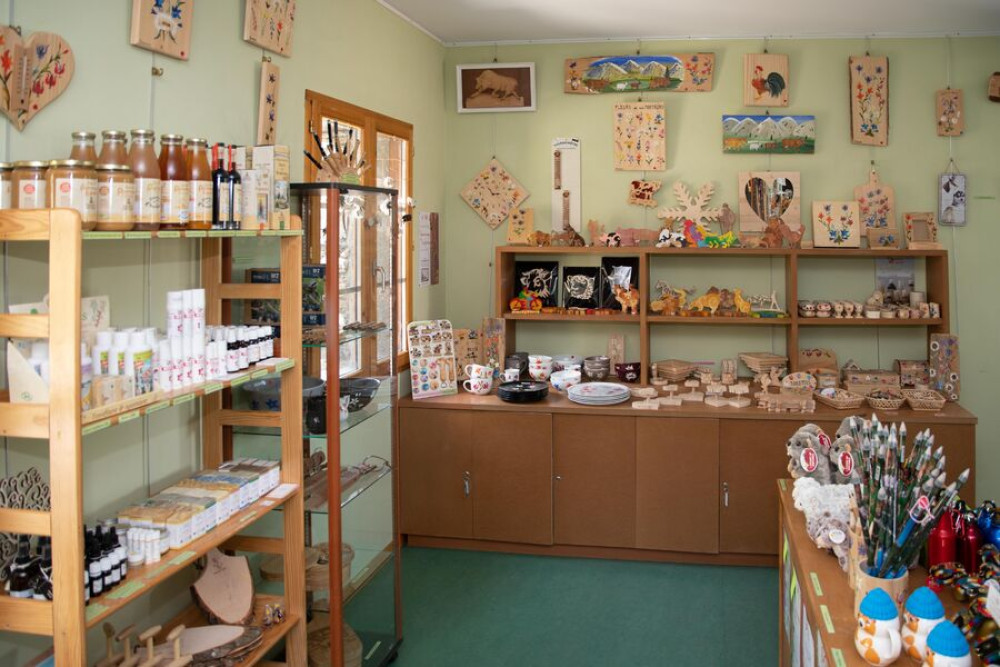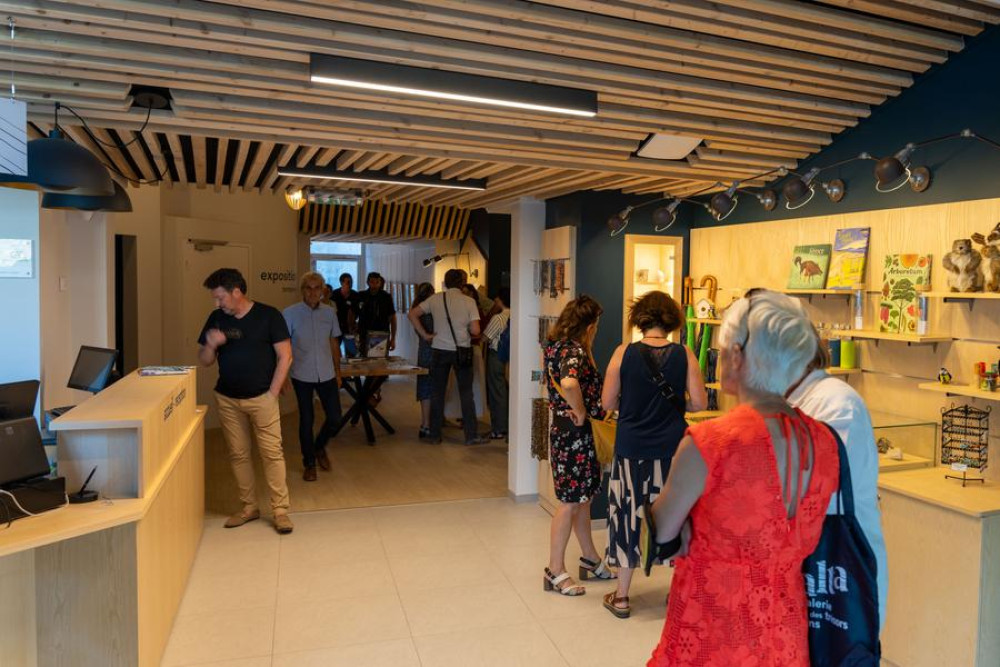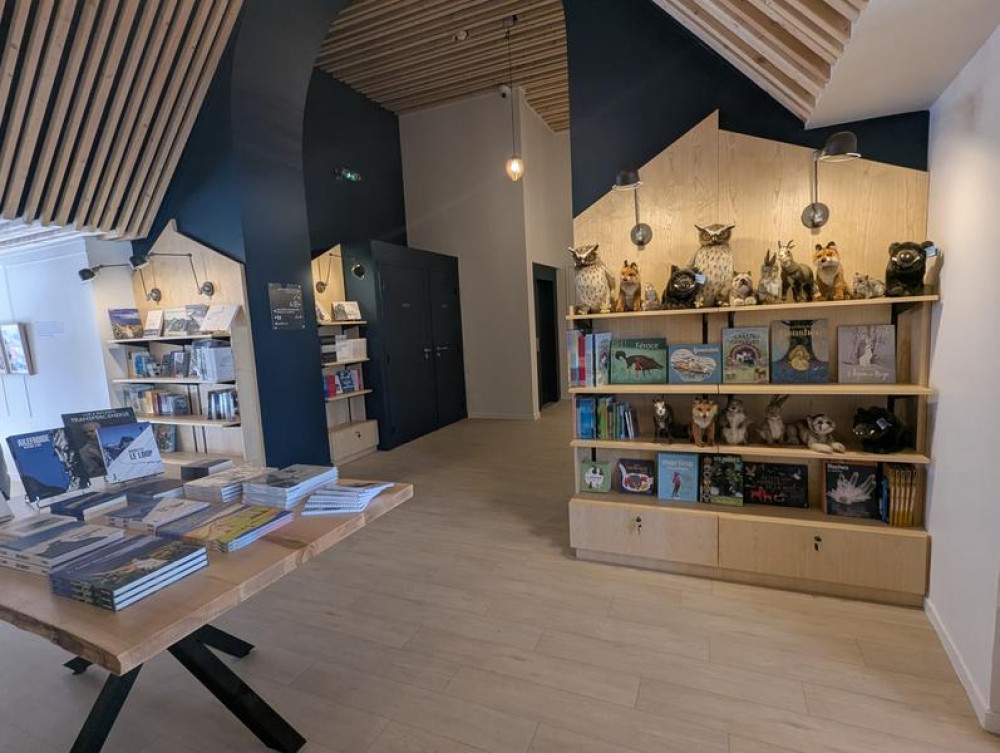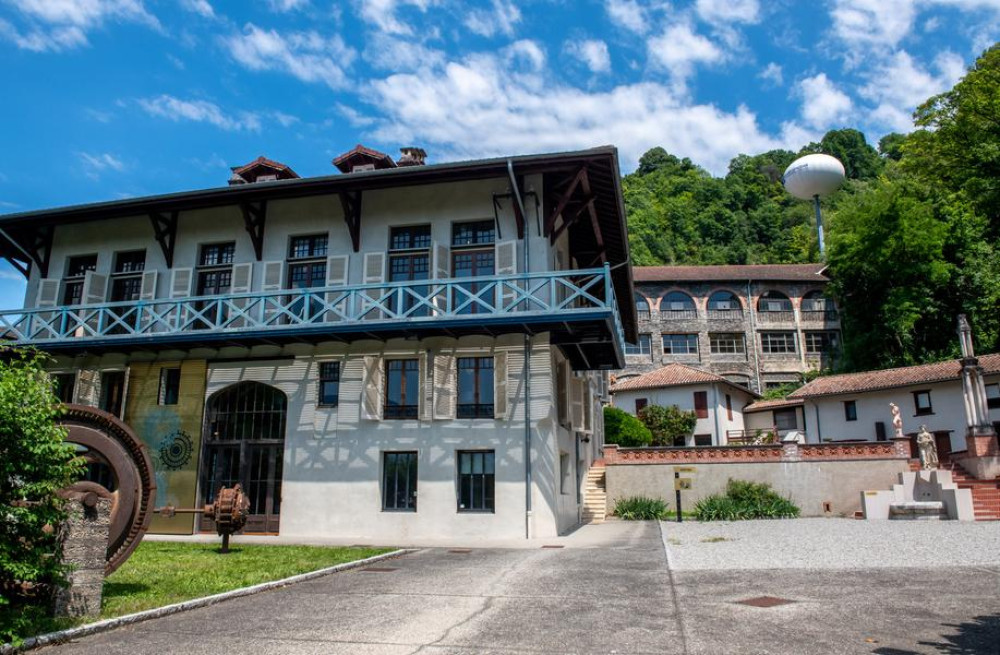

Located at the western entrance to the resort of Alpe d'Huez in the Vieil Alpe district.The Tourist Office is located within the Maison de l'Alpe which houses, in addition to the Tourist Office, the headquarters of the French Ski School and a cash office for the sale of ski lift passes. The Tourist Office reception and its staff provide tourist information in order to best meet the expectations of visitors in winter and summer. The Tourist Office reception desk also offers additional services such as: the sale of Cars Isère / Transaltitude bus tickets, the sale of hiking guidebooks, a public wifi connection area, a changing table in the toilets and a children's area (check its access according to the current health provisions). In addition, the reception area offers a small "shop" whose content is visible in three windows where Alpe d'Huez and Tomorrowland promotional items are displayed (souvenir items, small luggage, textiles...
The Tourist Office's reservation center is also available to holidaymakers to book their stay, as well as groups and seminars. It offers all-inclusive stays with various services: ski passes and lessons, equipment rental, parking space, activities, well-being... Online booking available on the official website of the Tourist Office also allows you to take advantage of promotional offers and tips. A mini wifi box rental service is also available.Period of opening : From 25/04 to 17/06/2022
Opening hours on Monday, Tuesday, Wednesday, Thursday and Friday between 9 am and 12 pm and between 2 pm and 5 pm.
Closed Saturday and Sunday.
Closed exceptionally on Feast of the Ascension and Whit Monday.
Exceptional closure on May 27, 2022.
From 18/06 to 19/06/2022
Opening hours on Saturday and Sunday between 10 am and 12 pm and between 3 pm and 5 pm.
From 20/06 to 24/06/2022
Opening hours on Monday, Tuesday, Wednesday, Thursday and Friday between 9 am and 12 pm and between 2 pm and 5 pm.
From 25/06 to 28/08/2022, daily between 9 am and 6 pm.
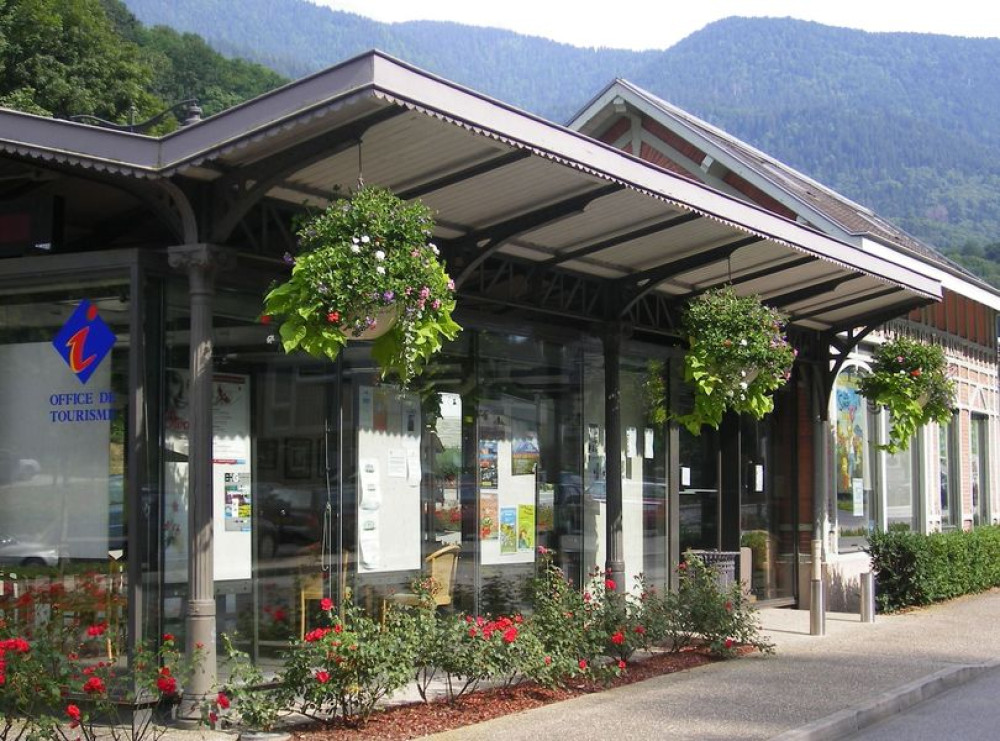
With its head in the mountains, and yet very close to Grenoble, Uriage is a spa resort in the Belledonne Range, whose splendid park has managed to keep the "belle époque" atmosphere.Welcome to Uriage-les-Bains! Looking to recharge your batteries, relax or simply get away from daily stress? You have come to the right place. Located near Grenoble, Uriage-les-Bains offers an enchanted interlude, where nature, well-being and heritage blend harmoniously. Let yourself be seduced by the charm of our town and discover all it has to offer.
The Tourist Office team will help you discover this mid-mountain village, which has a preserved natural environment surrounded by forest, promising some great walks!
Our office are located in the Voies ferrées du Dauphiné (VFD) railway station, a witness to the spa's rich past.
Since 1995, restored and refurbished as a tourist office, it continues to welcome visitors and bear witness to the town's rich past.


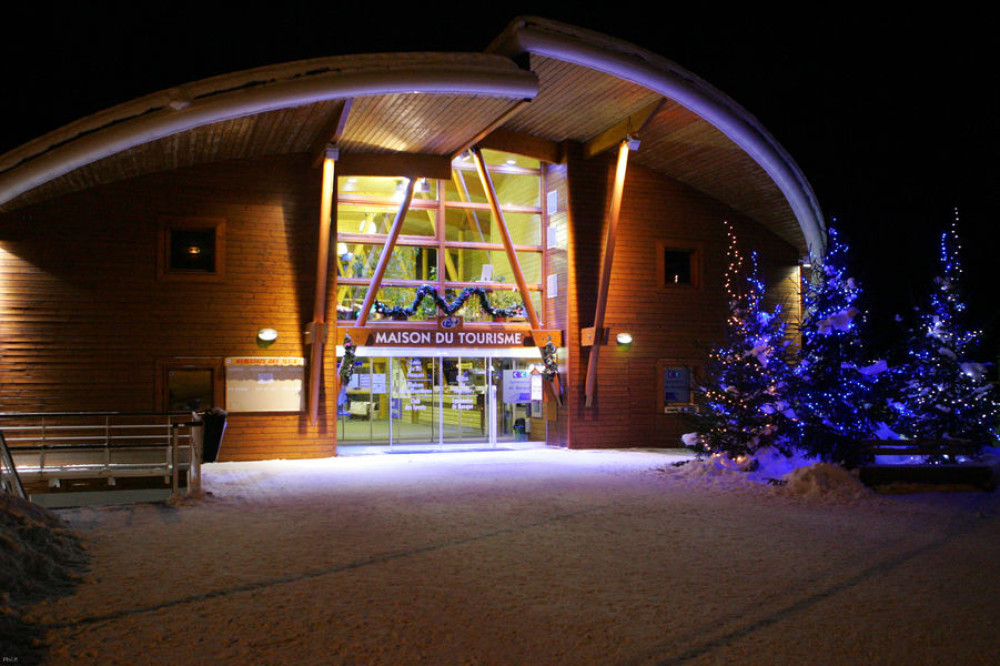
The Chamrousse Tourist Office has renewed its "Qualité Tourisme / Destination d'excellence" label and offers a personalized welcome at its two information desks.There are two information centers in the resort, one in Chamrousse 1650 and the other in Chamrousse 1750, offering:
- a reservation center for accommodations ("Chamrousse Réservation"),
- a souvenir and gift shop,
- a children’s area,
- a paid stroller and baby carrier rental service,
- free Wi-Fi.
The information center at the Recoin Tourist Office (1650) is open year-round, while the one in the Roche-Béranger shopping center (1750) is open only during peak season (winter and summer).
#FillMyWaterBottle / Water Bottle Friendly—free water refills upon request at the reception desk during opening hours: available in 250 ml, 500 ml, 750 ml, 1 liter, 1.5 liters, or 2 liters.
Mailing address for the Chamrousse Tourist Offices:
- Chamrousse 1650 - Recoin: 42 Place de Belledonne, 38410 Chamrousse
- Chamrousse 1750 - Roche Béranger: 478 avenue du Père Tasse, 38410 Chamrousse
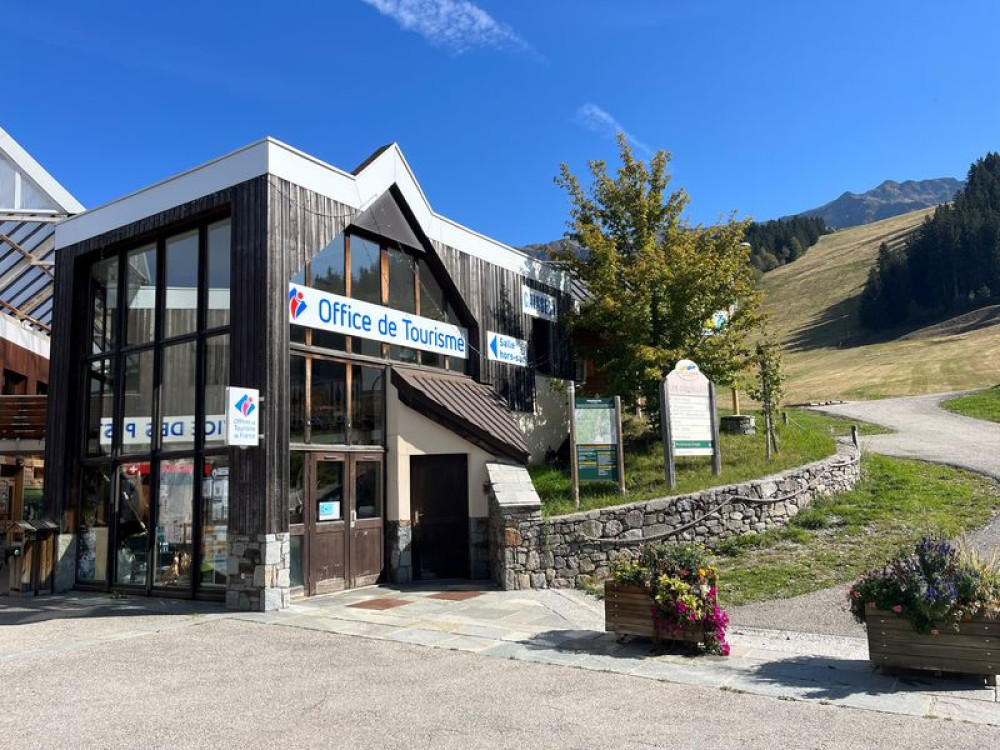
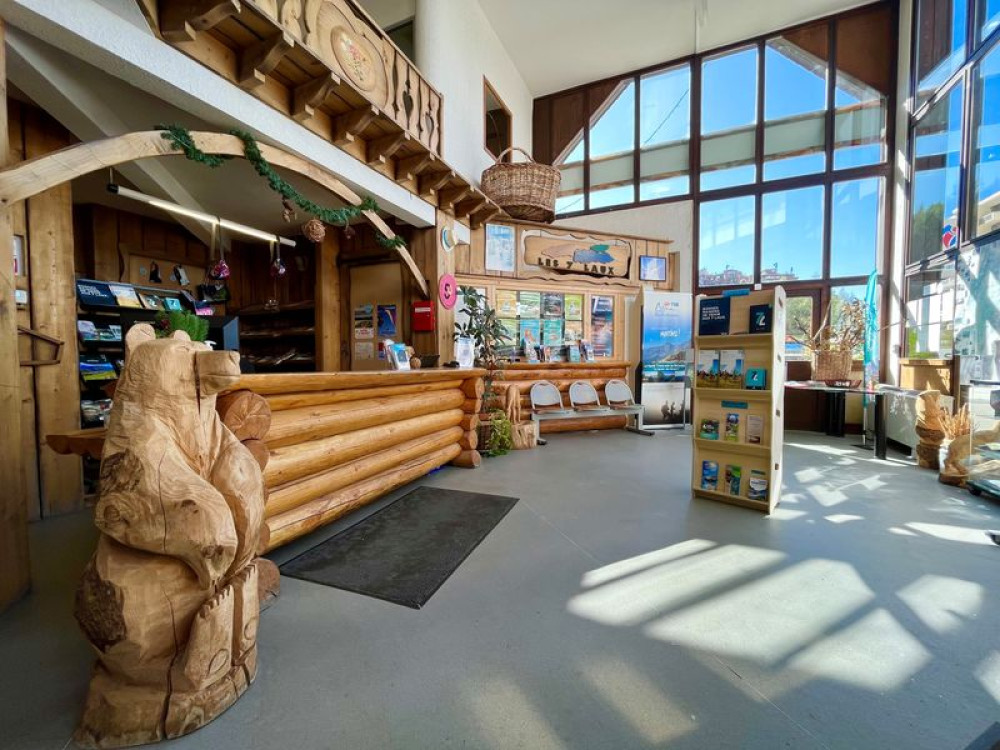
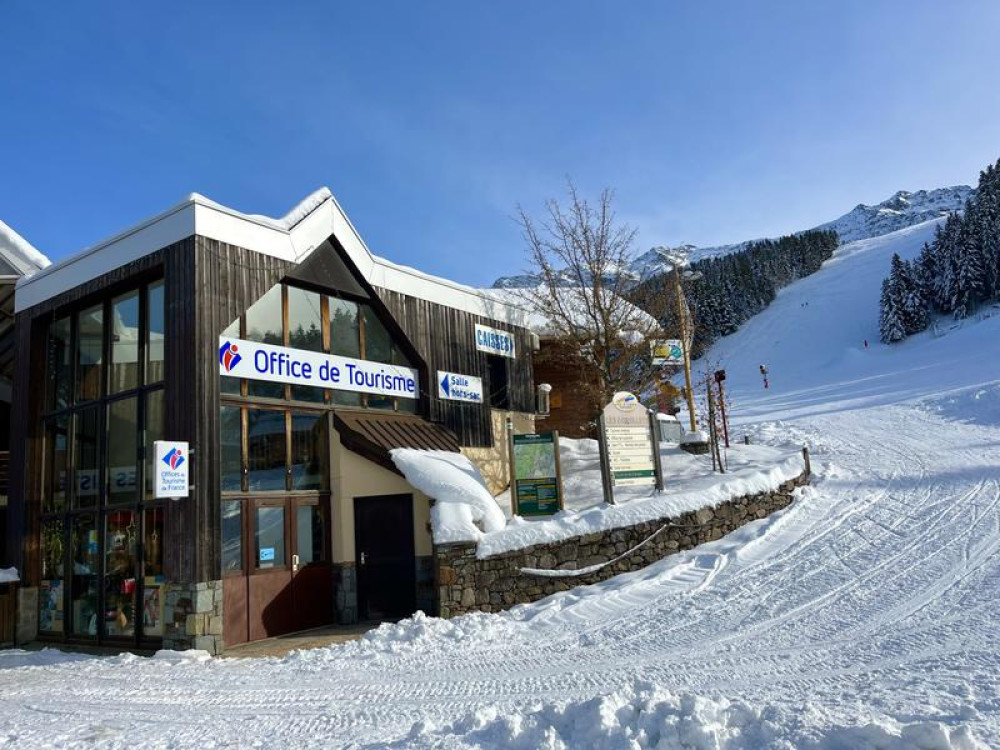
The 7 Laux Prapoutel Tourist Information Office is located at the foot of the slopes and in the centre of the resort.

It is ideally placed as a base in the heart of a region with a rich historical and cultural heritage and outstanding natural and architectural features.Between the mountain ranges of Belledonne and Chartreuse, served by a wide road network, the Grésivaudand valley offers numerous places to stop where the visitor can explore different sites : castles, museums, historic monuments, the wine route.. lakes and rivers, canoeing, microlighting, paragliding, hiking, mountain biking, skiing, exploring, caves ::Period of opening : From 03/01 to 30/12/2022
Opening hours on Wednesday, Thursday and Friday between 2 pm and 5.30 pm.
Closed Monday, Tuesday, Saturday and Sunday.
Closed exceptionally on Easter Monday, Feast of the Ascension, Whit Monday, May 1st, May 8th, July 14th, August 15th, November 1st, November 11th and December 25th.
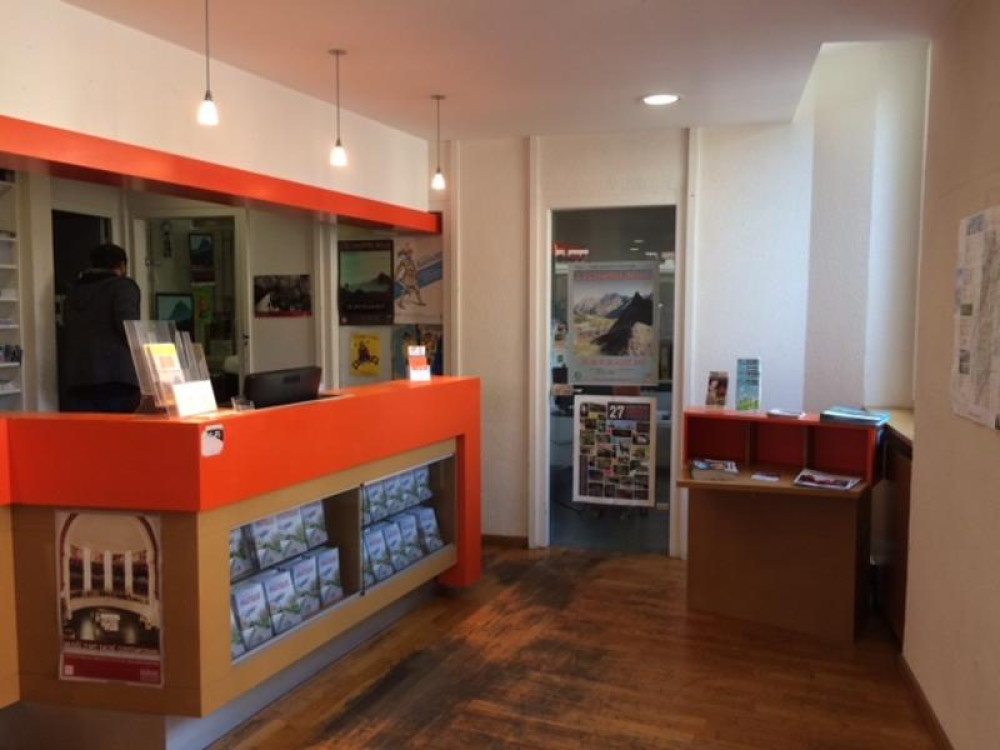
The whole team at the Tourist Information Center is happy to be able to advise and guide you during your stay. Don't hesitate to contact the Office for expert advice on the area and on all the activities that are proposed in our surroundings.In addition to the reception service, the Tourist Information Office has a reservation center to help you find the accommodation that is exactly right for you. It also has an entertainment service and a groups, incentive and seminars service.
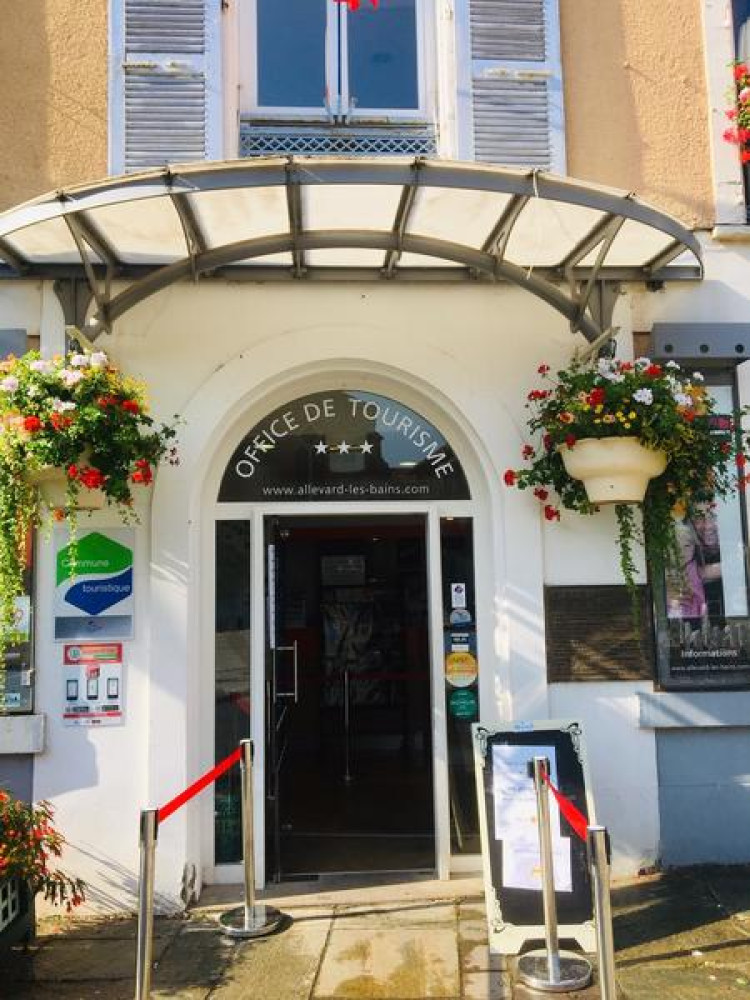
Allevard-les-Bains has many assets:
- a spa, treating the respiratory tract and rheumatology from April to the end of October
- An unspoilt setting with 240 km of marked hiking trails, a lake and mountain activities.
- Two nearby winter sports resorts: Le Collet and Le Pleynet-Les 7 Laux.
- A Nordic ski area: Barioz.
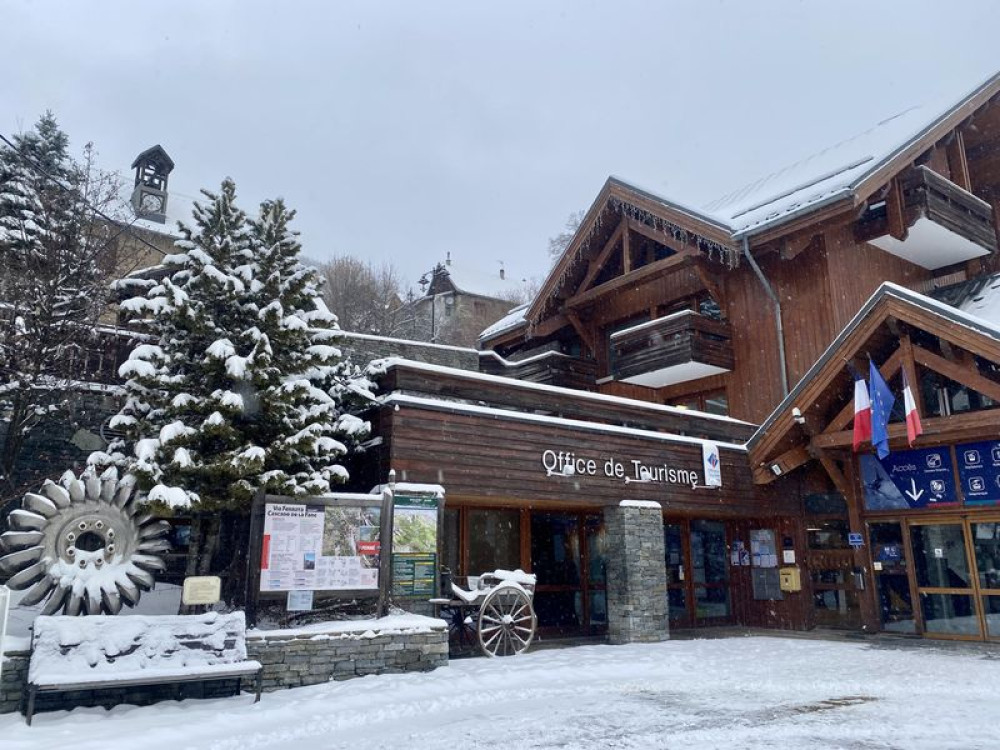
Nestled at an altitude of 1250m, Vaujany is located on a vast estate connected to Alpe d'Huez in the heart of Oisans in the Northern Alps.The family resort develops with the rhythm of the seasons, caressed by a soft sun. A rich heritage, varied activities, major events, Vaujany is the playground for all mountain lovers.
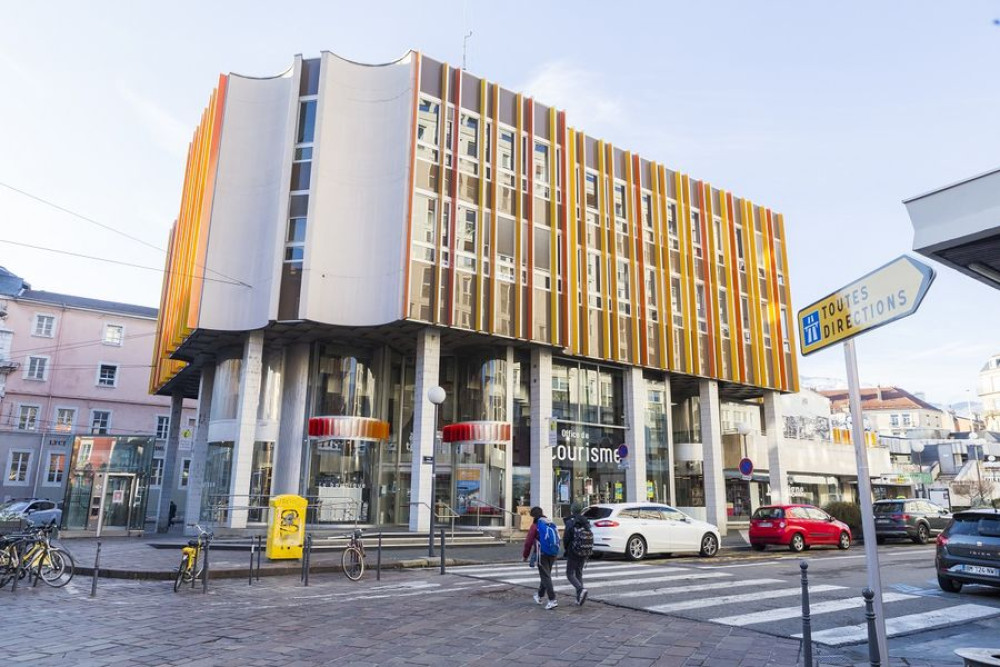
The Grenoble Alpes Tourist Office welcomes you every day to help you discover the riches of this metropolitan area nestled in the heart of the Alps, between the Chartreuse massif, the peaks of Belledonne and the Vercors plateau.
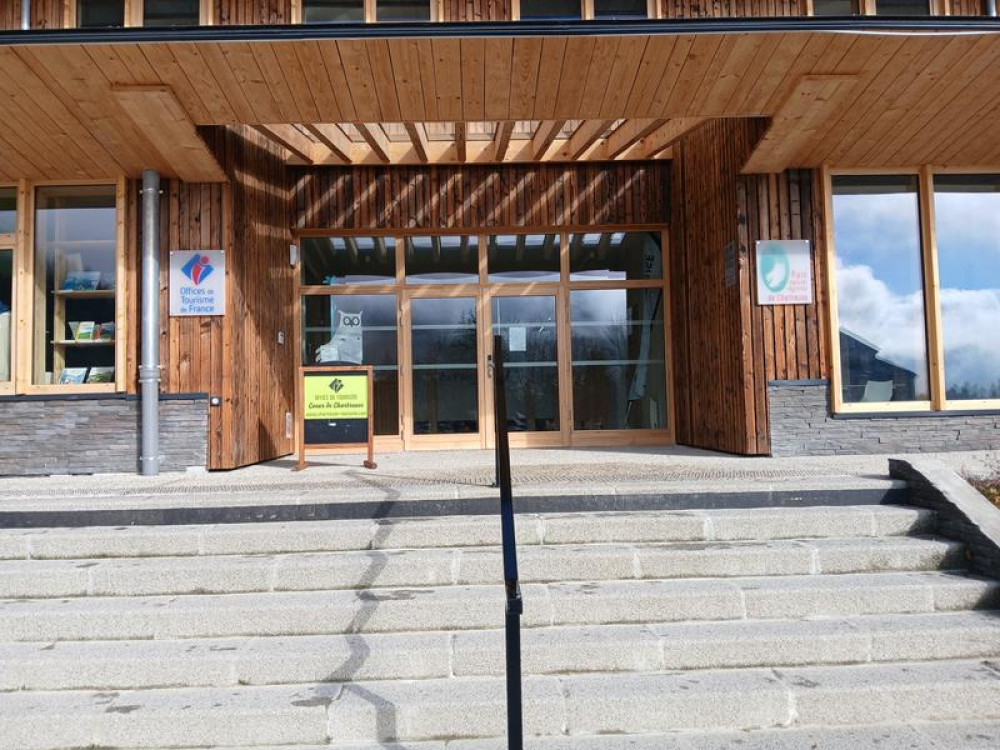
Carole and Fanchon are here to welcome you, provide information and offer advice on local activities. We also have a shop and offer ticket services, fishing permits and coach tickets (Relais Cars région).
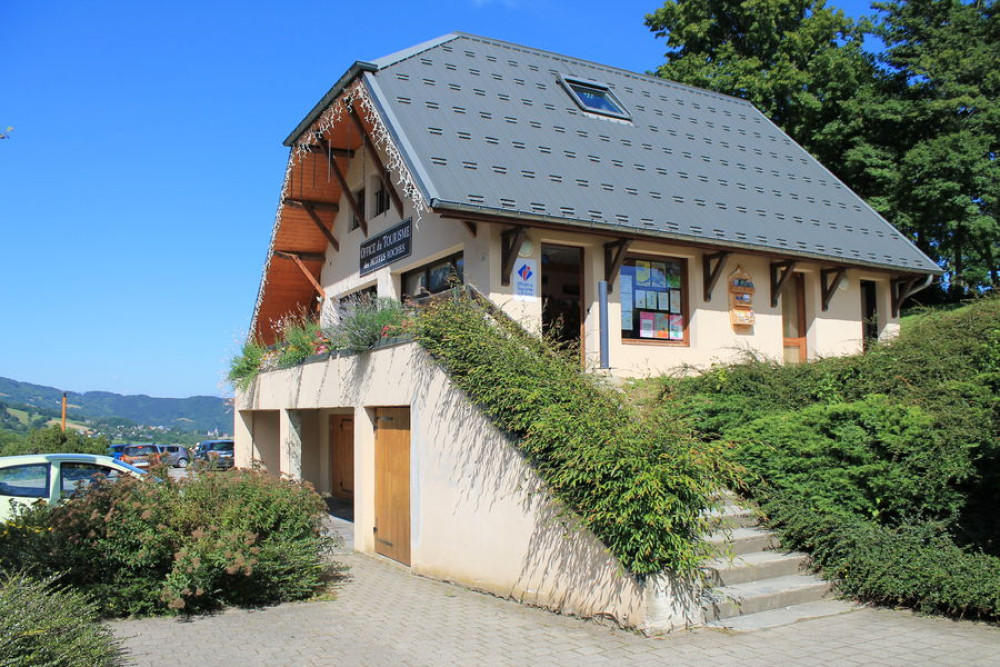
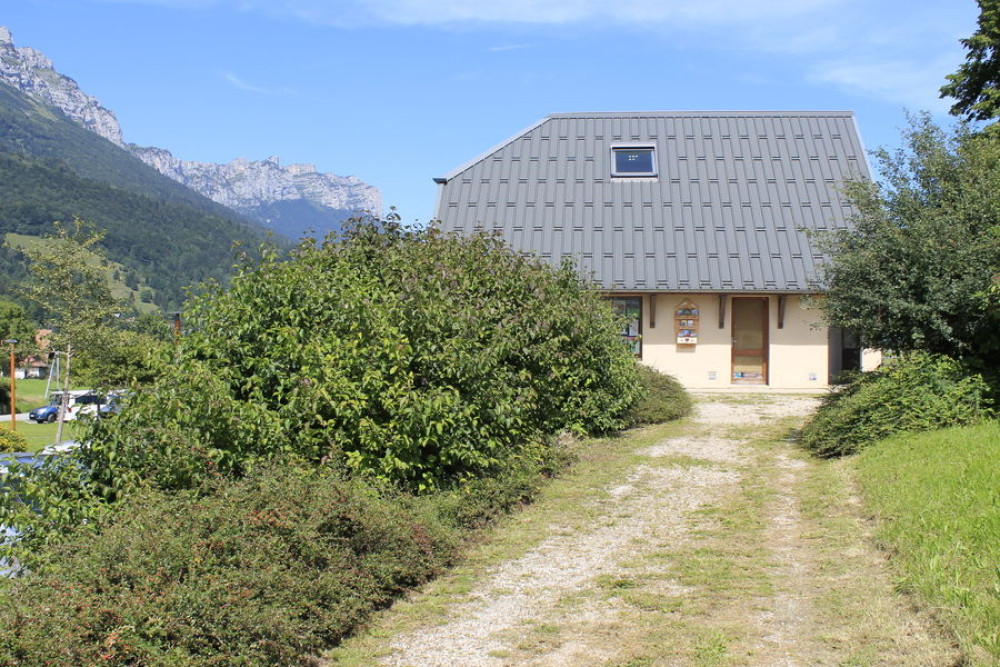
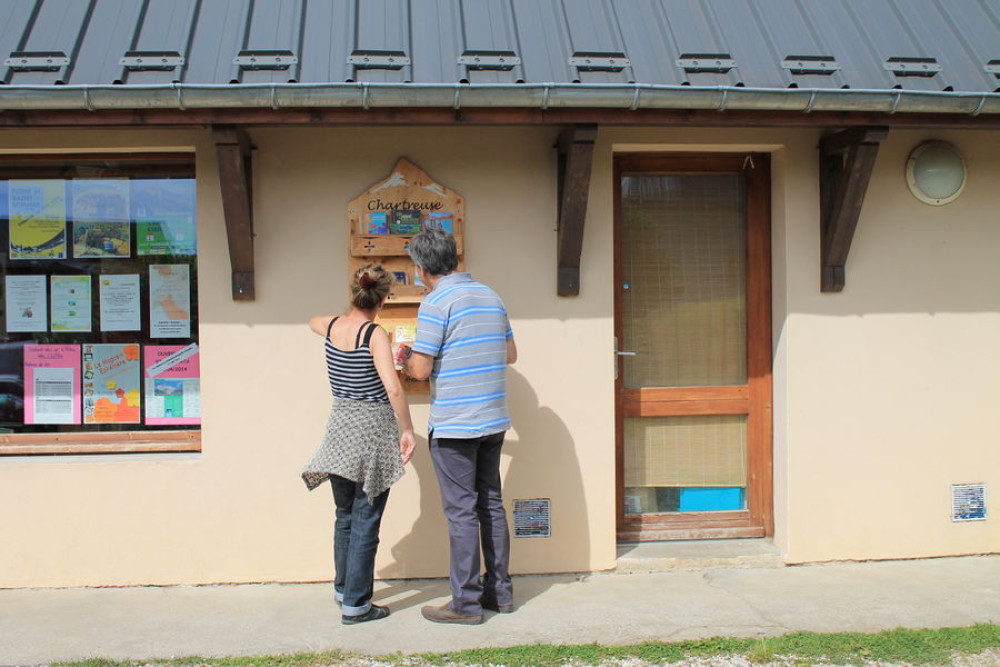
Located in the heart of the Chartreuse Regional Nature Park, Le Plateau des Petites Roches is a mid-mountain village that welcomes you in summer and winter with warmth and friendliness.
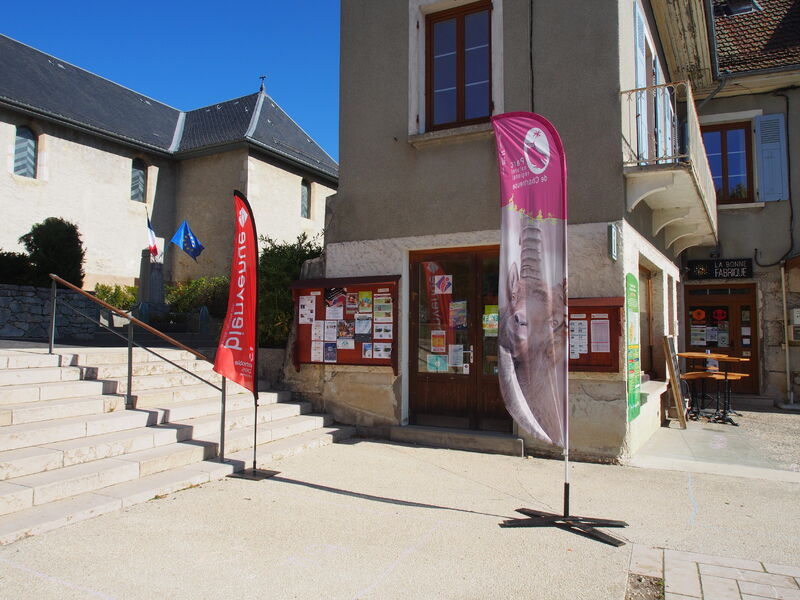
Le Sappey-en-Chartreuse, southern gateway to the Haute Chartreuse, is a village with a long tradition of tourism. Nestled at the foot of Chamechaude - the highest point of the Chartreuse - it has kept its family and rural character even though it is near Grenoble.Numerous sports and cultural activities are offered throughout the seasons, for the greatest pleasure of strollers, families, nature lovers and sports enthusiasts: hiking, orienteering, forest acrobatic park, mountain biking, alpine and nordic skiing, snowshoeing, exhibition gallery, historical monuments; and also highlights: the Traversée de Chartreuse, the Croix de Chamechaude, the Montée pédestre des 3 communes, the Crantée de Chamechaude, craft festivals, etc...
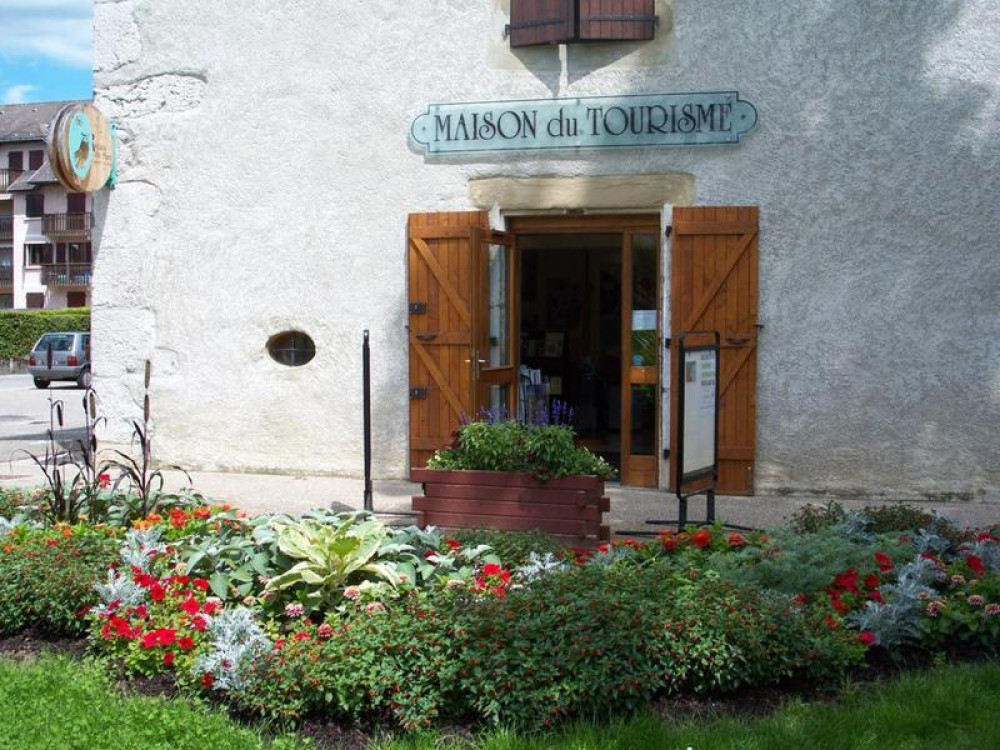
Chloé and Fanchon are on hand to provide information and advice on local activities. The Tourist Office in St-Laurent-du-Pont also has a shop and offers ticket services, fishing permits and coach tickets (Agence Cars Région).
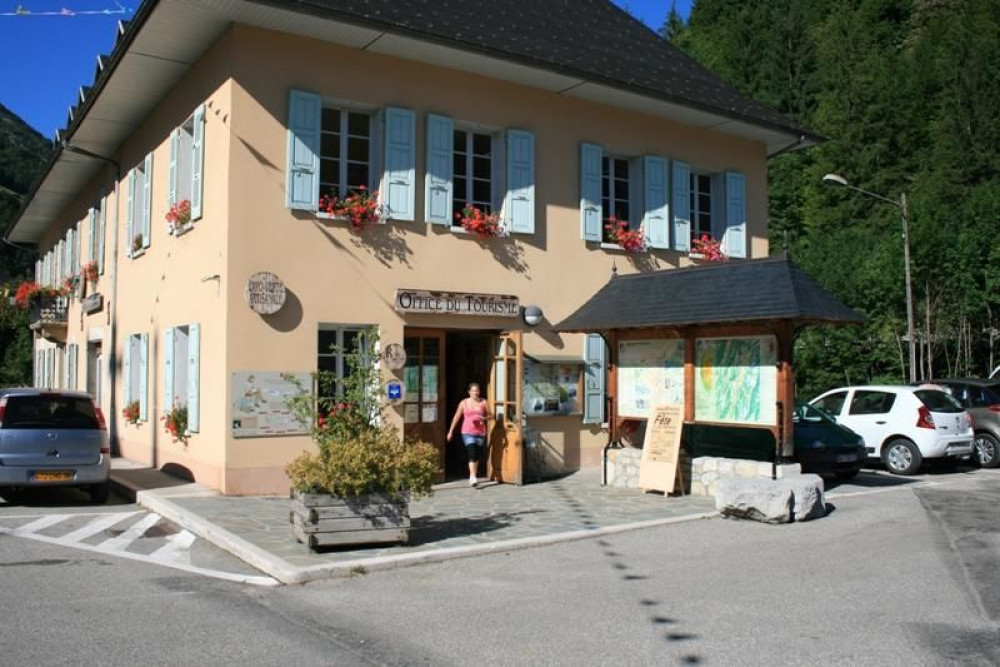
The tourist information centre of Les Entremonts welcomes you all the year. In the heart of the Chartreuse massif, the villages of St Pierre d’Entremont exude simplicity and authenticity. Ideal for relaxing or active holidays
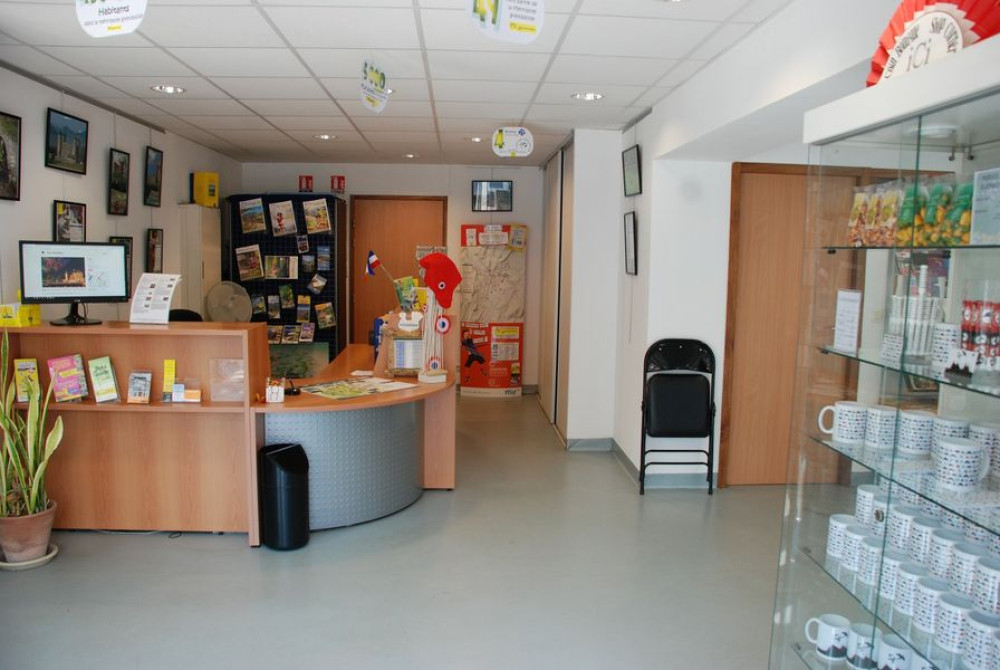
Grenoble-Alpes Métropole, it's 49 cities and villages to be explored!
Discover the territory in all its variety...
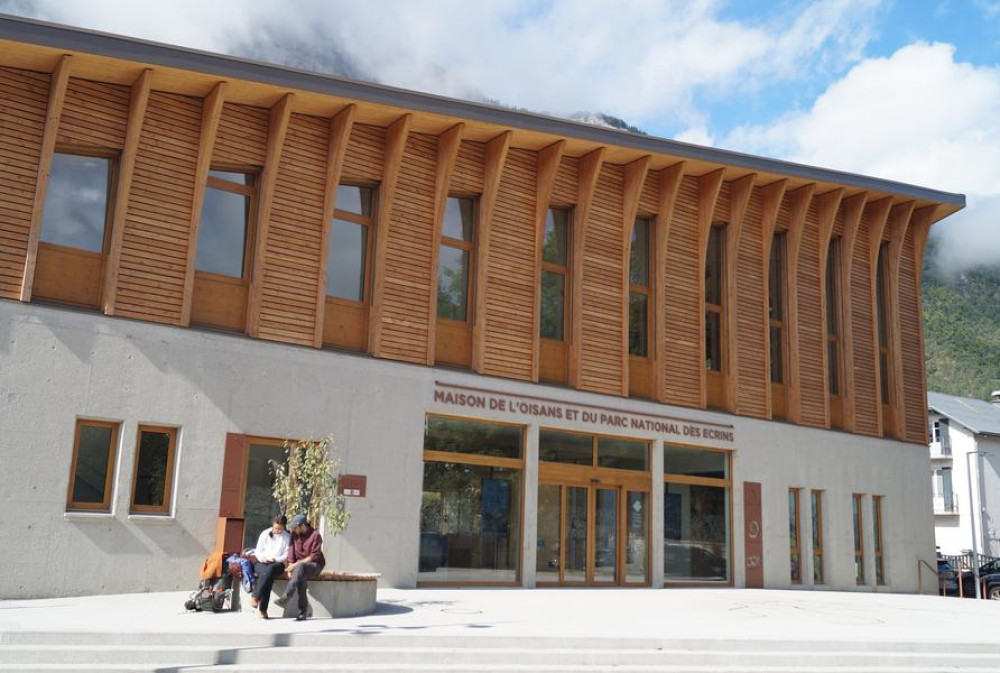
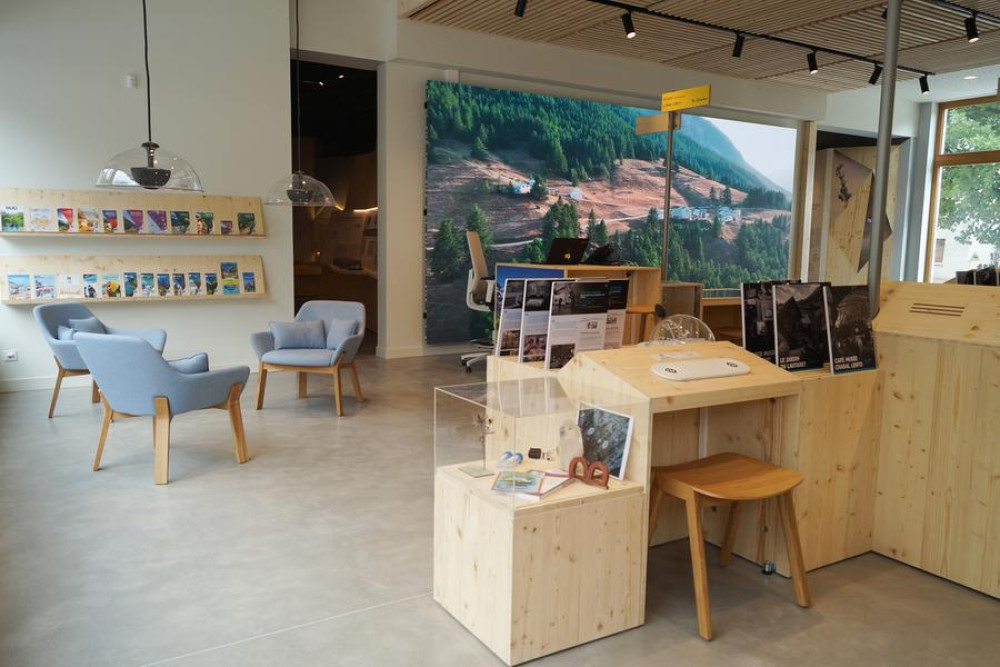
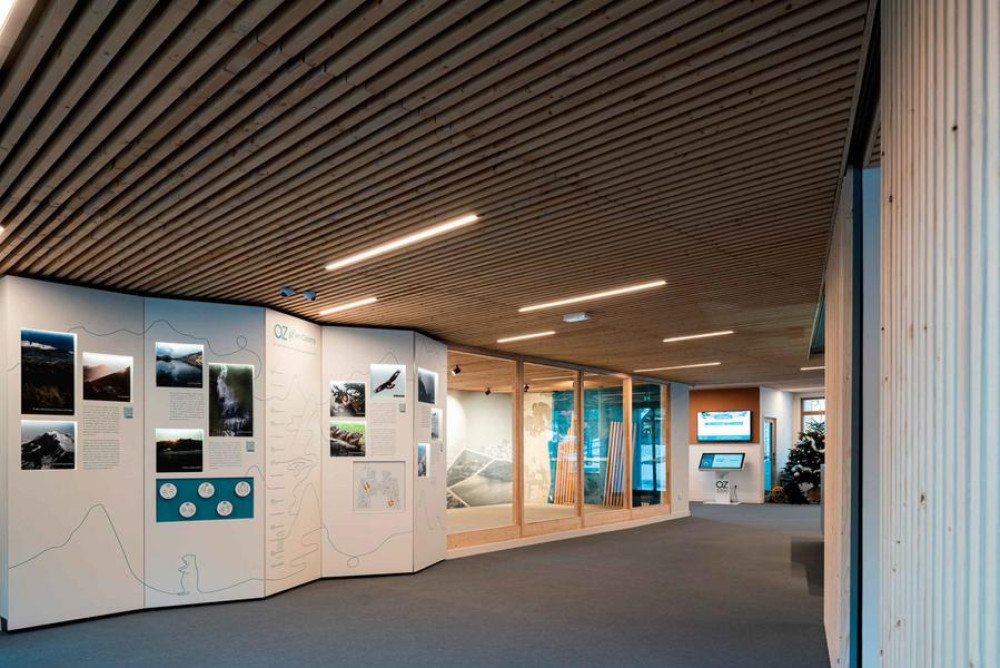
In the center of Bourg-d’Oisans, the Maison de l’Oisans et du Parc national des Écrins brings together the tourist information office and the Écrins National Park visitor center under one roof.Opening in 2025, the Maison de l’Oisans et du Parc national des Écrins is an essential information center for anyone who wants to explore the Oisans region, plan their activities, and gain a better understanding of the area’s natural and cultural heritage.
? The Oisans Tourisme visitor center provides information on all the villages and resorts in Oisans, as well as on itineraries, activities, lodging, and events in the region. Visitors can also browse and purchase maps and hiking guides.
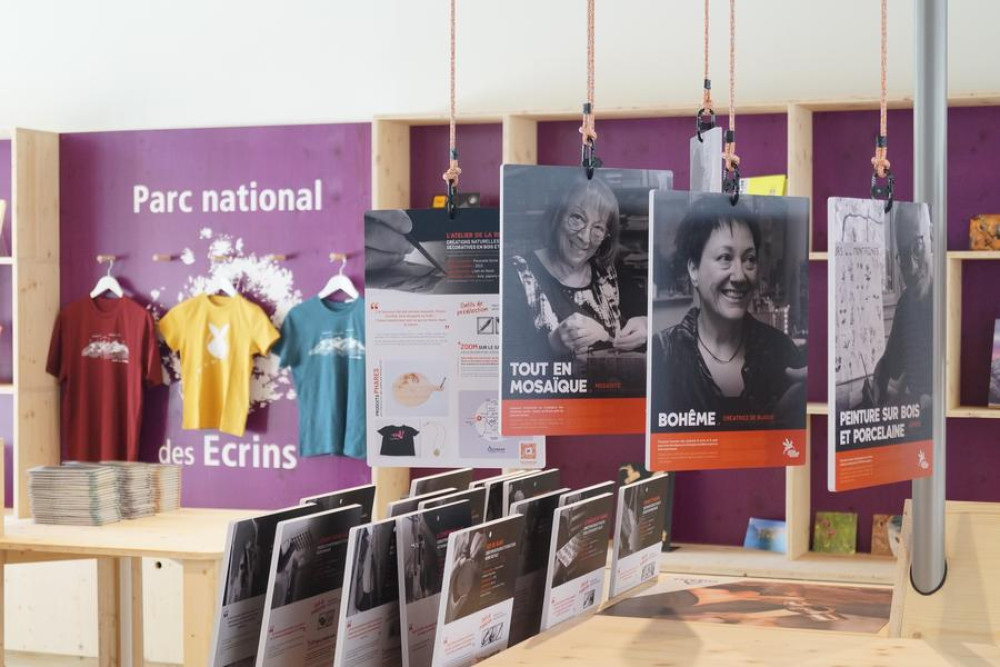
Interactive exhibits let you immerse yourself in the Oisans Route des Savoir-Faire and learn about its members (artisans, producers, and artists).
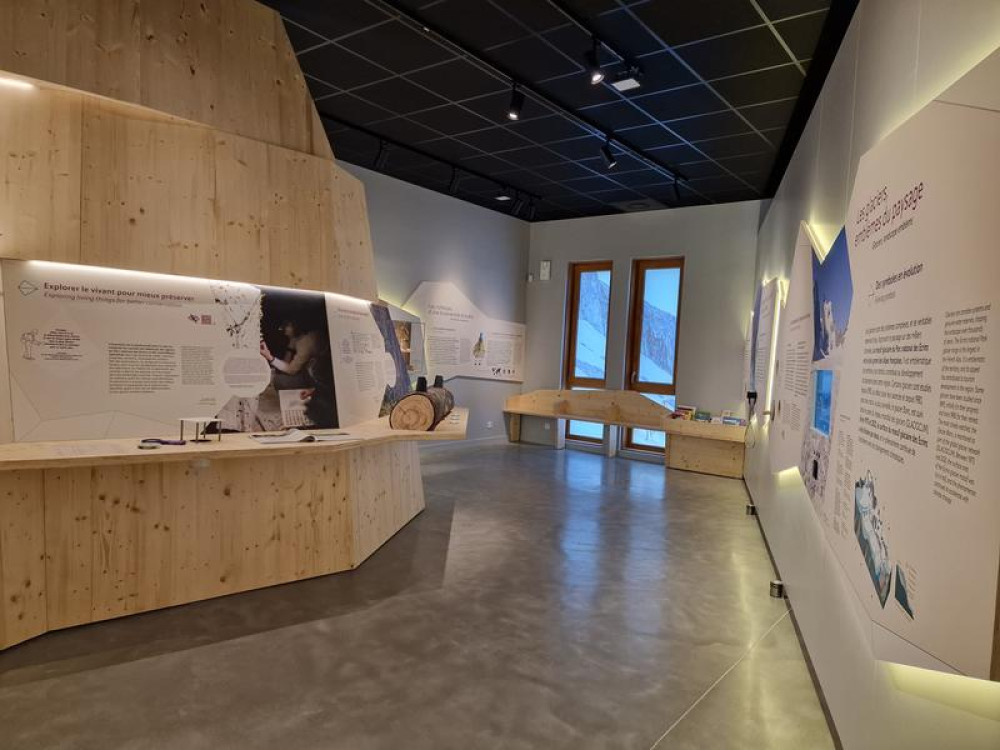
? The center also hosts a permanent exhibition dedicated to the Écrins National Park.
Through interactive content, videos, and hands-on exhibits, it presents the park’s history, landscapes, biodiversity, and the challenges associated with preserving natural habitats.
Special attention is given to the Vénéon Valley, the Lauvitel Integral Reserve, and the scientific research conducted there. In particular, the exhibition allows visitors to explore glacial changes, mountain flora and fauna, and the scientific research carried out in the region.
? A gift shop offers publications, maps, books, and souvenirs from the Écrins National Park.
? A lounge area and free Wi-Fi are available to visitors.
The Maison de l’Oisans and Écrins National Park is thus a place for welcoming visitors, providing information, and fostering discovery—helping you plan your stay in Oisans while offering a fresh perspective on the surrounding landscapes and natural environments.
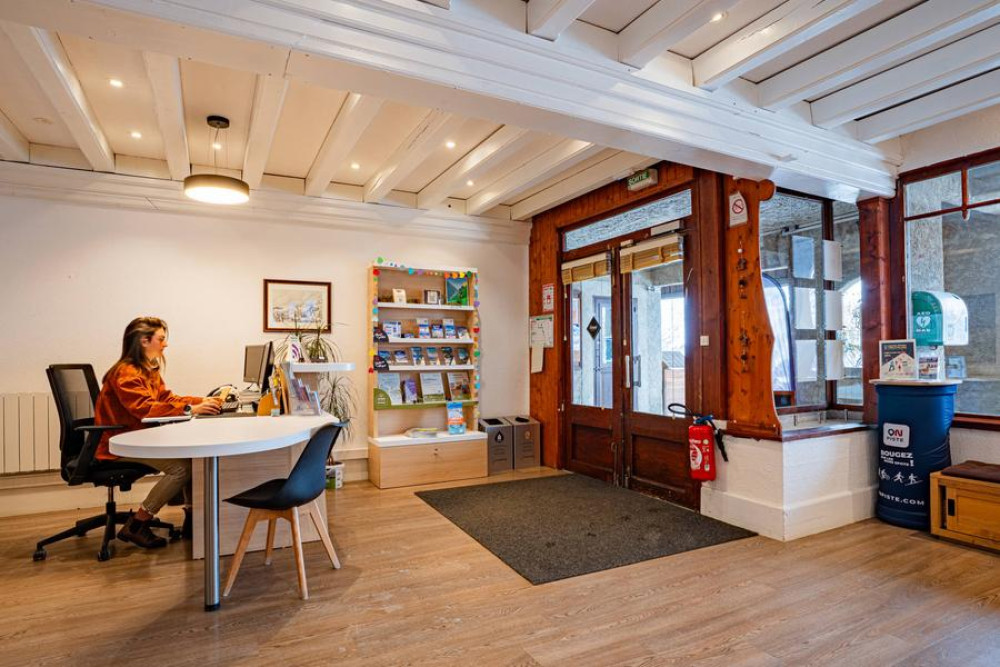
Summer and winter alike, the entire Tourist Office team is on hand to help you make the most of your stay.The Villard-Reculas Tourist Office welcomes you all year round in the heart of the village. The whole team will help you plan and make the most of your stay, with personalized advice.
The Central Reservations Office, part of the Tourist Office, is at your service to help you find and book accommodation.
Throughout the summer and winter seasons, a weekly entertainment program is offered: free, accessible to all and designed to delight young and old alike! Cultural, sporting and fun events are on the program, making your vacation even more unforgettable.
Services available:
- E-Bike Service: recharge your electrically-assisted bicycle in the square in front of the Tourist Office.
- Bicycle repair kit: a kit is available on loan from the Tourist Office reception desk to repair your bike.
- Wifi: free access
- #Gourde Friendly: we fill your water bottle free of charge
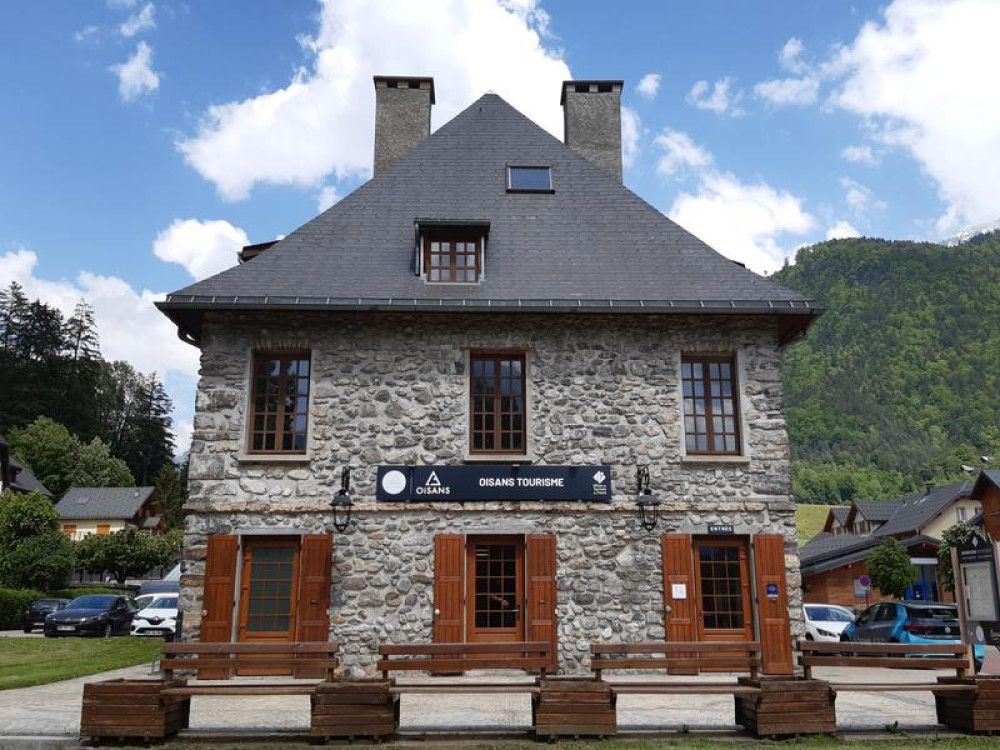
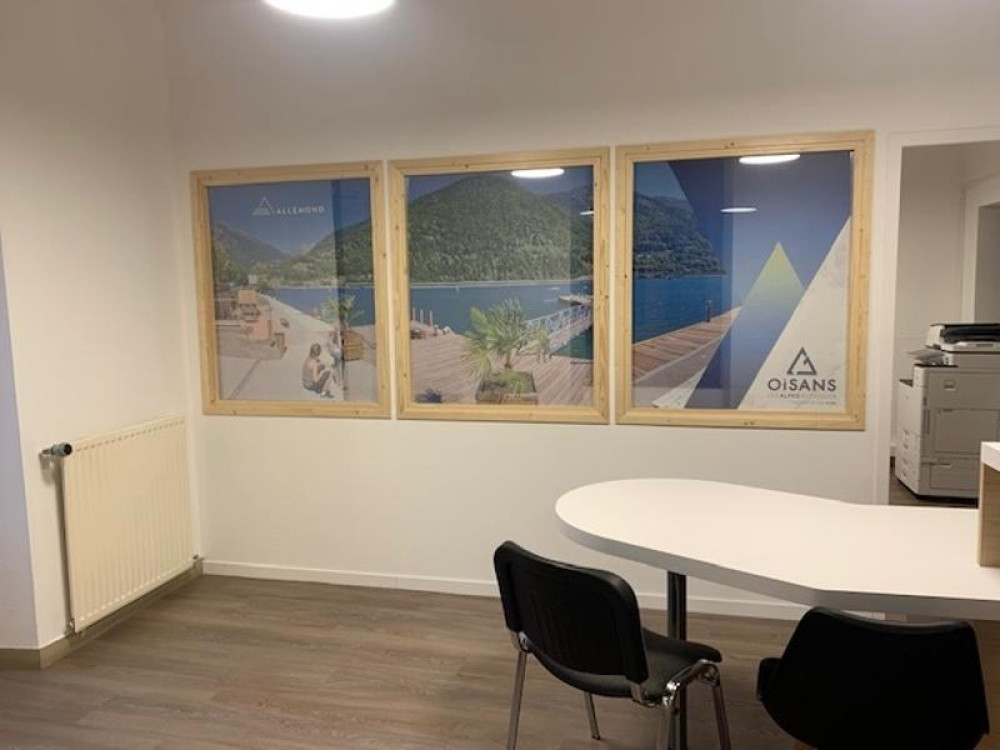
A small Alpine village on the banks of Lac du Verney, Allemond welcomes you to the enchanting natural setting of the Vallée de l'Eau d'Olle, offering you all the pleasures of water and mountains.Open all year round, the Tourist Office offers expert advice and the following services:
- Information on the Oisans region and the Eau d'Olle valley
- Information on accommodation (guides available)
- Information on sporting and cultural activities, entertainment and events
- Timetables for regular bus routes and seasonal shuttles
- Local weather forecast displayed every morning and forecast for the week
- Sale of various products (blue point tokens, climbing session tickets (summer)...)
- Photocopying service
- Free WiFi around the Tourist Office: FREEWIFI allemond
- E-Bike service: recharge your electric bike here on request (remember to bring your charger).
-Fishing card sales
In winter, snowshoeing itineraries are also accessible from the village. At the Tourist Office, you'll find maps and guides to help you discover our beautiful countryside.
In summer, it's all about cycling, mountain biking and hiking. Many brochures are available to enrich your stay.
Many events are organized in the village: free concerts, workshops and courses for children, climbing sessions...and so much more...
We also host permanent and temporary exhibitions on a variety of themes (pottery, paintings, photo exhibitions...).
For information on accessibility for the disabled, click here >>> https://acceslibre.beta.gouv.fr/app/38-allemond/a/office-du-tourisme/erp/office-de-tourisme-dallemond/
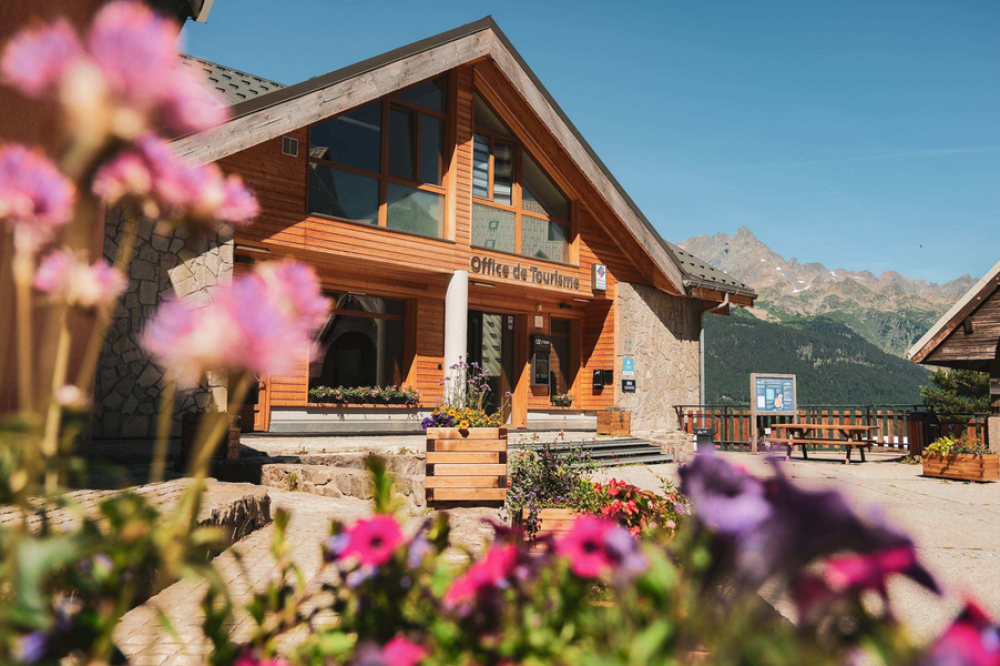
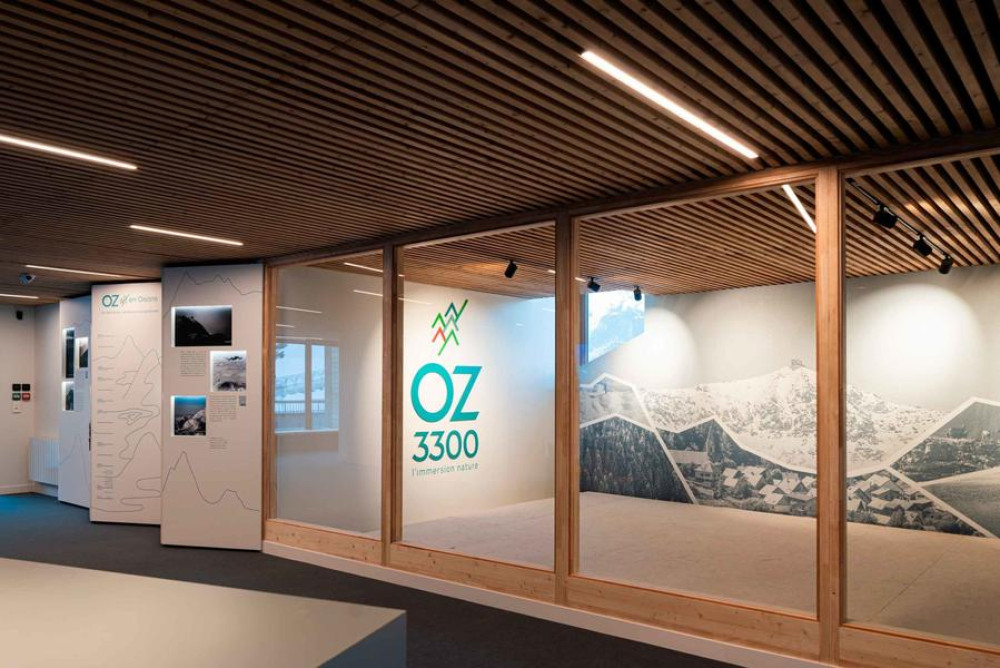
The Oz 3300 Tourist Office opens its doors to offer you a full range of services to enhance your experience in Oz 3300, at the heart of the Espace Alpe d'Huez !Want to experience Oz 3300 and its exceptional alpine landscapes to the fullest? The Tourist Office is here to guide you! Our team can provide you with information and advice on sports and cultural activities, as well as entertainment and must-see events, to ensure your stay is full of new discoveries.
Need a place to stay or some practical assistance? We’ll help you find the perfect lodging and make your stay easier by booking the climbing gym and swimming pool, providing information on transportation and shuttles, and sharing the daily local weather forecast.
Stop by or contact the Oz 3300 Tourist Office: we’re here to help you make the most of the mountains, summer and winter alike!
For more information on accessibility at the Tourist Office, visit our “Accessible Tourism” section on our website: https://www.oz-en-oisans.com/ete/infos-pratiques/tourisme-adapte/
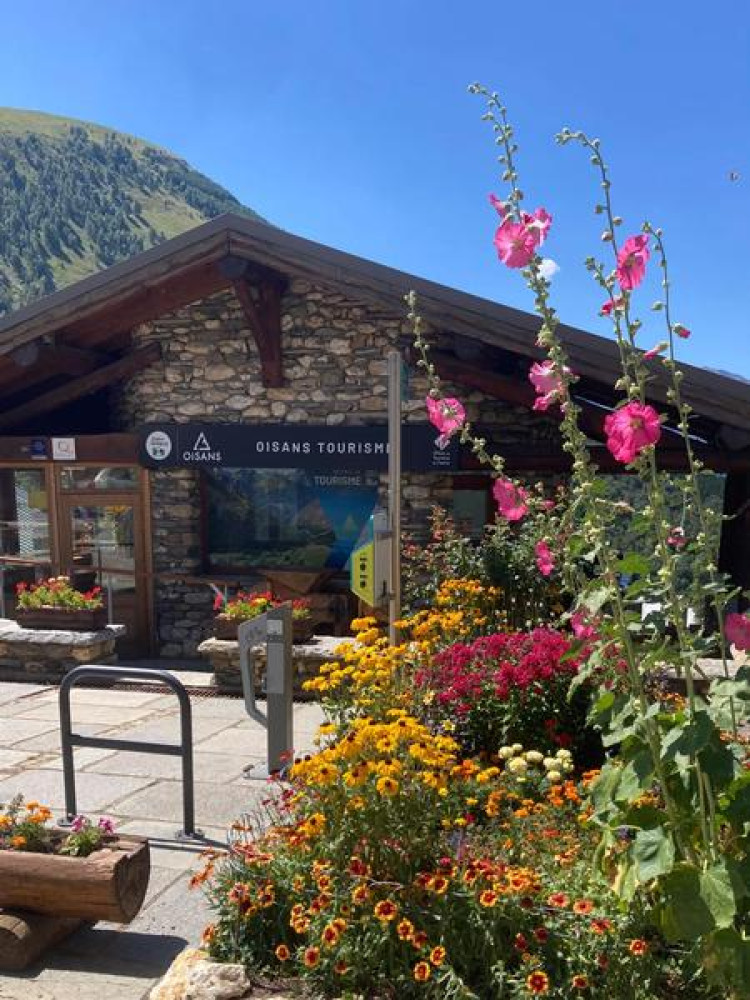
The Vallée du Ferrand tourist office will help you discover Mizoën, Clavans-en-Haut-Oisans and Besse-en-Oisans as you tour the valley from the heights of Lac du Chambon to the Col de Sarenne and the Plateau d'Emparis!Discover naturally preserved places, a dream destination full of emotions and discoveries.
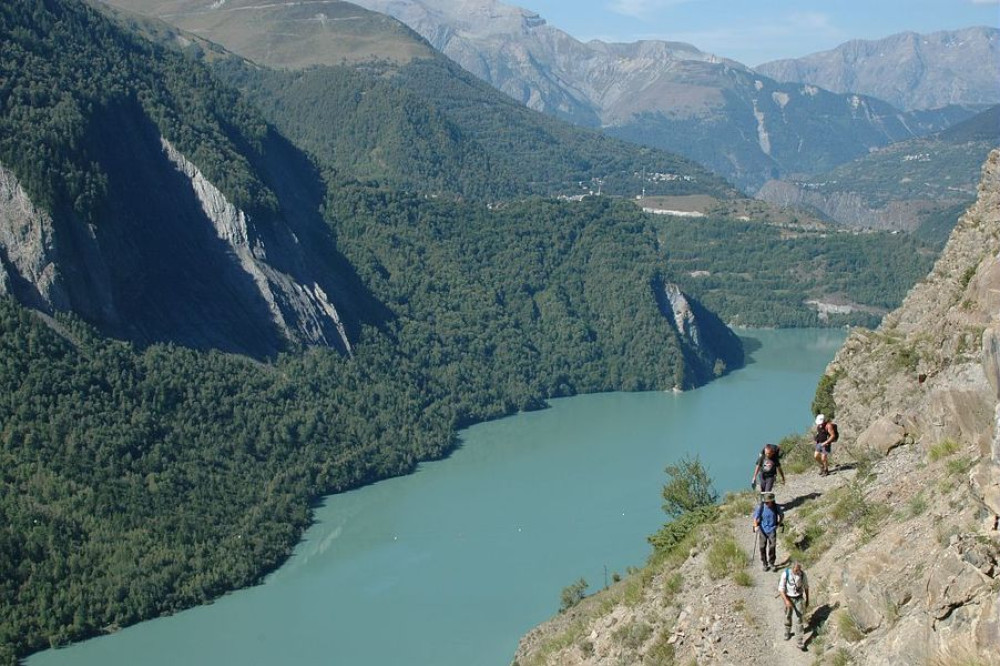
The magnificent Lake Chambon turquoise water marks the entrance to the Valley Ferrand. This typical valley has preserved its authentic character with its three traditional villages: Besse (where you will find the tourist office), Clavans-en-Haut-Oisans and Mizoen.
This is mostly a paradise for nature and mountain lovers where you can do all kinds of activities.
The tourist office offers the E-Bike service that allows you to charge your electric bike for free (do not forget to take your charger.) A charging station is also available in order to charge your bike. The charger and charging cables are lent by the Tourist Office, you can get them once there when the office is open (or in the town hall before and after summer.)
Handled by the Syndicat Intercommunal de la vallée du Ferrand (SIEPAF.) Before and after summer the SIEPAF will answer your calls.
A charging station for electric bikes is available for free. The charging cables are lent for Yamaha or Bosch electric bikes.
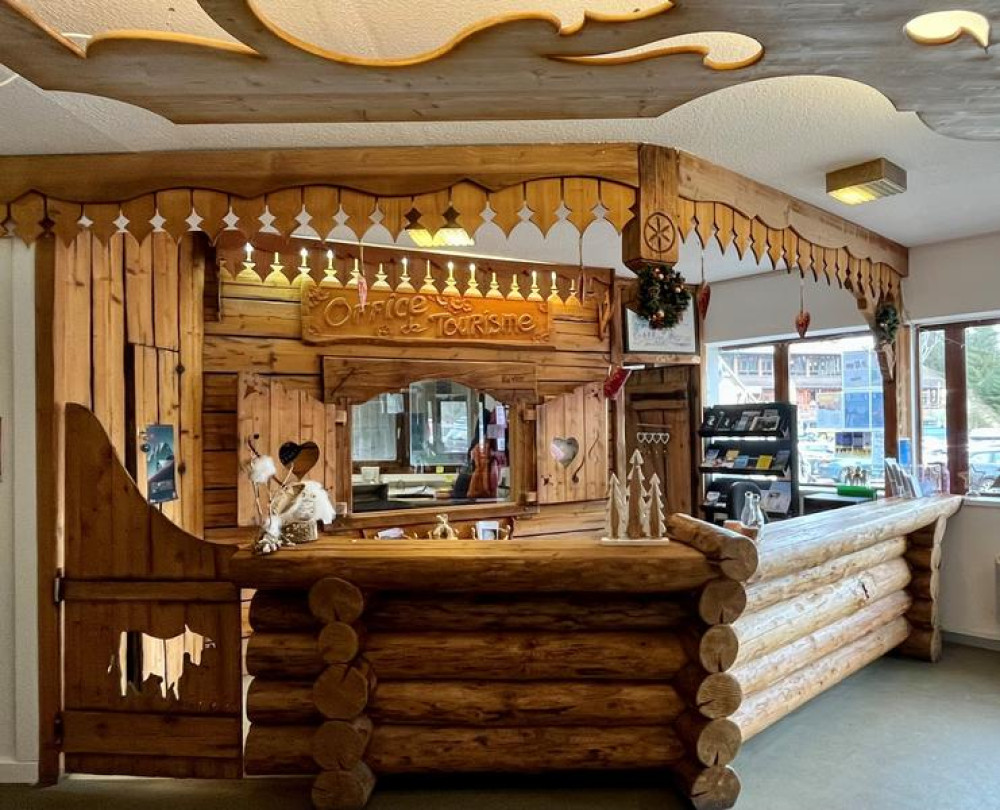
The information office at Le Pleynet les 7 Laux is located in the heart of the resort, at the foot of the stairs leading to the ski lifts and the Wiz luge. You'll find all the information you need for your stay.
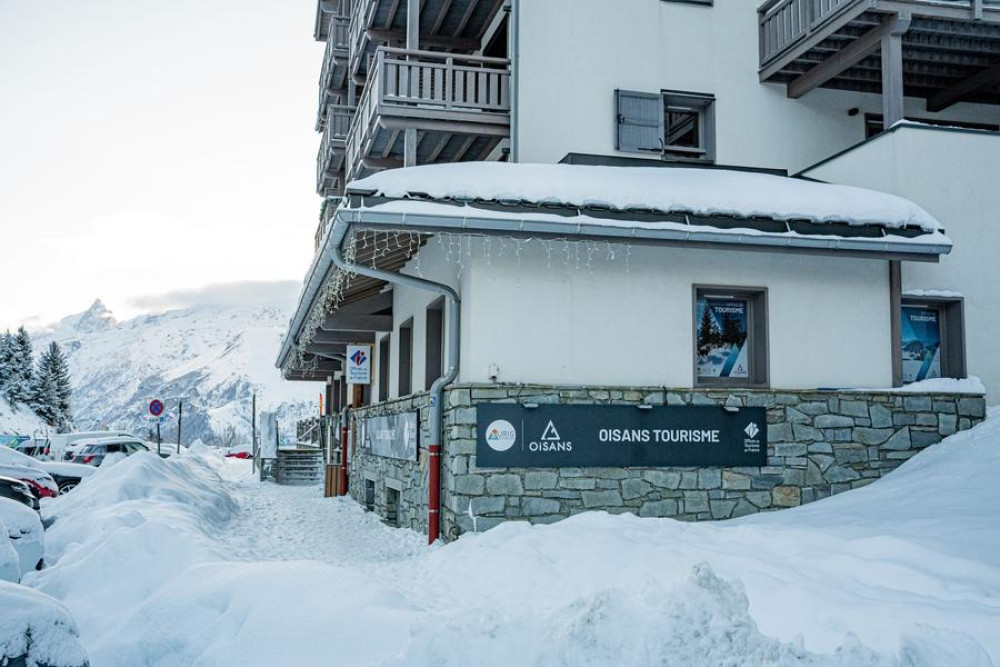
The Auris-en-Oisans tourist office, at the entrance to the resort, is there all year round to welcome you and advise you on preparing your stay in the mountains.Would you like information on activities, accommodation or events?
We'll be happy to answer all your questions.
We'll also be delighted to advise you on how to prepare a tailor-made vacation, and help you discover the treasures of Auris and the Oisans region.
We're here to help you every step of the way!
For information on accessibility according to disability, click here >>> https://acceslibre.beta.gouv.fr/app/38-auris/a/office-du-tourisme/erp/office-de-tourisme-dauris-en-oisans/
The Allevard Tourist Information Office department offers a range of events in the area throughout the year.
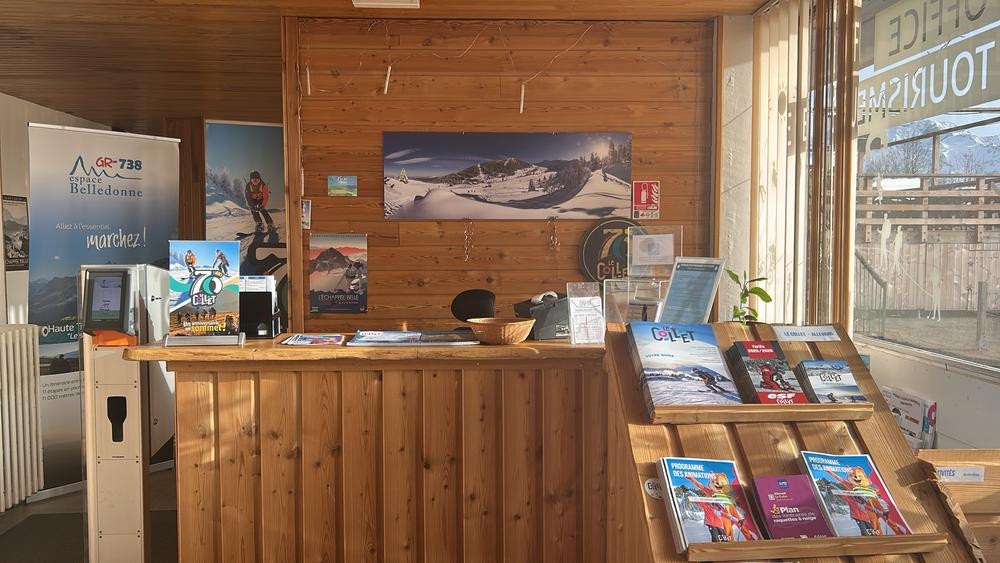
The Collet Tourist Information Office is located at the foot of the slopes and in the resort centre.
Here you will find advice and suggestions from our holiday advisors, who are always on hand to give you the latest information and tips about the resort.

The cross-country skiing centre sells ski passes (national annual pass, Nordic Pass and the Isère annual pass), as well as renting out equipment, including Nordic skiing and skating gear, poles, boots and snowshoes.The centre is a friendly place that provides equipment rental, cross-country ski passes and expert advice!Period of opening : From 18/12 to 13/03 between 8.30 am and 12 pm.
Closed exceptionally on January 1st and December 25th.

Period of opening : From 18/12/2021 to 03/04/2022
Opening hours daily between 9 am and 5 pm.
Closed exceptionally on January 1st and December 25th.
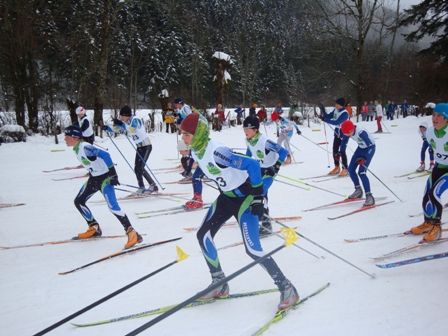
Location de ski de fond et raquettes. Vente des forfaits journée et saison. Salles hors-sac.
Tel: 04 76 50 01 26
Période d'ouverture : Du 01/12 au 31/03 : 7 jours sur 7 de 9h à 17h et les jeudis jusqu’à 21h pour les Nocturnes du Col d Porte (en fonction des conditions d’enneigement)
Tarifs :
- Vente des forfaits en ligne journée
- Pass saison Chartreuse sur https://www.domainedechamechaude.fr/
- Pass saison départemental Isère Drôme Pass National sur https://www.nordic-isere.fr/
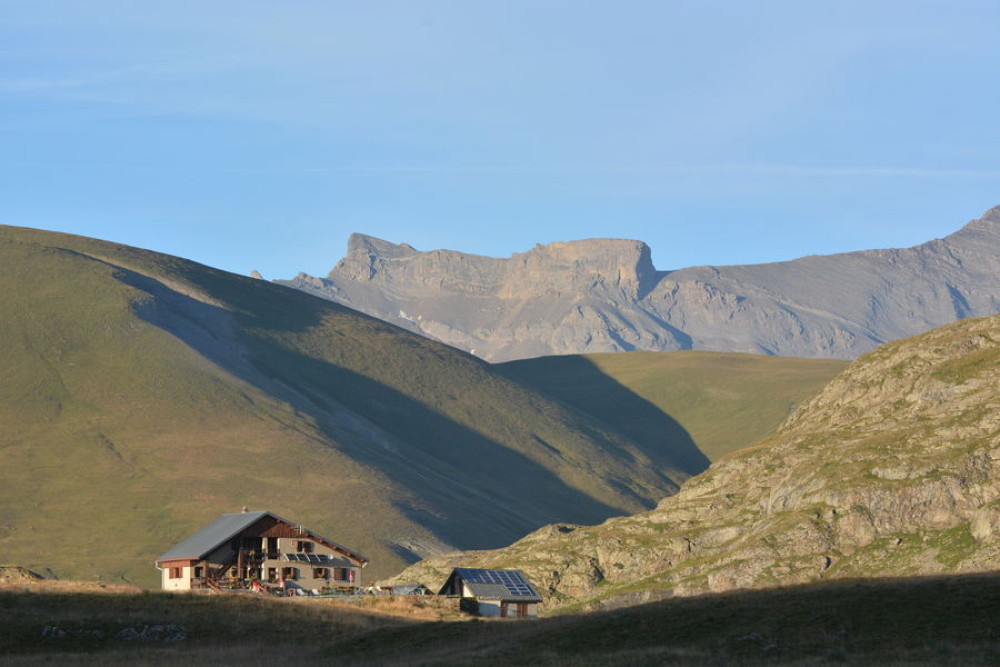
In a mountain pasture where sheep and chamois graze and where vultures and other large birds of prey fly overhead, come and visit us and share a moment of relaxation.Please note: this site has been awarded the Natura 2000 label and is subject to numerous measures to preserve its biodiversity. We therefore invite you to adopt the right reflexes when you come to protect this sensitive area.
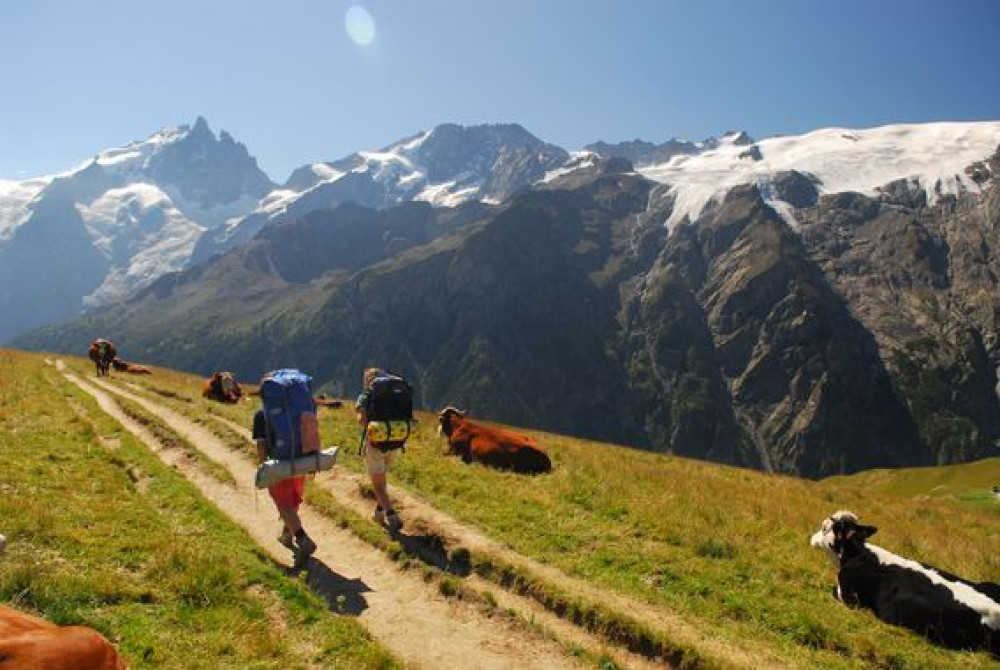
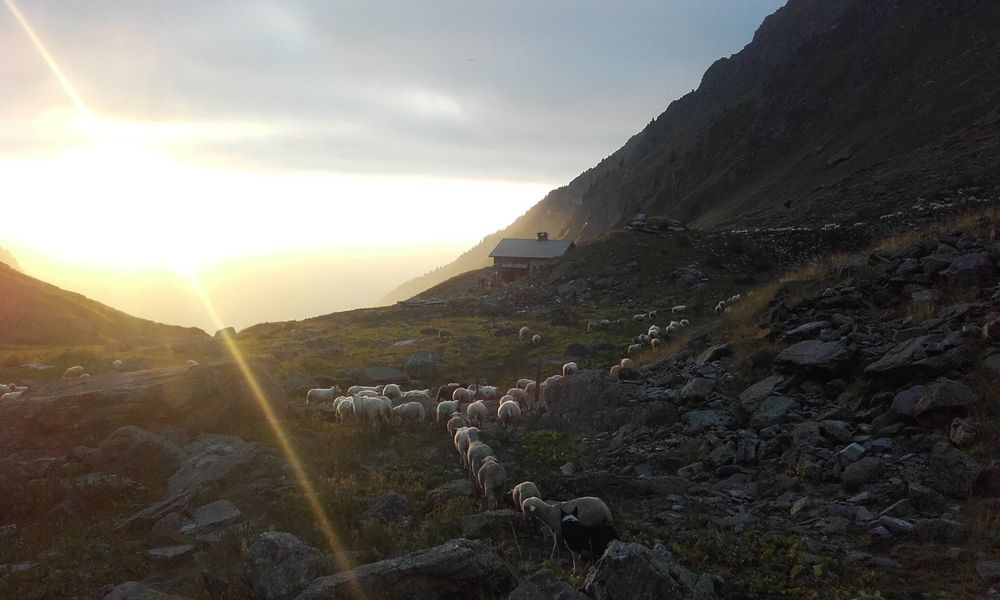
The Plateau itself is a little corner of paradise, with a wide variety of alpine flowers in June and July, numerous marmot colonies close to the refuge, grasshoppers, butterflies and dragonflies around the lakes, as well as larks, golden eagles and, more recently, vultures from the south (around sixty of them). Emparis has also always been a renowned alpine pasture: the trail is an opportunity to meet the shepherds, their dogs and their thousands of sheep. Departure is also possible from Besse en Oisans or Le Chazelet, in both cases following the GR54.
Observation equipment available.
Make sure you book well in advance!
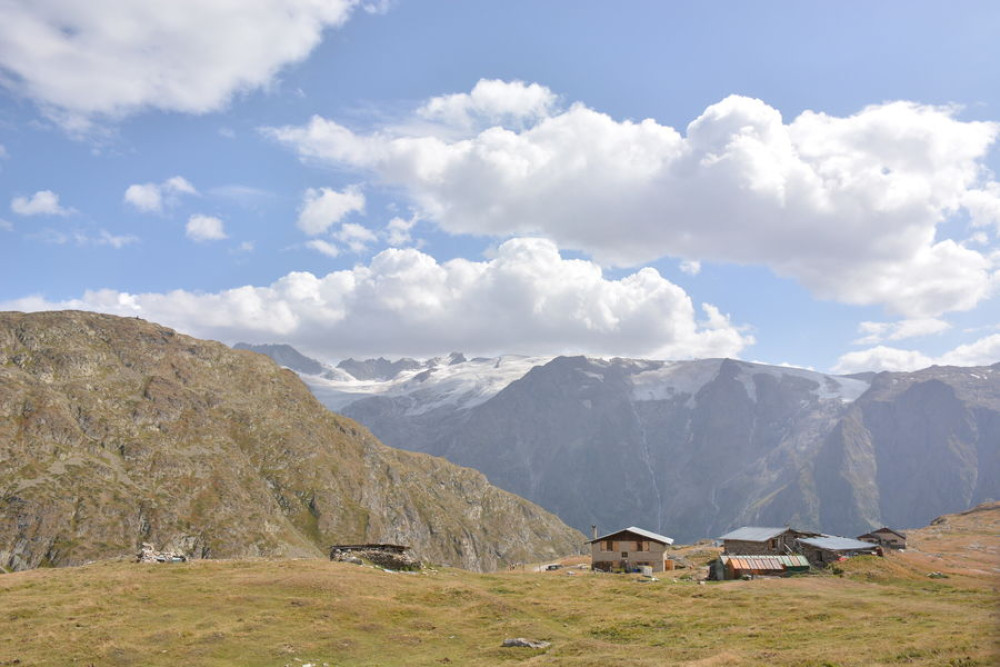
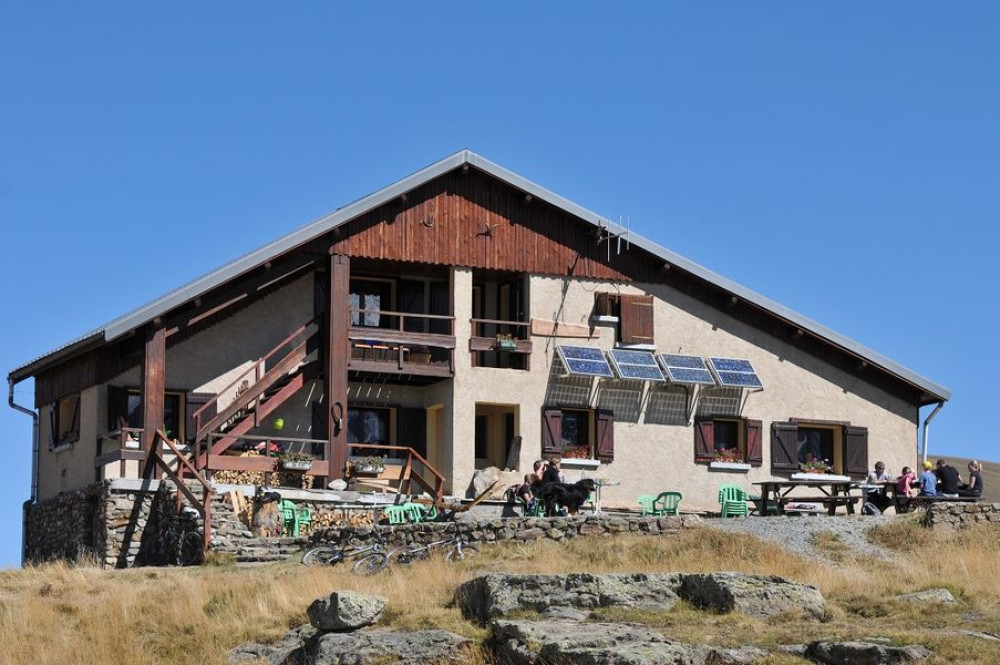
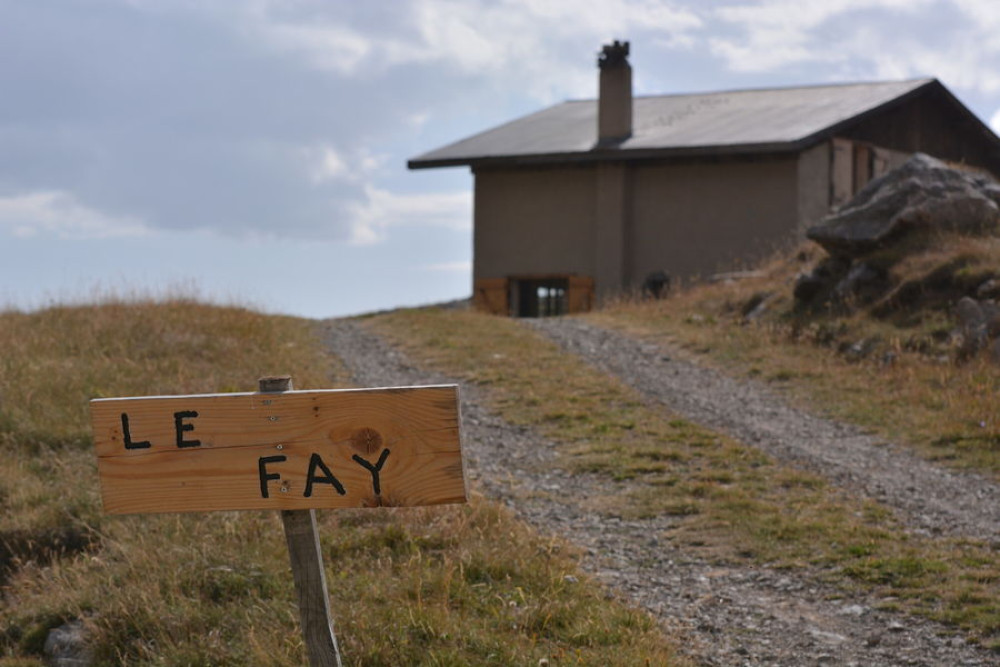
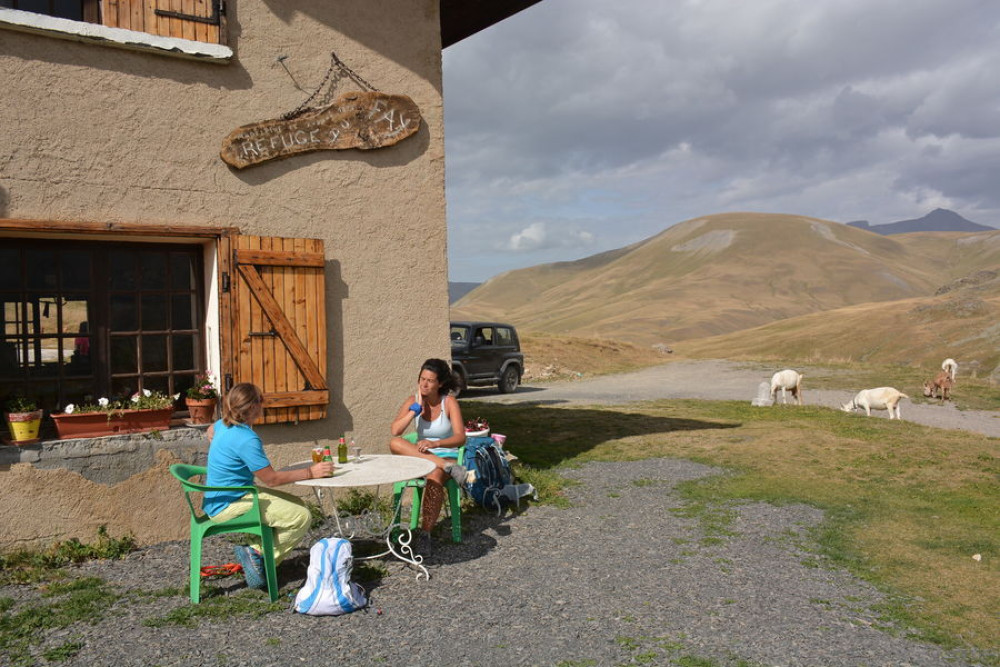
The refuge du Fay is a family-run refuge that we've owned and run for 51 years! Chickens, goats and horses make up the welcoming committee, which is sure to please the little ones!Please note: this site has been awarded the Natura 2000 label and is subject to numerous measures to preserve its biodiversity. We therefore invite you to adopt the right reflexes when you come to protect this sensitive area.
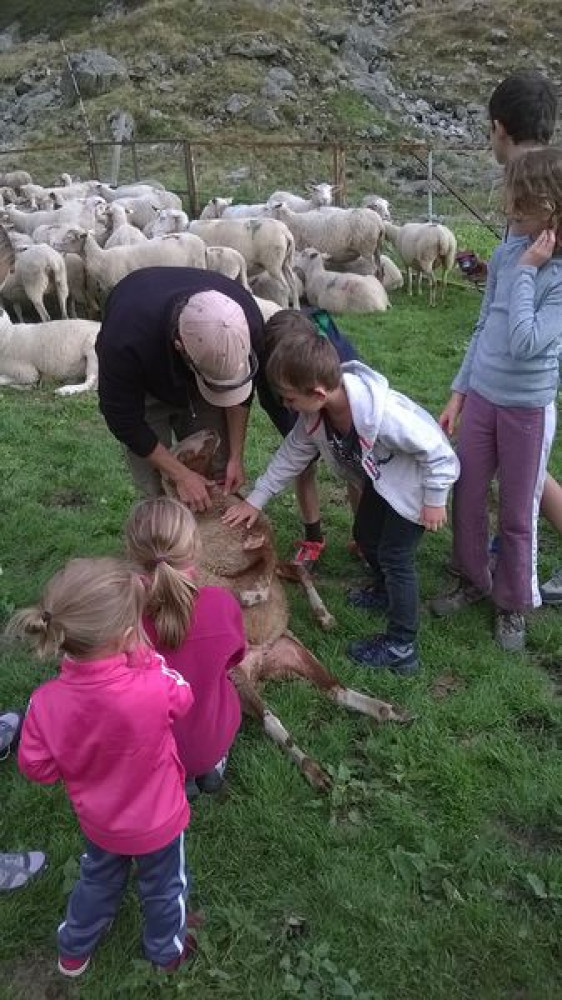
The Plateau itself is a little corner of paradise, with a wide variety of alpine flowers in June and July, numerous marmot colonies close to the refuge, grasshoppers, butterflies and dragonflies around the lakes, as well as larks, golden eagles and, more recently, vultures from the south (around sixty of them). Emparis has also always been a renowned alpine pasture: the trail is an ideal opportunity to meet the shepherds, their dogs and their thousands of sheep.
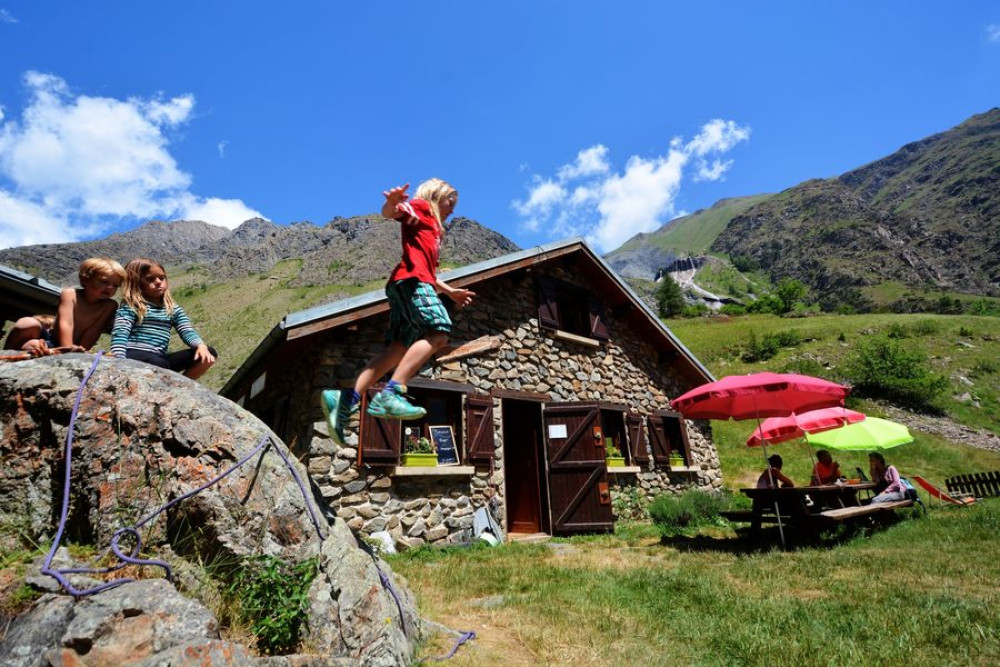
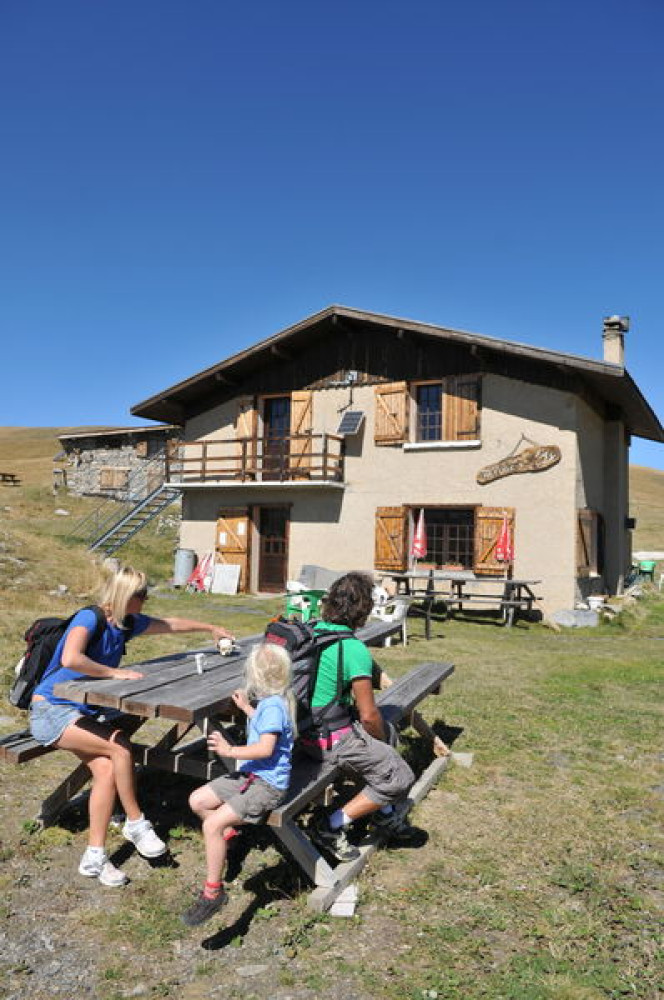
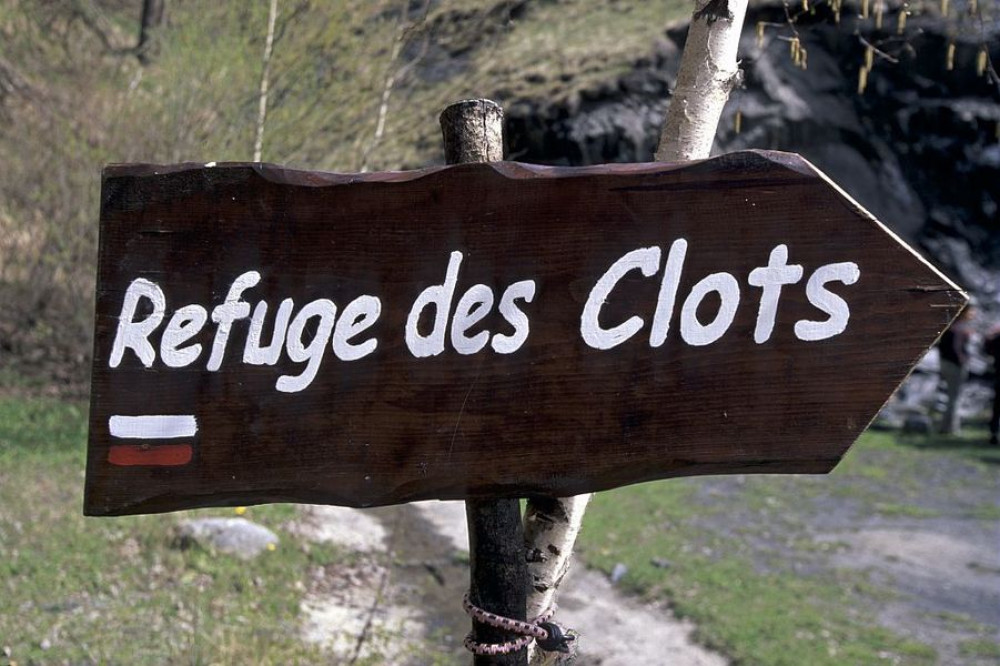
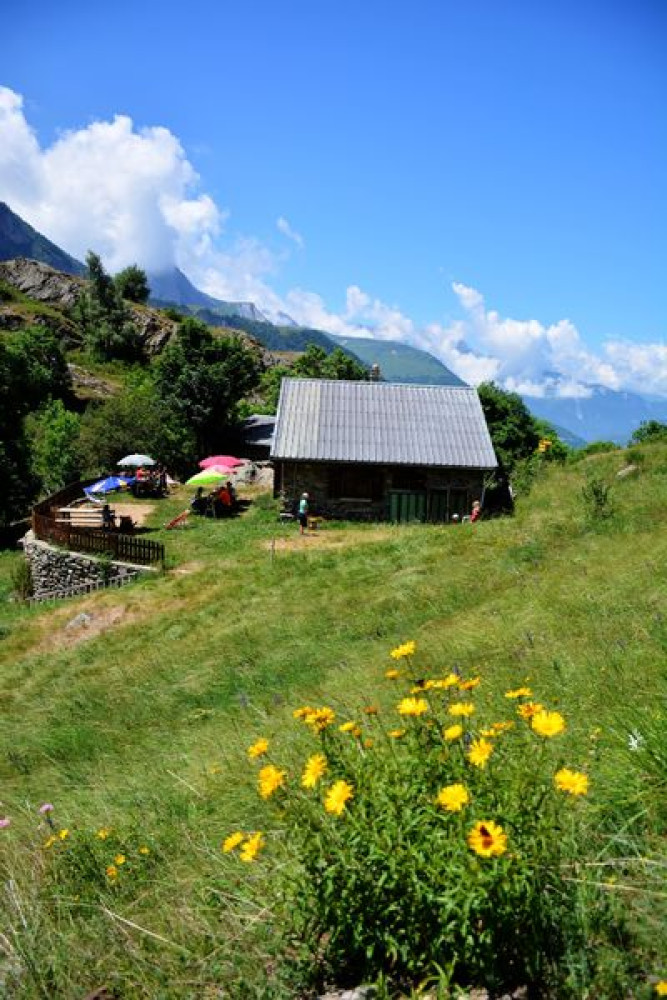
A lovely mountain hut near Mizoën at an altitude of 1515 m. A stopover on the GR50 54C tour of the Ecrins and the start of numerous hikes on the Emparis plateau. Close to the petrifying Cascade de la Pisse waterfall, the via ferrata and a climbing route. Superb views of the Meije.From the car park at Les Aymes, follow the path marked in red and white (variant of the GR 54 path): the balcony trail makes its way above the Lac
du Chambon before climbing up across the meadows. From there, hikers can either follow the discovery trail to the right that joins the refuge (adding ½ hour) or carry straight on to Les Clots. The walk and hut have been awarded the "Espit Parc" label and are perfect for families and people looking for peace and quiet and to reconnect with their inner selves!
Along the way, and near the refuge, depending on the time of your visit, you may see marmots, chamois and butterflies, and depending on the season, feast your eyes and nose with lavender and orange lilies.
You’ll also have a chance to admire the waterfalls above the hut, gushing out of a petrified fountain, forming lumps of tuf. The site is under a biotope protection order, so please stay on the path to avoid damaging this geological wonder.
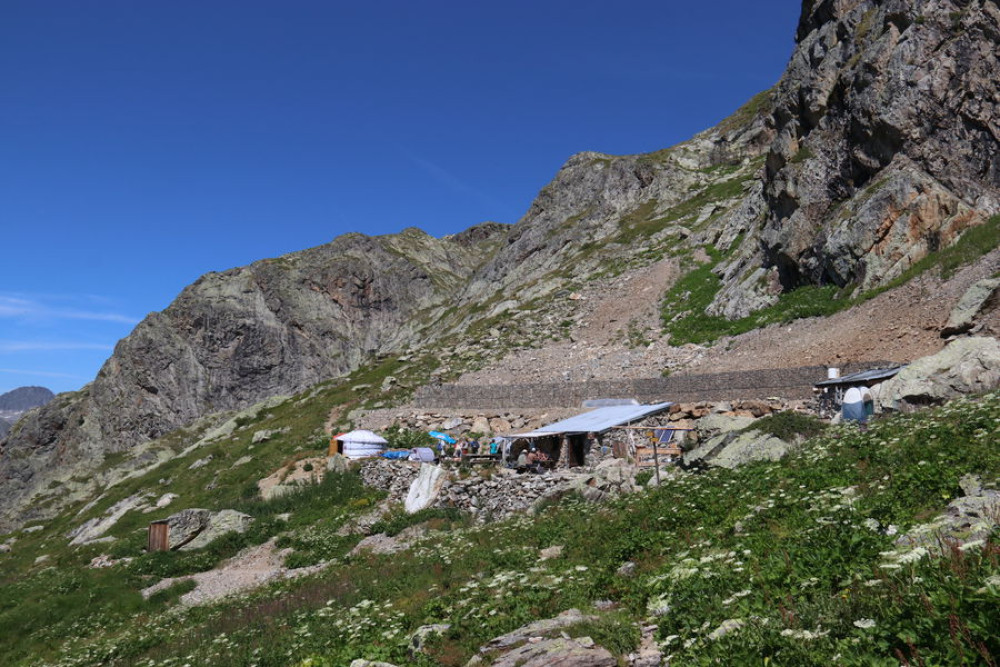
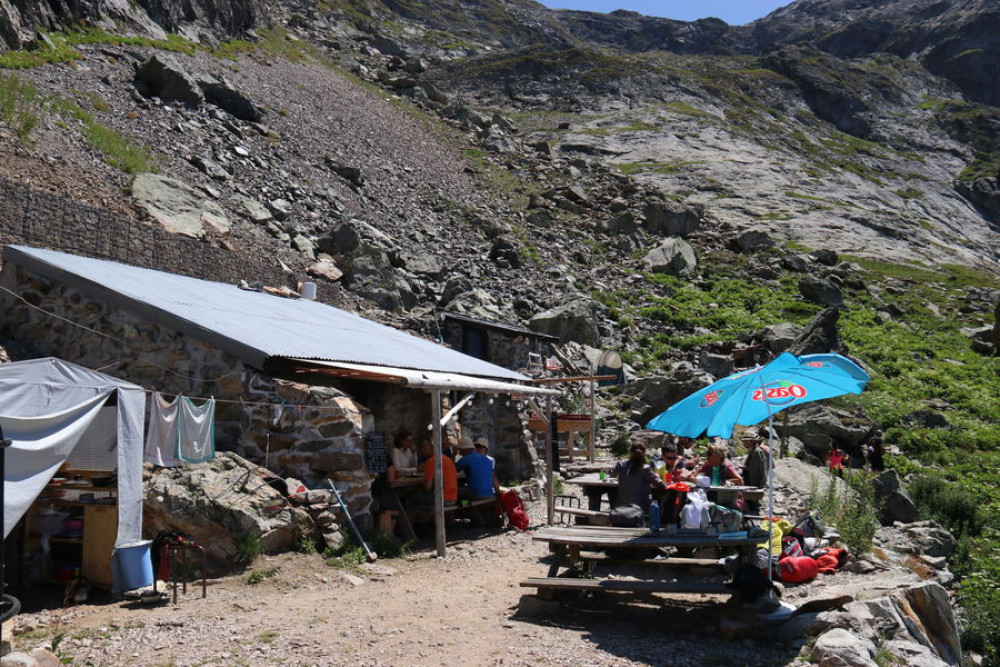
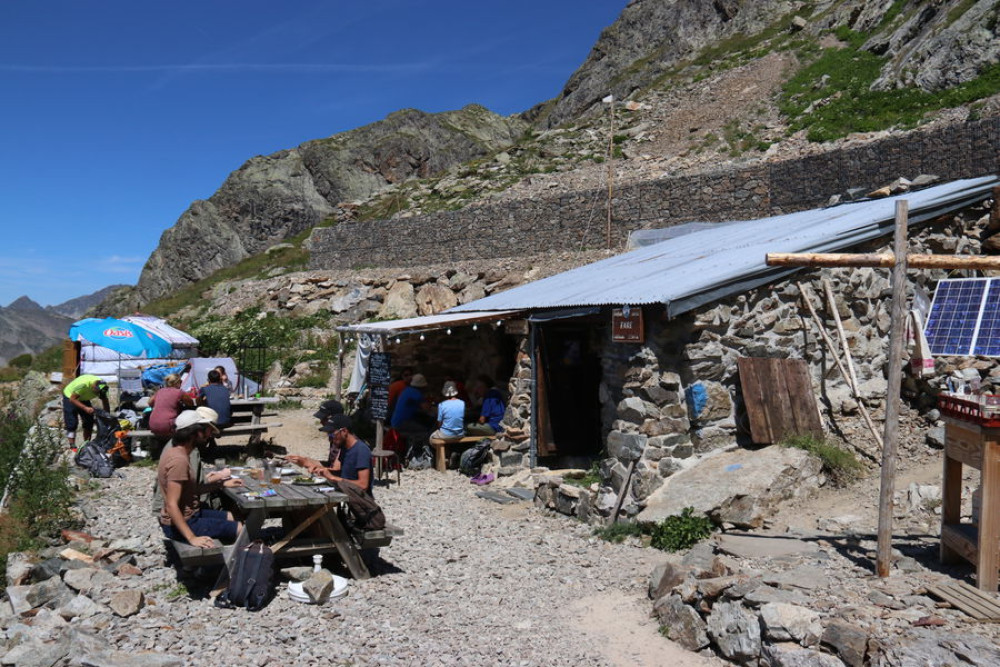
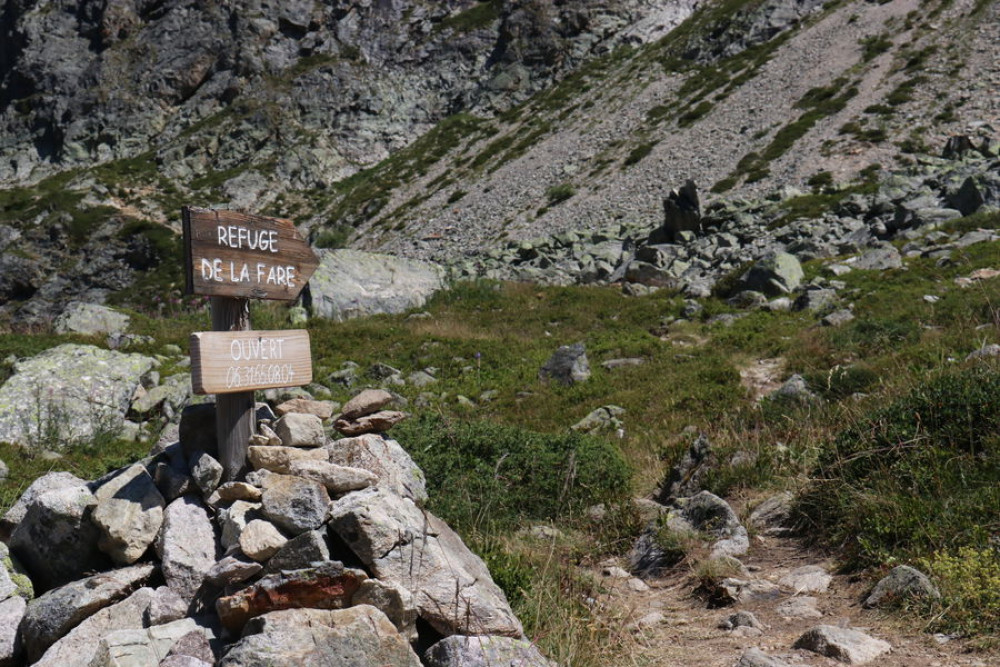
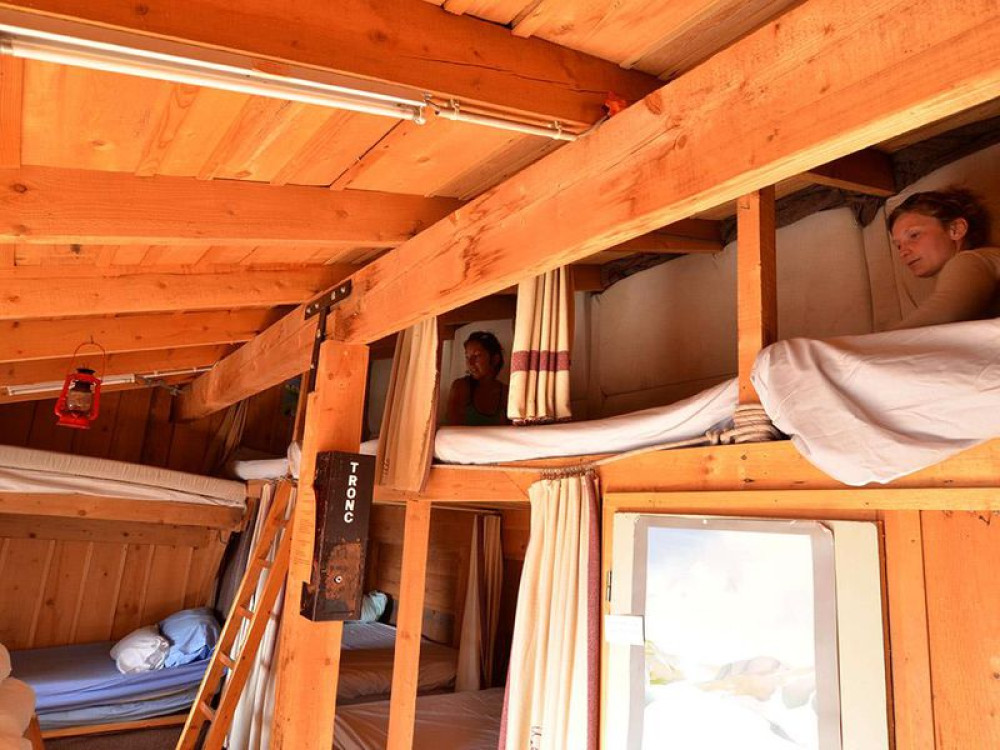
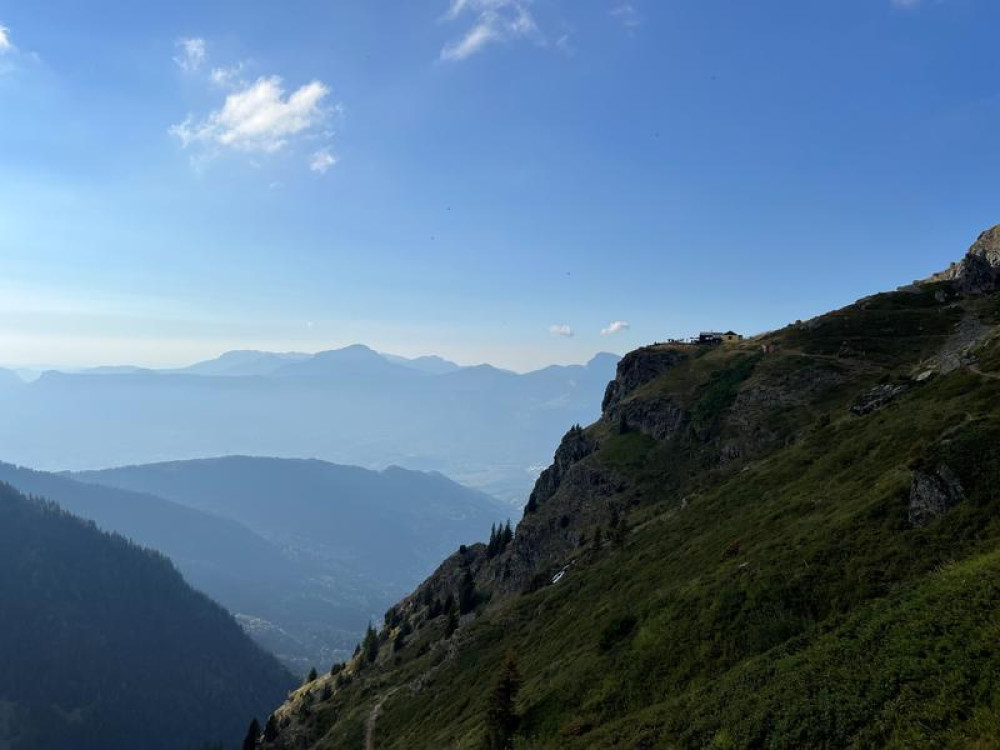
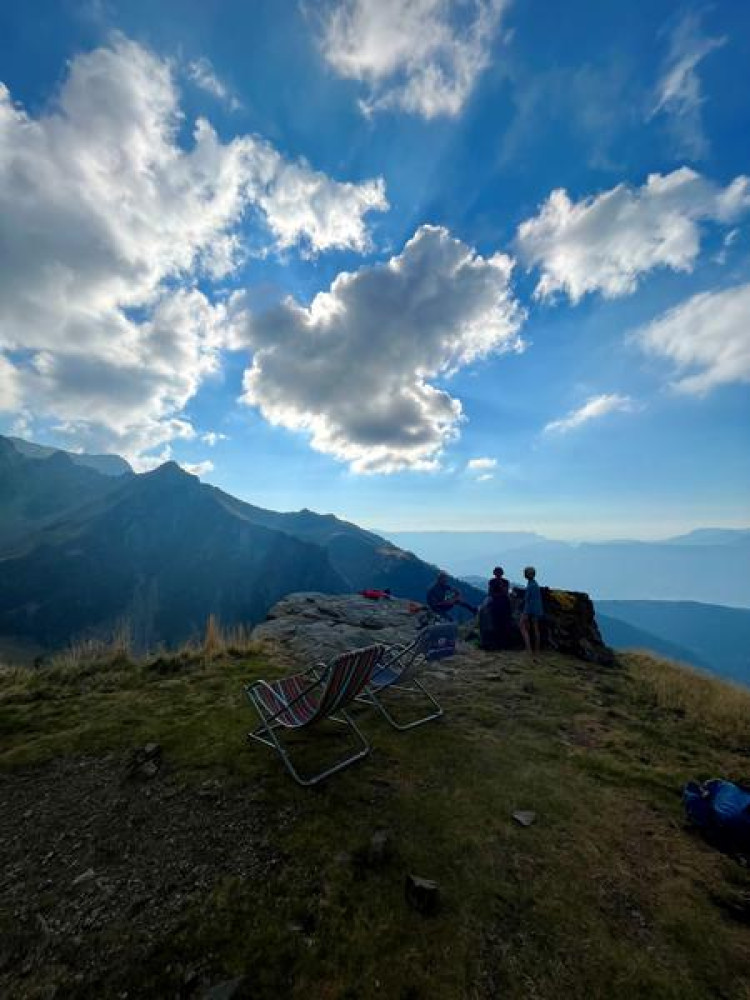
At the heart of Grandes Rousses mountain ranges, La Fare mountain hut offers you an authentic atmosphere. This intimist little hut, family and easily accessible, is situated in a spectacular and wild place.This small and intimate refuge, family and simple access : located in a beautiful and wild area. It welcomes curious for a first night in a refuge, hikers and climbers who come to discover the routes of medium and high mountains, between lakes and summits. Live an evening, a night, a morning at the refuge of the Fare, these are strong moments and unforgettable memories.
Food & beverage all day, local products ...
From the refuge it is possible to practice some activities, such as fishing, mountaineering, climbing and hiking... Reservation required by phone.
Carte IGN : 3335 ET / Le Bourg d'Oisans - L'Alpe d'Huez

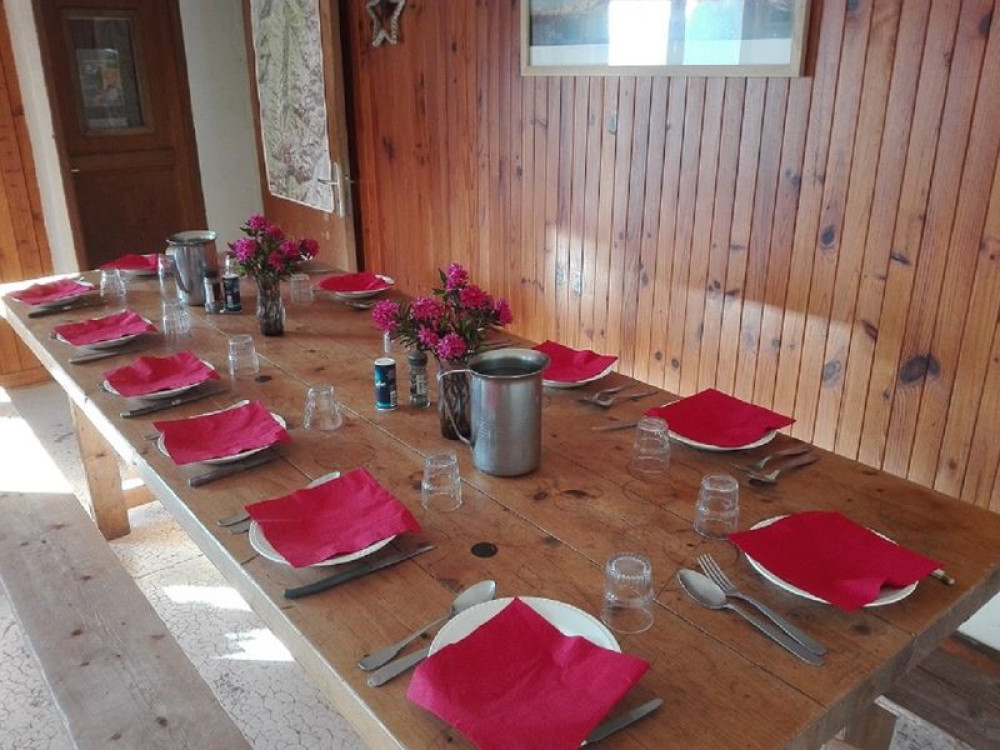
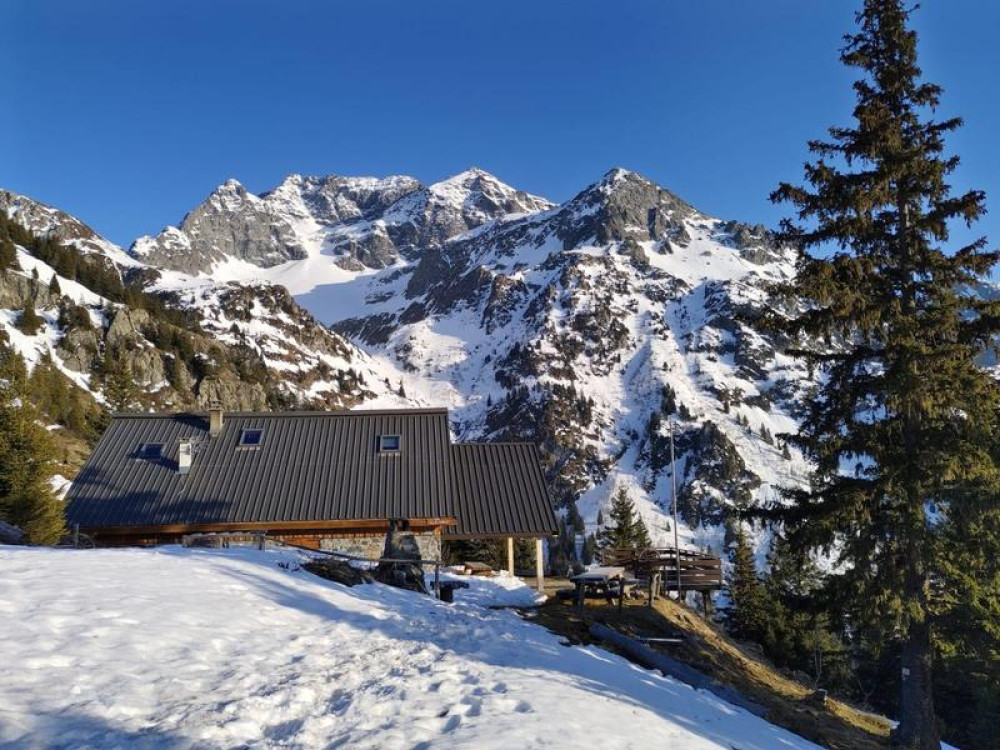
If you in need of a quiet and relaxing time in the middle of nature, hiking to this mountain hut is your answer. You will sure appreciate eating home-made food on the terrasse enjoying the amazing view of the mountains around and discovering the conviviality of spending a night in a guarded mountain hut.The hut is situated at an elevation of 1700 meters with a beautiful panoramic point of view.
From the Parking lot in the "Espace Nordique du Barioz" at 1400 meters altitude, you'll find two different trails, the one on your right is a little trail going by "Pierre roubet" (name written on the yellow signs) the one on your left is a mud road.Period of opening : From 14/05 to 02/10/2022, daily.Prices : Night: 12 €
Bed and breakfast: 19 €
Breakfast: 7 €
Dinner: 18 €
Half board (pp): 37 €
Half-board (child): 29 €.
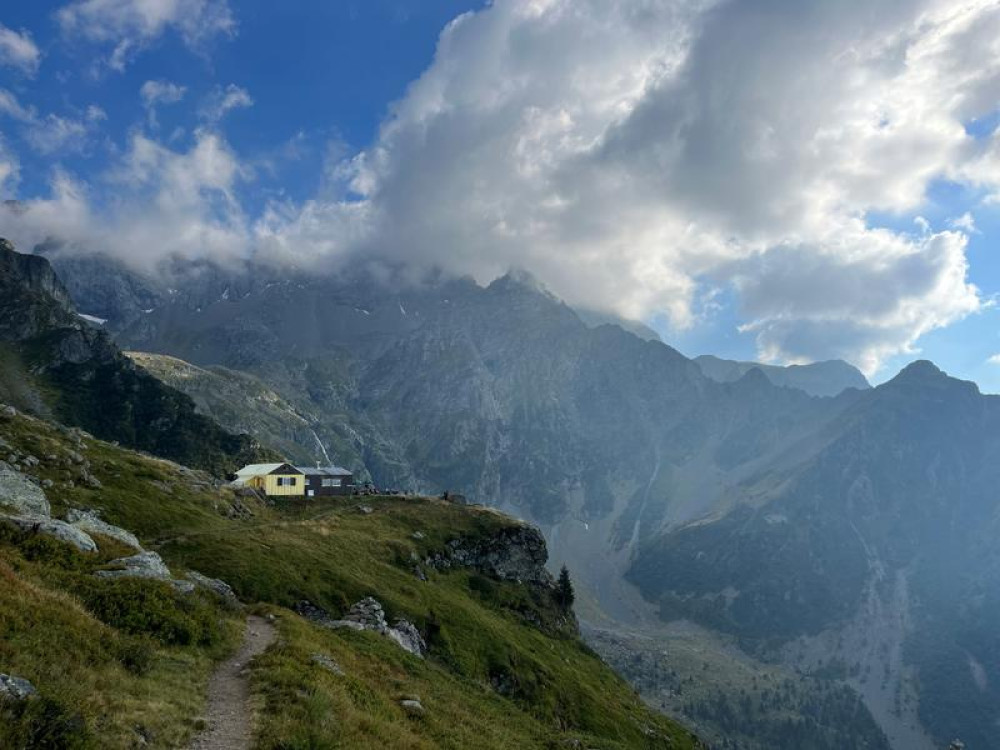
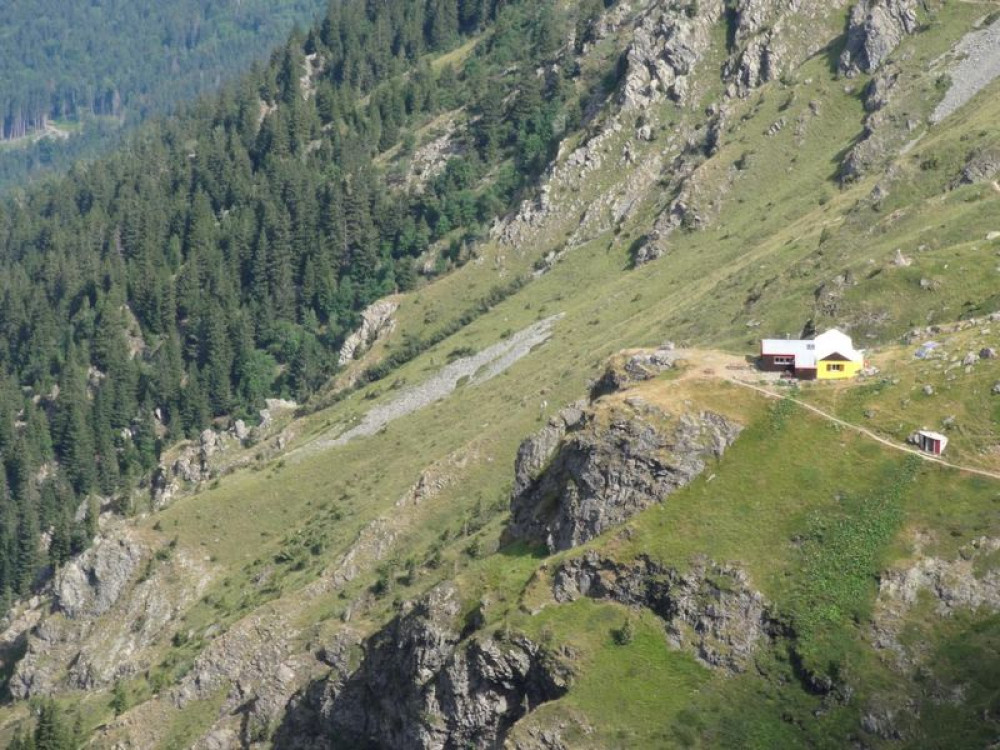
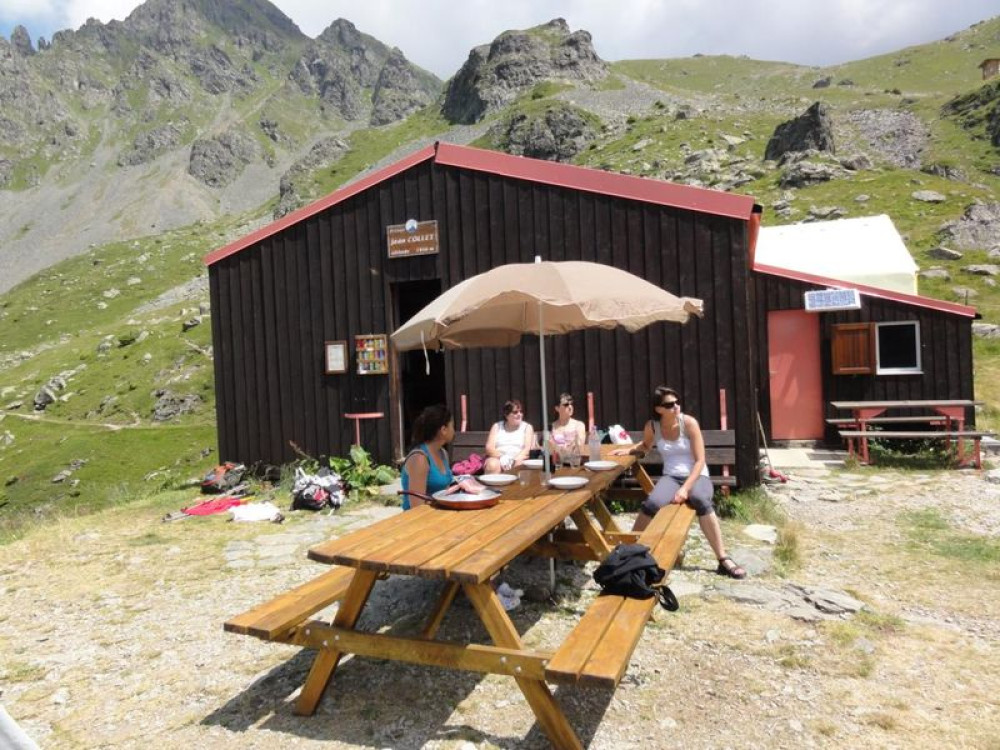
Located on a vantage point, the Jean Collet refuge is a quiet, cosy spot in the middle of nature. The hikes around the refuge, which are of varying degrees of difficulty, will take you to the lakes and passes of the Belledonne.Getting there :
High gain :
Walking time :
Ease of access :
IGN map :
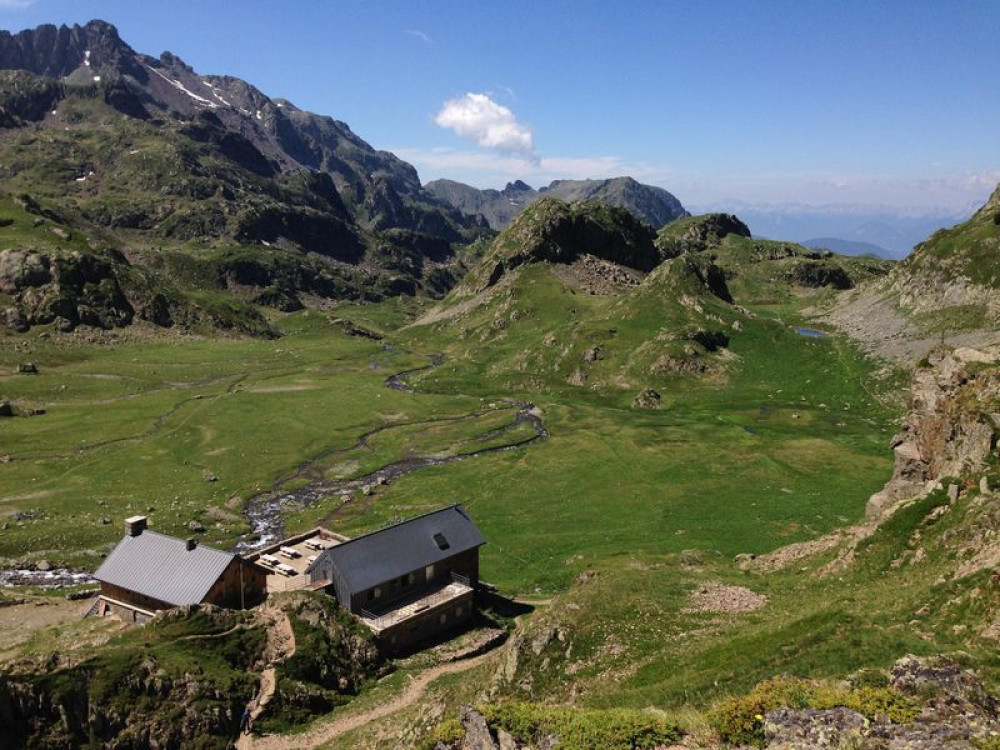
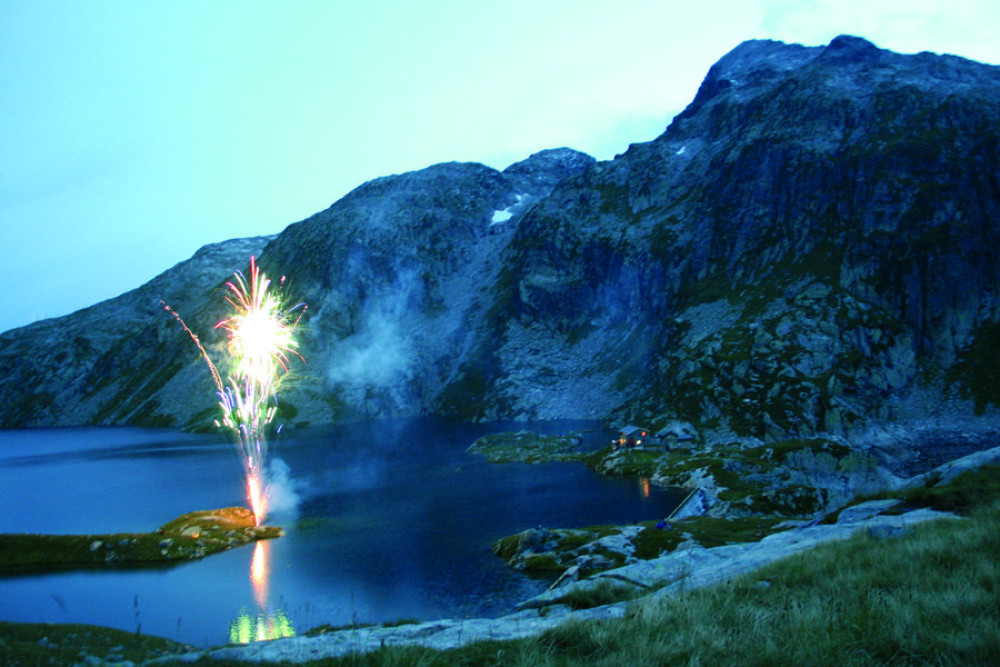
At 2100 meters, the refuge of La Pra, close to the many clear lakes of the Massif Belledonne, will delight anglers, hikers and families. La Pra is also a wonderful pasture where you can encounter marmots, wild sheep and ibex.The refuge is a stopover on the GR 738 from Chamrousse.
The surrounding peaks are often accessible in summer, either on footpaths or "off-track" for those who prefer less frequented areas (Vaudaine, Doménon, Croix de Belledonne sectors), as soon as the snow has disappeared.
You are entering a Natura 2000 protected area where swimming in rivers and lakes is strictly prohibited.
From the Pré Raymond parking lot, take the forest road, then a path to the left (south-east). A few hairpin bends bring you to an almost level path leading out of the forest. Cross the stream before reaching the dam and Lac du Crozet. Follow the path along the lake and up the Vallon de Mercier to the Col de la Pra. At the col, turn right (south) and descend to the refuge, 5 minutes from the col de la Pra.
From Chamrousse, from the parking lot at the foot of the Grande Aiguille, follow the GR de Pays, then pass between the lakes (GR 738). Climb slightly before descending into the combe de l'Echaillon. Turn left onto the path leading to the Oursière waterfalls, then right onto the path leading to Lac David. Climb up to Lac Léama, then on to Lac Longet and Lac Claret. Climb up to the refuge.
From the Recoin de Chamrousse, take the GR 738 to Lac Robert. Then follow the same route as the Croix de Chamrousse.
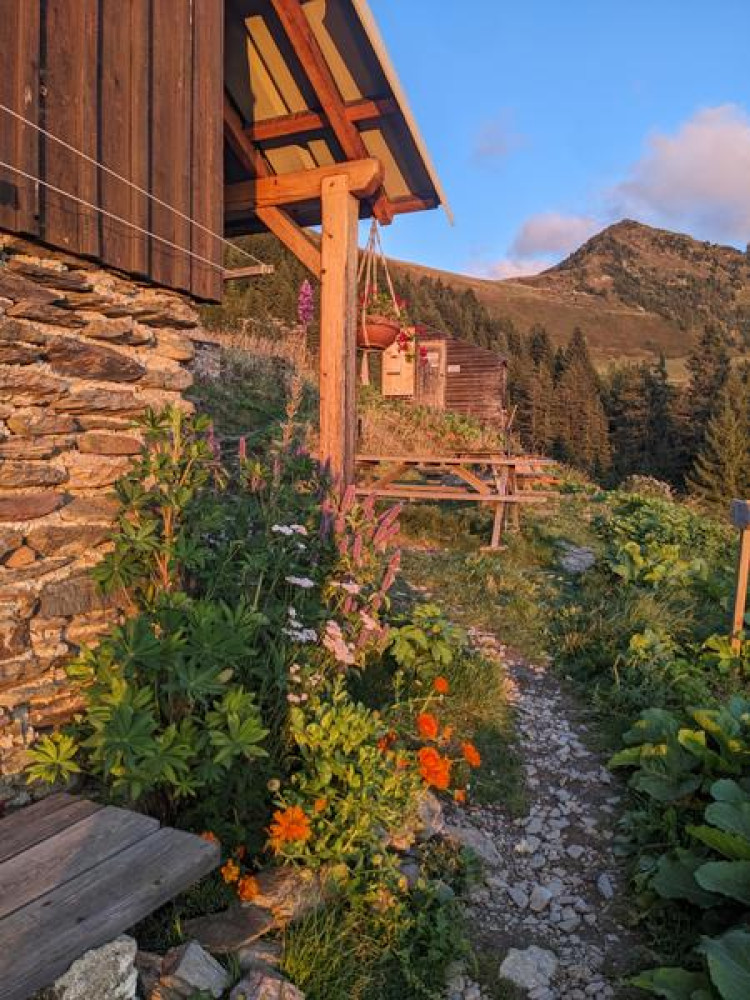
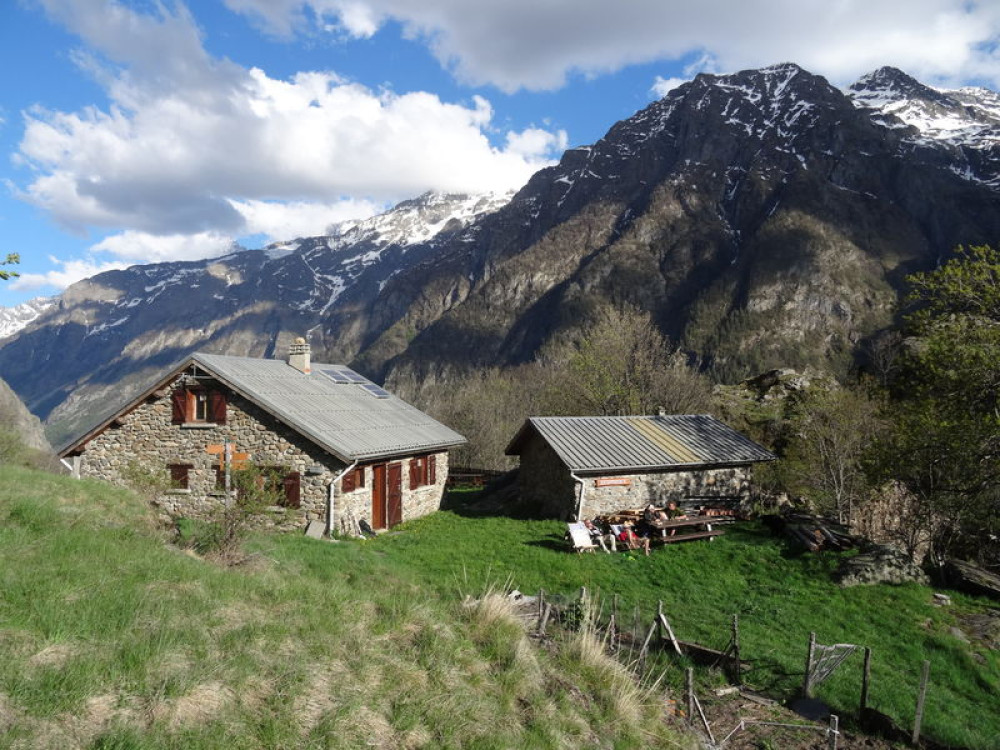
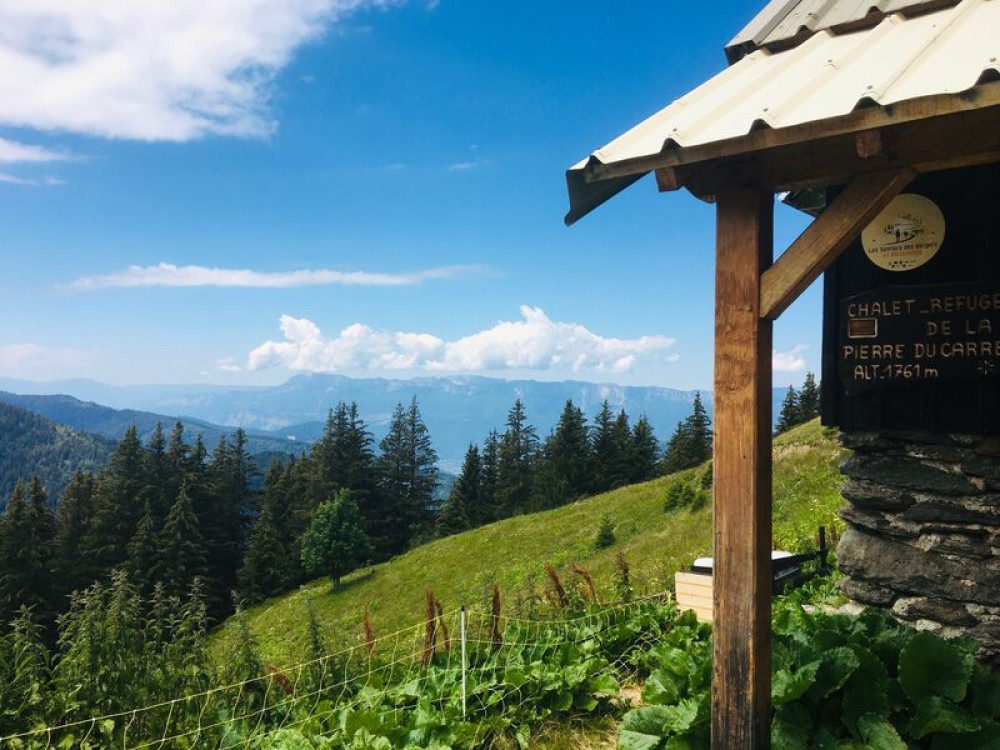
Formerly a shepherd's hut, it was converted into a refuge for hikers travelling through the Belledonne. Overlooks the Veyton,Whether you are a good hiker or not, you will enjoy climbing to the "Refuge de la Pierre du Carre".
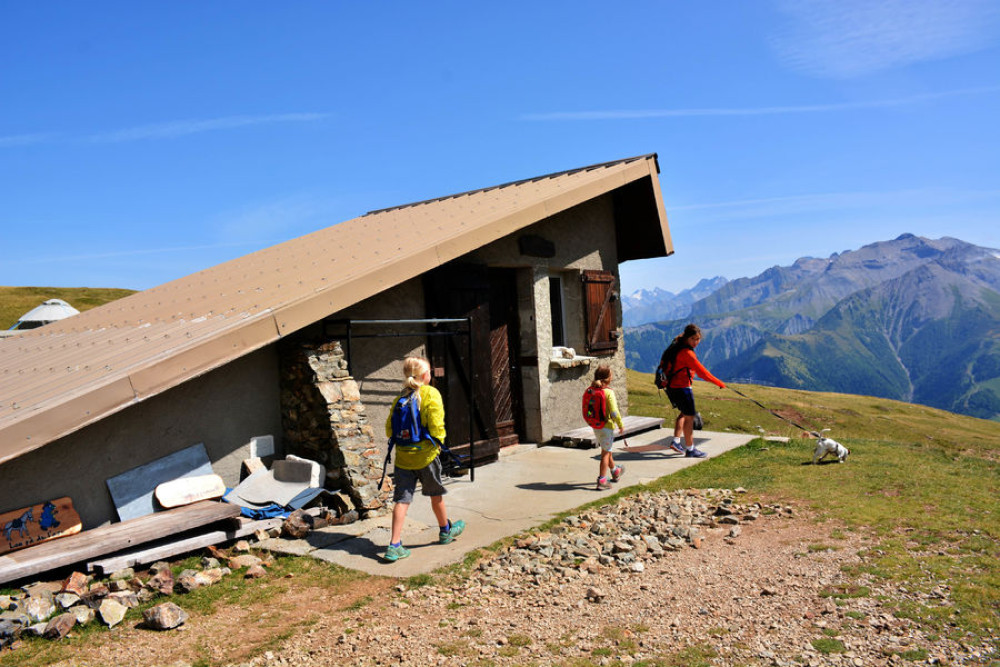
the Plateau of Le Fourchu, where sleep a hundred lakes, lies at 2000 meters above sea level. Its endemic flora and fauna readily recall the northern tundra landscapes. The refuge is located in this unique setting; the path accessible for all ages.Please note: this site has been awarded the Natura 2000 label and is subject to numerous measures to preserve its biodiversity. We therefore invite you to adopt the right reflexes when you come to protect this sensitive area.
The landscape here is reminiscent of the northern tundra, dotted with a myriad of small lakes and frog pools. Some of these lakes contain fossilized tree trunks in their sediments, testifying to the presence of the forest here 6,000 years ago. The entire plateau is classified Natura 2000, the European network of remarkable natural environments.
Come and enjoy the panoramic view of the Oisans mountains from the orientation table 50 m from the refuge.
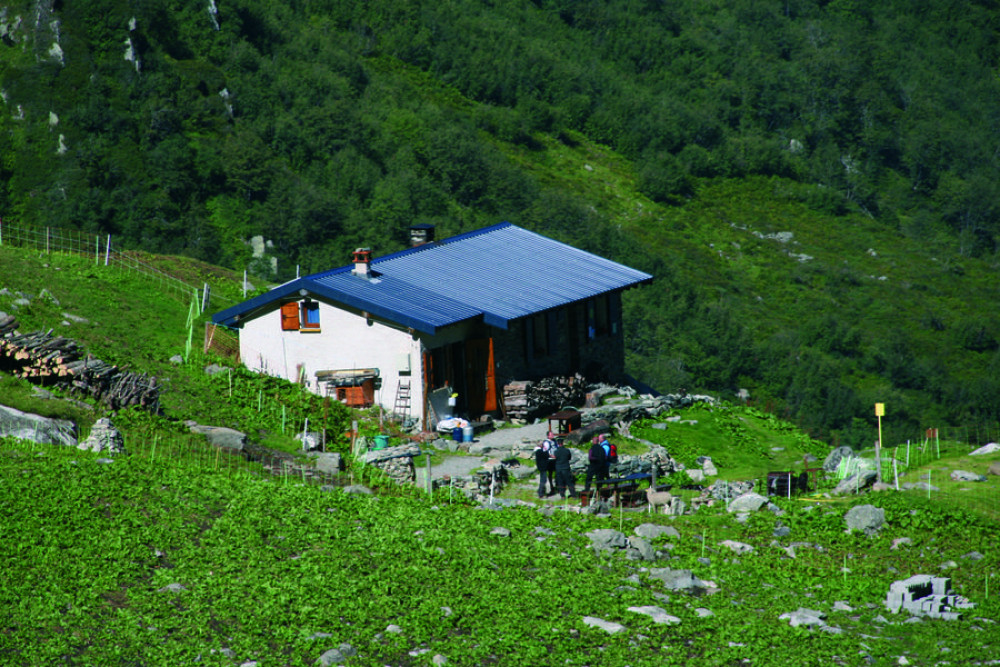
The Gîte de l'Oule is a cosy little mountain refuge. Overlooked by the Puy Gris and the Col du Morétan, with a breathtaking view over the Chambéry valley, you can enjoy a blueberry tart or an omelette at any time of day.Getting there : From the car park, take in front of you a wide path (yellow and blue markings), follow it to a fork in the road and turn left. Go up the meadow of L’Oule along the stream. After 1500 m, leave the path up to the Col de Vay and turn right. It then goes over the waterfall to the left. Cross the concrete bridge to reach the ledge of the Oule (1720 m). Continue on your left, you’ll see the hut and you will reach it with a final short climb.
High gain : 900m
Walking time : 2h30
Ease of access :
IGN map : Top 25 3433 OT
Covid-19 information:
Make sure you bring your own sleeping bad and your mask thank you.
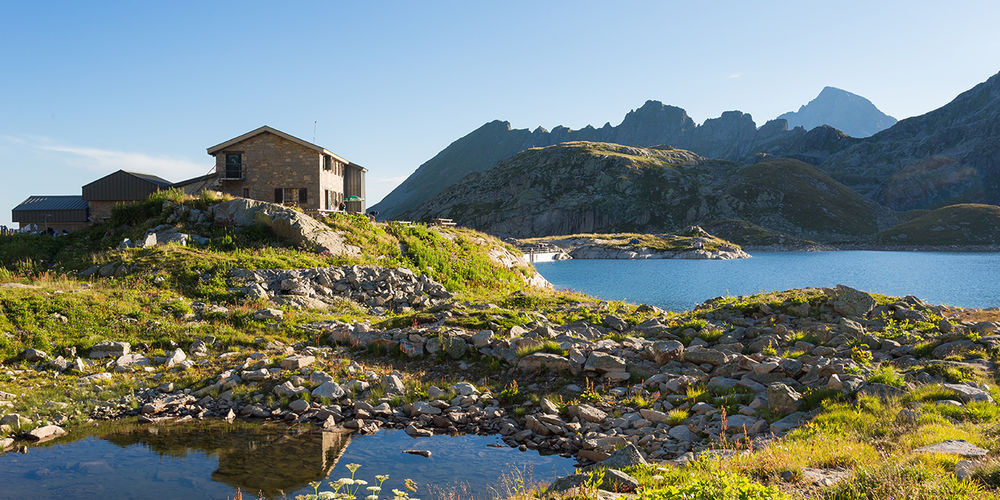
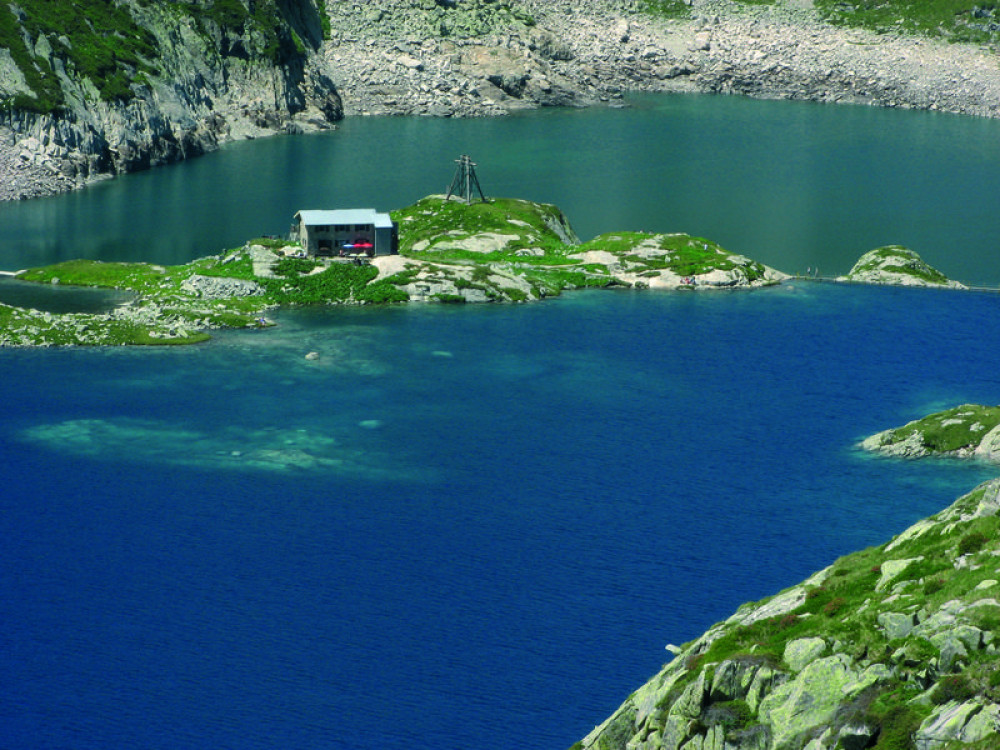
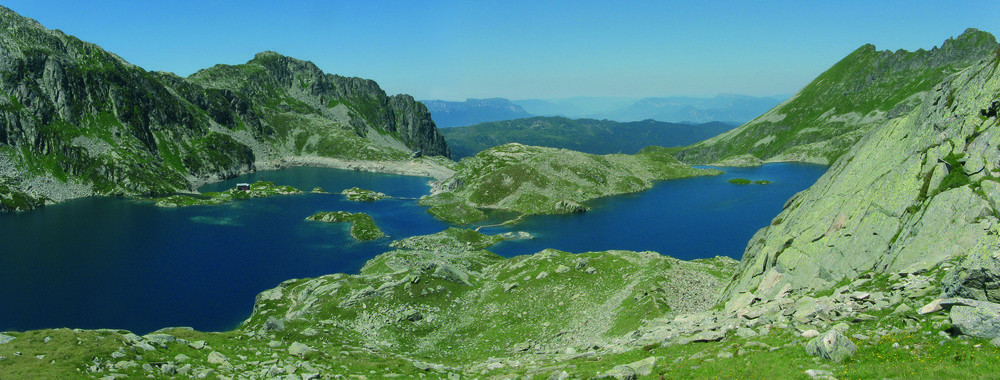
The Les 7 Laux refuge sits on an island at an altitude of 2,135 m, surrounded by the Rocher Blanc and the Pic de la Belle Etoile, and the clear blue waters of 12 mountain lakes.Getting there : By Belledonne, two routes are possible among others to access the refuge: Fond de France or Le Pleynet. After Allevard les Bains, direction Fond de France or Le Pleynet. At Fond de France, the trail starts in the car park next to the gîte l’Essentiel. At Le Pleynet take the forest road at the end of the car park (the one up).
High gain : 1100
Walking time : 4 to 5h
Ease of access : difficult
IGN map : n°3335 ET
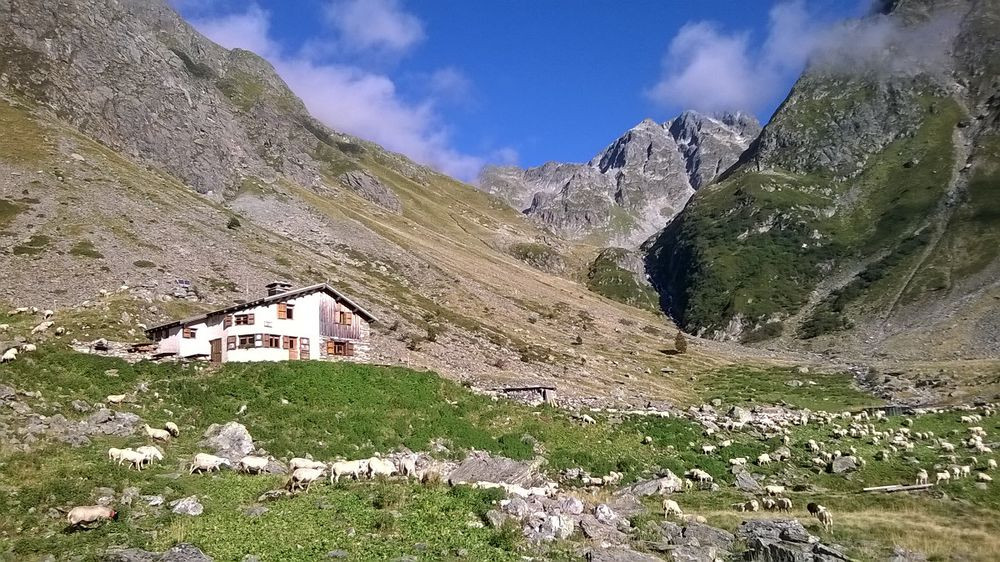
The Combe Madame mountain pasture gîte is a pretty little alpine refuge located in the commune of La Ferrière in the Belledonne mountain range. It is perched at an altitude of 1,784 metres in the heart of wild and unspoilt mountain scenery.Getting there : In Allevard, take the D525a in the direction of La Ferrière. 500 meters from a lake, just before Fond-de-France, turn left, pass the gîte of La Martinette and park in the parking of La Martinette. Take the direct path that goes into the forest, in front of the car park, pass the first chalet (halfway), continue on the GR path along the creek from the left to the refuge of la Combe Madame (running time between 1:30 and 2:15).
Other possible routes to the refuge:
- from the Col du Glandon, by the Col de la Croix.
- from the refuge of Les Sept-Laux, by the Rocher Blanc or by the Col du Mouchillon (unmarked).
- from the refuge de l’Oule (unmarked).
High gain : 700m
Walking time : 2h
Ease of access :
IGN map : 3335 ET
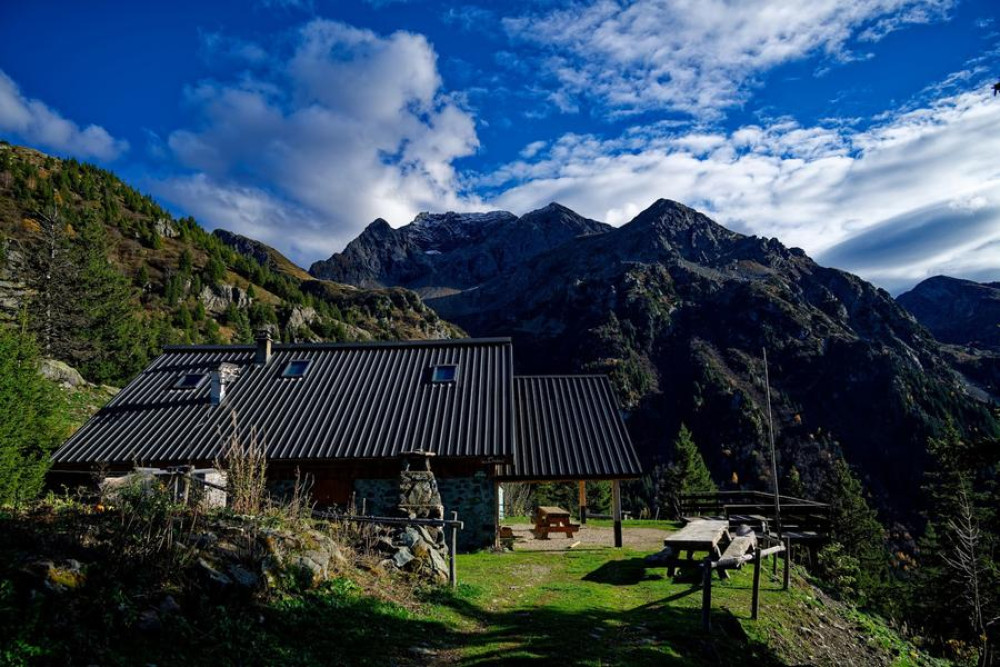
Located high above La Combe-de-Lancey at an altitude of 1,735 metres, Le Pré du Mollard refuge is one of the most unspoilt and little-visited spots in the Belledonne massif.
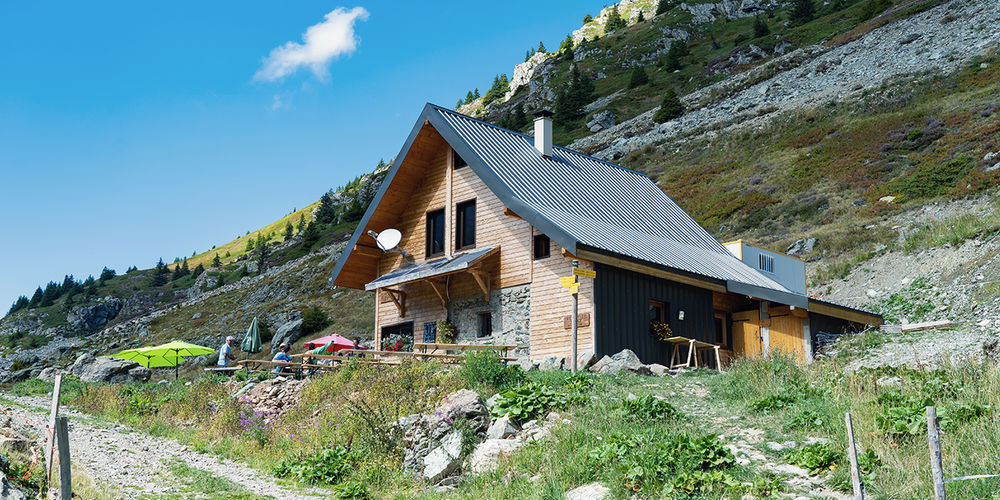
Situated in the heart of the Belledonne massif on the GR 738, the Habert d'Aiguebelle refuge (1,735 m) was completely renovated in 2017 from an old building that was once used as a sheepfold.
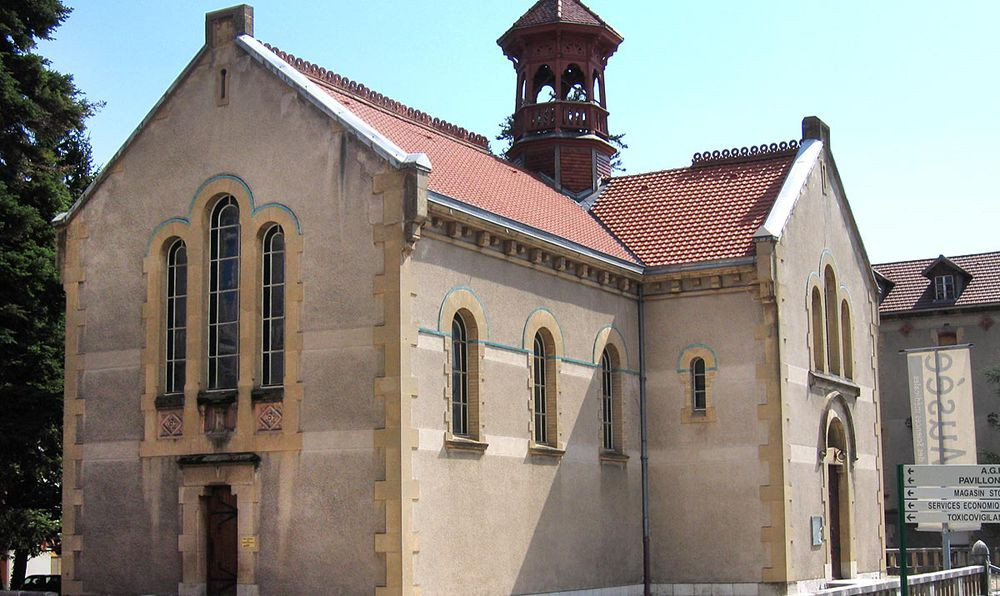
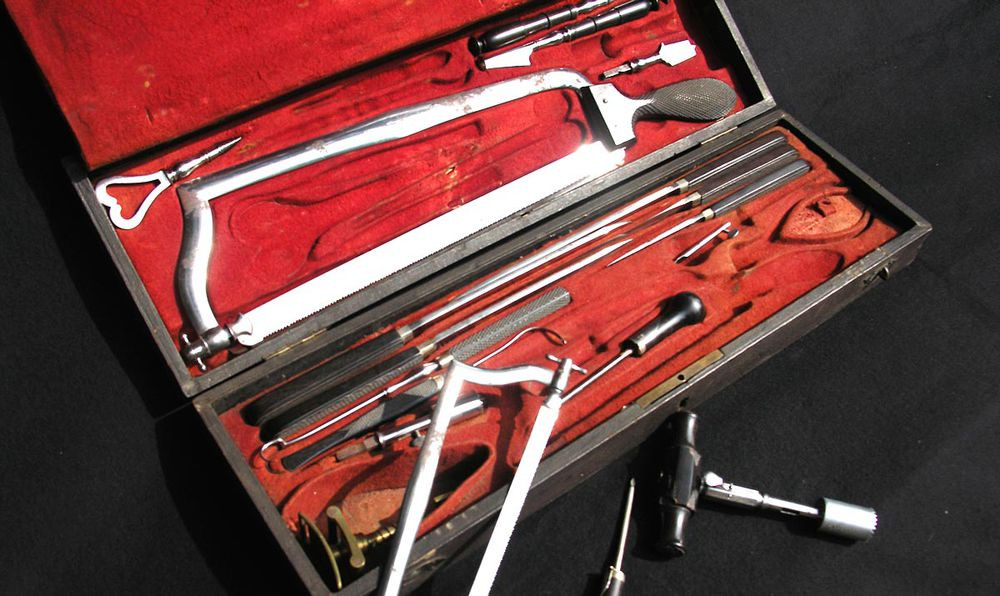
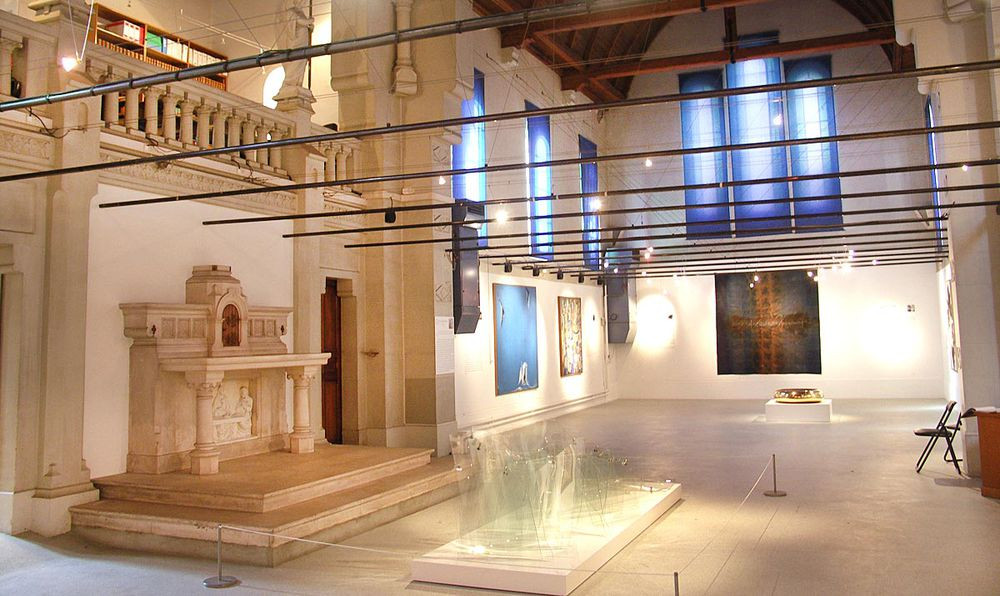
Medical sciences museum of Grenoble was created in 1992 thanks to the initiative of several hospital decision makers concerned about preserving the history of their institution.The preservantion of the hospital's heritage, undertaken by many hospital workers long before the creation of the association, is a field in which the CHU of Grenoble invests itself fully, thus opening its doors in partly to the cultural sphere. A building filled with history was made available to the Grenoble Museum of Medical Science at the northern hospital--the old chapel of Tuberculosis victims, also called the Chapel of the Asylum for the Aged, named for the ensemble of pavillons in which it is located. Today, the geographic situation and the theme of the museum make it an unusual site at the heart of the hospital where ideas can come together and debates can take place. One of the hospital's objectives and one of the museum's missions is to showcase the hospitals rich collection, but also to change mentalities and do away with preconceived notions, making the hospital a place just like any other. Basically, it's all about showing what the hospital once was, what it is today, at the same time much like other hospitals and specific thanks to its location in Grenoble.
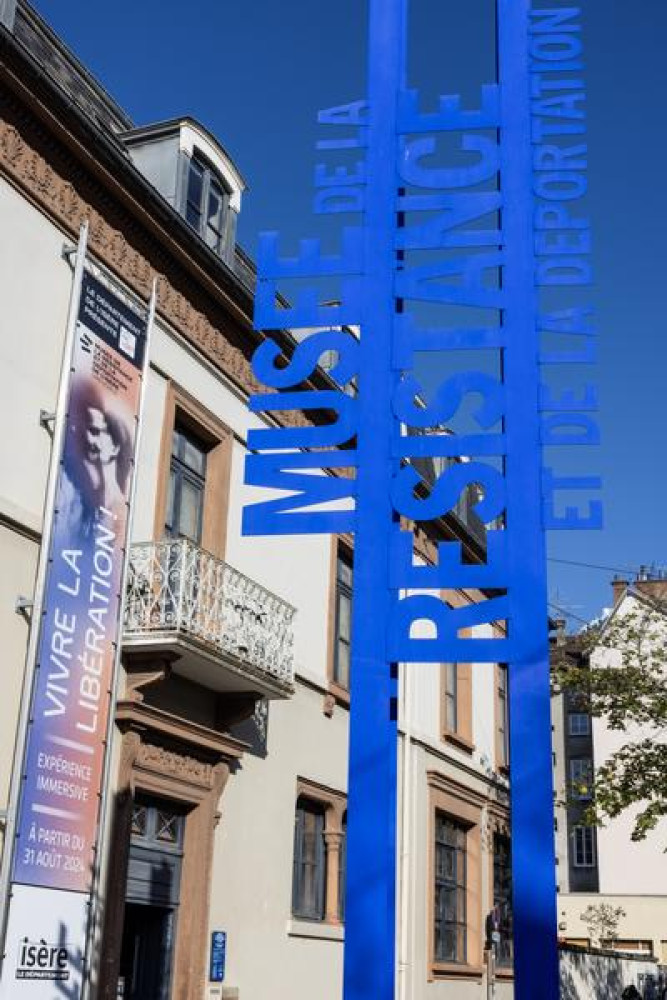
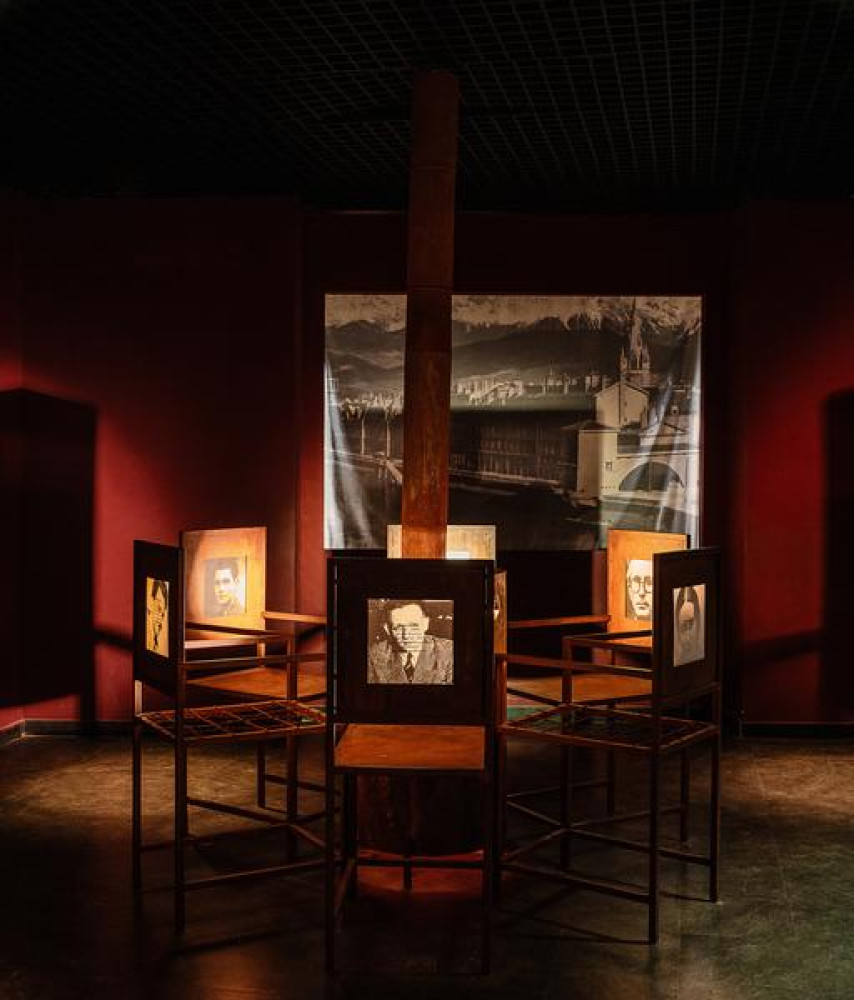
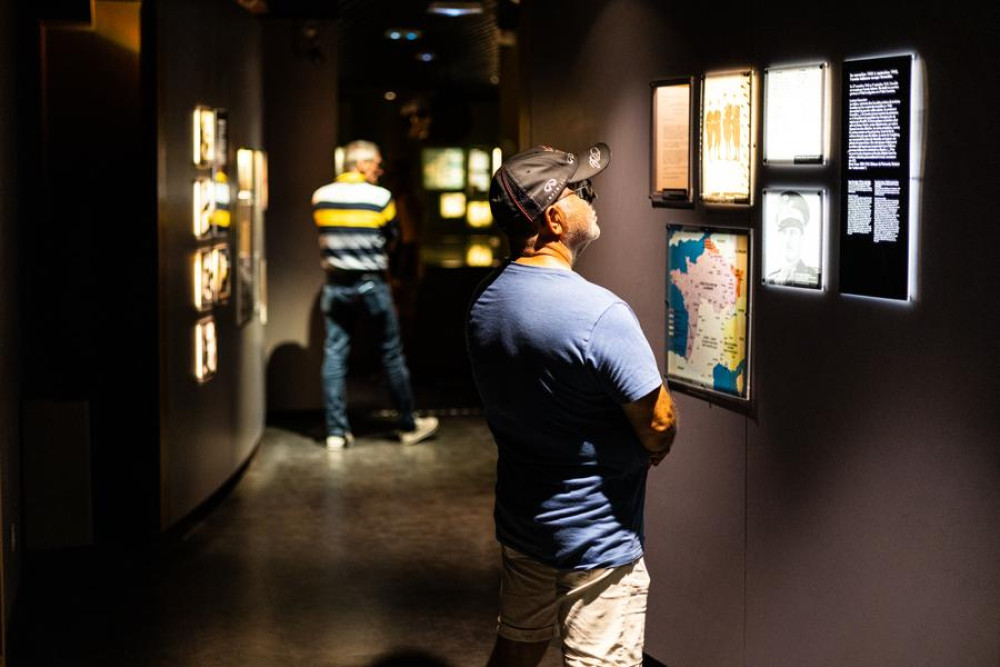
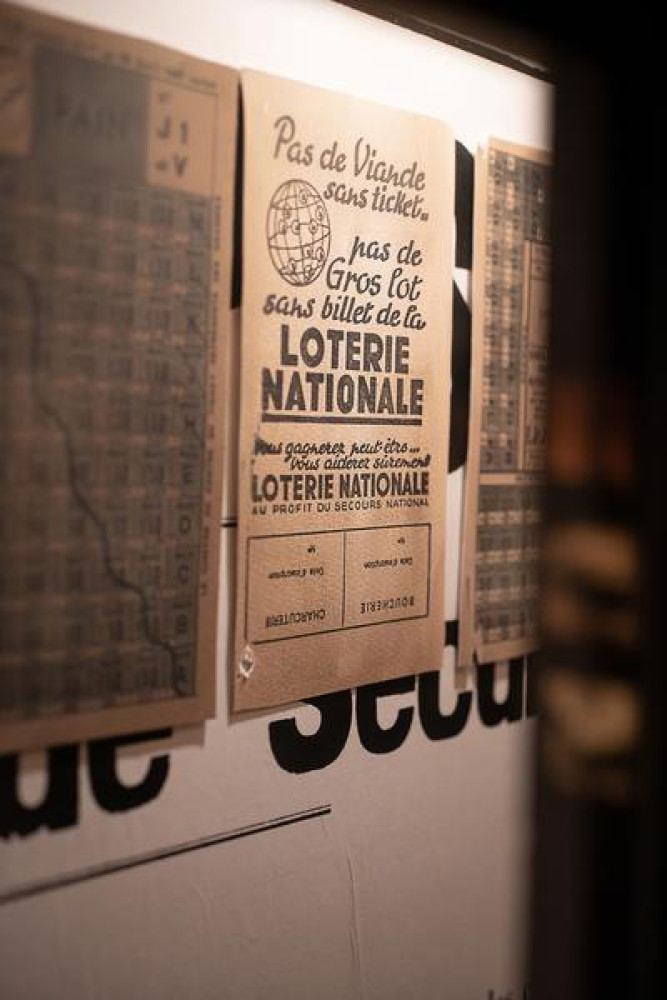
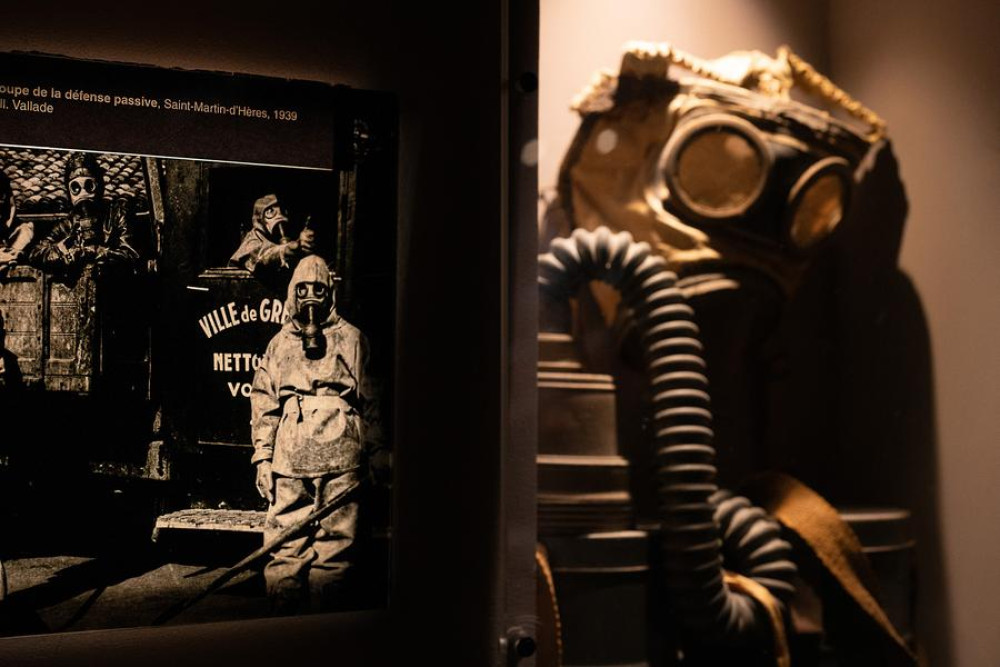
The Resistance and Deportation Museum is designed to be a true history museum.
The Resistance and deportation are approached through local history, the people, and the episodes that took place.The Resistance and Deportation Museum is designed to be a true history museum, even if it also serves as a memorial site. The Resistance and deportation are approached through local history, the people, and the episodes that took place.
Six main themes are developed inside the museum:
-The beginning of the Resistance, a pivotal moment for Grenoble. Few French cities saw resistance movements grow in as many groups and situations as Grenoble did.
-The resistance fighters and their preponderant position in the Isere department, from 1943 on. They all communicated via Grenoble, which was thus baptized “capital of the resistance fighters.”
-The situation of Grenoble’s and Isere’s Jewish population, from the 1930s to the time of the German occupation.
-The violent repression that struck the directors of the main resistant movements, especially at the end of 1943, during what is called the “Grenoble Saint Barthelemy,” and the deportation which revealed the monstrosity of Nazi logic.
-The Liberation and the role of the Departmental Committee of National Liberation, born out of the “Monaco” meeting, where the representatives of the Resistance decided to rally their actions around the values of the French Republic.
-Current resistance movements, because today, the Nazi ideology has yet to completely disappear and many countries suffer from totalitarian or terrorist regimes.
The visit, which follows the chronology of events, is divided between the museum’s three levels.
- On the first floor: a first sequence, dedicated to the outbreak and events of the world conflict as they were lived in Grenoble and Isere. An important event from this period: Marshall Pétain’s visit to Grenoble on March 19, 1941. An amateur video from the event recounts the important moments.
- On the second floor: The visitor is transported through several different, separated areas where the idea of the Resistance was born. Six different places are recreated. The visitor first crosses through a Grenoble street, scene of student and other youth protests, the dining room of Marie Reynoard, head of the Isere chapter of “Combat,” the office of René Gosse, head of the Grenoble college of sciences and member of the “Marco Polo” network, etc.
The visit continues with a presentation of the Isere resistant fighters, a relief map where the maquis, sabotages, and parachuting sites light up at the push of a button.
- On the third floor, the chronology continues with the presentation of the tragic events that defined the German occupation: collaboration, sabotage, repression, and deportation. One of the highlights of the visit: three doors from prison cells built by the Gestapo in the building located at 28 cours Berriat, Grenoble, marked with inscriptions from those held captive. The visit ends with the Liberation and the restoration of the values of the French Republic. Another area deals with today’s Resistance values, for which many people continue to fight.
Over thirty years of acquisitions and donations, more than 5,000 objects and documents make up the museum’s collection. The collection is precious not only because of its age, but also by the breadth and quality of the documents: more than 80 posters, original drawings, numerous photos, printed documents (tracts, reports, brochures), copies of regional newspapers (with some complete collections, such as with “les Allobroges”), and of course objects (transmission and sabotage material, everyday objects from life during the Occupation, etc.).
This collection was completed with audio archives starting in 1990, made up of interviews from hundred of Resistance and deportation veterans. Carefully inventoried as part of digital cataloguing, these collections were declared to be of public interest on June 17, 1993 by the Artistic Council of Directors of the Museums of France. This recognition bestows upon the Isere Resistance and Deportation Museum the status of “inspected museum,” and also that of “Museum of France.”
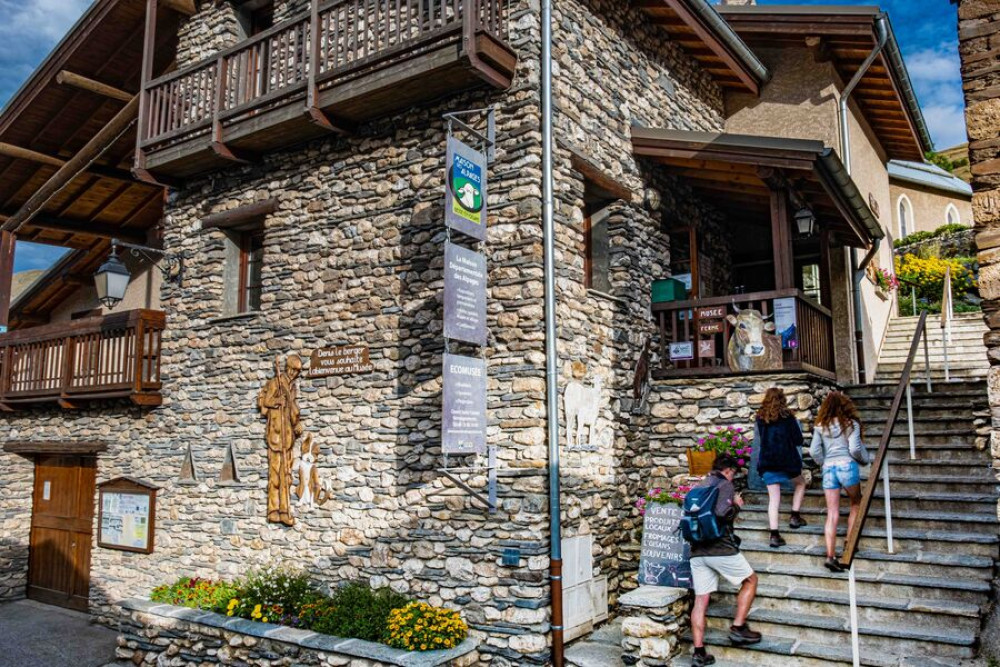
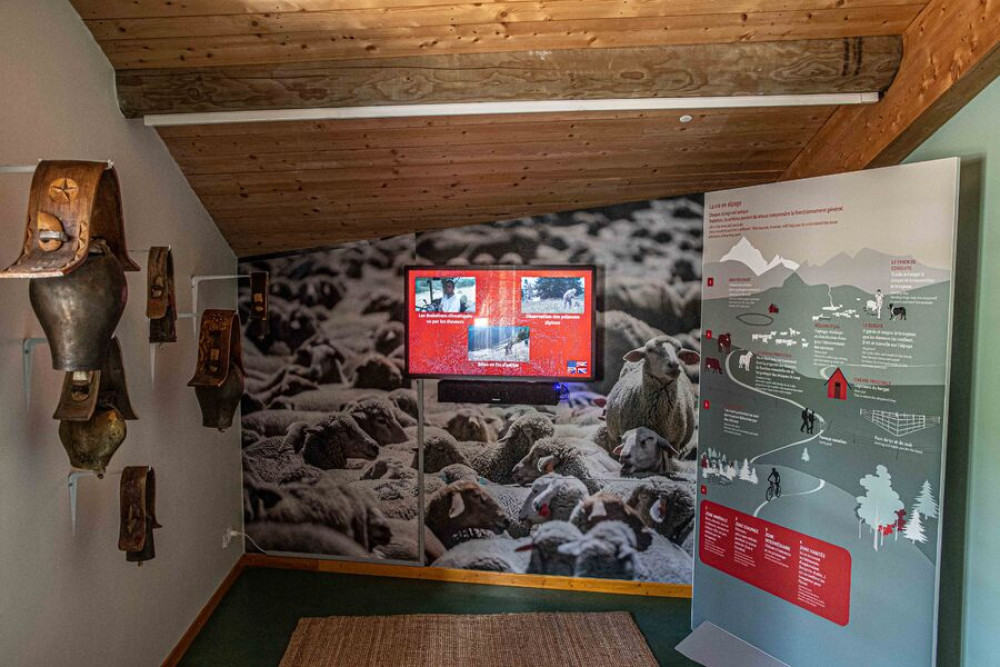
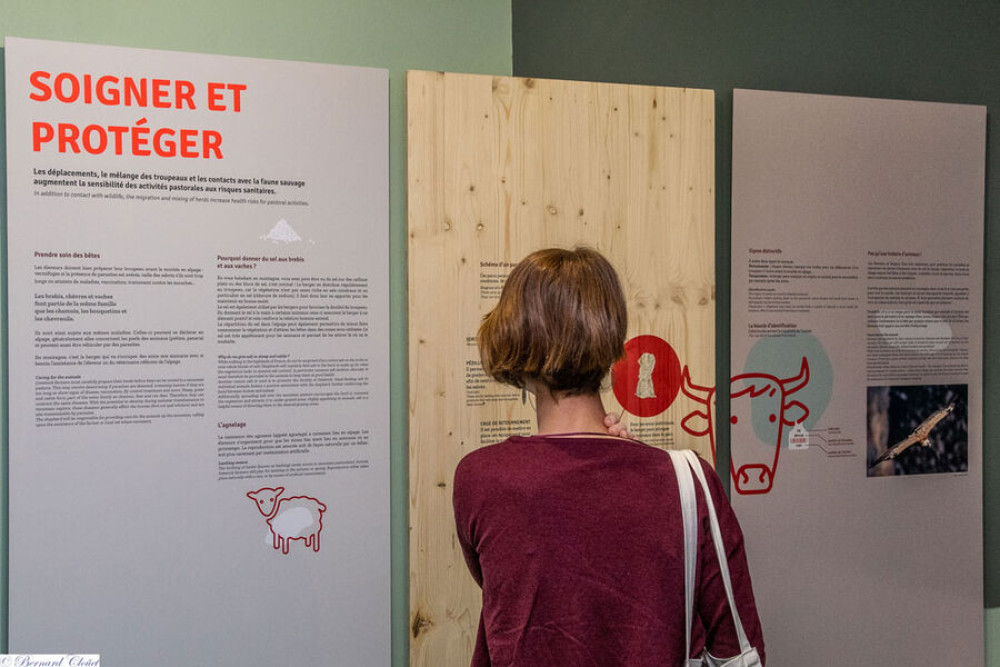
In the heart of the village of Besse-en-Oisans, classified as a remarkable site, the Maison des Alpages houses a museum, a projection room and exhibitions dedicated to pastoralism. It also offers outings to meet the herds and shepherds.The museum tour is divided into several sections:
- A permanent, interactive exhibition invites you to discover pastoralism as it is practiced today, dispelling preconceived ideas and highlighting age-old know-how.
- A museum area dedicated to the rich history of Besse-en-Oisans and the Ferrand Valley will introduce you to life in mountain villages in bygone days (collection of old objects, photos, personal accounts, etc.).
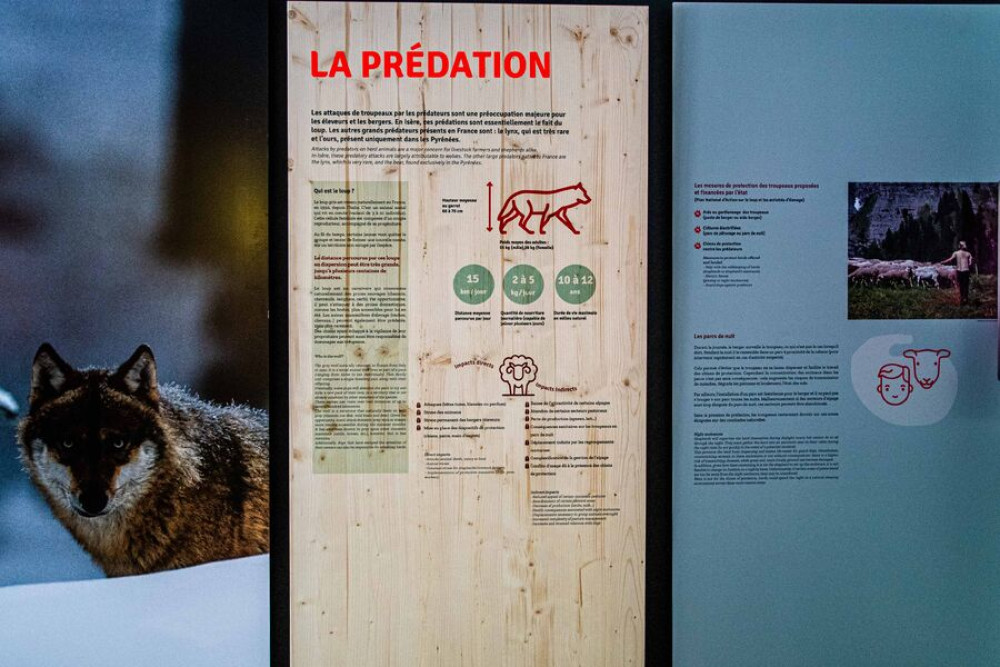
- Numerous modules on issues such as climate change, predation, the environment and the economy linked to pastoralism complete the visit.
The Maison des Alpages also offers free activities for children, including access to the library (with a wide selection of books on subjects such as the mountain environment, fauna, flora, transhumance and life in the past), and booklets of games and puzzles available from reception.
Finish your visit with a visit to the museum's boutique, dedicated mainly to local producers, whose aim is to introduce quality products to local and visiting customers, promoting members of the Route des Savoir Faire de l'Oisans, Alpe is Here and the Ecrins National Park.
The Maison des Alpages also offers guided tours of Besse, outings to the mountain pastures to meet the herds and shepherds, and hikes in the summer pasture hamlets. After these outings, liven up your evenings with the "Les alpages font leur cinéma" film festival.
LABELS :
- Member of the Richesses Culturelles de l'Oisans (RCO) network
- Member of the "Route des Savoir-Faire de l'Oisans".
-Esprit Parc National,
-Ecrins National Park Information Point
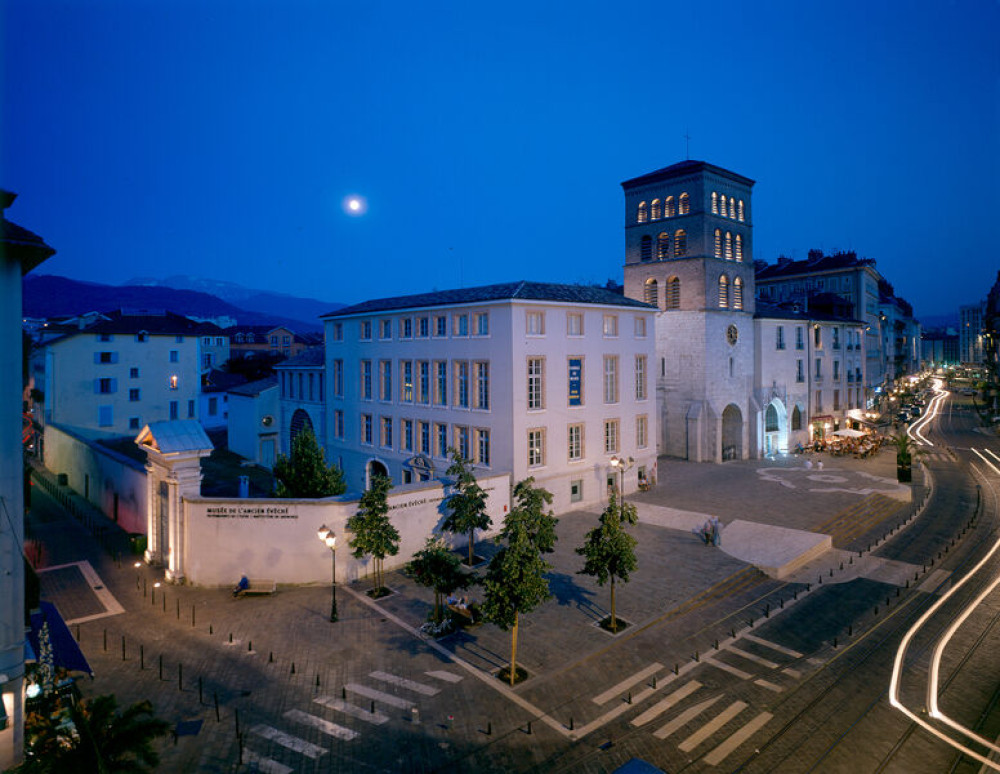
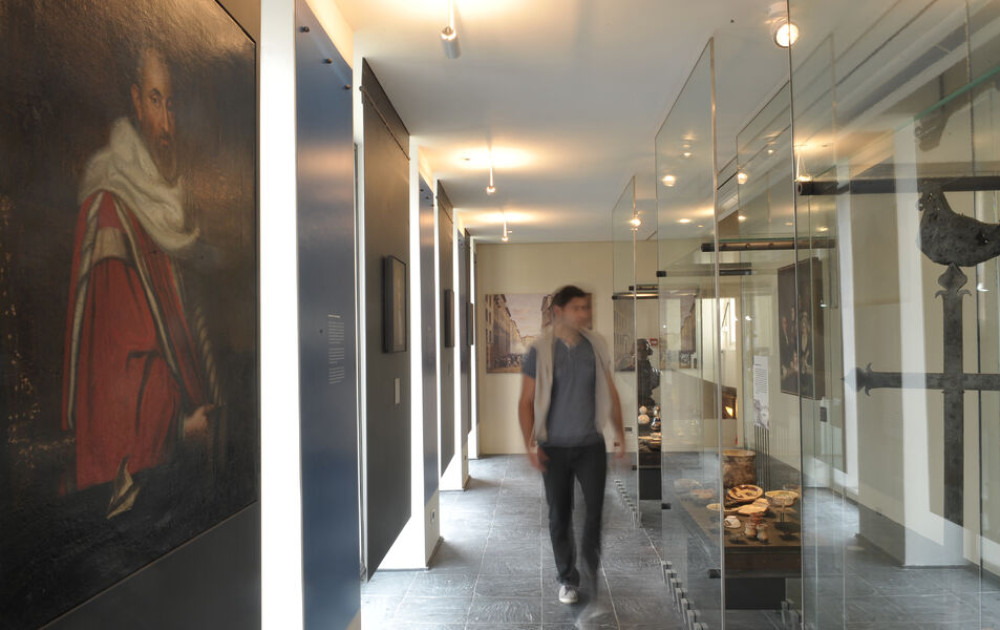
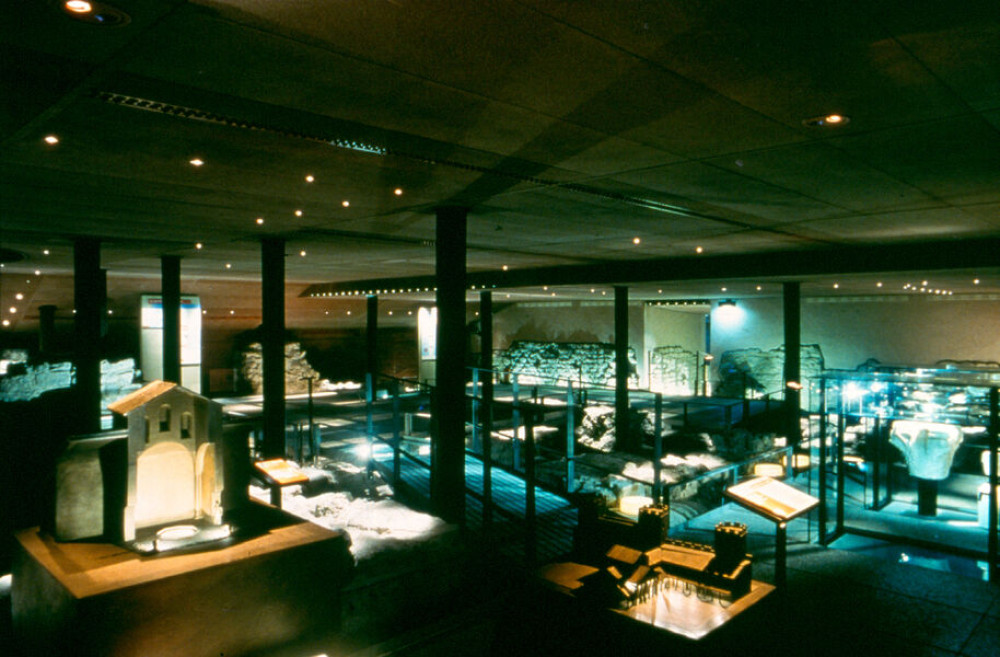
At the heart of Grenoble’s historic district, the museum offers a journey below Notre Dame square, to the vestiges of the city’s fortified ramparts, Grenoble’s first baptistery, and into the old bishop’s palace.Grenoble’s historic district
The bishopric-cathedral complex is a major part of the city’s history and was Grenoble’s original core. When the town was promoted to the official rank of a city in the 3rd century, Grenoble (called Cularo at the time), built a rampart and became the Episcopal seat shortly after. Built in bend in the rampart, the “city of the bishop” revolves around a double cathedral (Notre Dame and Saint Hugues), a baptistery (to the right of the cathedral), and a residency, the bishop’s palace.
The architecture of this ensemble would be modified many times over the course of history. The 13th century builders expanded the palace to the north and rebuilt the Saint Hugues and Notre Dame cathedrals. Marked by the Cardinal Le Camus’ strong personality and audacity, the 17th century gave the bishopric its opening onto the rue Très Cloîtres, a garden, and a courtyard with a monumental entrance way. At the end of the 19th century and during the early 20th century, Notre Dame square was finally entirely reconstructed and the cathedral fitted with a façade of molded cement (the work of Alfred Berruyer). The façade of the Episcopal palace was enlarged to mask that of the Saint Hugues cathedral. With the 1905 law that separated the Church and the State, the bishopric buildings were turned over to civil uses. The Isere Departmental Council acquired the building in 1988, just a short time before a fire would heavily damage a part of the western façade.
A museum for a site
To the visitor who crosses the threshold of the Ancient Bishopric Museum, a visit leading beneath Notre Dame square then into the halls of the ancient bishop’s palace is proposed. While very different, these two parts complement each other and are linked by the reception and gift shop. The order of the visit is coherent, making for fluid transitions between the different parts of the museum.
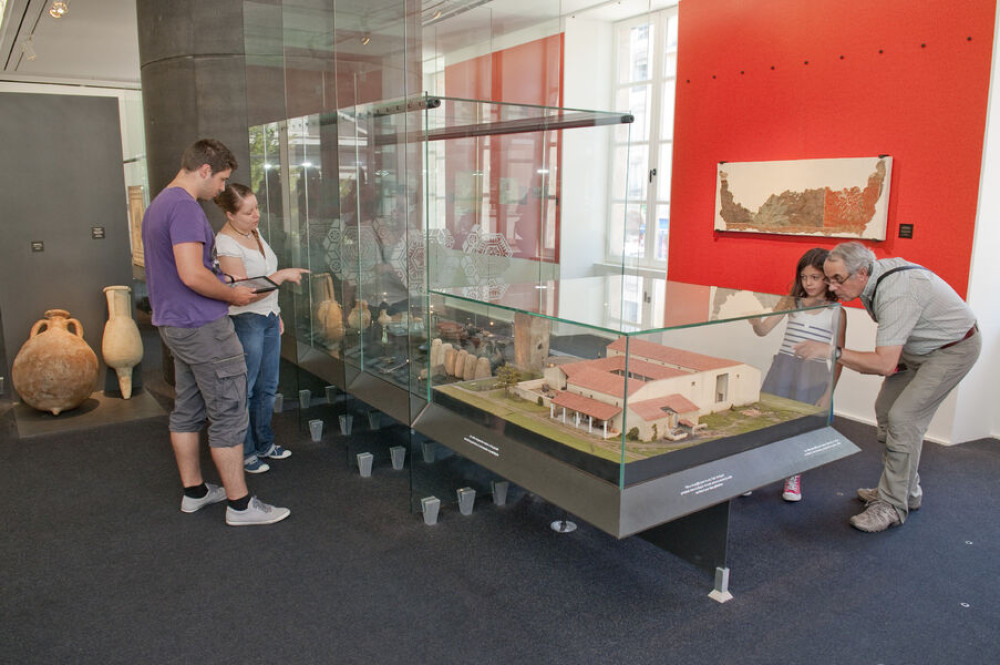
The visit is designed to offer a harmonious understanding of the ensemble of the site’s vestiges. The visit begins beneath the palace, with the discovery of the Gallo-Roman vestiges that were uncovered by architects. After walking along the city’s ancient ramparts, the visitor crosses the postern, the entrance to the city as of the 3rd century. The visit continues in the Paleo-christian rooms before leading to the baptistery, the highlight of the visit. The site reminds us of the bishop’s role and power, as well as the rituals of Christian baptism.
The visit then continues through the floors of the old Episcopal palace, where the evidence of the building’s complex evolution has been carefully preserved and presented through restoration campaigns.
An audio guide, available in French and English, is accompanies visitors as they move through the site.
A museum for a land and its history
Located on the three floors of the old Episcopal palace, a permanent exhibit offers a journey into the history of mankind and the history of a land, the Isere, from early evidence of human present all the way to the 20th century. The museum acts as a sort of historical epic, the first of its kind in the Isere department, which gives us reference points and mentions the region’s main historical monuments. No other cultural institution had given itself such a mission, to offer such a synthetic view of the department’s history and development.
Other museums are dedicated to specific periods in history, such as the Museum of the French Revolution in Vizille, or to certain themes, like the Isere Resistance and Deportation Museum, or still others to precise areas, like the Matheysin Museum. As for the Dauphinois Museum, it continues to grow through renewed exhibits on various aspects of society.
The visit of the Ancient Bishopric Museum is chronological and takes the visitor through six successive periods: Prehistory, the Gallo-Romain period, the Middle Ages, Modern Times, the 19th century, and the 20th century.
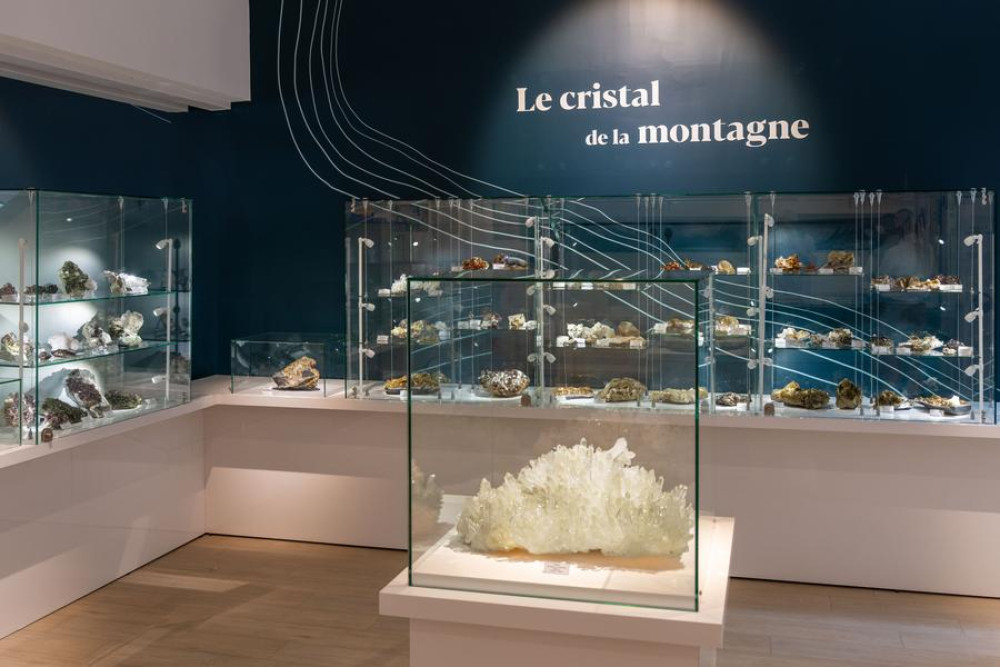
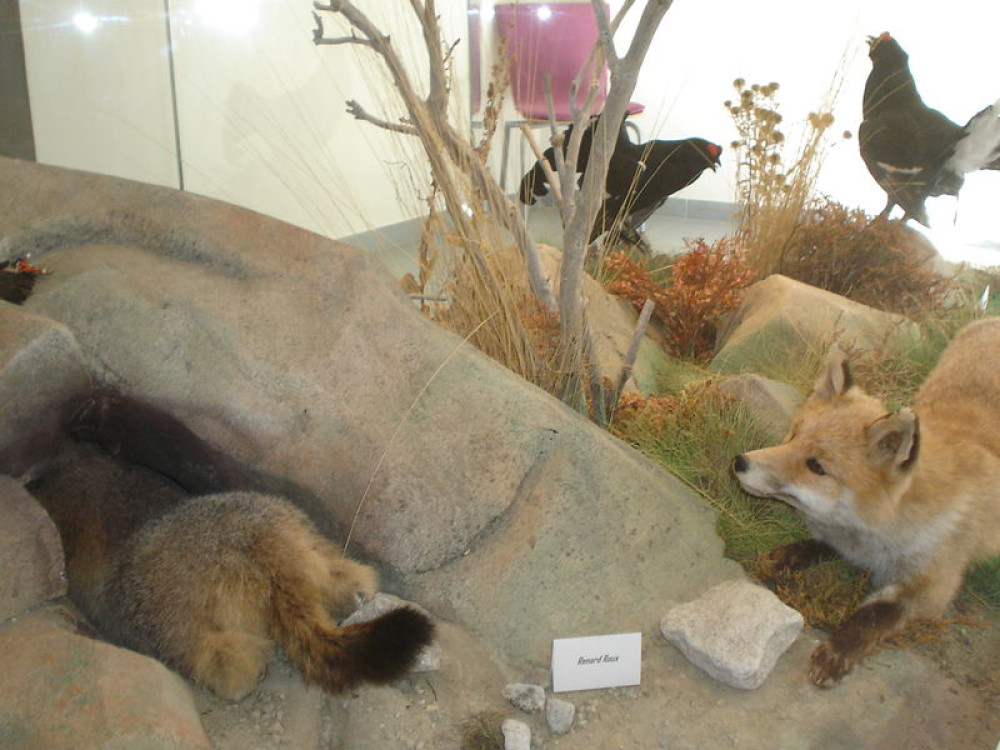
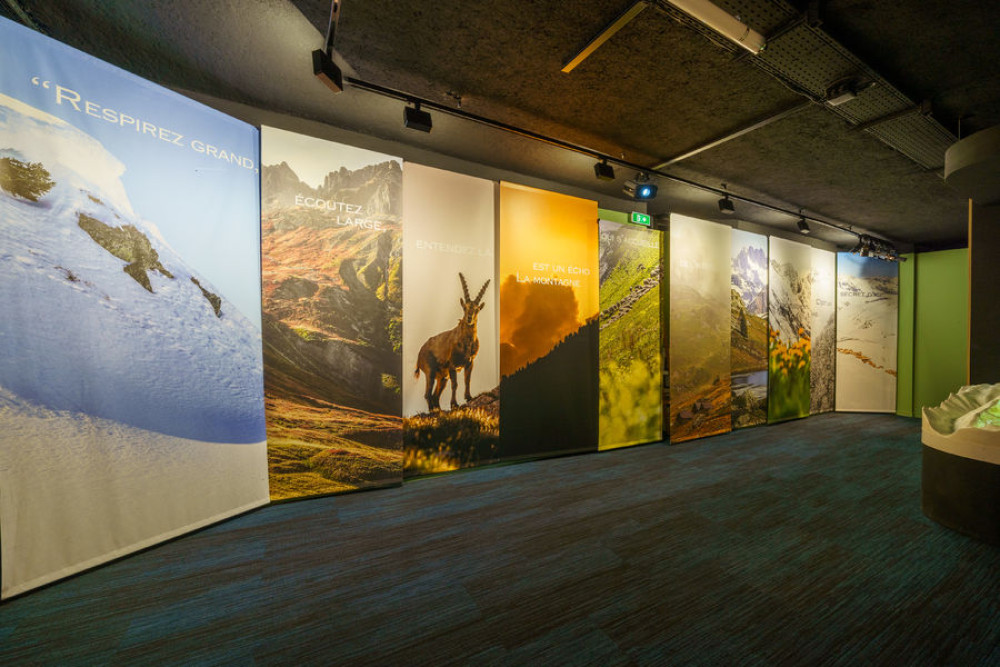
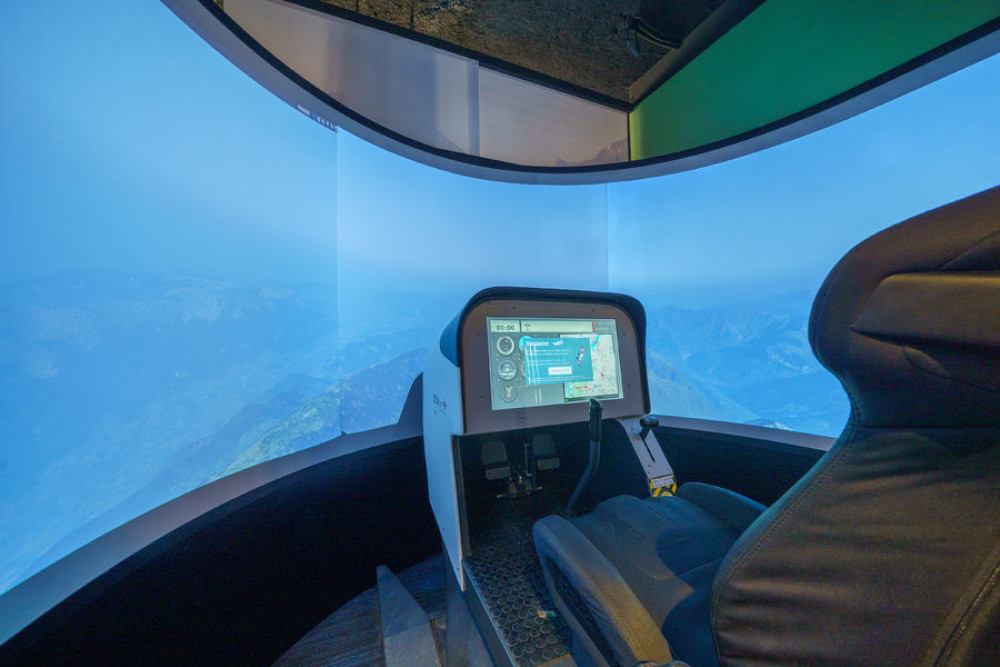
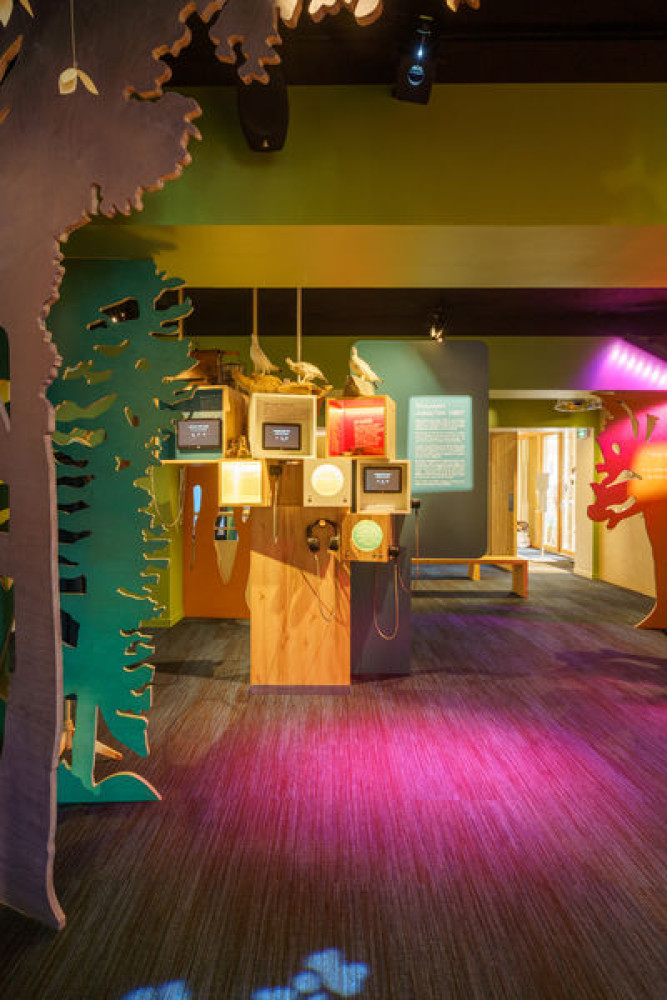
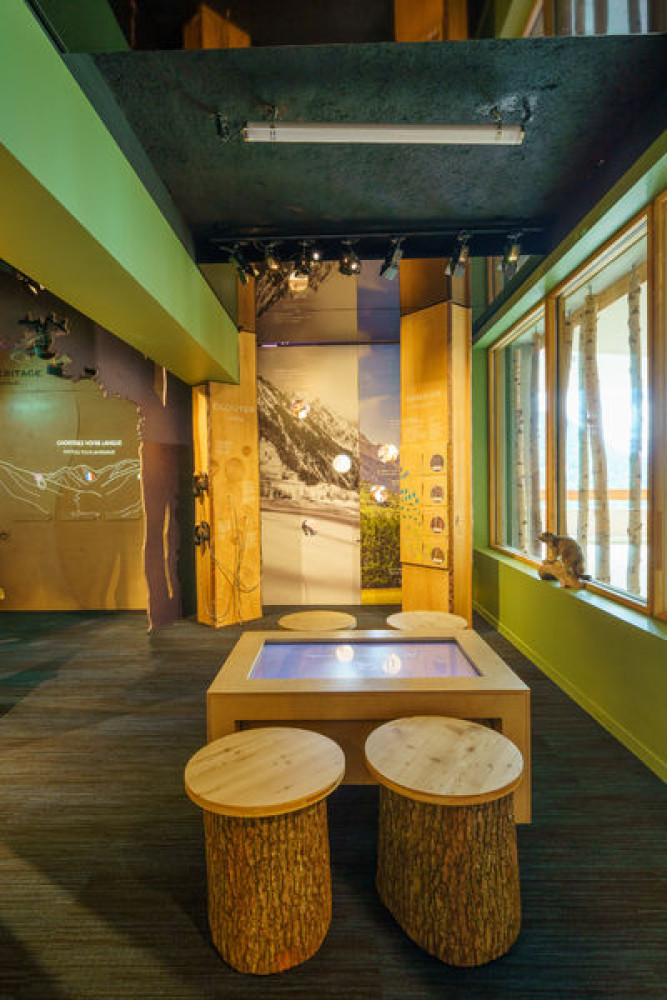
The Musée des Minéraux has become the Galerie des Trésors Alpins (GALTA). It has undergone a makeover, taking you on a journey through 3 universes: crystals, treasures of the Oisans, an immersive journey to the heart of Alpine fauna and the new "Oisans in the eye of the comics" trail.The richness of its mineralogical collection and the dynamic staging of the wildlife area make it a wonderful place to discover the natural and cultural heritage of the Oisans.
The museum is a member of the Route des Savoir-Faire de l'Oisans.
Guided tours led by the Centre de Géologie de l'Oisans, the Parc des Écrins and members of the "Club des Cristalliers" are available on reservation in July and August.
The world :
L'OISANS AUX QUATRE SAISONS
A sensory show (images and sounds) that takes visitors on a twenty-minute audio narrative explaining the life of Oisans wildlife according to the seasons and their layering in the great landscape. In partnership with the Ecrins National Park, the show raises awareness of the need to respect natural spaces and the animals that frequent them. This immersive show was created with the help of Jean-Marc Rochette, a comic strip artist who is very involved in the Oisans region. As a result, the trail is imbued with a unique poetic and sensory atmosphere. The trail is available in French and English.
CRYSTAL, A TREASURE OF THE OISANS
A brand-new heritage trail showcases the region's most emblematic crystals: Epidote, quartz, axinite, anatase and siderite have all found their home! In an interplay of transparent surfaces, the tour is organized around three themes: geology, local heritage and crystallography. A large part of the exhibition is devoted to crystallographic marvels. We learn how crystals are formed, and the origin of their shape and color.
THE OISANS IN THE EYE OF COMICS
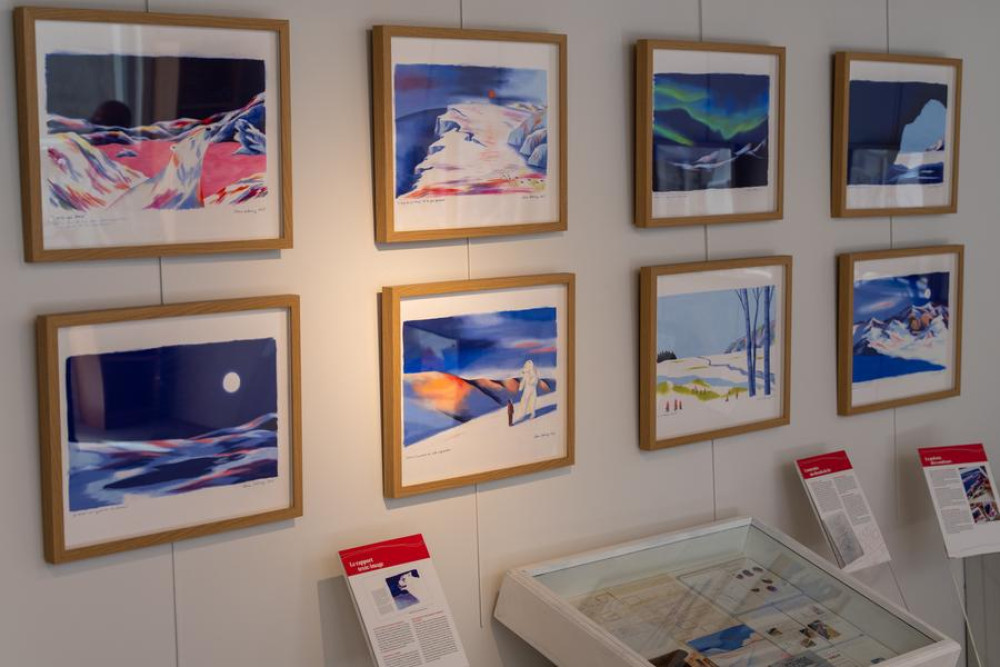
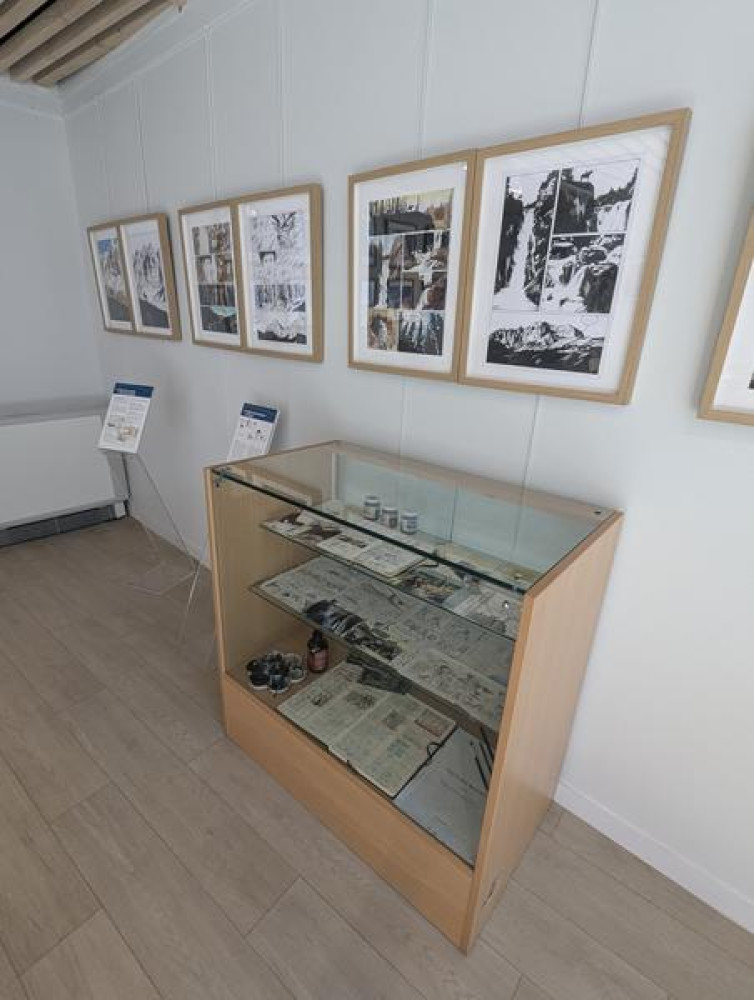
The 8th art makes its entrance to the museum to magnify the Oisans and those who live here. Beautifully illustrated by Clara Debray's drawings and Éric Savoldelli's comic strips, this new tour also features a host of audio-visuals, podcasts and sensory walks.
Structured around five themes, the tour explores the links between man and nature, the fascination of the "great landscape", the adaptations required to cope with the rigours of the territory, and the challenges that drive people to surpass themselves, not forgetting the "great firsts" of the pioneers who left their mark on the Oisans with their sensational adventures.
TEMPORARY EXHIBITIONS
Discover our temporary exhibition space all year round.
BOUTIQUE-LIBRAIRIE
As part of the museum's redevelopment, the boutique has been redesigned. More functional, it is now located in the reception hall and features new items bearing the artist's signature and derived from his work. A selection of books, comics, albums, novels and stories invite you to extend your visit on various naturalist themes.
Free access to the store during museum opening hours.
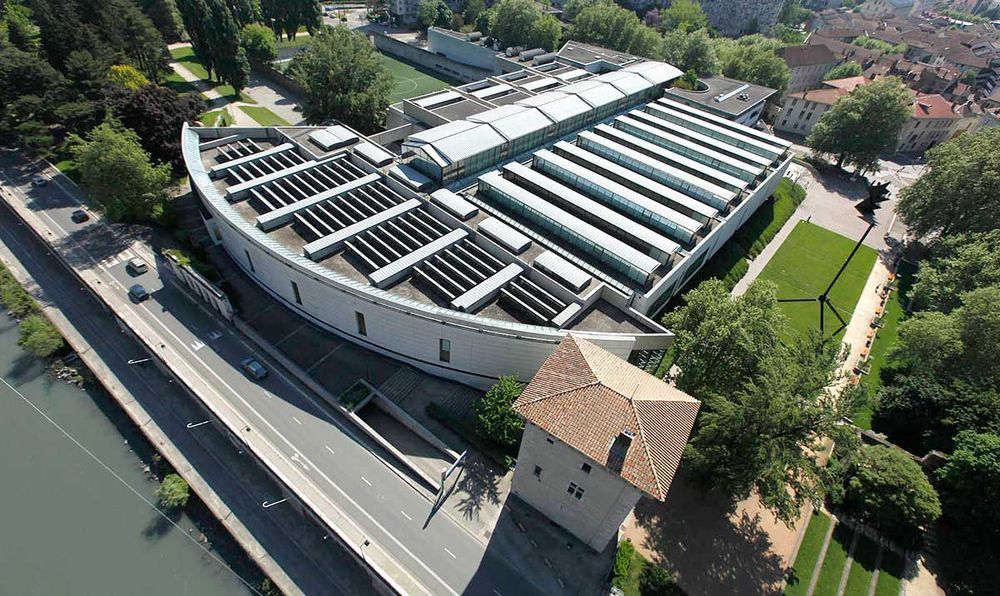
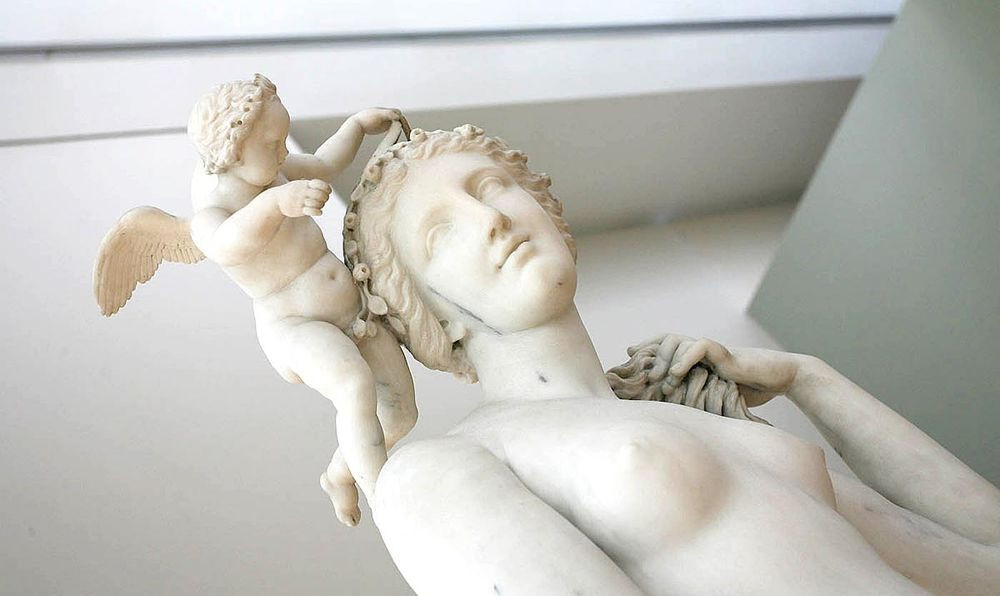
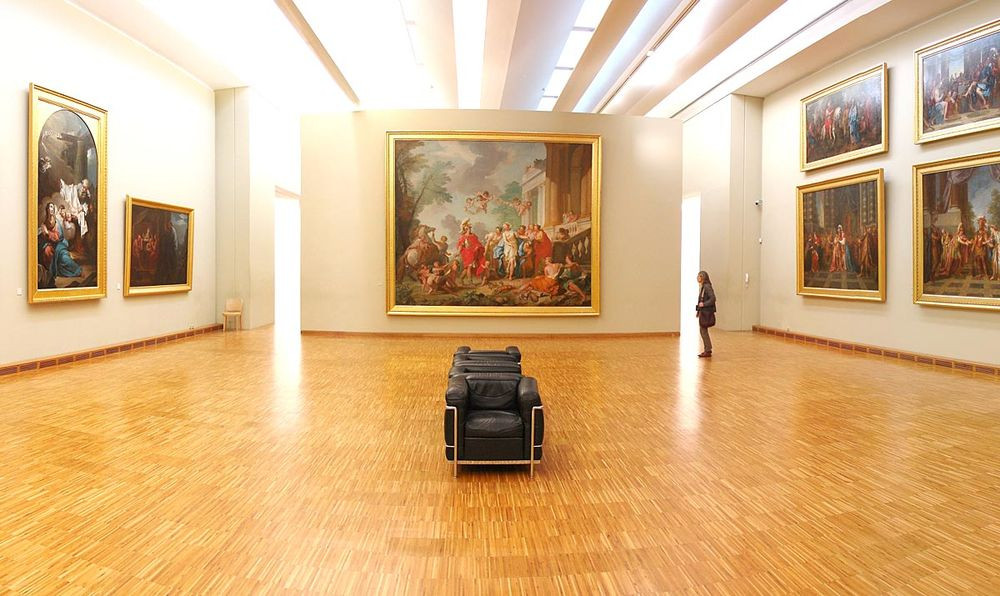
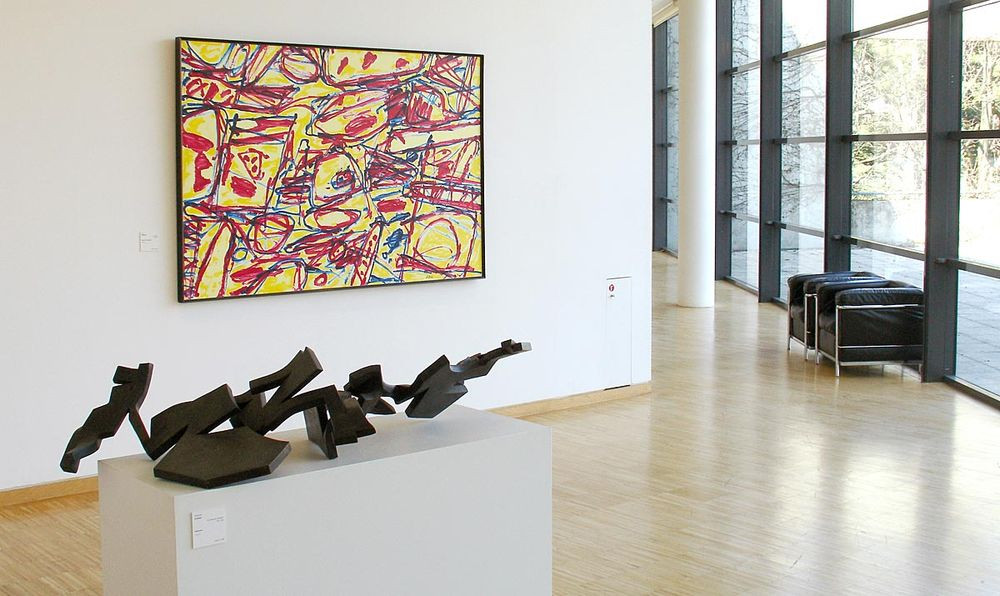
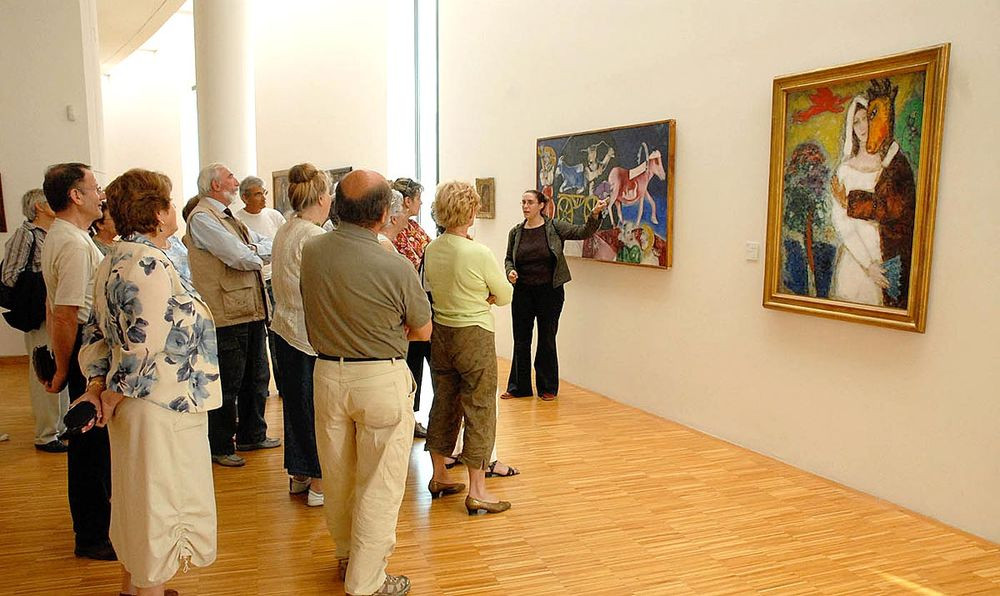
Considered one of the most prestigious museums in Europe for its collections of ancient art and 20th century art, the museum covers the history of Western painting from the 13th century to the present day, with major works for each period.Presented in chronological order, the collections, totalling some 800 painted or sculpted works, are arranged into two distinct large sections. The first is devoted to the great painting schools of the 13th to 19th centuries and to 17th century Europe in particular, with artists such as Rubens, Georges de La Tour, Philippe de Champaigne, La Hyre and Zurbarán, who give the antique art collection its rich splendor.
The 19th century is illustrated by a set of works ranging from Neo-classicism to Impressionism, graced by such great names as Delacroix, Pradier, Fantin-Latour, Monet and Gauguin. The second section presents 20th century art, with key works by the great names in modern art, including Matisse, Picasso, Léger and Ernst, through to the creators of the contemporary period with works by Soulages, Warhol, Nauman, Boltanski and Schütte who, along with many others, have contributed to the museum’s reputation.
This collection is complemented by an extensive collection of drawings, including a number of sheets of great quality. Two of the museum’s rooms are taken up by Egyptian antiquities and Greek and Roman archeology.
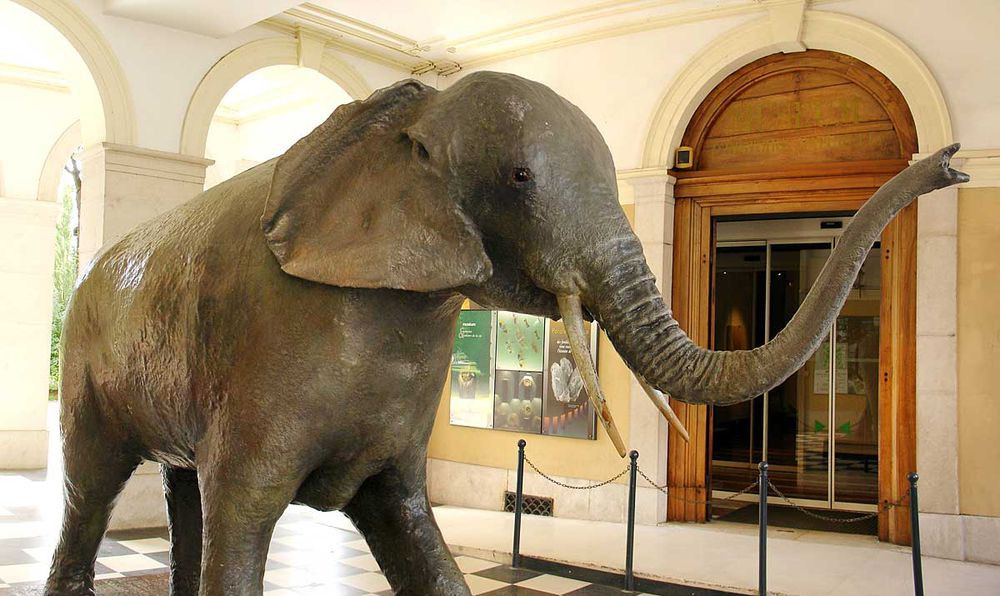
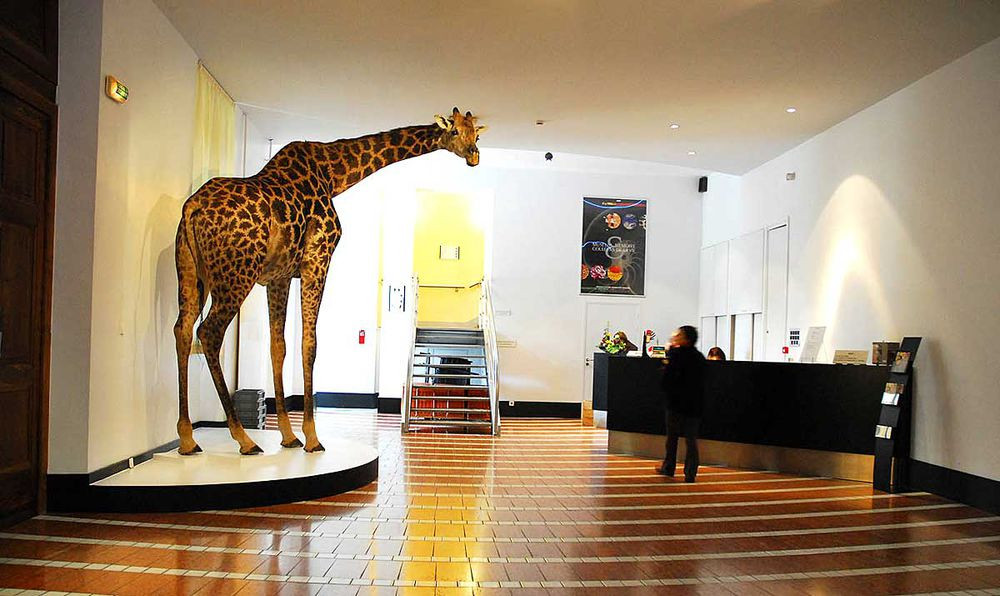
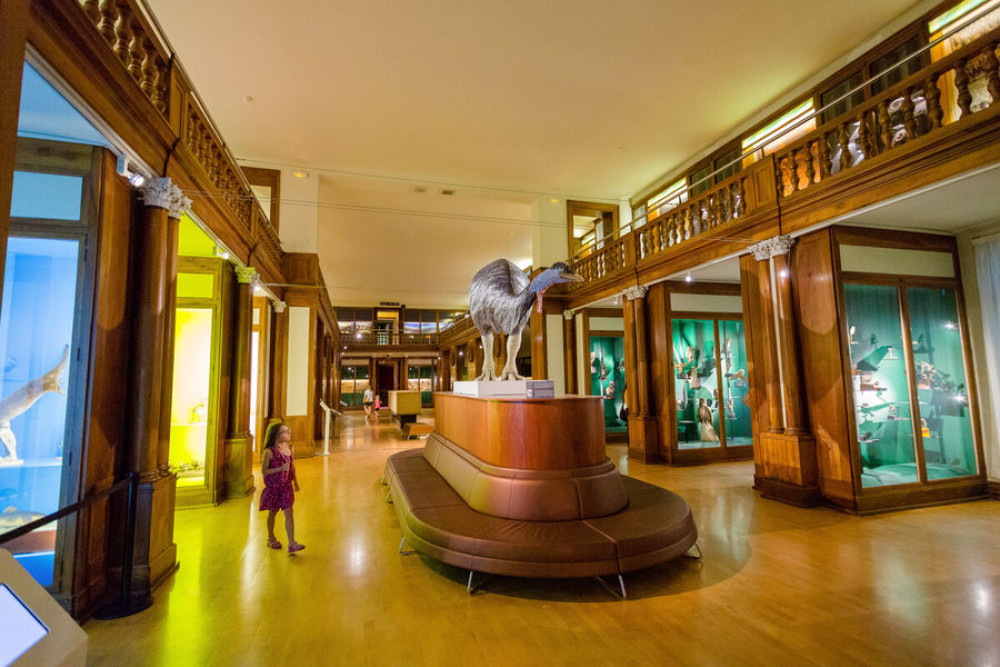
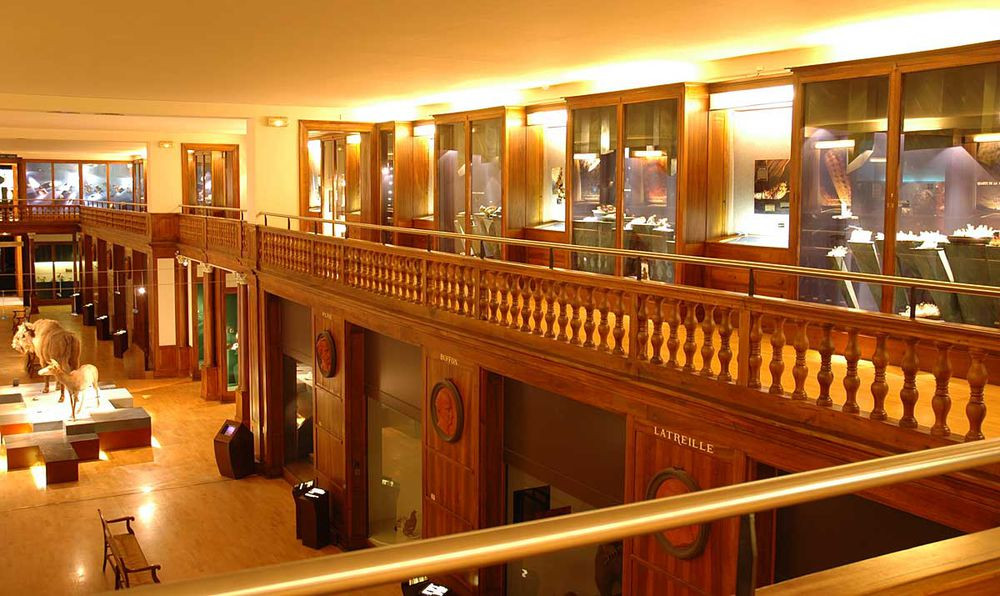
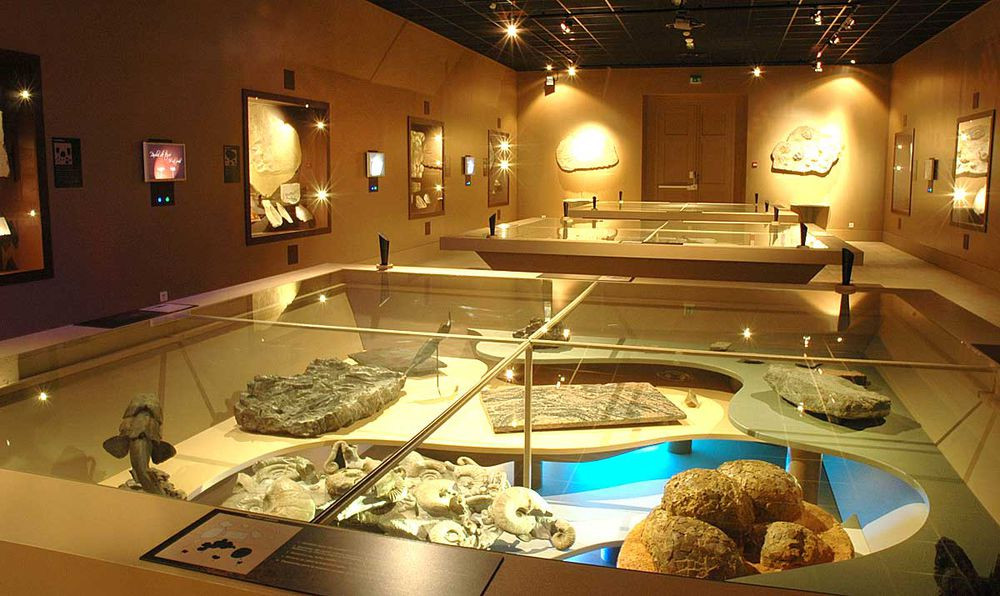
Located in the heart of the botanical garden, the Grenoble Natural History Museum features 2,800 m² of exhibits on natural heritage.With more than three million specimens in its collections, an exceptional mineralogy collection, tens of thousands of fossils, insects, and birds, and a herbarium that is unique for the study of botany, this museum is a must-see destination for exploring nature, the mountains, and the sciences.
Built in the 19th century amid the lush greenery of the Jardin des Plantes, the Grenoble Museum is now a place for people to meet, connect, and share knowledge about the human sciences, life sciences, and Earth sciences. It’s an experience the whole family will love!
The museum’s collections are regularly featured in permanent and temporary exhibitions and are showcased through a wide variety of activities: workshops, films, lectures, and discussions…
With six accessible galleries, the Grenoble Natural History Museum remains, for its visitors, a space dedicated to the conservation and presentation of natural heritage and a remarkable venue for disseminating scientific knowledge.
> The Living Mountain: a true encounter with the natural environment and animal species of the Alpine world, whose diversity is explored through a series of slide shows.
> Crystal Symphony: this 13-faceted cavern invites curiosity and wonder. Unusual shapes and colors raise questions about how minerals form.
> Atlas: Here, you can see, hear, and touch all at once! This room aims to spark children’s curiosity through its playful design. The many interactive exhibits placed in front of the display cases foster strong interaction between very young visitors, their parents, and the museum objects.
> Genesis of the Alps: What was it like before the Alps? This exhibition hall helps visitors contextualize and understand the formation of the Alps within the broader history of Earth.
> Voices of the Earth: the history of life told through exceptional fossils.
> Jardin des Plantes: a magnificent garden featuring rare trees, greenhouses, and streams...
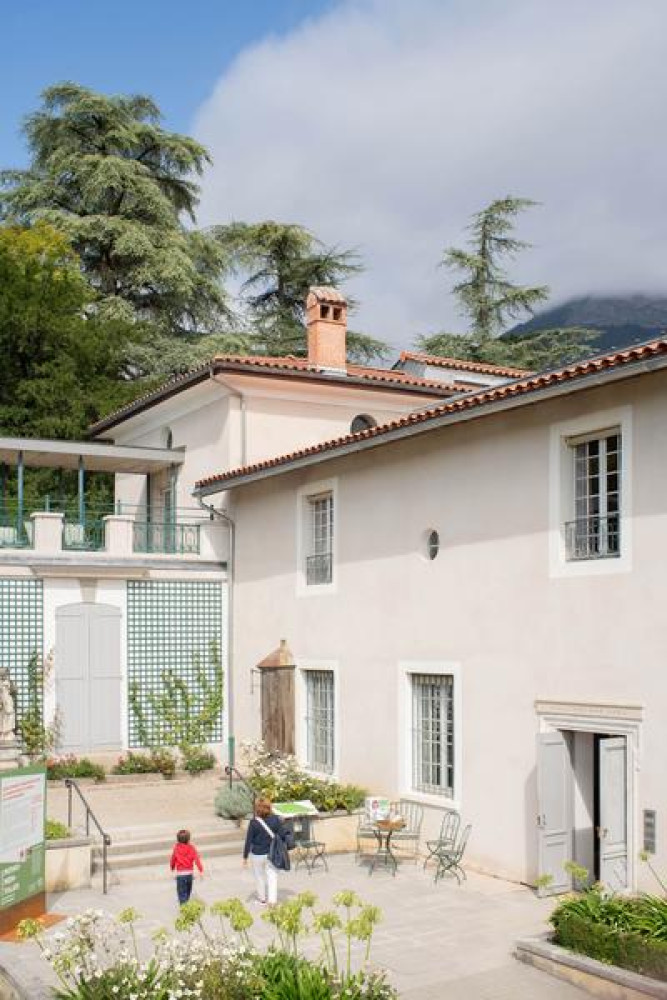
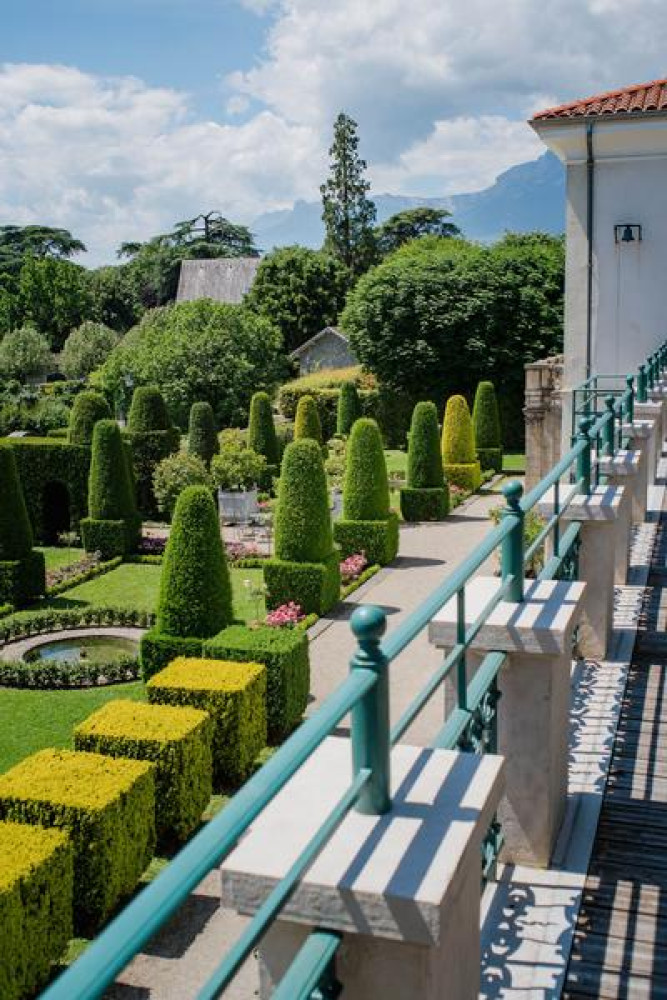
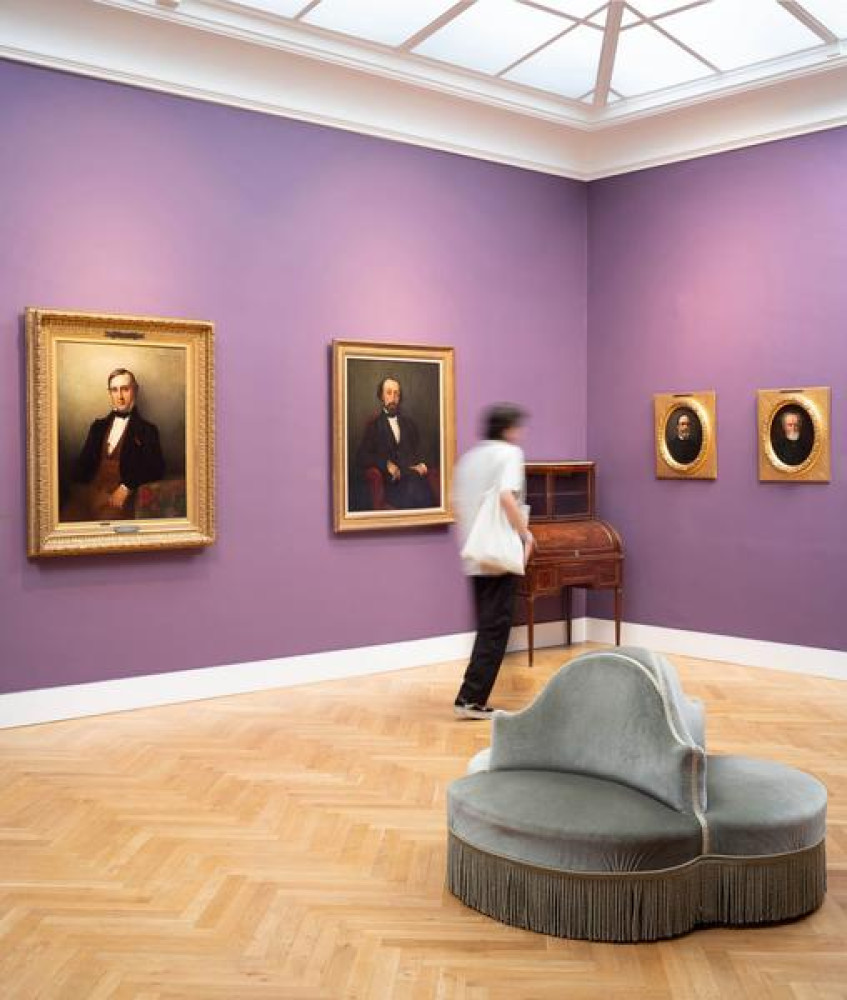
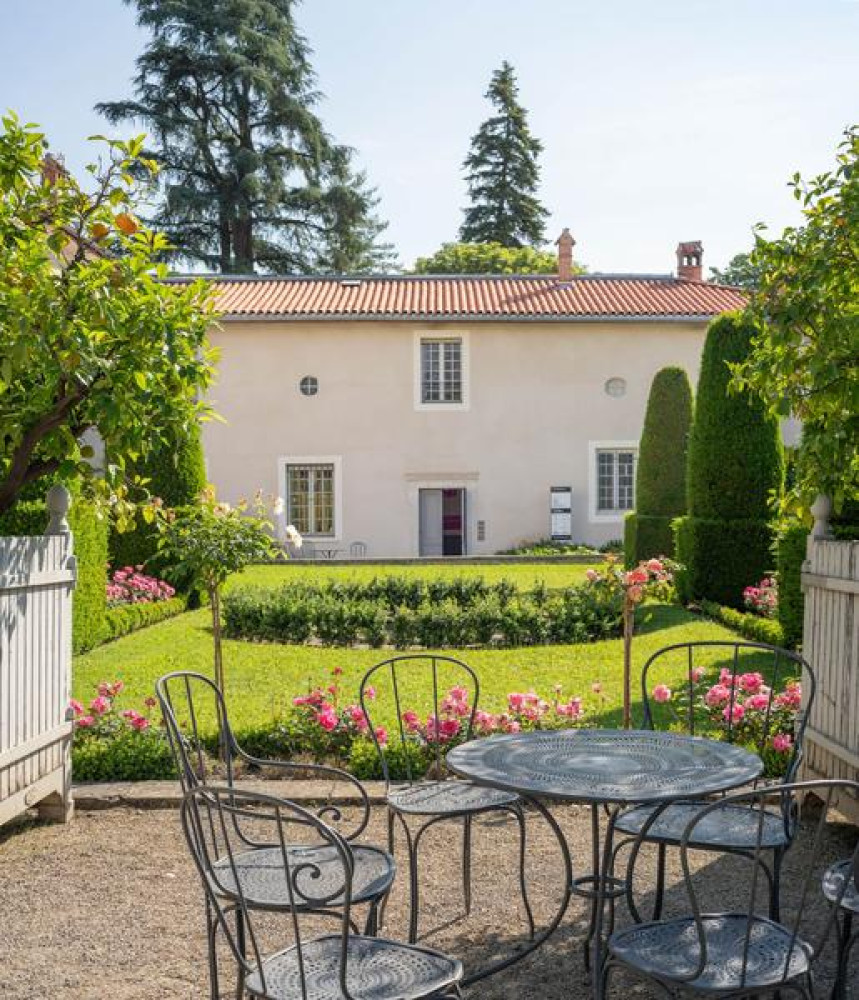
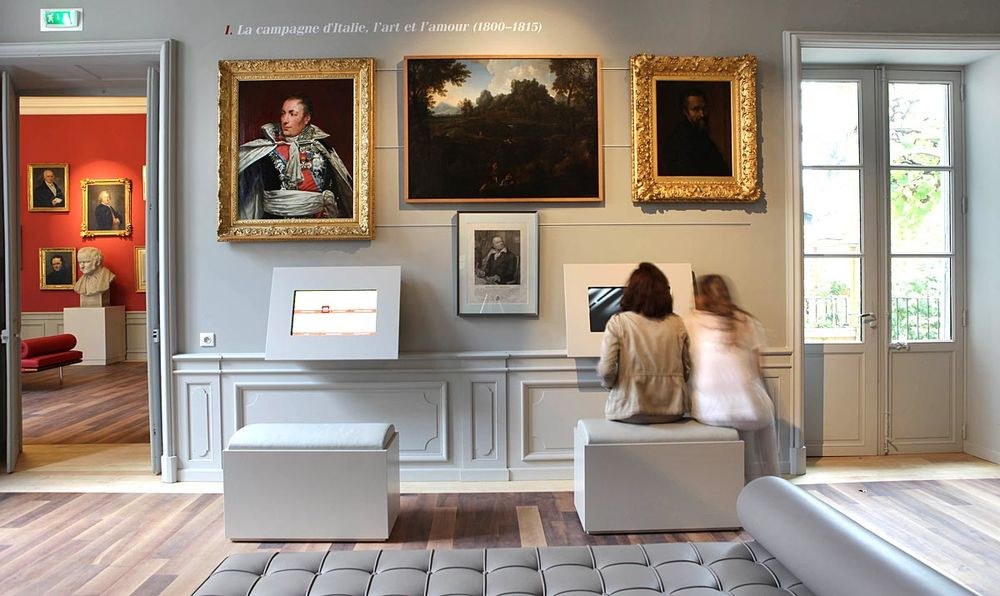
The renovated property of painter Ernest Hébert invites visitors to step into the artist's 19th century world and to discover his work through the presentation of his collections.The Hébert museum of La Tronche is a somewhat unusual museum: sheltered behind walls, this two and a half hectare estate has protected itself from the wears of time. The artist's house has held onto the spirit of the place and the intimate character of a family house. The garden, sometimes hidden in the shadows, still holds onto the artist's memories of Italy. The museum, as soon as it opened in 1979, set a double mission for itself: encourage a better knowledge of 19th century art through the artist's collection and to promote contemporary artists, both aspiring and confirmed.
The permanent exhibit halls take the visitor on a journey through Ernest Hébert's long artistic career via his works and those of his friends. They illustrate the academics, whose complexity and importance we are rediscovering today and which sheds light on official art. Between the romanticism of Eugene Delacroix and the symbolism of Gustave Moreau, Hébert paves the way for a deeper understanding of 19th century aesthetic movements.
The painter
Ernest Hébert (1817-1908), after having studied at l'Ecole des Beaux Arts de Paris and winning the Grand Prix of Rome for historic painting, became famous with "La Malaria" which he presented at the 1850 Salon. A flourishing career was set before him and he shared his time between France and Italy, where he served twice as director of the Academy of France in Rome (1867-1873 and 1885-1890). He very soon became a sought-after portraitist for high Parisian society during the Second Empire and Third Republic, where he frequented upper class salons. Hébert keenly expressed the poetry and secrecy of his feminine models, but it was in Italy that he found the most inspiration, preferring to depict rural scenes imprinted with a melancholic realism. He was responsible for the mosaic on the apse of the Pantheon, inaugurated in 1884.
The museum
Through a chronological and thematic layout, the museum presents Hébert's work plus the paintings and sculptures of his friends and students. His years of study, his life at the Villa Medicis, his stays in Italy, the two terms he spent as a director, and his Parisian career are presented.
The recreated studio has been restored to its original function.
The numerous drawings included in the collection are presented in rotation, in the drawing room, set up in one of the house's bedrooms (2nd floor).
The house
The house recreates the atmosphere that the artist knew with its period furniture and souvenirs, including the restored Laetitia Bonaparte salon. The impressive 17th century frescoes, uncovered during renovation work, depict the ancient history of the house. Numerous testimonies from Hébert's mentors—David d'Angers, Delaroche, his friends from the Académie de France in Rome, Gounod, Regnault,--and his patrons—Théophile Gautier or Princess Mathilde—evoke his career as well as illustrating the artististic wealth of the prolific 19th century.
The gardens
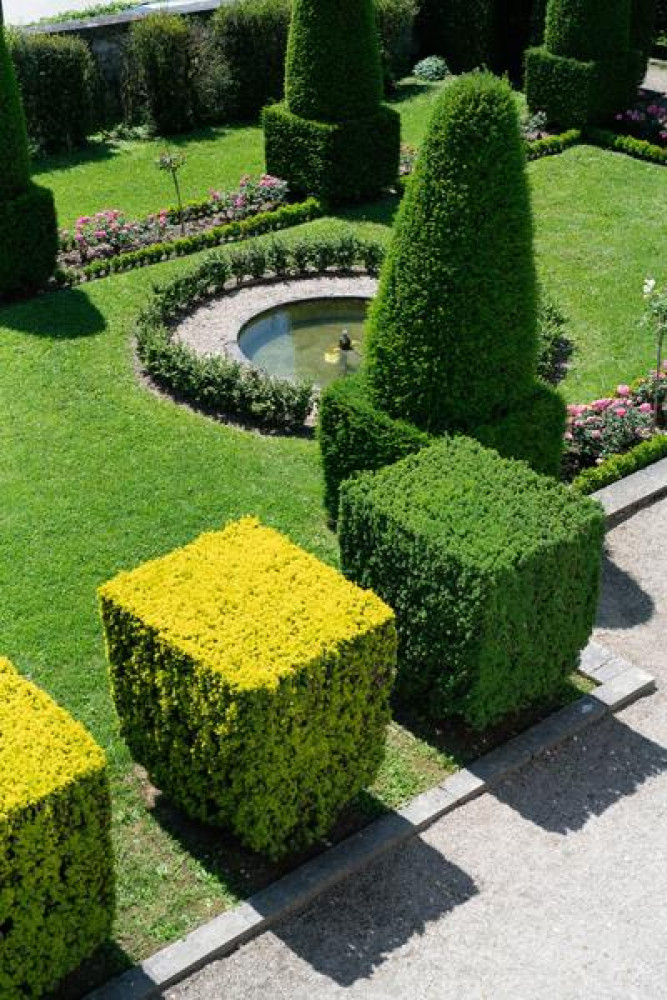
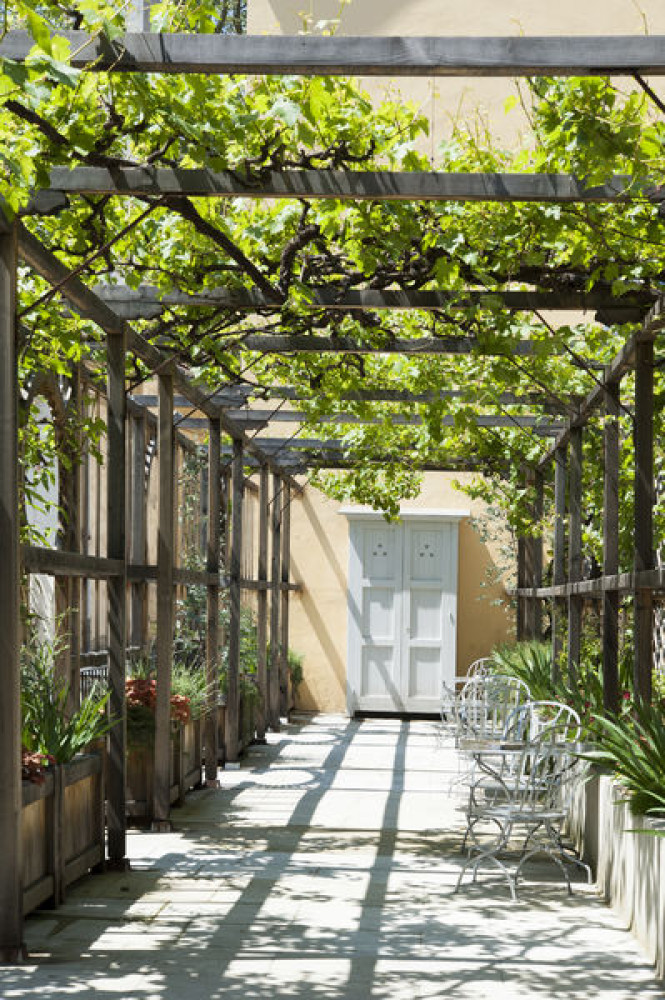
Set aside from urban life, the museum's park, with its shaded alleyways, rippling brooks, and trellises, has held onto the charm of the artist's "secret garden."
In 2004, it was recognized as a "Remarkable Garden," an award recently created by the Ministry of Culture and Communication. This label recognizes the garden's quality and charm, whose richness stems as much from its 17th and 18th century origins as from the modifications made by Ernest Hébert and his wife Gabrielle. The juxtaposition of well groomed, Italian style areas with English garden-type landscapes, the antique elements, and the numerous water basins are reminiscent of the Villa Medicis in Rome and make for an original setting, open freely to the public.
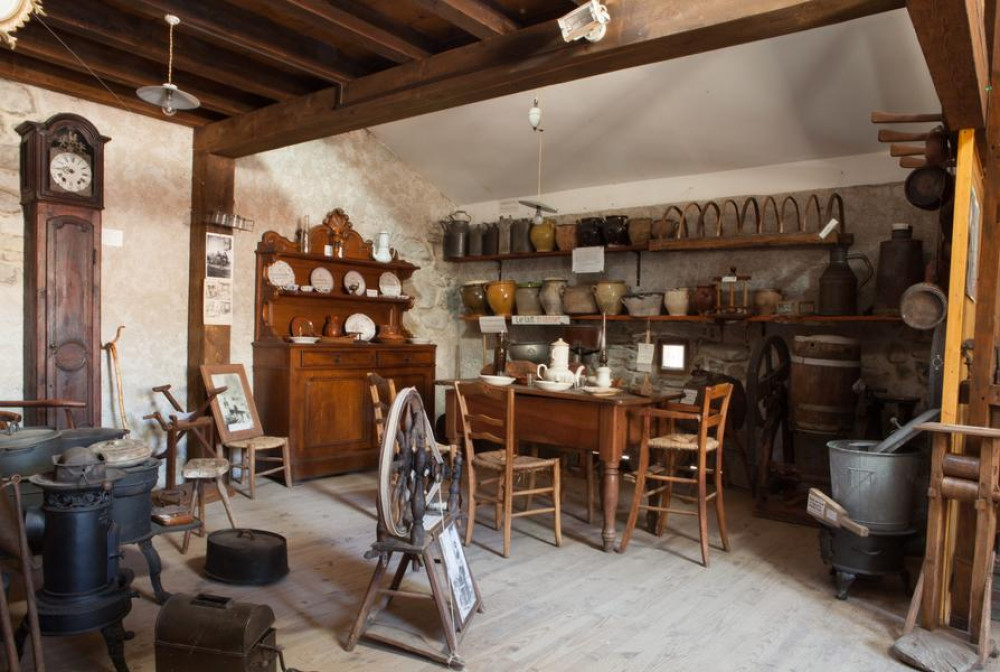
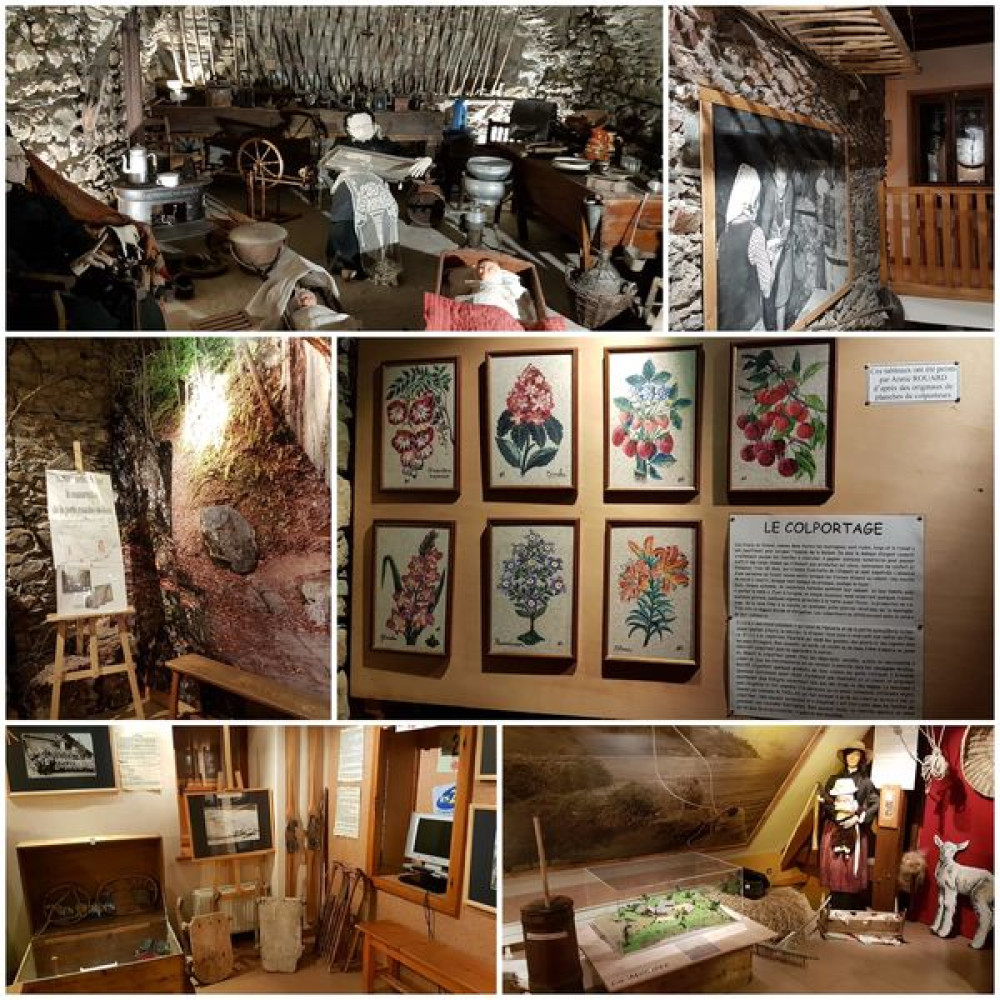
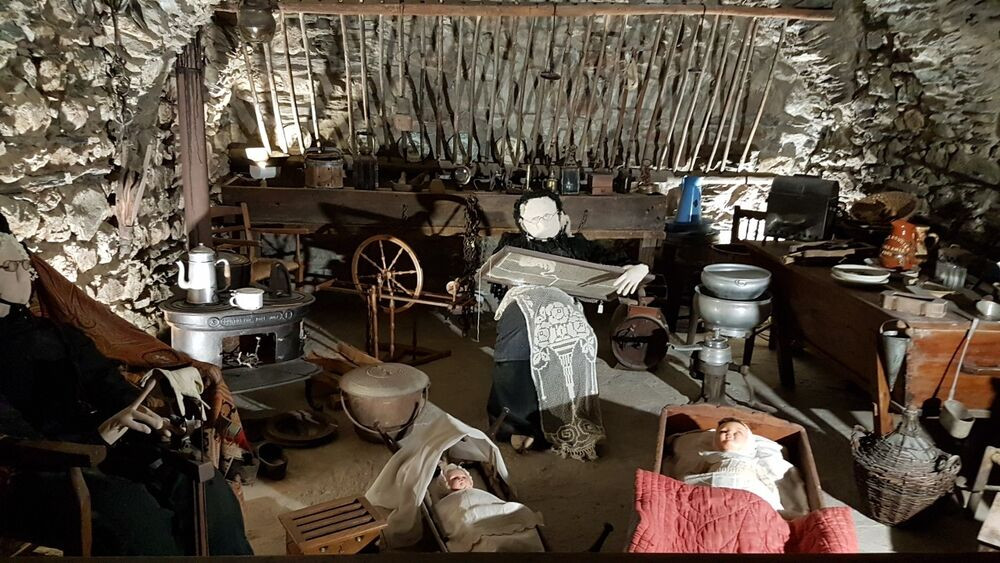
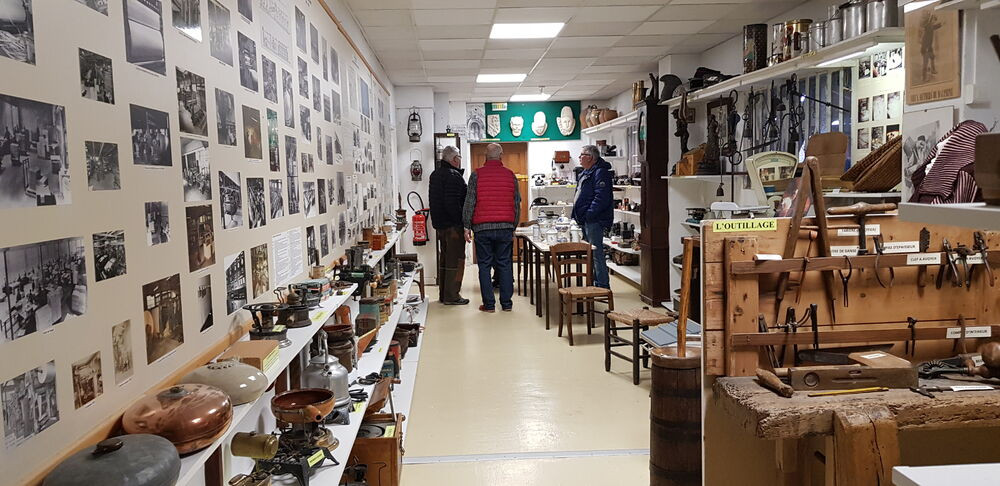
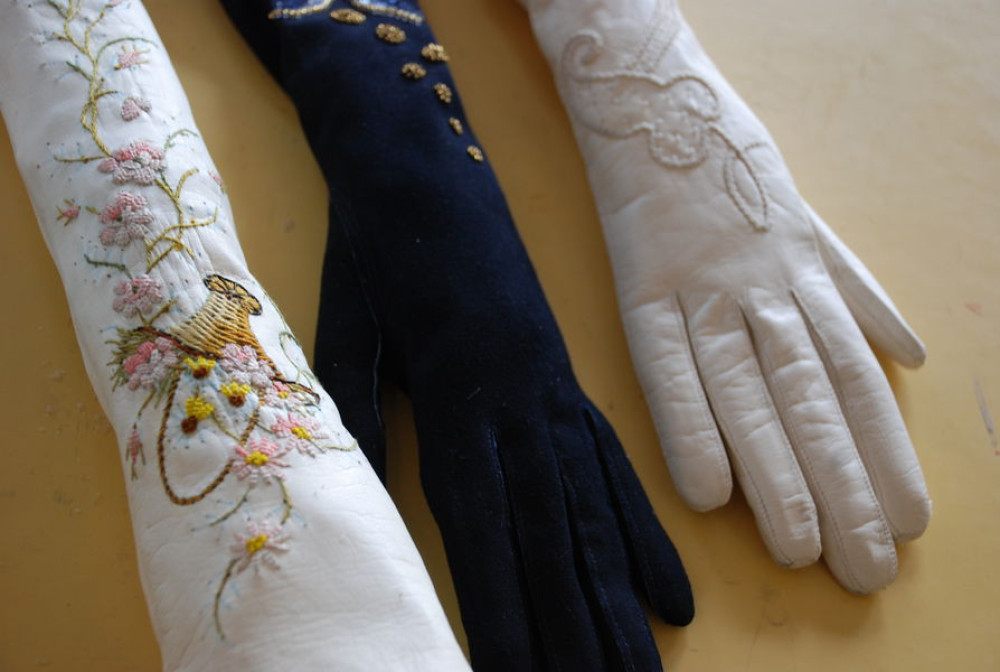
Since 1988, the Combe de Lancey Rural Museum has been housed in the outbuildings of the Château. It boasts a rich collection of objects and tools illustrating life in the hamlets of the Belledonne balconies in bygone days.More than 1300 objects represent 5 themes: former activities such as glove making, clog making, smith working... It also shows how the houses were furnished, what life was like for an farmer in mountain areas.
Come and discover the rich and fascinating History in a guided tour of the Museum.
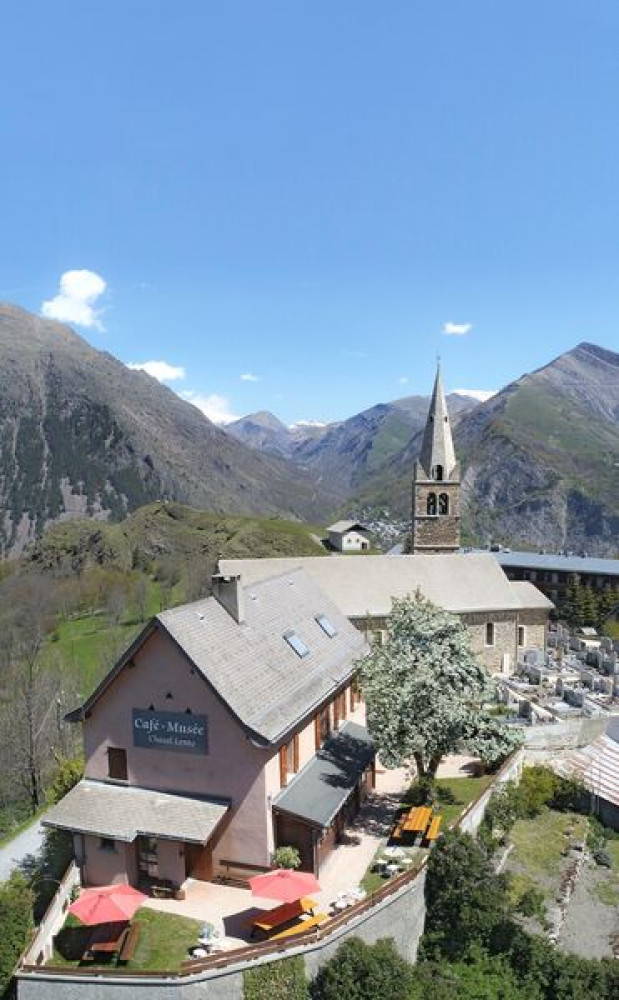
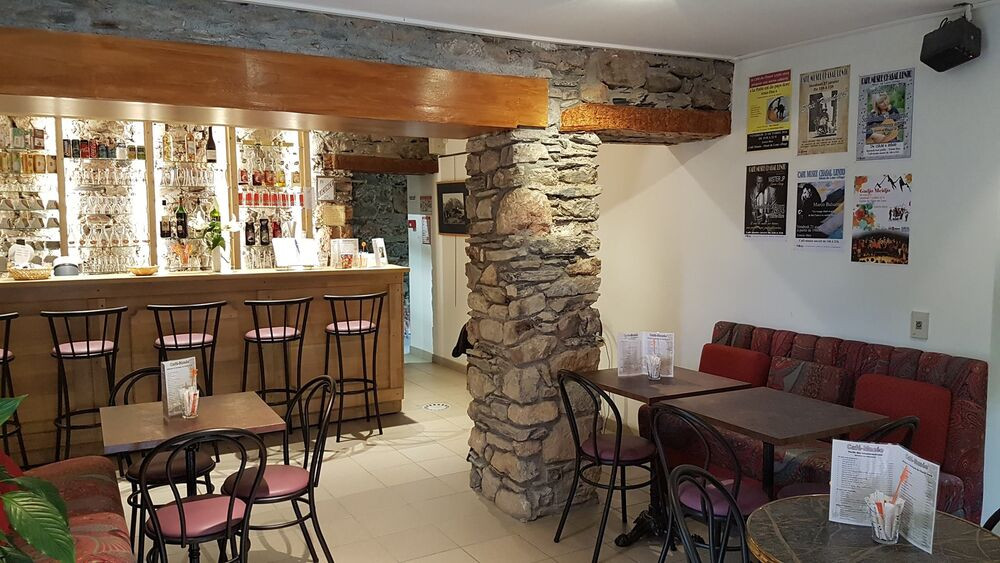
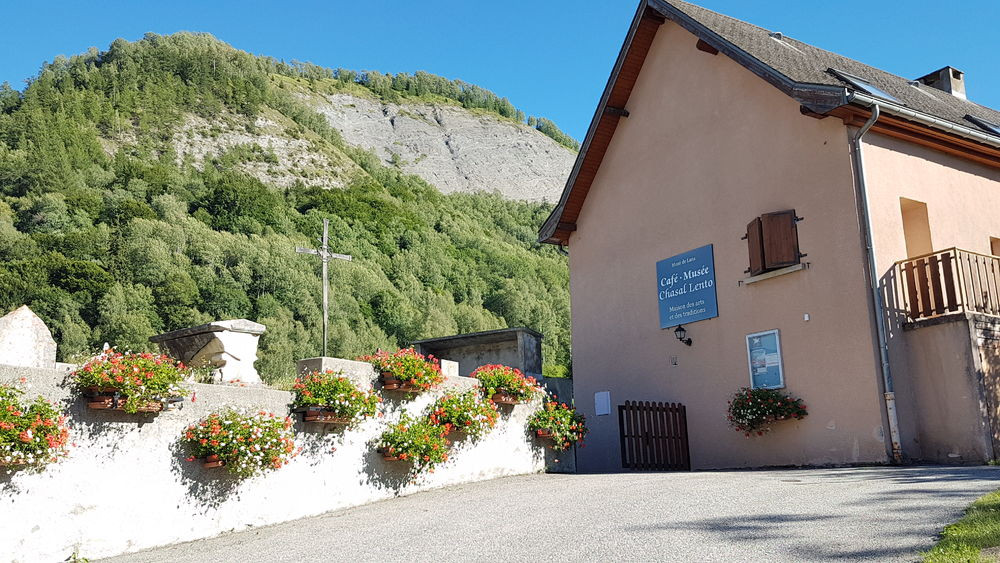
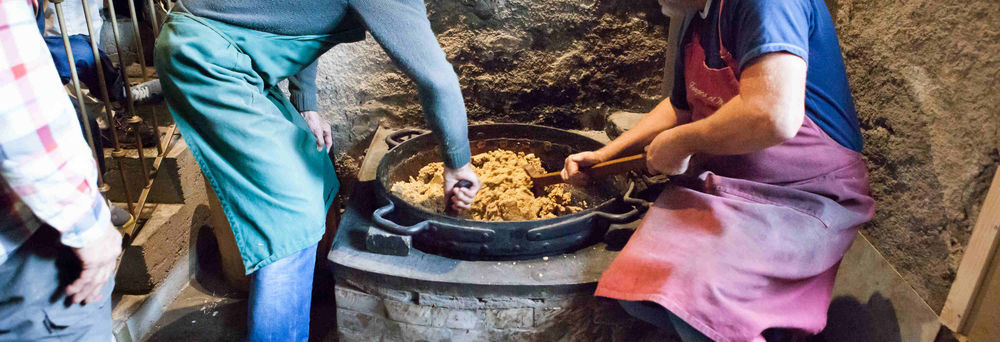
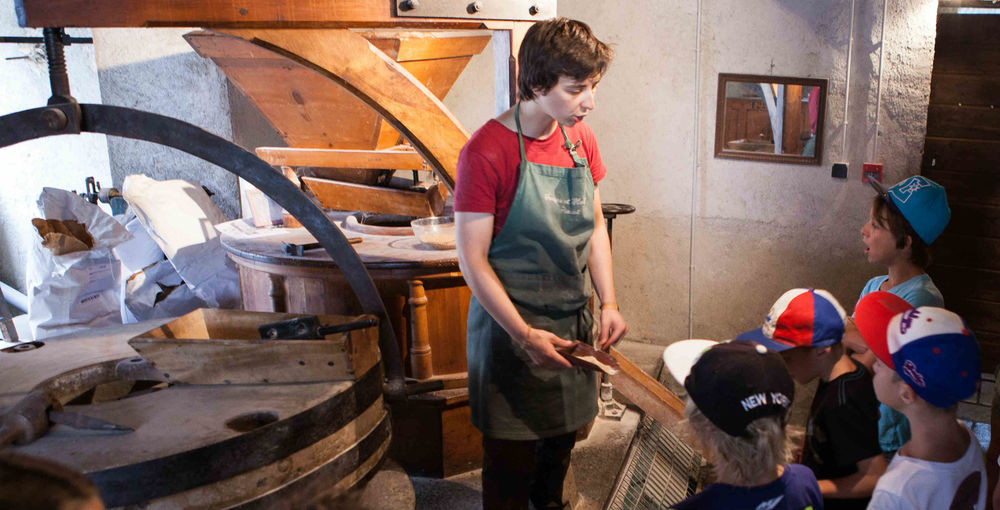
Both a museum and a café, the Chasal Lento is a real place to live, share, meet and discover the local heritage located in the heart of the village of Mont de Lans.In the heart of Mont de Lans, the house of arts and traditions "Chasal Lento" takes you to meet the life of the locals, through their history over time ... the Romans ... the peddlers ... the construction of the Chambon dam but also the pioneering years that made the resort of Les Deux Alpes.
The museum also offers you a café area with the possibility of tasting some sweets in a real bistro atmosphere of yesteryear. From its terrace with a unique view, the Café of Chasal Lento invites you to a moment of relaxation enjoying a library with books related to the museum, card games and board games, activities dedicated to children... etc.
Take the time to go back in time and have a good time at the Café-Museum. You will be welcome there.
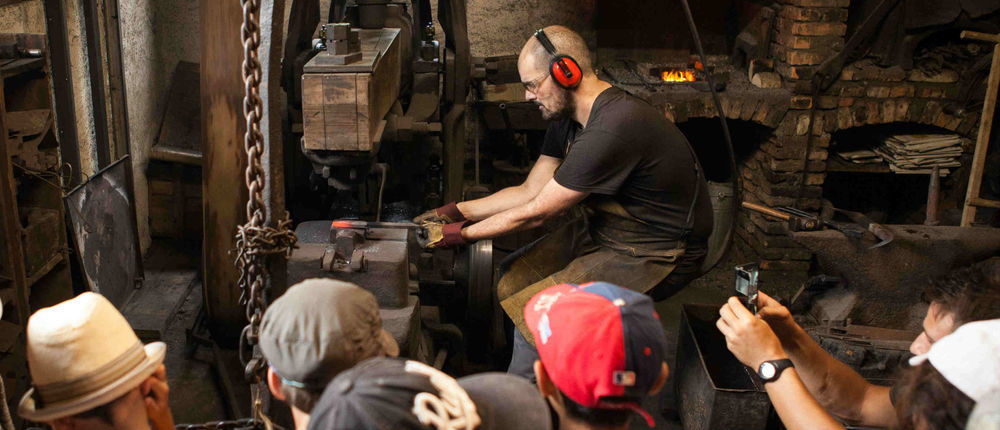
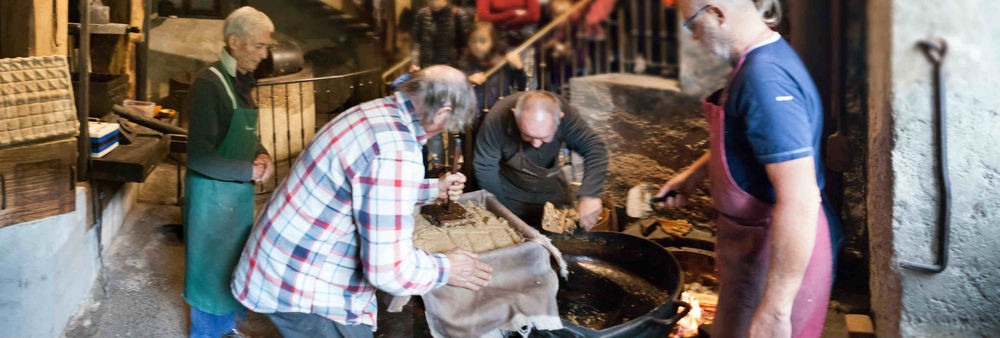
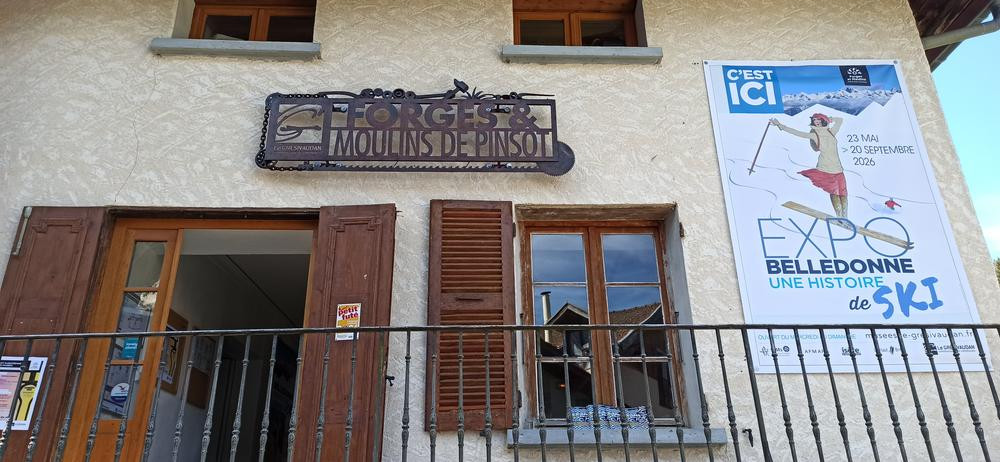
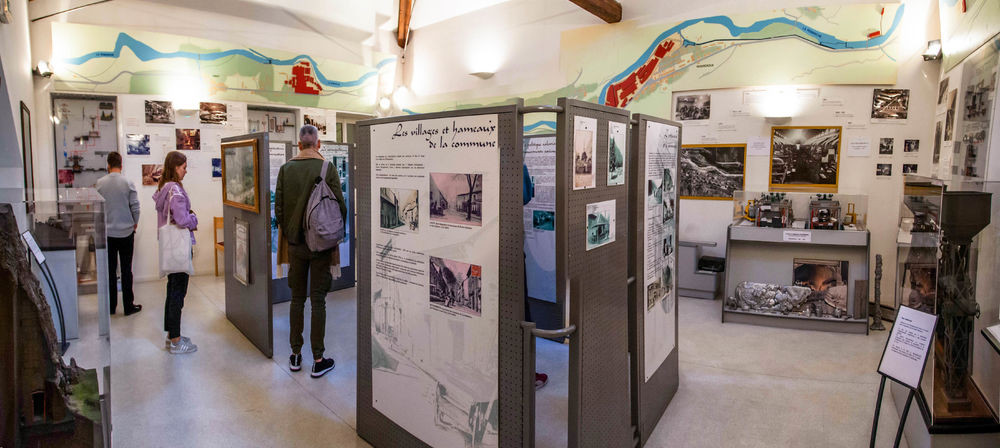
See three mills in action, powered by the waters of the Gleyzin mountain river. A mix of smells and sounds that takes you back to the daily life of the peasant-workers of yesteryear. All tours are fully guided.The museum is a perfect representation of what the work at the forge was. There, our guides will show and explain in details how the Forge and Mills were used. The museum is a wonderful place for kids who will enjoy seeing all the old machines running (watch out though, as the hammer is very noisy and can scare the little ones). If you want to experience this old way of living you will like to visit the place so put it on you to-do list.
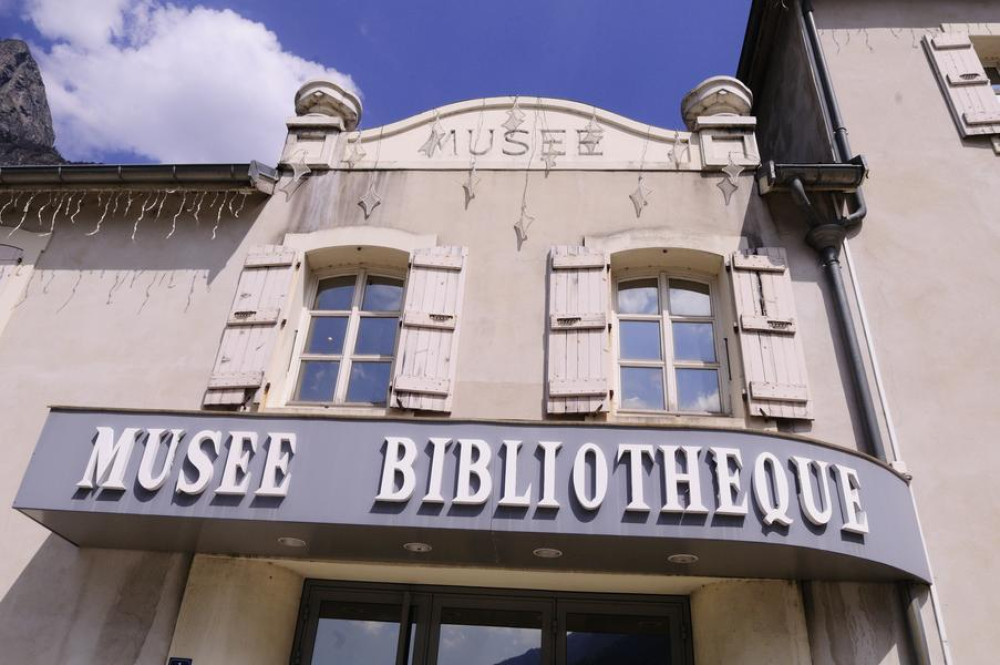
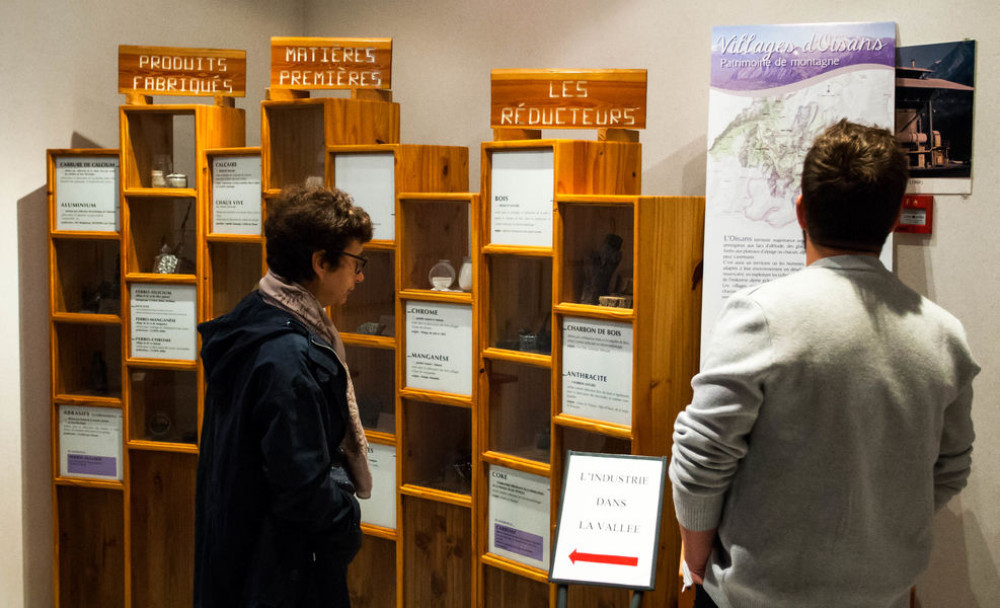
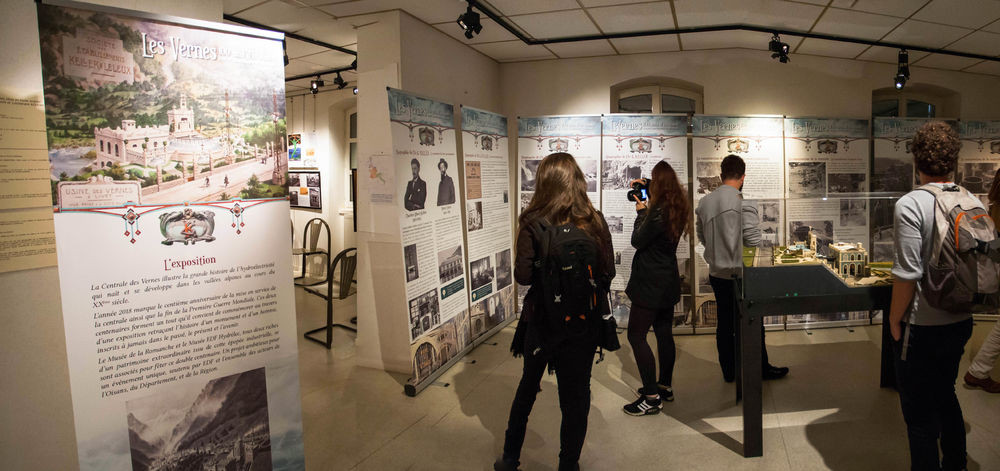
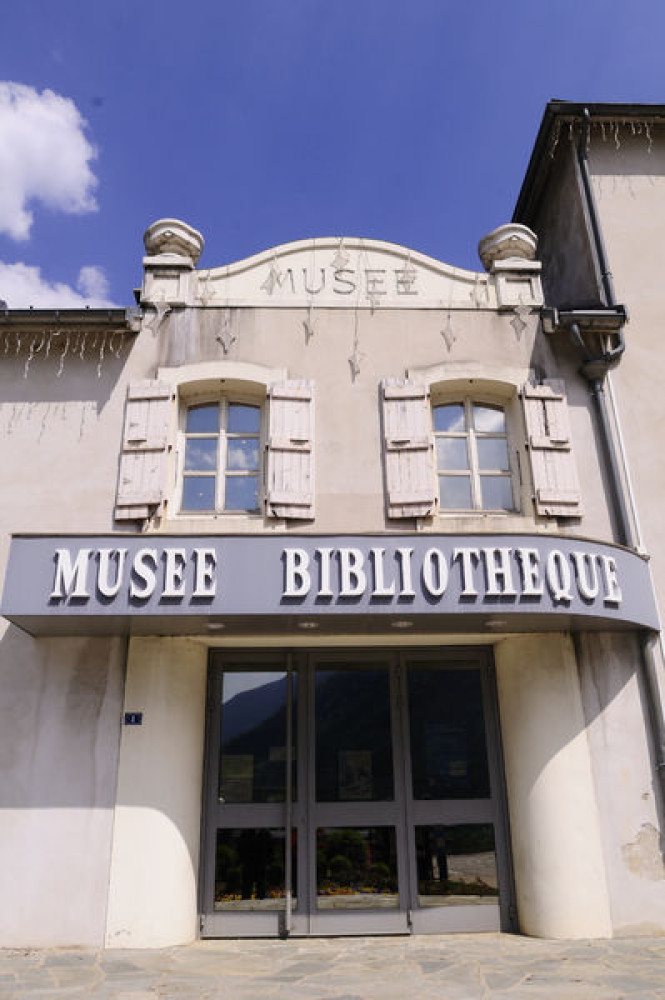
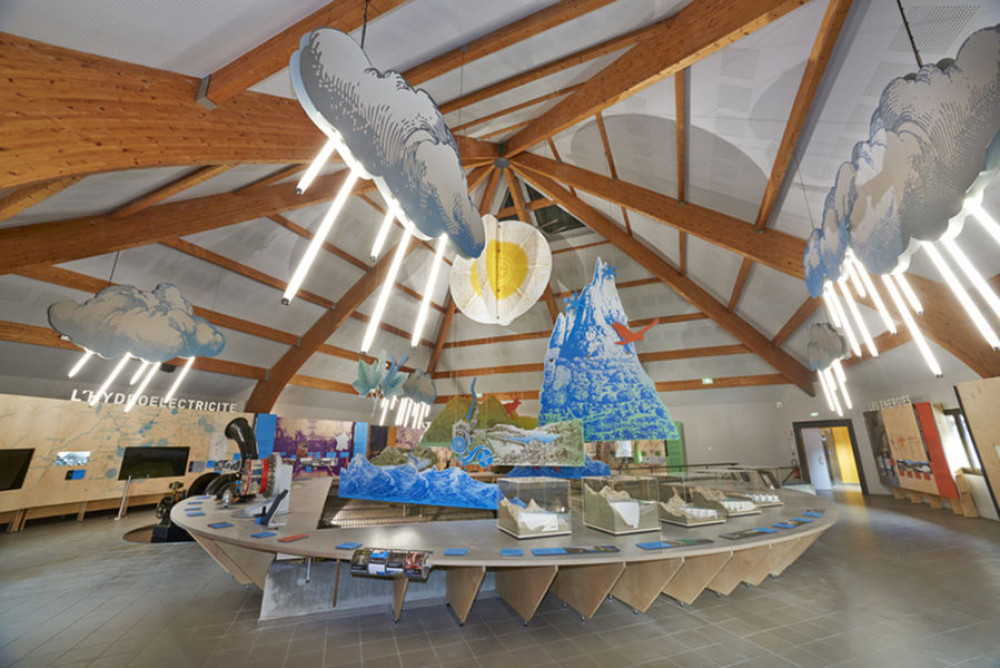
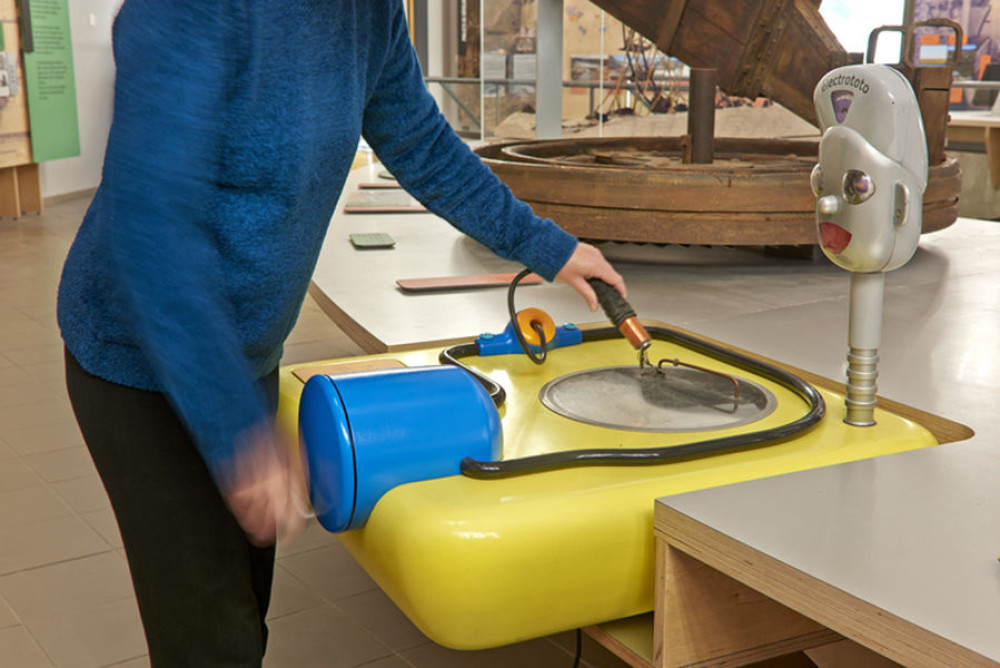
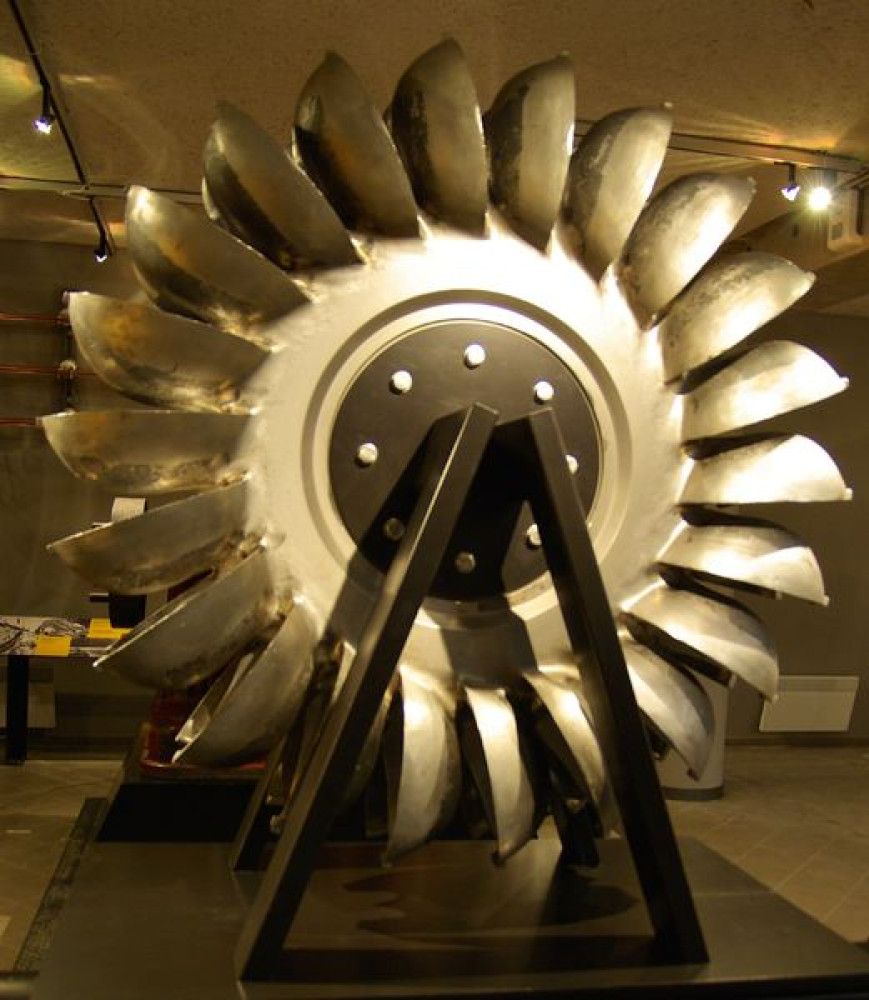
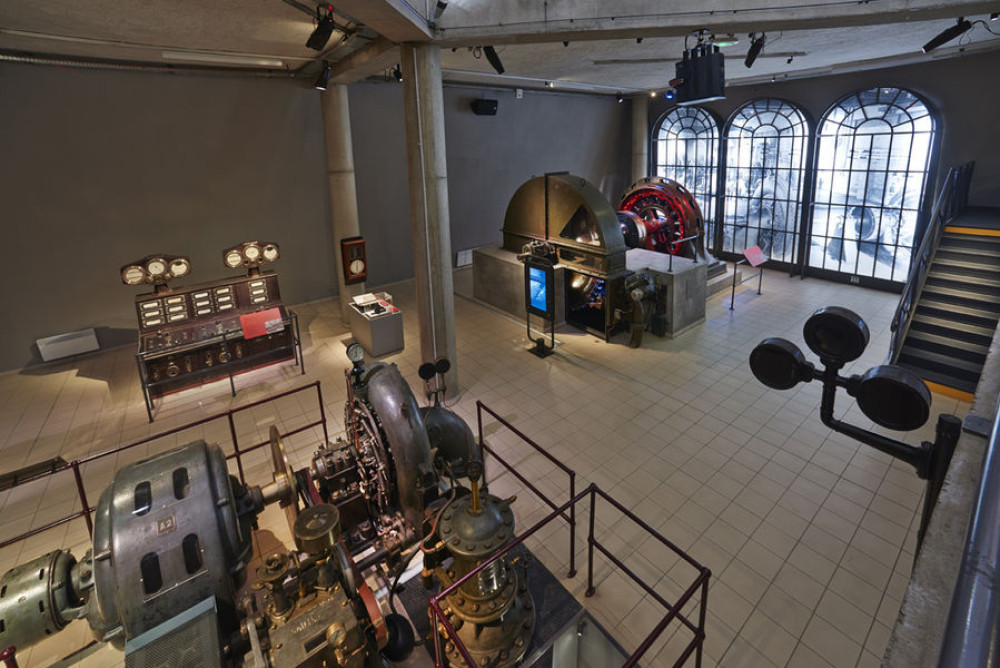
The Musée de la Romanche traces the industrial, energy and human history of the Romanche valley, an area shaped by water, hydroelectricity and the development of major industries.The Musée de la Romanche, located in Livet-et-Gavet, was created in 2001. It traces the industrial, human and energy history of the Romanche valley, an area shaped by water, fed by five torrents, and which over time has become a major economic factor in Isère.
On the 1st floor, a space is dedicated to Charles-Albert Keller, an emblematic figure in local industrialization and a pioneer in the development of hydroelectricity in the valley. The Keller space features an immersive museography showcasing numerous models, some of which have recently been restored. These spectacular models were once presented by Keller at world and international exhibitions, illustrating the industrial innovation of the time.
The 2nd floor is dedicated to the other industries of the Val de Livet, which accompanied the start-up and expansion of industrialization in the valley: the Neyret paper mill in Rioupéroux, steel and synthetic iron production in Livet, aluminum production in Rioupéroux, and calcium carbide production in Gavet with the CUAEM group. This space also highlights the social and territorial impact of this industrial activity on the hamlets of Livet, Rioupéroux and Gavet, and on the daily lives of their inhabitants.
The Musée de la Romanche thus offers a fascinating discovery of a unique industrial heritage, in the heart of a valley where nature and industry are closely linked.
The museum is a member of the Route des Savoir-Faire de l'Oisans. It organizes guided tours of the museum (by appointment).
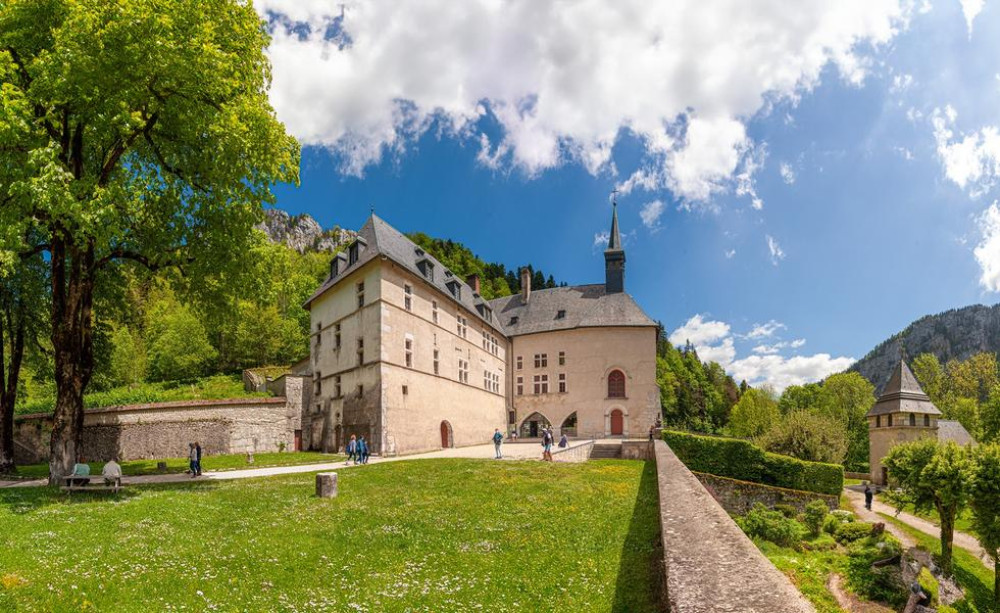
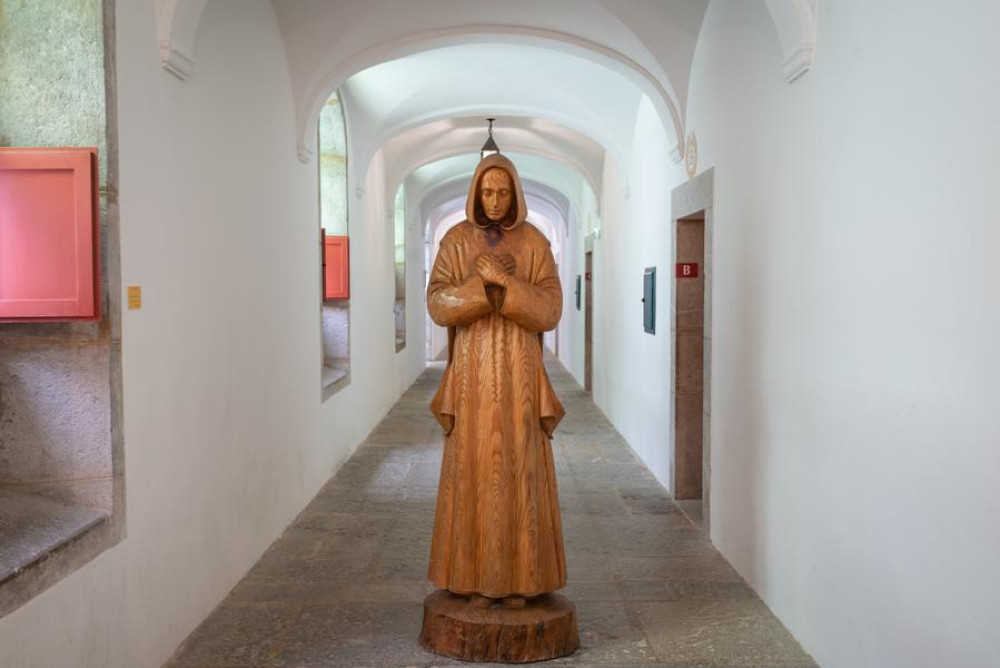
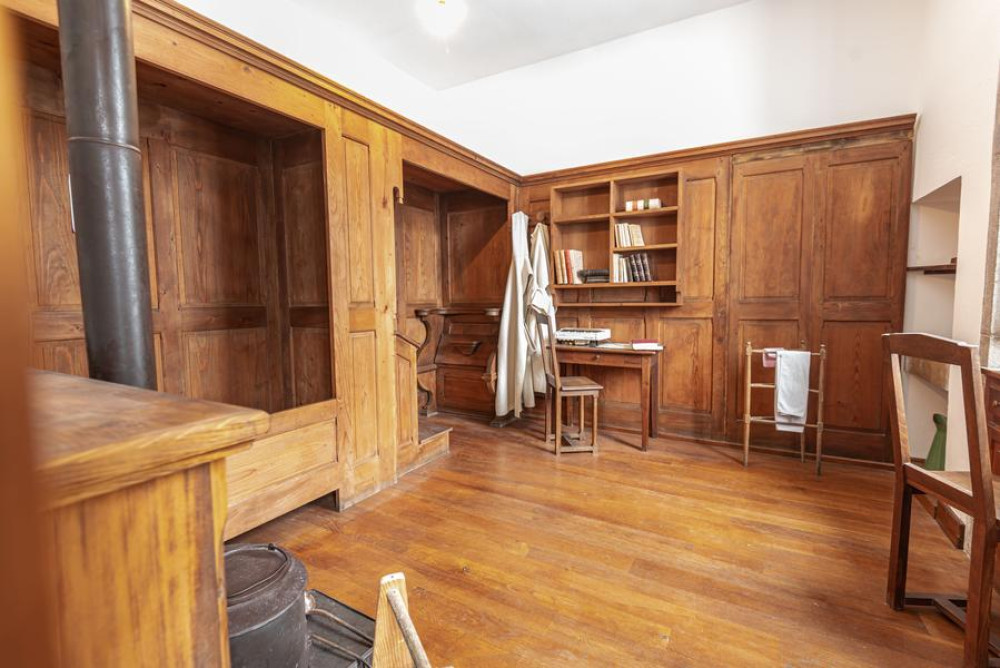
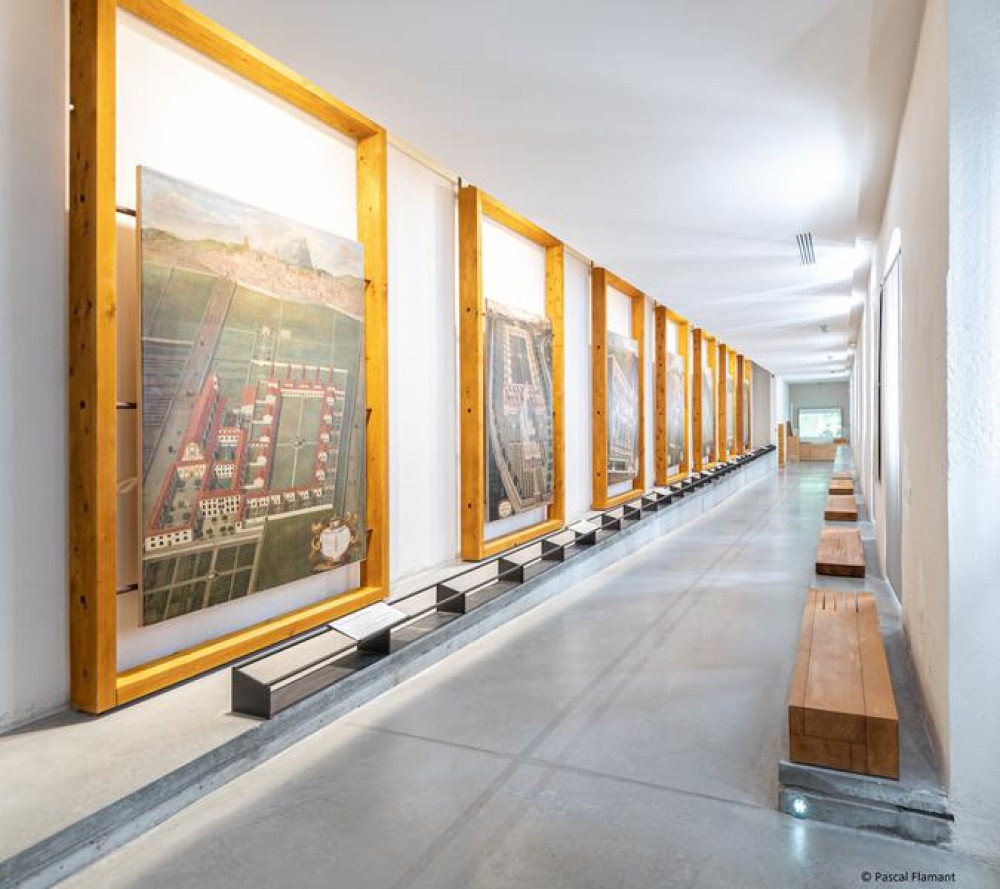
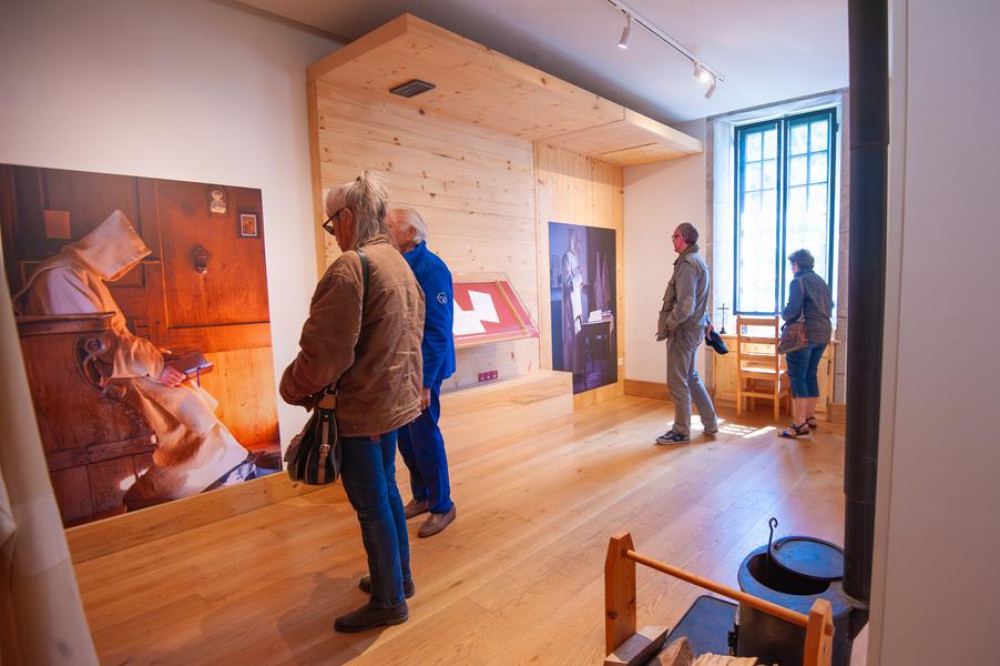
In the heart of the chartreuse mountains, this unique site is just 2 km from the famous monastery founded by Saint Bruno in 1084.cIn the heart of Chartreuse mountains, this unique site is just 2 km from the famous monastery founded by St bruno in 1084. It was an idea of the monks themselves, and allows you to better understand the mystery of the Cartusians Order, its 900 years history, the monks way of life and more. The present museum, located in the ancient annexe of Chartreux Monastery, provides visitors with a wealth of insight into the monks'human and spiritual adventure.
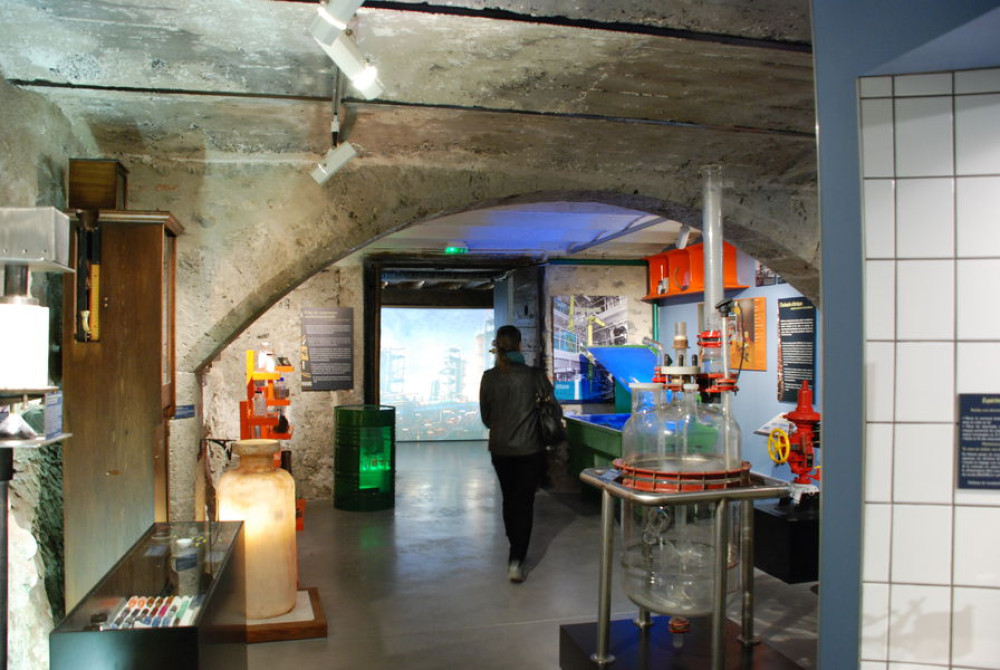
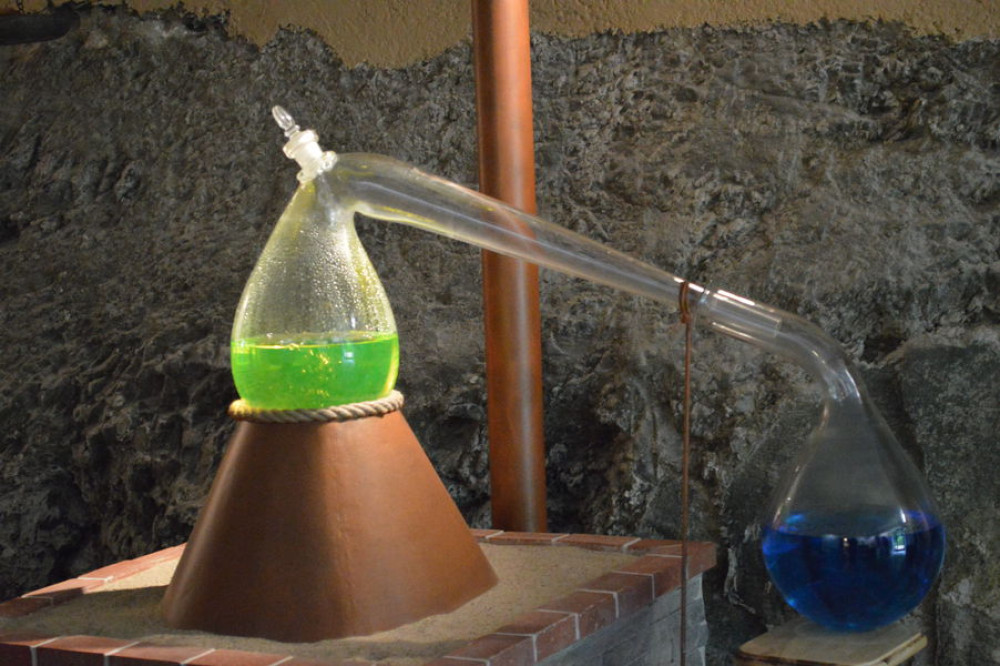
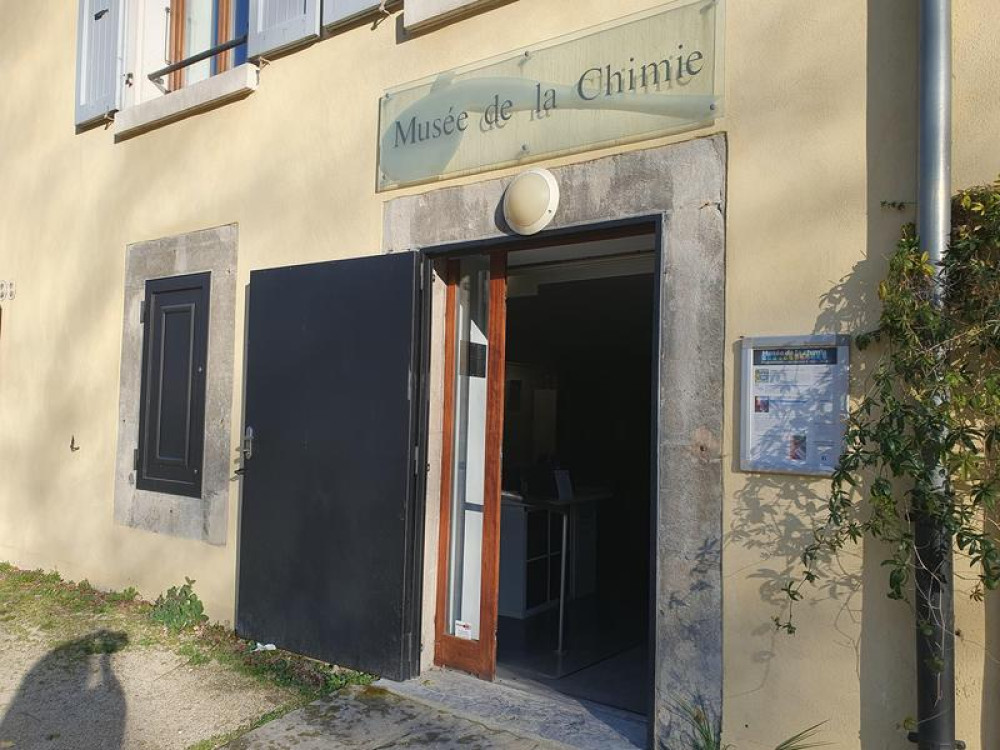
The museum traces the history, techniques and applications of the chemical industry in southern Grenoble from 1915 to the present day.
Self-guided tour, guided tour or audioguide via the Tellnoo app.Located in Jarrie, on the first floor of the town hall, in the heart of the Clos Jouvin municipal park, the museum is set in the preserved environment of the old, cool, vaulted cellars of the manor house. The tour presents the history of chemistry since antiquity, and traces the history, techniques and applications of the chemical industry in southern Grenoble, from 1915 to the present day. The chemistry of the 21st century, omnipresent in our daily lives and essential to meeting the challenges of sustainable development, is more innovative and responsible than ever.
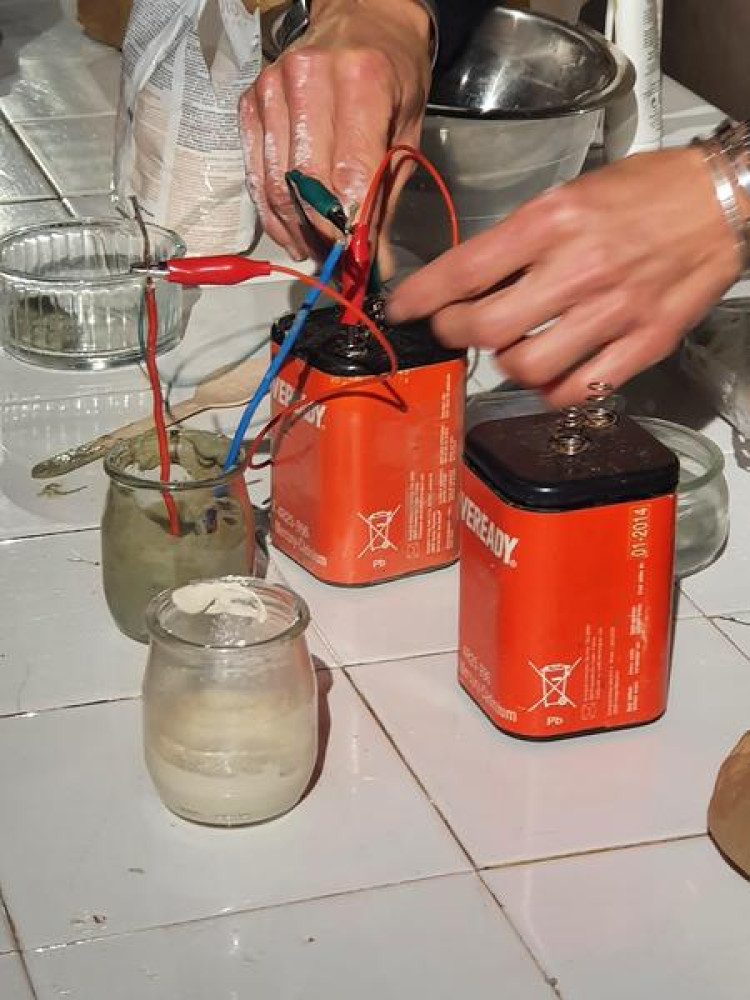
The tour route, completely renovated in 2014, is punctuated by new open-access workbenches: build a Volta cell, perform electrolysis or operate a fuel cell!
A video consultation area and a library are available to the public. A new mediation and exhibition room means you can visit the Chemistry Museum as and when it suits you.
Additional equipment: audioguide with Tellnoo application (free download from your smartphone).
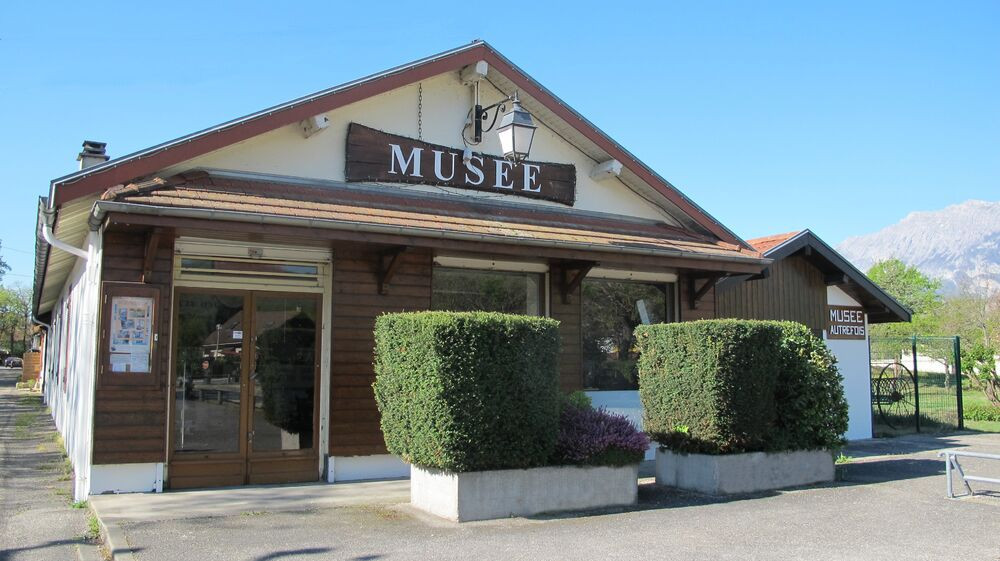
This fascinating museum, abundantly supplied by the inhabitants' gifts, is a rich testimony of the story of Champ sur Drac and the Navarre paper mill. A real industrial saga which cannot be dissociated from the village's story.The museum is situated in the heart of the Navarre working city, in the former retailer which had been built so as to answer to the workers' needs.
Among the many richness of the museum, one can see a cinema projector which dates back to 1914, tools which used to belong to several different building trades such as the leather trade, cobbling, gloves making, including the “main de fer” invented by Xavier Jouvin, as well as everyday life objects, craftsmanship, schools and the former associative life.
This fascinating museum, abundantly supplied by the inhabitants' gifts, is a rich testimony of the story of Champ sur Drac and the Navarre paper mill. A real industrial saga which cannot be dissociated from the village's story.
The museum is situated in the heart of the Navarre working city, in the former retailer which had been built so as to answer to the workers' needs.
Among the many richness of the museum, one can see a cinema projector which dates back to 1914, tools which used to belong to several different building trades such as the leather trade, cobbling, gloves making, including the “main de fer” invented by Xavier Jouvin, as well as everyday life objects, craftsmanship, schools and the former associative life .
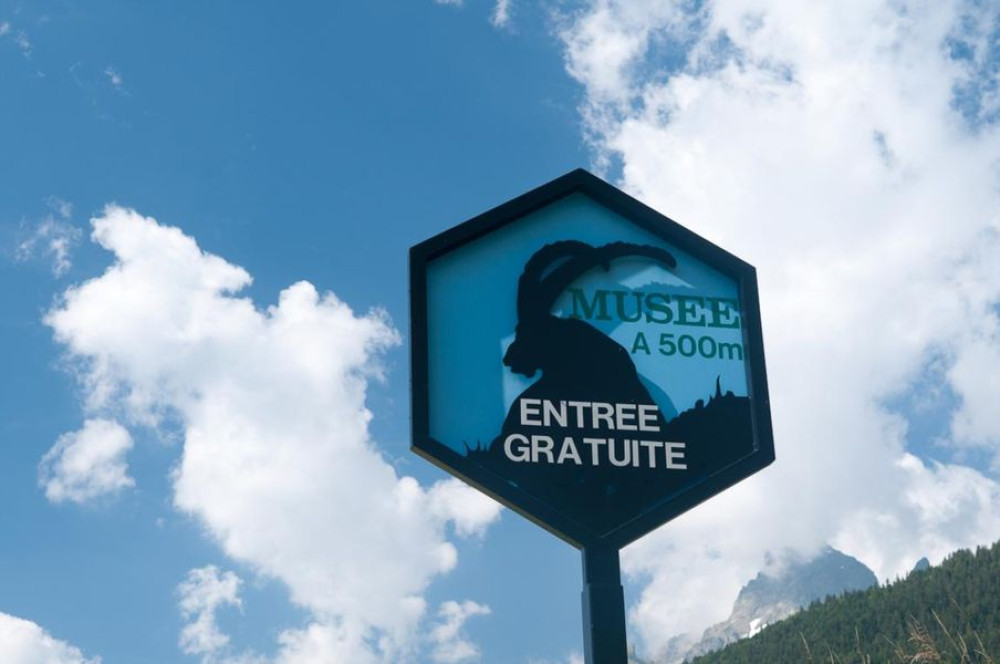
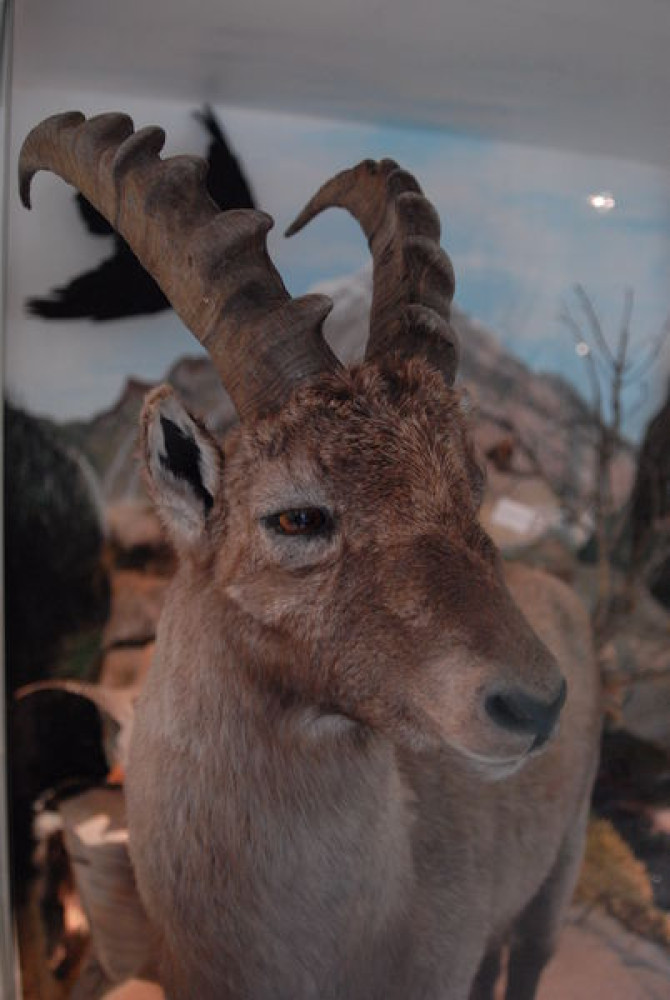
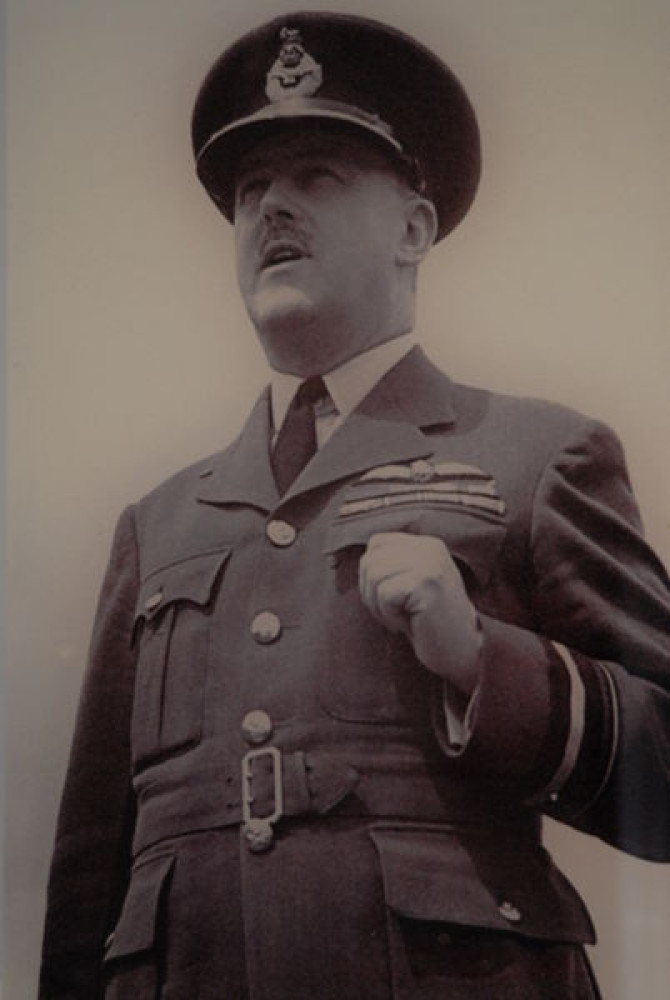
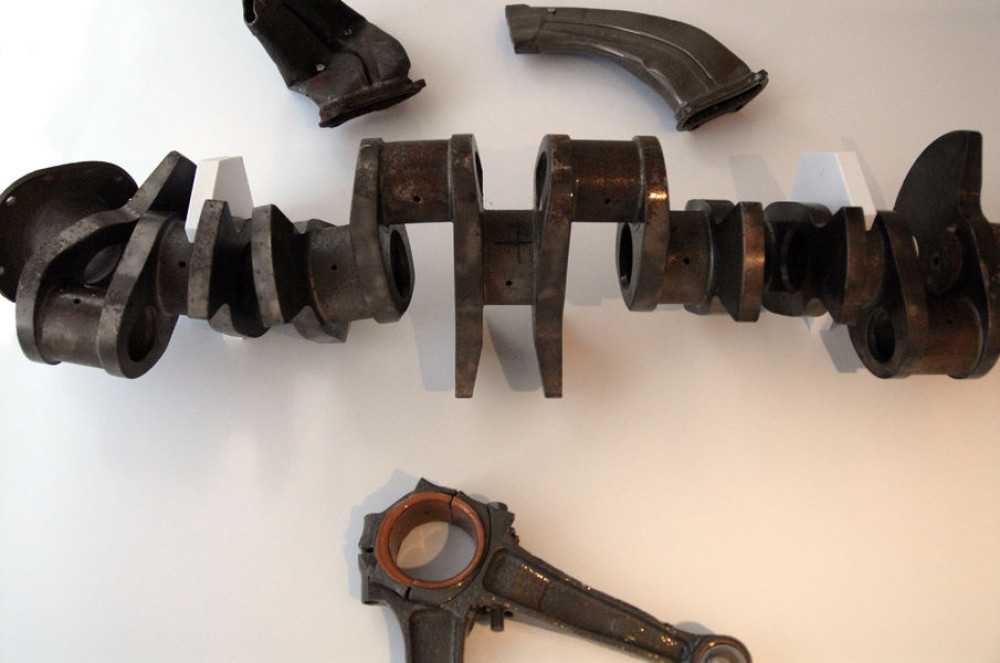
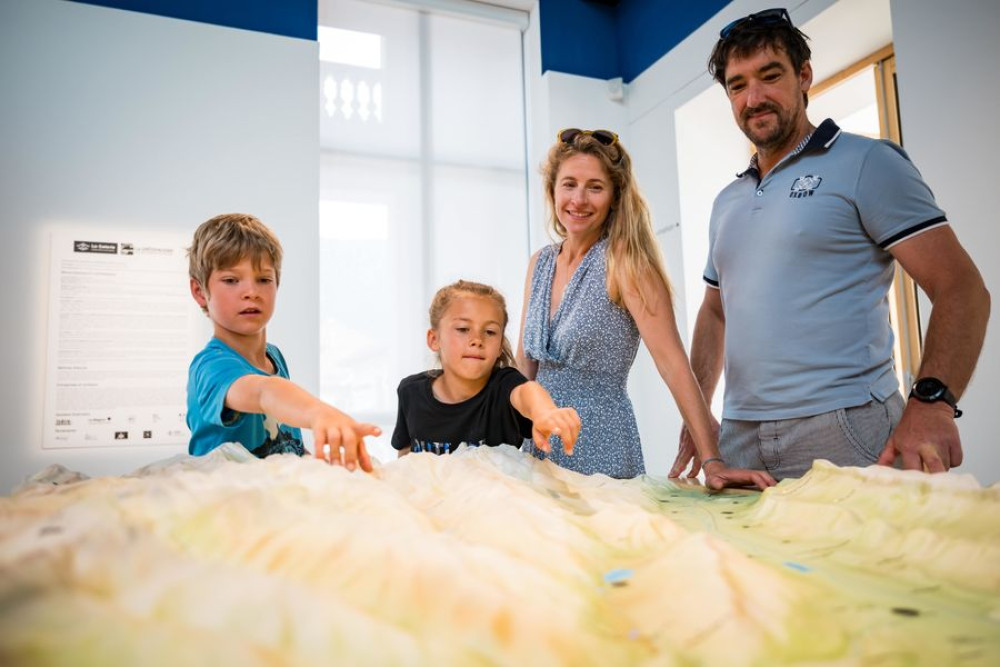
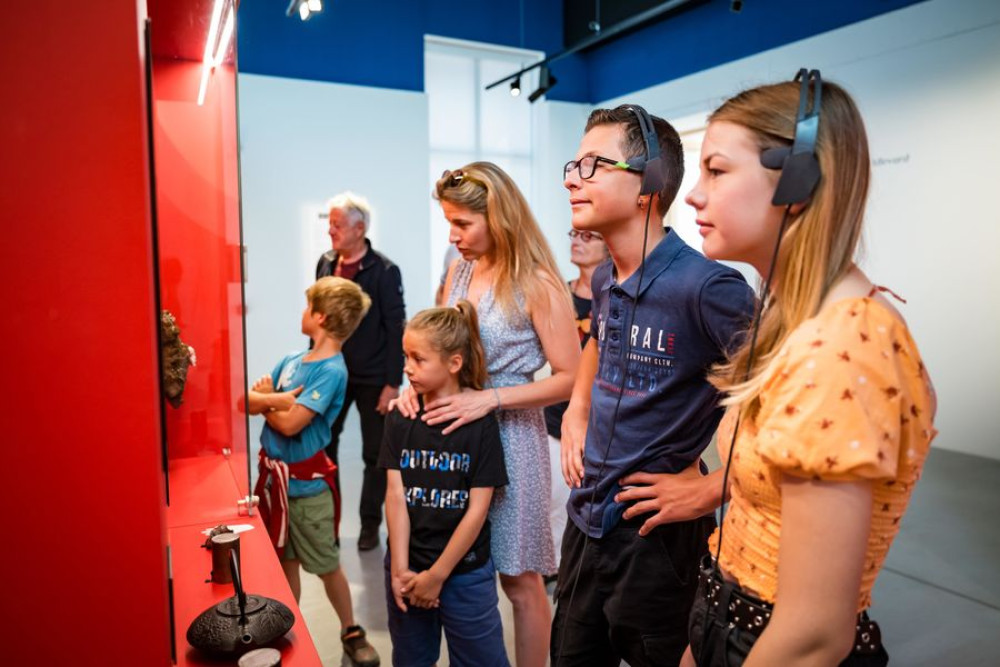
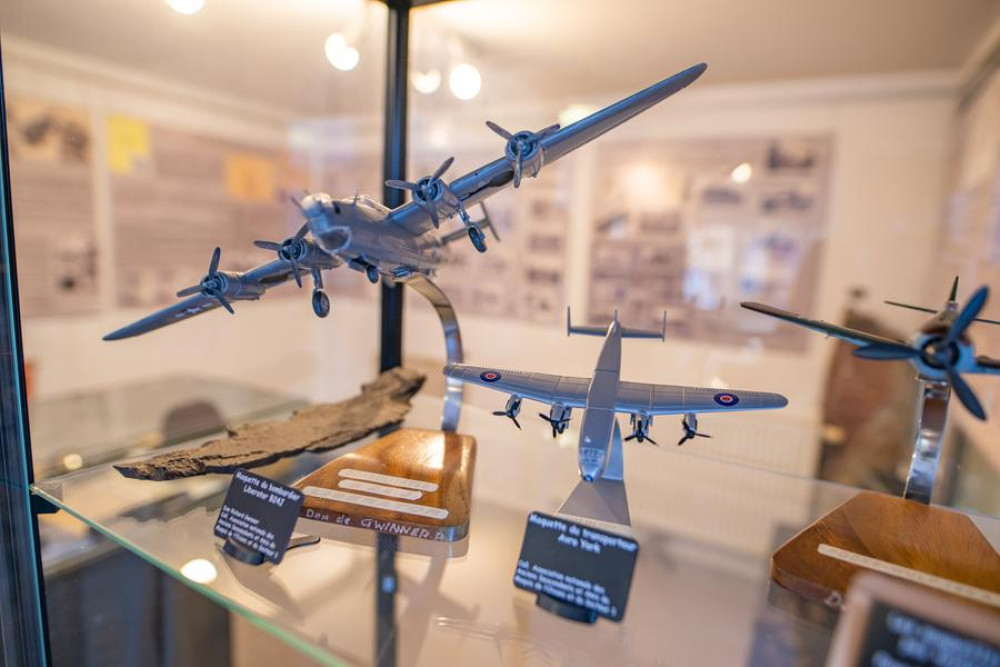
This museum halving spaces, the one dedicated to the ibex and the other one to the story of the crash of Sir Trafford Leigh-Mallory's plane on November 14th, 1944 above the Rivier d' Allemont.Free entranceThis space also recalls the disappearance in November 1944 of the great British air marshal, Sir Trafford Leigh-Mallory, in a mysterious plane crash over the Rivier d'Allemond.
Portrait of the Lord of the Alps: On the verge of extinction at the end of the 19th century, the ibex, an emblematic animal of the Alpine fauna, is now being reintroduced in the various Alpine massifs. Its conservation, morphology, habitat and diet through the seasons, social life, predators and scientific monitoring in the Belledonne massif are all presented through a beautiful scenography, films, games, panels, mountain outings...
Espace York Mallory:The story of the disappearance, in November 1944 in a mysterious plane crash over Rivier d'Allemond, of British Air Chief Marshal Sir Trafford Leigh-Mallory, who commanded the Allied air force during the Normandy landings, is told here.
LABEL :
The museum is a member of the "Route des Savoir-Faire de l'Oisans".
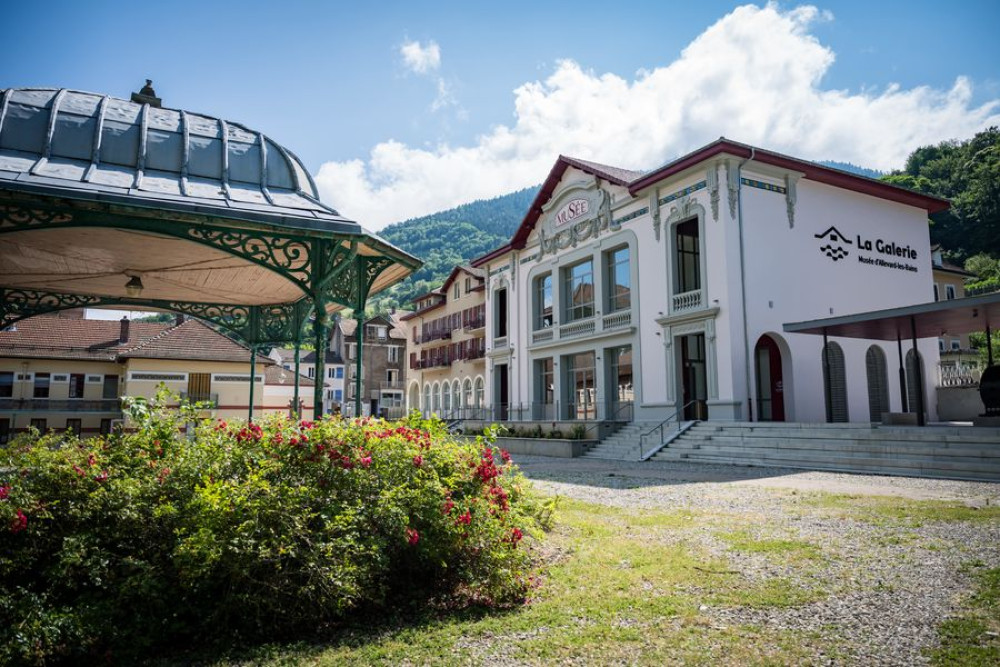
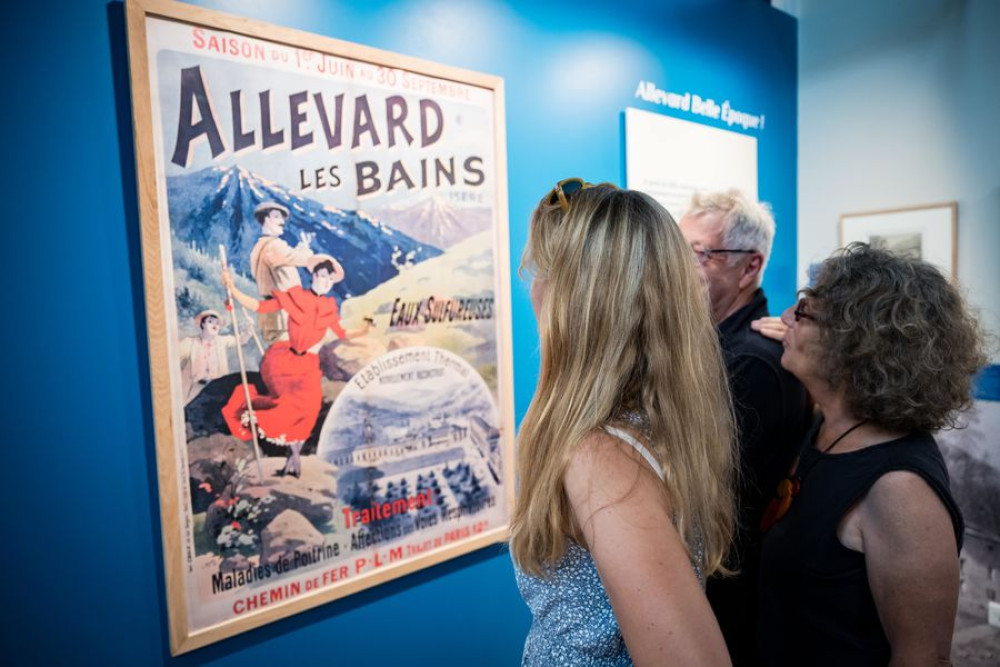
After an extensive renovation, the Musée d'Allevard now welcomes you in its new setting, the former casino of the Parc Thermal d'Allevard. Discover the Allevard region and the major activities that have marked its history.From the metallurgical industry to the spa, via the ski slopes of Collet, you'll discover how its natural resources - iron ore, thermal water and “white gold” - have shaped the Pays d'Allevard over the centuries.
The fun, varied exhibition combines objects, multimedia, games, hands-on activities and models to help you discover and understand the evolution of a mountain region rich in history.
To keep up to date with the Museum's activities, visit the website or follow the Museums du Grésivaudan Facebook page.
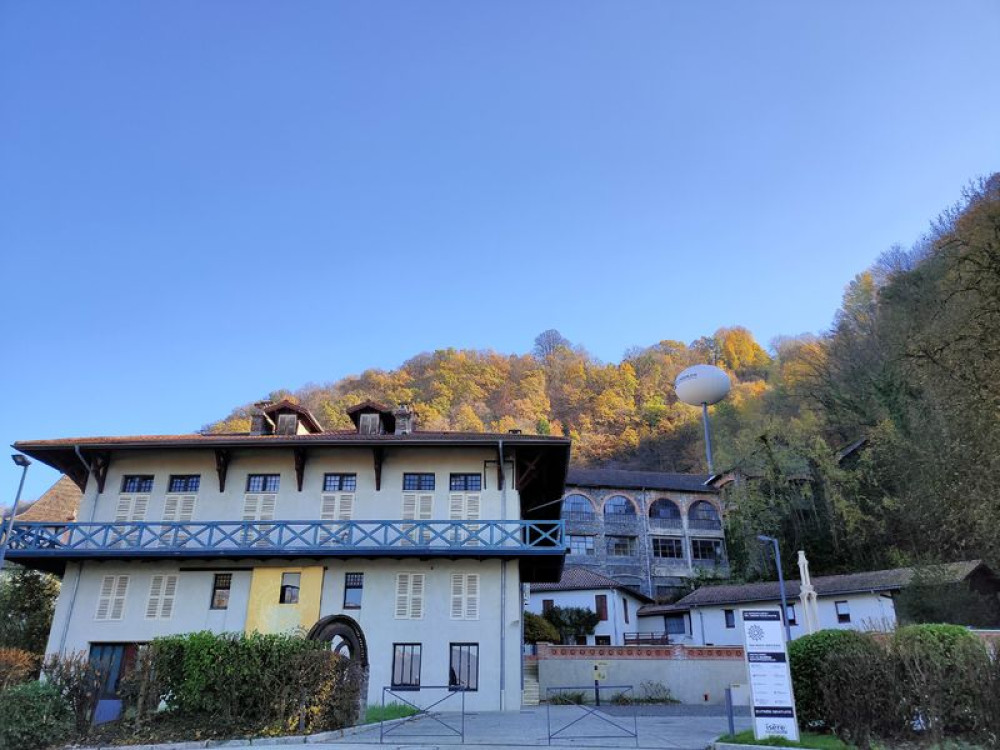
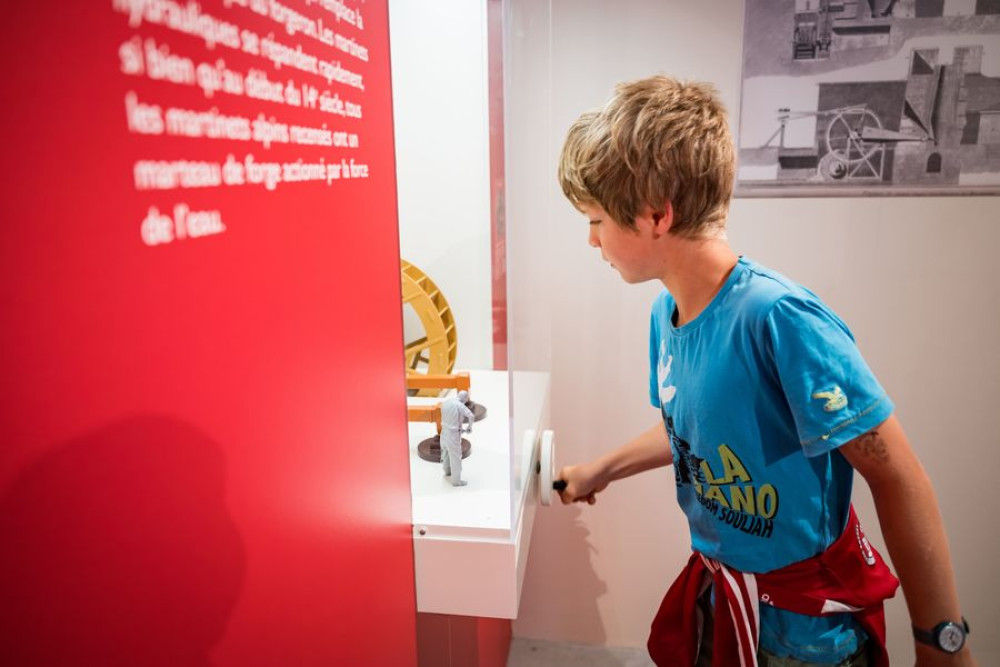
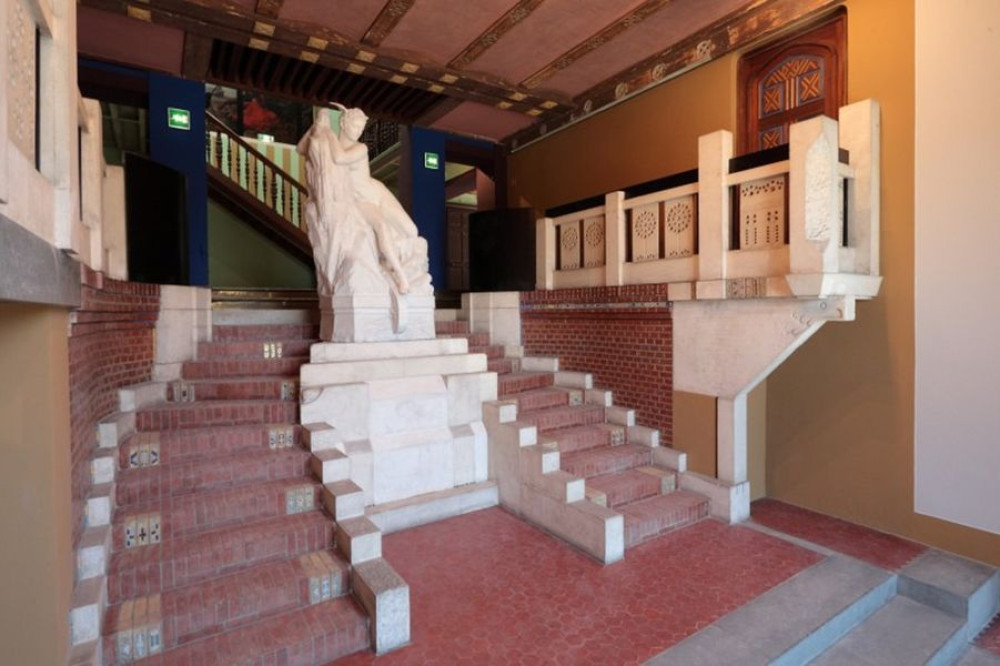
La Maison Bergès [the Bergès family home] - Museum of Hydroelectric Power, standing at the foot of the Belledonne Massif, is an exceptional cultural heritage site which transports visitors back in time to the advent of hydroelectric power.
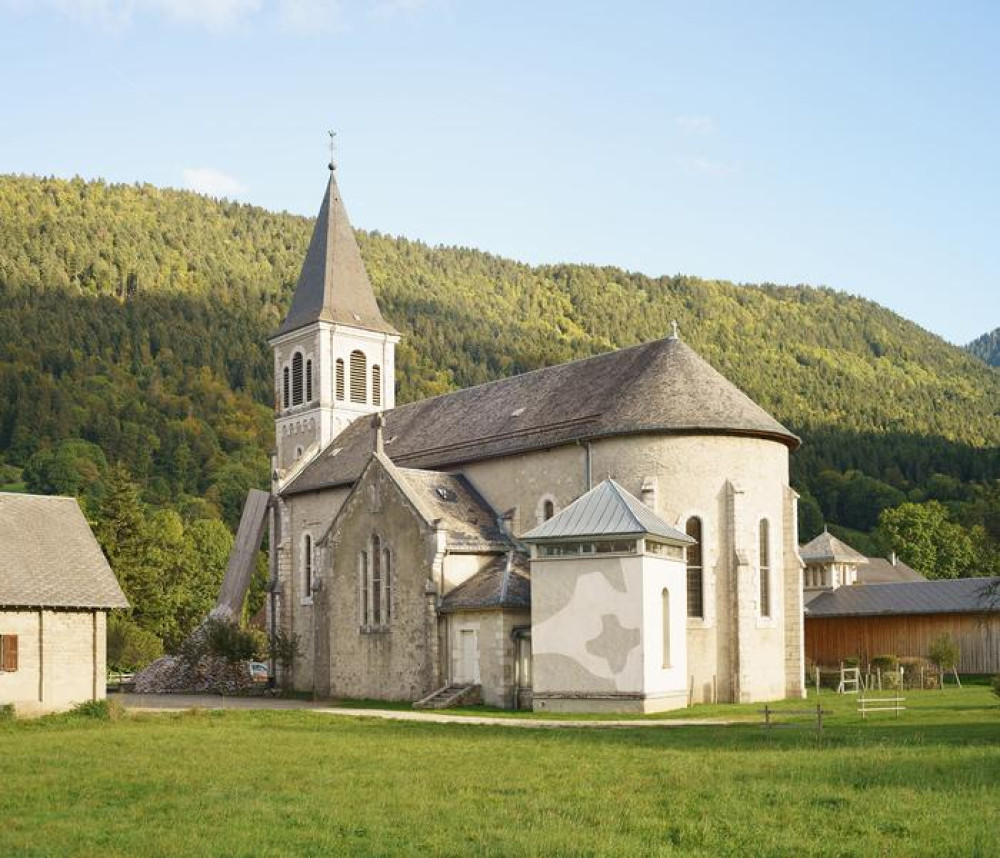
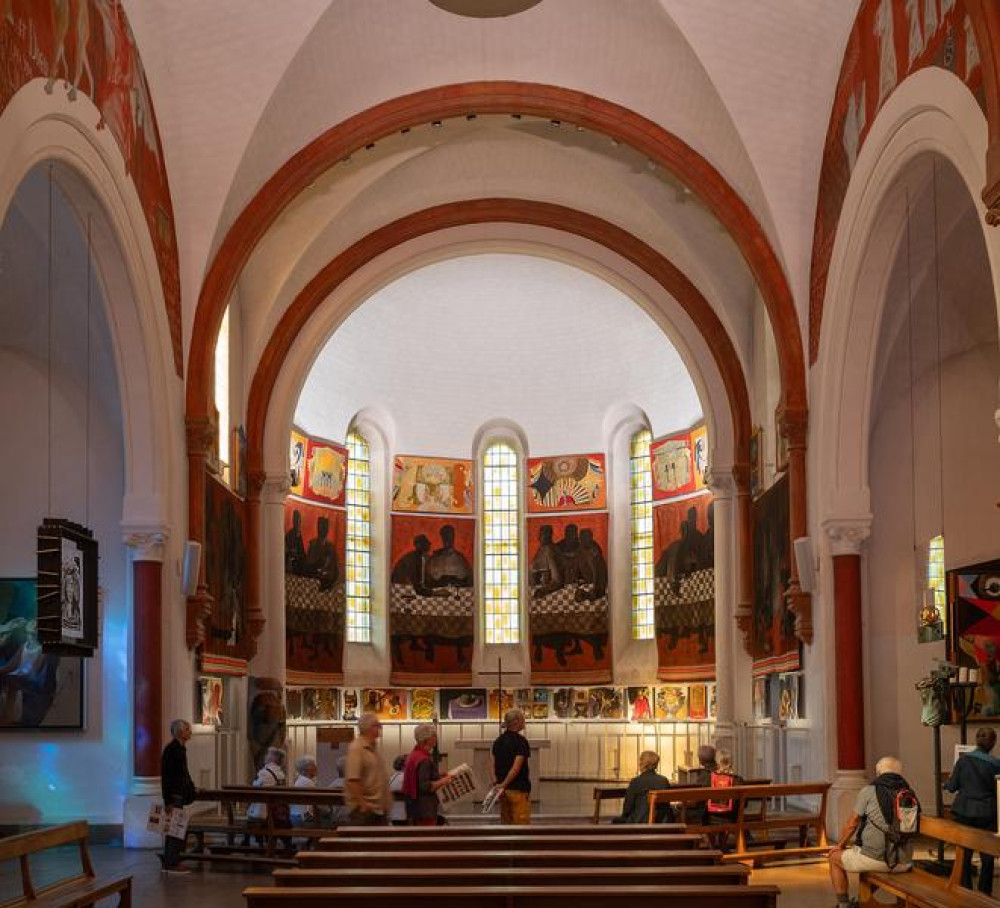
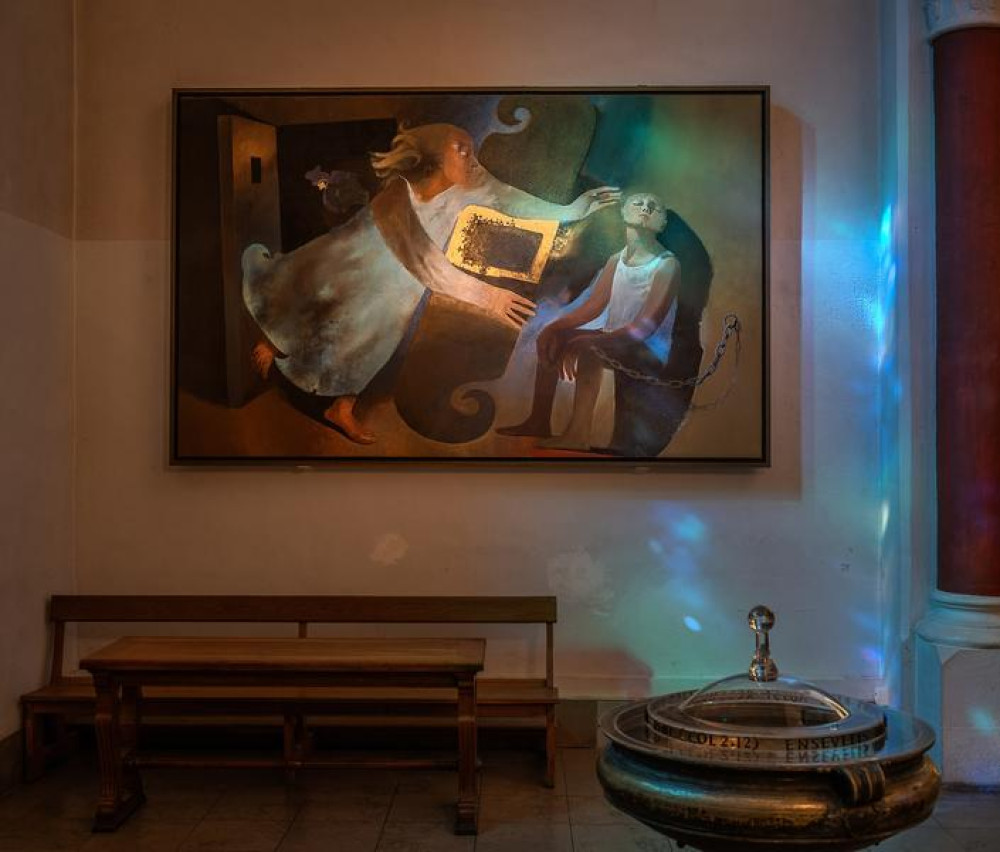
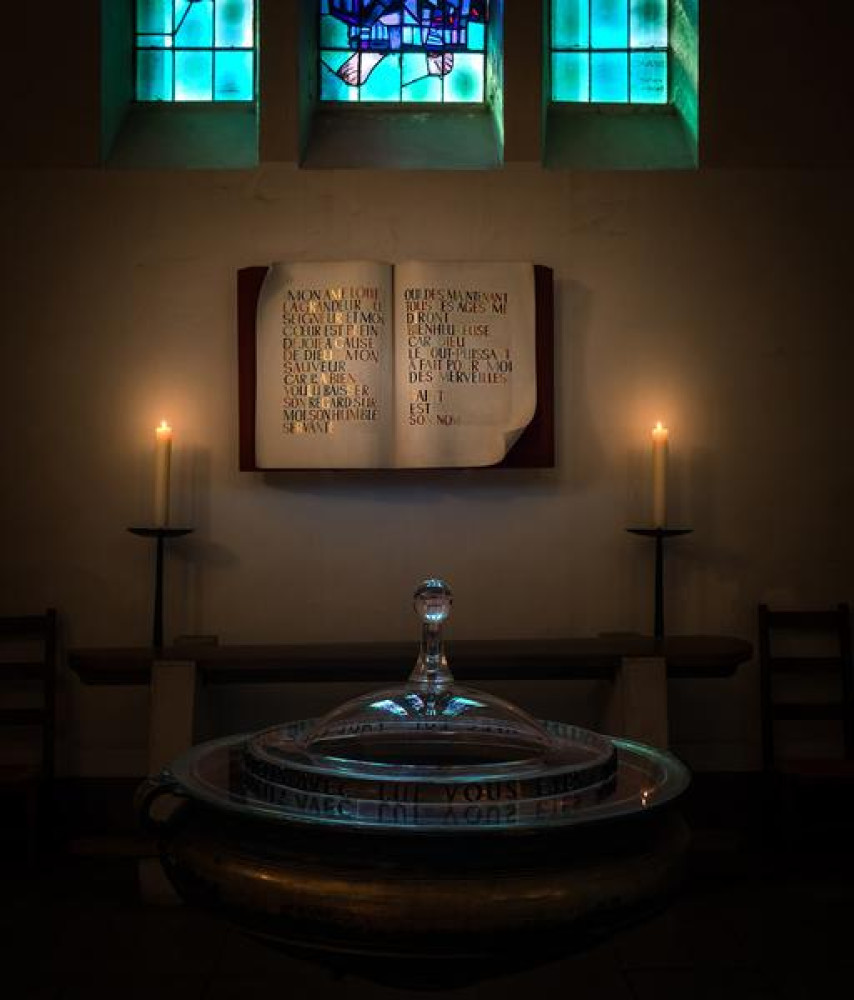
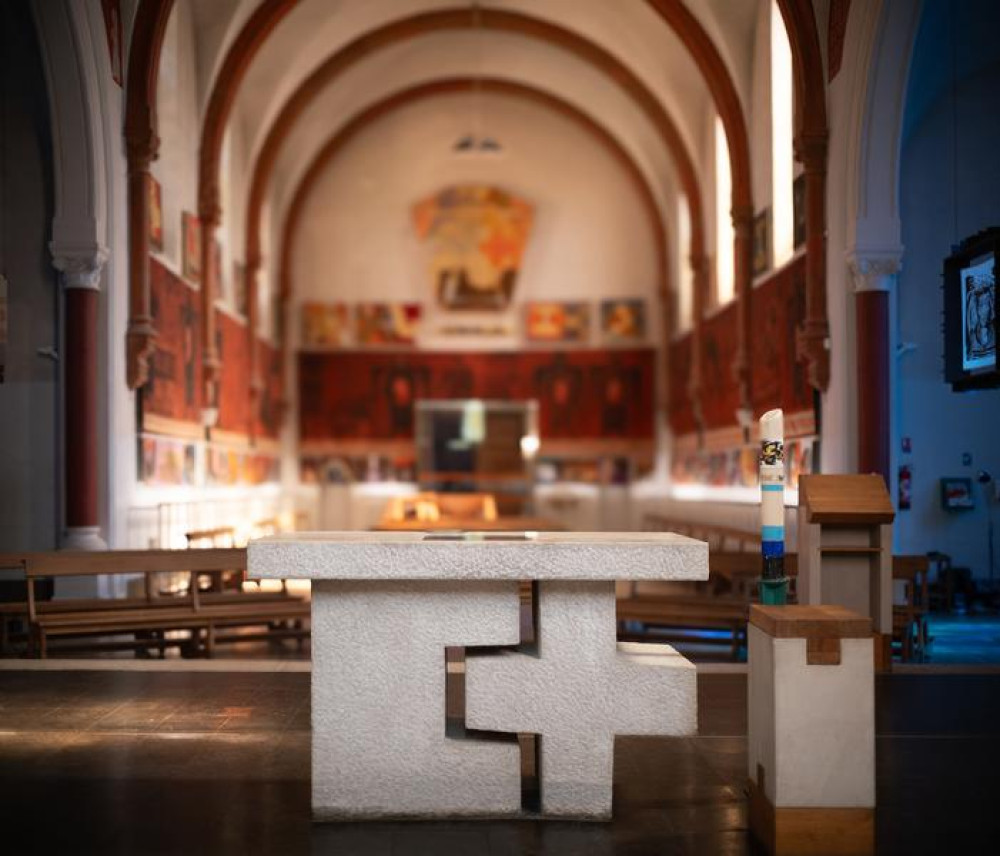
Conceived, designed and created by the artist Arcabas over a period of more than thirty years, this collection of one hundred and eleven paintings, stained glass windows, sculptures and furniture is one of the most accomplished examples of twentieth-century sacred art.Located in an exceptional setting in the heart of the Chartreuse Regional Nature Park, the museum offers visitors a unique experience of encounter with the world of the painter and sculptor Arcabas.
Nowadays, it's rare to see a building whose interior volume is so vigorously possessed by color. Subordinate to the initial volume, but deliberate in the development of its expression, it takes root on the structure of the vault and blossoms in symmetry around the perimeter of the central vessel.
You have to enter this small mountain church, built in 1860, far from the world, to get the shock of this colorful mass, solemnly ordered, becoming a fiery speech, which goes from exordium to narration to end in the conversation of sacred texts. Small in construction, it suddenly becomes large, thanks to a unity of tone that absorbs and includes the entire chromatic scale, and all the diversity of plastic proposals.
Intended, conceived and realized by a single artist, abandoned and then revived over the course of more than thirty years, this unique ensemble ranks as one of the most ardent and accomplished achievements of contemporary sacred art.
After several years spent searching for church walls to paint, where he could express himself and his faith through painting, Arcabas finally came across the modest church of Saint Hugues and its parish priest, Raymond Truffot, in February 1952. The church was undergoing roof and floor repairs. The mayor, confident in his priest, agreed to an artistic intervention inside the church, graciously offered by this unknown painter. It was the beginning of an adventure, but also of a friendship between an artist and a priest, who placed his unwavering trust in the twenty-five-year-old until his death. But little does anyone know that the adventure itself will last thirty-four years.
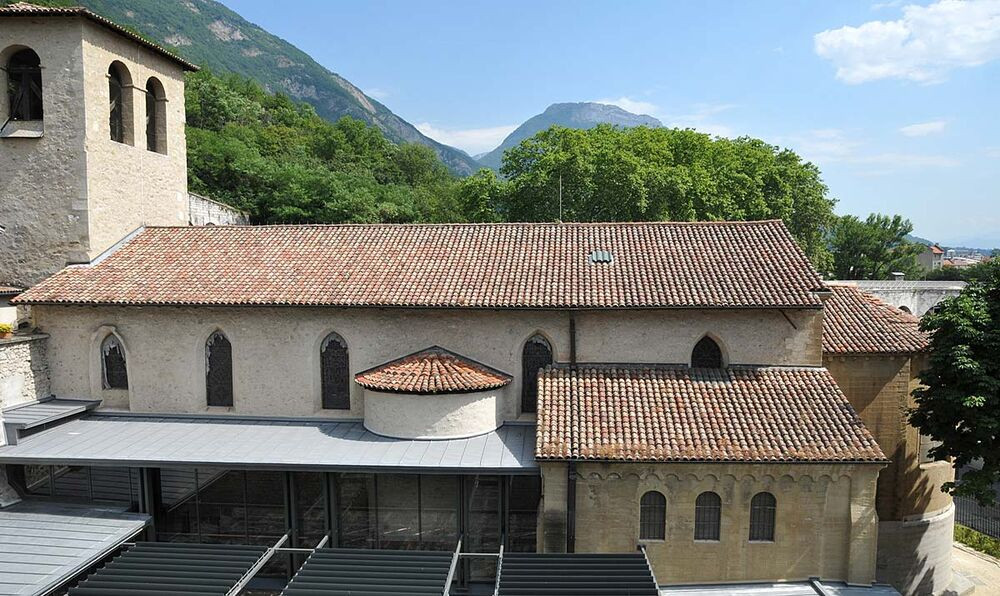
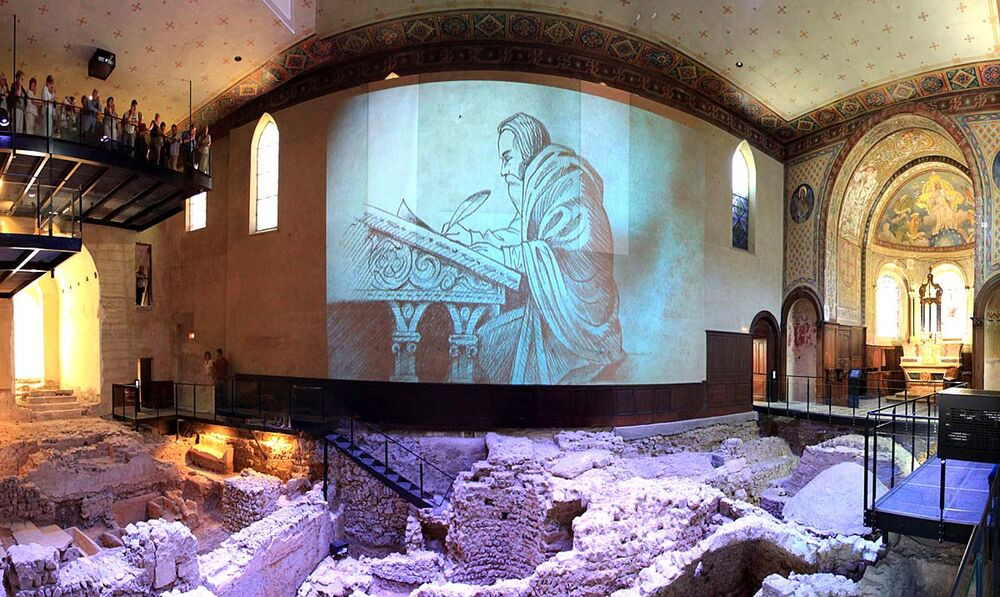
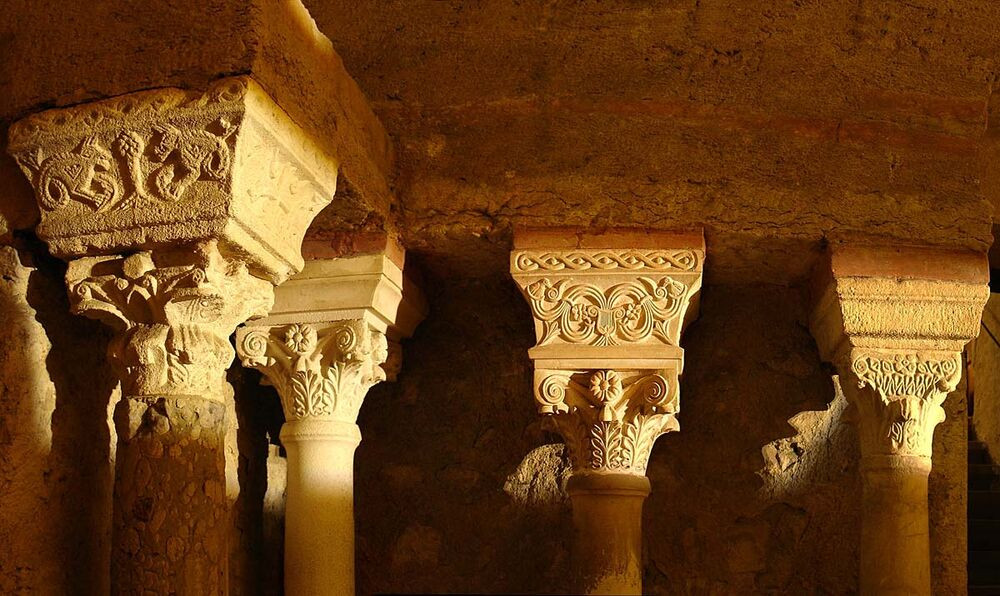
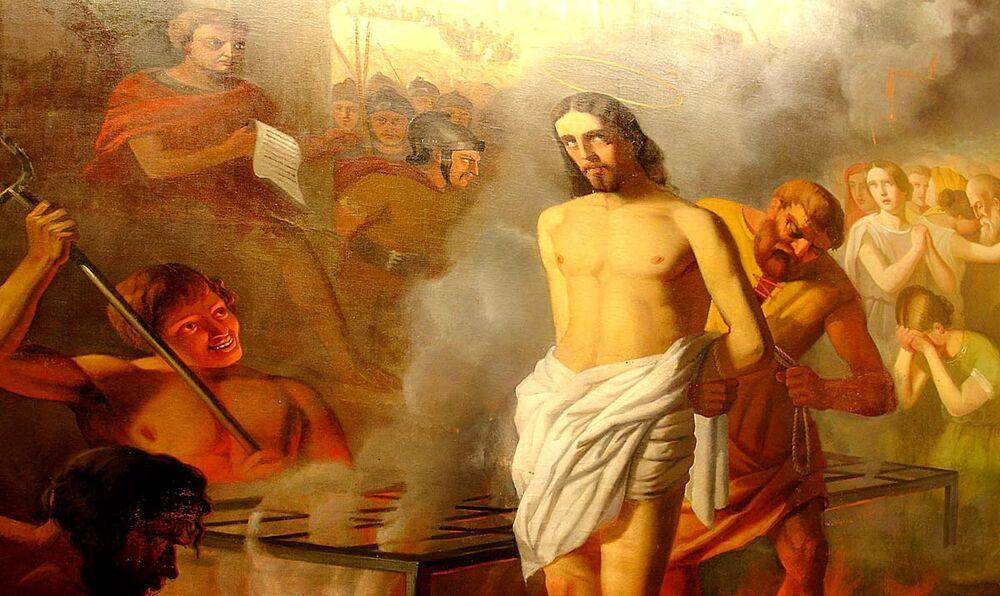
A rarity in Europe, this museum was installed in an old parish church. The structure was among the first to be classified as a Historic Monument of France. Its Merovingian-era crypt is a unique witness to the art and architecture of the very early Middle Ages.After much archeological research, the Saint Laurent archeological museum and church is getting a face lift in order to better welcome visitors. The works,is now finished with the construction of a visitor's path and the bringing of the site up to modern standards began in February 2009.
The site has earned a solid reputation, thanks in part to its sanctuary dating from the early Christian era (6th century) and its exceptional crypt. The renovation project strives to better exploit the site's historical and archeological wealth, which is classified as a Historic Monument of France.
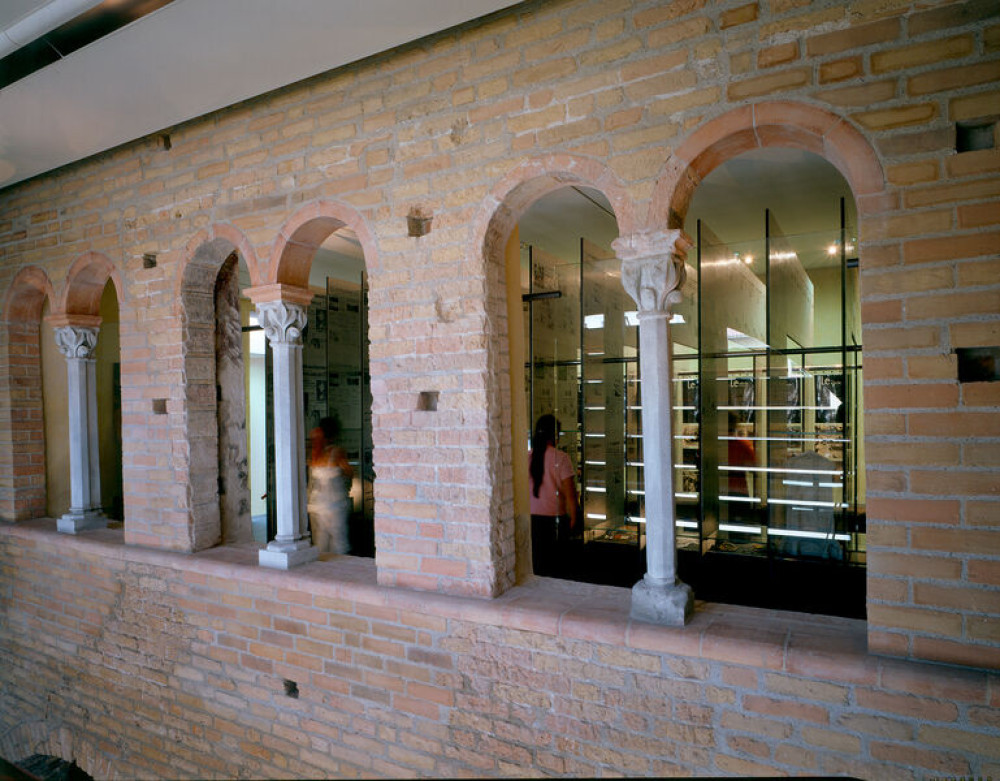
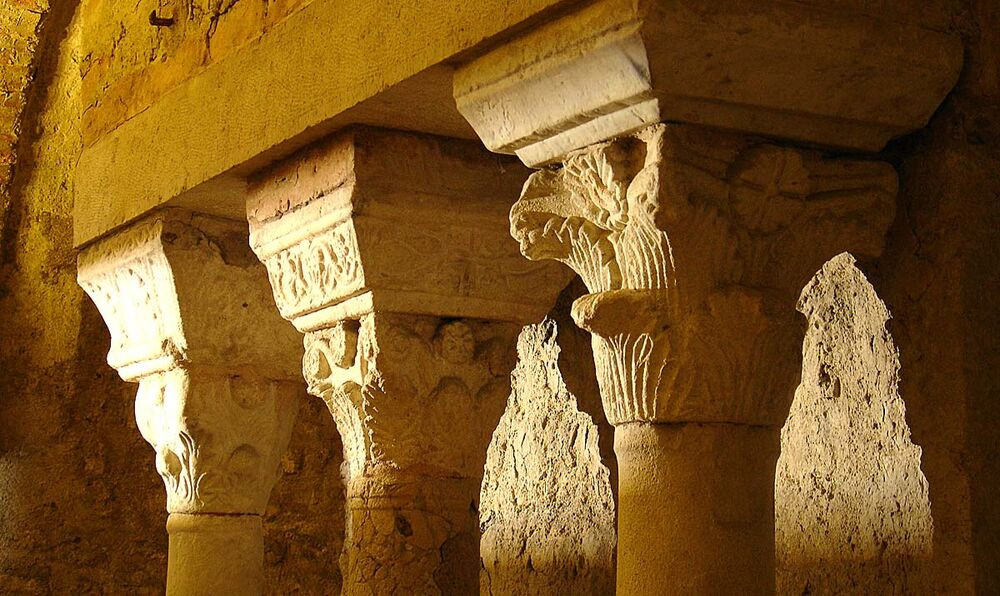
1500 years of religious and funerary history have been uncovered. We can see the different construction phases: antique mausoleums, the Roman-style church and its Benedictine capitals, the Merovingian funeral basilica, and Carolingian church.
Where the cloister once stood, the relics uncovered by archeologists are protected by a glass and metal structure.
A collection of objects uncovered during the dig enriches the permanent exhibit, which for the first time, reveals the essential findings of 30 years of on-site research. This exhibit presents the key information concerning the urban, religious, and human history of Grenoble.
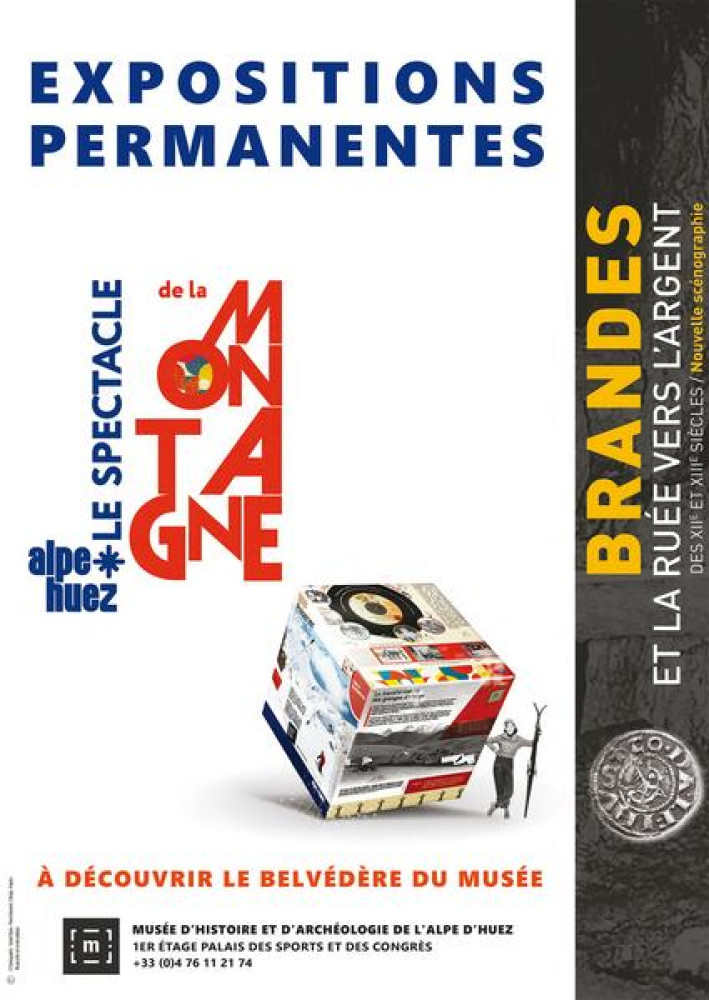
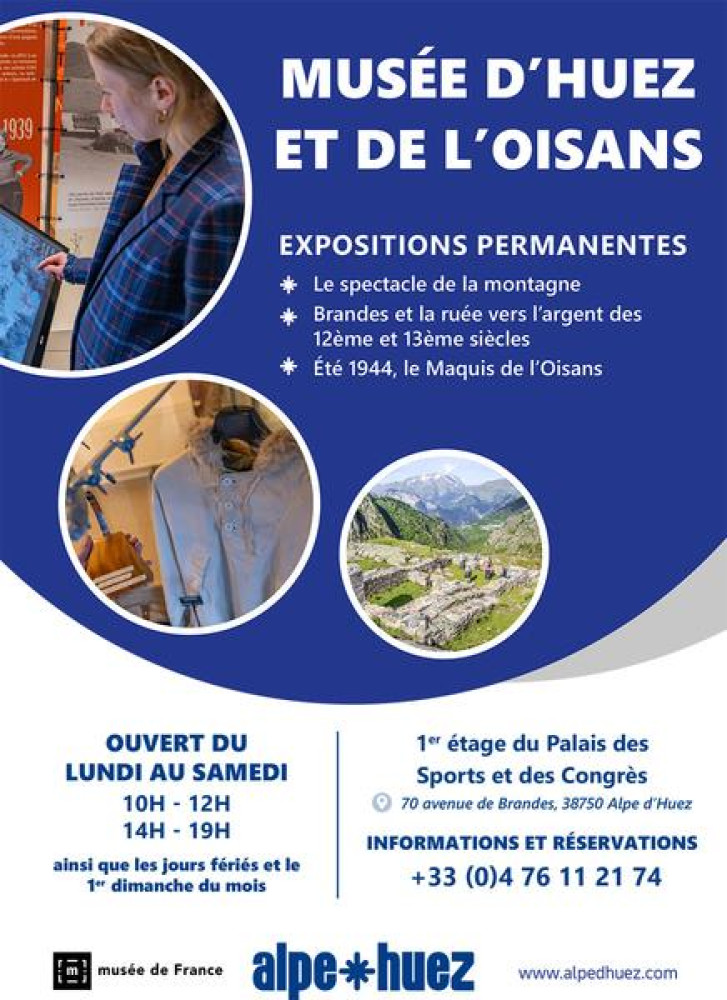
Listed among the “Musées de France” since 2003 and affiliated with the municipal archaeological site of Brandes-en-Oisans, the Alpe d’Huez Museum of History and Archaeology traces the long history of the village of Huez and its mountain pasture, from the Middle Ages to the present day.Having been awarded the "Musée de France" designation in 2003 by the Ministry of Culture, the Musée de l’Alpe d’Huez has featured two new exhibits since December 2022: the permanent exhibitions “The Spectacle of the Mountains” and “Brandes and the Gold Rush of the 12th and 13th Centuries.”
You can also explore the section dedicated to World War II through the exhibition “Summer 1944: The Maquis of Oisans.”
3 PERMANENT EXHIBITIONS: “THE SPECTACLE OF THE MOUNTAINS,” “BRANDES AND THE GOLD RUSH OF THE 12TH AND 13TH CENTURIES,” “SUMMER 1944: THE MAQUIS OF OISANS”
THE SPECTACLE OF THE MOUNTAINS
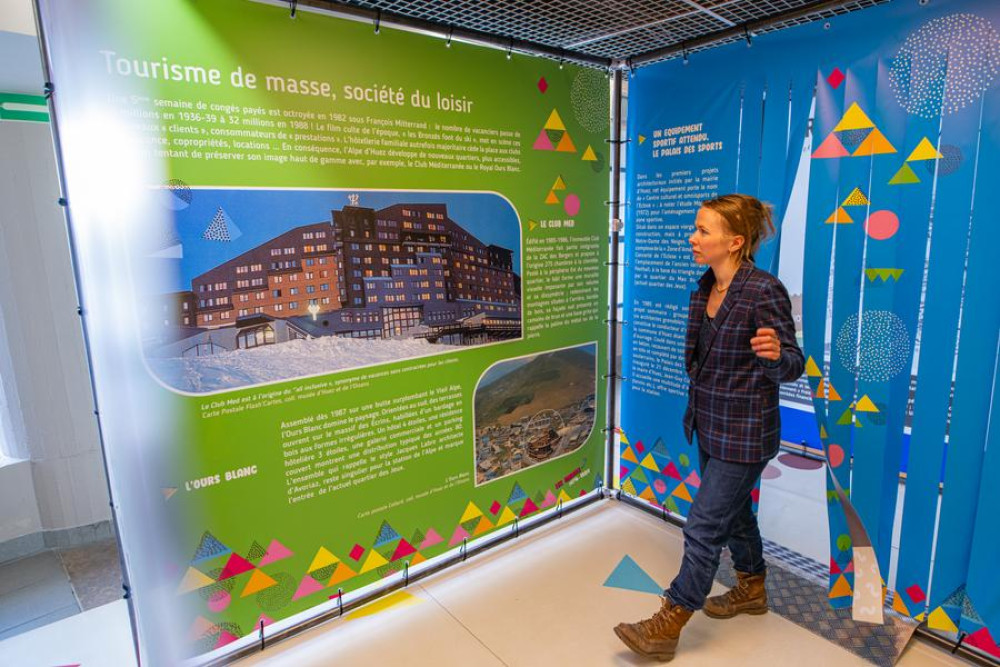
This long-term exhibition traces the transformation of alpine chalets (now the Vieil Alpe neighborhood) into family-friendly hotels that, beginning in the 1970s and 1980s, formed an internationally renowned tourist resort perched at an altitude of 1,850 meters. Featuring four “kiosks” (immersive cubes) richly illustrated with photographs chronicling the periods 1923–1939, 1945–1973, 1974–1989, 1990–2022, this chronology reveals to visitors the spectacular evolution of Alpe d’Huez through its pioneers (the Moulin, Chaix, Chalvin, and Collomb families, as well as figures such as Maurice Rajon, Jean Pomagalski, Joseph Paganon, etc.), the heyday of traditional hospitality between the 1930s and 1960s, sporting events such as the Tour de France (which first reached Alpe d’Huez in 1952 with Fausto Coppi’s victory; with Dutch, Spanish, French, and British victories in the following decades), new snow and winter sports such as snowboarding in the 1980s, summer skiing on the Sarenne slope and glacier starting in the 1960s, as well as numerous events like the Tomorrowland Winter electronic music festival (since 2019). In addition, urban development—characterized by diverse and multifaceted architecture—is highlighted through an interactive touchscreen (featuring historical and 3D models of the resort’s neighborhoods) and an interactive kiosk that spotlights several key figures associated with this growth. The built heritage (hotels, ski lifts, public buildings, the Rif Nel and Neiges d’Or apartment complexes, Notre-Dame des Neiges Church (1969), International Style buildings such as the Daria I Nor Hotel (2019), Neo-Savoyard chalets, etc.) in Alpe d’Huez is showcased here, as are upcoming real estate projects. Finally, film screenings from the National Audiovisual Institute (leisure activities in the 1950s, the role of real estate developers in the 1970s, the inauguration of the Olympic bobsled track (Grenoble Winter Olympics in February 1968), the conquest and inauguration of the Pic Blanc (3,330 m above sea level) in 1963) will capture the attention of young and old alike.
BRANDES AND THE RUSH FOR MONEY IN THE 12TH AND 13TH CENTURIES
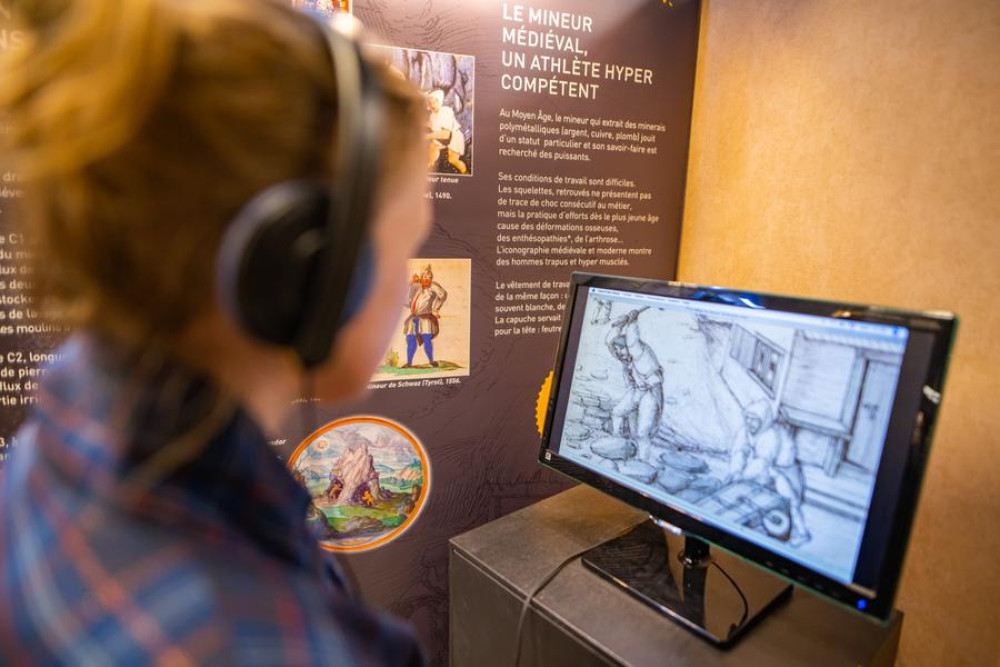
As you explore the resort and the Alpe d’Huez plateau, who would believe that in the Middle Ages, a community consisting of male mining specialists, women, and children (who crushed the ore), settled on the plateau in Brandes, at the foot of the Saint-Nicolas rock, extracting silver ore from the ground at an altitude of 1,800 meters, as well as around Lac Blanc (2,700 meters)? Yet, from the 12th to the 14th centuries, the inhabitants of Brandes (a site that constituted the medieval mining settlement and the highest human settlement in Europe for that period) lived there year-round (between 200 and 250 people), despite harsh weather conditions from October through April. This history of mining techniques (specifically, the development of the pre-industrial era in Western and continental Europe) and human settlement was revealed by systematic archaeological excavations conducted beginning in 1977 by archaeologist Marie-Christine Bailly-Maître (former curator of the Huizat Museum) and her teams, which included speleologists, scientists, archaeology students, and volunteers. The discoveries made during the excavations—including mining techniques, the production of silver powder, Brandes’s finished product used to mint the coins of the Dauphin (lord of the Dauphiné), religious practices and daily life, and the construction of a watchtower with unique architecture, a “shell-keep”) led to the creation of the “Maison du Patrimoine” in 1982, centered around its archaeological collection, which became the “Musée d’Huez et de l’Oisans” and then the “Alpe d’Huez Museum of History and Archaeology” in 2023. Formerly housed in the “Hôtel des Lacs,” this museum, heritage, and cultural institution has occupied the first floor of the AgorAlp (formerly the “Alpe d’Huez Sports and Convention Center”) since 2012. A new exhibition design showcasing the archaeological collection remains on display and contextualizes the artifacts found both above and below ground through several models and a wealth of illustrations.
The archaeological site is open from April through October (toward the clay pigeon shooting range or near the Sarenne Pass road); explore its illustrated educational panels and audio-guided commentary via the PILGRIMZ web app (free download and account).
SUMMER 1944. THE OISANS MAQUIS
Let us also not forget the history of the Oisans Maquis during World War II. While the mountains may seem like a place untouched by the fighting between draft dodgers from the Compulsory Labor Service (STO) and German soldiers, events—sometimes tragic, often heroic—took place in the Grandes Rousses massif and throughout the Oisans region more broadly. Alpe d’Huez hosted a military hospital for the French Forces of the Interior (the FFI, opponents of the German occupation), notably in Huez and later at the Chalet du Signal, an annex of the “Grand Hôtel” in Alpe d’Huez. Faced with the advance of the enemy army and its determination to control the Oisans region and destroy its resistance movement (following the Nazis’ victorious capture of the Vercors in July 1944), Dr. Tissot, a surgeon, ordered the evacuation of the wounded being treated in this small building in mid-August 1944. Thus began a slow and arduous climb for the patients (some in critical condition) and the medical staff up to the heights of Alpette and the slopes of the Grandes Rousses, for those who were able-bodied. This group received welcome and life-saving assistance from the crew of a B-24 Liberator bomber—“11 Americans who fell from the sky” (an expression coined by Pierre Montaz, a member of the Resistance at Alpe d’Huez): The crash of their plane—following a bombing campaign on Munich (Germany)—near Gap, in Prunières, prompted them to cross the Oisans region in late July 1944. Having learned in Le Bourg-d’Oisans of the existence of the military hospital at Alpe d’Huez, they provided invaluable assistance to the retreating FFI. Protecting the evacuation of the wounded (some of whom were taken to the Fare refuge at an altitude of 2,600 meters), the armed Oisans resistance fighters fought a fierce battle on the heights of the Alpette against a division of German Alpine hunters; They emerged victorious on August 14, 1944, suffering no casualties. Relive this significant historical event in the French Resistance in the mountains through richly illustrated educational panels and artifacts from the collection of the Musée de l’Alpe d’Huez, also on loan from the Association of Friends and Descendants of the Oisans Maquis.
LEARN MORE ABOUT THESE 3 EXHIBITS
Quick Museum Tour: Discover the museum’s artifacts in a new way! Three artifacts will be examined and placed in their historical and geographical contexts.
Every Wednesday during French school breaks, from 4:30 p.m. to 4:45 p.m. — FREE — from December 2026 to April 2027; register at the museum or by calling 04 76 11 21 74
CULTURAL PROGRAM
Museum Late-Night Events (FREE, registration recommended at the Museum; held from 8:00 PM to 10:00 PM) are offered during the winter season; discover the heritage of the town of Huez-Alpe d’Huez, as well as screenings on environmental, historical, and artistic topics, among others.
For more information, call 04 76 11 21 74 or email accueil.musee@mairie-alpedhuez.fr
CULTURAL AND GUIDED TOURS IN THE RESORT
=> Guided tour of Pic Blanc, with its exceptional panoramic views at an altitude of 3,330 meters, and a visit to the Ice Cave (10:00 a.m.–12:30 p.m.)
Upon arrival at the cable car station, the cultural services guide will cover several topics: the Michelin Green Guide 3-star panorama, the history of the resort and skiing, information on geology, the landscape, fauna, flora, glaciers, and the history of the Alpe d’Huez resort…
No walking required; maximum of 20 people per tour (access via the Pic Blanc cable car). Tuesdays and Thursdays mornings, from 10:00 a.m. to 12:30 p.m.
How to get there: Meet in front of the indoor ticket counters for the Pic Blanc gondola (formerly DMC, at the top of the resort, at an altitude of 1,850 m, on the right 150 m past the Pistes roundabout (at the end of Avenue du Rif Nel); Pay by credit card at the SATA ticket office and meet Frédérik Tane, cultural guide and facilitator, in the same room at 9:45 a.m.)
Tour prices: Contact the SATA Museum (04 76 11 21 74) (04 76 80 30 30)
Registration is required at the Alpe d’Huez Museum: 04 76 11 21 74 or accueil.musee@mairie-alpedhuez.fr; limited availability
=> During the winter season, another guided tour is offered by the Huez-Alpe d'Huez Cultural Department; register at the Museum (by email or phone at accueil.musee@mairie-alpedhuez.fr or 04 76 11 21 74; €5 or €3; 04 76 11 21 74): a tour of the Notre-Dame des Neiges Church, a remarkable religious and cultural landmark known for its wooden architecture, the multicolored Arcabas stained-glass windows depicting the Gospel according to Saint Mark, and the Raphaël organ; its history is closely tied to the development of the ski resort and the Tour de France cycling race. The church is one of the buildings designated as “20th-Century Heritage” by the Isère department. Organ concerts are held during the season on Thursday evenings (information available at the Museum).
THE MUSEUM’S ART AND TEMPORARY EXHIBITIONS
In the Anne Auvergne Hall (1st floor of AgorAlp, across from the Museum), take advantage of the spacious room and its beautiful lighting to explore exhibitions of watercolors, paintings, sculptures, prints, digital art, photographs, and more throughout the winter. Opening receptions followed by a reception are held in the company of the artists during the winter season.
FREE ADMISSION; exhibitions from December 2026 to April 2027
CREATIVE WORKSHOPS WITH THE ARTISTS for children and adults, introducing the techniques featured in the exhibitions; €5 or €3 per person; for more information, contact the museum (in person or by phone at 04 76 11 21 74)
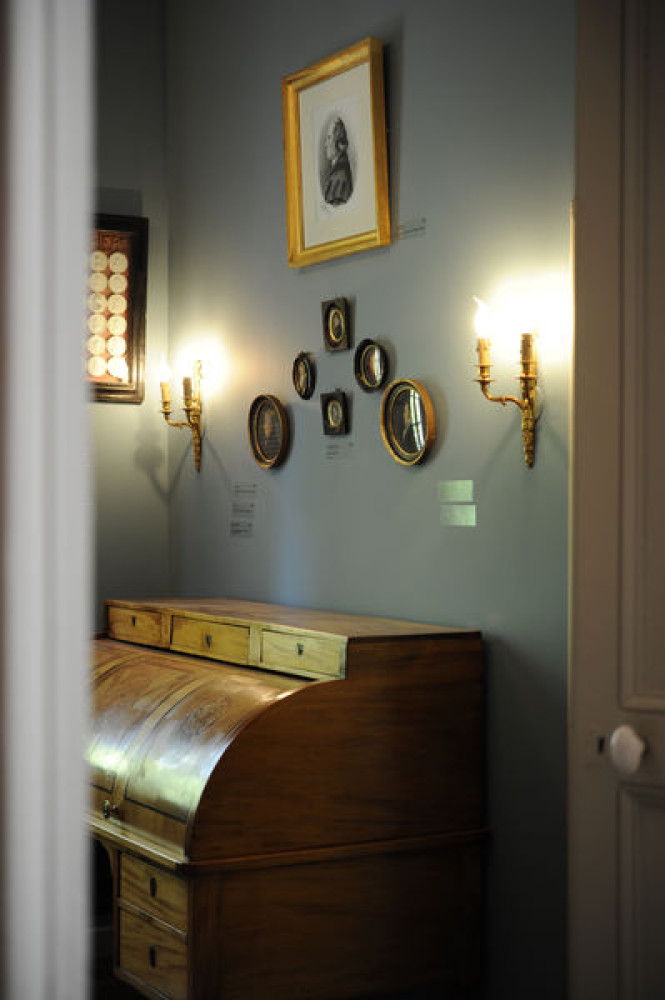
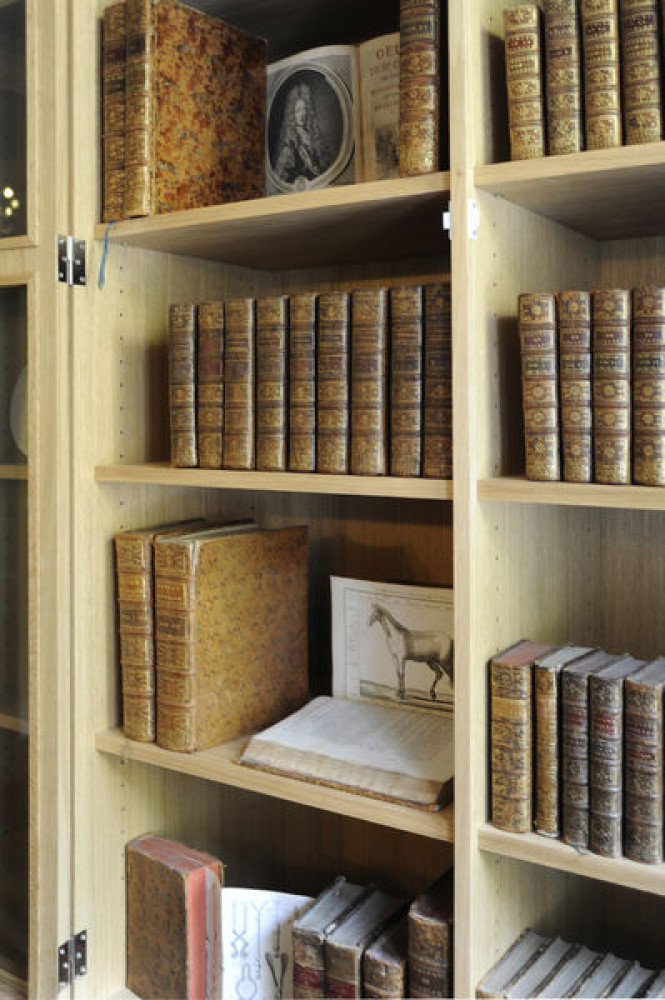
Inaugurated in 2012, the Musée Stendhal brings together the Gagnon apartment, Stendhal's native apartment, a historical itinerary in Grenoble's old town and the Stendhal collections of Study and Heritage Library.Inaugurated in 2012, the Musée Stendhal brings together the Gagnon apartment, Stendhal's birthplace apartment, a historical itinerary in Grenoble's old town and the Stendhal collections of Study and Heritage Library.
The Gagnon apartment
The apartment of Dr. Gagnon, Stendhal's maternal grandfather, is the cornerstone of the networked Stendhal Museum. Rehabilitated in 2012, its architectural design and museography bring to life for the general public the apartment in which the heart and mind of the future writer were awakened. The apartment includes the large Italian-style living room, the natural history cabinet, the study or "summer cabinet", the guest room, and the terrace with its oriental pergola, better known as "Stendhal's trellis".
Stendhal's native apartment
Accurately depicted by Stendhal himself in his autobiographical story Vie de Henry Brulard, Stendhal's native apartment was typical of 18th century bourgeois living and belonged to the family of Stendhal's father. For the young Henri Beyle, this place rhymed with happiness until the death of his mother Henriette in 1790, when he was just 7 years old. The apartment then became essentially a place of study, where the child was taught by his tutor, the austere Abbé Raillane. It was in the salon de compagnie, which overlooked Rue des Vieux-Jésuites, now Rue Jean-Jacques Rousseau, that the future Stendhal made his first literary attempts. Situated a stone's throw from Dr. Gagnon's apartment, the birthplace today houses the administrative and educational premises of the Stendhal Museum.
The historical itinerary
In Grenoble's historic center, discover the places that marked the life of the young Henri Beyle. A dozen of them are marked by bilingual French/English heritage plaques. This tour is an integral part of the networked Musée Stendhal.
Grenoble's Stendhalian heritage: richness and complementarity
The Musée Stendhal is a meeting place for the Stendhalian heritage preserved in Grenoble: the library's exceptional literary and documentary holdings, a collection of objects on Stendhal and his times, and the built heritage made up of the places Stendhal lived in, visited and described. These three collections are complementary and inseparable, and the history of their creation and preservation bears witness to the special attention Grenoble has paid to the writer for almost two centuries.
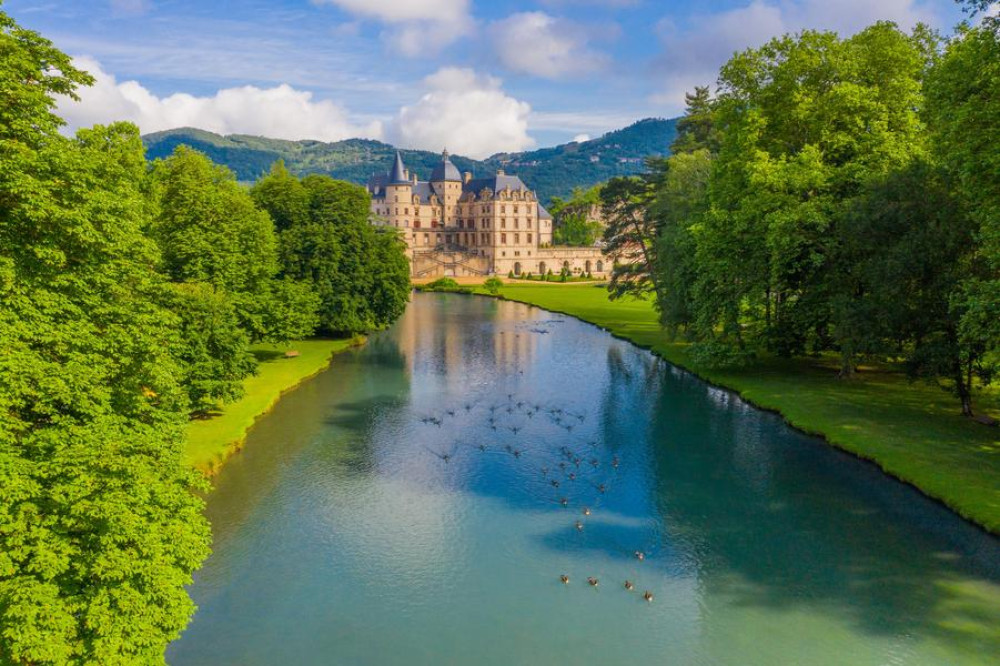
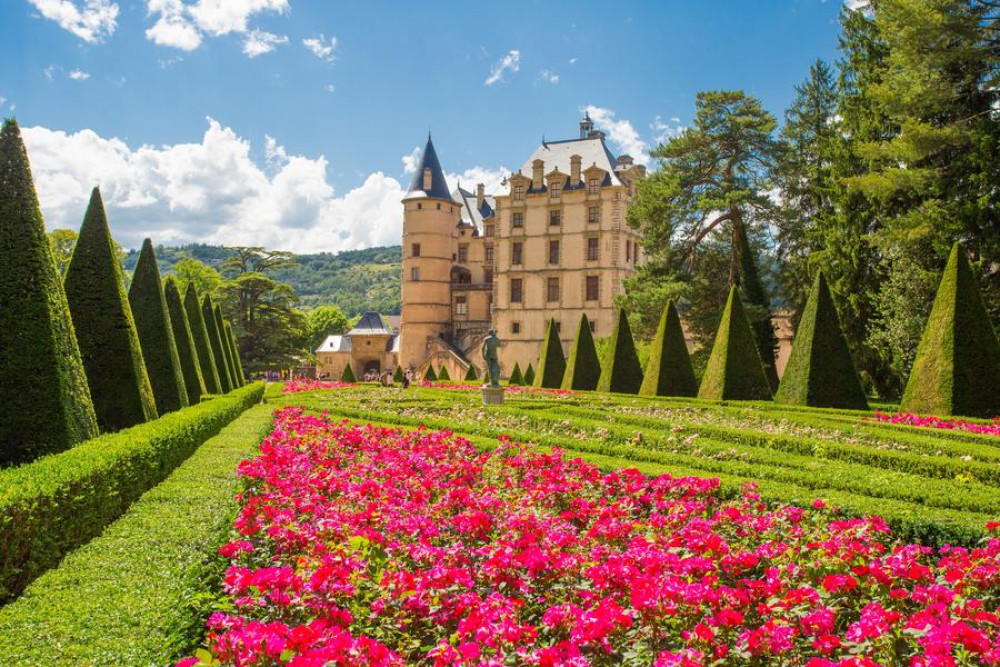
The castle shelters the museum of the French Revolution since 1984. The collections gather pieces of art such as paintings, drawings, sculptures and engravings.On July 21st 1788, the castle of Vizille entered History. The Etats Généraux of the Dauphiné meeting which had been forbade by Grenoble authorities had been thus sheltered by Claude Perrier. Seduced by the liberal ideas, his castle sheltered this meeting. 187 members of the Tiers Etats, 49 clergymen and 159 noblemen deliberated during 16 hours. In demanding the meeting of the Etats généraux this event is considered to have triggered the Revolution. The Salle du jeu de paume which was the witness of this event have burnt during the fire of 1865. Its implantation is now symbolised by a terrace planted with trees at the entrance of the museum.
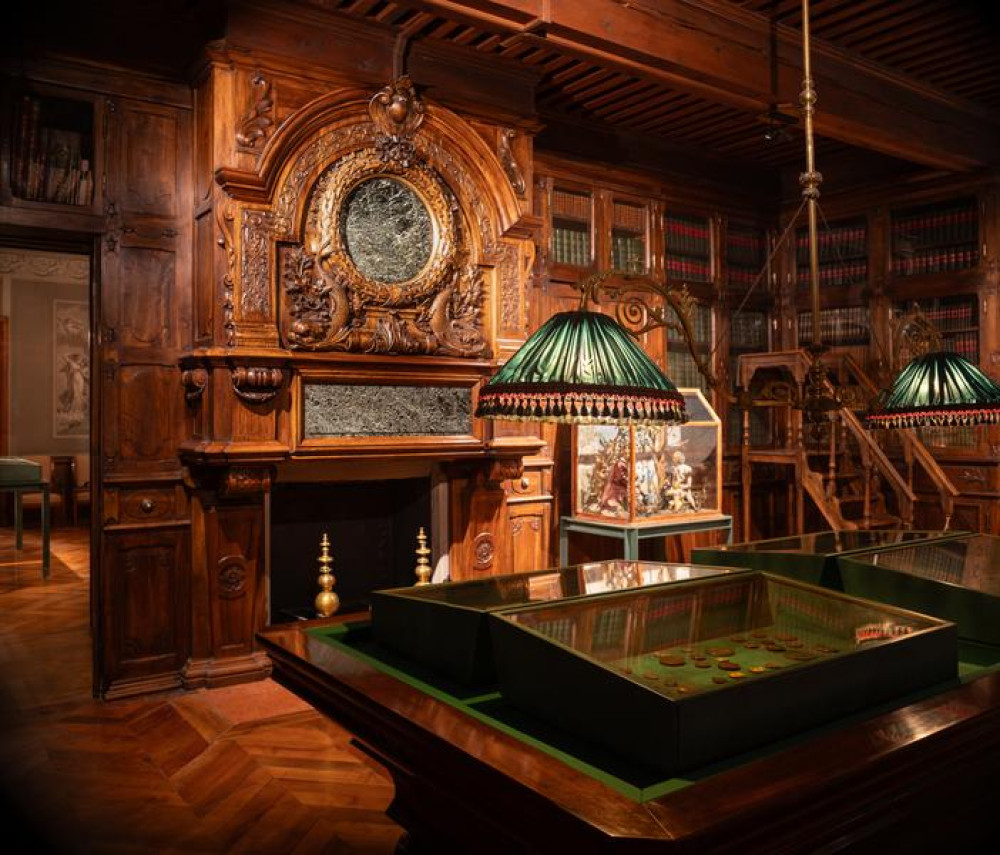
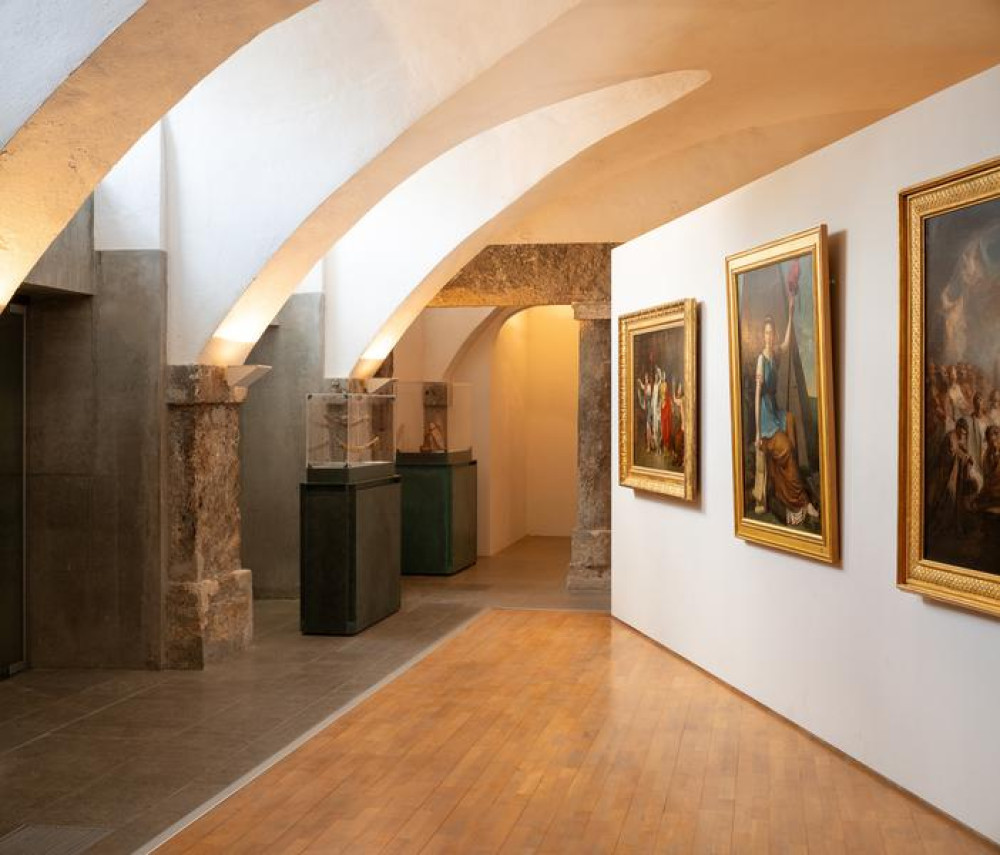
The castle shelters the museum of the French Revolution since 1984. The collections gather pieces of art such as paintings, drawings, sculptures and engravings. One can see figurative piece of art too such as English and French ceramics, tapestries, materials and furniture. But one can also find French and foreign historical pieces such as (stones of the Bastille, swords of the National Guard) dating from the Ancien Régime to the 3rd Republic.
The museum recalls the French Revolution as well as the artistic creation and cultural transformations all around Europe, from the times of the Lumières to Romanticism.
The museum offers to the public an original approach of this period and its myth through evocative pieces which are replaced in their context.
The museum is opened every day except on Tuesdays, from 10 a.m. to 12.30 p.m. And from 1.30 p.m. to 6p.m. from April till October and from 10 a.m to 12.30 p.m and from 1.30 p.m. To 5 p.m from November till March. Closed on public holidays from November till March and on the May 1st . Free entrance and possibility of audio guide .
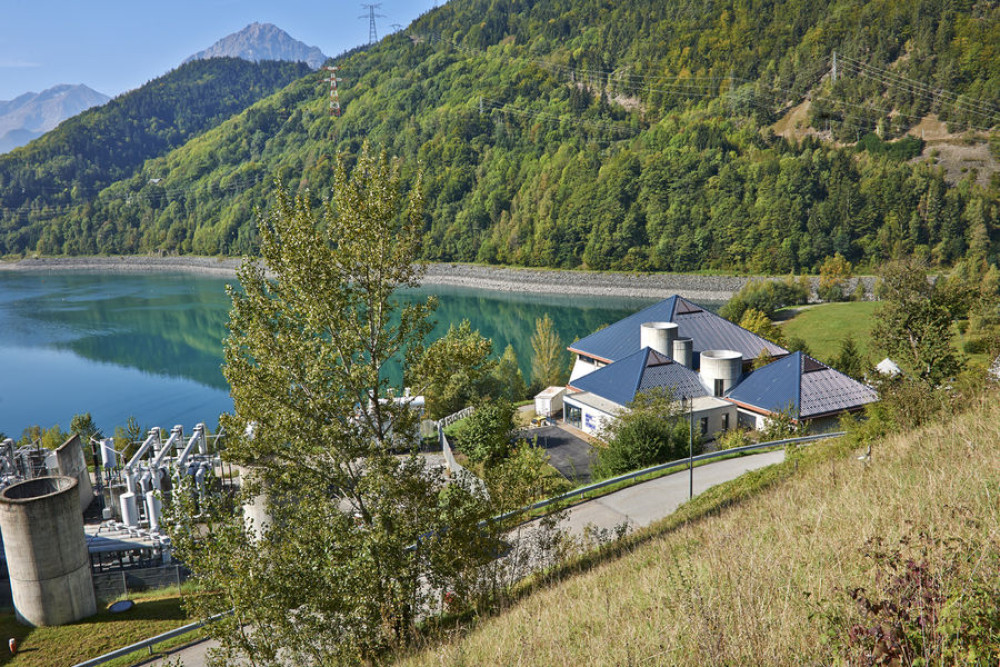
The Musée EDF Hydrélec is the only museum in France dedicated to hydroelectricity. Installed in Oisans, the Musée EDF Hydrélec features a new 900m2 scenographic display that retraces the epic story of the production of hydroelectricity.It pays homage to the scientists, engineers, technicians and manoeuvres that played a role in building the hydroelectric power stations and dams, some of which have become an integral part of our heritage and genuine works of art. Installed in Oisans, in the heart of an area with a long history of hydroelectricity, the Musée EDF Hydrélec has now been awarded the «Musée de France» label. It features a number of unique collections comprising scientific and technical objects from the 19th and 20th centuries.
Member of the "Route of the know-how of the Oisans", he organizes the guided tour "Exceptional electricity" on reservation ..
This establishment offers the E-Bike Service: charge your electric bike here on request (remember to take your charger).
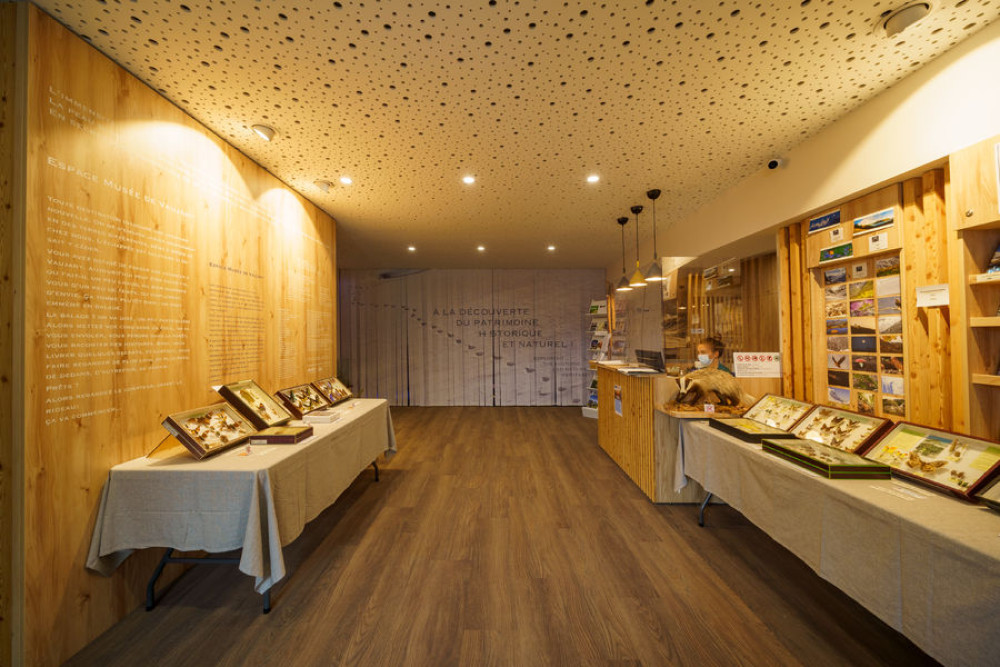
Espace Vaujany Museum will be a traveler, unforeseen, adventurer, discoverer ... You will be pilot, mycologist, snowmaker or musheuse.
You will learn to recognize the animals in their footsteps, the small flowers to their perfumes etc ...It is an immersive space of discovery, discovering nature as historical heritage, discovering great local revolutions as challenges for tomorrow.
Poly sensory, playful, we manipulate a lot of things, we look and we marvel, we learn too, and we play with family, a lot.
It is an "ageless" space for curious souls, an adventure-discovery full of emotions and surprises, actions and sensations, not least!
AND WHAT ARE WE FIND? : A travel!
After a spectacular and sensational arrival in Vaujany, which we will not reveal the content, you will enter no animals ... in the forest.
There, before you venture, you will be given all the keys to reading this territory unique in the world: A multimedia animation will finally allow you to understand the formation of landscapes, and how the geology of Vaujany is exceptional. You will finally understand the movements of the African and European plates. At the origin of the formation of the Alps, the evolution of the reliefs, and in what they are so specific!
An animated model, equipped with small optical theaters, will offer you a scholarly journey in the landscape: you will be told about aiguillettes and streams, ski slopes and all that makes up the landscape.
The adventure can then begin.
An immersive walk in the forest will allow you to discover all that composes it:
- Wildlife: you will finally learn who lives where, depending on the environment or altitude,
- The flora: an immense interactive herbarium will help you to recognize the flowers that you encounter during your walks, those hidden under your skis in winter and that delight the spring here and full boxes will reveal the secrets of pharmacopoeia as the recipe of Génépi or the spice jam of the peaks,
- Mycology: you will become a savvy picker or an outstanding cook,
- In the forest you can also have fun to recognize the footprints of the animals, the song of the Tetra Lyre or the grunt of the wild boar.
Even the secret breathing of the trees will be revealed to you !!!
A moment of pure scientific magic!
The whole bathed in an extremely stenographic environment which, thanks to a deployment of immersive technologies, will make you live a real spectacle.
Your walk will also lead you to meet the men and women who made and do Vaujany:
Hidden in little magic boxes that will reveal their secrets, you will find the past life, with stories of elders, the enmontagnement and the first school ringtones, you hear the hawkers pass and we will remind you all the small trades that we used to practice here ...
You will then switch to Vaujany today: an unspoilt village, its rules of urban planning and its construction bias, a tourist resort, its offers and its orientations.
It is also where you will be unveiled the big companies or the small gestures of a daily mountain, whether to limit the risks of avalanche or to preserve the roads, you will find all the techniques and the new professions (what does a snowmaker really do, what is the life of a musheuse, etc.), through videos and interviews with inhabitants, technicians, ... enthusiasts!
Finally, you will find all the local entertainment here, our parties and balls, and all that makes the charm of life in Vaujany.
You will then be able to stick to the stakes of development and of the future, and after having acquired the mastery of the data of historical evolution, you exercise with the political and strategic decision-making: three "interactive walls" will allow you to approach the big ones contemporary challenges, and practice territory politics, or simply measure the impact of your own behavior.
You will then come out of the enchanted and learned forest, and you can resume ... the way of the airs.
Because to close this magnificent course, we decided to install a real professional flight simulator, which will give you the exceptional opportunity to learn the piloting of an aircraft flying over Vaujany and its surroundings: attention, possible crash !
Group visits by prior arrangement.
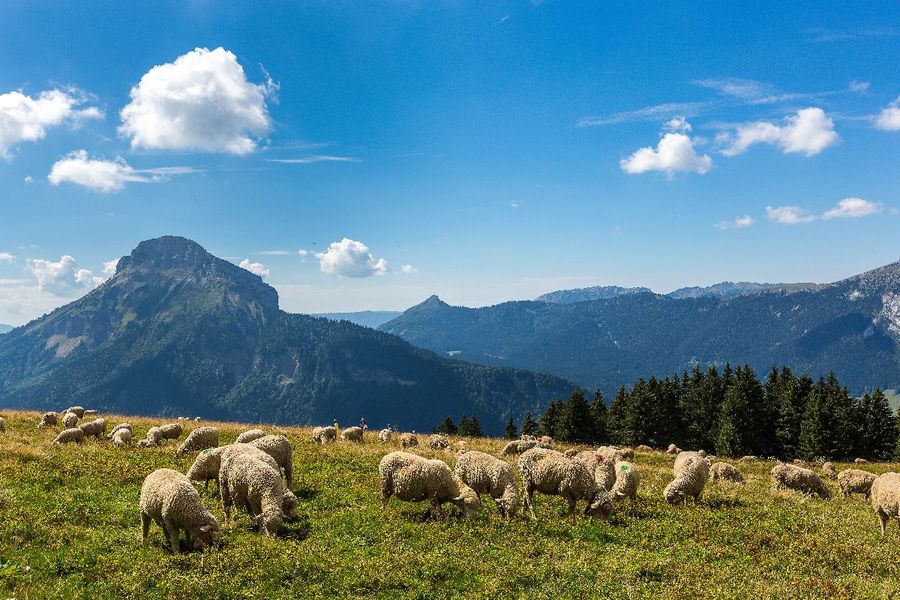
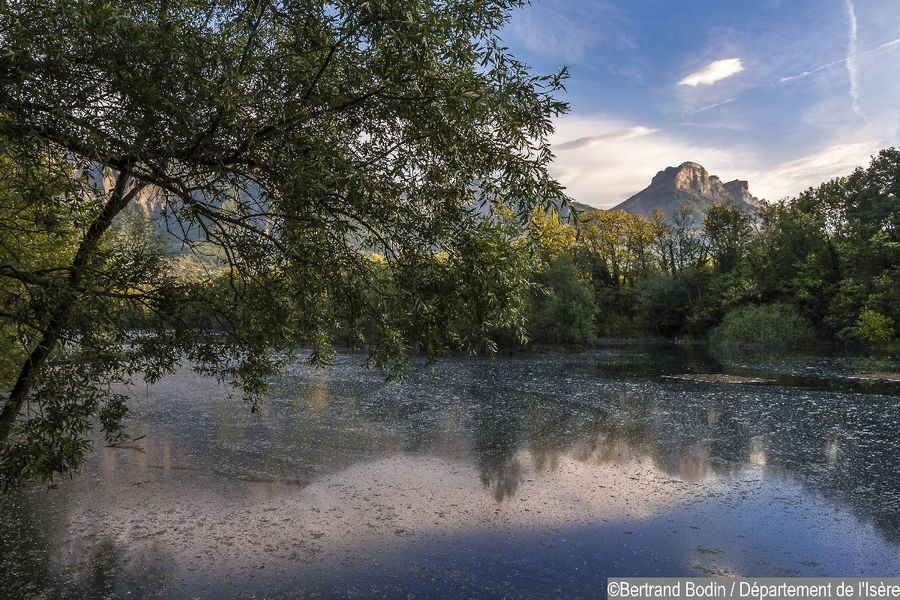
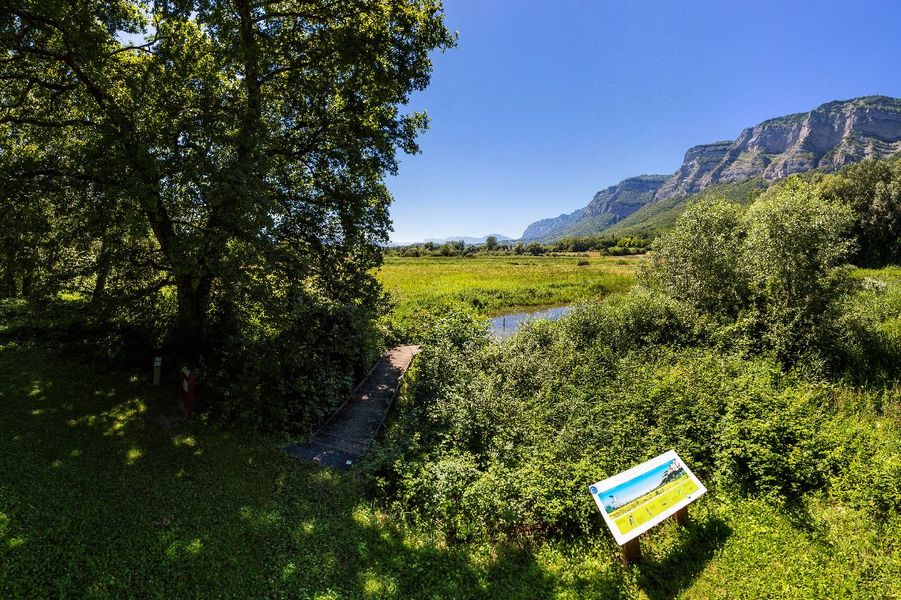

The site is composed of the catchment area of Lake Achard, as well as the valley and the vast peaty plateau of Arselle, which are crossed by the Salinière stream. This site has been included in the Natura 2000 (Europe) and ENS* (Department) networks.Because of the peat bog that makes up the plateau, and its landscape, botanical and faunistic interest, the Arselle plateau is a natural area protected by an arrêté préfectoral de protection de biotope since 2019. The aim of this decree is to preserve the site and the plant and animal species present.
This peat bog is of a particular type, as it forms on acidic soils. Few plant species can colonize this environment (e.g. sphagnum moss, cattail and common butterwort). Droséra and Grassette are carnivorous species. These flowers feed on insects that provide them with the nitrogen they can't find in this poor soil. They capture the insects and digest them using enzymes contained in the viscous droplets they secrete.
Similarly, the forest, wetland and rocky habitats in the Lac Achard watershed and in the Vallon de la Salinière are home to a wealth of heritage flora and fauna, which led to an extension of the ENS perimeter, in order to preserve them in the face of increasing visitor numbers.
The site is home to many protected species: the Arctic cordillera (dragonfly), Vandeli's androsacea (flower), Frog orchid, Alpine newt (amphibian), Bearded vulture (bird), Alpine ibex, Schreibers miniopter (bat), and more.
Take to the trails to discover these rare and sensitive environments, accompanied by local guides: Bureau des Guides de Chamrousse and Belledonne en marche.
? Please note: burning, camping, fishing and swimming are strictly forbidden (under penalty of fine). Bivouacs are permitted on Lac Achard from sunset to sunrise (except from early May to late October + Infernet area) and strictly forbidden on the Arselle plateau. Please stay on the paths to preserve the fragile environment (the Arselle peat bog is classified as an APPB - Arrêtés Préfectoraux de Protection Biotope - and it is forbidden to go onto the plateau off the path).

 Isère Outdoor - Trace - GR® 738 - Belledonne journey