




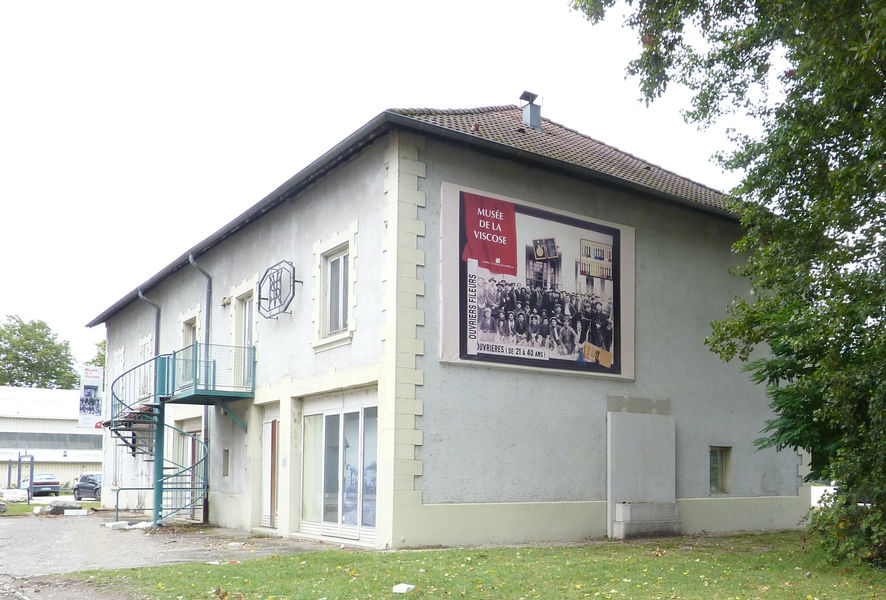
On an old industrial site, 60 years of viscose history is told: the invention of artificial silk, the manufacturing process, the work in the factory, the life of the factory workers in the industrial housing complexes."The viscose was above all, a huge factory, with its tall chimney, like a lighthouse. But it was also the country just outside the city, a veritable village with the factory workers' gardens, its little dances, and its Sunday dresses." The history of the Grenoble factory, in operation from 1927 to 1989.
The invention:
How could thread so fine, so soft, so brilliant, and so solid as silk be artificially produced? In 1884, in north Isere, in Vernay de charrette, the count Hilaire de Chardonnet created the first artificial textile in the world, imitating silk thread. Manufactured using wood pulp, viscose would become an important industrial product. Until the 1950s, viscose was everywhere: in ready to wear clothes, in lingerie, in furniture, even in tires. Starting in 1950, synthetic textiles began appearing, leading to the decline of artificial silk.
The industrial adventure:
From wood pulp to the finished thread, the ground floor of the museum brings to life the movements and the tasks of the viscose worker. The manufacturing line is recreated. The soaking of the wood pulp in soda, its grinding and mixing with carbon sulfur and finally its dissolving in soda water, which gives the material its amber color and honey-like consistence. The museum shows how the viscose was threaded, how it was wound, and how the meticulous inventory of threads was carried out, and how it was stored.
The human adventure:
The second floor of the museum retraces the history of the factory workers, their work, their living quarters, their strikes, leisure activities, team sports, their Resistance and Liberation. When the factory opened in 1927, Echirolles was a country village of 800 souls. The management looked to foreign countries to make up nearly its entire workforce. Close to 40 nationalities (Hungarians, Pollacks, Italians, Armenians, Russians, Yugoslavians, Portuguese, Algerians, Turks, etc.) lived together in the viscose industrial city. Co-workers and partners in everyday life, they shared the hard conditions of factory life and the relaxed ambiance of Sunday sports.Period of opening : All year round, daily.Prices : Free of charge.
Access : Bus line 1 stop Viscose
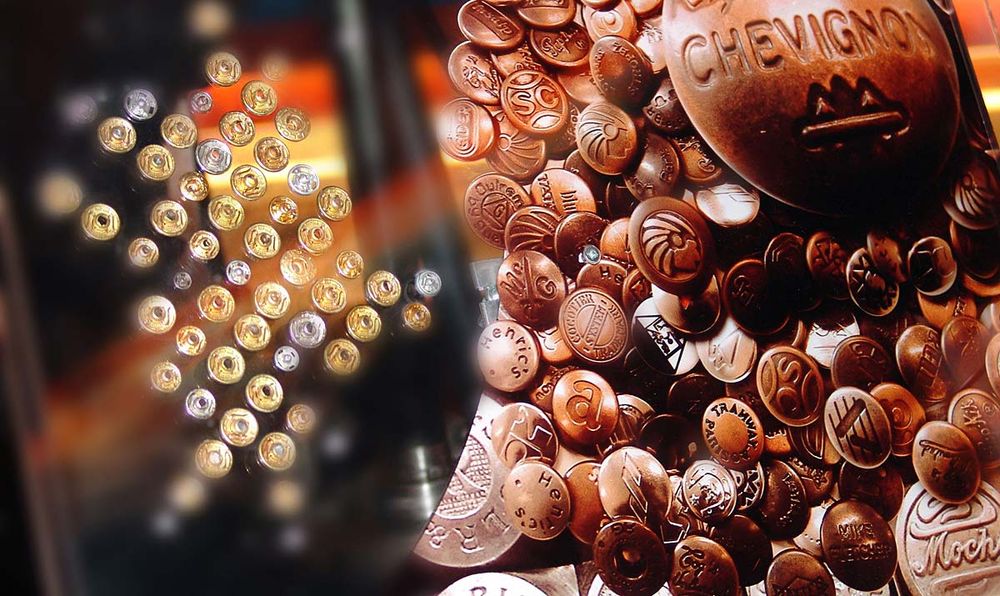
The Museum of Industrial Innovation tells more than just the history of a family company which has grown into a multinational enterprise. Very innovating, it offers you an experimental, playful and peculiar course which recounts the remarkable times of French Industry.The A. Raymond company (Raymond-Bouton for long time Grenoble natives) has become an international group, and number one in certain bindings markets, notably in the automobile industry.
The time was that of prosperity, and while many workshops on the cours Berriat were moving out to new locations, the directors chose to create a company museum.
Heritage technicians, accustomed to preservation requests after a company has closed, saluted the effort to bring history to life while the company was continuing to prosper!
On the site where the company was founded 140 years ago by the first A. Raymon (Albert-Pierre) when the cours Berriat was rhythmed by factory life, the new museum offers an original scenography, which involves all the senses and focuses on the history of the family company, still under control of A. Raymond (today Antoine, who succeeded Alain). Part of the presentation is dedicated to industrial innovations that led the group to impose itself as the dominant player in its field, as well as to recent products.Period of opening : From 01/09 to 30/06, 1st Wednesday and 3rd Wednesday of the month.
Closed exceptionally on January 1st, May 1st and December 25th.
Access : Tramway A stop Berriat Magasin
 Isère Outdoor - Trace - La ferme Durand en traversée

