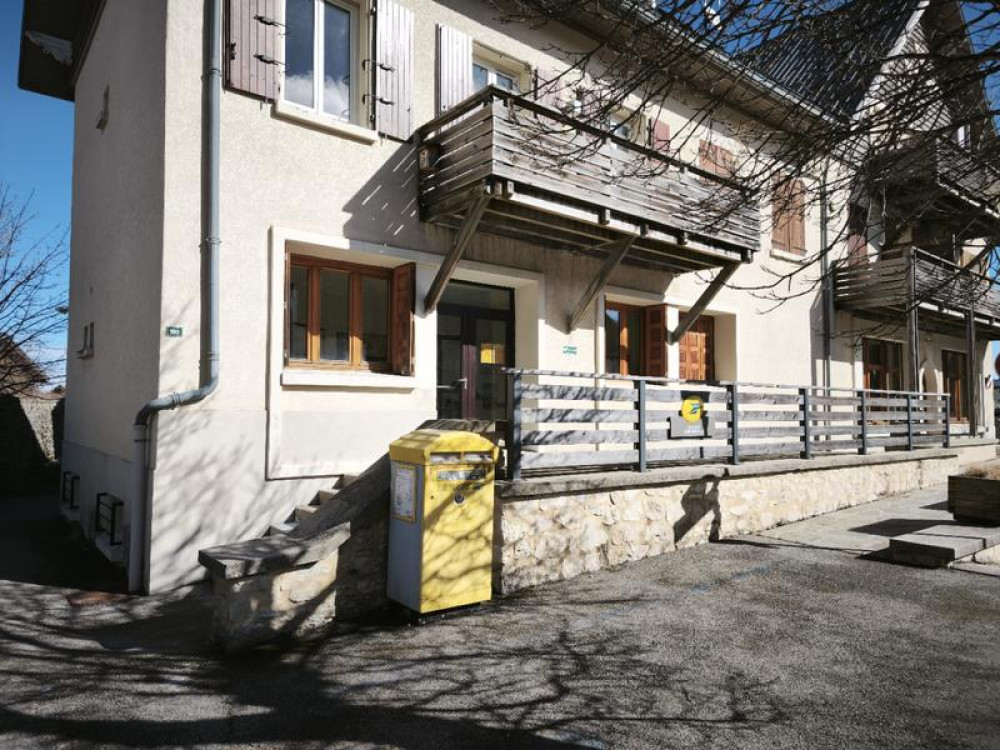
Reception and tourist information point.
Relay station.
Showroom dedicated to the Resistance in Vercors.



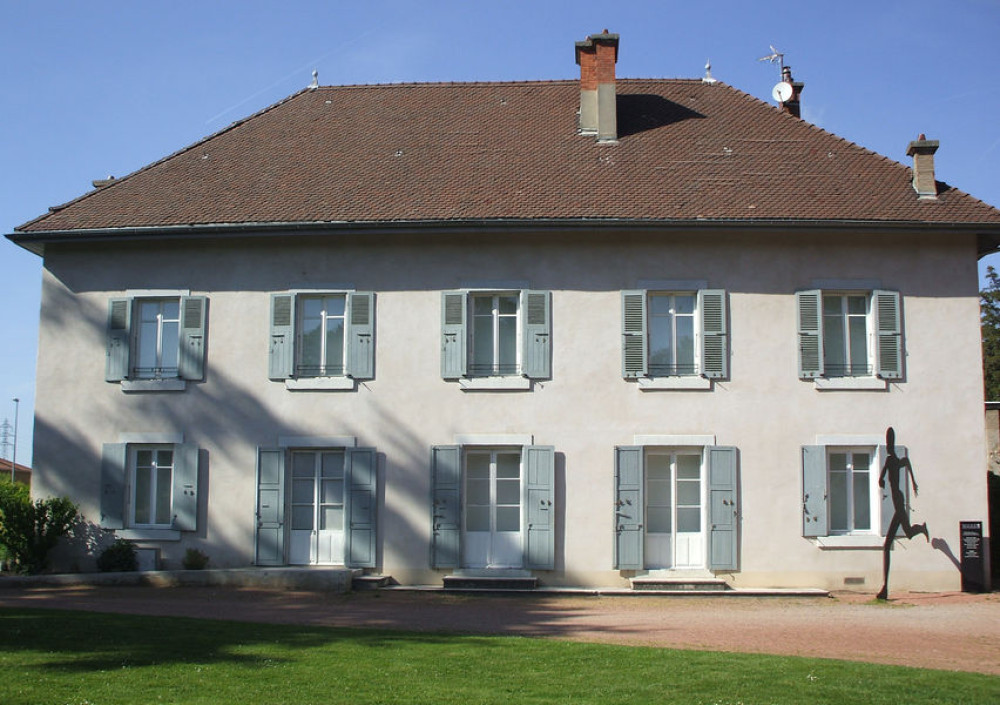
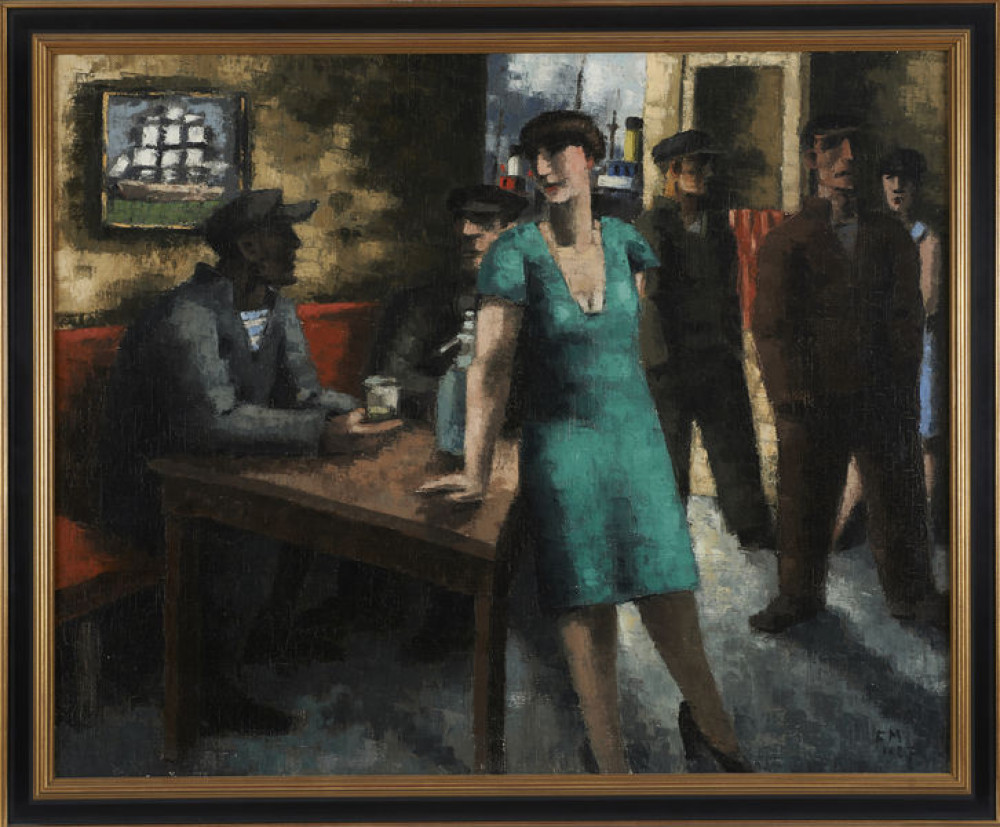
Este museo nació del encuentro entre el deporte, el arte y la literatura. Valorando la donación Géo-Charles, el museo se mantiene fiel a su espíritu, cerca del arte contemporáneo y de su audacia.The Géo-Charles Museum aims at enhancing the links between sport and art, through the heritage provided by the donation, as well as through the acquiered pieces of works and temporary exhibits on the subjects of sports or contemporary art.
The city of Echirolles acquired this house in 1982, which once belonged to the viscose company, and transformed it into a sports culture and contemporary art museum.
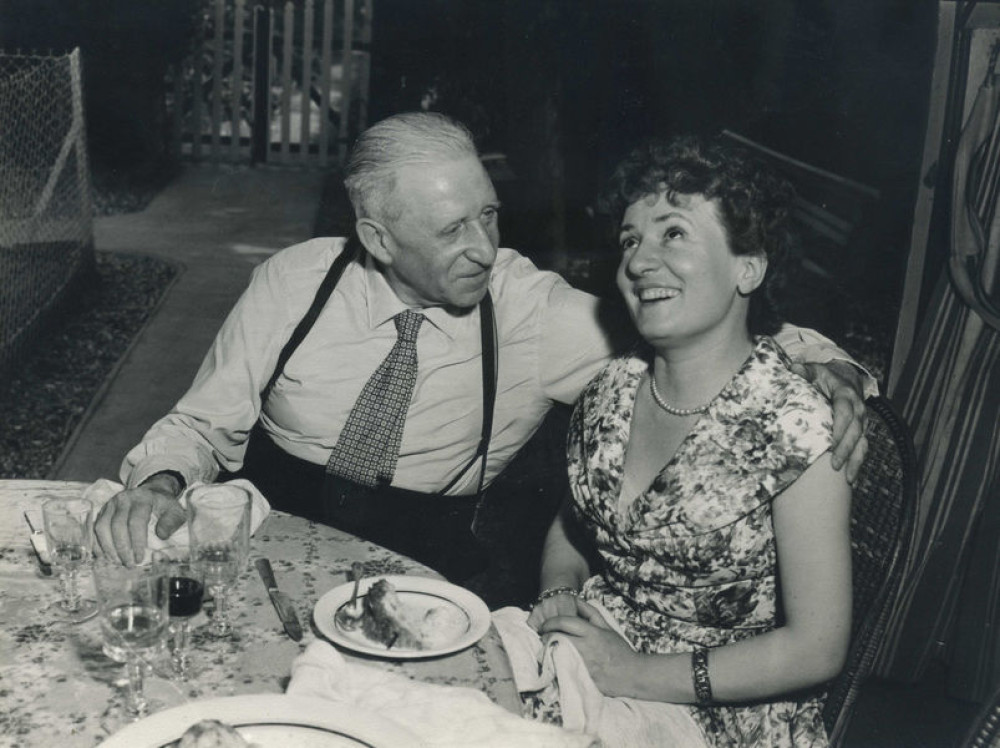
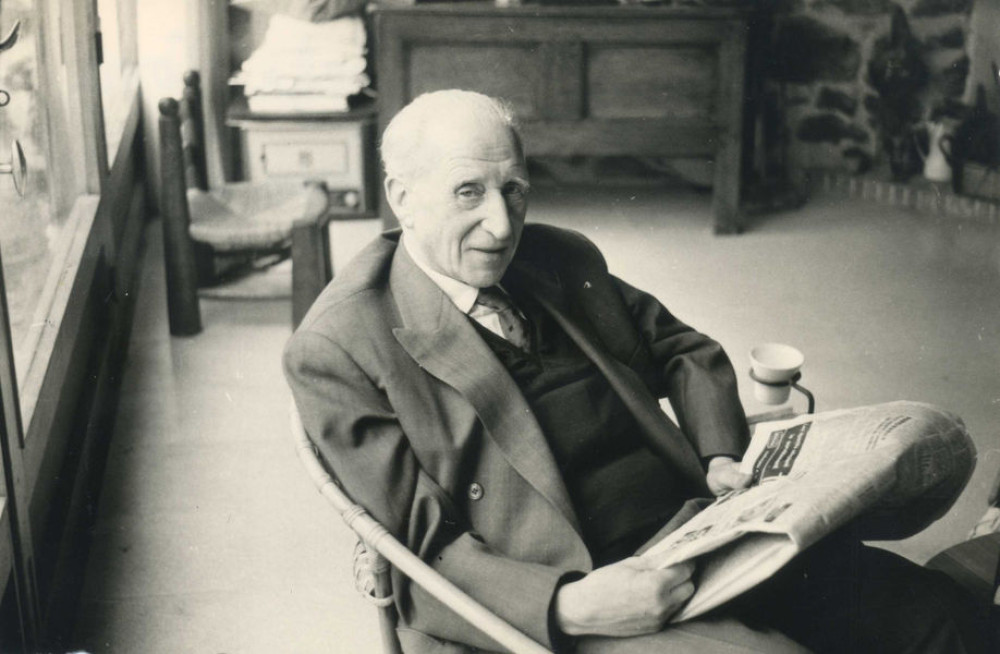
As a Museum of France, it houses the archives and collections donated by Madame Lucienne Géo-Charles. This heritage makes up a unique 20th century collection of artistic, athletic, and literary treasures, as well as contemporary art works, creating a singular museum at the crossroads of several disciplines.
The museum's collections bring together the acquisitions of a selective collector from the first half of the 20th century, with an inclination for the avant-garde style of the Paris school.
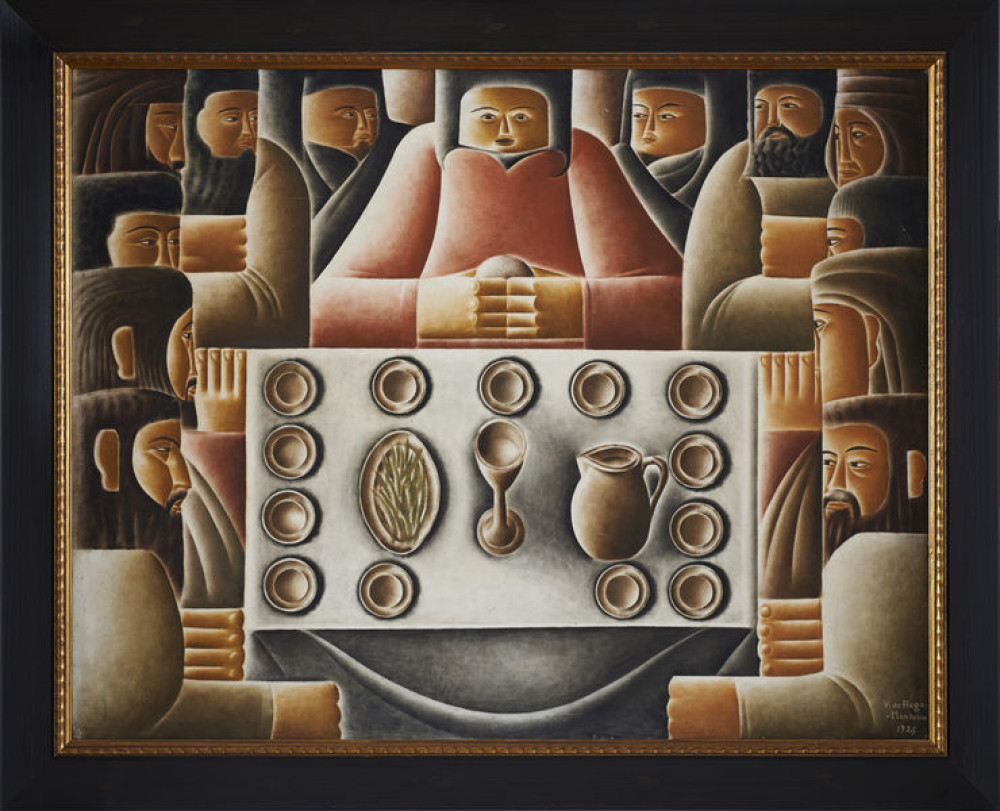
Made up of an ensemble of paintings, sculptures, drawings, and engravings from artists like Derain, Delauney, Léger, Lhote, Masereel, Metzinger, Monteiro, Reth, and Survage, the collection illustrates the sports themed modern art of the period.
The renovation of the museum in 2000 allowed for the assembly of the permanent collection made up of donations by Géo-Charles, a pioneer in athletic art.
The Géo-Charles museum is also a center for contemporary art and hosts temporary exhibits.
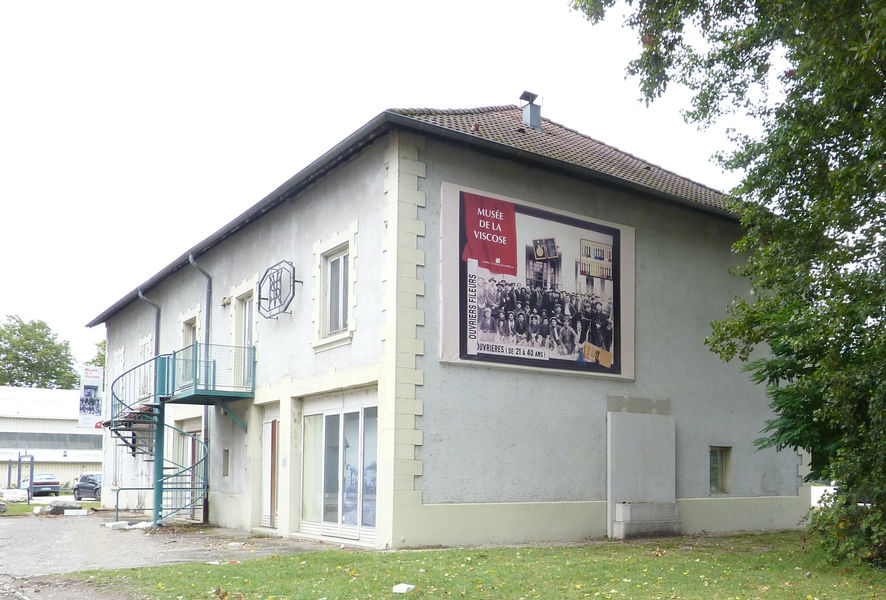
On an old industrial site, 60 years of viscose history is told: the invention of artificial silk, the manufacturing process, the work in the factory, the life of the factory workers in the industrial housing complexes."The viscose was above all, a huge factory, with its tall chimney, like a lighthouse. But it was also the country just outside the city, a veritable village with the factory workers' gardens, its little dances, and its Sunday dresses." The history of the Grenoble factory, in operation from 1927 to 1989.
The invention:
How could thread so fine, so soft, so brilliant, and so solid as silk be artificially produced? In 1884, in north Isere, in Vernay de charrette, the count Hilaire de Chardonnet created the first artificial textile in the world, imitating silk thread. Manufactured using wood pulp, viscose would become an important industrial product. Until the 1950s, viscose was everywhere: in ready to wear clothes, in lingerie, in furniture, even in tires. Starting in 1950, synthetic textiles began appearing, leading to the decline of artificial silk.
The industrial adventure:
From wood pulp to the finished thread, the ground floor of the museum brings to life the movements and the tasks of the viscose worker. The manufacturing line is recreated. The soaking of the wood pulp in soda, its grinding and mixing with carbon sulfur and finally its dissolving in soda water, which gives the material its amber color and honey-like consistence. The museum shows how the viscose was threaded, how it was wound, and how the meticulous inventory of threads was carried out, and how it was stored.
The human adventure:
The second floor of the museum retraces the history of the factory workers, their work, their living quarters, their strikes, leisure activities, team sports, their Resistance and Liberation. When the factory opened in 1927, Echirolles was a country village of 800 souls. The management looked to foreign countries to make up nearly its entire workforce. Close to 40 nationalities (Hungarians, Pollacks, Italians, Armenians, Russians, Yugoslavians, Portuguese, Algerians, Turks, etc.) lived together in the viscose industrial city. Co-workers and partners in everyday life, they shared the hard conditions of factory life and the relaxed ambiance of Sunday sports.Period of opening : All year round, daily.Prices : Free of charge.
Access : Bus line 1 stop Viscose
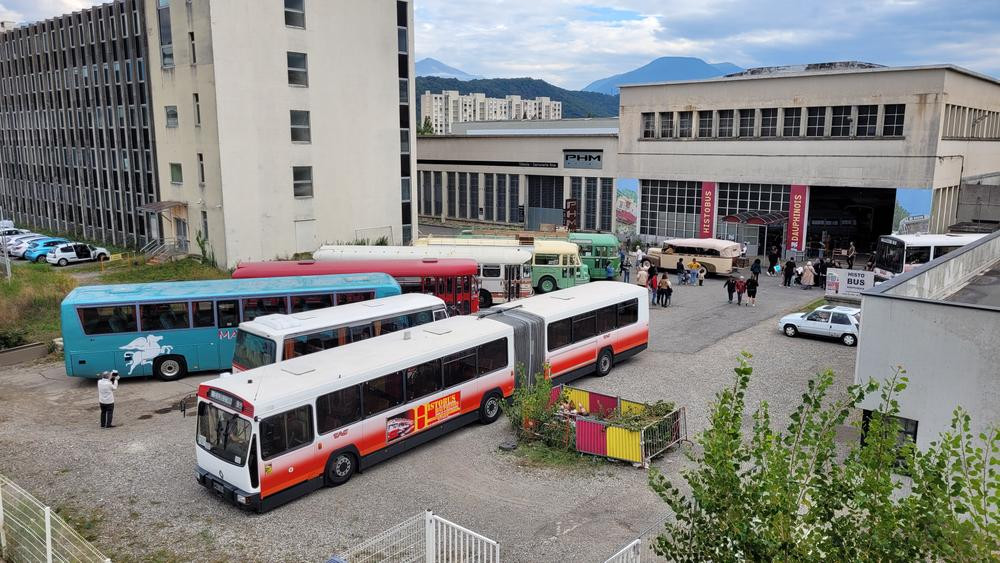
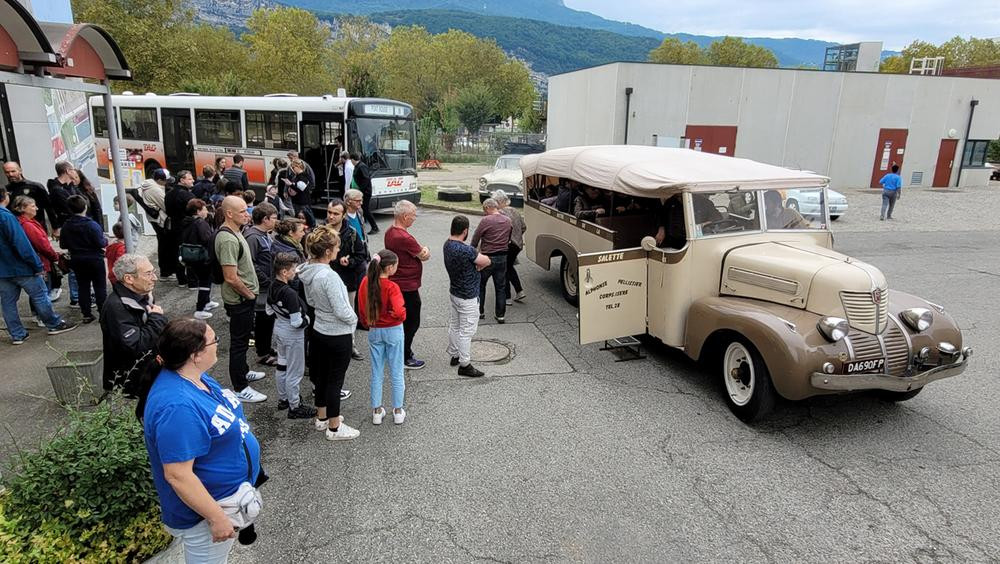
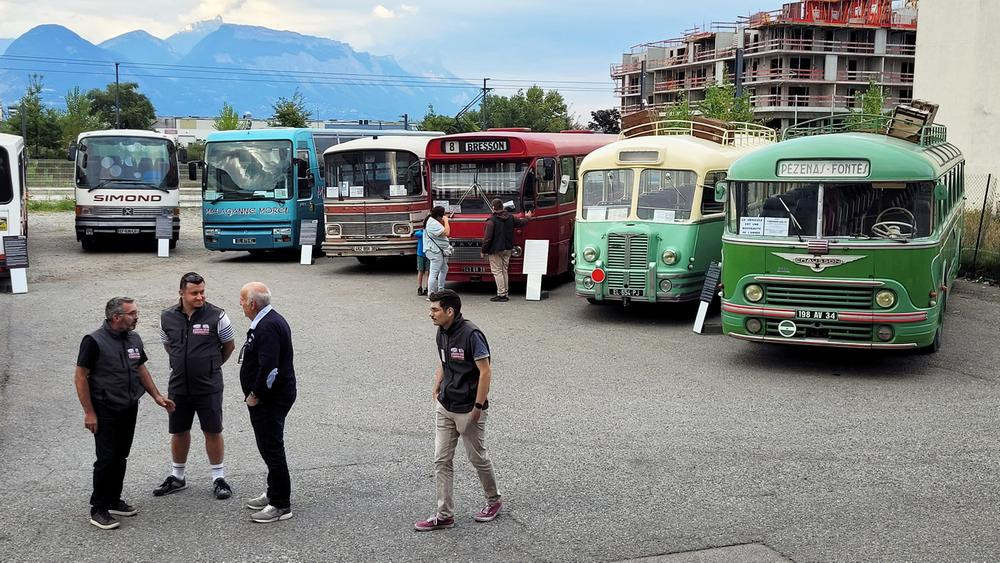
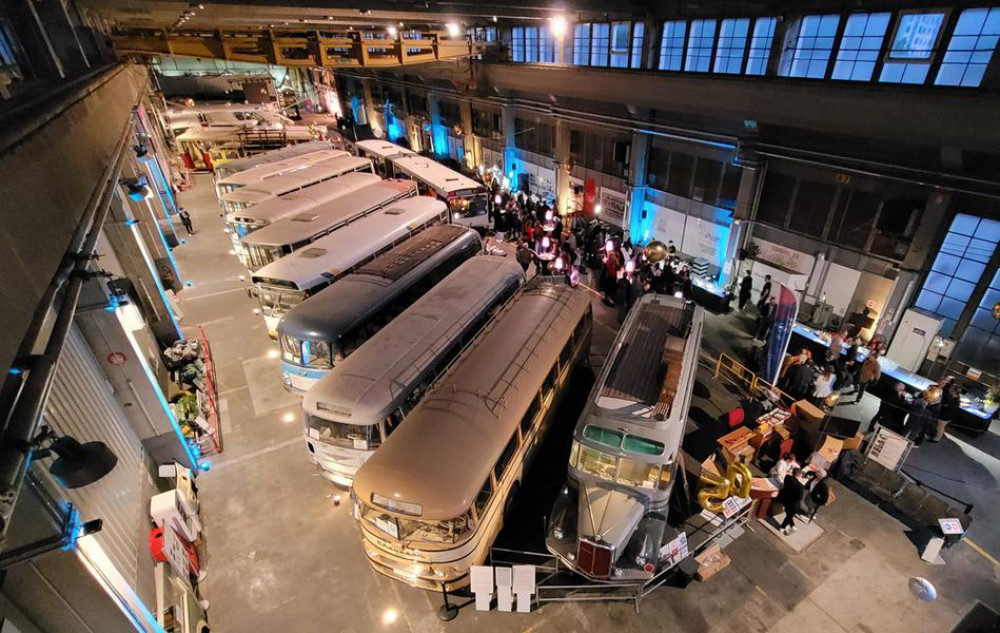
Through a collection of 40 vehicles: char-à-bancs, coaches, buses, articulated buses, midibuses, trolleybuses, diesel and electric engines and numerous accessories and posters, the museum presents our public transport from 1865 to 2020.Also on display is a 23 m-long model of the La Mure railway.
A ride in coaches and buses dating from the 1930s to the 1990s is possible during our museum's open days: Nuit Européenne des Musées / Musées en Fête en Isère (3rd weekend in May) and the Journées Européennes du Patrimoine (3rd weekend in September).
Relive the history of public transport in the Dauphiné!
This is one of the very first French sites devoted to streetcars, buses, trolleybuses and coaches.
The Espace Histo Bus Dauphinois features :
> 40 vehicles: char-à-bancs, coaches, buses, articulated buses, midibuses and trolleybuses that operated in the Grenoble region and Isère département between 1939 and 2020;
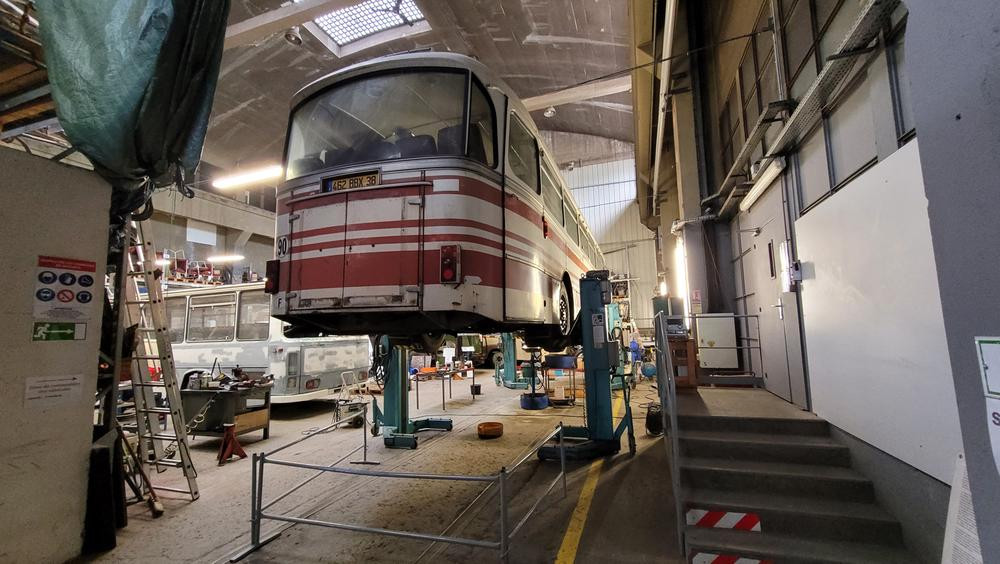
> Engines, gearboxes and mechanical components that have equipped vehicles since 1940;
> An area devoted to ancient and modern tramways, with models;
> A room dedicated to the Train de la Mure: a large model representing the line's characteristic sites, and a giant diorama of a locomotive;
> An evocation of regional manufacturers (Berliet, Saviem and Belle-Clot) and also of Cars Chausson (factories in the Paris region).

This is one of the few wetlands in the Vercors massif: essentially limestone, it is not conducive to this type of site. The site contains a precious ecosystem with rare plant and animal species.At an altitude of 1,000 meters in the Vercors, the Peuil peat bog overlooks the 60-hectare commune of Claix. On the cliffside, 400 species of flowers thrive in the cool soil, including Grande Astrance and Drosera, an insectivorous plant. The fauna is highly varied, and if you're discreet, you may catch a glimpse of the peony bullfinch, the agile frog, the palmate newt or the depressed dragonfly.
 Isère Outdoor - Trace - The rock of Comboire - Family walk