With its head in the mountains, and yet very close to Grenoble, Uriage is a spa resort in the Belledonne Range, whose splendid park has managed to keep the "belle époque" atmosphere.Welcome to Uriage-les-Bains! Looking to recharge your batteries, relax or simply get away from daily stress? You have come to the right place. Located near Grenoble, Uriage-les-Bains offers an enchanted interlude, where nature, well-being and heritage blend harmoniously. Let yourself be seduced by the charm of our town and discover all it has to offer.
The Tourist Office team will help you discover this mid-mountain village, which has a preserved natural environment surrounded by forest, promising some great walks!
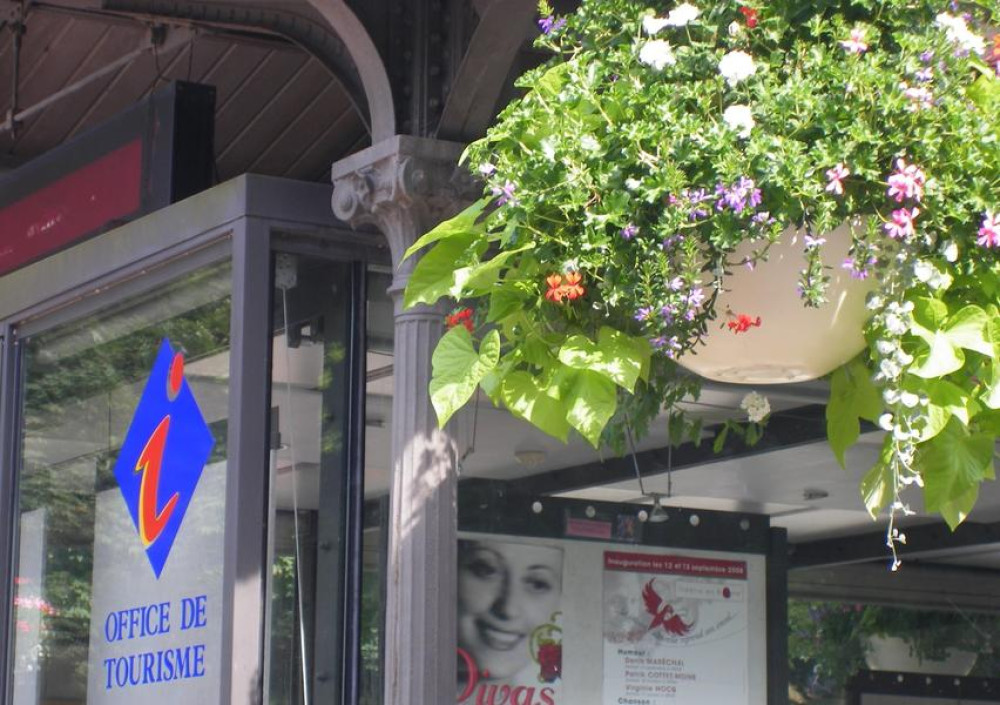
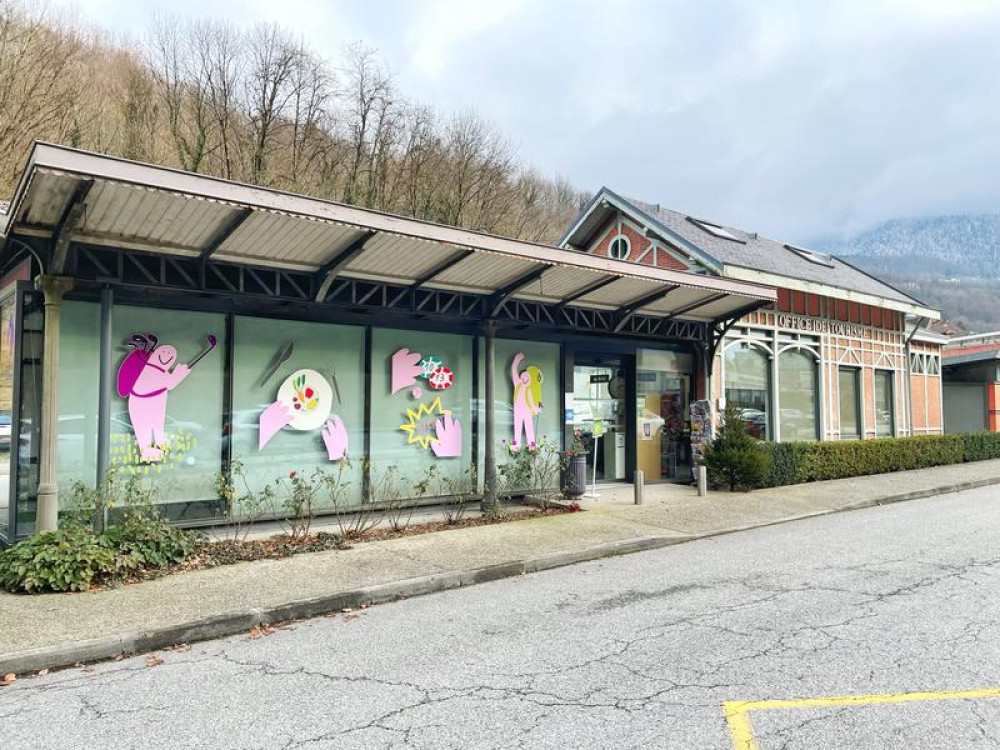
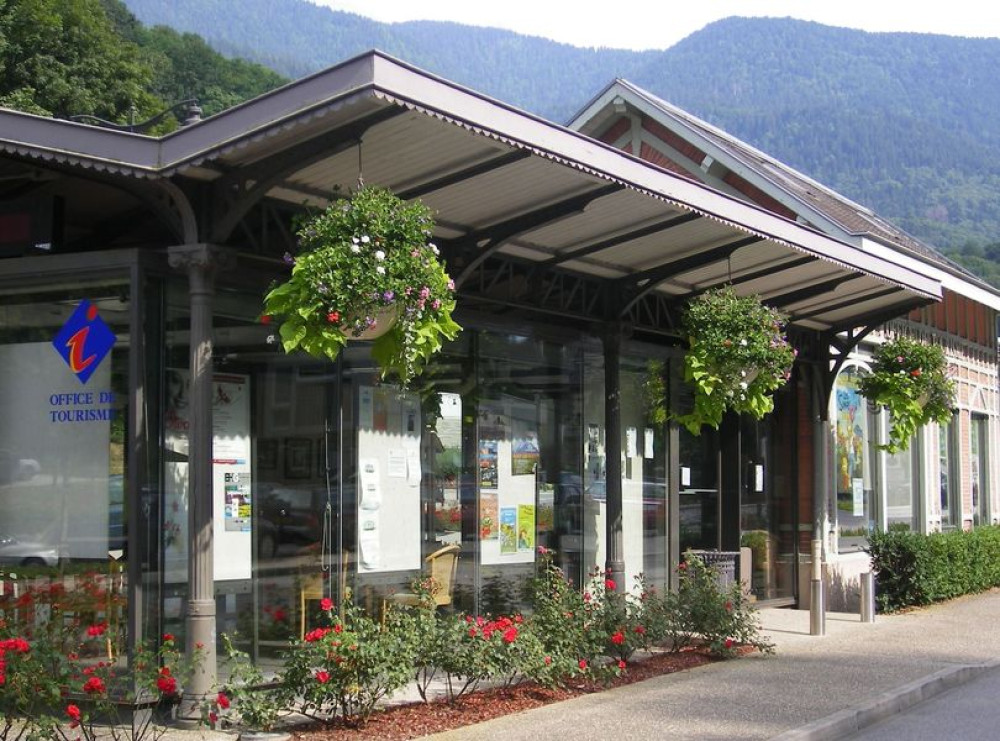
Our office are located in the Voies ferrées du Dauphiné (VFD) railway station, a witness to the spa's rich past.
Since 1995, restored and refurbished as a tourist office, it continues to welcome visitors and bear witness to the town's rich past.



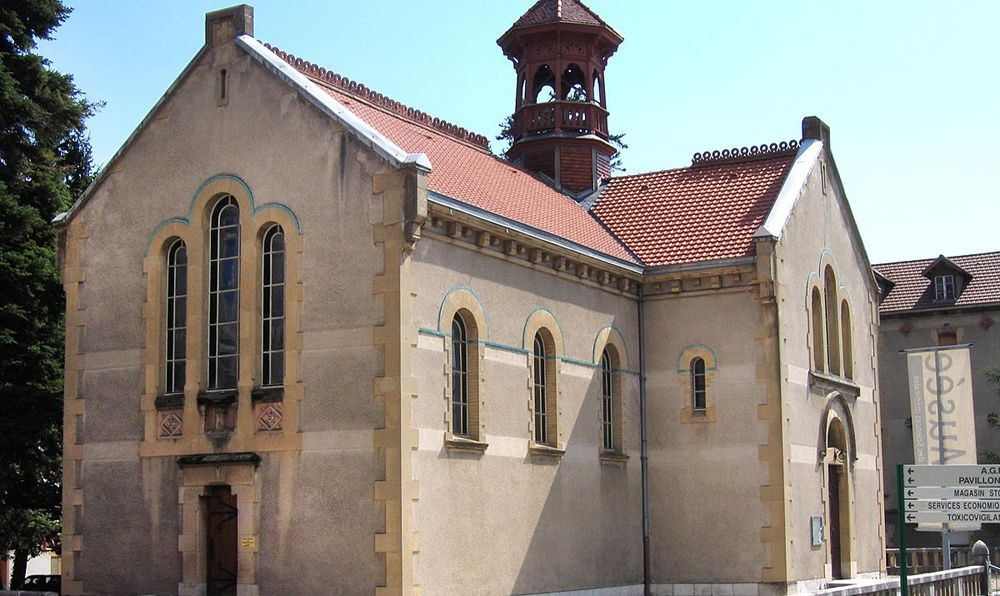
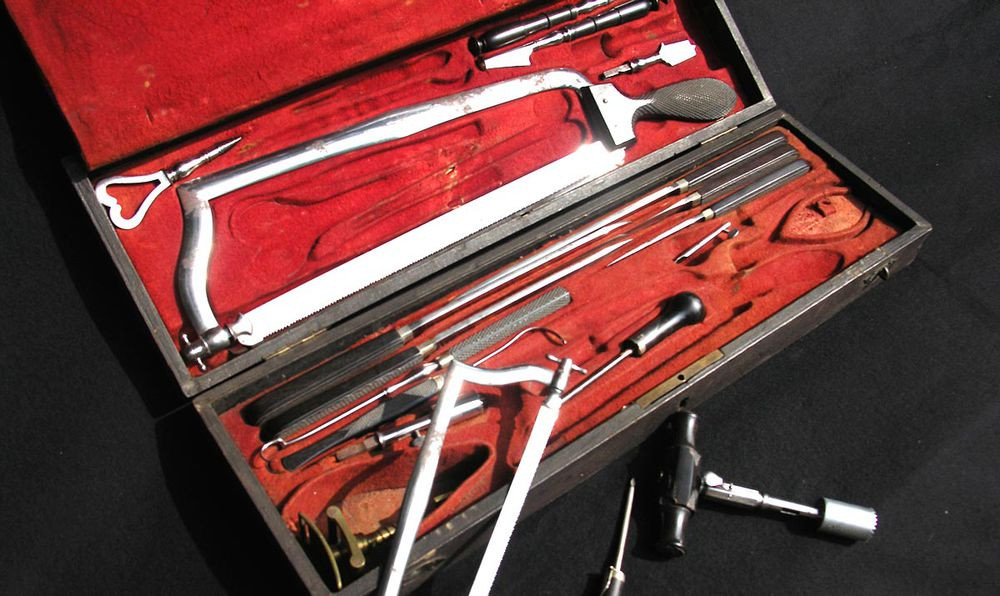
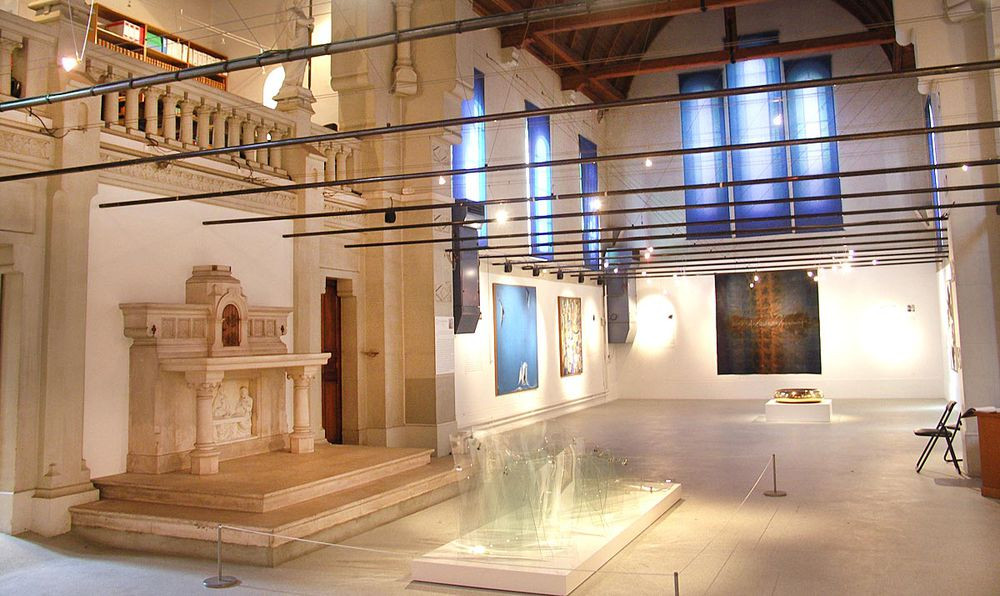
Medical sciences museum of Grenoble was created in 1992 thanks to the initiative of several hospital decision makers concerned about preserving the history of their institution.The preservantion of the hospital's heritage, undertaken by many hospital workers long before the creation of the association, is a field in which the CHU of Grenoble invests itself fully, thus opening its doors in partly to the cultural sphere. A building filled with history was made available to the Grenoble Museum of Medical Science at the northern hospital--the old chapel of Tuberculosis victims, also called the Chapel of the Asylum for the Aged, named for the ensemble of pavillons in which it is located. Today, the geographic situation and the theme of the museum make it an unusual site at the heart of the hospital where ideas can come together and debates can take place. One of the hospital's objectives and one of the museum's missions is to showcase the hospitals rich collection, but also to change mentalities and do away with preconceived notions, making the hospital a place just like any other. Basically, it's all about showing what the hospital once was, what it is today, at the same time much like other hospitals and specific thanks to its location in Grenoble.
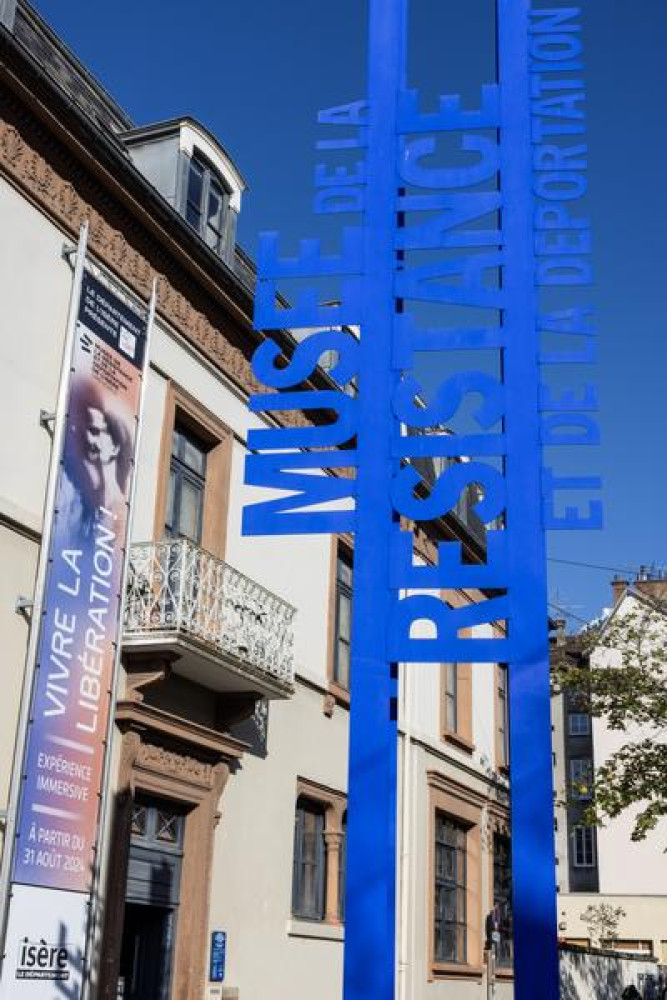
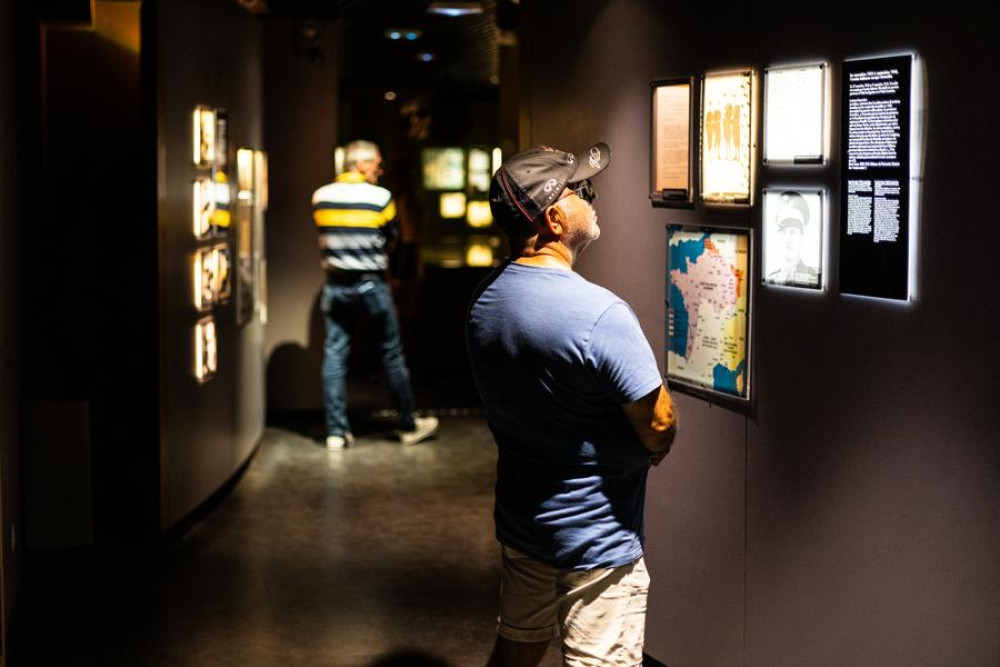
The Resistance and Deportation Museum is designed to be a true history museum.
The Resistance and deportation are approached through local history, the people, and the episodes that took place.The Resistance and Deportation Museum is designed to be a true history museum, even if it also serves as a memorial site. The Resistance and deportation are approached through local history, the people, and the episodes that took place.
Six main themes are developed inside the museum:
-The beginning of the Resistance, a pivotal moment for Grenoble. Few French cities saw resistance movements grow in as many groups and situations as Grenoble did.
-The resistance fighters and their preponderant position in the Isere department, from 1943 on. They all communicated via Grenoble, which was thus baptized “capital of the resistance fighters.”
-The situation of Grenoble’s and Isere’s Jewish population, from the 1930s to the time of the German occupation.
-The violent repression that struck the directors of the main resistant movements, especially at the end of 1943, during what is called the “Grenoble Saint Barthelemy,” and the deportation which revealed the monstrosity of Nazi logic.
-The Liberation and the role of the Departmental Committee of National Liberation, born out of the “Monaco” meeting, where the representatives of the Resistance decided to rally their actions around the values of the French Republic.
-Current resistance movements, because today, the Nazi ideology has yet to completely disappear and many countries suffer from totalitarian or terrorist regimes.
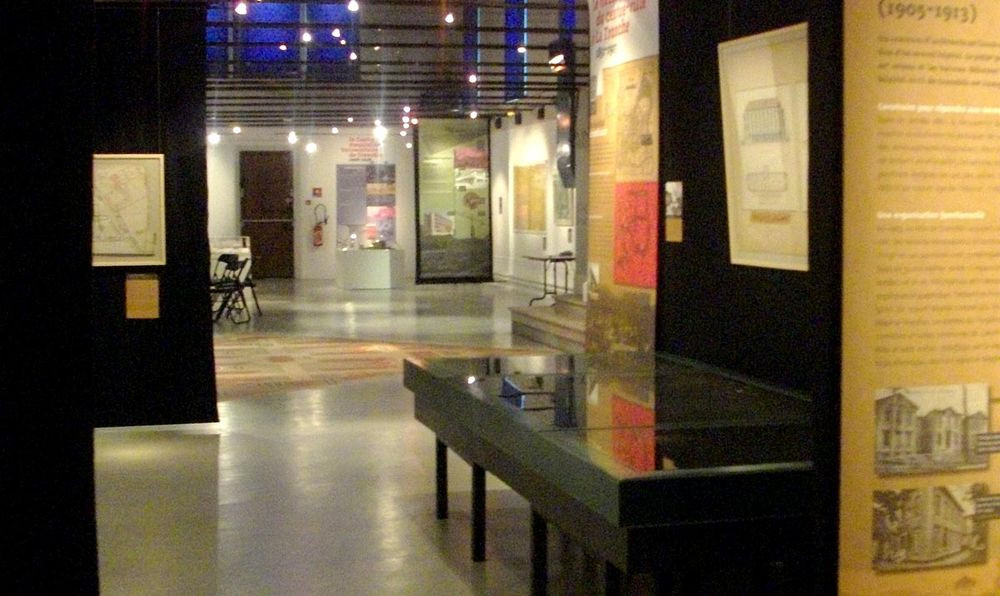
The visit, which follows the chronology of events, is divided between the museum’s three levels.
- On the first floor: a first sequence, dedicated to the outbreak and events of the world conflict as they were lived in Grenoble and Isere. An important event from this period: Marshall Pétain’s visit to Grenoble on March 19, 1941. An amateur video from the event recounts the important moments.
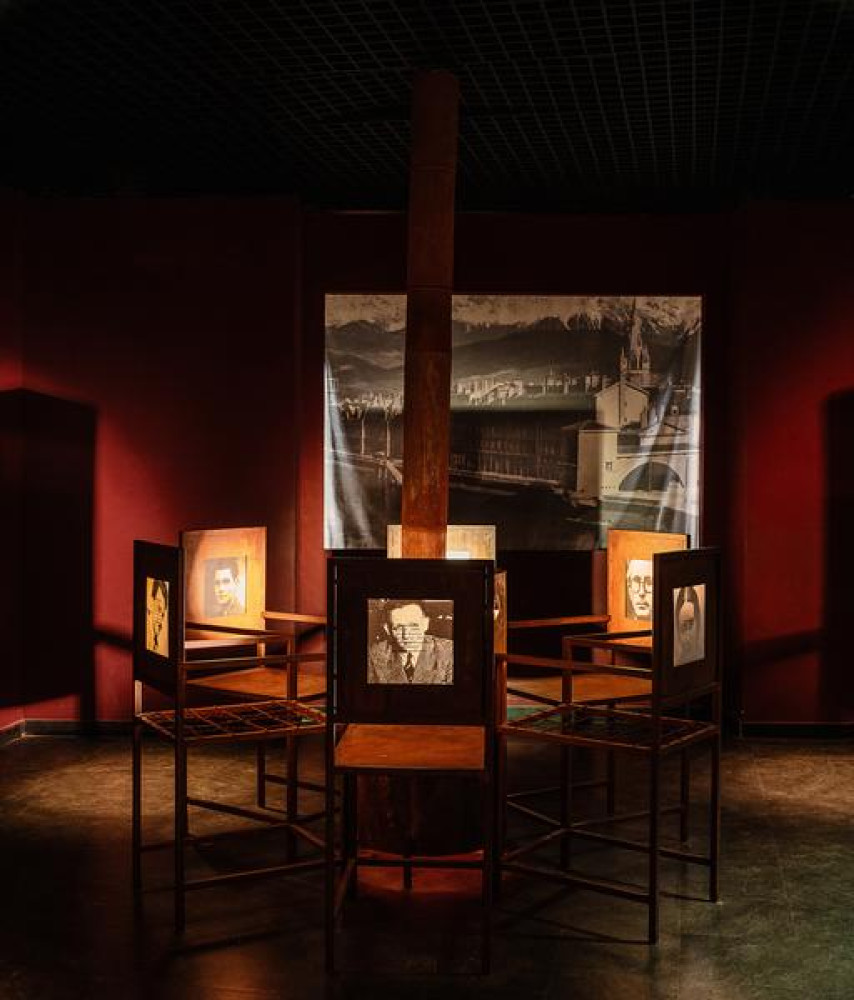
- On the second floor: The visitor is transported through several different, separated areas where the idea of the Resistance was born. Six different places are recreated. The visitor first crosses through a Grenoble street, scene of student and other youth protests, the dining room of Marie Reynoard, head of the Isere chapter of “Combat,” the office of René Gosse, head of the Grenoble college of sciences and member of the “Marco Polo” network, etc.
The visit continues with a presentation of the Isere resistant fighters, a relief map where the maquis, sabotages, and parachuting sites light up at the push of a button.
- On the third floor, the chronology continues with the presentation of the tragic events that defined the German occupation: collaboration, sabotage, repression, and deportation. One of the highlights of the visit: three doors from prison cells built by the Gestapo in the building located at 28 cours Berriat, Grenoble, marked with inscriptions from those held captive. The visit ends with the Liberation and the restoration of the values of the French Republic. Another area deals with today’s Resistance values, for which many people continue to fight.
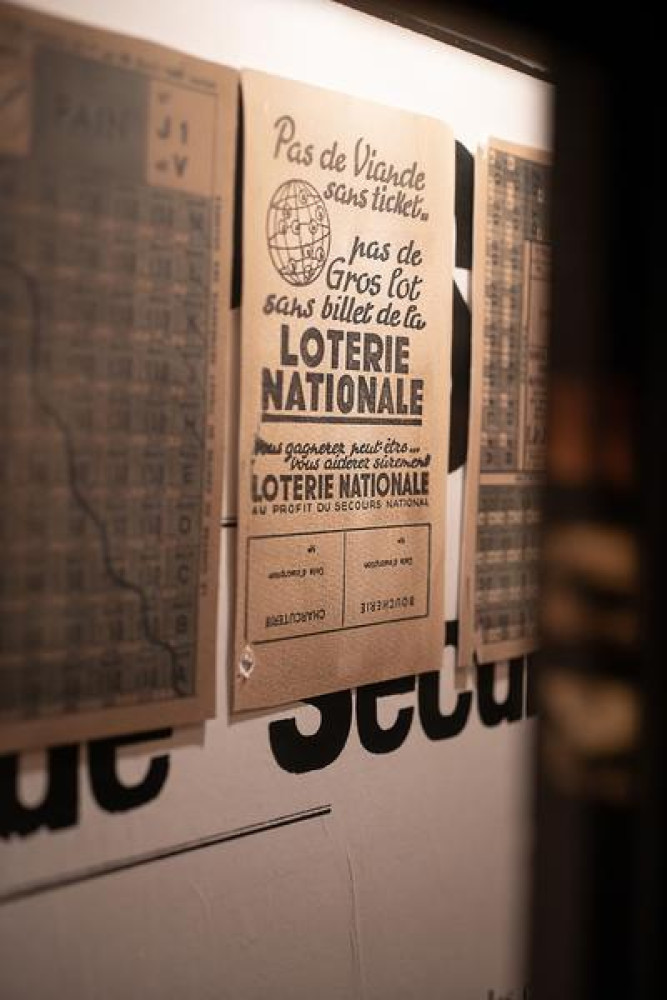
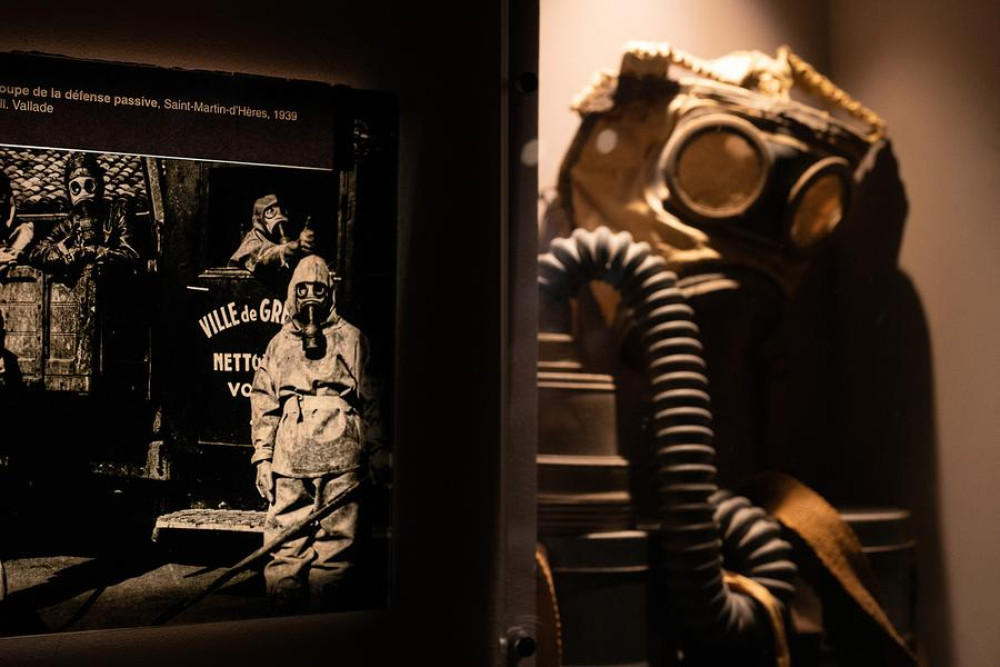
Over thirty years of acquisitions and donations, more than 5,000 objects and documents make up the museum’s collection. The collection is precious not only because of its age, but also by the breadth and quality of the documents: more than 80 posters, original drawings, numerous photos, printed documents (tracts, reports, brochures), copies of regional newspapers (with some complete collections, such as with “les Allobroges”), and of course objects (transmission and sabotage material, everyday objects from life during the Occupation, etc.).
This collection was completed with audio archives starting in 1990, made up of interviews from hundred of Resistance and deportation veterans. Carefully inventoried as part of digital cataloguing, these collections were declared to be of public interest on June 17, 1993 by the Artistic Council of Directors of the Museums of France. This recognition bestows upon the Isere Resistance and Deportation Museum the status of “inspected museum,” and also that of “Museum of France.”
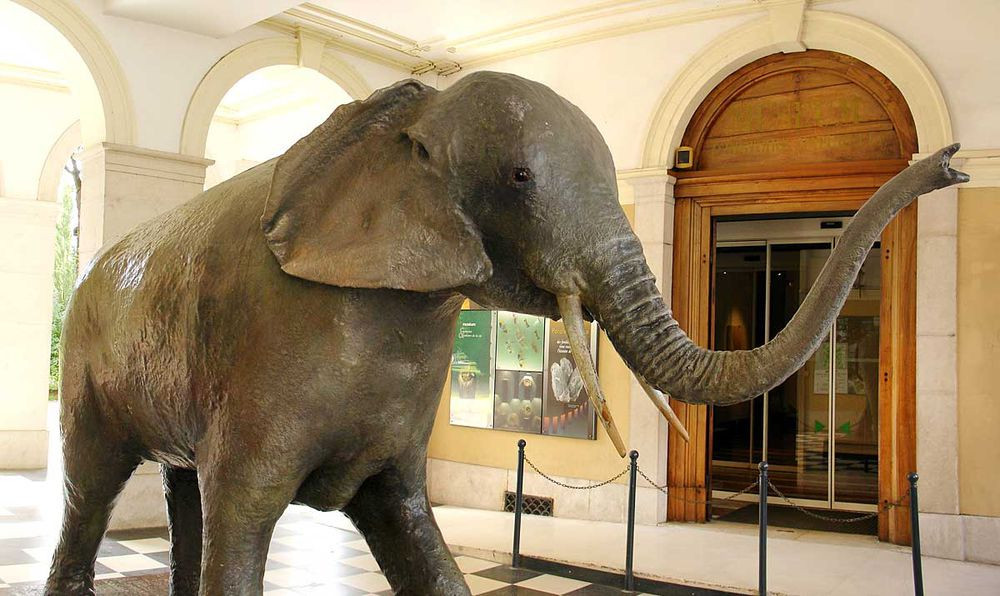
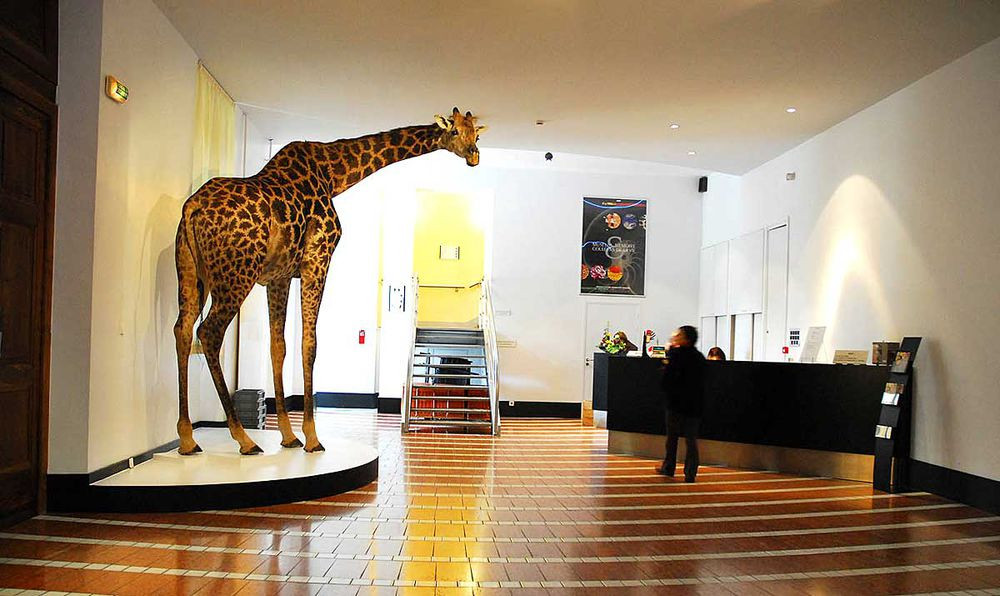
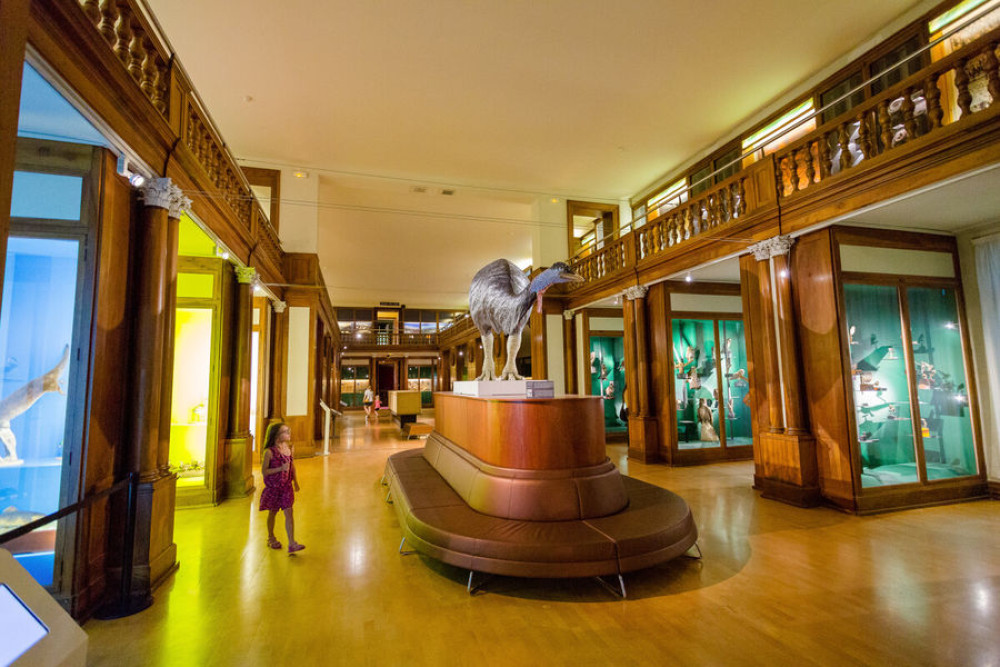
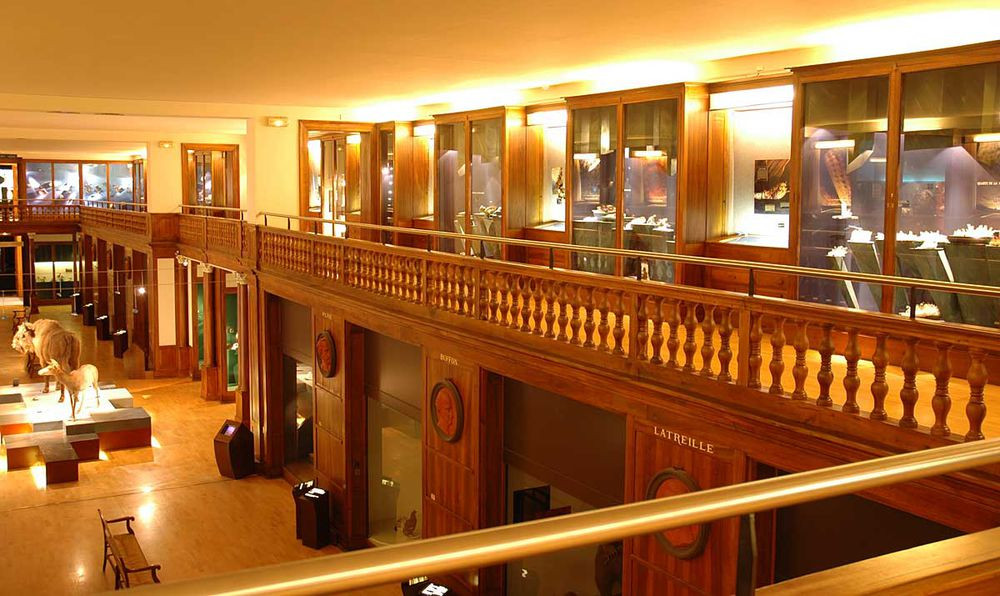
Located in the heart of the botanical garden, the Grenoble Natural History Museum features 2,800 m² of exhibits on natural heritage.With more than three million specimens in its collections, an exceptional mineralogy collection, tens of thousands of fossils, insects, and birds, and a herbarium that is unique for the study of botany, this museum is a must-see destination for exploring nature, the mountains, and the sciences.
Built in the 19th century amid the lush greenery of the Jardin des Plantes, the Grenoble Museum is now a place for people to meet, connect, and share knowledge about the human sciences, life sciences, and Earth sciences. It’s an experience the whole family will love!
The museum’s collections are regularly featured in permanent and temporary exhibitions and are showcased through a wide variety of activities: workshops, films, lectures, and discussions…
With six accessible galleries, the Grenoble Natural History Museum remains, for its visitors, a space dedicated to the conservation and presentation of natural heritage and a remarkable venue for disseminating scientific knowledge.
> The Living Mountain: a true encounter with the natural environment and animal species of the Alpine world, whose diversity is explored through a series of slide shows.
> Crystal Symphony: this 13-faceted cavern invites curiosity and wonder. Unusual shapes and colors raise questions about how minerals form.
> Atlas: Here, you can see, hear, and touch all at once! This room aims to spark children’s curiosity through its playful design. The many interactive exhibits placed in front of the display cases foster strong interaction between very young visitors, their parents, and the museum objects.
> Genesis of the Alps: What was it like before the Alps? This exhibition hall helps visitors contextualize and understand the formation of the Alps within the broader history of Earth.
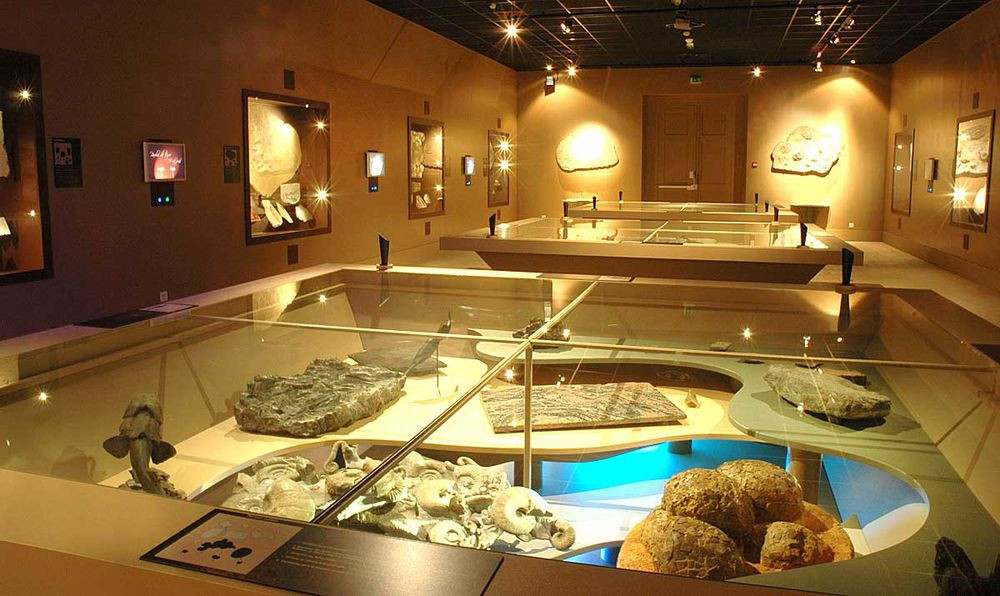
> Voices of the Earth: the history of life told through exceptional fossils.
> Jardin des Plantes: a magnificent garden featuring rare trees, greenhouses, and streams...
 Isère Outdoor - Trace - The fort of Murier