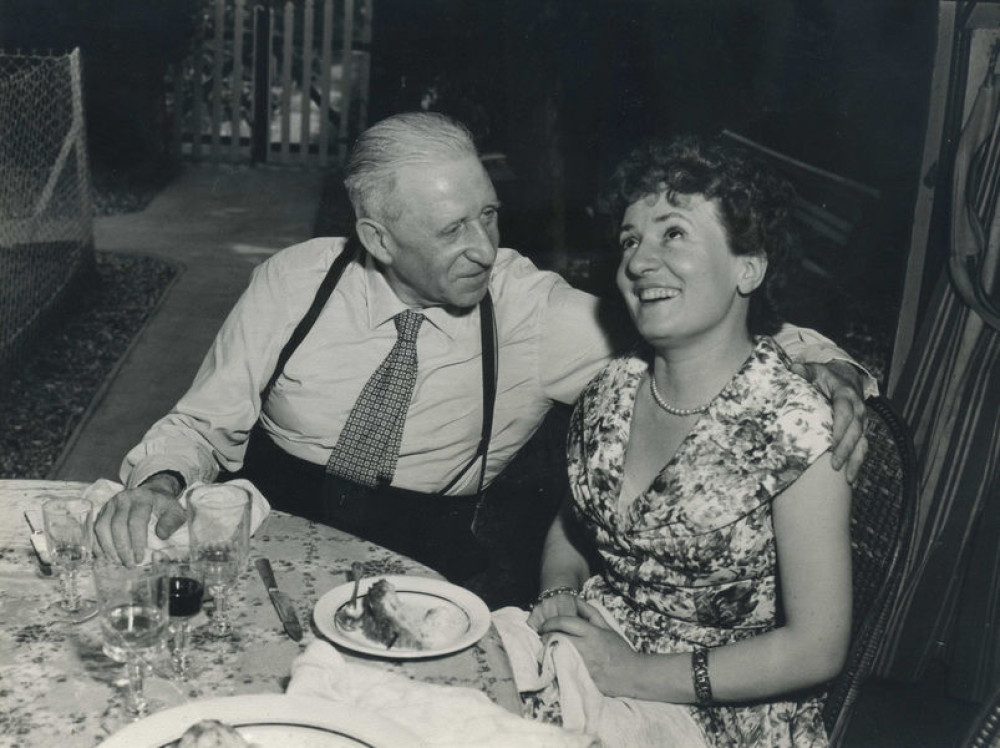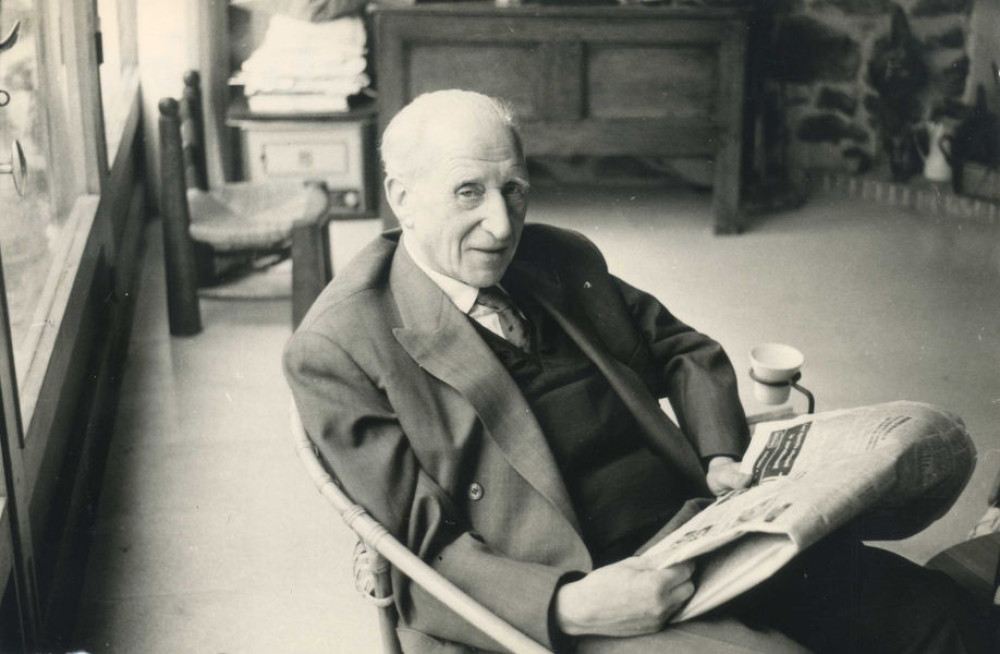
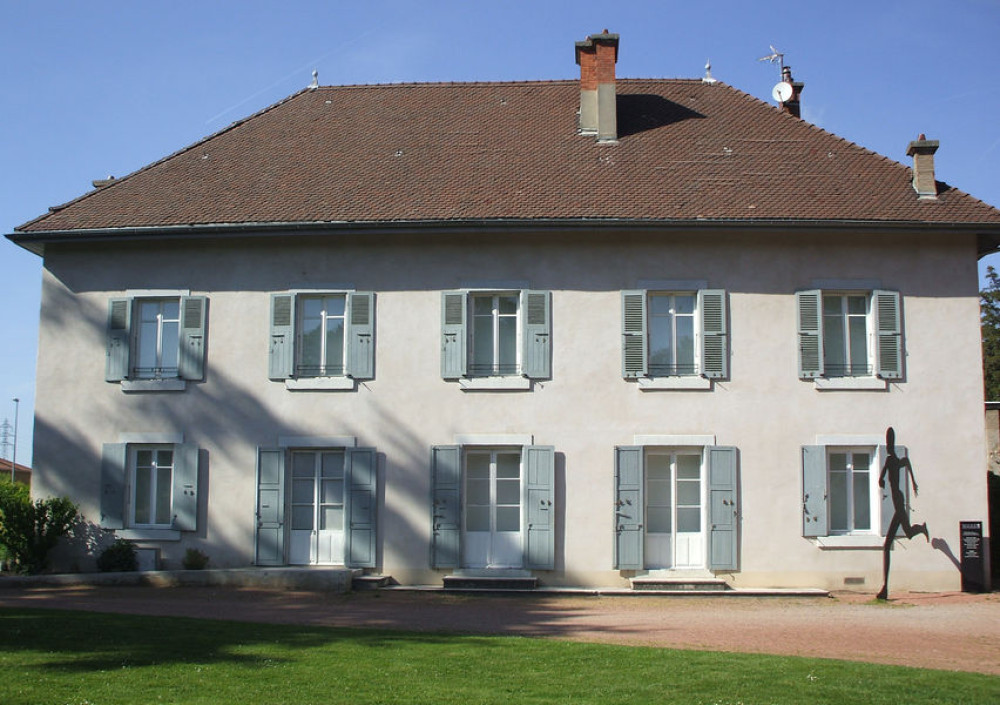
Este museo nació del encuentro entre el deporte, el arte y la literatura. Valorando la donación Géo-Charles, el museo se mantiene fiel a su espíritu, cerca del arte contemporáneo y de su audacia.The Géo-Charles Museum aims at enhancing the links between sport and art, through the heritage provided by the donation, as well as through the acquiered pieces of works and temporary exhibits on the subjects of sports or contemporary art.
The city of Echirolles acquired this house in 1982, which once belonged to the viscose company, and transformed it into a sports culture and contemporary art museum.
As a Museum of France, it houses the archives and collections donated by Madame Lucienne Géo-Charles. This heritage makes up a unique 20th century collection of artistic, athletic, and literary treasures, as well as contemporary art works, creating a singular museum at the crossroads of several disciplines.
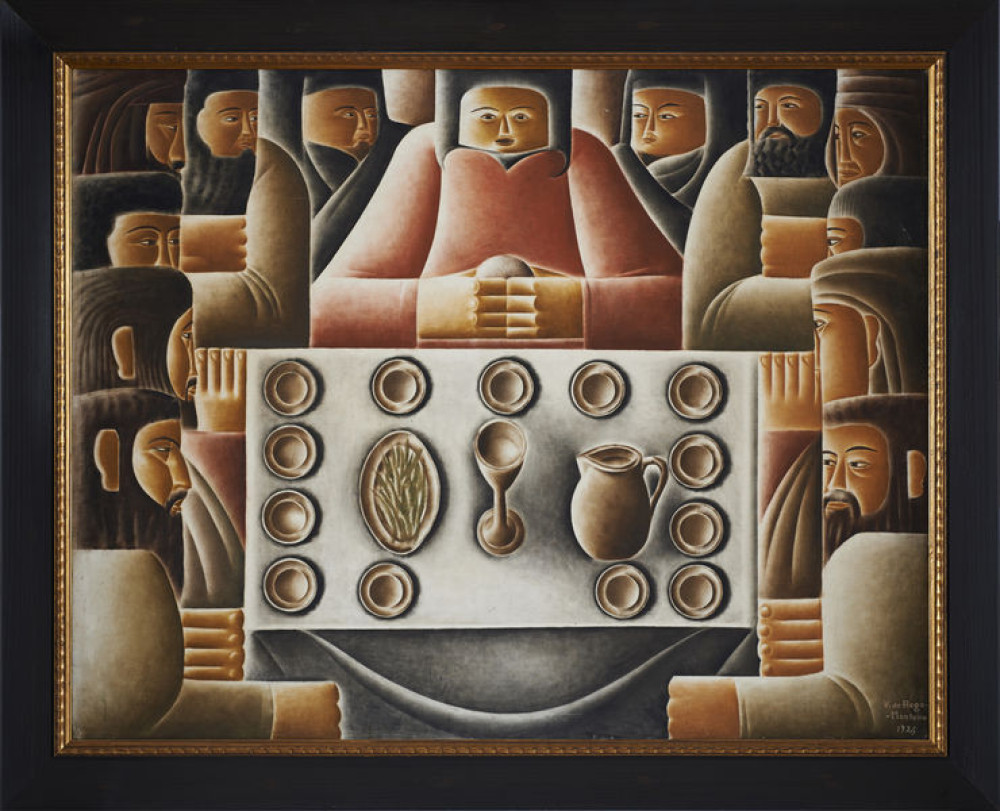
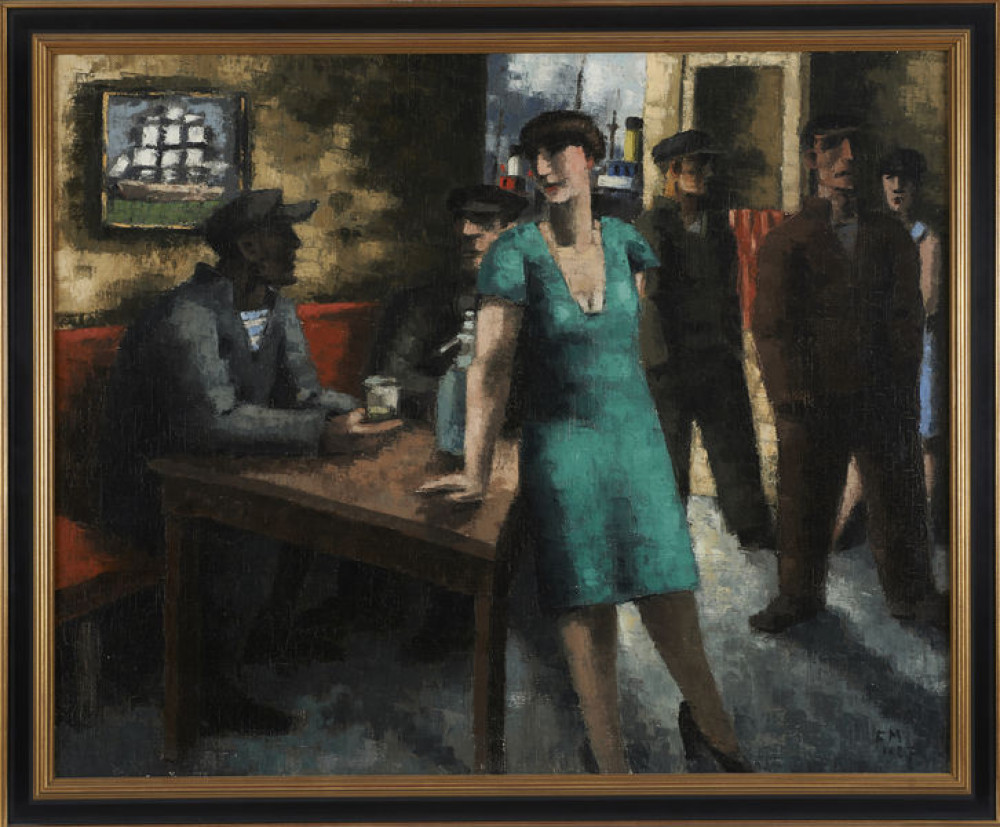
The museum's collections bring together the acquisitions of a selective collector from the first half of the 20th century, with an inclination for the avant-garde style of the Paris school.
Made up of an ensemble of paintings, sculptures, drawings, and engravings from artists like Derain, Delauney, Léger, Lhote, Masereel, Metzinger, Monteiro, Reth, and Survage, the collection illustrates the sports themed modern art of the period.
The renovation of the museum in 2000 allowed for the assembly of the permanent collection made up of donations by Géo-Charles, a pioneer in athletic art.
The Géo-Charles museum is also a center for contemporary art and hosts temporary exhibits.



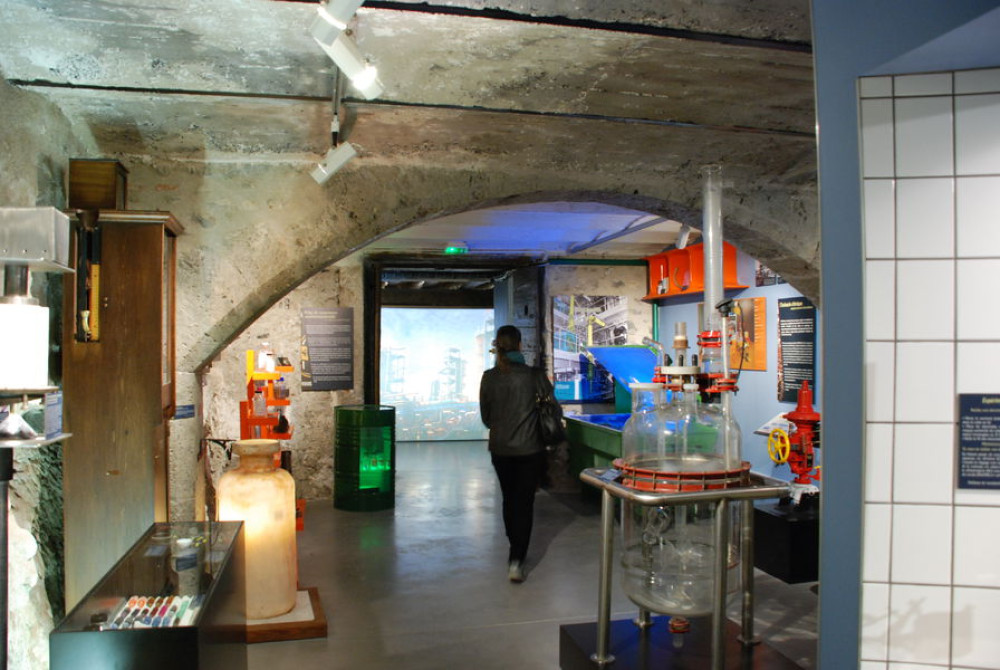
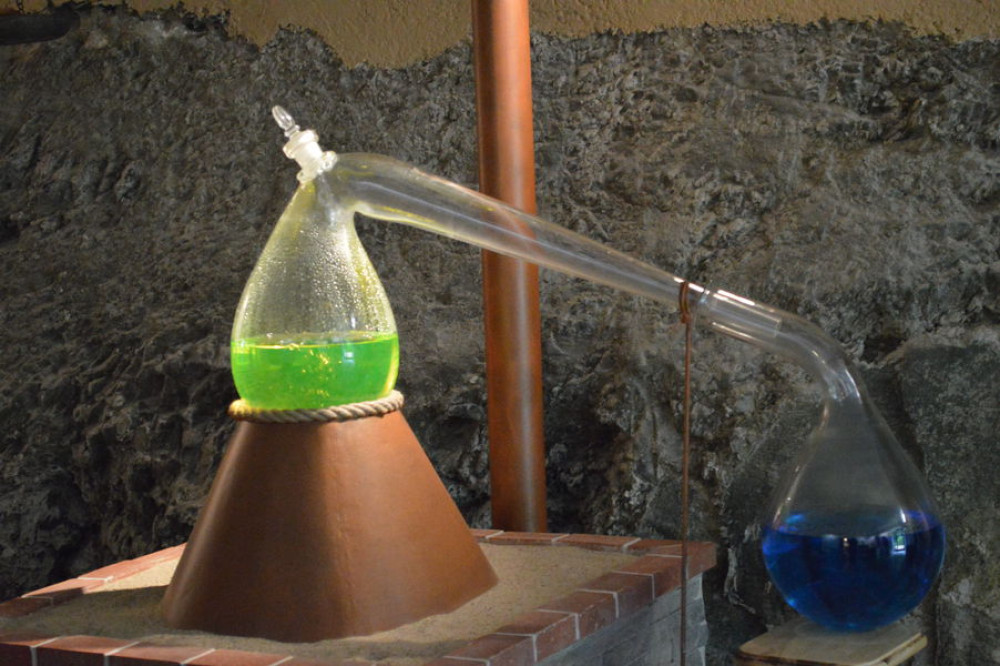
The museum traces the history, techniques and applications of the chemical industry in southern Grenoble from 1915 to the present day.
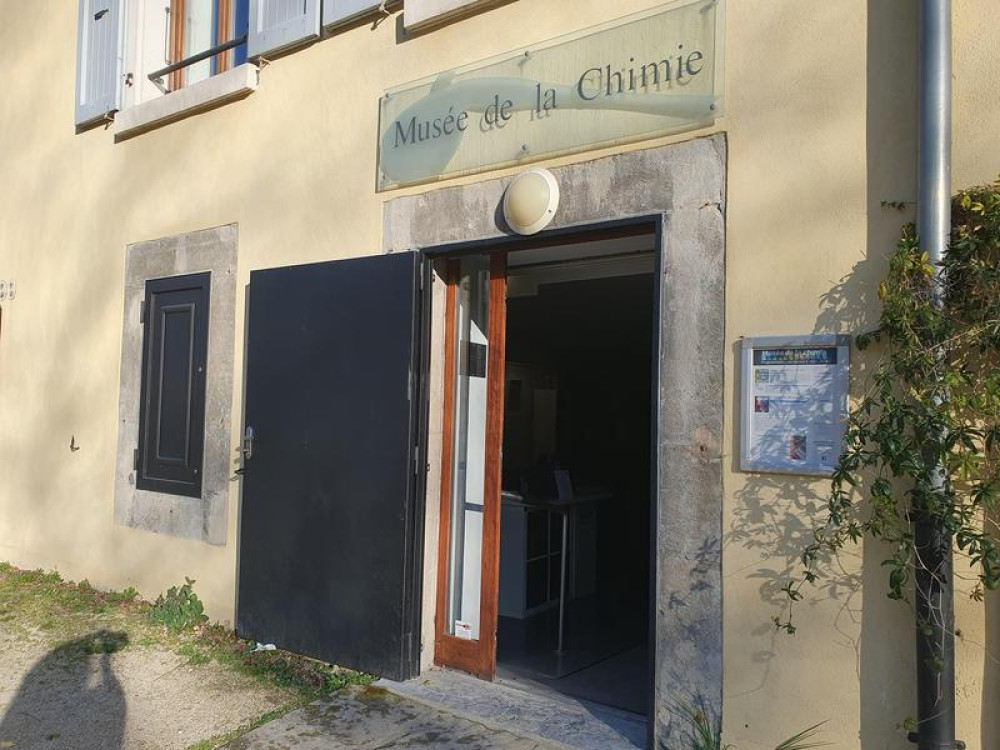
Self-guided tour, guided tour or audioguide via the Tellnoo app.Located in Jarrie, on the first floor of the town hall, in the heart of the Clos Jouvin municipal park, the museum is set in the preserved environment of the old, cool, vaulted cellars of the manor house. The tour presents the history of chemistry since antiquity, and traces the history, techniques and applications of the chemical industry in southern Grenoble, from 1915 to the present day. The chemistry of the 21st century, omnipresent in our daily lives and essential to meeting the challenges of sustainable development, is more innovative and responsible than ever.
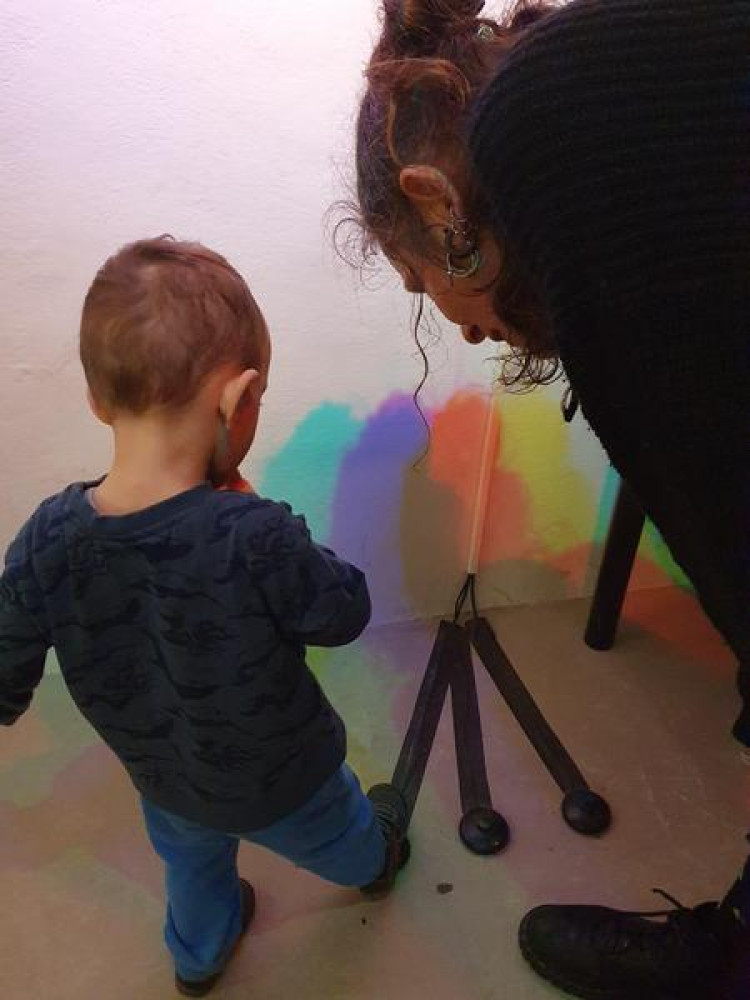
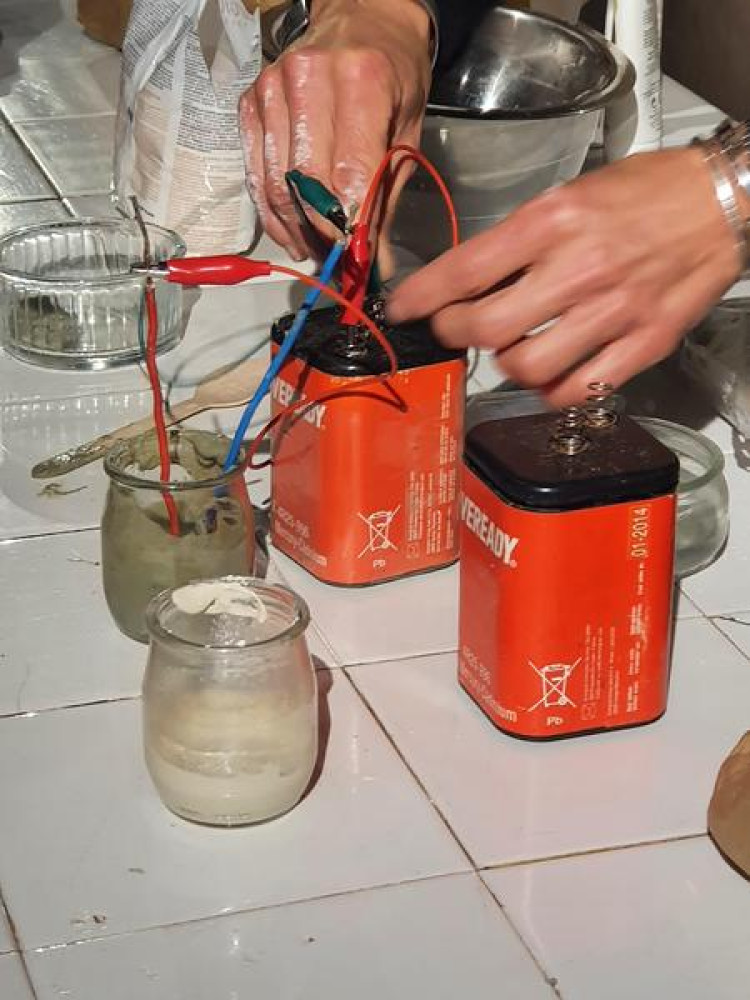
The tour route, completely renovated in 2014, is punctuated by new open-access workbenches: build a Volta cell, perform electrolysis or operate a fuel cell!
A video consultation area and a library are available to the public. A new mediation and exhibition room means you can visit the Chemistry Museum as and when it suits you.
Additional equipment: audioguide with Tellnoo application (free download from your smartphone).
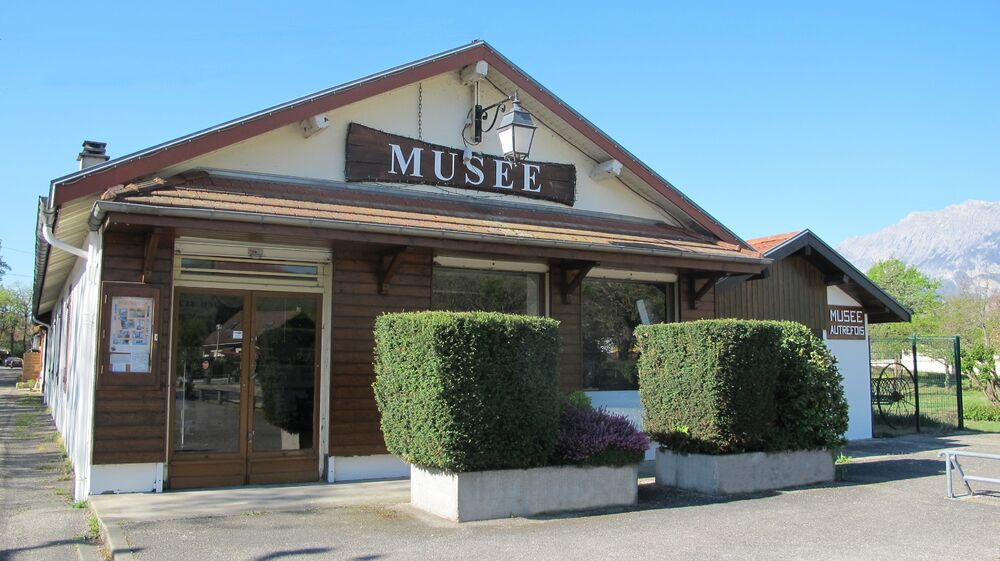
This fascinating museum, abundantly supplied by the inhabitants' gifts, is a rich testimony of the story of Champ sur Drac and the Navarre paper mill. A real industrial saga which cannot be dissociated from the village's story.The museum is situated in the heart of the Navarre working city, in the former retailer which had been built so as to answer to the workers' needs.
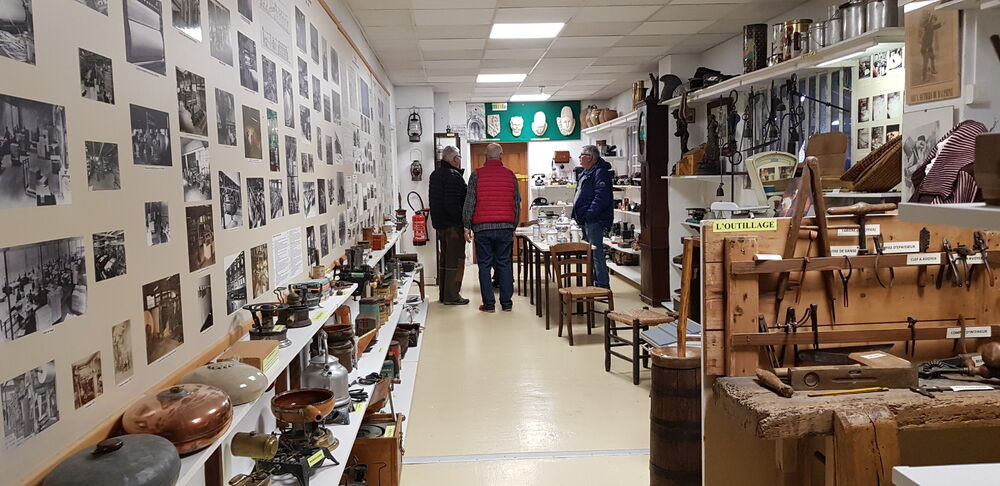
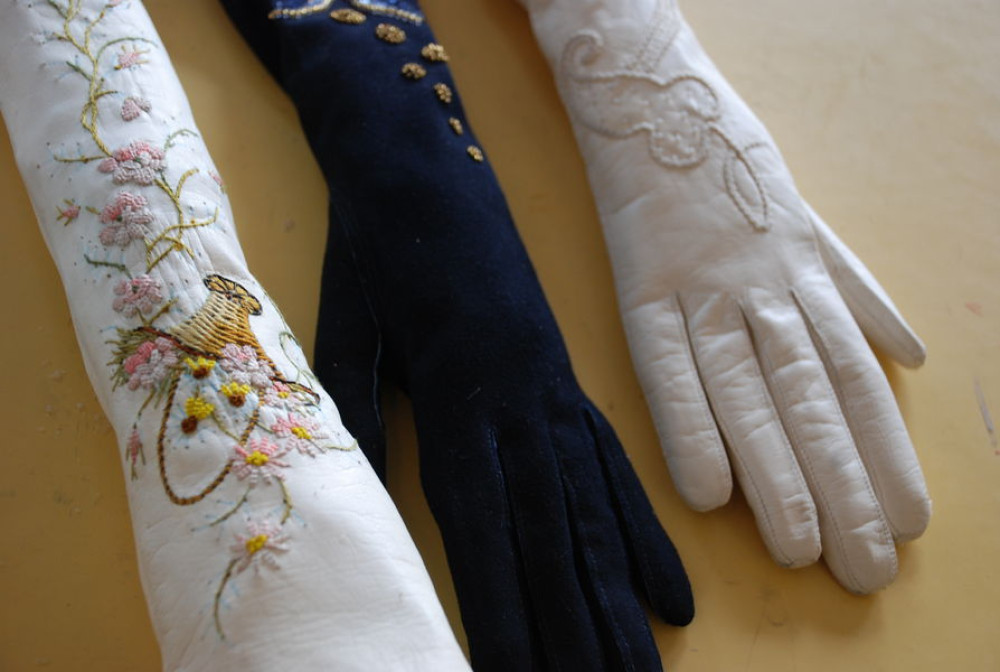
Among the many richness of the museum, one can see a cinema projector which dates back to 1914, tools which used to belong to several different building trades such as the leather trade, cobbling, gloves making, including the “main de fer” invented by Xavier Jouvin, as well as everyday life objects, craftsmanship, schools and the former associative life.
This fascinating museum, abundantly supplied by the inhabitants' gifts, is a rich testimony of the story of Champ sur Drac and the Navarre paper mill. A real industrial saga which cannot be dissociated from the village's story.
The museum is situated in the heart of the Navarre working city, in the former retailer which had been built so as to answer to the workers' needs.
Among the many richness of the museum, one can see a cinema projector which dates back to 1914, tools which used to belong to several different building trades such as the leather trade, cobbling, gloves making, including the “main de fer” invented by Xavier Jouvin, as well as everyday life objects, craftsmanship, schools and the former associative life .
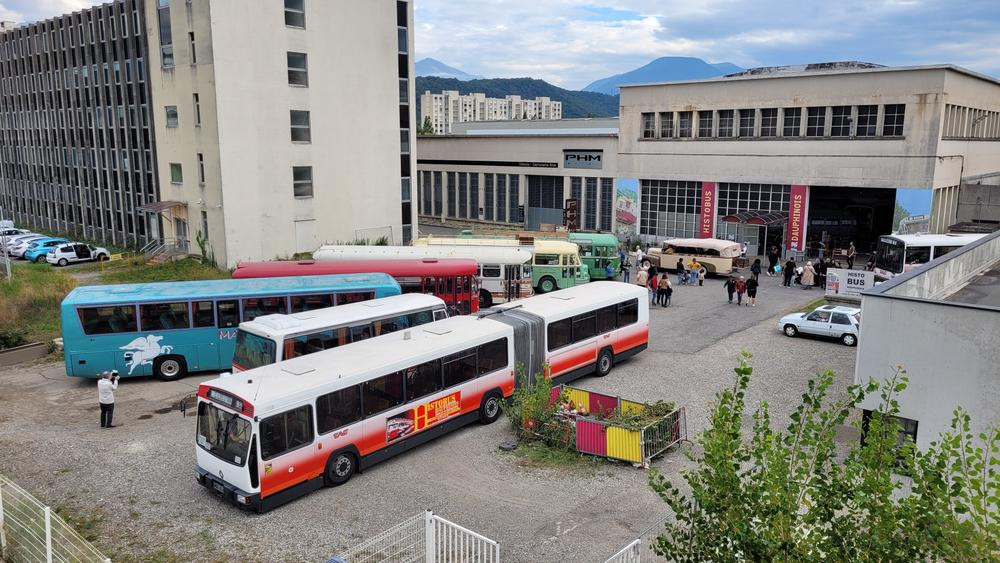
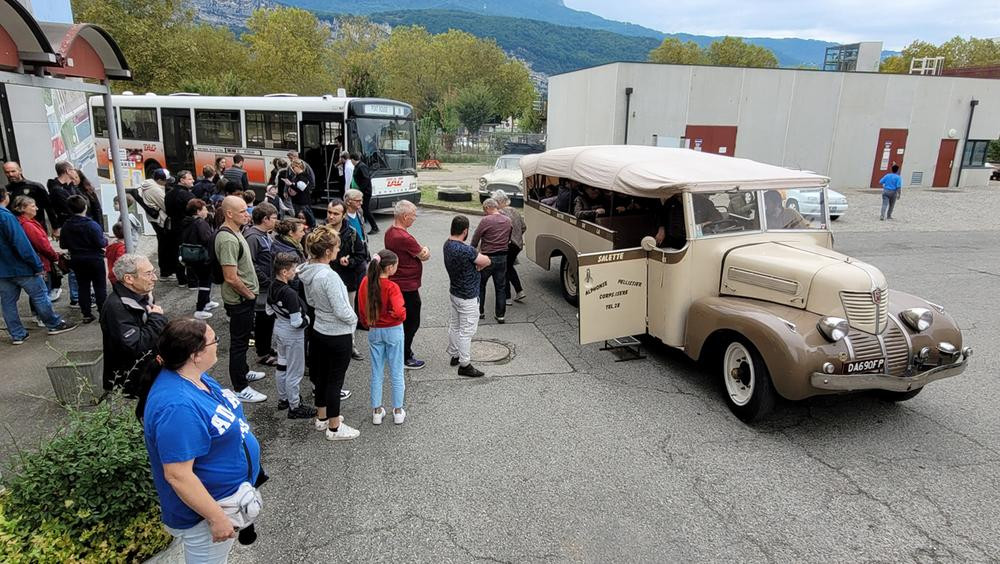
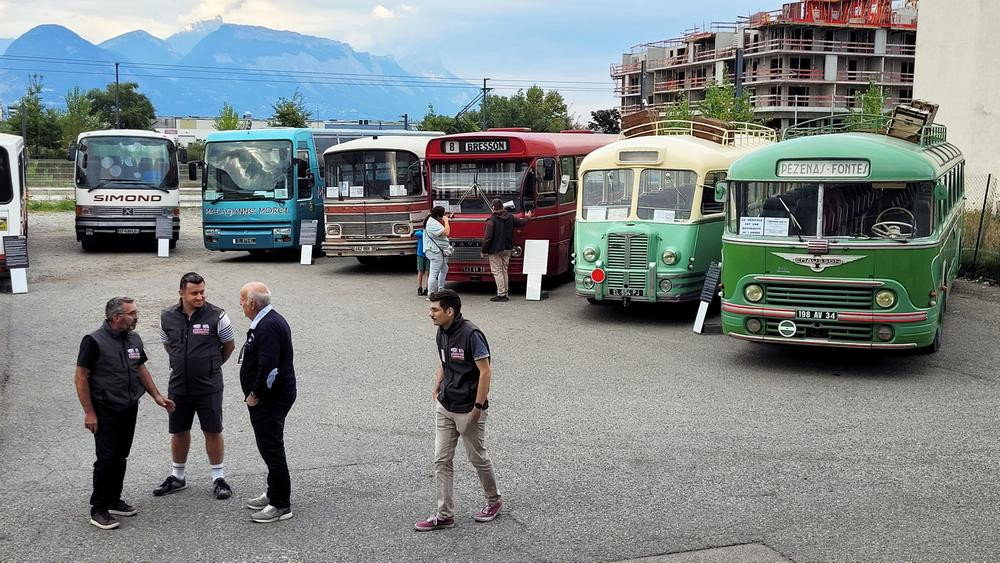
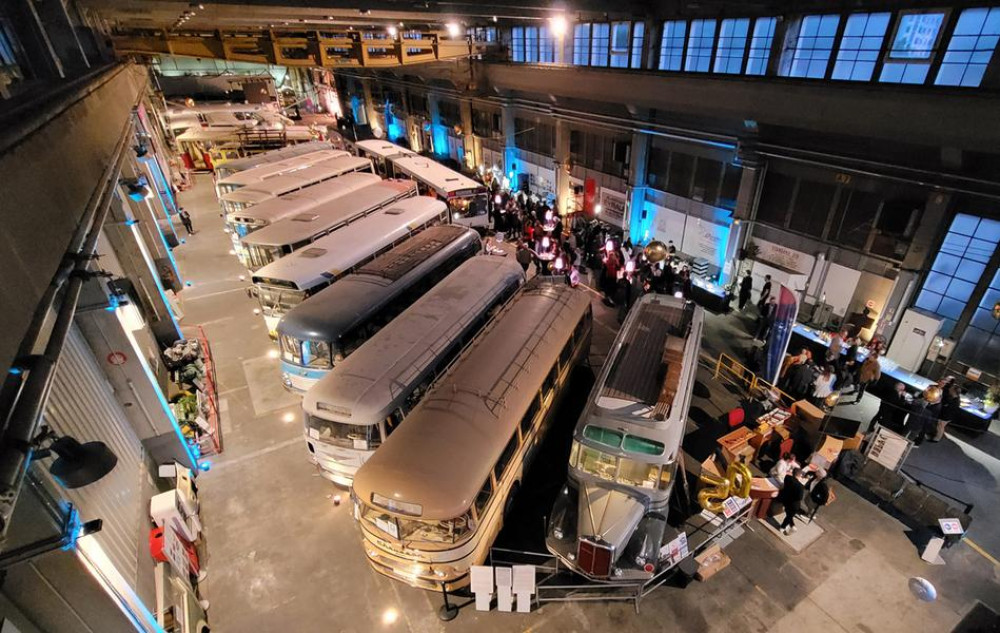
Through a collection of 40 vehicles: char-à-bancs, coaches, buses, articulated buses, midibuses, trolleybuses, diesel and electric engines and numerous accessories and posters, the museum presents our public transport from 1865 to 2020.Also on display is a 23 m-long model of the La Mure railway.
A ride in coaches and buses dating from the 1930s to the 1990s is possible during our museum's open days: Nuit Européenne des Musées / Musées en Fête en Isère (3rd weekend in May) and the Journées Européennes du Patrimoine (3rd weekend in September).
Relive the history of public transport in the Dauphiné!
This is one of the very first French sites devoted to streetcars, buses, trolleybuses and coaches.
The Espace Histo Bus Dauphinois features :
> 40 vehicles: char-à-bancs, coaches, buses, articulated buses, midibuses and trolleybuses that operated in the Grenoble region and Isère département between 1939 and 2020;
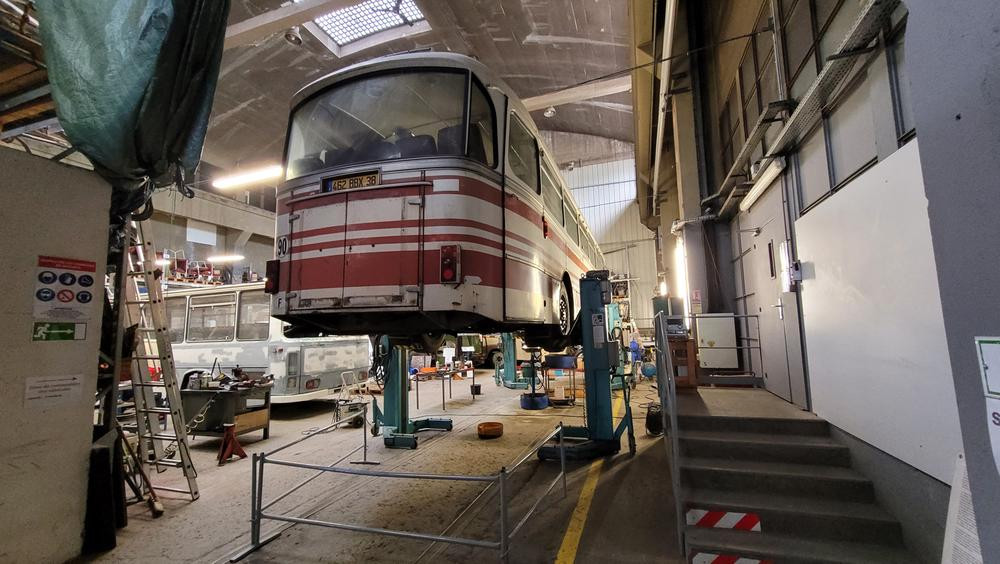
> Engines, gearboxes and mechanical components that have equipped vehicles since 1940;
> An area devoted to ancient and modern tramways, with models;
> A room dedicated to the Train de la Mure: a large model representing the line's characteristic sites, and a giant diorama of a locomotive;
> An evocation of regional manufacturers (Berliet, Saviem and Belle-Clot) and also of Cars Chausson (factories in the Paris region).

This is one of the few wetlands in the Vercors massif: essentially limestone, it is not conducive to this type of site. The site contains a precious ecosystem with rare plant and animal species.At an altitude of 1,000 meters in the Vercors, the Peuil peat bog overlooks the 60-hectare commune of Claix. On the cliffside, 400 species of flowers thrive in the cool soil, including Grande Astrance and Drosera, an insectivorous plant. The fauna is highly varied, and if you're discreet, you may catch a glimpse of the peony bullfinch, the agile frog, the palmate newt or the depressed dragonfly.
 Isère Outdoor - Trace - Boucle vélo Claix - Rochefort