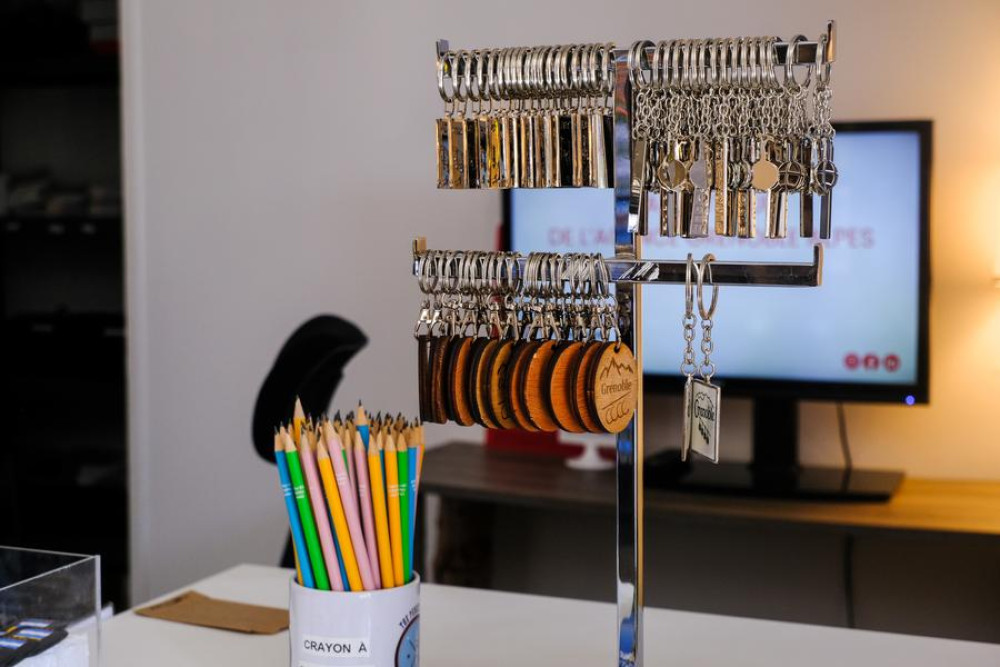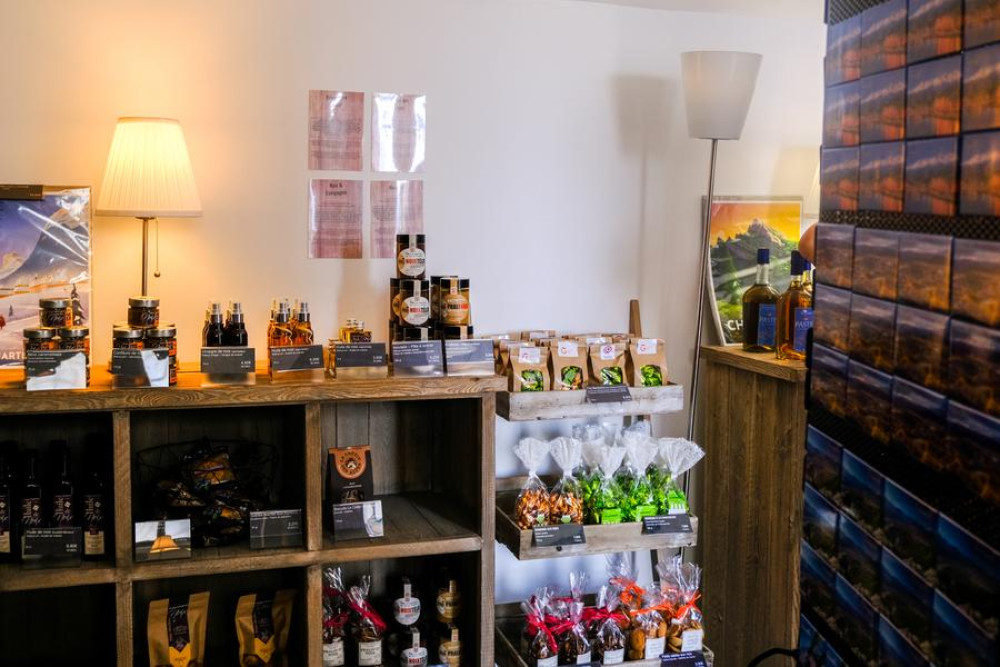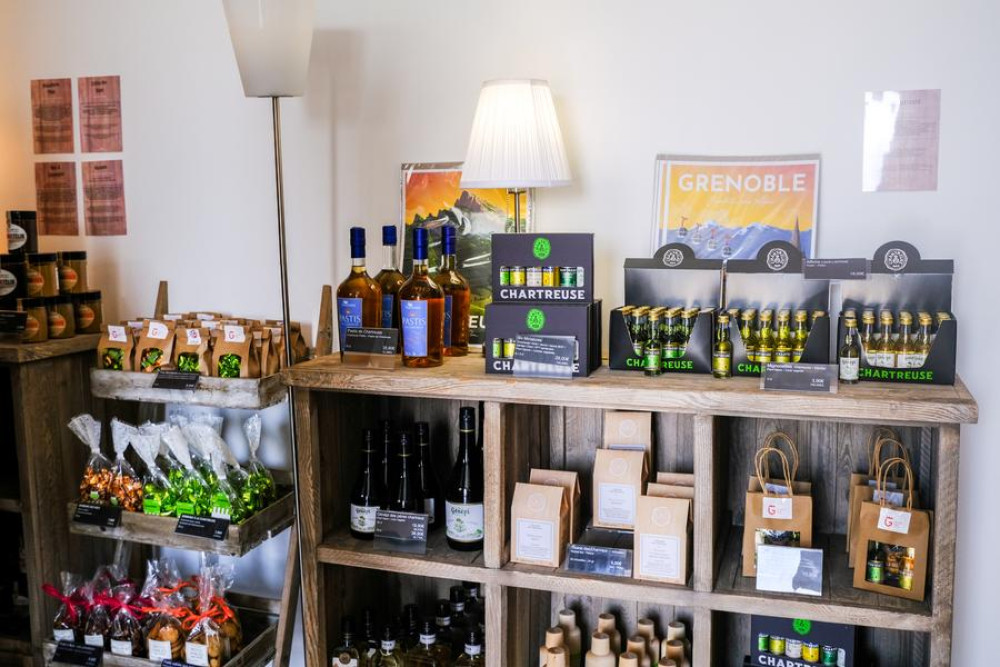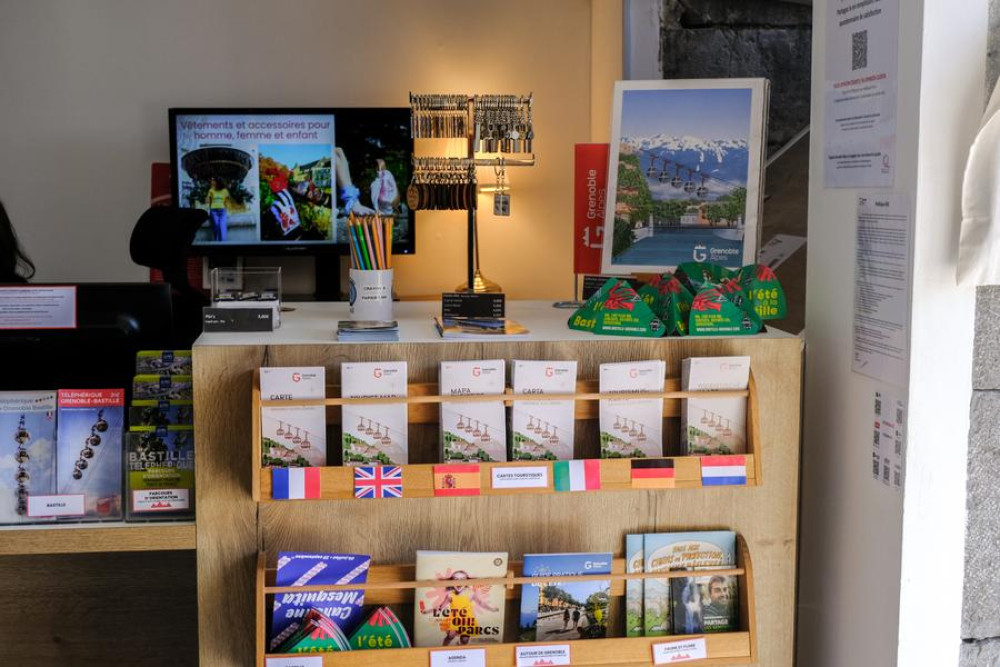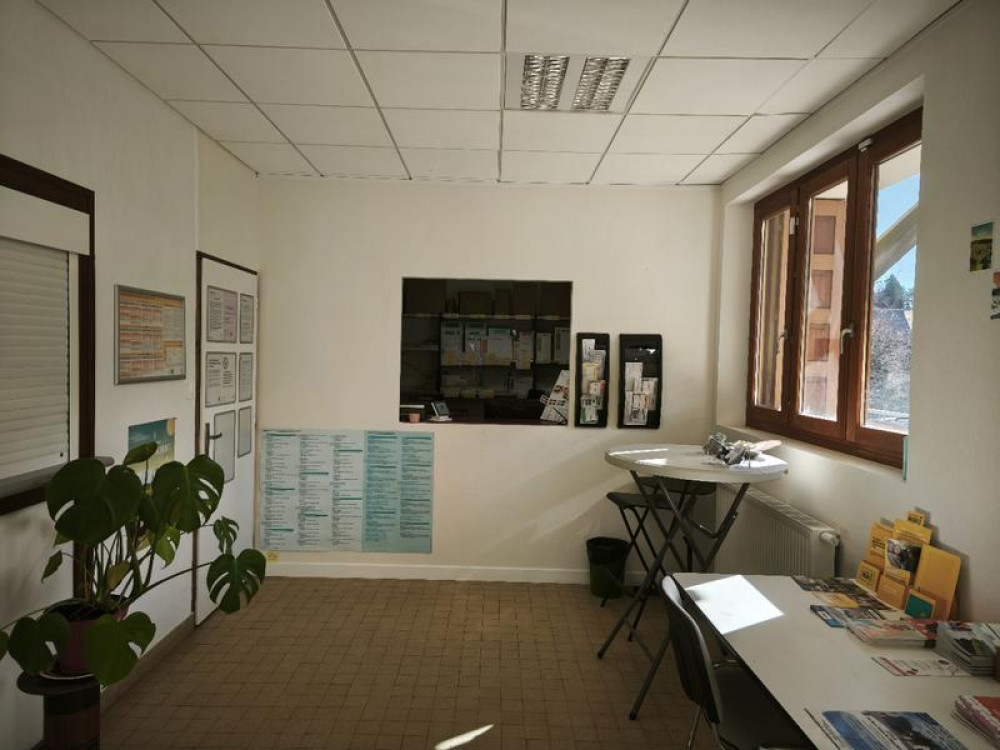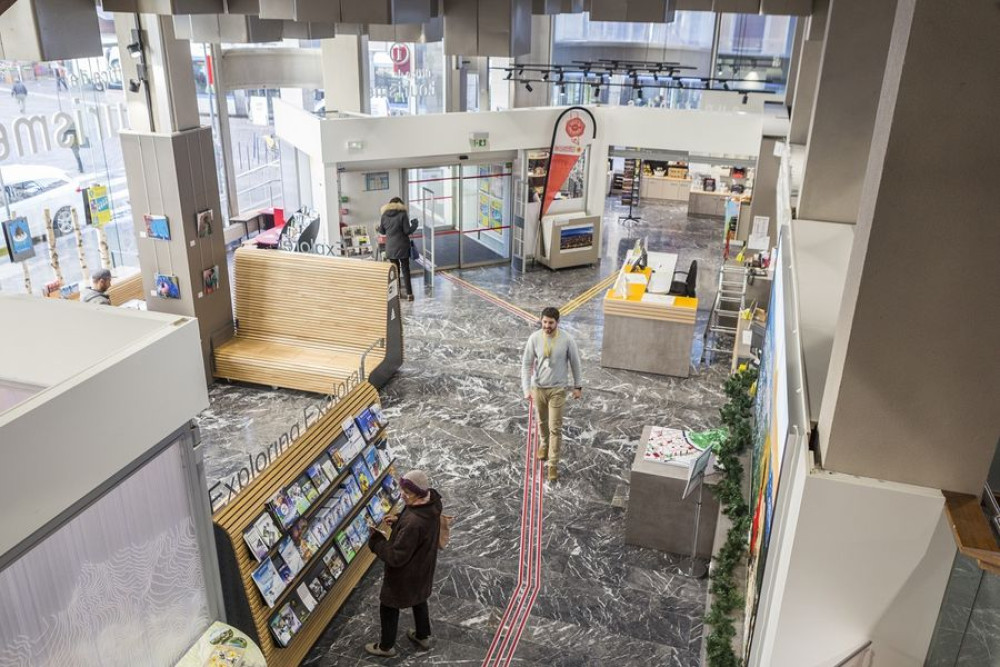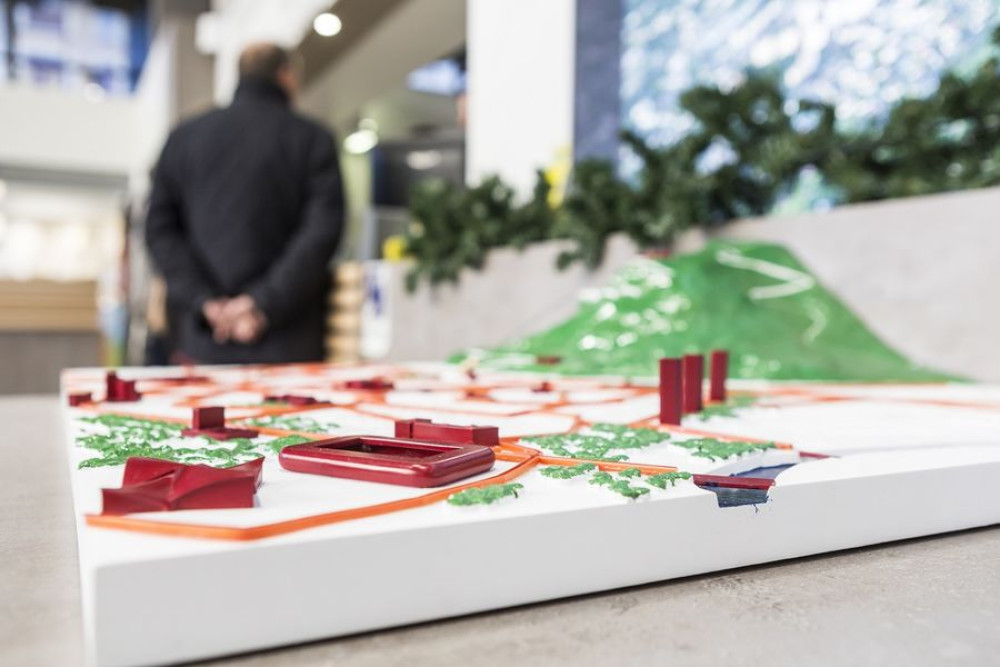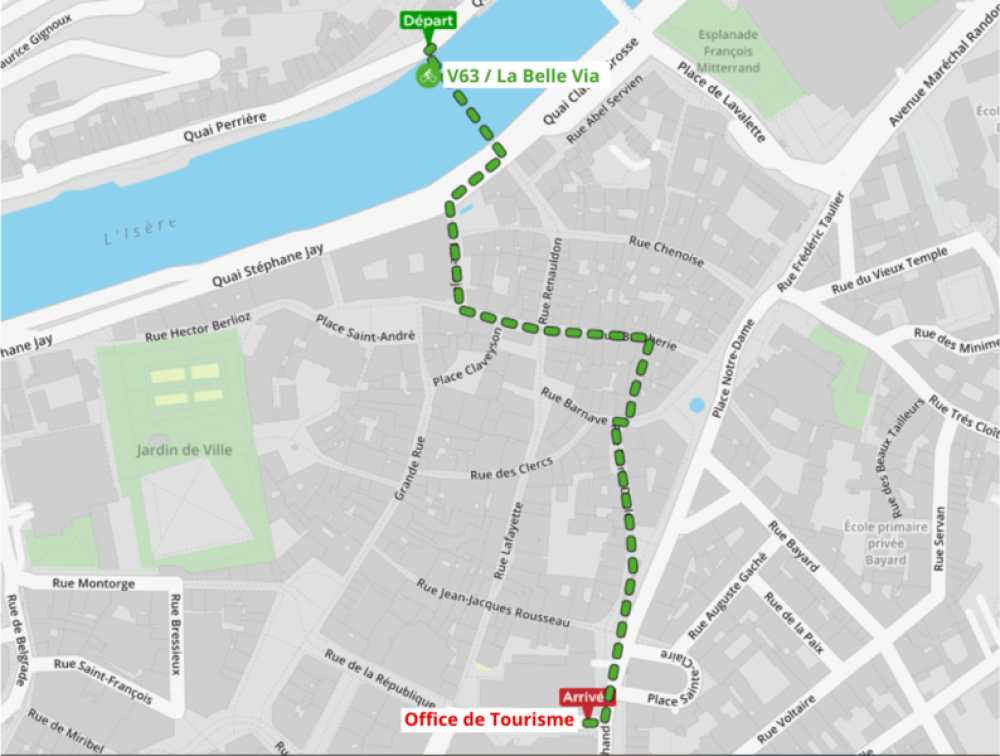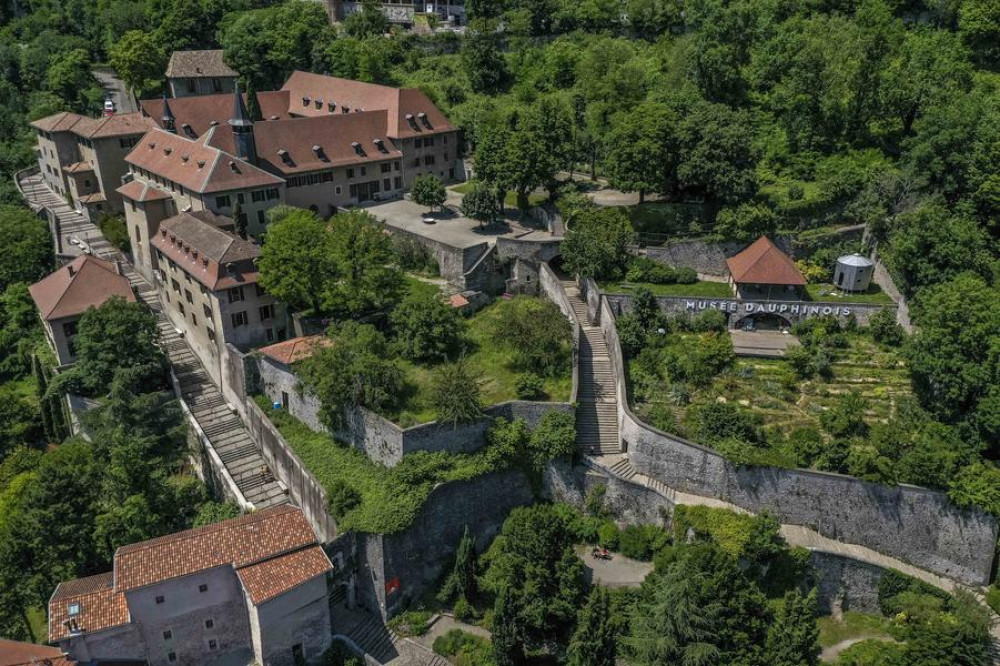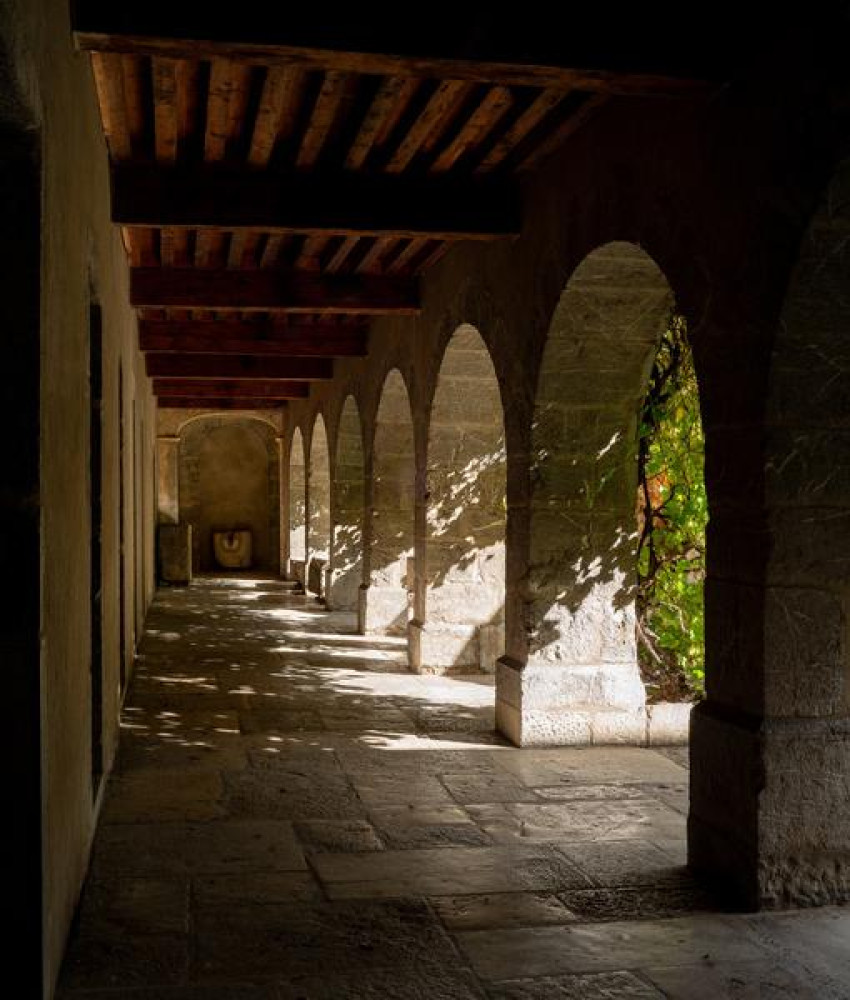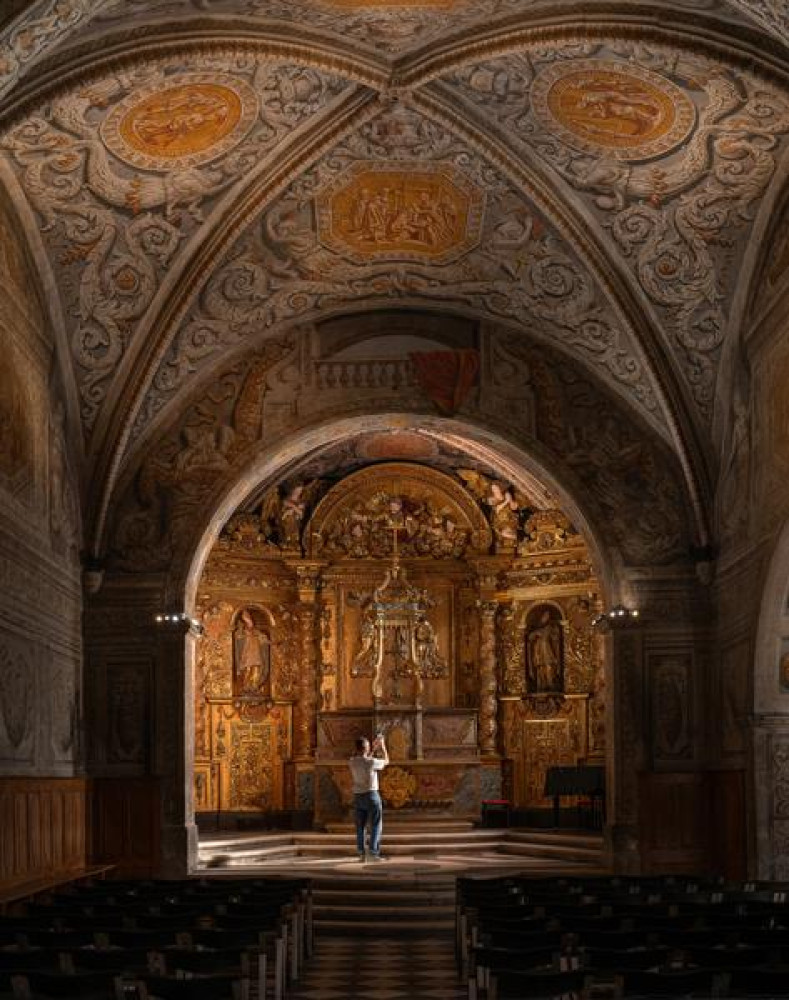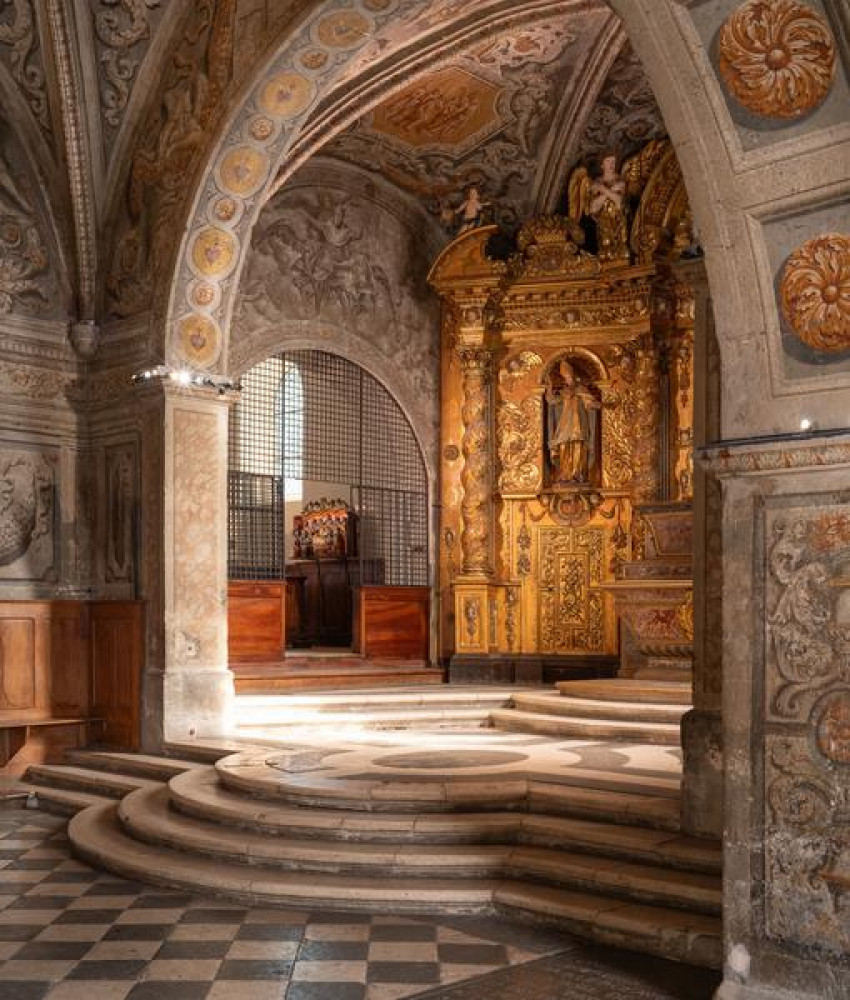
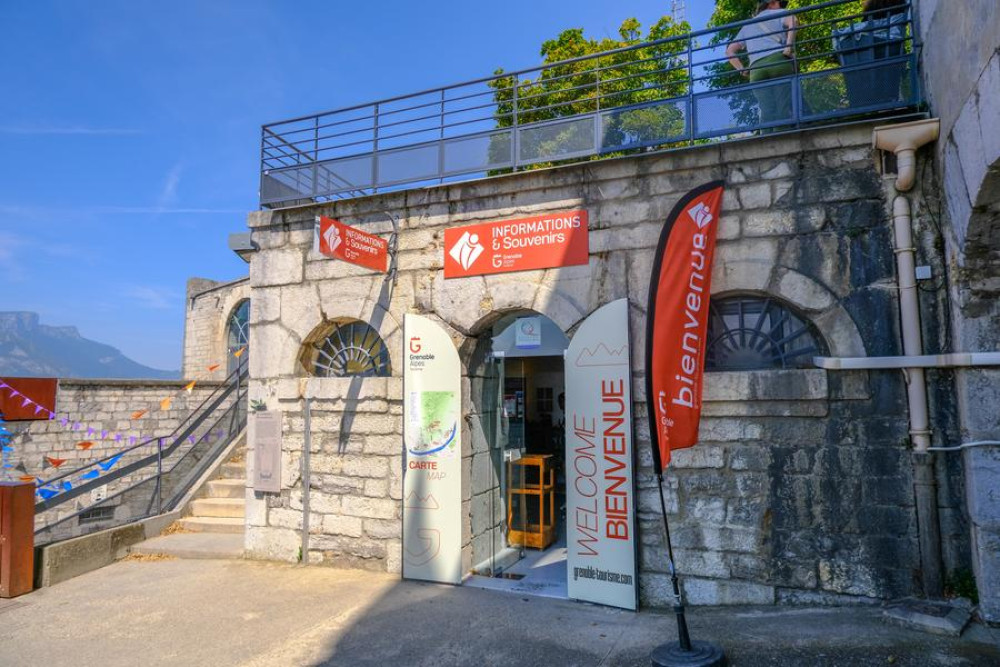
The Tourist Information Office Bastille welcomes you to the Fort de la Bastille! Find advice, ideas for walks, documentation on Grenoble and its region as well as souvenirs to take away...
Enjoy your visit!



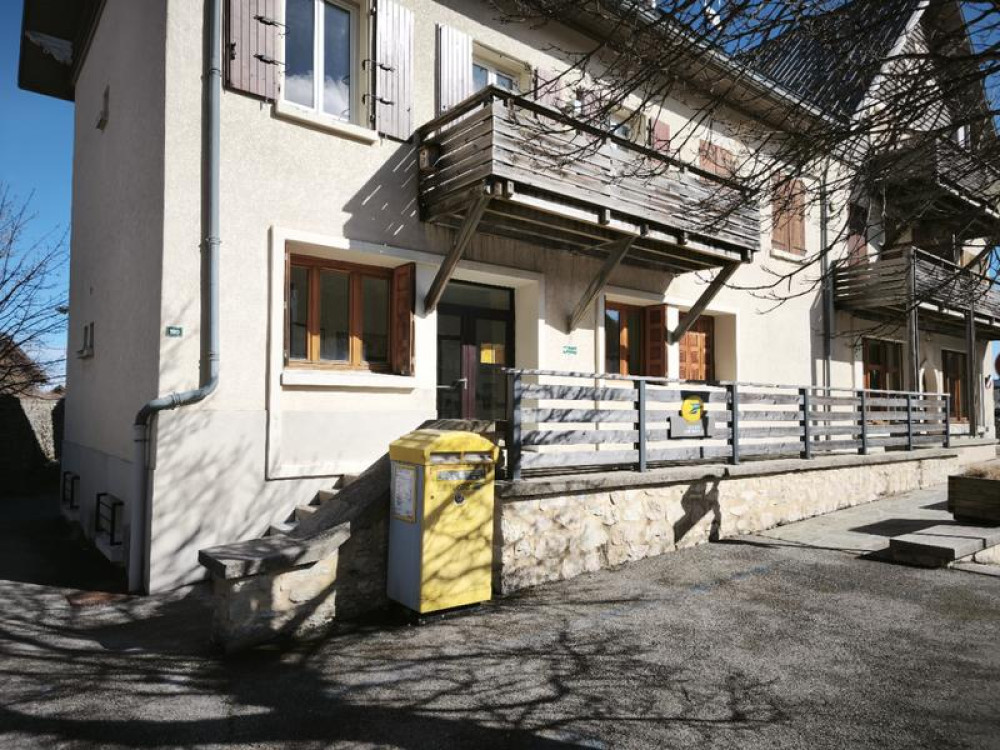
Reception and tourist information point.
Relay station.
Showroom dedicated to the Resistance in Vercors.
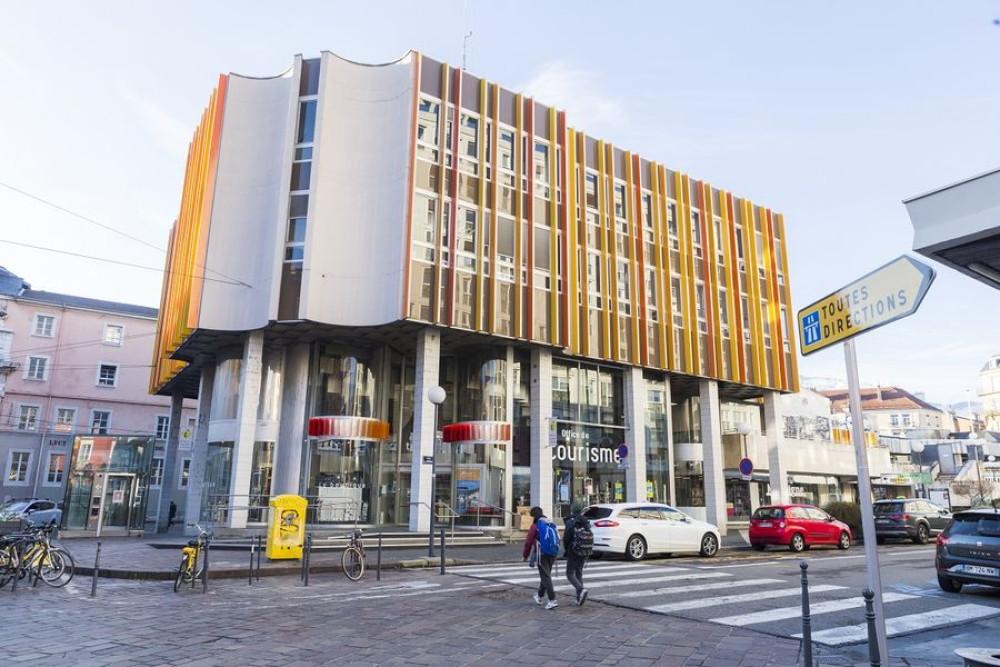
The Grenoble Alpes Tourist Office welcomes you every day to help you discover the riches of this metropolitan area nestled in the heart of the Alps, between the Chartreuse massif, the peaks of Belledonne and the Vercors plateau.
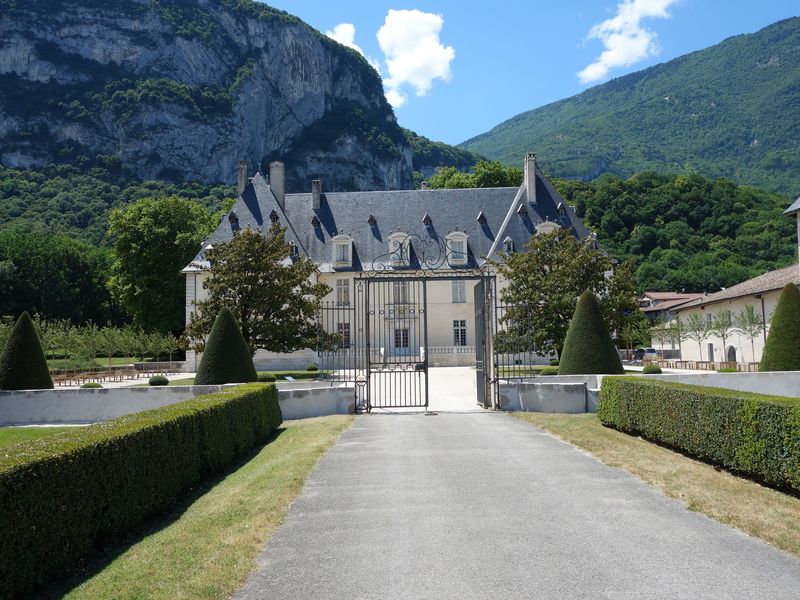
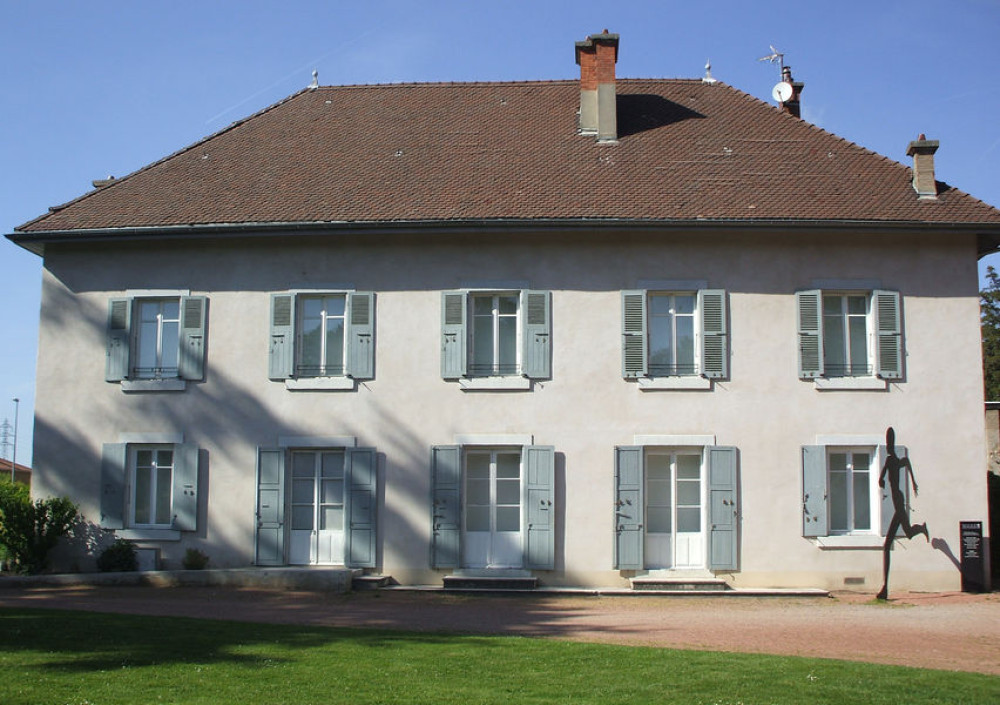
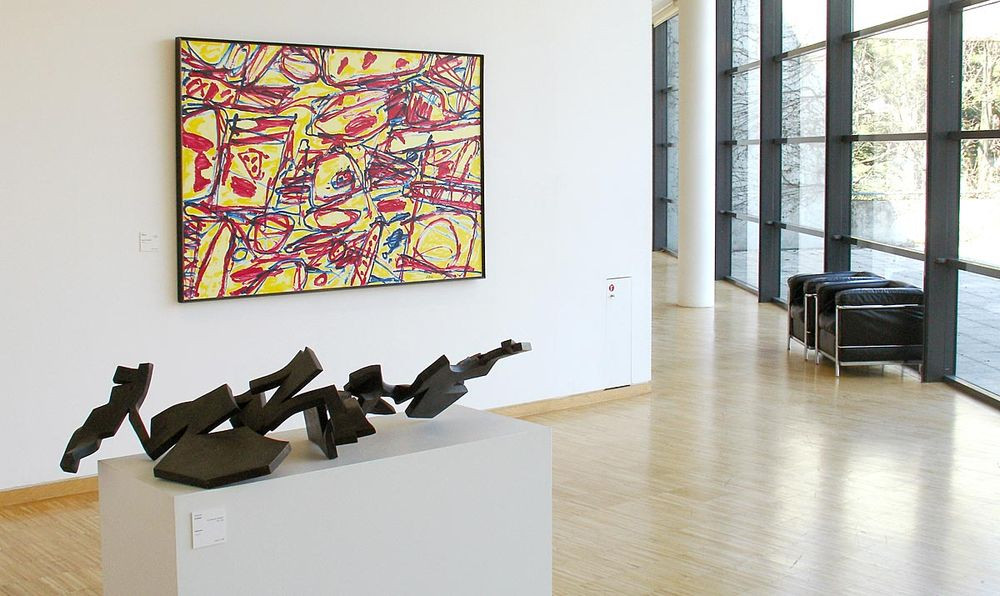
Este museo nació del encuentro entre el deporte, el arte y la literatura. Valorando la donación Géo-Charles, el museo se mantiene fiel a su espíritu, cerca del arte contemporáneo y de su audacia.The Géo-Charles Museum aims at enhancing the links between sport and art, through the heritage provided by the donation, as well as through the acquiered pieces of works and temporary exhibits on the subjects of sports or contemporary art.
The city of Echirolles acquired this house in 1982, which once belonged to the viscose company, and transformed it into a sports culture and contemporary art museum.
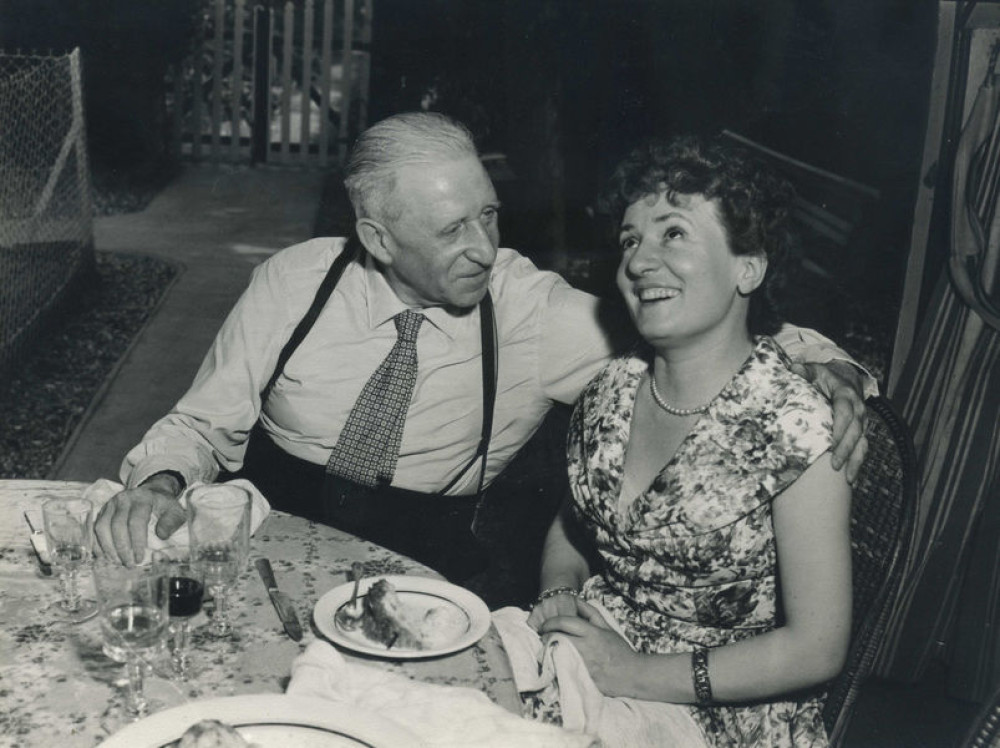
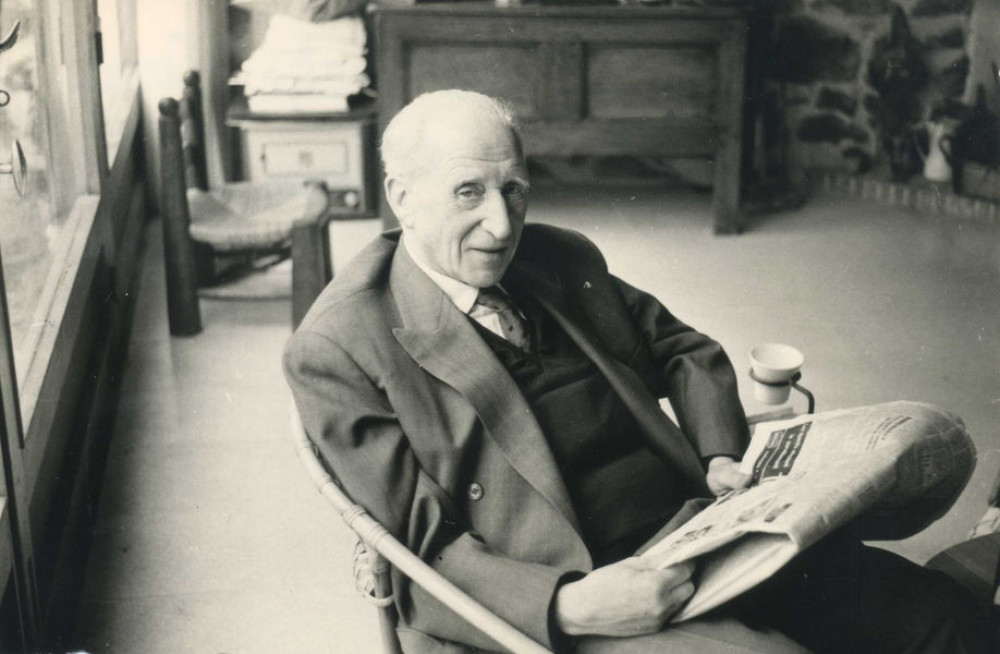
As a Museum of France, it houses the archives and collections donated by Madame Lucienne Géo-Charles. This heritage makes up a unique 20th century collection of artistic, athletic, and literary treasures, as well as contemporary art works, creating a singular museum at the crossroads of several disciplines.
The museum's collections bring together the acquisitions of a selective collector from the first half of the 20th century, with an inclination for the avant-garde style of the Paris school.
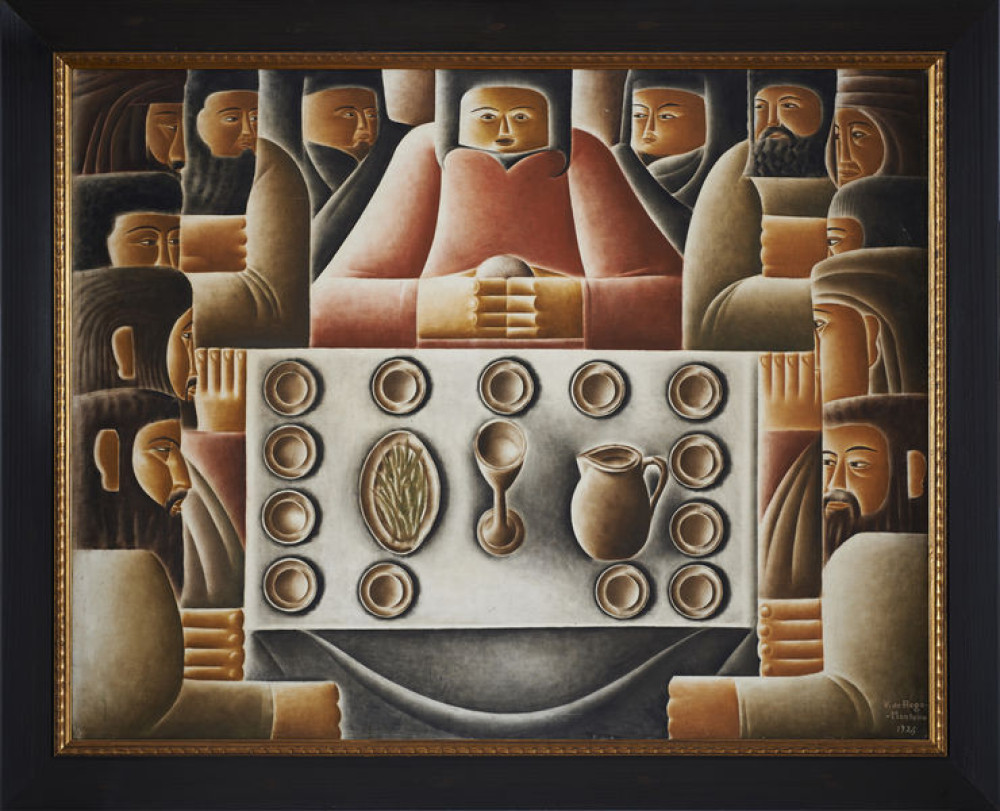
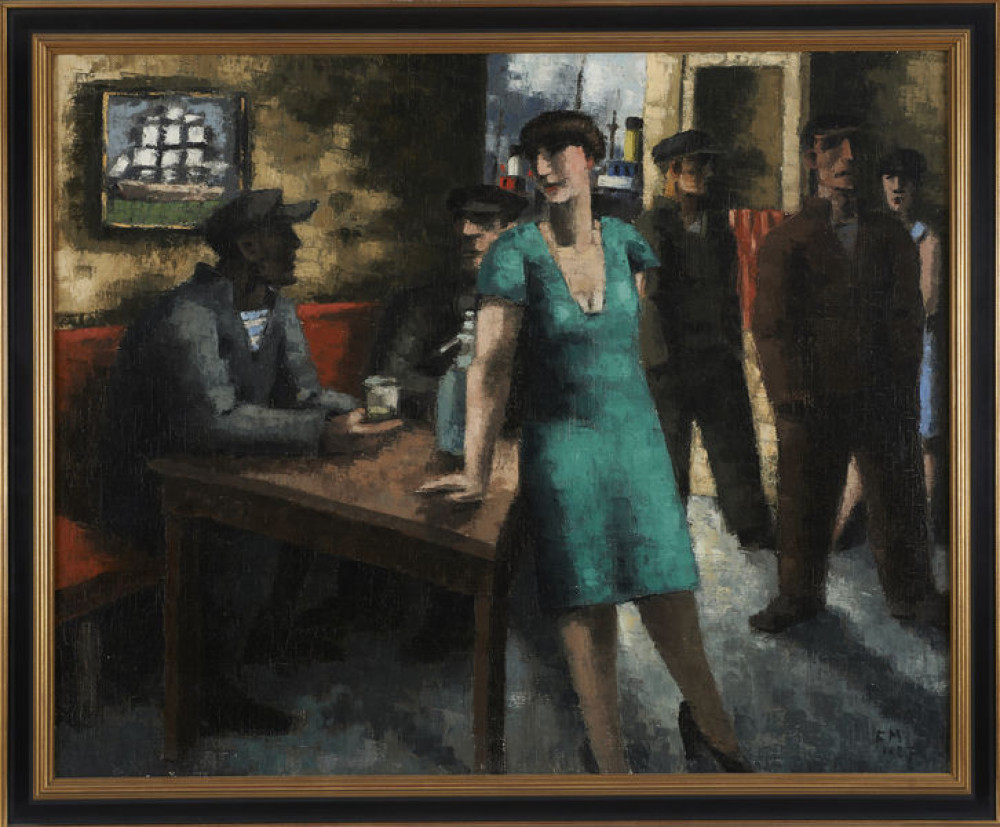
Made up of an ensemble of paintings, sculptures, drawings, and engravings from artists like Derain, Delauney, Léger, Lhote, Masereel, Metzinger, Monteiro, Reth, and Survage, the collection illustrates the sports themed modern art of the period.
The renovation of the museum in 2000 allowed for the assembly of the permanent collection made up of donations by Géo-Charles, a pioneer in athletic art.
The Géo-Charles museum is also a center for contemporary art and hosts temporary exhibits.
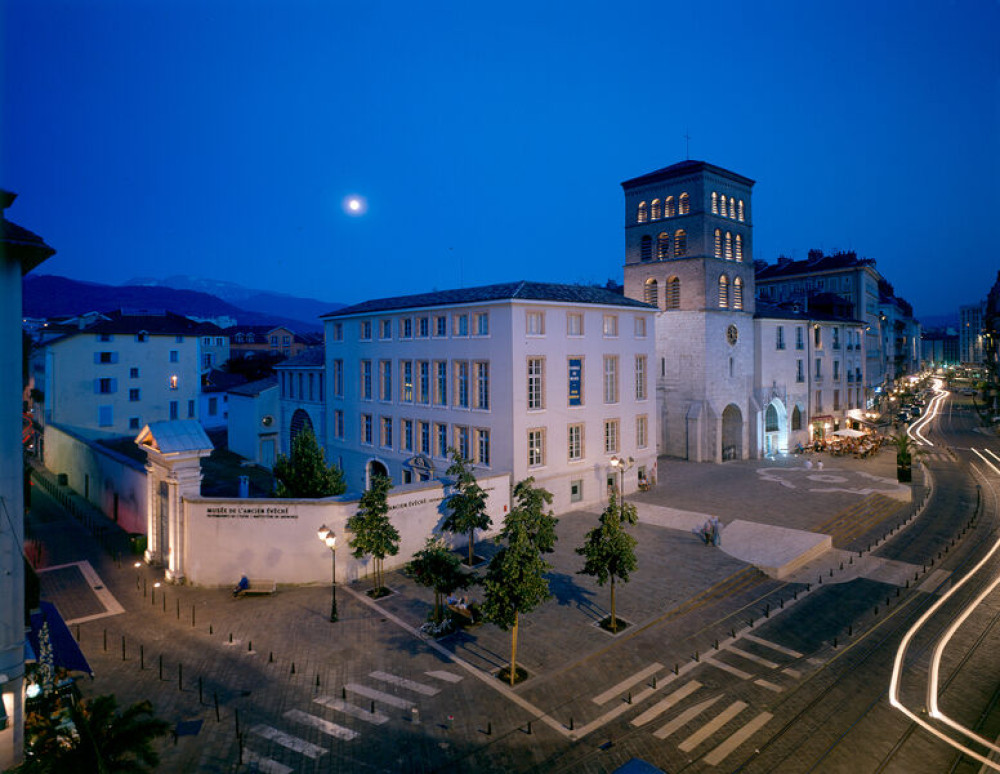
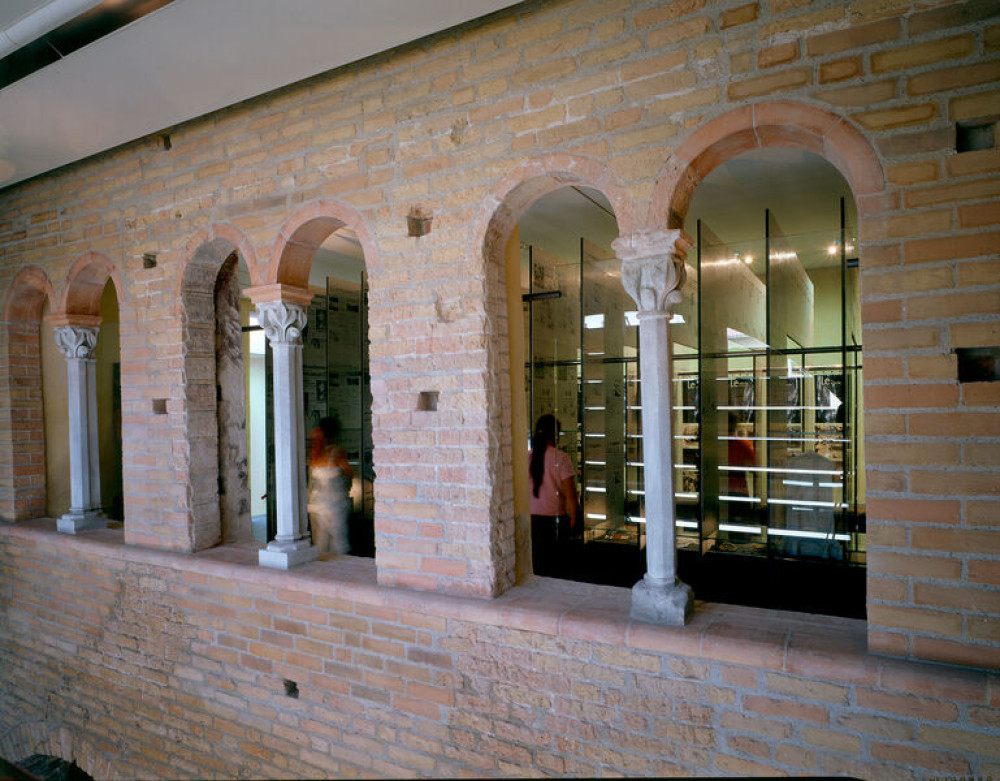
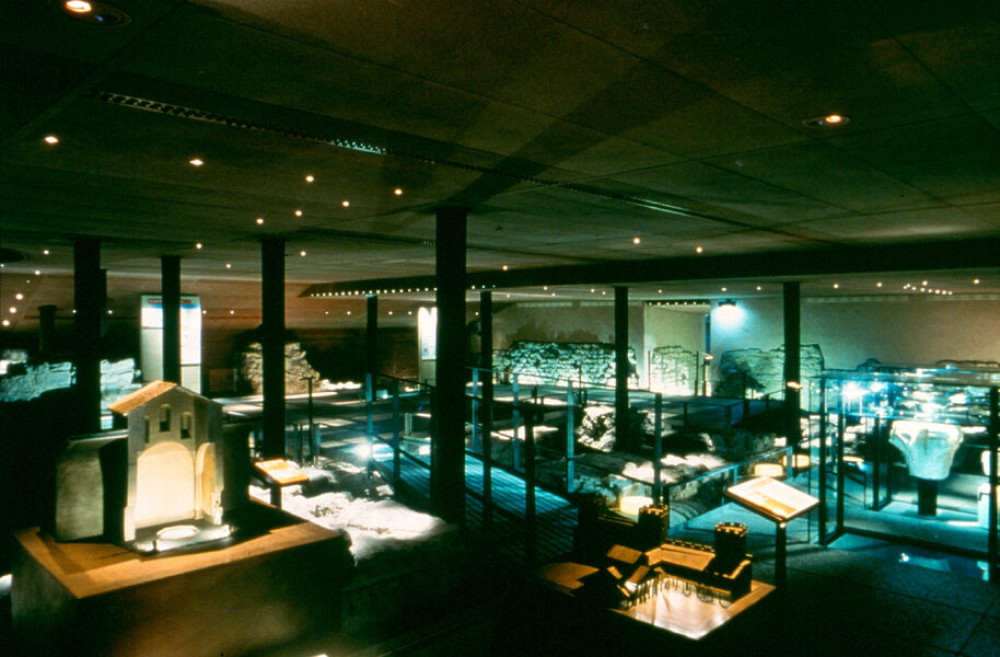
At the heart of Grenoble’s historic district, the museum offers a journey below Notre Dame square, to the vestiges of the city’s fortified ramparts, Grenoble’s first baptistery, and into the old bishop’s palace.Grenoble’s historic district
The bishopric-cathedral complex is a major part of the city’s history and was Grenoble’s original core. When the town was promoted to the official rank of a city in the 3rd century, Grenoble (called Cularo at the time), built a rampart and became the Episcopal seat shortly after. Built in bend in the rampart, the “city of the bishop” revolves around a double cathedral (Notre Dame and Saint Hugues), a baptistery (to the right of the cathedral), and a residency, the bishop’s palace.
The architecture of this ensemble would be modified many times over the course of history. The 13th century builders expanded the palace to the north and rebuilt the Saint Hugues and Notre Dame cathedrals. Marked by the Cardinal Le Camus’ strong personality and audacity, the 17th century gave the bishopric its opening onto the rue Très Cloîtres, a garden, and a courtyard with a monumental entrance way. At the end of the 19th century and during the early 20th century, Notre Dame square was finally entirely reconstructed and the cathedral fitted with a façade of molded cement (the work of Alfred Berruyer). The façade of the Episcopal palace was enlarged to mask that of the Saint Hugues cathedral. With the 1905 law that separated the Church and the State, the bishopric buildings were turned over to civil uses. The Isere Departmental Council acquired the building in 1988, just a short time before a fire would heavily damage a part of the western façade.
A museum for a site
To the visitor who crosses the threshold of the Ancient Bishopric Museum, a visit leading beneath Notre Dame square then into the halls of the ancient bishop’s palace is proposed. While very different, these two parts complement each other and are linked by the reception and gift shop. The order of the visit is coherent, making for fluid transitions between the different parts of the museum.
The visit is designed to offer a harmonious understanding of the ensemble of the site’s vestiges. The visit begins beneath the palace, with the discovery of the Gallo-Roman vestiges that were uncovered by architects. After walking along the city’s ancient ramparts, the visitor crosses the postern, the entrance to the city as of the 3rd century. The visit continues in the Paleo-christian rooms before leading to the baptistery, the highlight of the visit. The site reminds us of the bishop’s role and power, as well as the rituals of Christian baptism.
The visit then continues through the floors of the old Episcopal palace, where the evidence of the building’s complex evolution has been carefully preserved and presented through restoration campaigns.
An audio guide, available in French and English, is accompanies visitors as they move through the site.
A museum for a land and its history
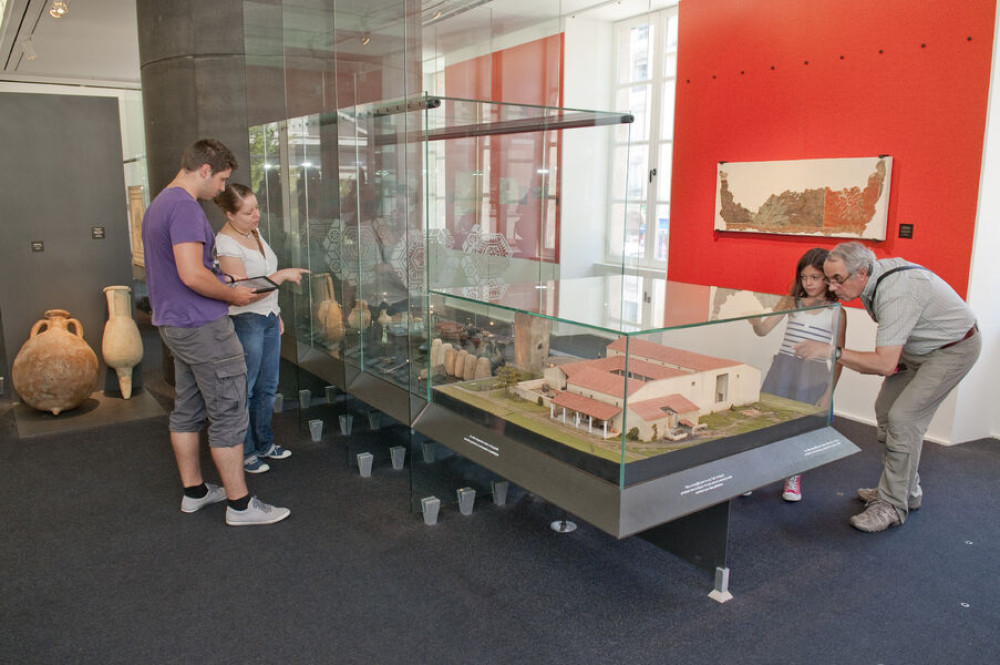
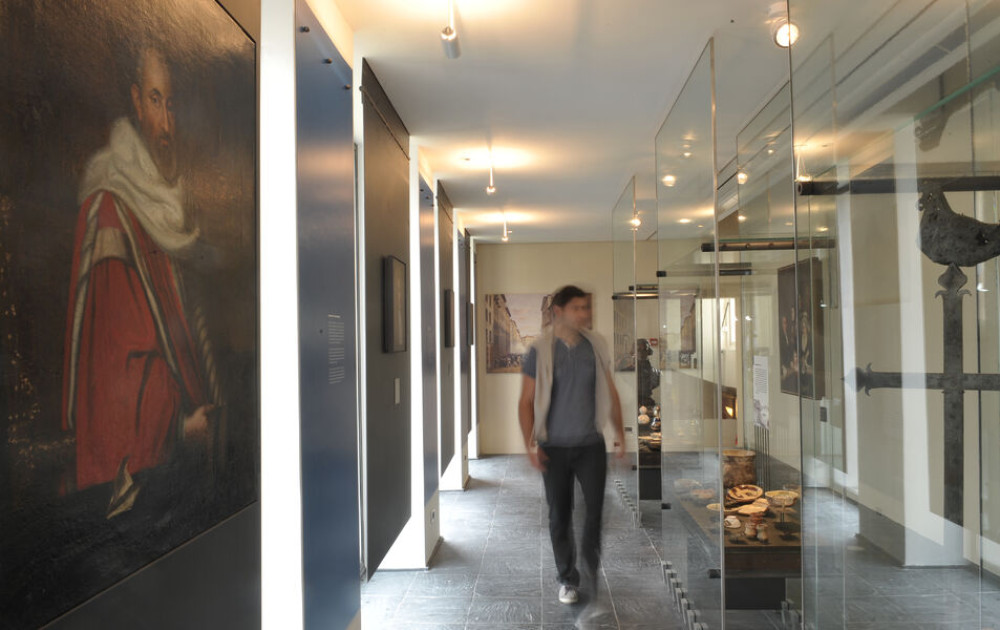
Located on the three floors of the old Episcopal palace, a permanent exhibit offers a journey into the history of mankind and the history of a land, the Isere, from early evidence of human present all the way to the 20th century. The museum acts as a sort of historical epic, the first of its kind in the Isere department, which gives us reference points and mentions the region’s main historical monuments. No other cultural institution had given itself such a mission, to offer such a synthetic view of the department’s history and development.
Other museums are dedicated to specific periods in history, such as the Museum of the French Revolution in Vizille, or to certain themes, like the Isere Resistance and Deportation Museum, or still others to precise areas, like the Matheysin Museum. As for the Dauphinois Museum, it continues to grow through renewed exhibits on various aspects of society.
The visit of the Ancient Bishopric Museum is chronological and takes the visitor through six successive periods: Prehistory, the Gallo-Romain period, the Middle Ages, Modern Times, the 19th century, and the 20th century.
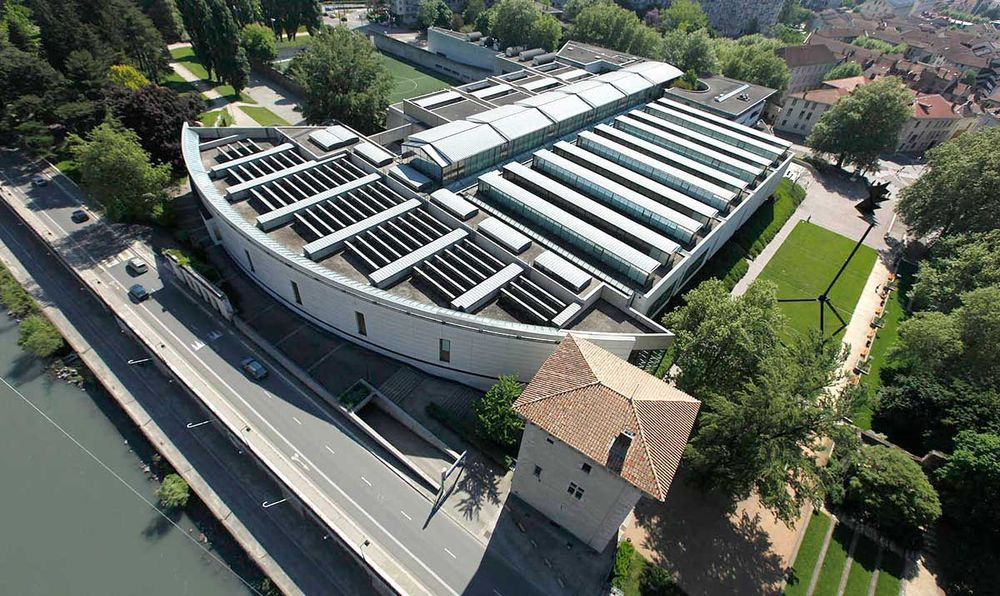
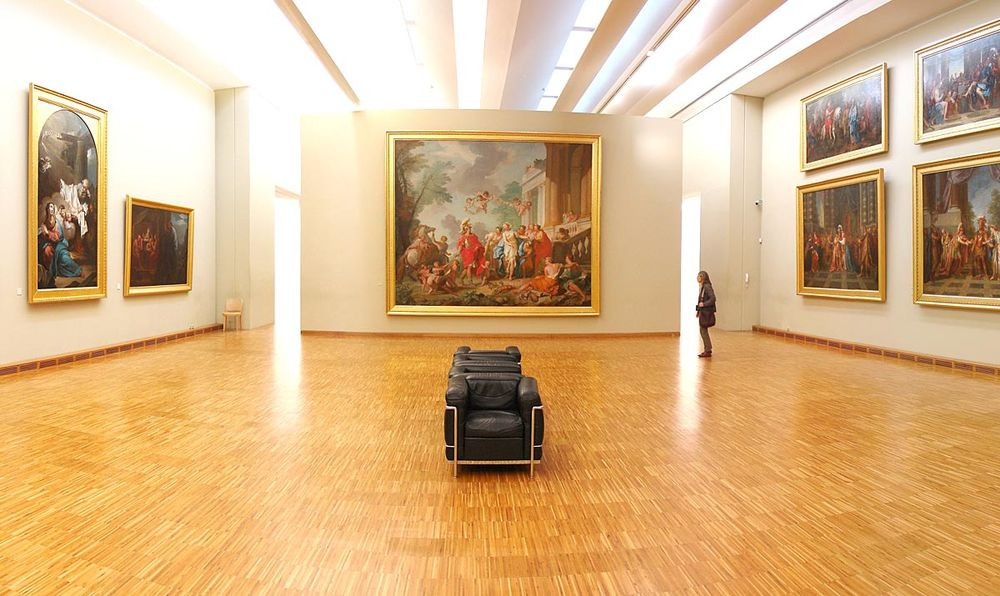
Considered one of the most prestigious museums in Europe for its collections of ancient art and 20th century art, the museum covers the history of Western painting from the 13th century to the present day, with major works for each period.Presented in chronological order, the collections, totalling some 800 painted or sculpted works, are arranged into two distinct large sections. The first is devoted to the great painting schools of the 13th to 19th centuries and to 17th century Europe in particular, with artists such as Rubens, Georges de La Tour, Philippe de Champaigne, La Hyre and Zurbarán, who give the antique art collection its rich splendor.
The 19th century is illustrated by a set of works ranging from Neo-classicism to Impressionism, graced by such great names as Delacroix, Pradier, Fantin-Latour, Monet and Gauguin. The second section presents 20th century art, with key works by the great names in modern art, including Matisse, Picasso, Léger and Ernst, through to the creators of the contemporary period with works by Soulages, Warhol, Nauman, Boltanski and Schütte who, along with many others, have contributed to the museum’s reputation.
This collection is complemented by an extensive collection of drawings, including a number of sheets of great quality. Two of the museum’s rooms are taken up by Egyptian antiquities and Greek and Roman archeology.
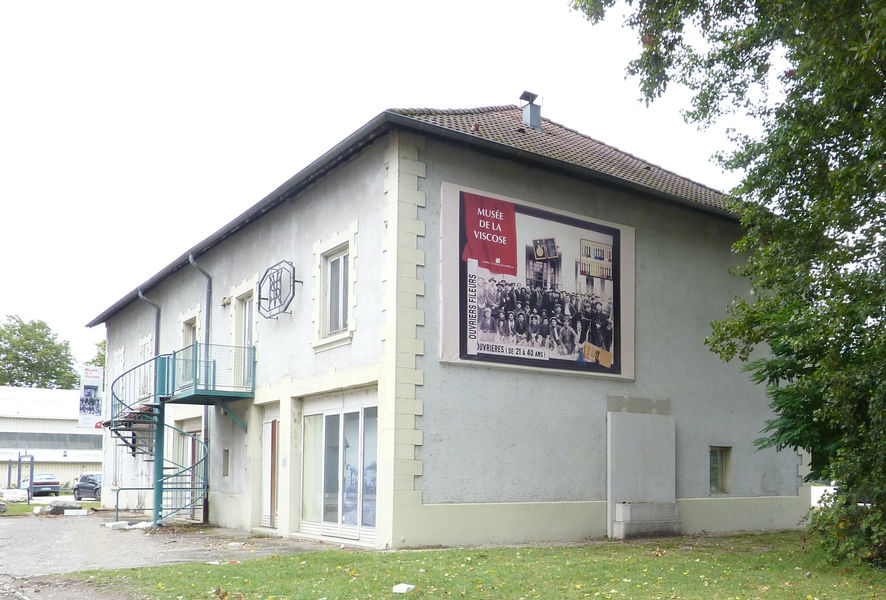
On an old industrial site, 60 years of viscose history is told: the invention of artificial silk, the manufacturing process, the work in the factory, the life of the factory workers in the industrial housing complexes."The viscose was above all, a huge factory, with its tall chimney, like a lighthouse. But it was also the country just outside the city, a veritable village with the factory workers' gardens, its little dances, and its Sunday dresses." The history of the Grenoble factory, in operation from 1927 to 1989.
The invention:
How could thread so fine, so soft, so brilliant, and so solid as silk be artificially produced? In 1884, in north Isere, in Vernay de charrette, the count Hilaire de Chardonnet created the first artificial textile in the world, imitating silk thread. Manufactured using wood pulp, viscose would become an important industrial product. Until the 1950s, viscose was everywhere: in ready to wear clothes, in lingerie, in furniture, even in tires. Starting in 1950, synthetic textiles began appearing, leading to the decline of artificial silk.
The industrial adventure:
From wood pulp to the finished thread, the ground floor of the museum brings to life the movements and the tasks of the viscose worker. The manufacturing line is recreated. The soaking of the wood pulp in soda, its grinding and mixing with carbon sulfur and finally its dissolving in soda water, which gives the material its amber color and honey-like consistence. The museum shows how the viscose was threaded, how it was wound, and how the meticulous inventory of threads was carried out, and how it was stored.
The human adventure:
The second floor of the museum retraces the history of the factory workers, their work, their living quarters, their strikes, leisure activities, team sports, their Resistance and Liberation. When the factory opened in 1927, Echirolles was a country village of 800 souls. The management looked to foreign countries to make up nearly its entire workforce. Close to 40 nationalities (Hungarians, Pollacks, Italians, Armenians, Russians, Yugoslavians, Portuguese, Algerians, Turks, etc.) lived together in the viscose industrial city. Co-workers and partners in everyday life, they shared the hard conditions of factory life and the relaxed ambiance of Sunday sports.Period of opening : All year round, daily.Prices : Free of charge.
Access : Bus line 1 stop Viscose
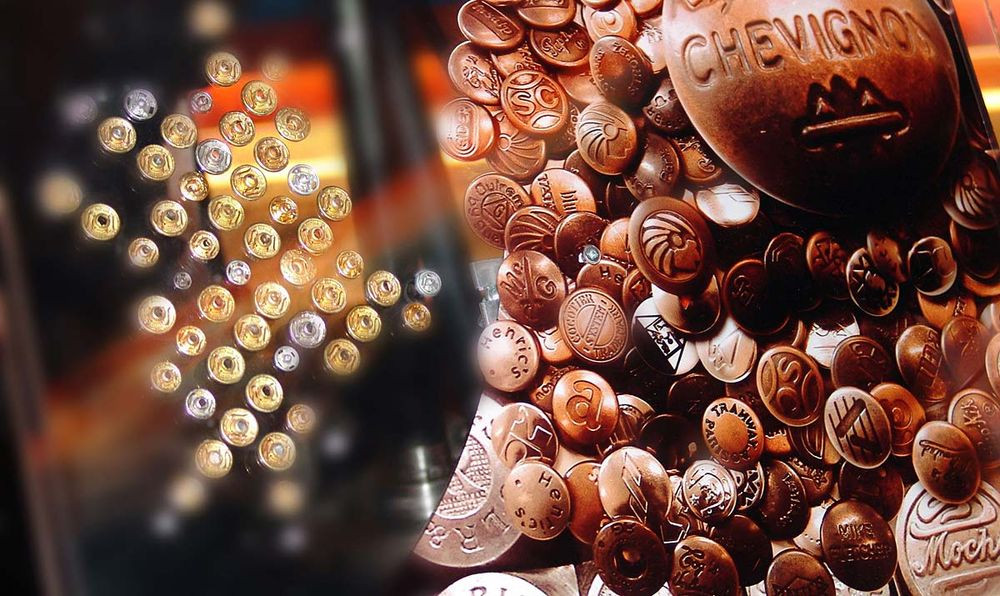
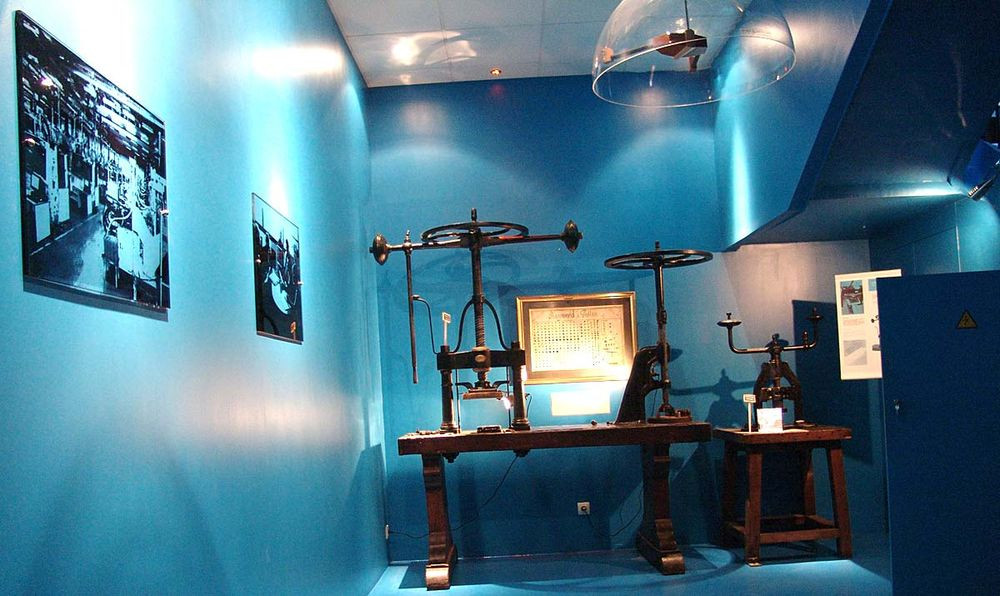
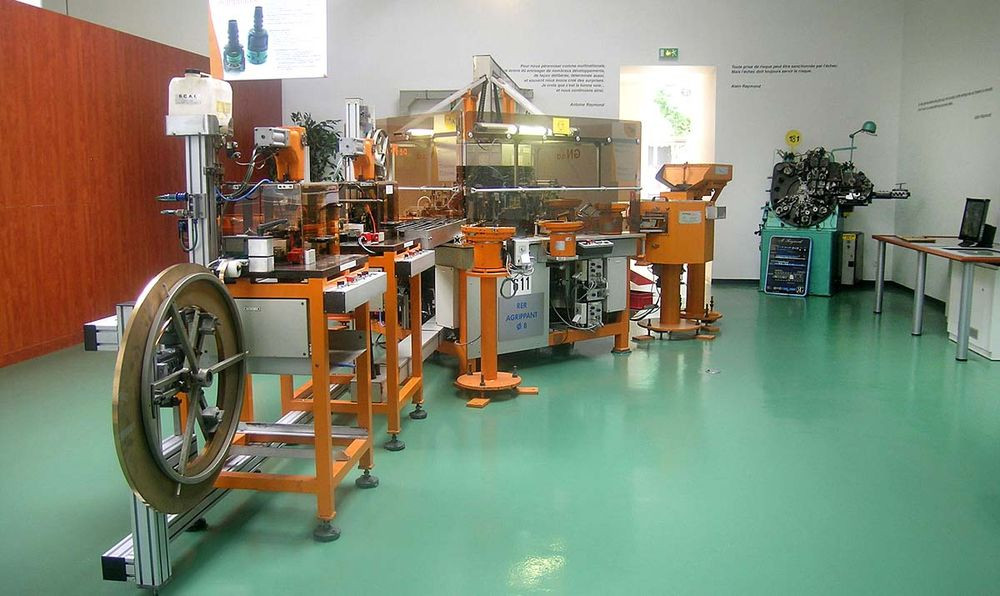
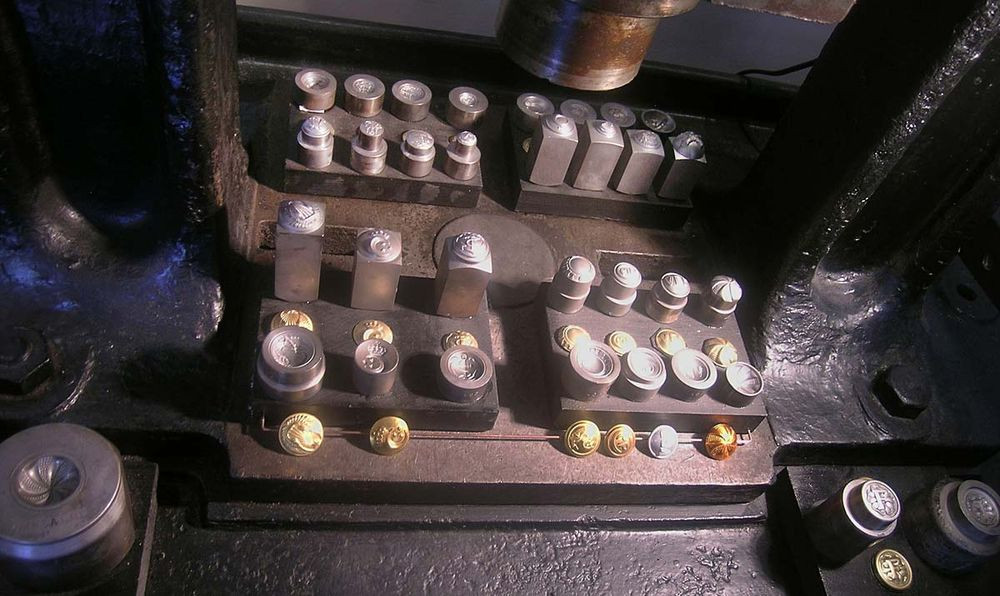
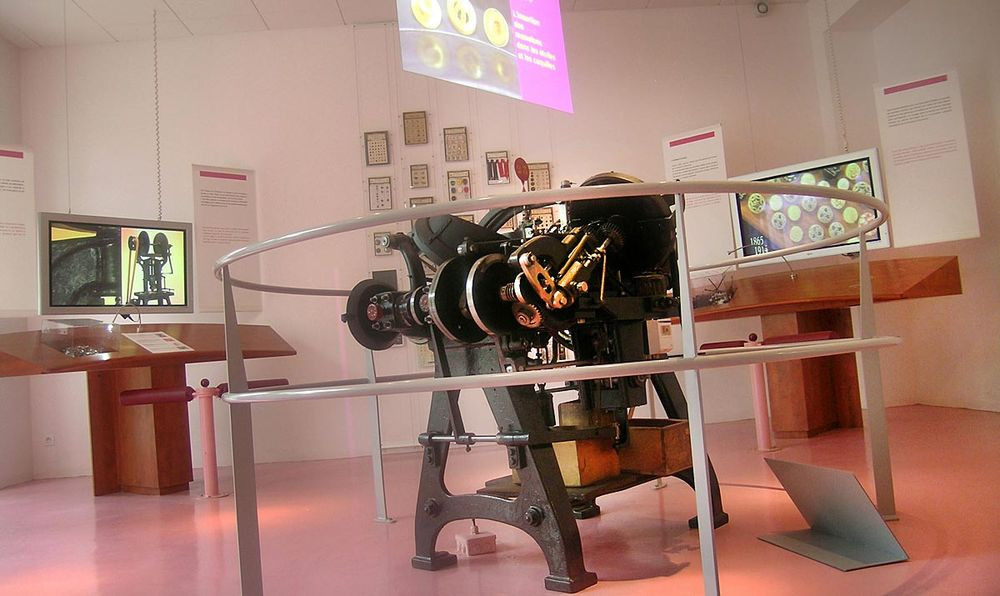
The Museum of Industrial Innovation tells more than just the history of a family company which has grown into a multinational enterprise. Very innovating, it offers you an experimental, playful and peculiar course which recounts the remarkable times of French Industry.The A. Raymond company (Raymond-Bouton for long time Grenoble natives) has become an international group, and number one in certain bindings markets, notably in the automobile industry.
The time was that of prosperity, and while many workshops on the cours Berriat were moving out to new locations, the directors chose to create a company museum.
Heritage technicians, accustomed to preservation requests after a company has closed, saluted the effort to bring history to life while the company was continuing to prosper!
On the site where the company was founded 140 years ago by the first A. Raymon (Albert-Pierre) when the cours Berriat was rhythmed by factory life, the new museum offers an original scenography, which involves all the senses and focuses on the history of the family company, still under control of A. Raymond (today Antoine, who succeeded Alain). Part of the presentation is dedicated to industrial innovations that led the group to impose itself as the dominant player in its field, as well as to recent products.
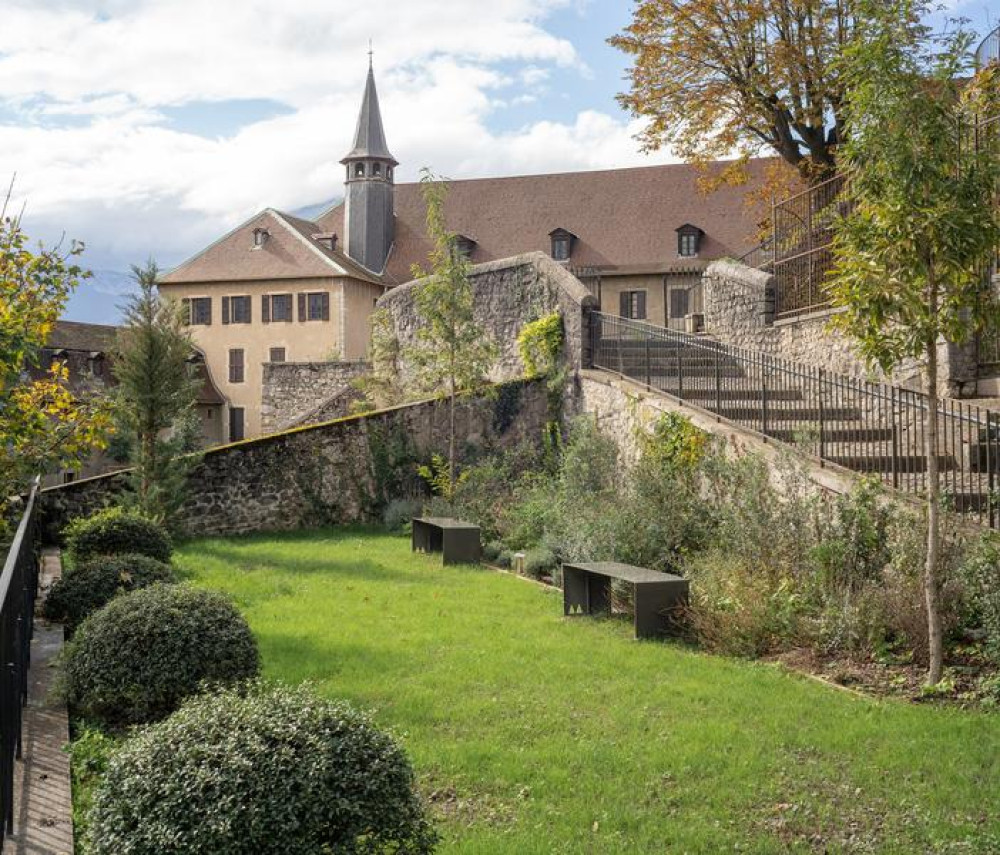
Located in a 17th century convent building, this Alpine museum presents varied exhibits on regional heritage from the past and present, including The People of the Alp (a presentation of 19th century rural mountain life) and the Grand History of Skiing.The museum was created in 1906 thanks to the initiative of its first curator Hippolyte Müller, who sought to "link the first inhabitants of the region to those who still live here today." The Dauphinois museum is located in what was once the Sainte Marie d'en Haut convent. Classified as a historical monument, the complex was founded at the beginning of the 17th century by saint Francis de Sales and saint Jeanne de Chantal. After an eventful history, which saw the building used as a prison, religious boarding school, barracks, and immigrant housing, the building was restored for the 1968 winter Olympics in Grenoble. The Dauphinois museum, in its current location, was inaugurated that same year by André Malraux.
As a genuine regional museum of mankind, the Dauphinois museum looks at all the aspects of life and history in the old Dauphiné province, and on a wider scale, in the French Alps. Archeology, pre-history and history, ethnology, industrial heritage, and regional decorative arts are just some of the fields that this museum deals with.
Other than The People of the Alp and The Grand History of Skiing, the Dauphinois Museum does not house a permanent exhibit. Instead, it renews its offer every six to twelve months, with exhibits on regional heritage, the Dauphiné, the Alps, but also on foreign cultures.
A social museum, the Dauphinois museum believes that heritage and history worth our attention simply because they allow us to answer questions about today's society, to understand the movements of our time, and to express the wealth and diversity of various cultures over space and over time.
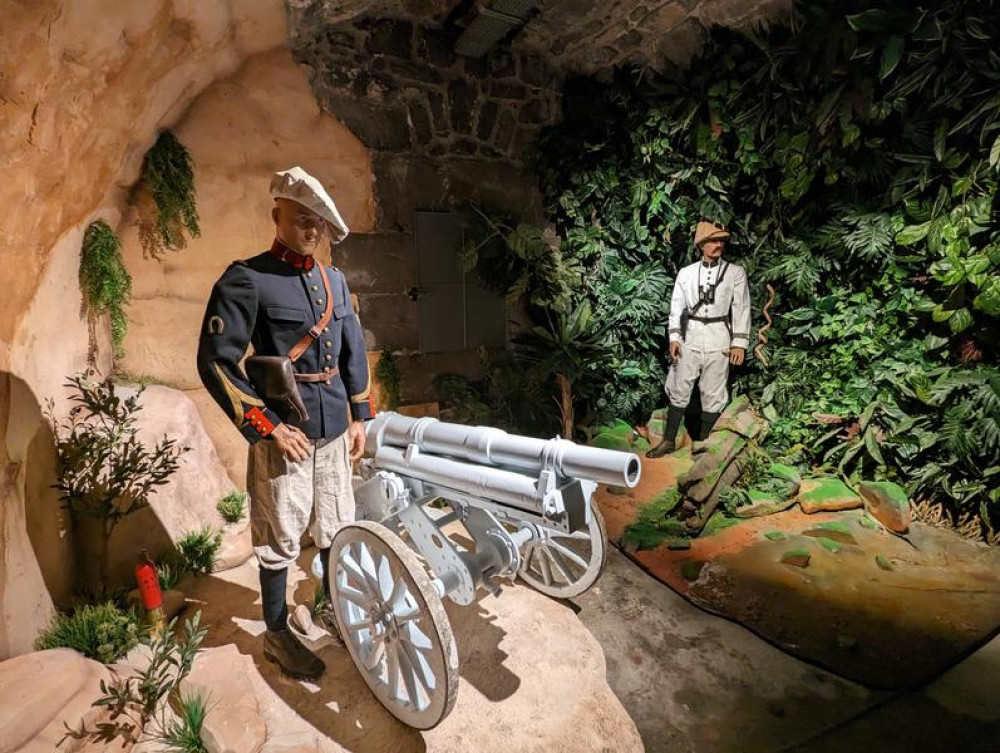
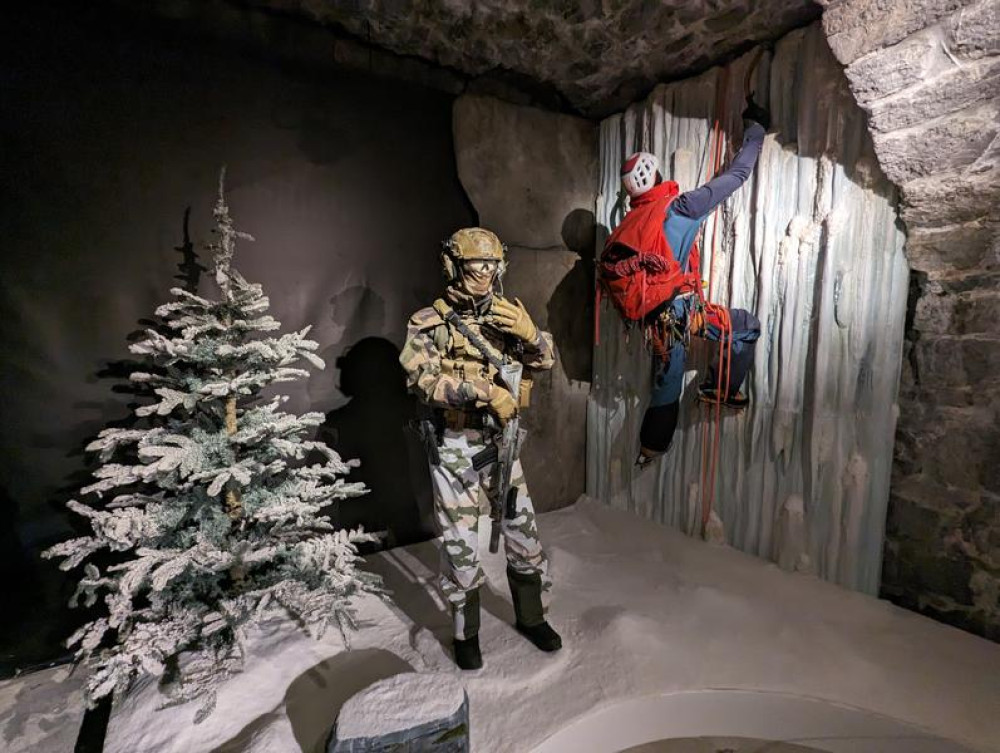
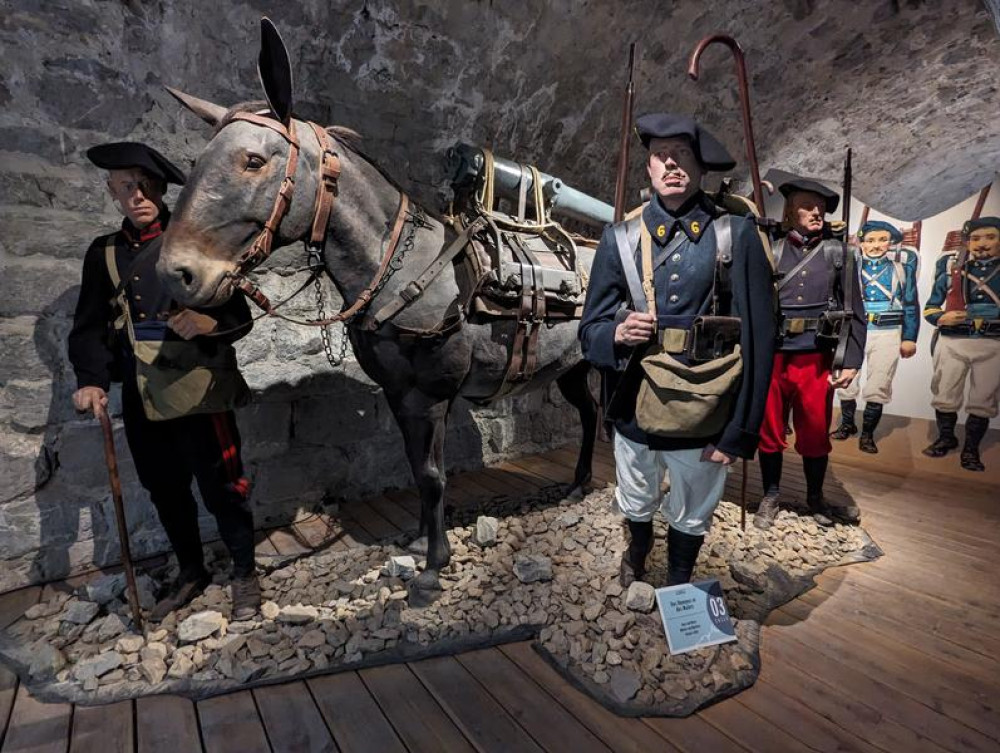
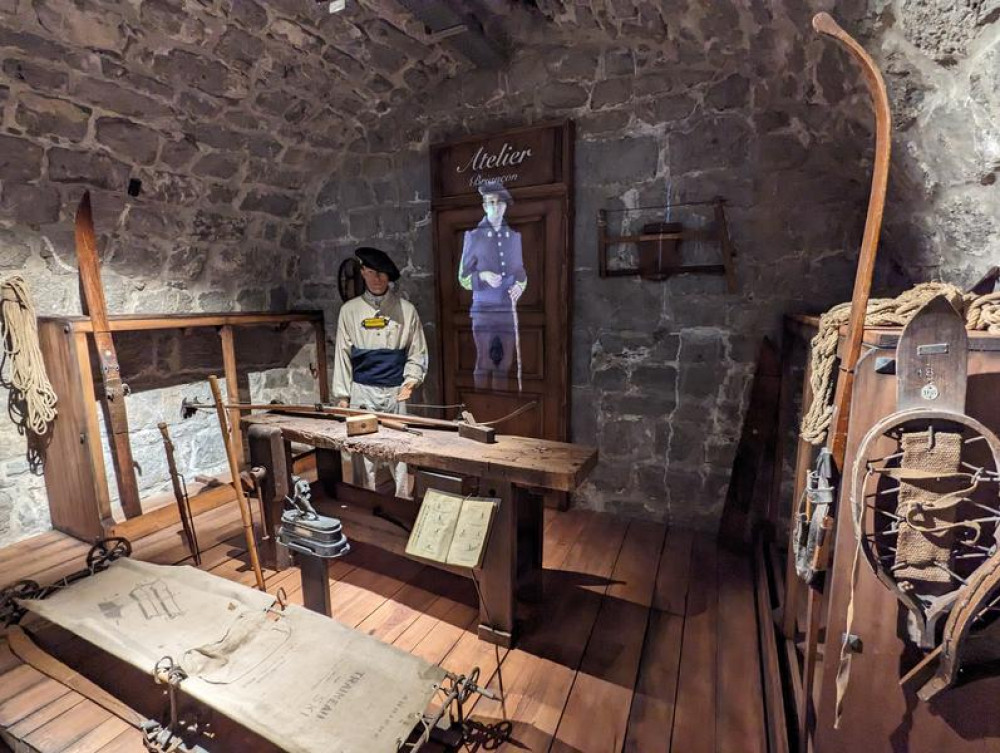
The public is invited to discover the history of mountain soldiers from their creation to the present day.Six thematic areas are presented: History of the Mountain Troops, Conquering and Surviving in the Mountains, Combat, Living in the Mountains and with the Local Population, Culture and Identity, and Alongside the Mountain Troops. Other themes are presented through temporary exhibits. They focus on the relationship between the military and civilian communities.
The Museum:
As part of the historic Bastille site, Isere's number one tourist attraction, the Mountain Troops Museum, targets a wide public and families in particular.
In a privileged setting, at the heart of an old fortress, the museum offers visitors an experience unique in France, which associates man and the mountain.
It is on this alliance that the Mountain Troops are based. A visit to the museum comes as a good complement to that of the Bastille site.
Overlooked by the Memorial to the Soldiers of the Mountain 200 metres above, this museum also reminds us that the history of the Bastille and of Grenoble itself is inextricably linked to that of the Mountain Troops.
The visit
Through its rich collection and innovative layout, the museum offers an attractive visit presenting the history of the Mountain Troops from its foundation to today.
Thanks to the audio guide, a multilingual voice will recount the story of this Alpine adventure.
The information is presented through a resolutely modern format, unlike that of most traditional military museums, and includes many exceptional objects.
A spectacular and realistic scenography totally immerses the visitor in the epic of the mountain soldiers through life size recreations of poignant scenes of military life, such as a World War I trench or a room from the Maginot Line.
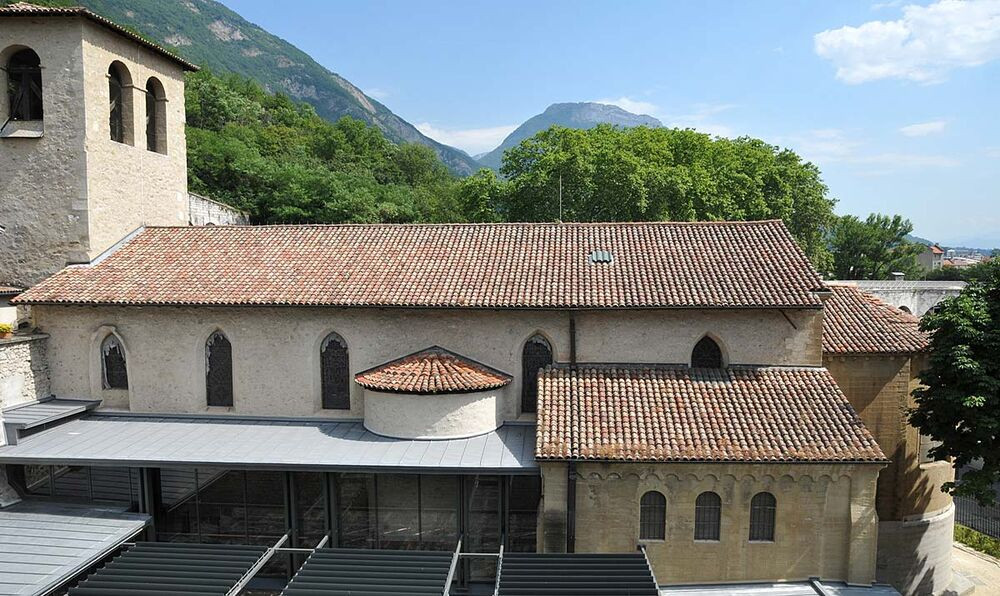
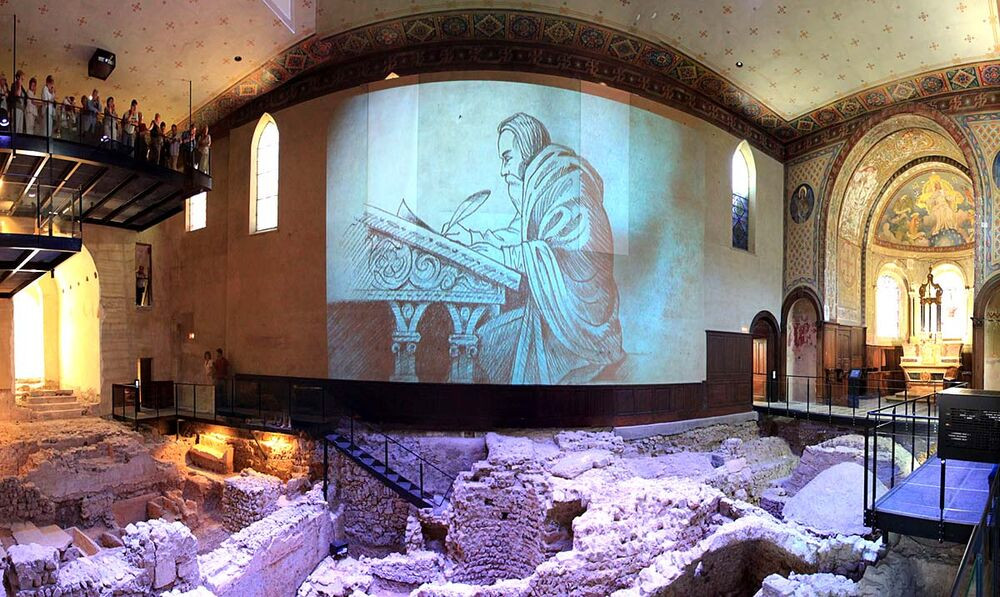
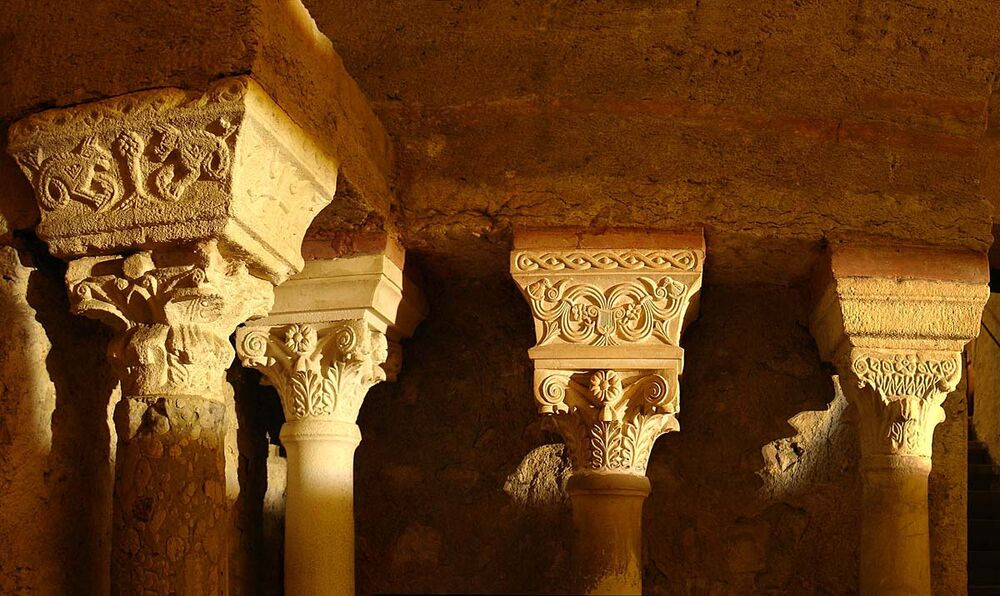
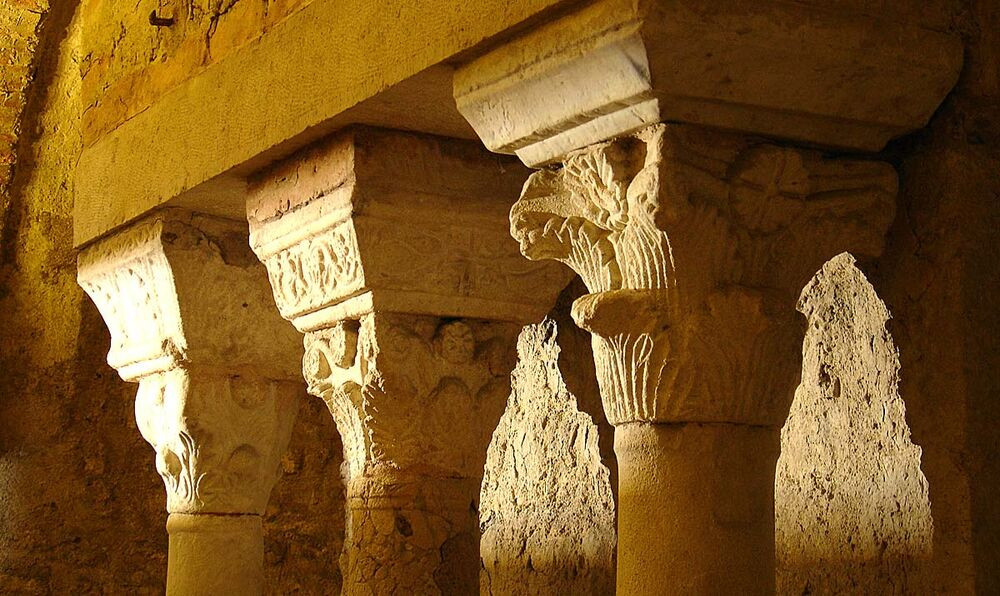
A rarity in Europe, this museum was installed in an old parish church. The structure was among the first to be classified as a Historic Monument of France. Its Merovingian-era crypt is a unique witness to the art and architecture of the very early Middle Ages.After much archeological research, the Saint Laurent archeological museum and church is getting a face lift in order to better welcome visitors. The works,is now finished with the construction of a visitor's path and the bringing of the site up to modern standards began in February 2009.
The site has earned a solid reputation, thanks in part to its sanctuary dating from the early Christian era (6th century) and its exceptional crypt. The renovation project strives to better exploit the site's historical and archeological wealth, which is classified as a Historic Monument of France.
1500 years of religious and funerary history have been uncovered. We can see the different construction phases: antique mausoleums, the Roman-style church and its Benedictine capitals, the Merovingian funeral basilica, and Carolingian church.
Where the cloister once stood, the relics uncovered by archeologists are protected by a glass and metal structure.
A collection of objects uncovered during the dig enriches the permanent exhibit, which for the first time, reveals the essential findings of 30 years of on-site research. This exhibit presents the key information concerning the urban, religious, and human history of Grenoble.
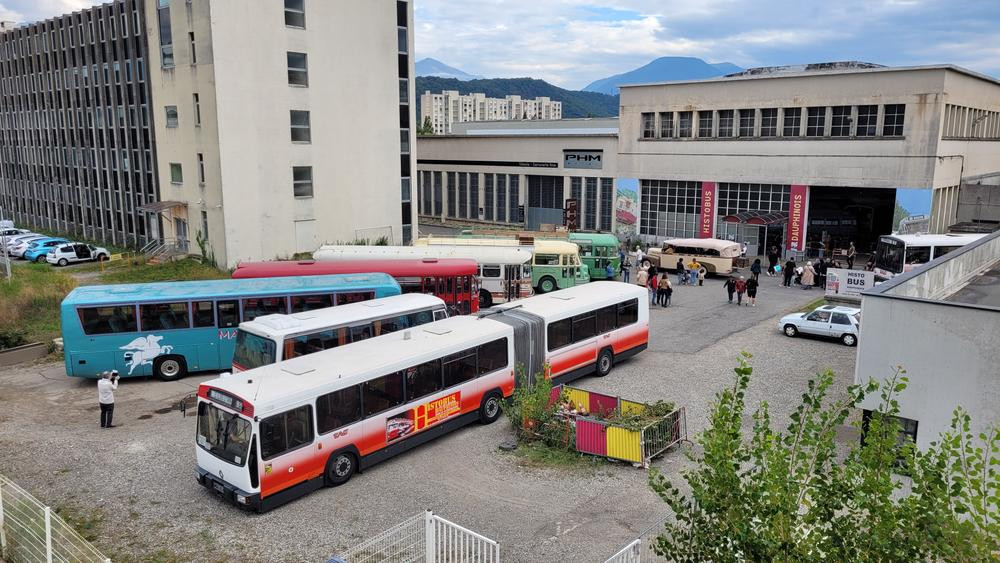
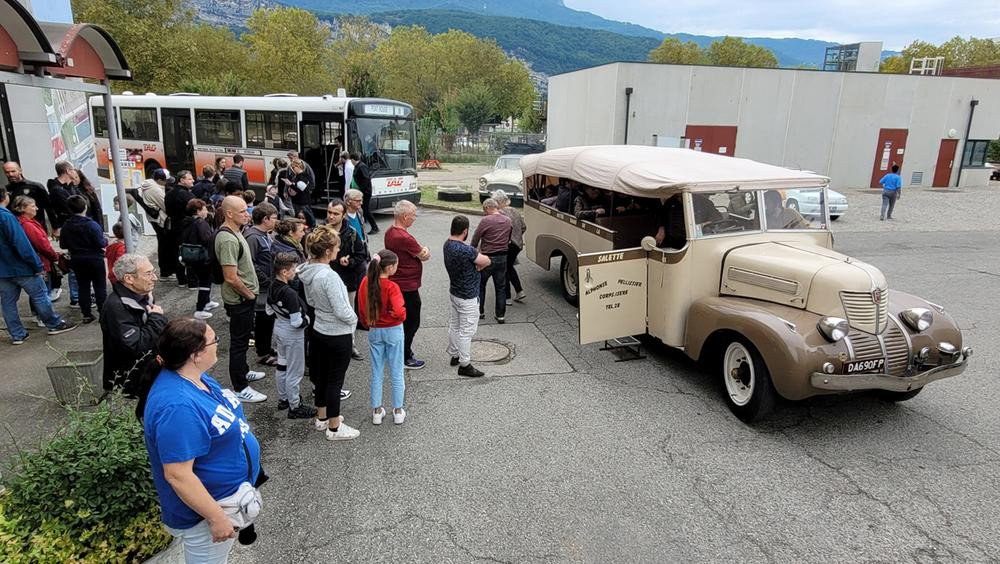
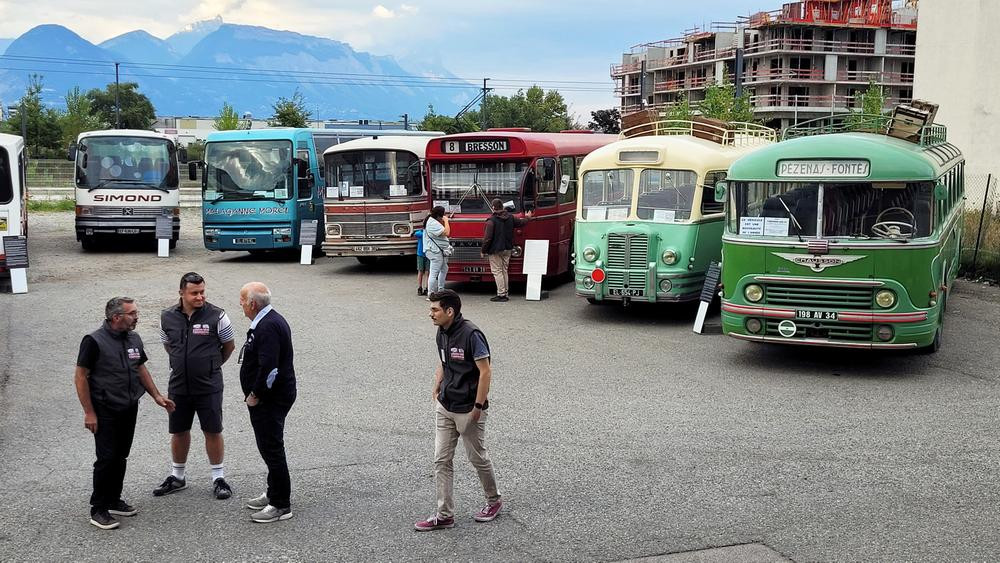
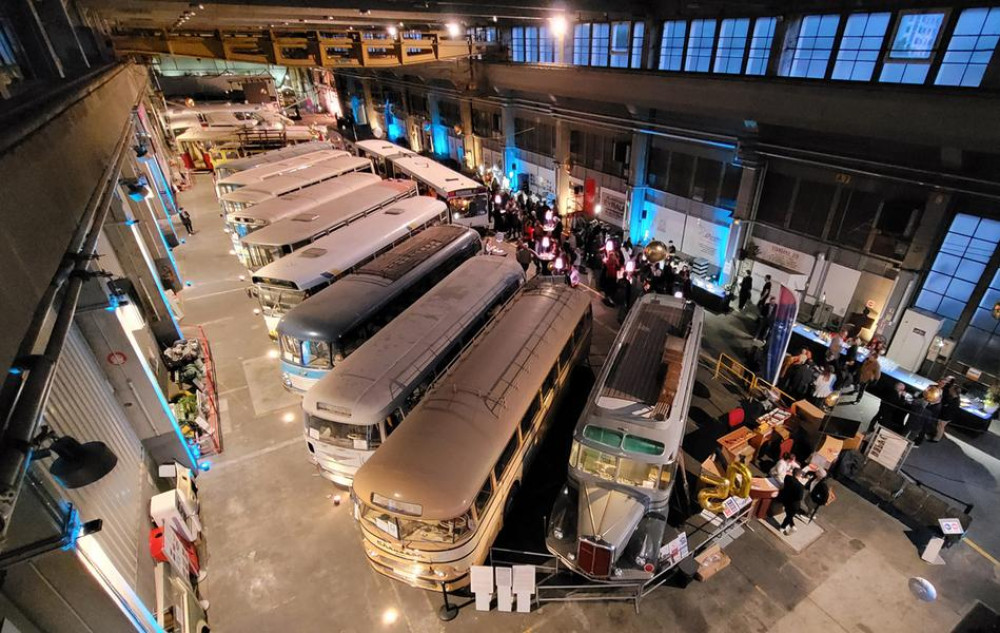
Through a collection of 40 vehicles: char-à-bancs, coaches, buses, articulated buses, midibuses, trolleybuses, diesel and electric engines and numerous accessories and posters, the museum presents our public transport from 1865 to 2020.Also on display is a 23 m-long model of the La Mure railway.
A ride in coaches and buses dating from the 1930s to the 1990s is possible during our museum's open days: Nuit Européenne des Musées / Musées en Fête en Isère (3rd weekend in May) and the Journées Européennes du Patrimoine (3rd weekend in September).
Relive the history of public transport in the Dauphiné!
This is one of the very first French sites devoted to streetcars, buses, trolleybuses and coaches.
The Espace Histo Bus Dauphinois features :
> 40 vehicles: char-à-bancs, coaches, buses, articulated buses, midibuses and trolleybuses that operated in the Grenoble region and Isère département between 1939 and 2020;
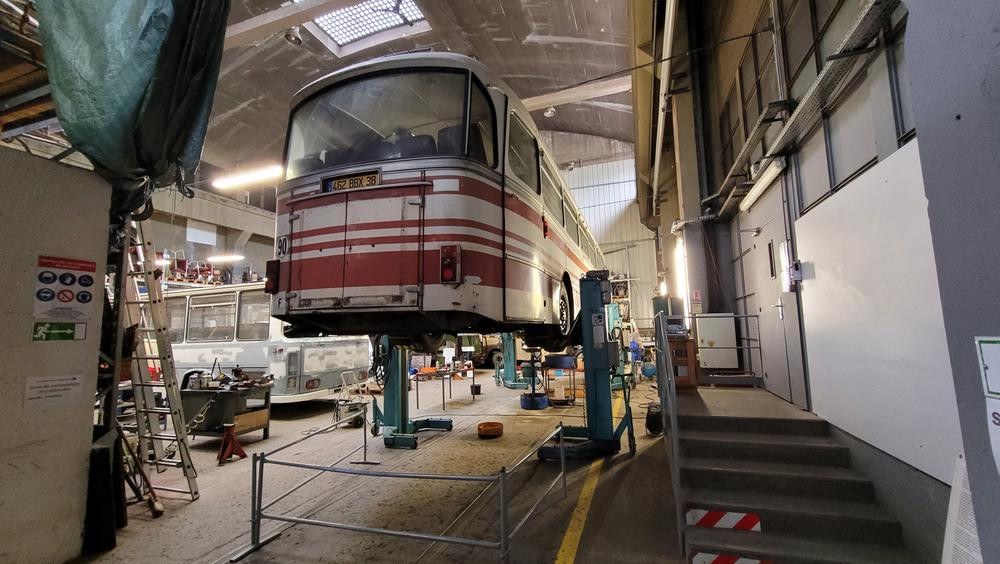
> Engines, gearboxes and mechanical components that have equipped vehicles since 1940;
> An area devoted to ancient and modern tramways, with models;
> A room dedicated to the Train de la Mure: a large model representing the line's characteristic sites, and a giant diorama of a locomotive;
> An evocation of regional manufacturers (Berliet, Saviem and Belle-Clot) and also of Cars Chausson (factories in the Paris region).
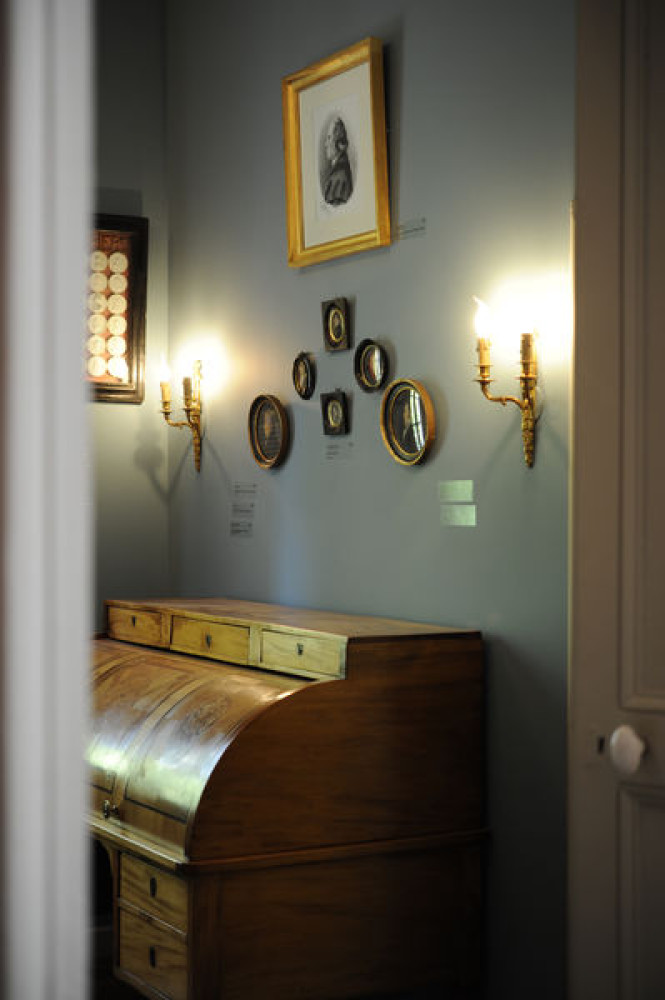
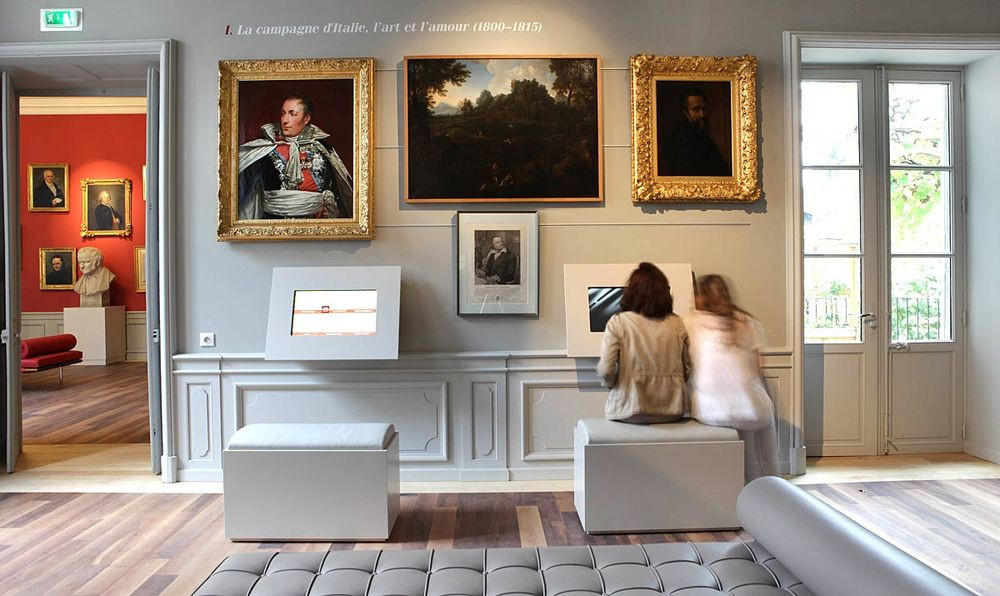
Inaugurated in 2012, the Musée Stendhal brings together the Gagnon apartment, Stendhal's native apartment, a historical itinerary in Grenoble's old town and the Stendhal collections of Study and Heritage Library.Inaugurated in 2012, the Musée Stendhal brings together the Gagnon apartment, Stendhal's birthplace apartment, a historical itinerary in Grenoble's old town and the Stendhal collections of Study and Heritage Library.
The Gagnon apartment
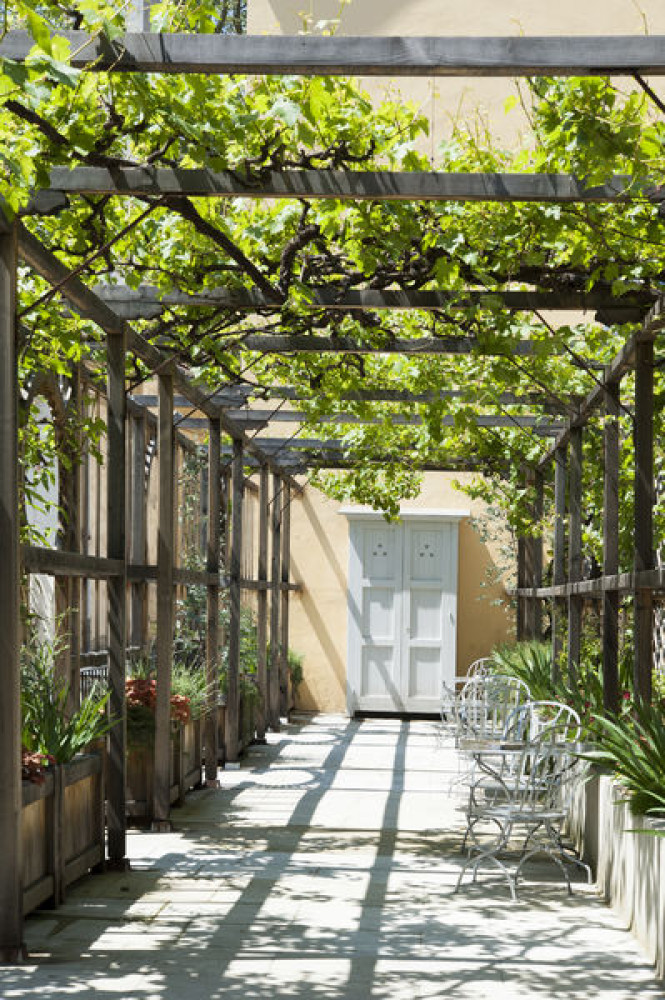
The apartment of Dr. Gagnon, Stendhal's maternal grandfather, is the cornerstone of the networked Stendhal Museum. Rehabilitated in 2012, its architectural design and museography bring to life for the general public the apartment in which the heart and mind of the future writer were awakened. The apartment includes the large Italian-style living room, the natural history cabinet, the study or "summer cabinet", the guest room, and the terrace with its oriental pergola, better known as "Stendhal's trellis".
Stendhal's native apartment
Accurately depicted by Stendhal himself in his autobiographical story Vie de Henry Brulard, Stendhal's native apartment was typical of 18th century bourgeois living and belonged to the family of Stendhal's father. For the young Henri Beyle, this place rhymed with happiness until the death of his mother Henriette in 1790, when he was just 7 years old. The apartment then became essentially a place of study, where the child was taught by his tutor, the austere Abbé Raillane. It was in the salon de compagnie, which overlooked Rue des Vieux-Jésuites, now Rue Jean-Jacques Rousseau, that the future Stendhal made his first literary attempts. Situated a stone's throw from Dr. Gagnon's apartment, the birthplace today houses the administrative and educational premises of the Stendhal Museum.
The historical itinerary
In Grenoble's historic center, discover the places that marked the life of the young Henri Beyle. A dozen of them are marked by bilingual French/English heritage plaques. This tour is an integral part of the networked Musée Stendhal.
Grenoble's Stendhalian heritage: richness and complementarity
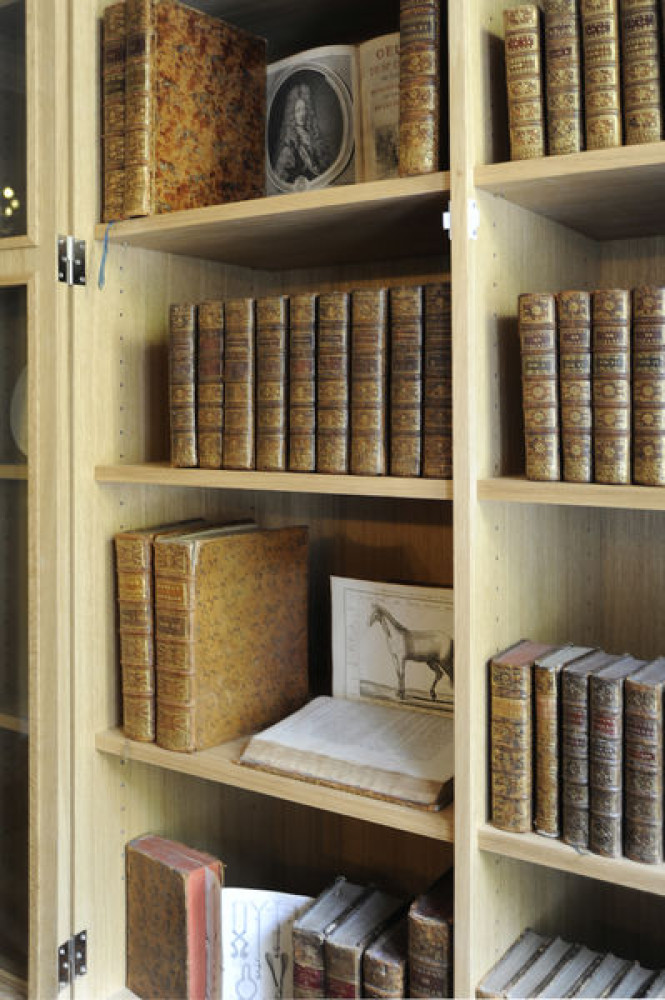
The Musée Stendhal is a meeting place for the Stendhalian heritage preserved in Grenoble: the library's exceptional literary and documentary holdings, a collection of objects on Stendhal and his times, and the built heritage made up of the places Stendhal lived in, visited and described. These three collections are complementary and inseparable, and the history of their creation and preservation bears witness to the special attention Grenoble has paid to the writer for almost two centuries.
 Isère Outdoor - Trace - Les Vouillants - Sous les Trois Pucelles