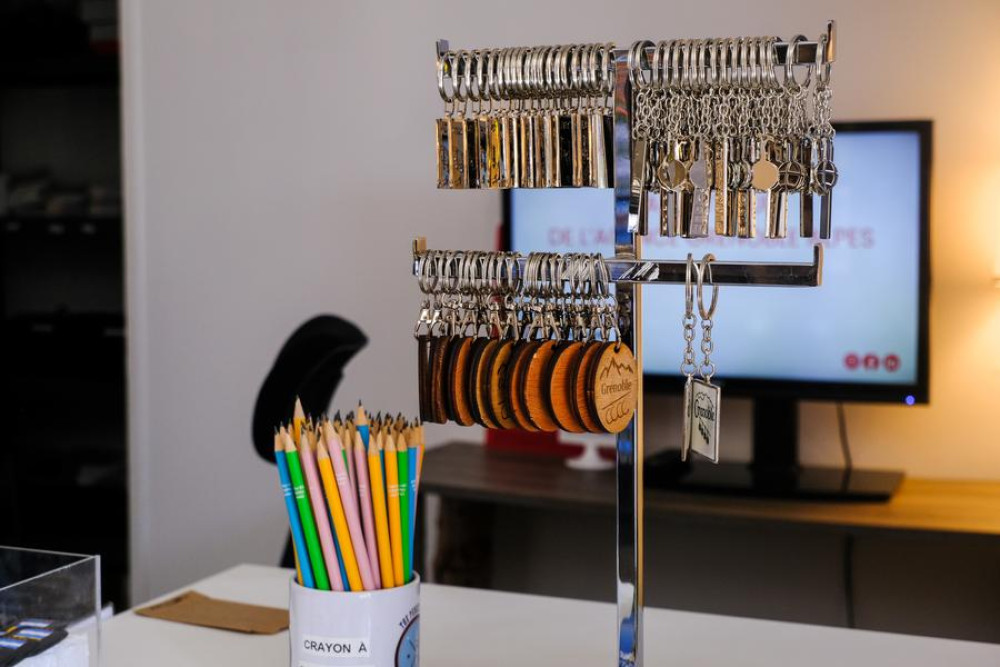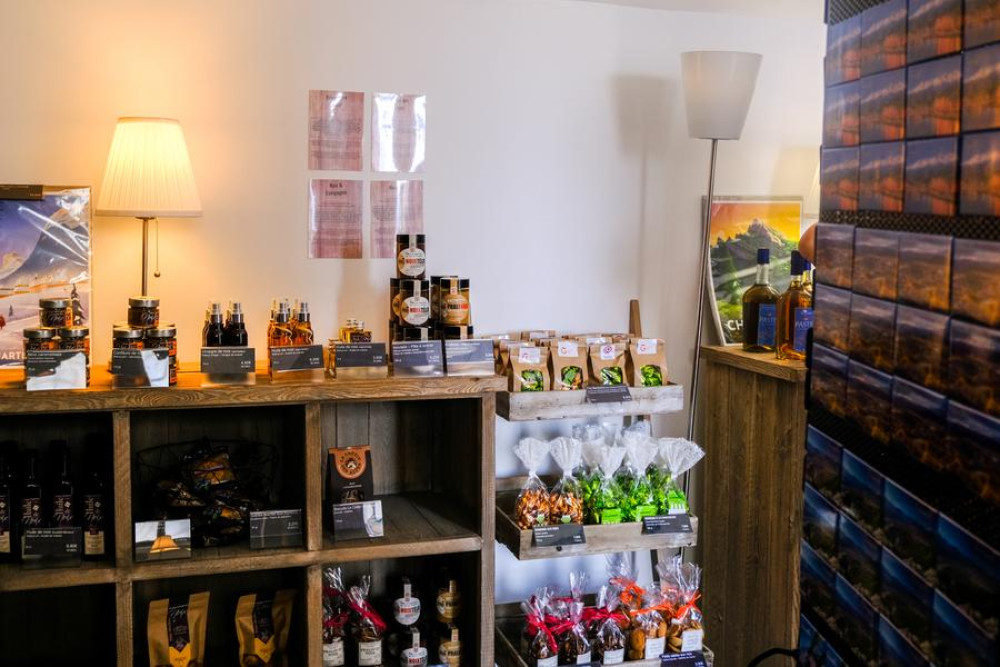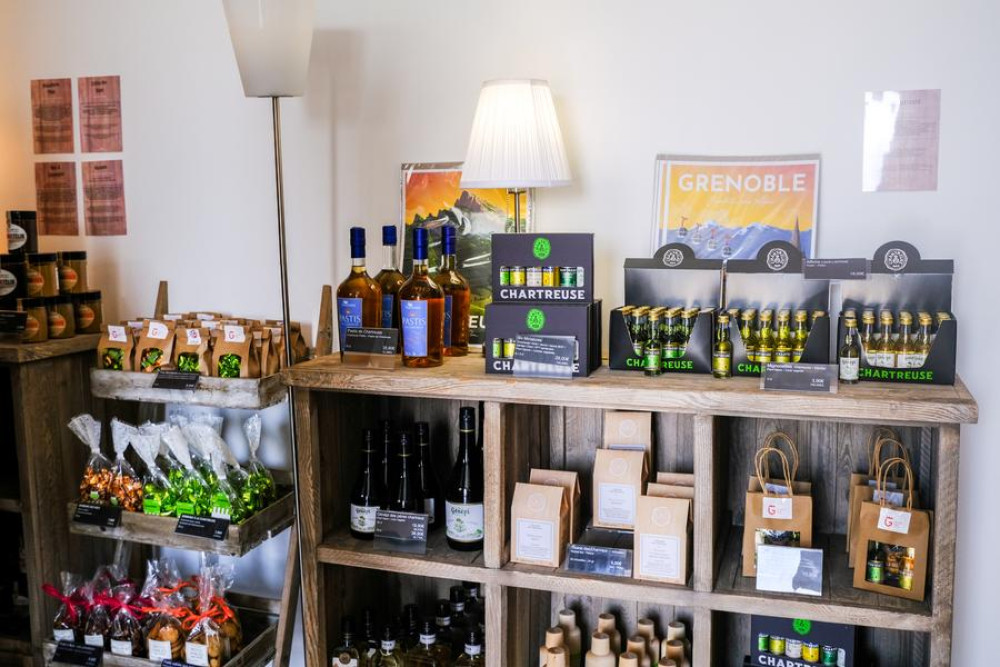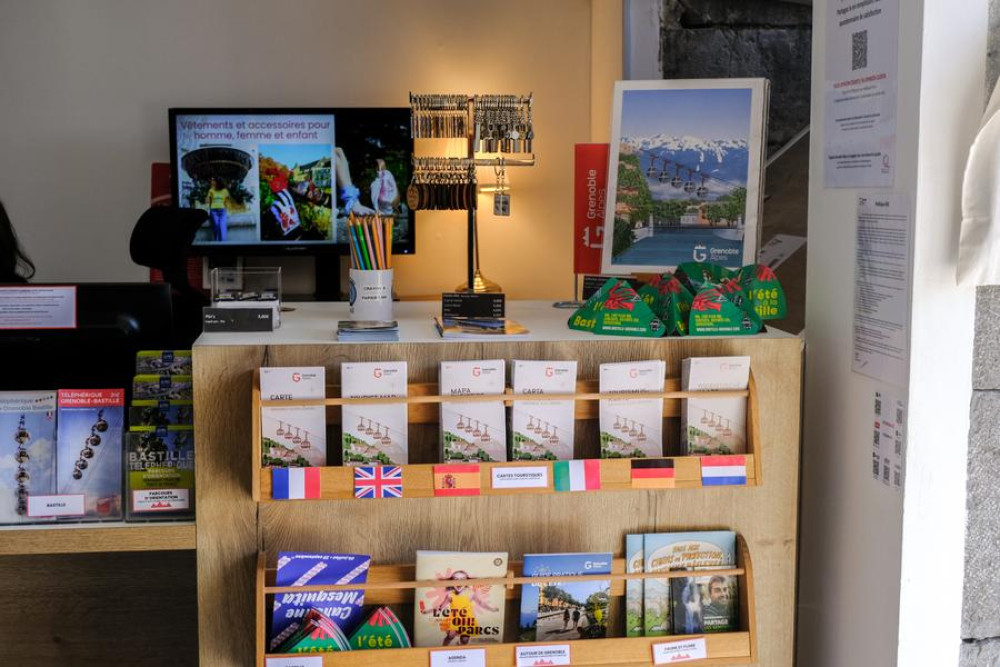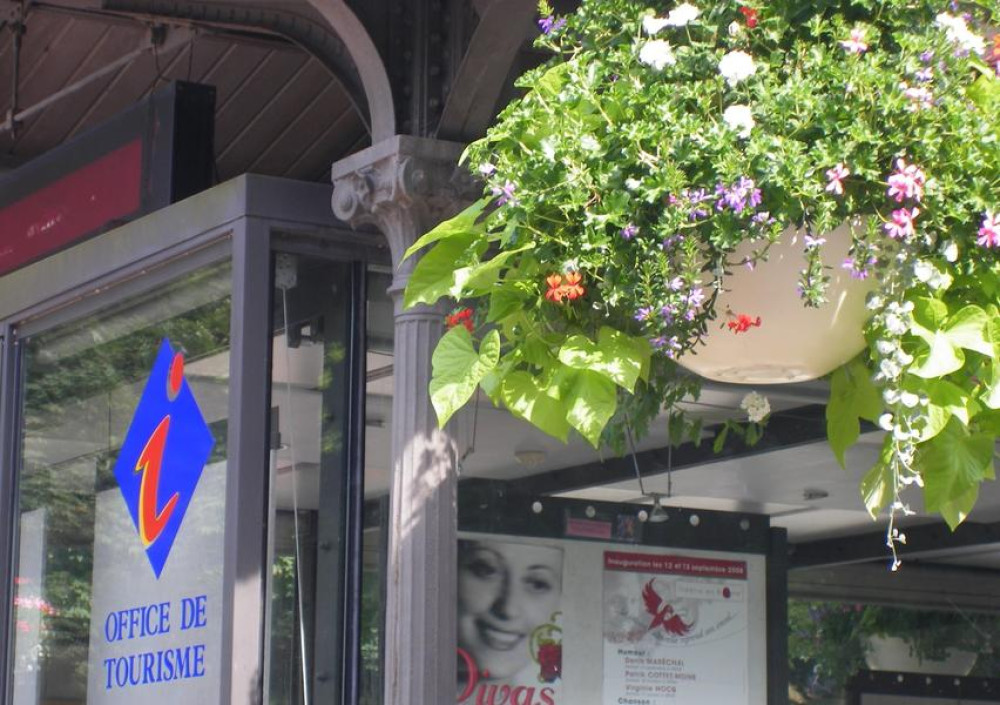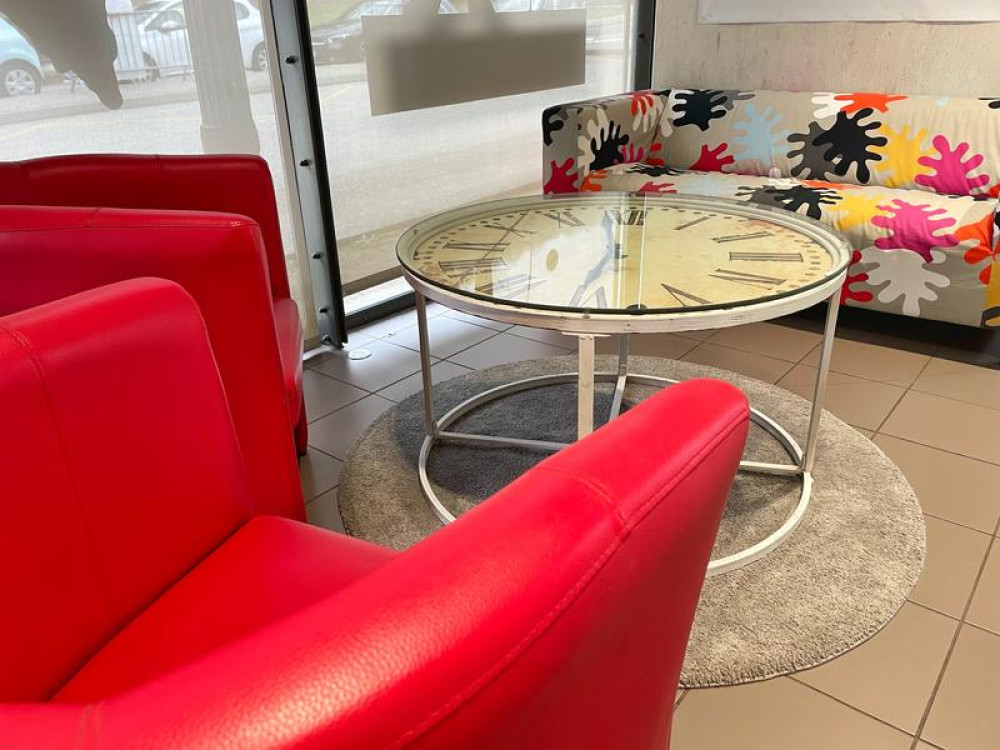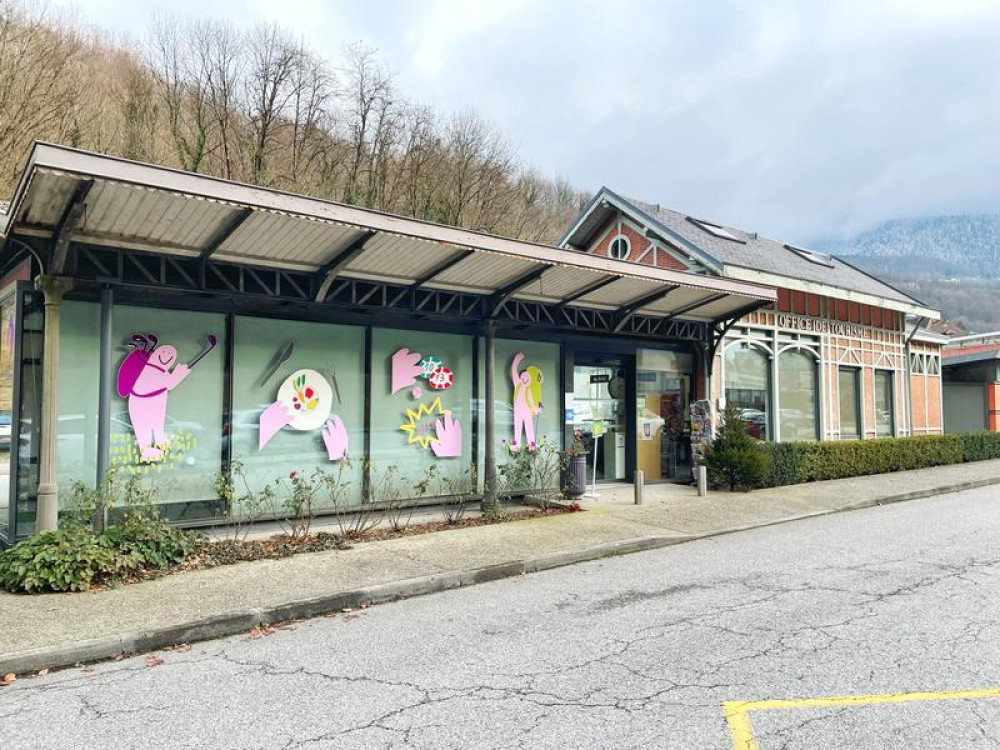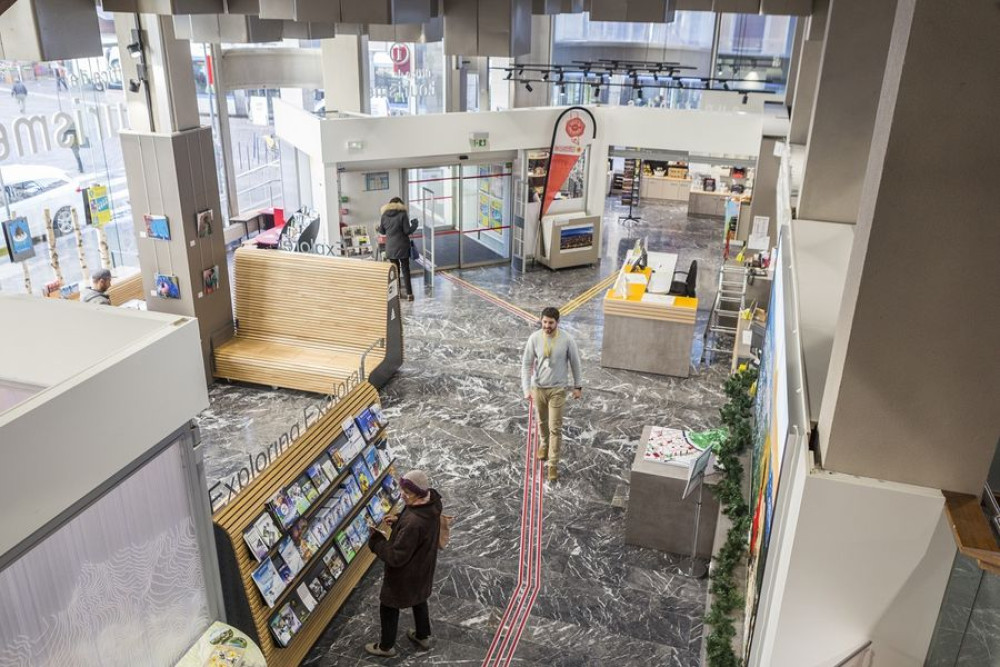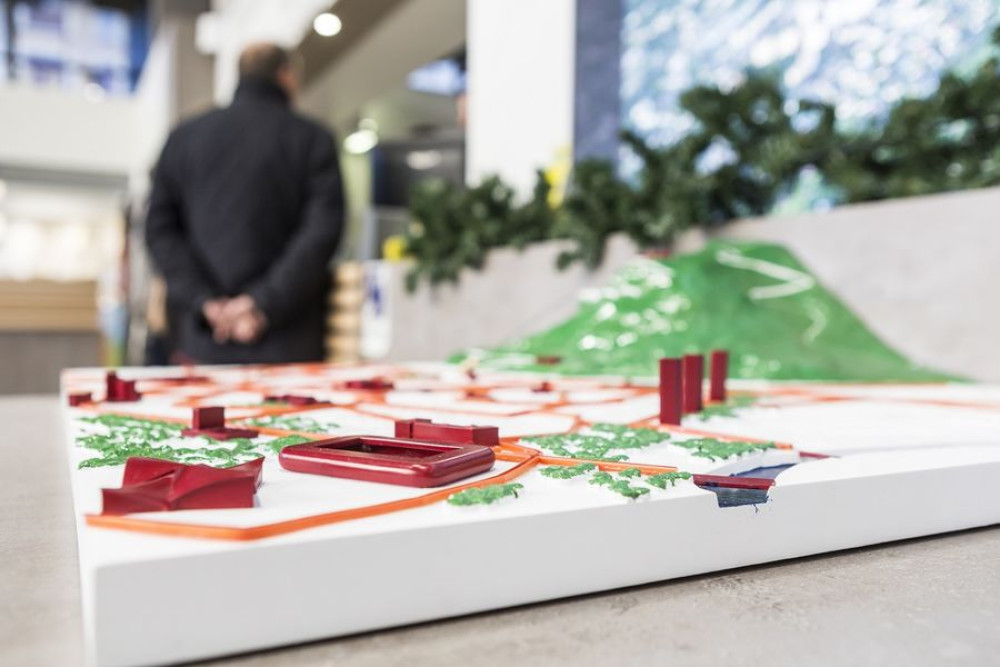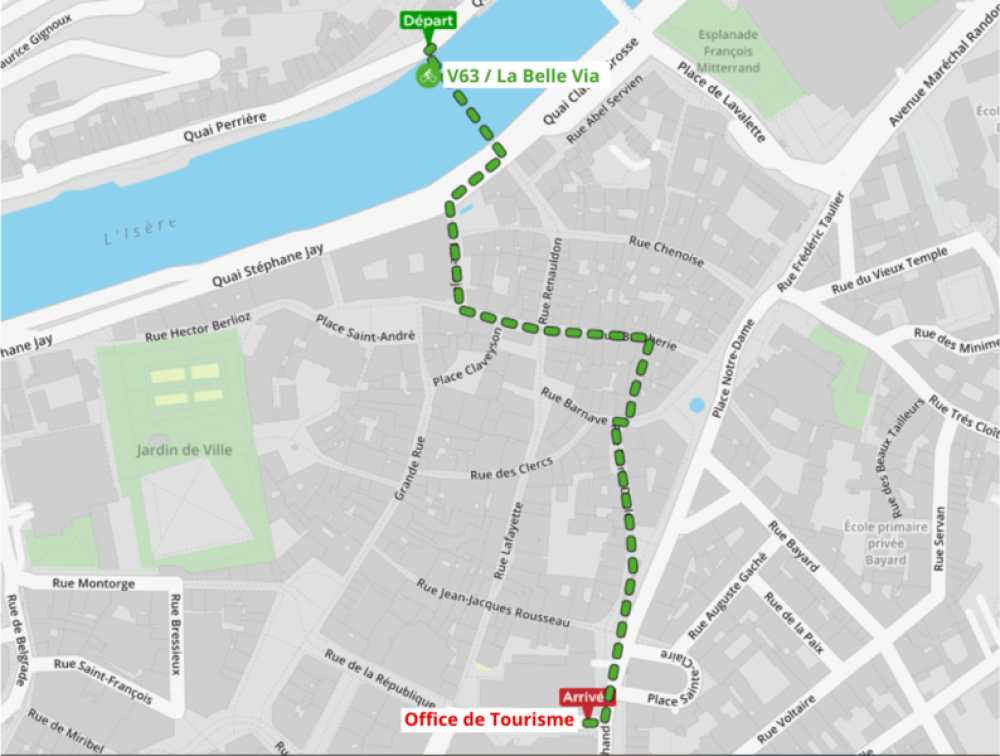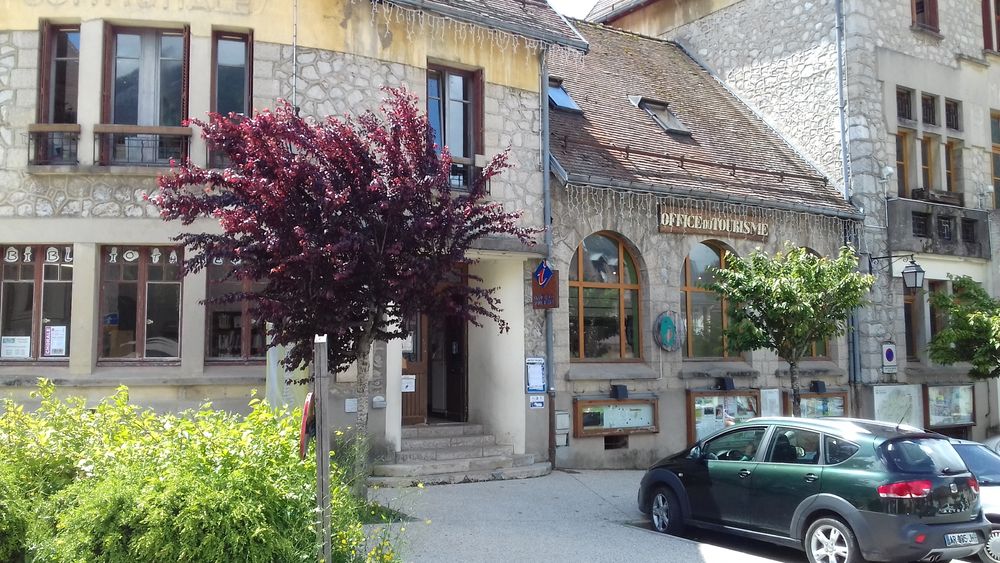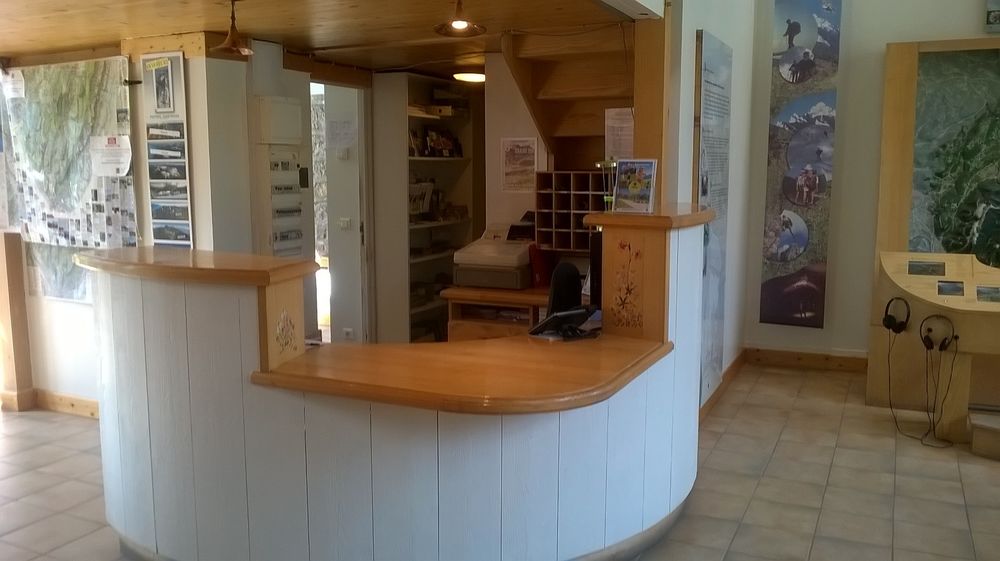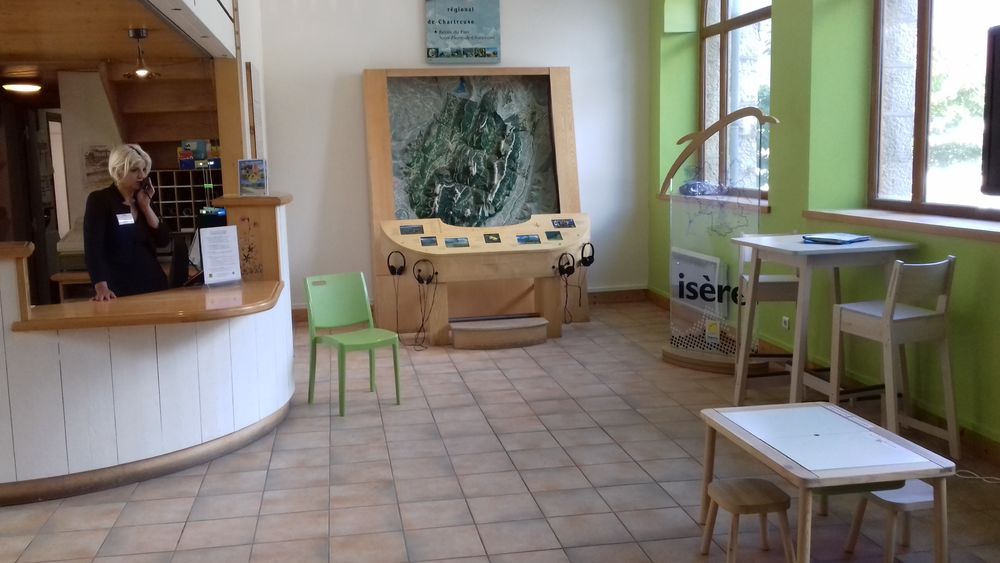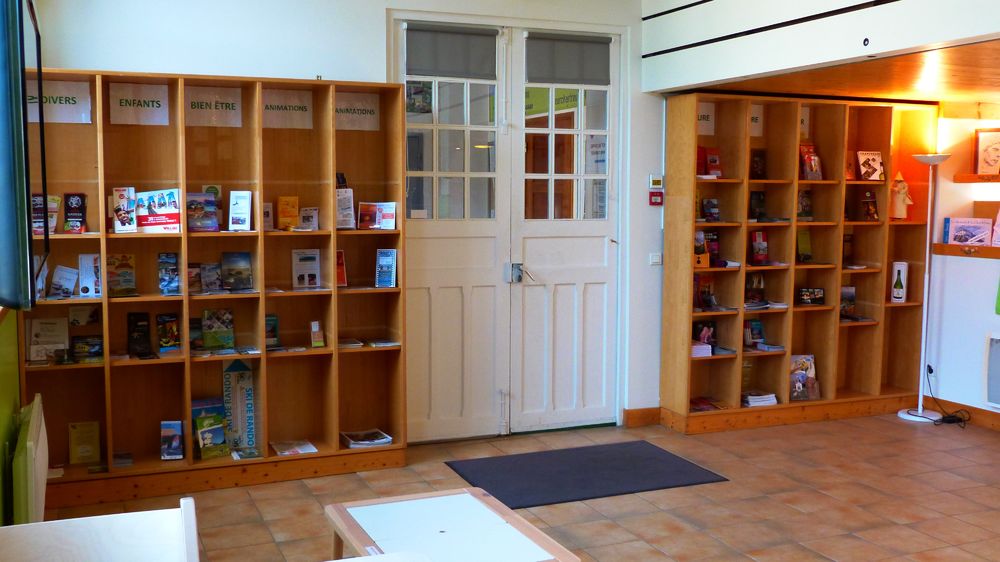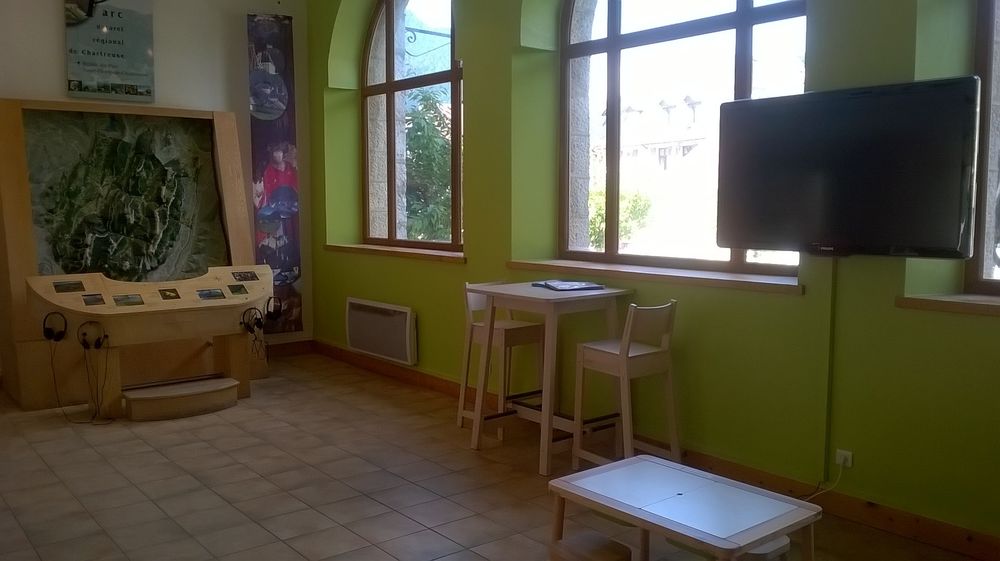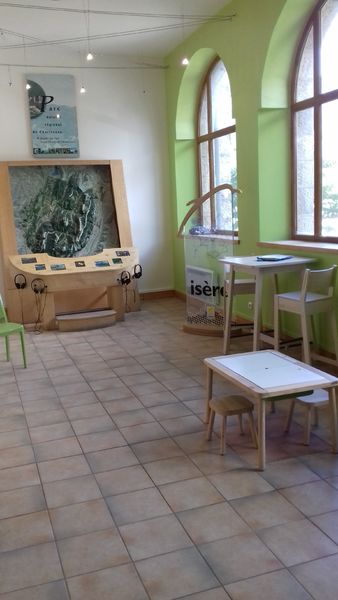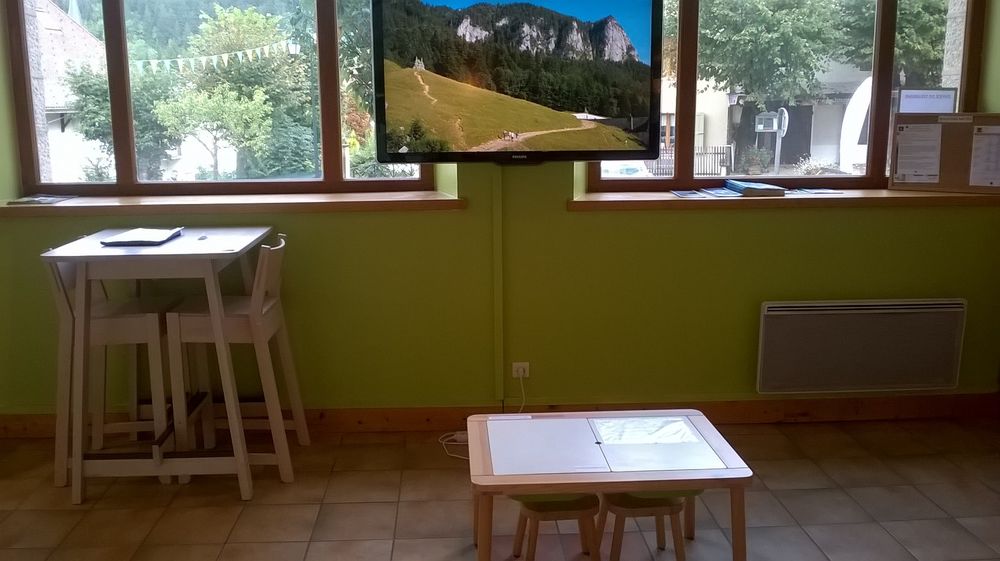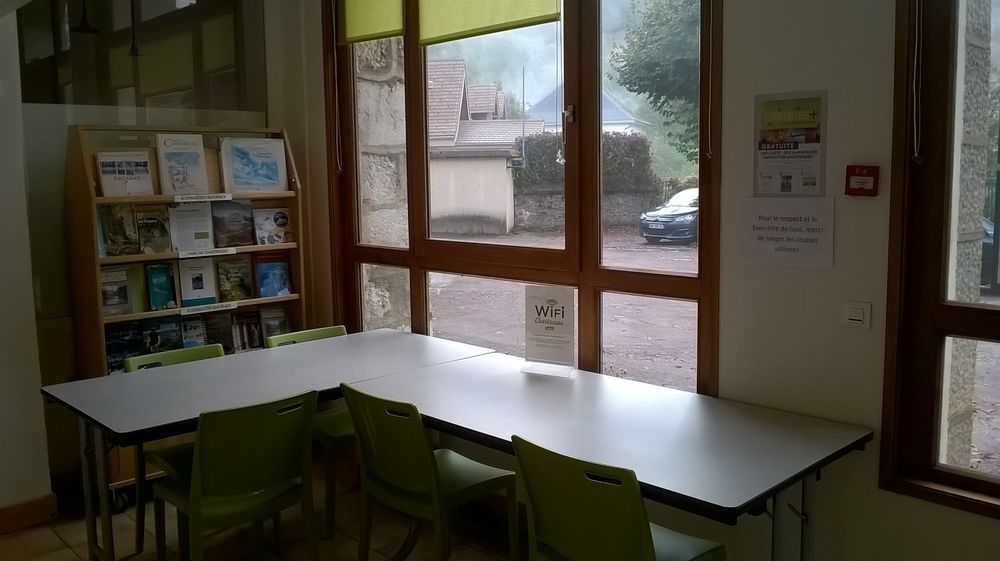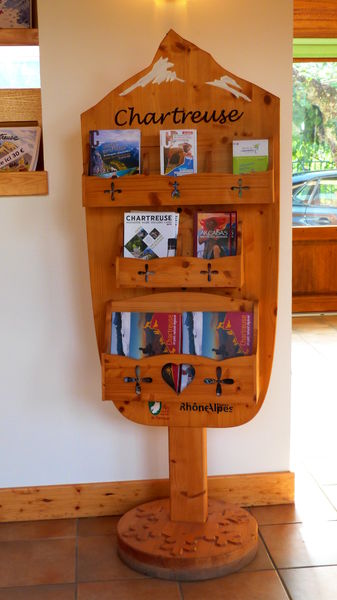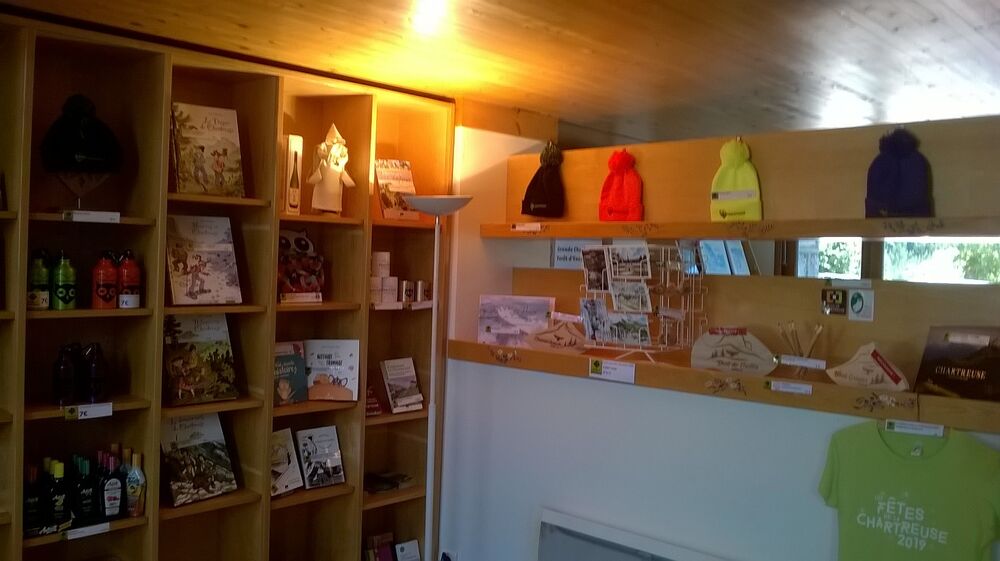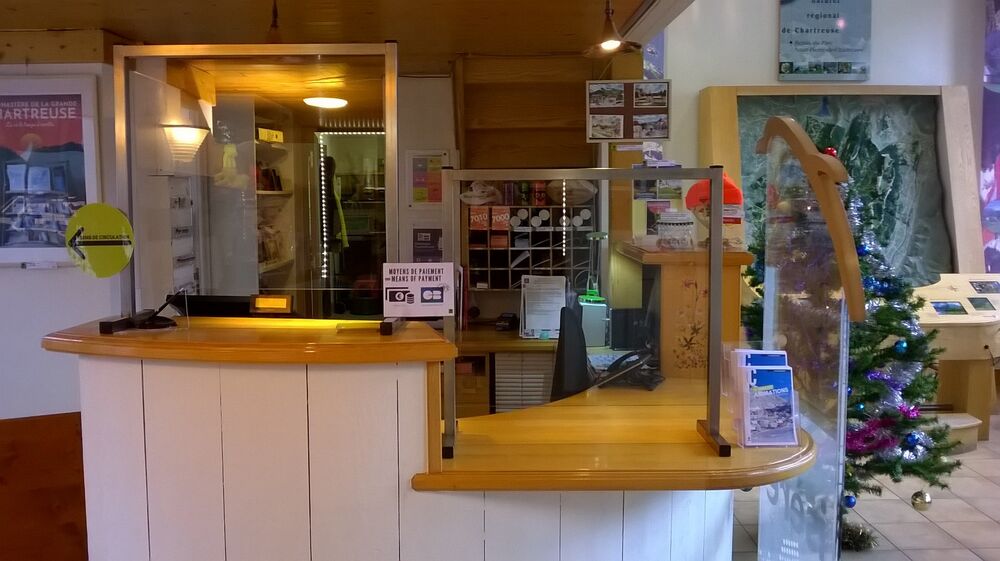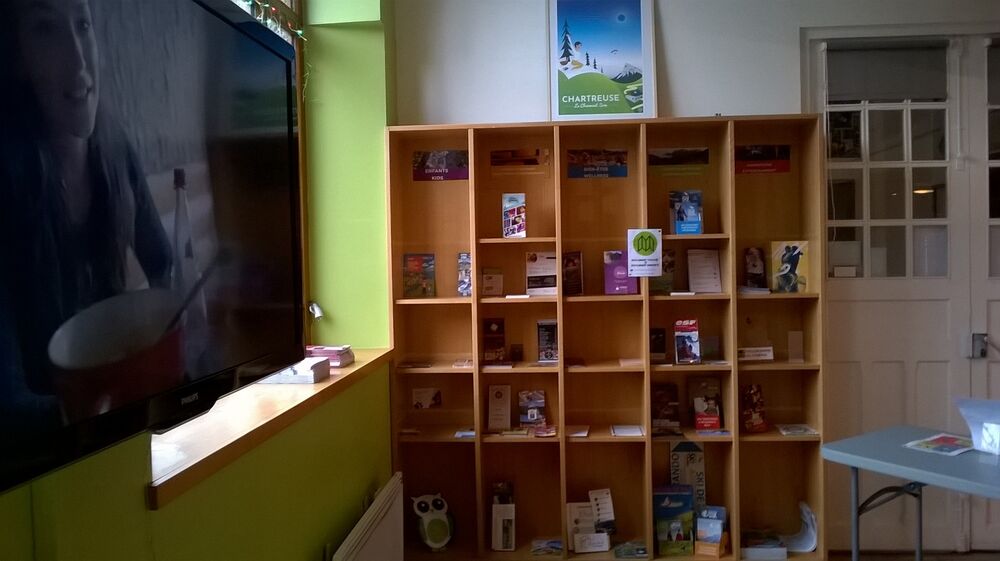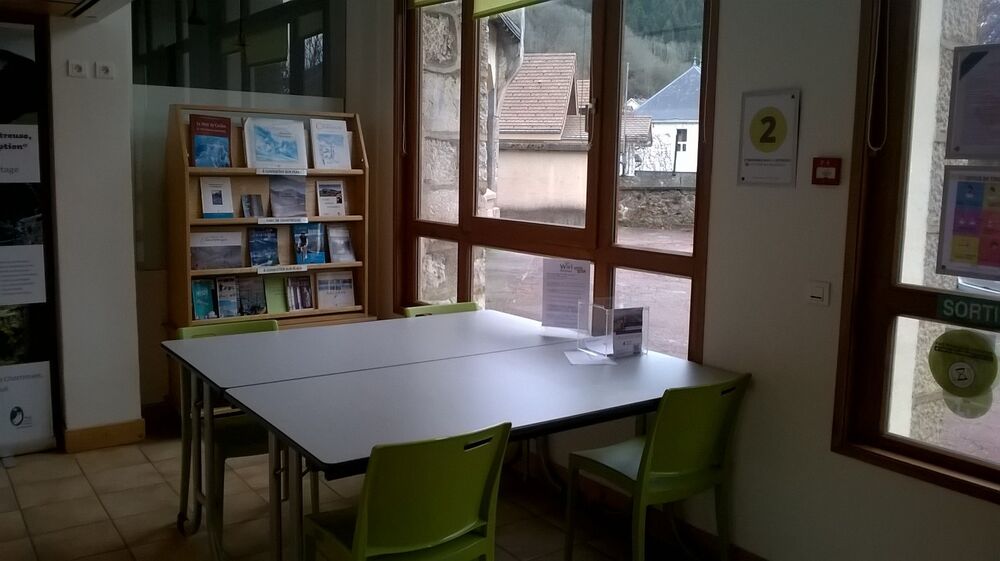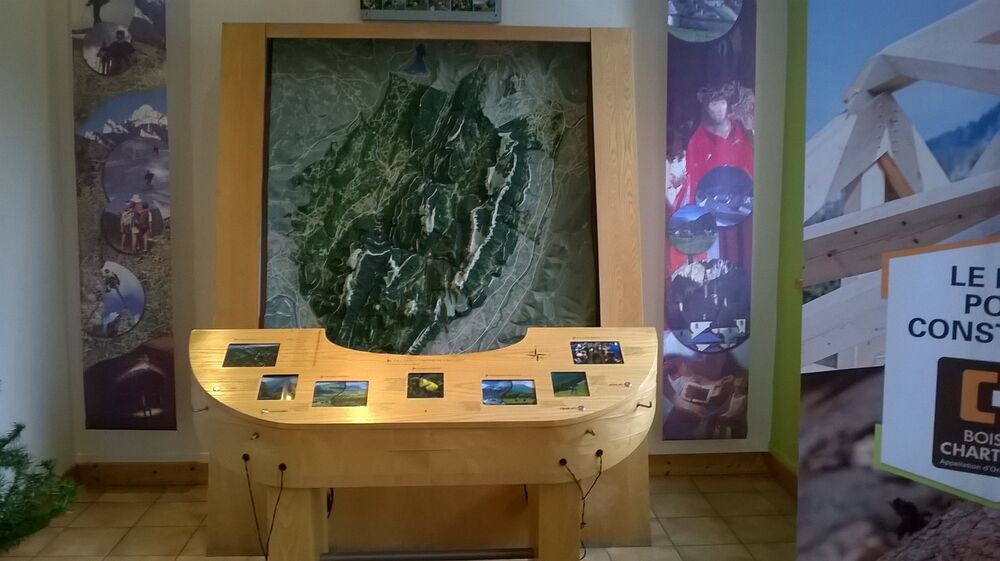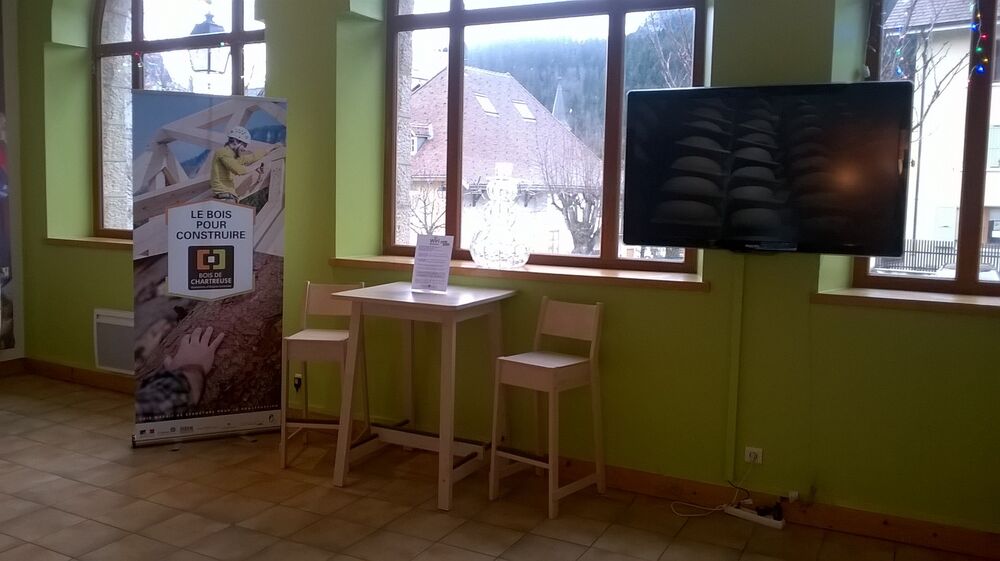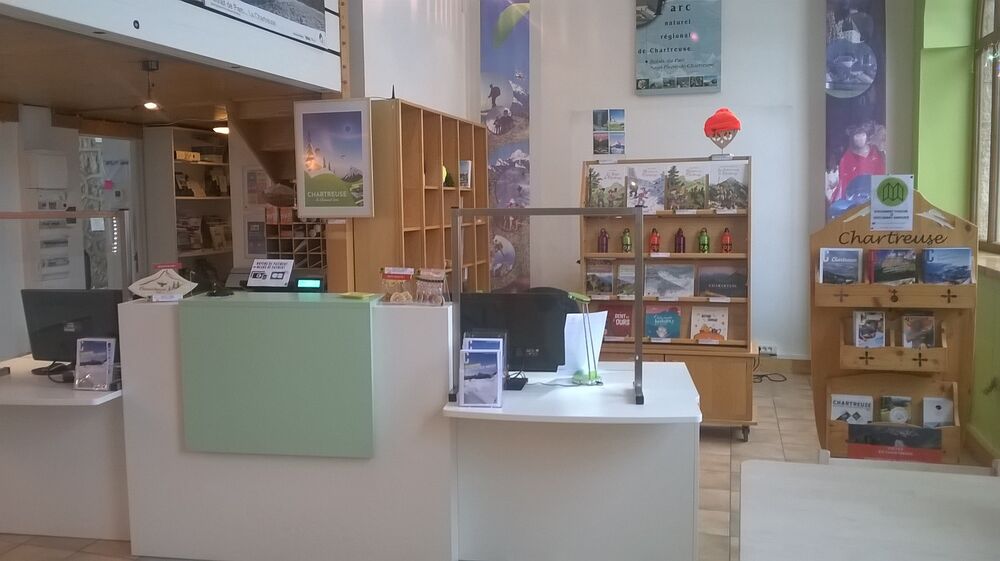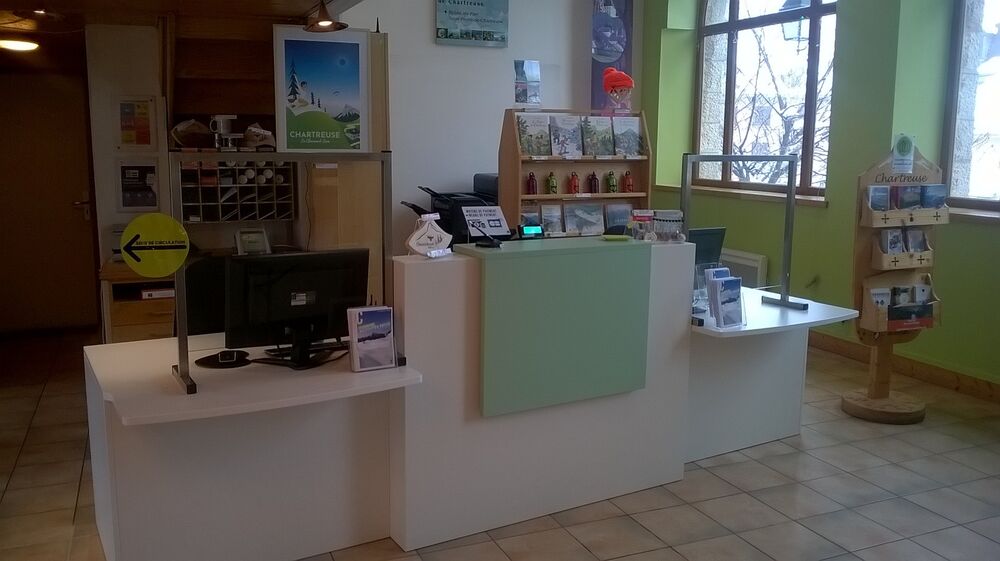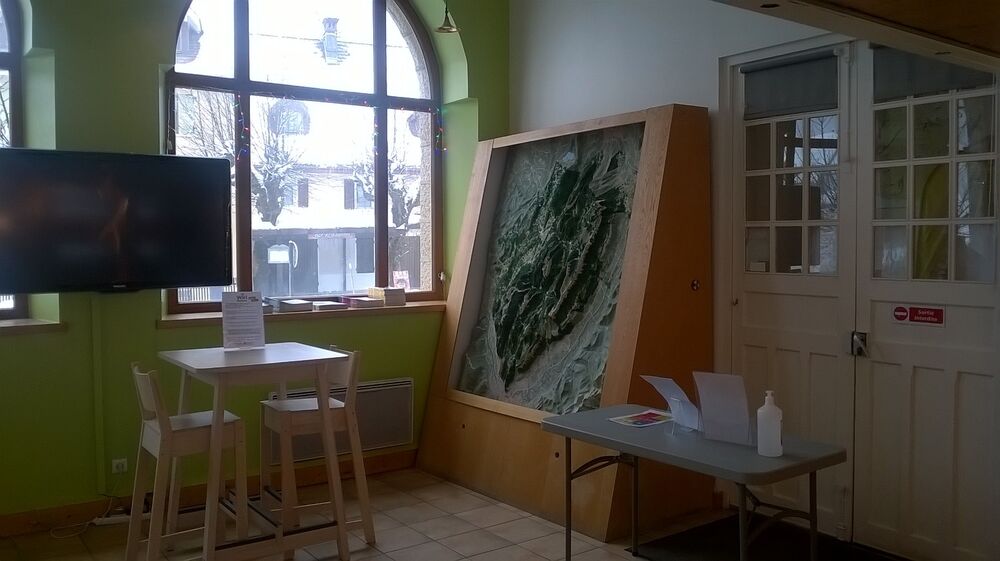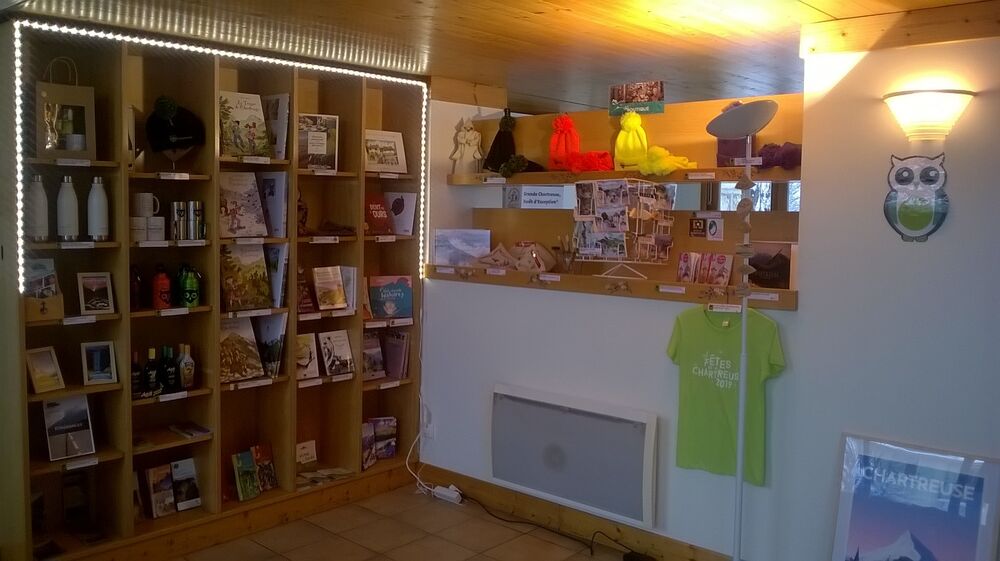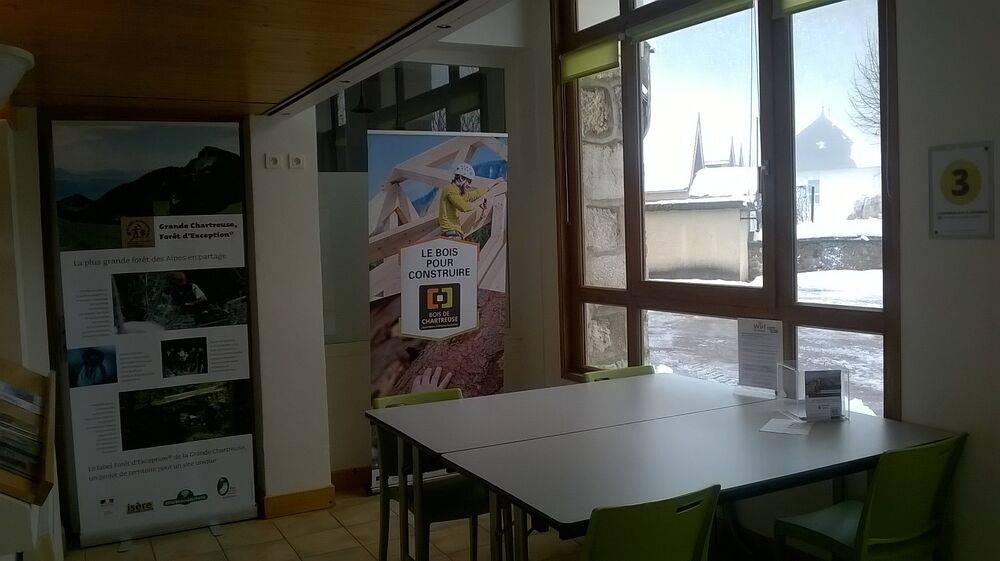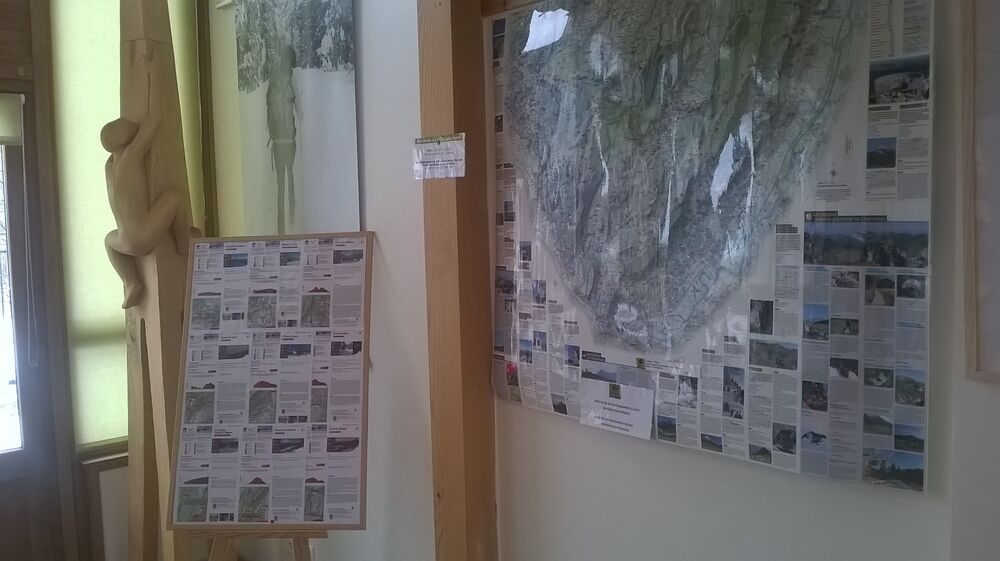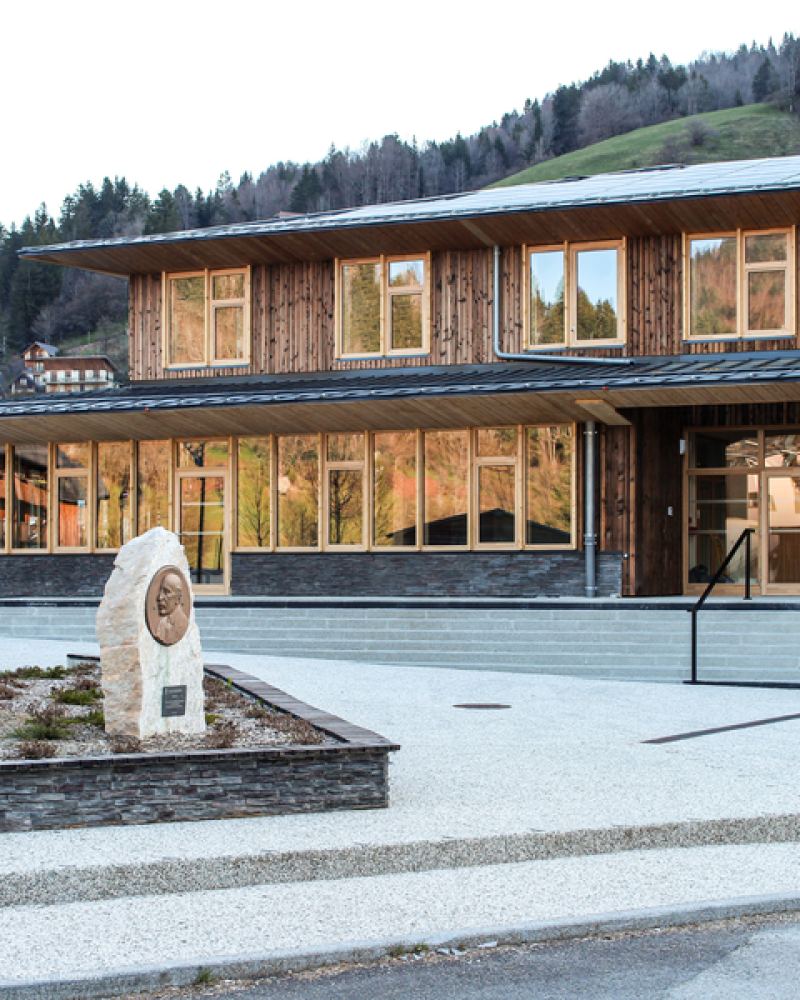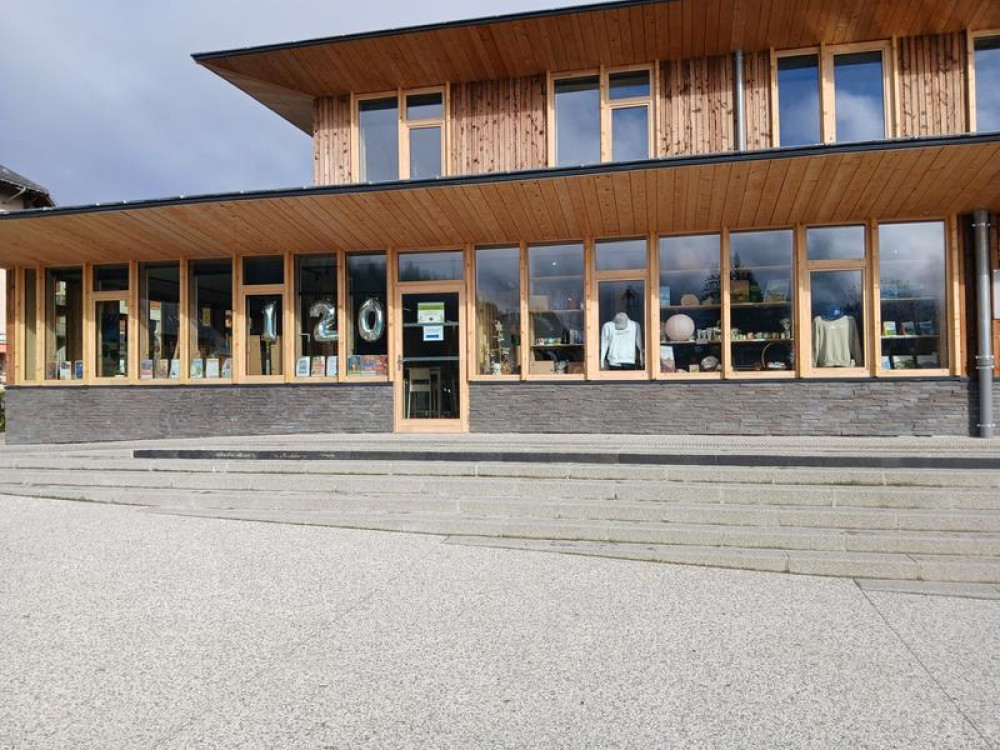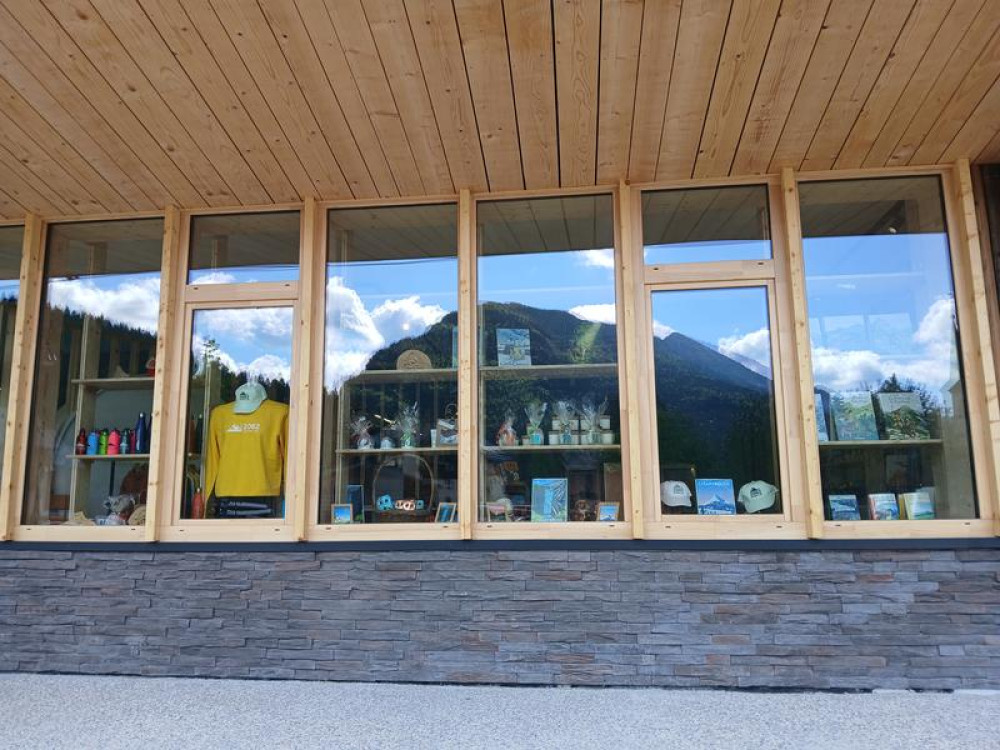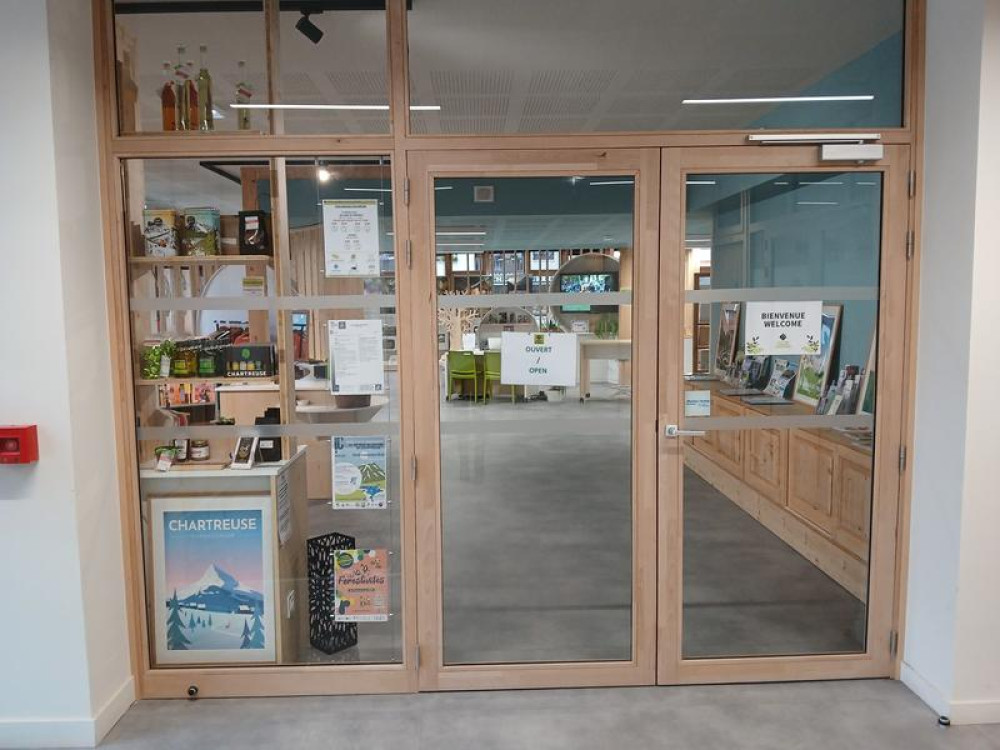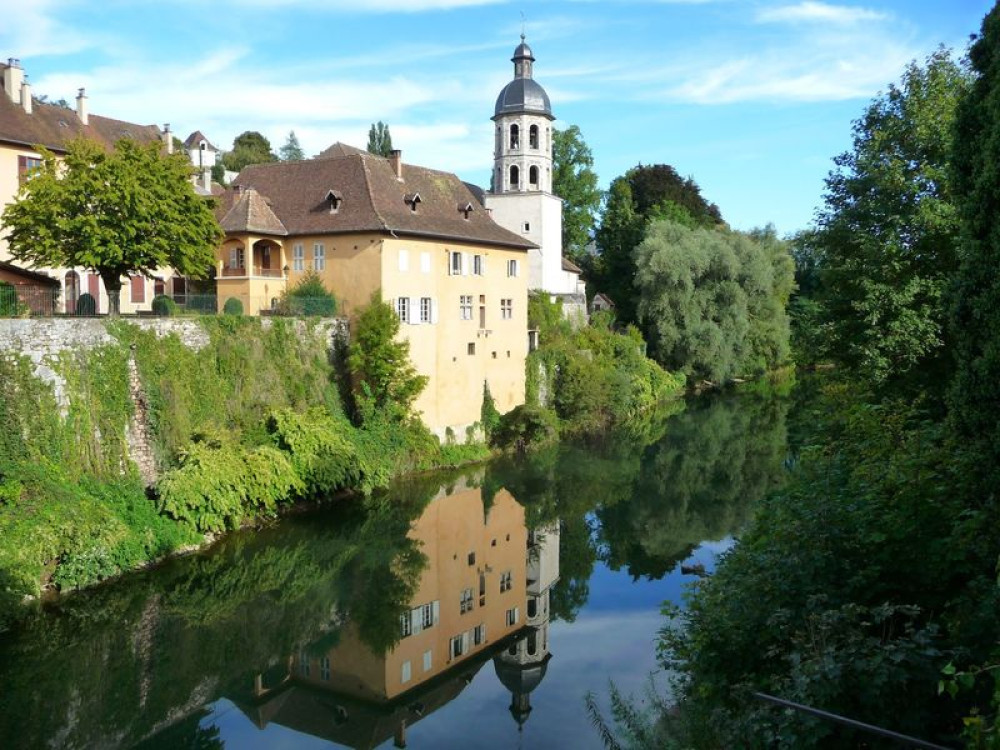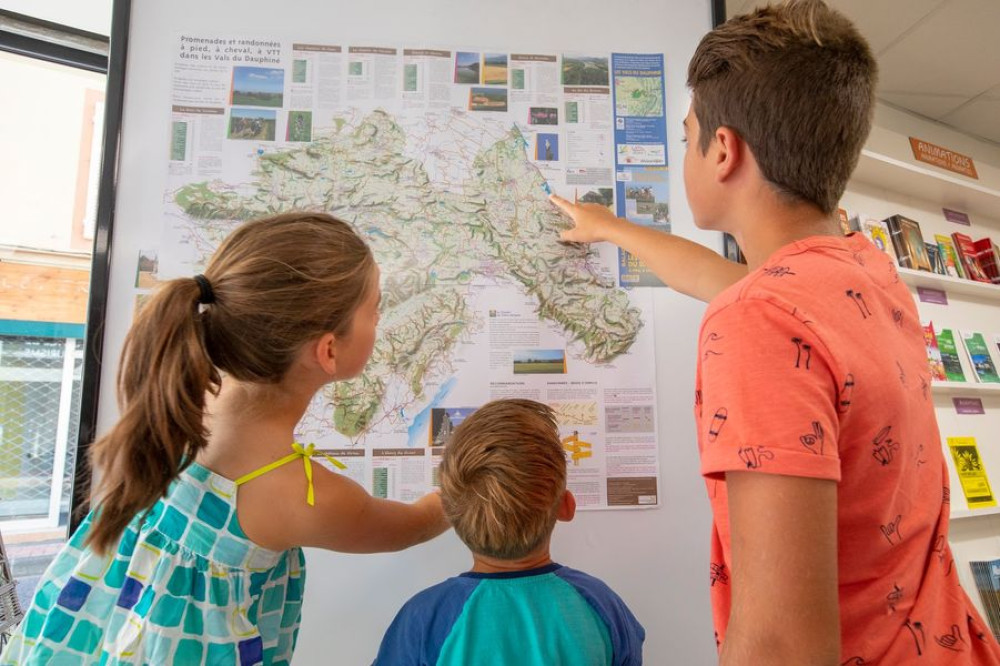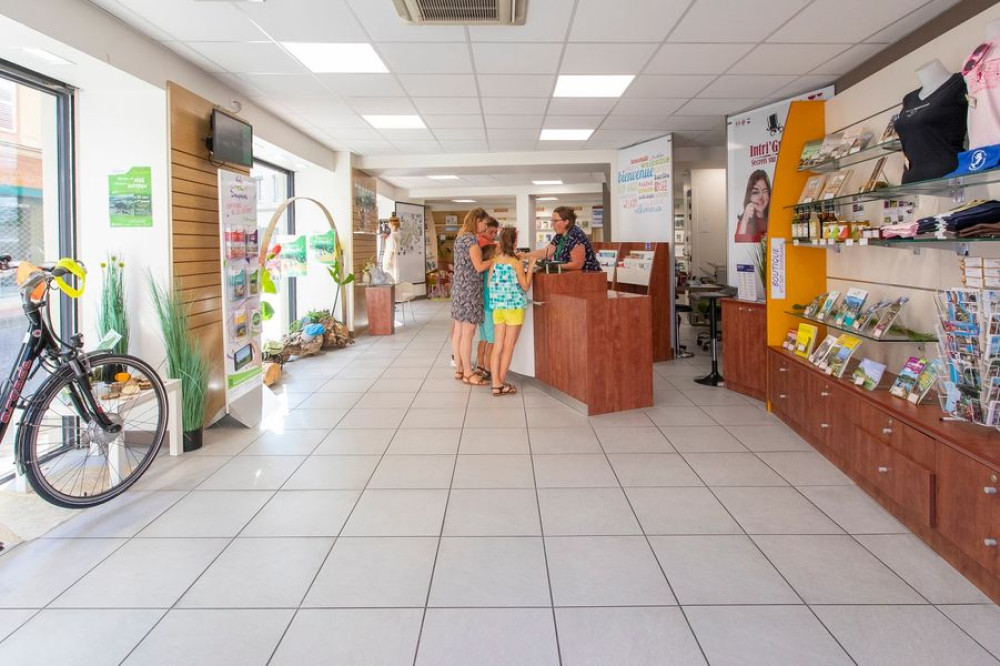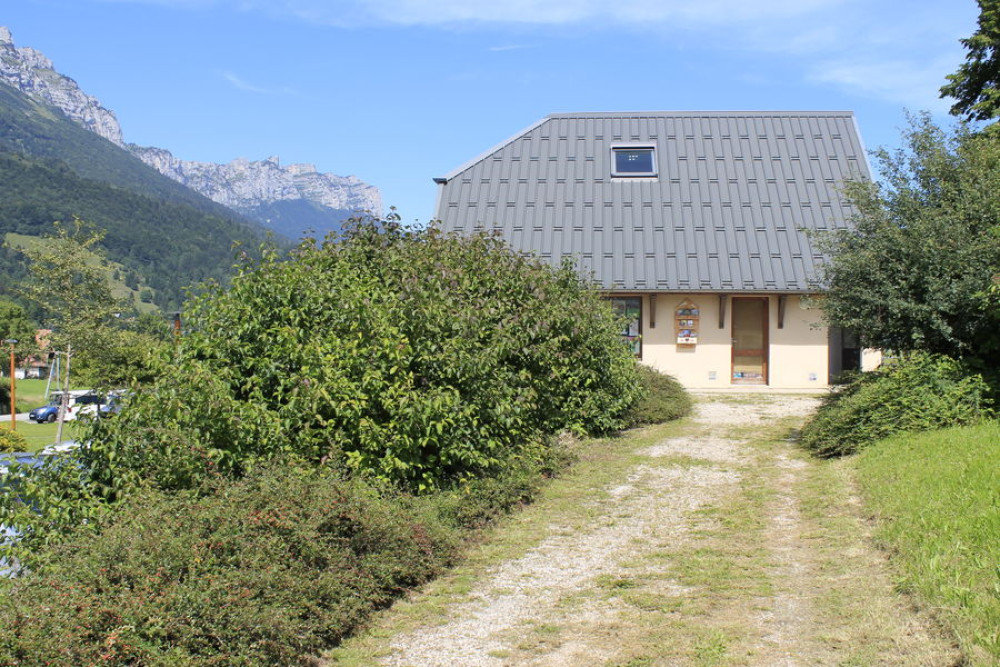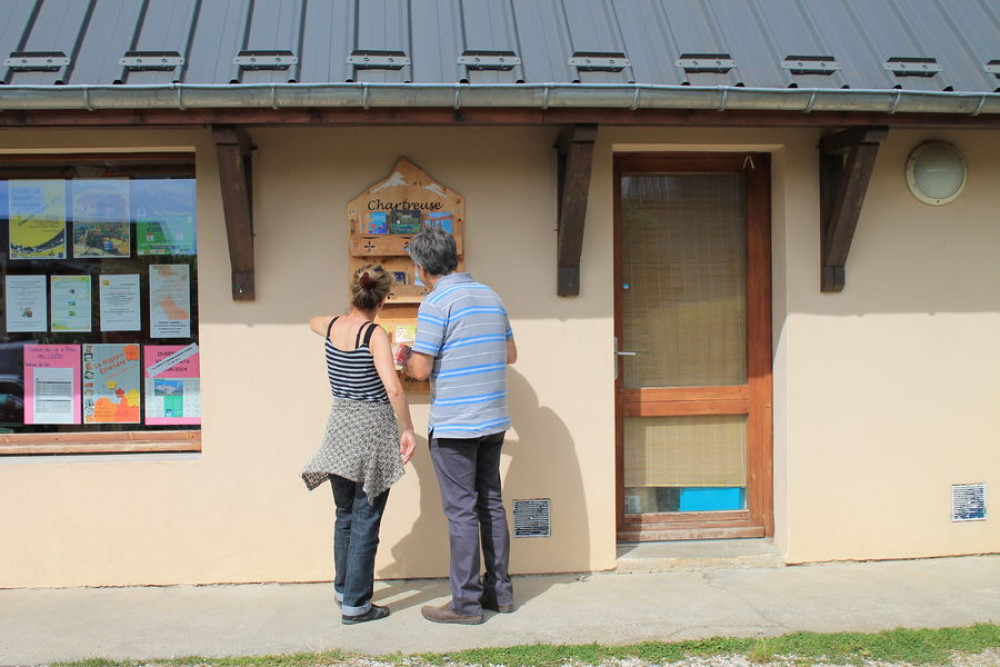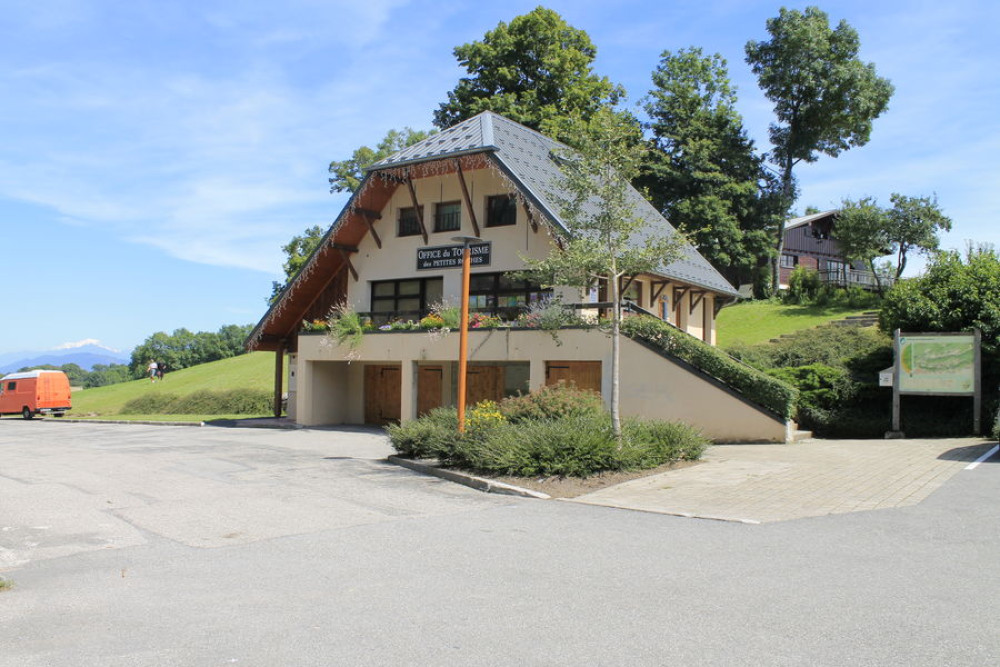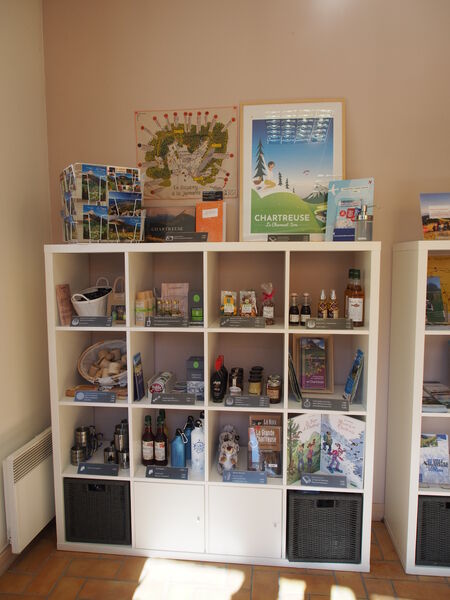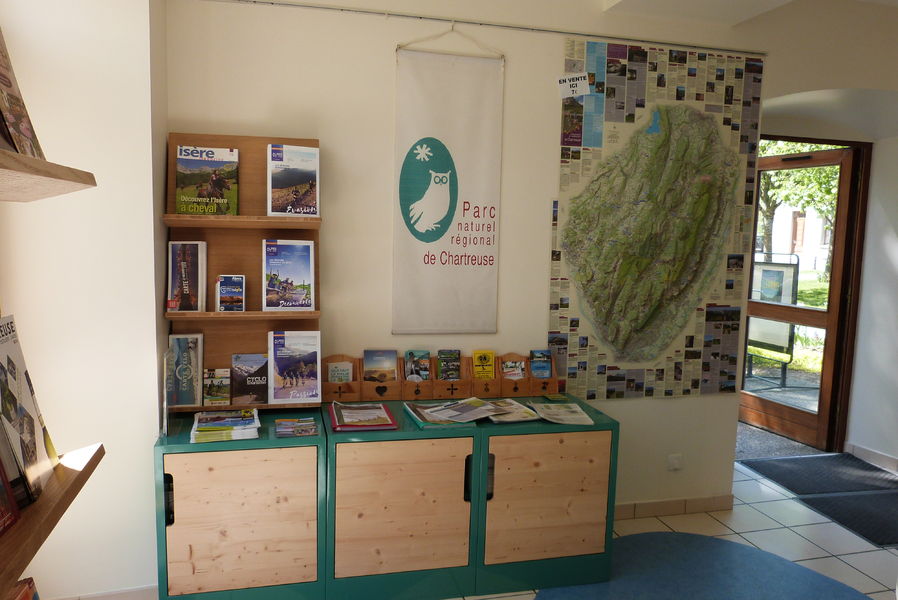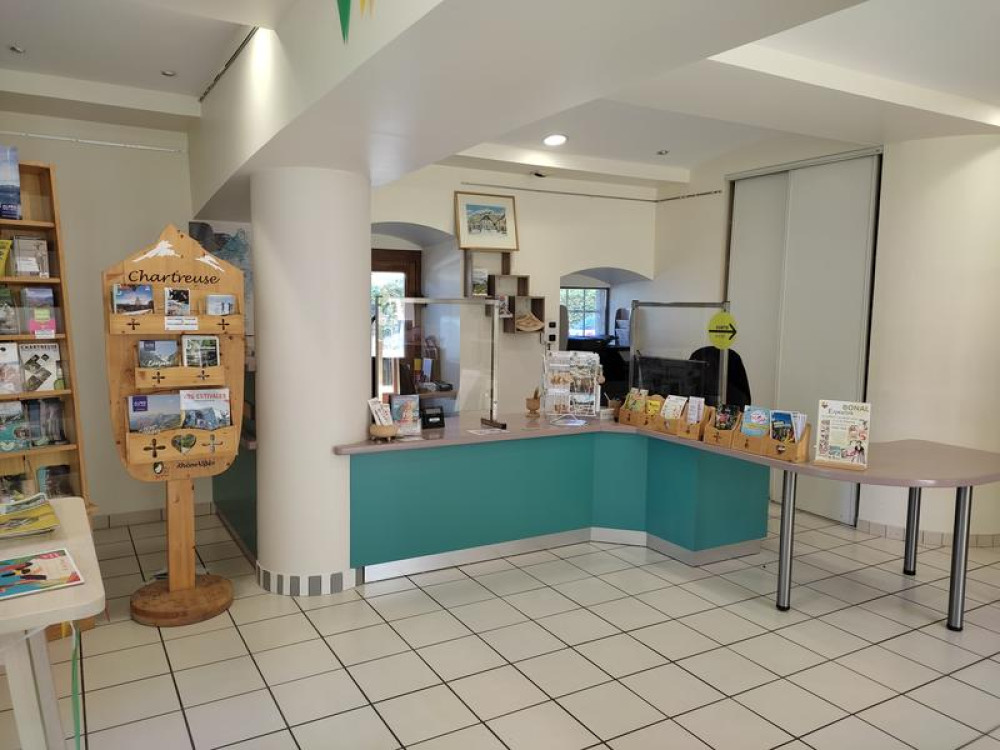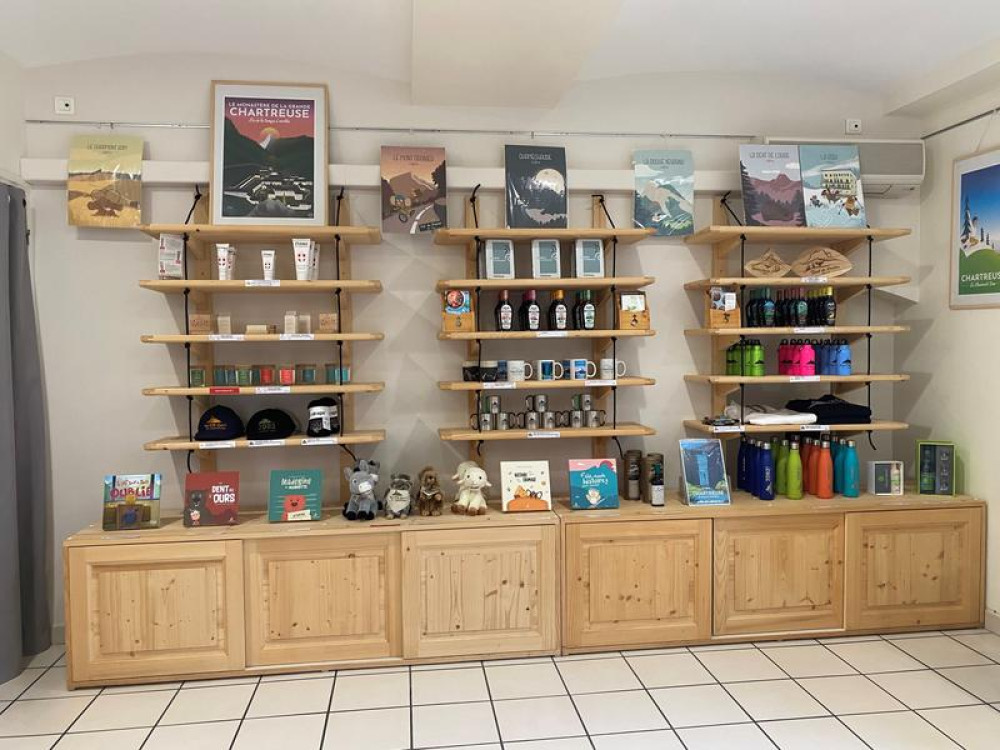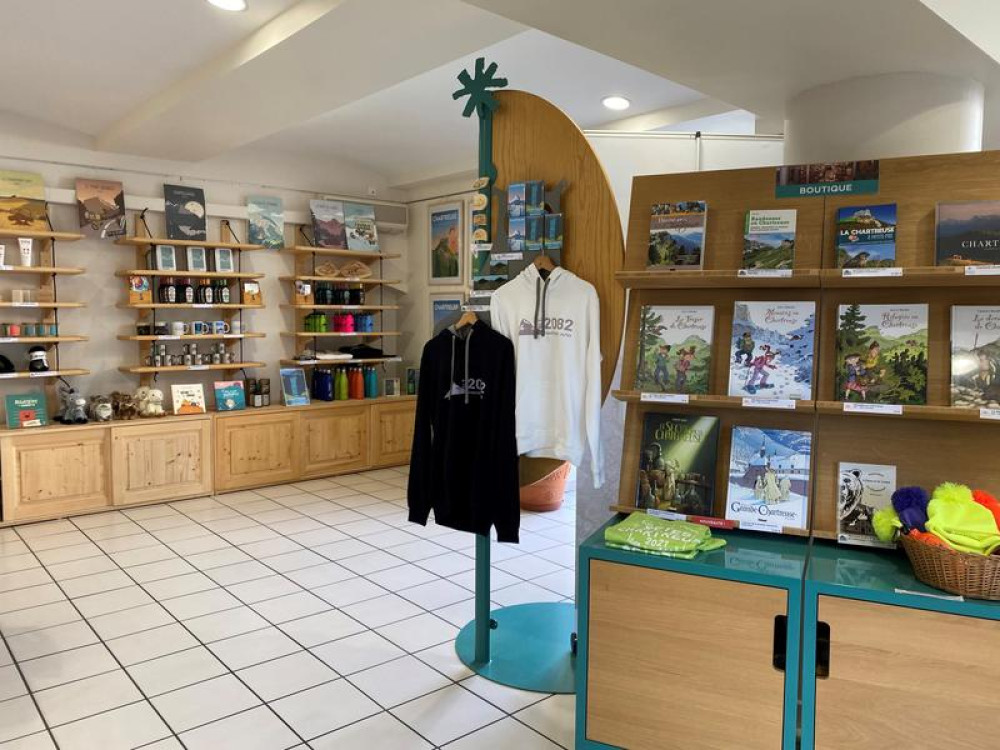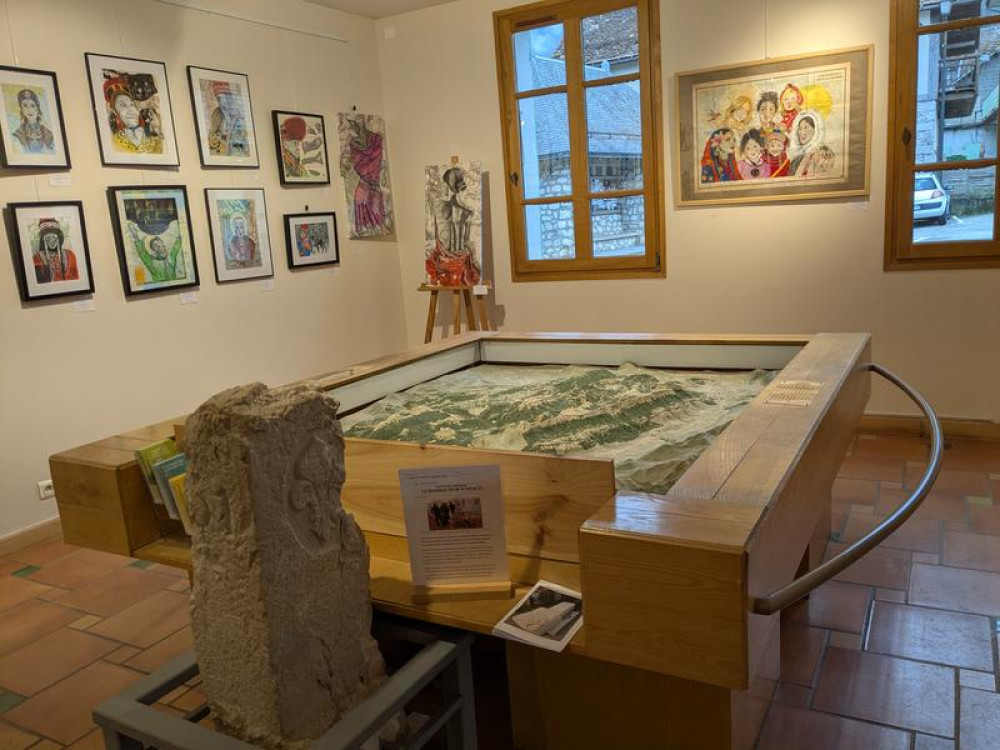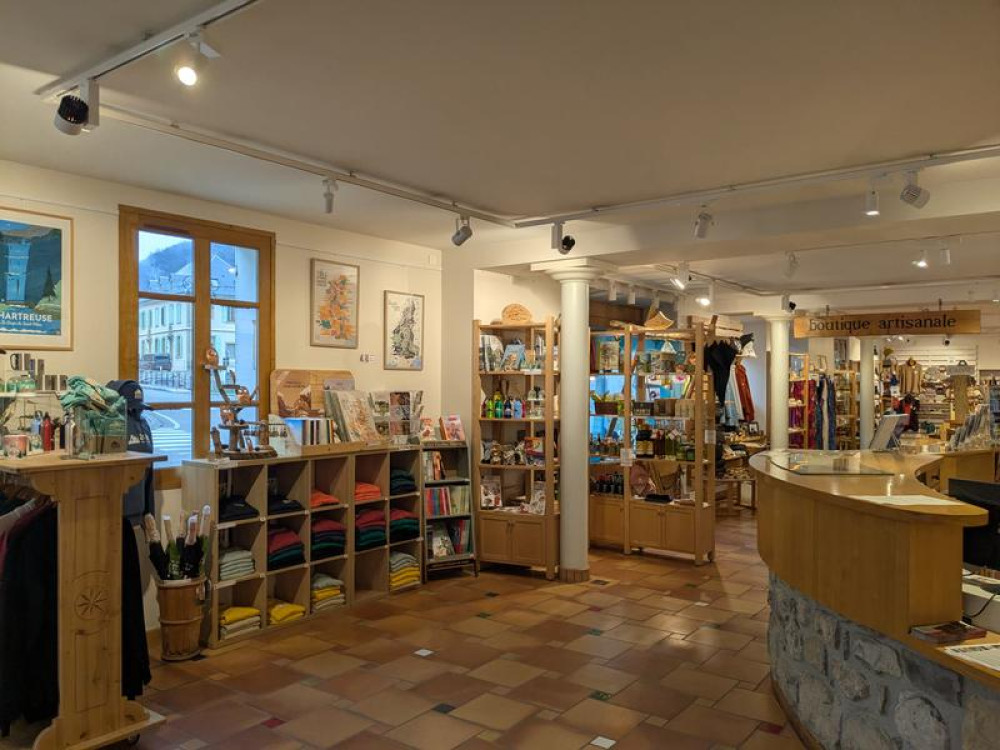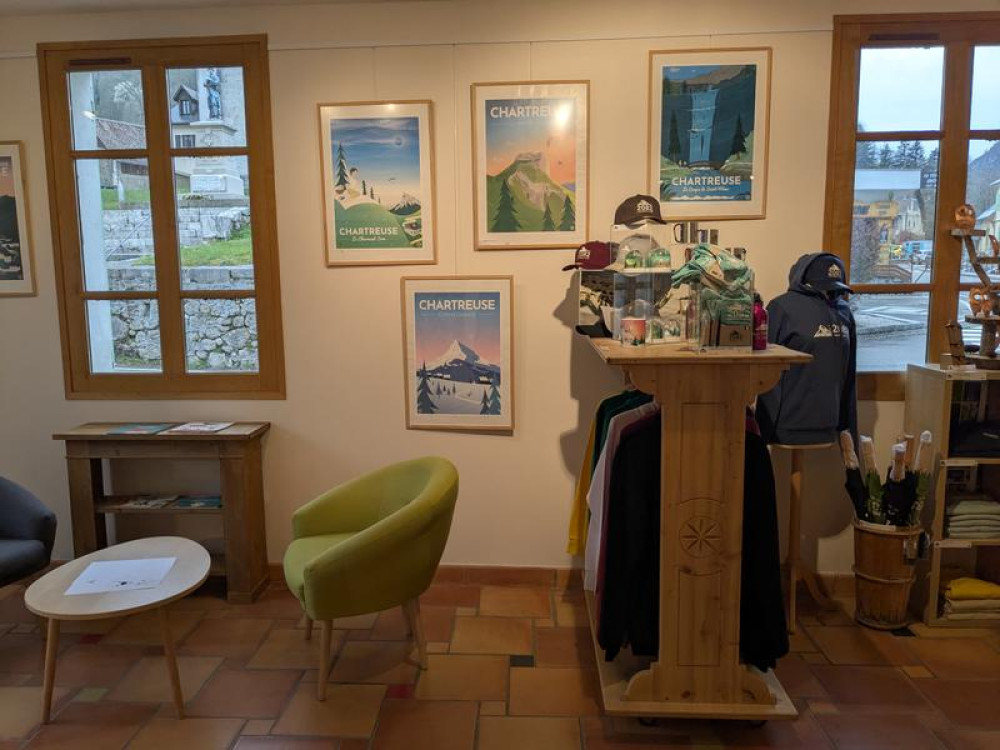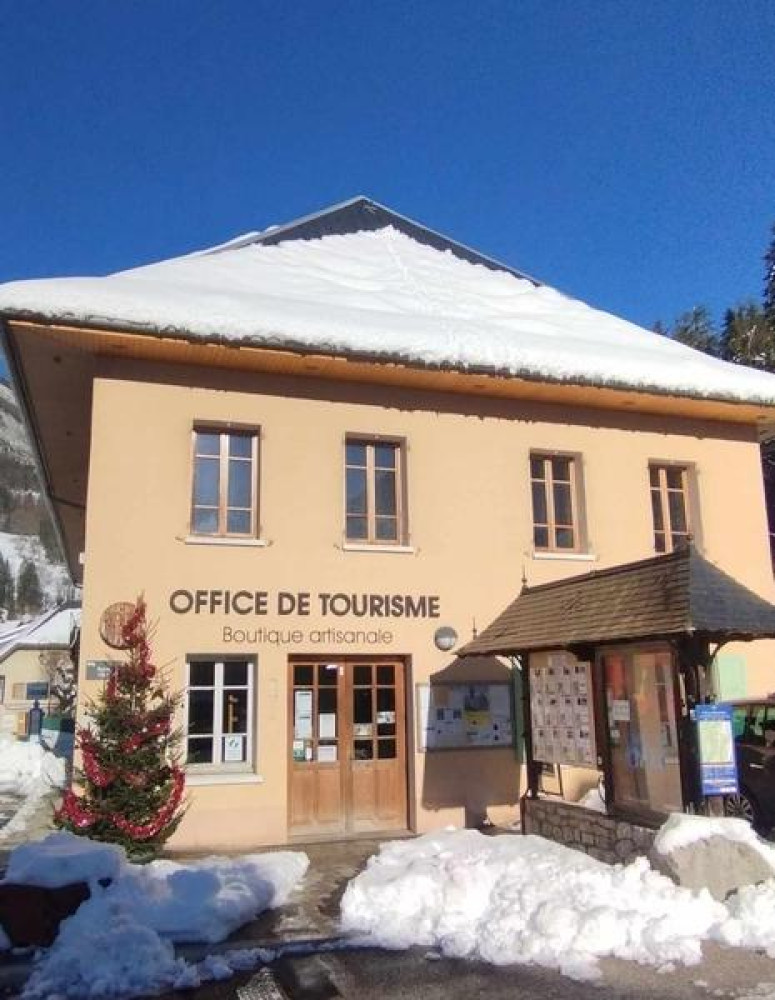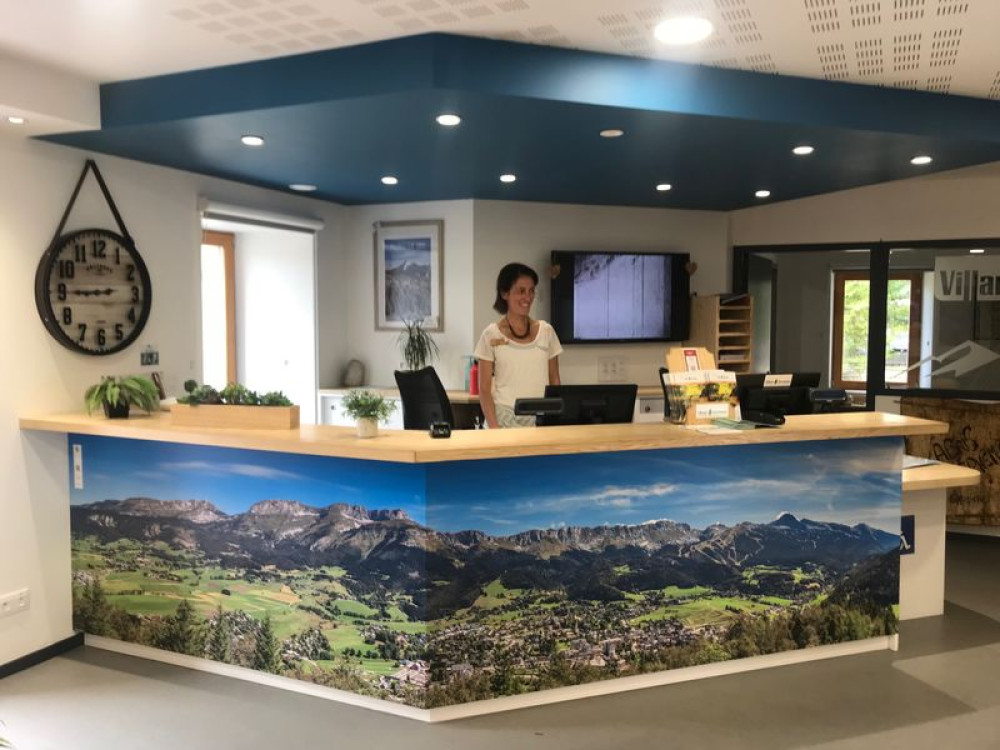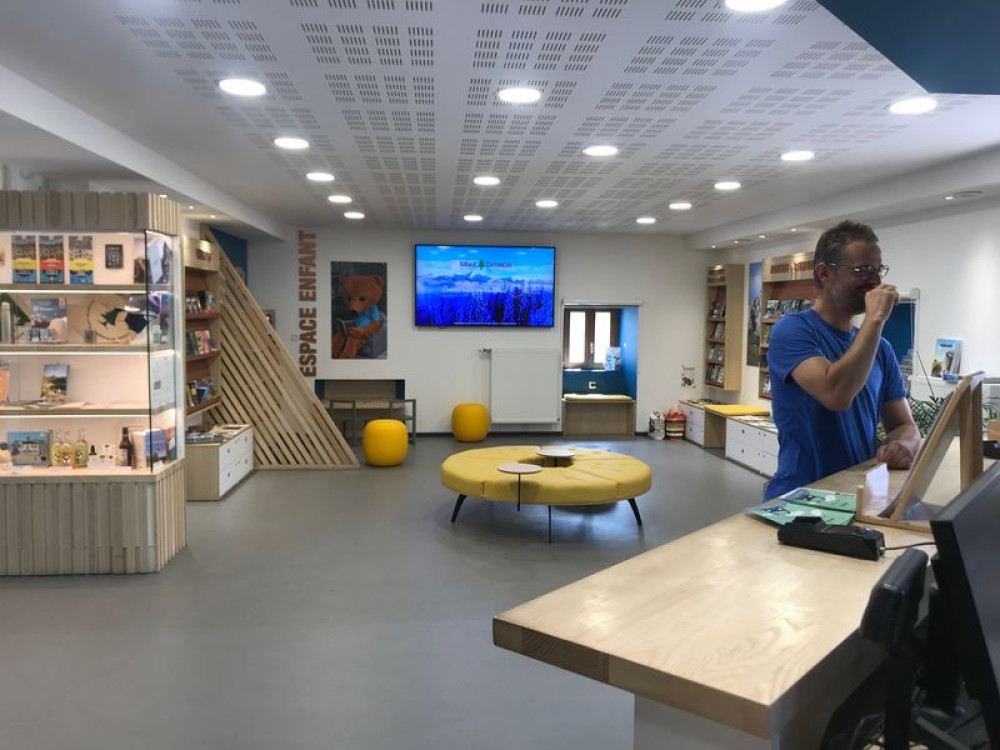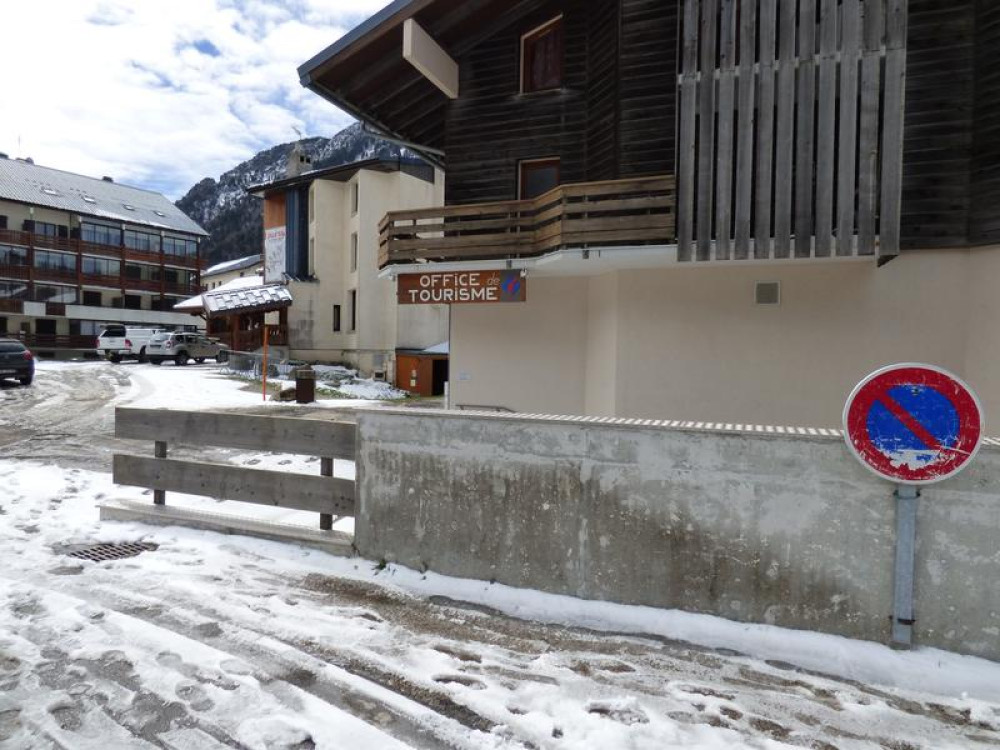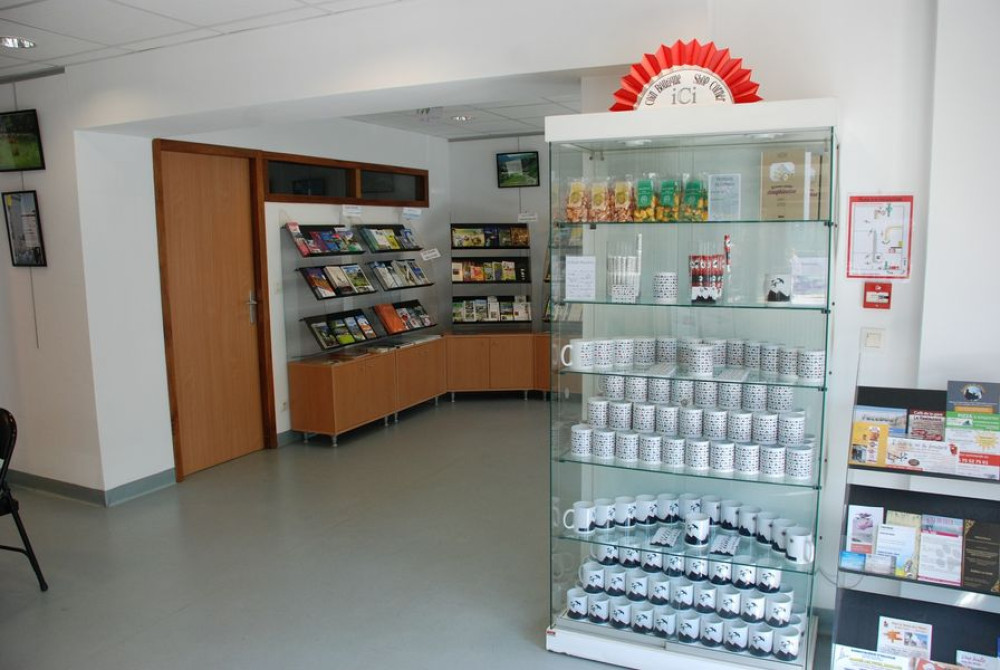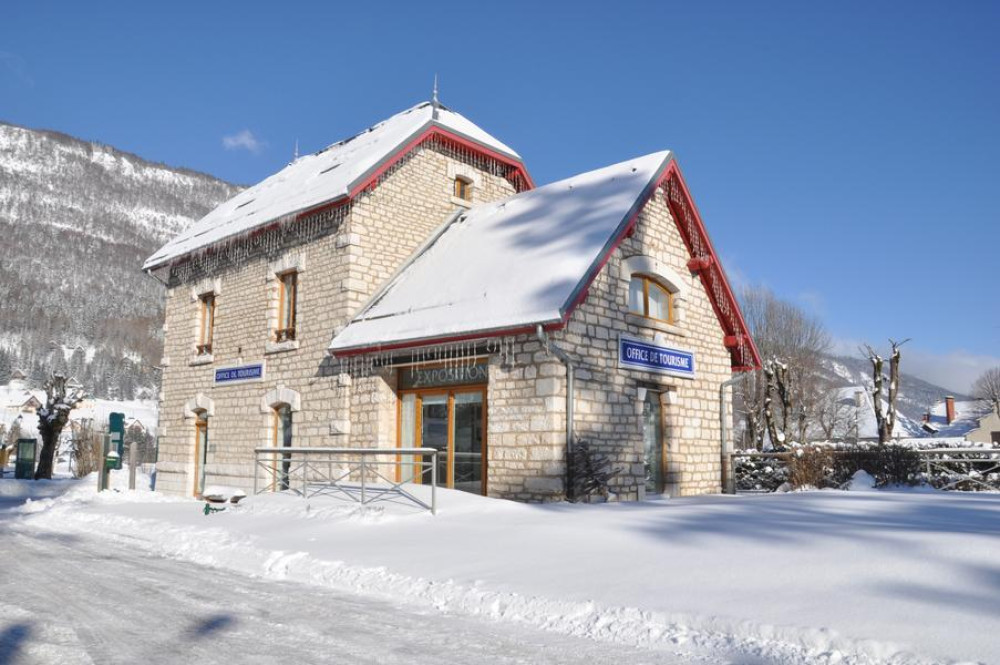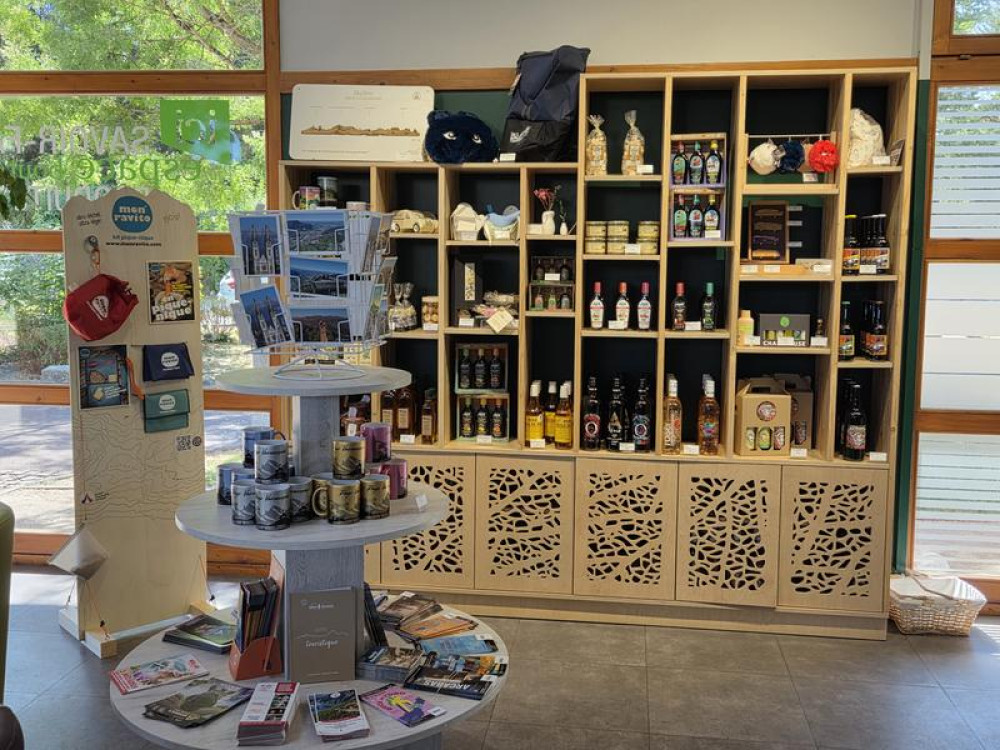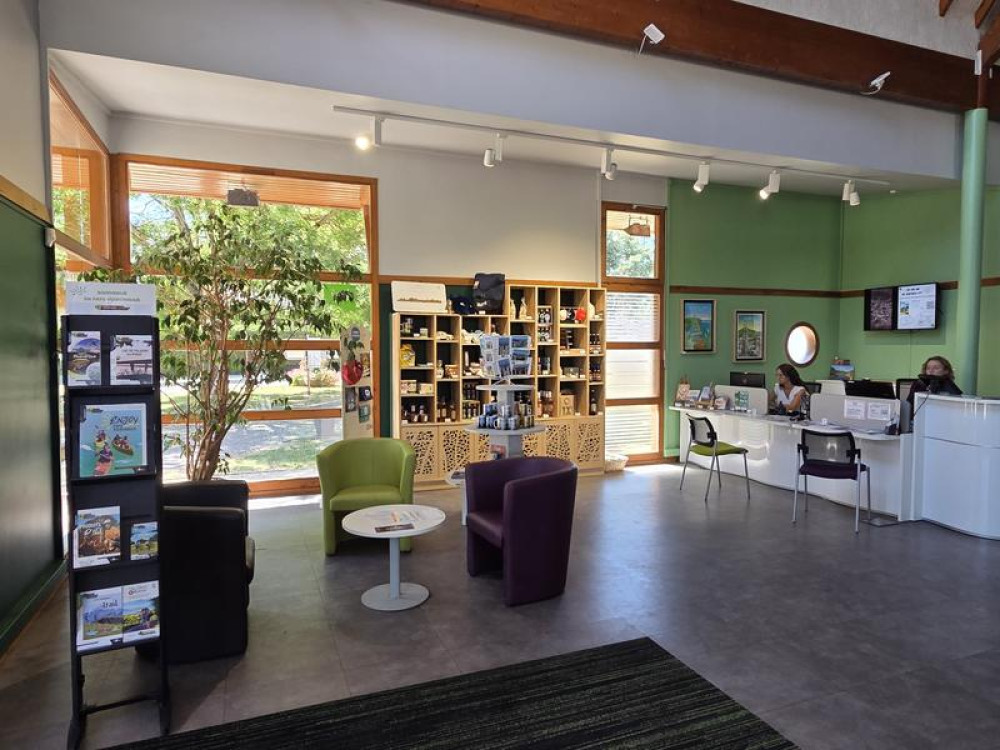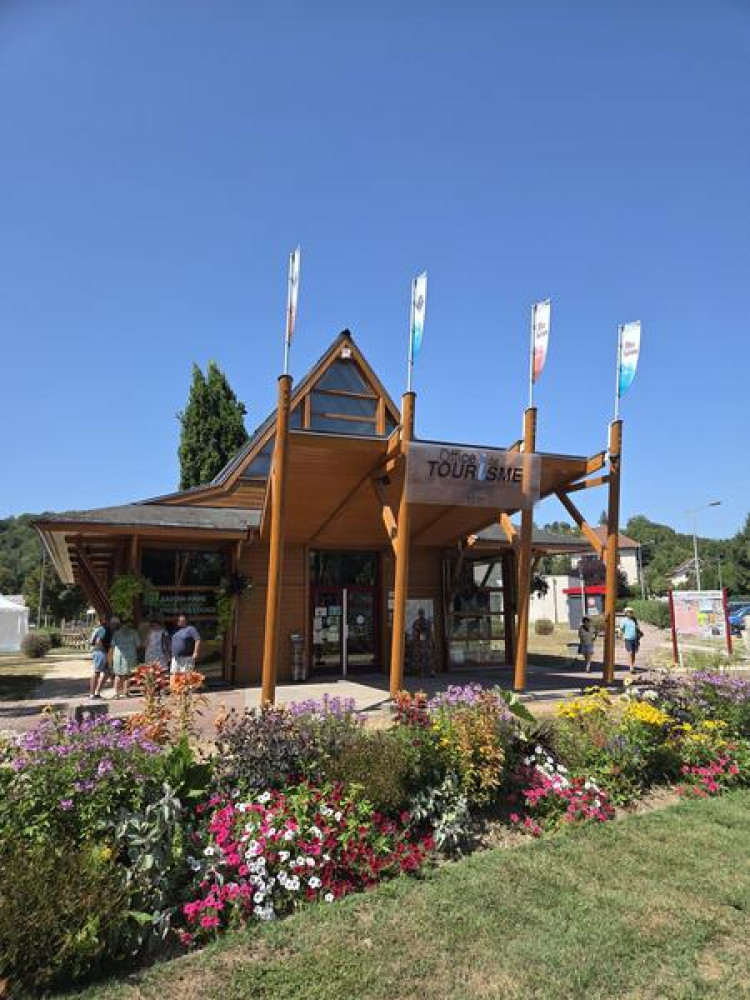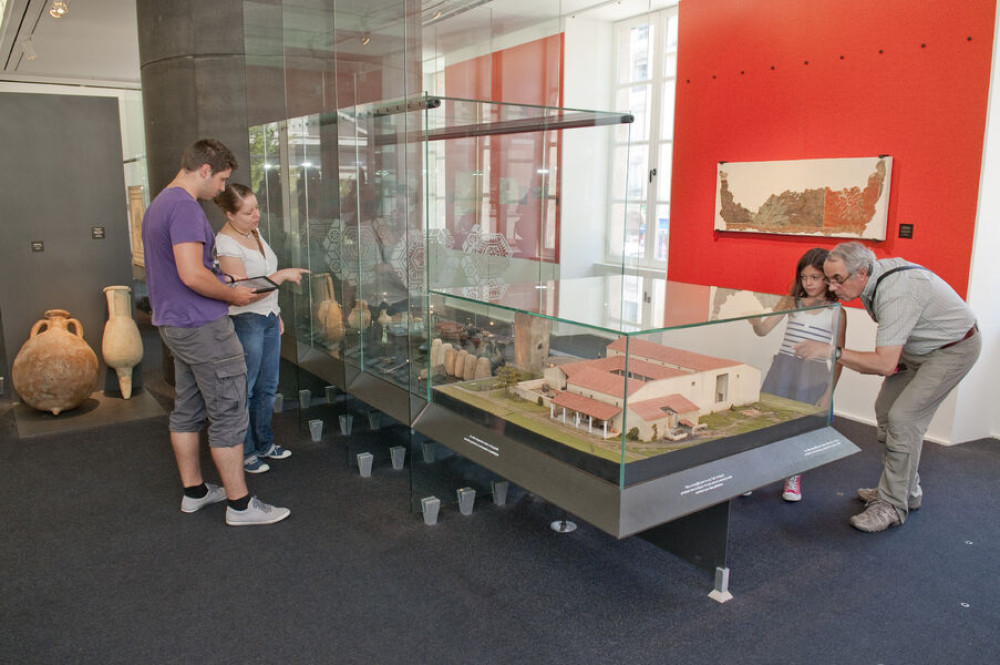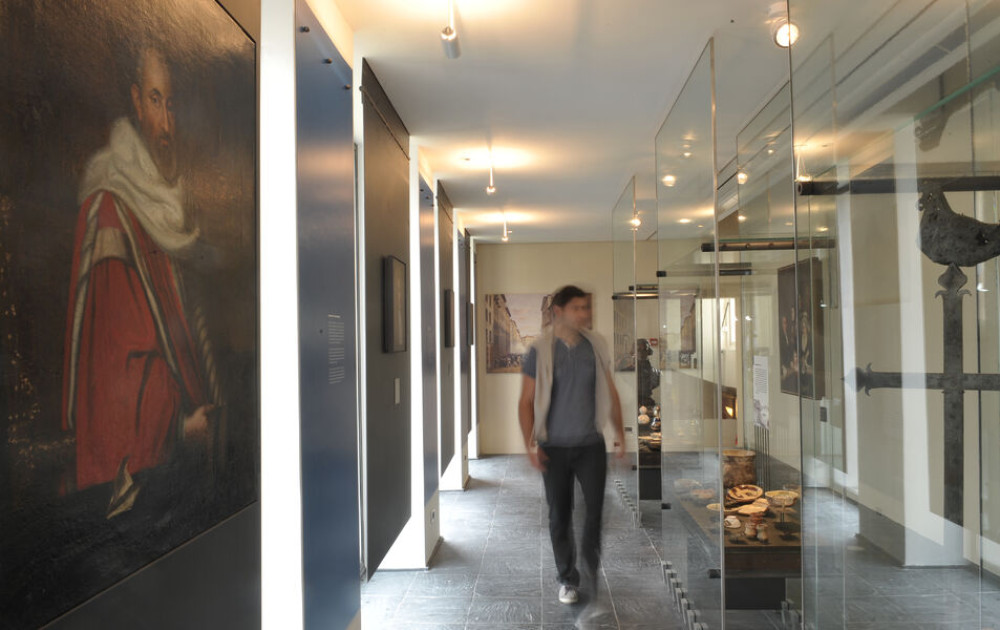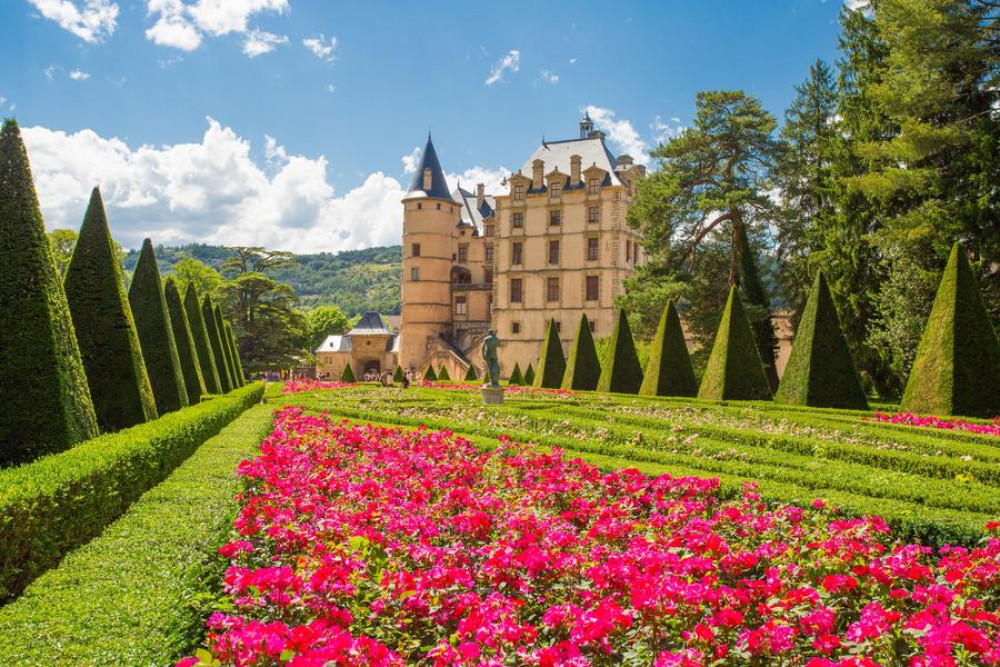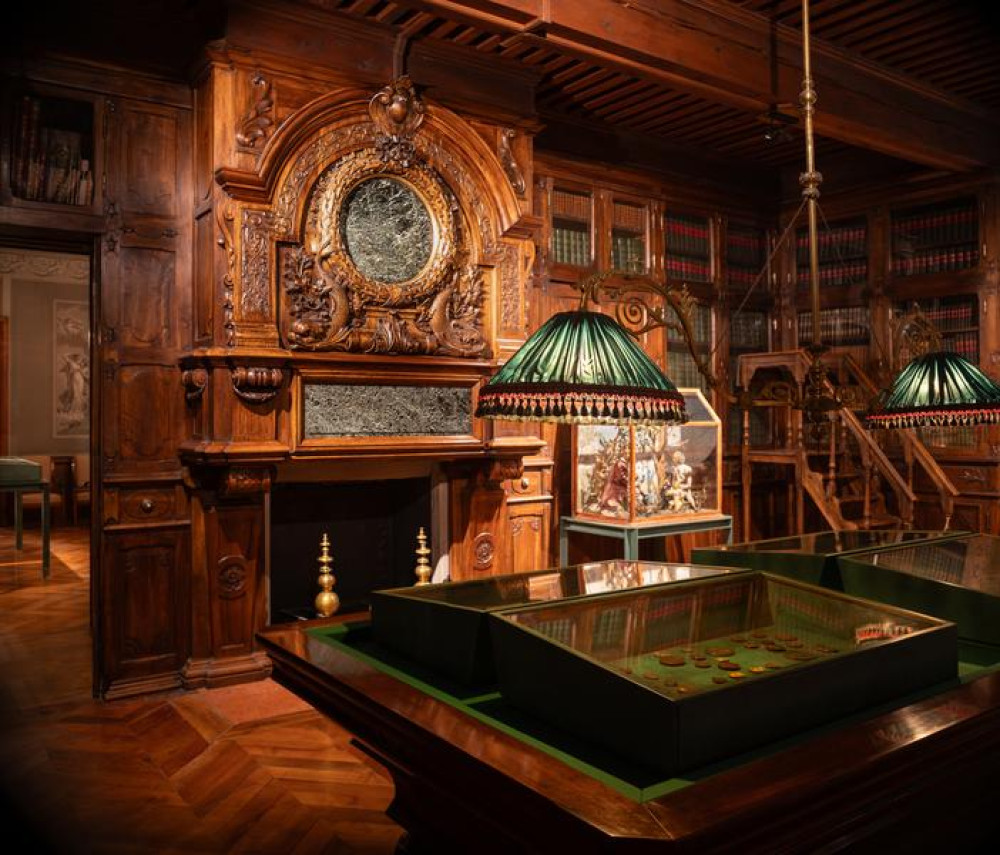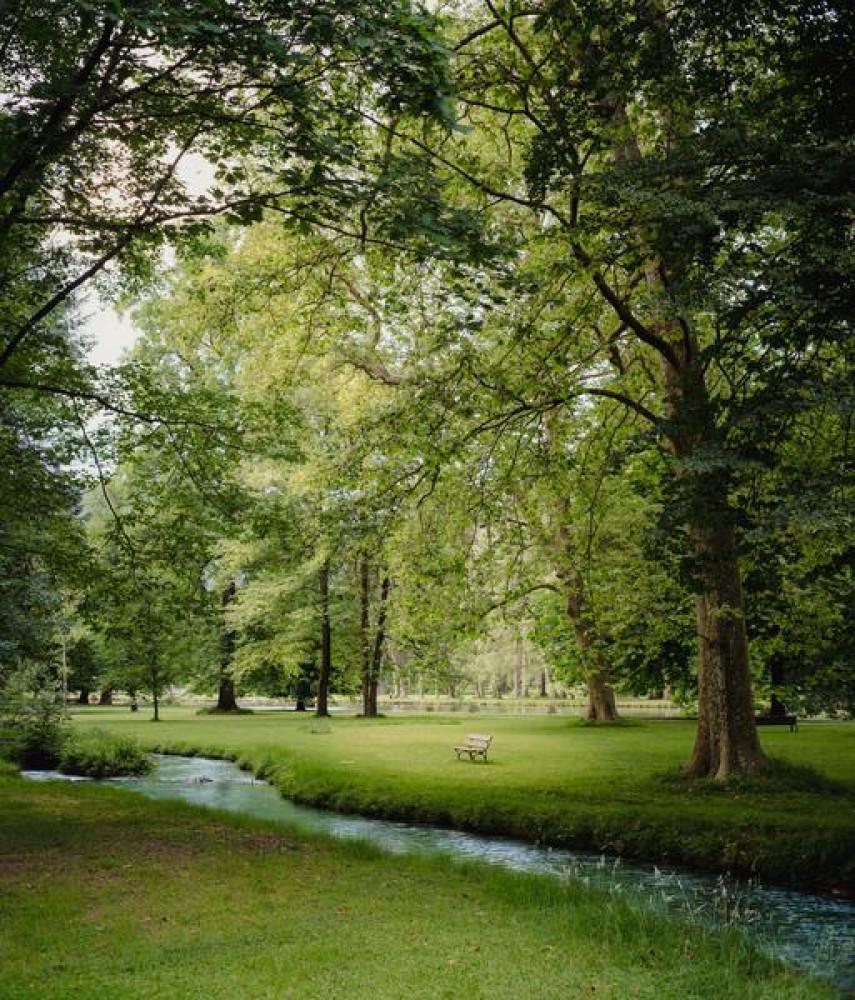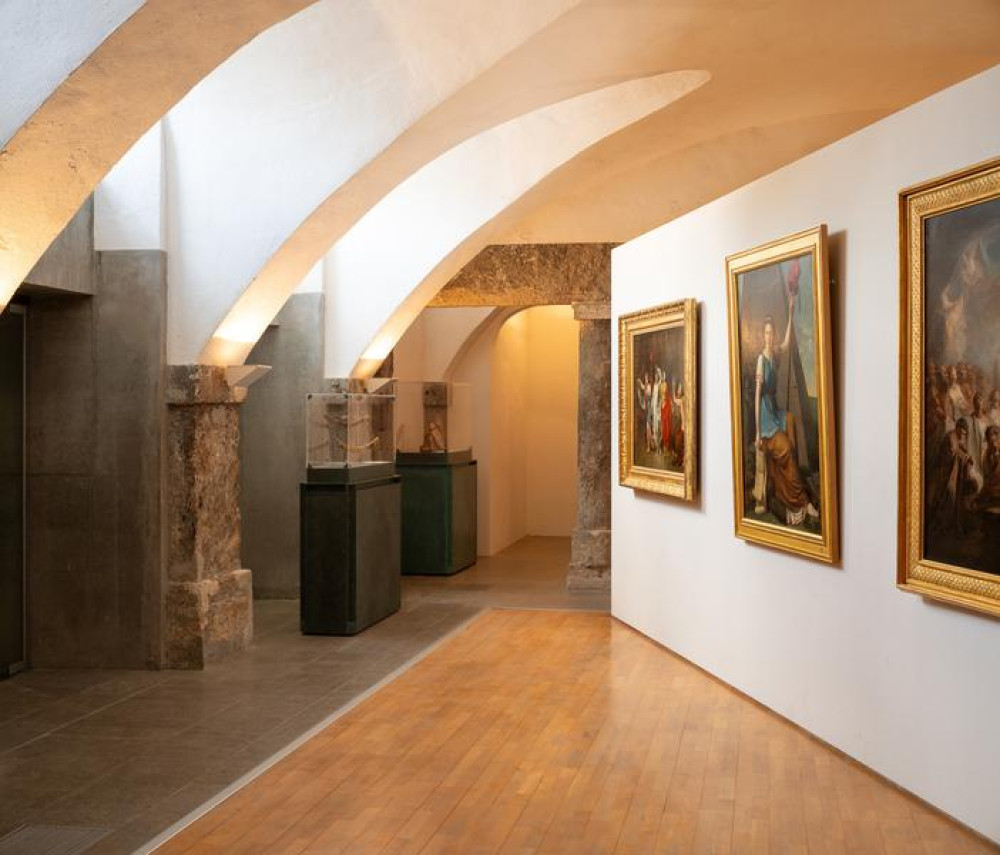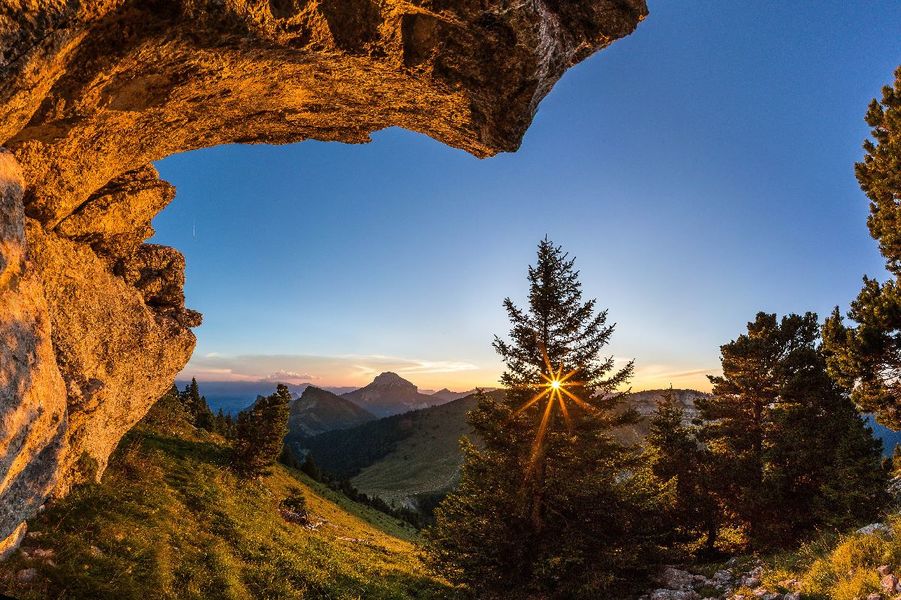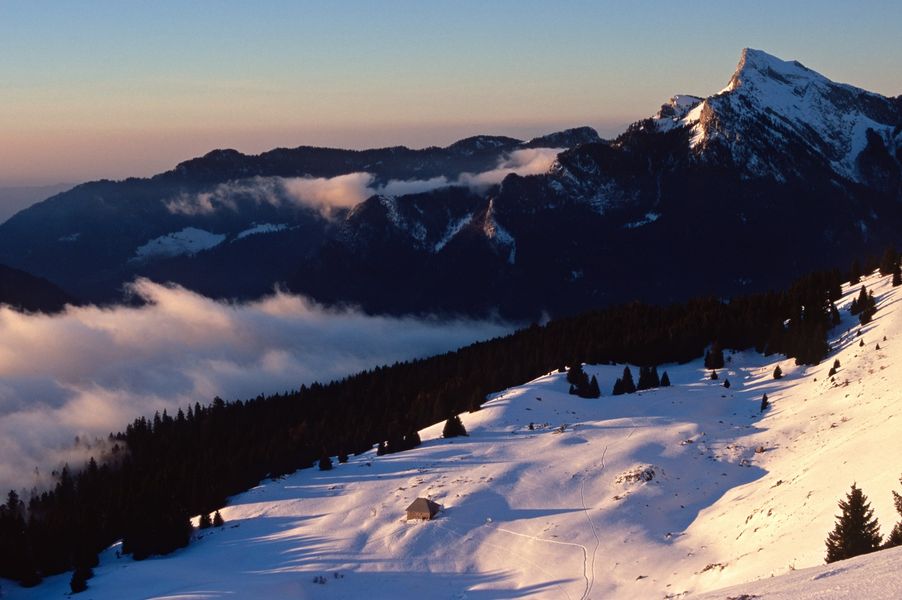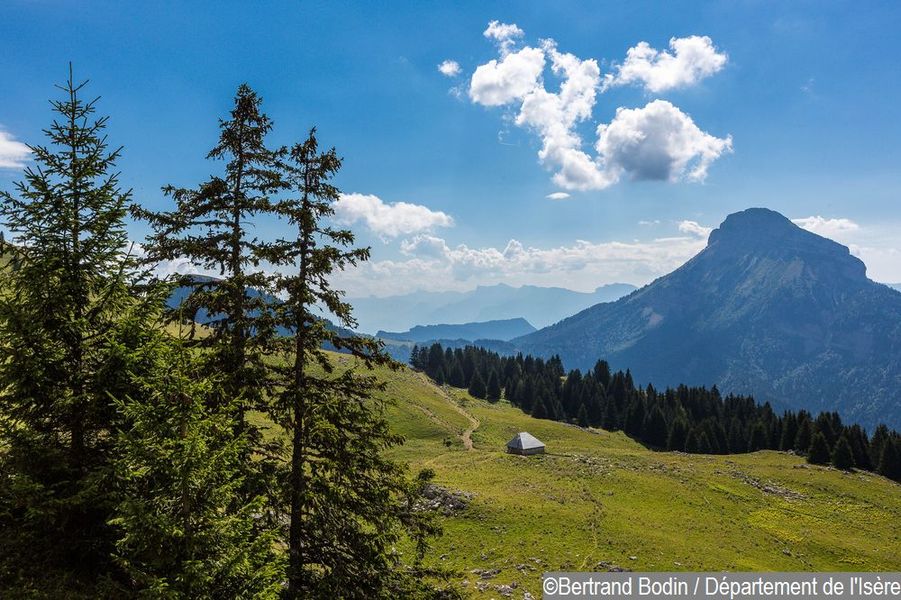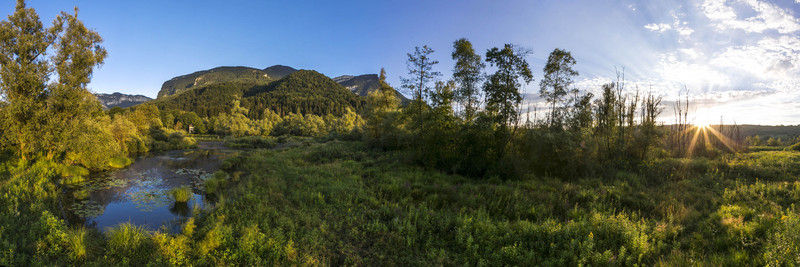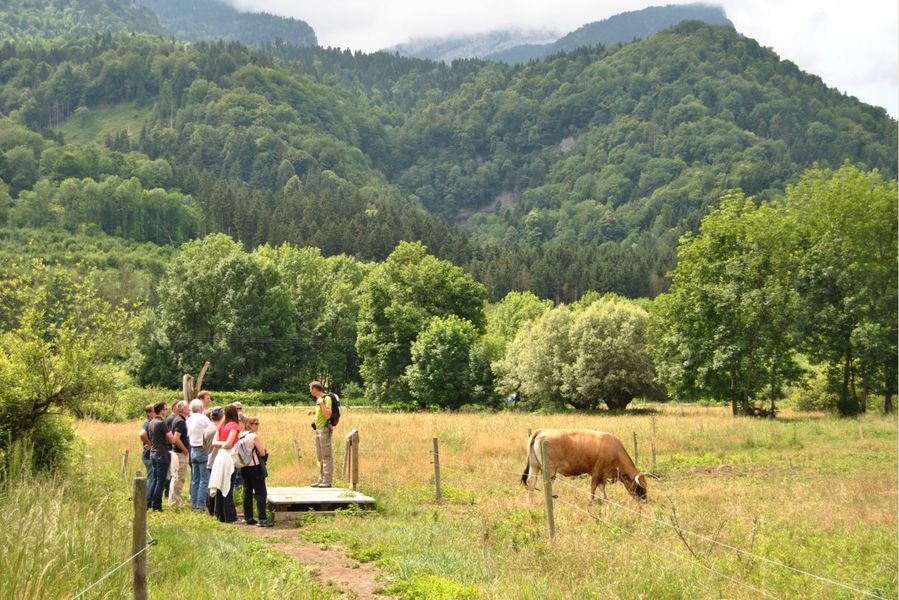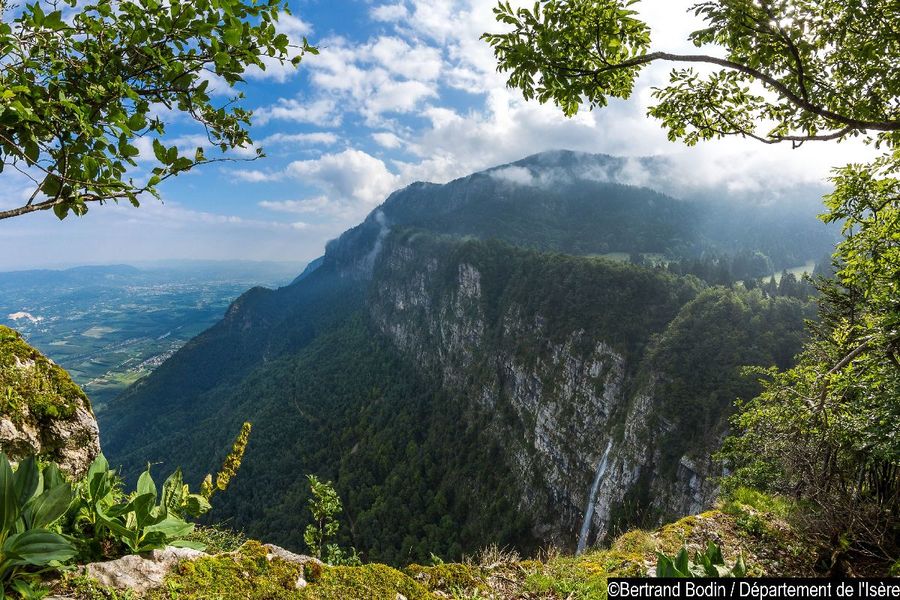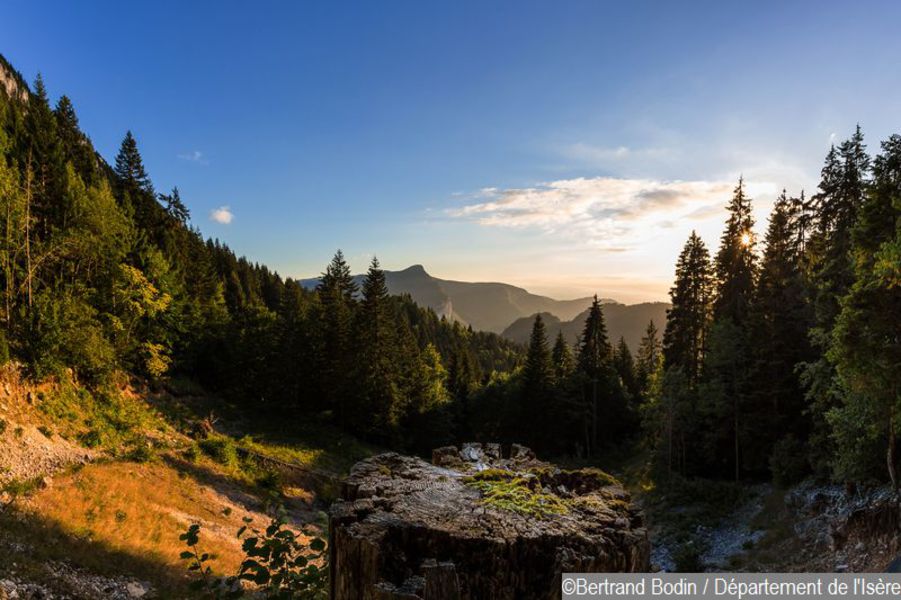
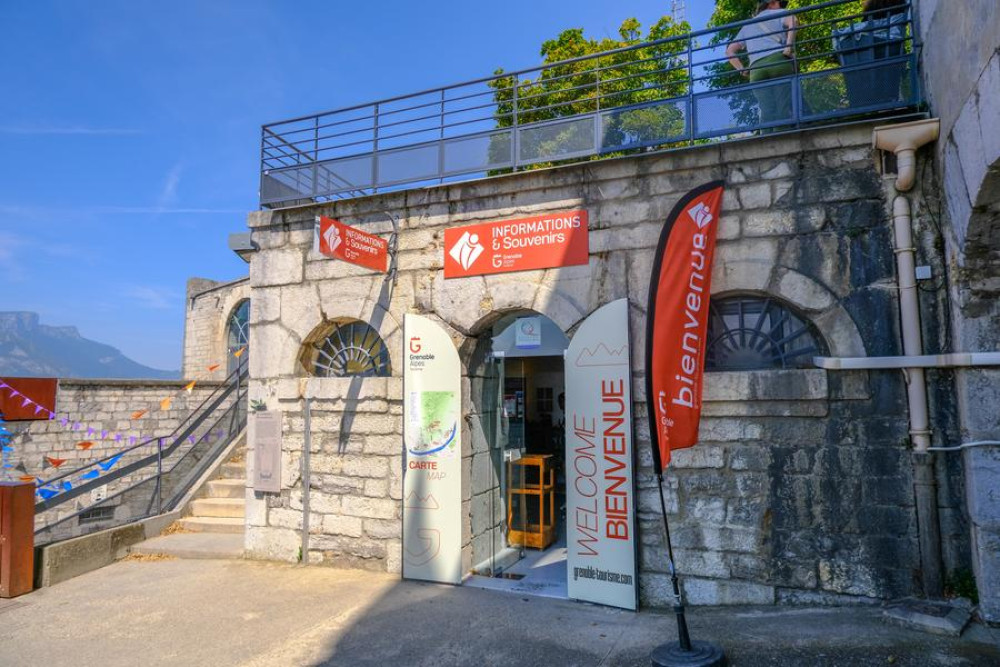
The Tourist Information Office Bastille welcomes you to the Fort de la Bastille! Find advice, ideas for walks, documentation on Grenoble and its region as well as souvenirs to take away...
Enjoy your visit!



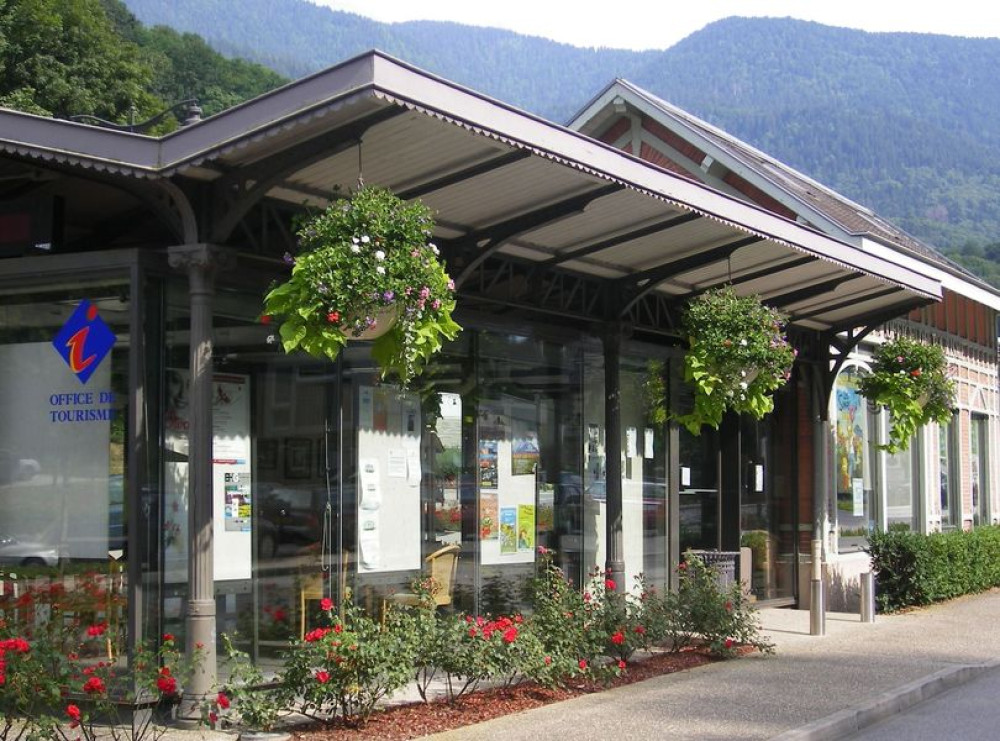
With its head in the mountains, and yet very close to Grenoble, Uriage is a spa resort in the Belledonne Range, whose splendid park has managed to keep the "belle époque" atmosphere.Welcome to Uriage-les-Bains! Looking to recharge your batteries, relax or simply get away from daily stress? You have come to the right place. Located near Grenoble, Uriage-les-Bains offers an enchanted interlude, where nature, well-being and heritage blend harmoniously. Let yourself be seduced by the charm of our town and discover all it has to offer.
The Tourist Office team will help you discover this mid-mountain village, which has a preserved natural environment surrounded by forest, promising some great walks!
Our office are located in the Voies ferrées du Dauphiné (VFD) railway station, a witness to the spa's rich past.
Since 1995, restored and refurbished as a tourist office, it continues to welcome visitors and bear witness to the town's rich past.
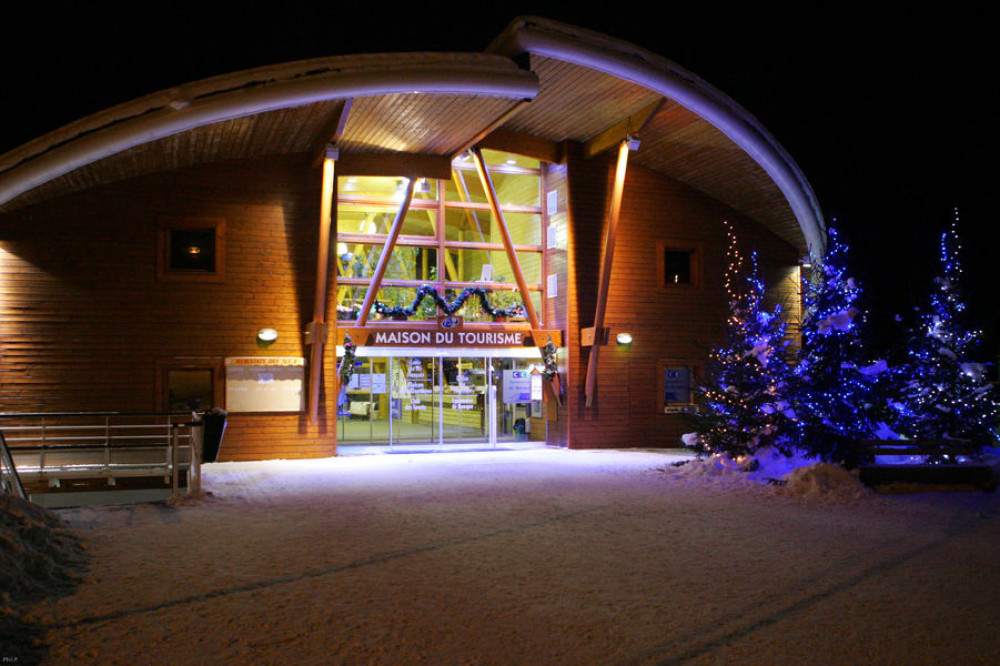
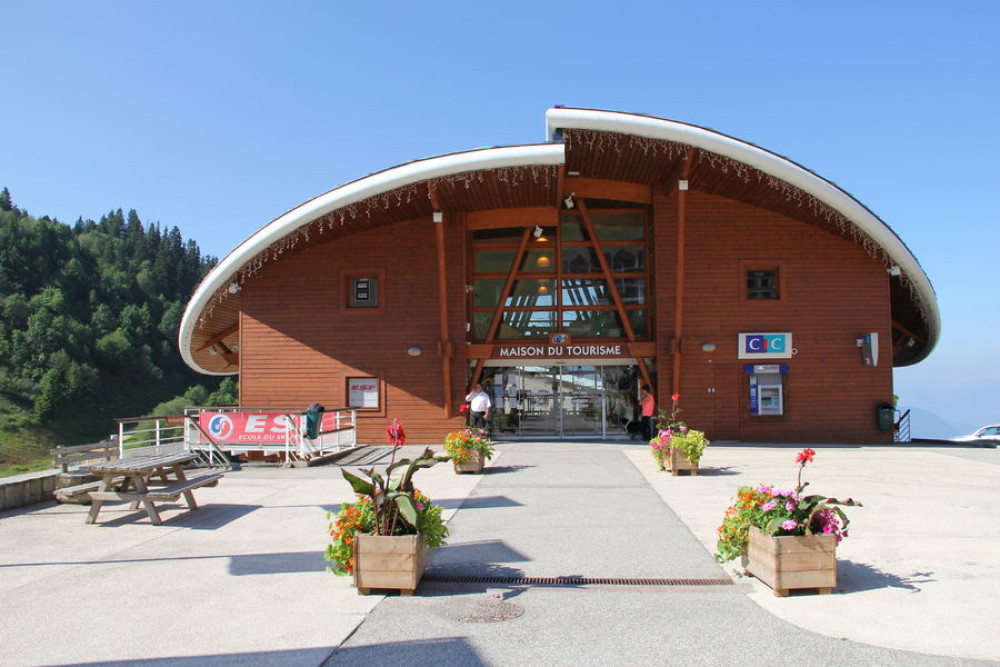
The Chamrousse Tourist Office has renewed its "Qualité Tourisme / Destination d'excellence" label and offers a personalized welcome at its two information desks.We have two information points, one at Chamrousse 1650 and the other at Chamrousse 1750, a central booking office - accommodation "Chamrousse Réservation", a souvenir-gift store, a children's area, free wifi and a fee-paying stroller and baby-carrier rental service.
The information point at the Maison du Tourisme in Recoin (1650) is open all year round, and the one in the Roche-Béranger shopping mall (1750) only in high season (winter and summer).
Gourd friendly - free filling of water bottles on request at reception (during opening hours): 250 ml, 500 ml, 750 ml, 1 liter, 1.5 liter or 2 liters.
Mailing address for Chamrousse Tourist Offices:
- Chamrousse 1650 - Recoin: 42 place de Belledonne, 38410 Chamrousse
- Chamrousse 1750 - Roche Béranger: 478 avenue du Père Tasse, 38410 Chamrousse
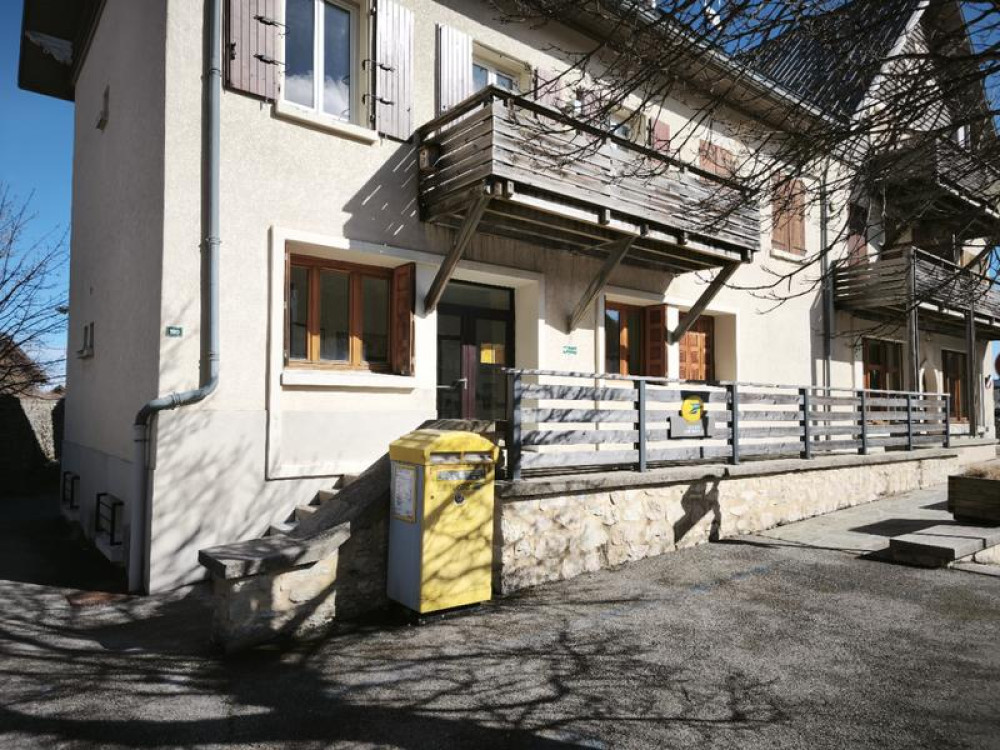
Reception and tourist information point.
Relay station.
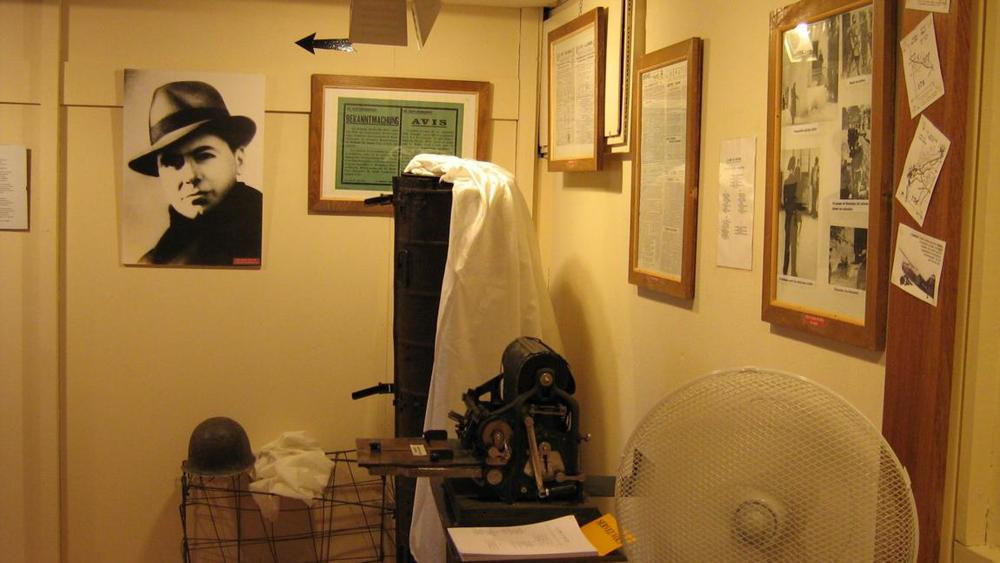
Showroom dedicated to the Resistance in Vercors.
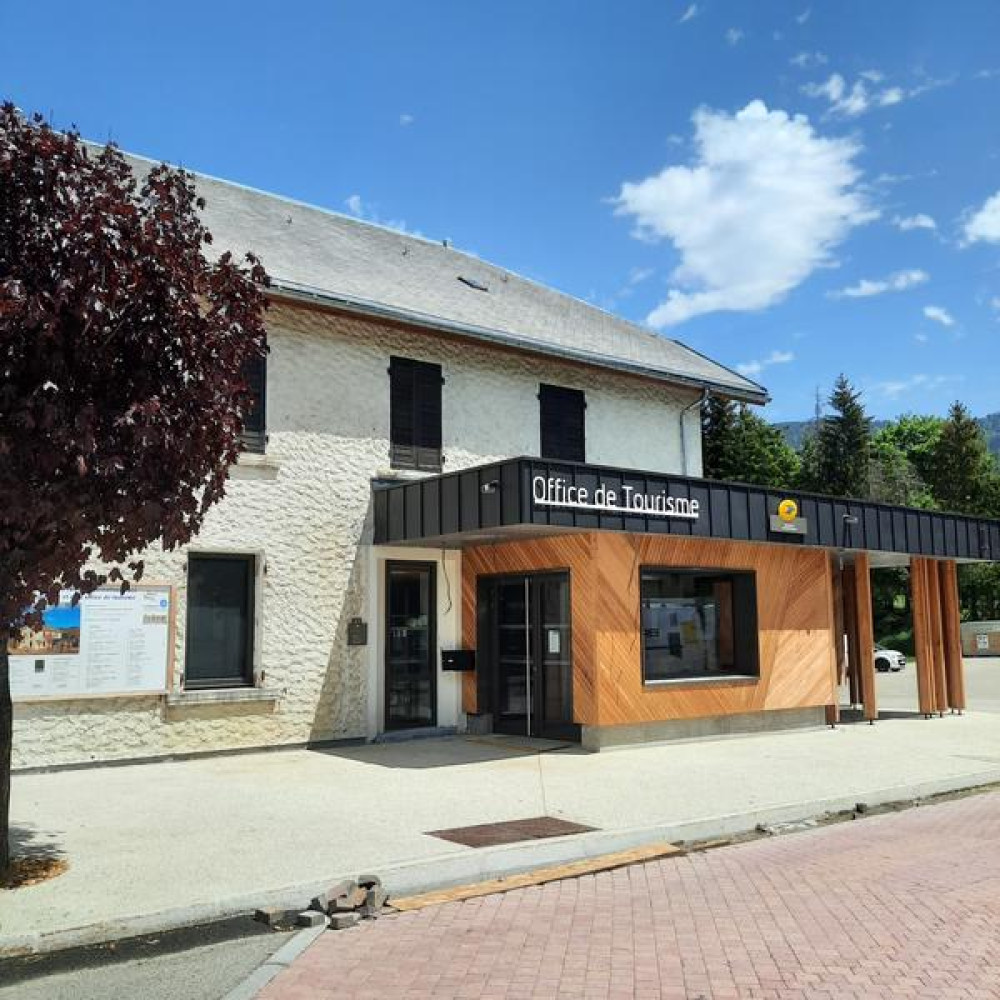
Located in the heart of the Vercors Massif, at an altitude of 1,050m. The resort of Autrans benefits from good snow cover all winter long thanks to its special geographical position.Autrans is a pleasant destination in every season.
In winter, this Nordic-style resort features a cross-country ski area with over 130 km of trails winding through a variety of landscapes. Its ski area includes 6 ski lifts and 1 chairlift.
In summer, there is a wide variety of activities, most of which are nature-based: hiking, biking, rock climbing, caving, and more.
An electric bike charging station is available at the tourist office.
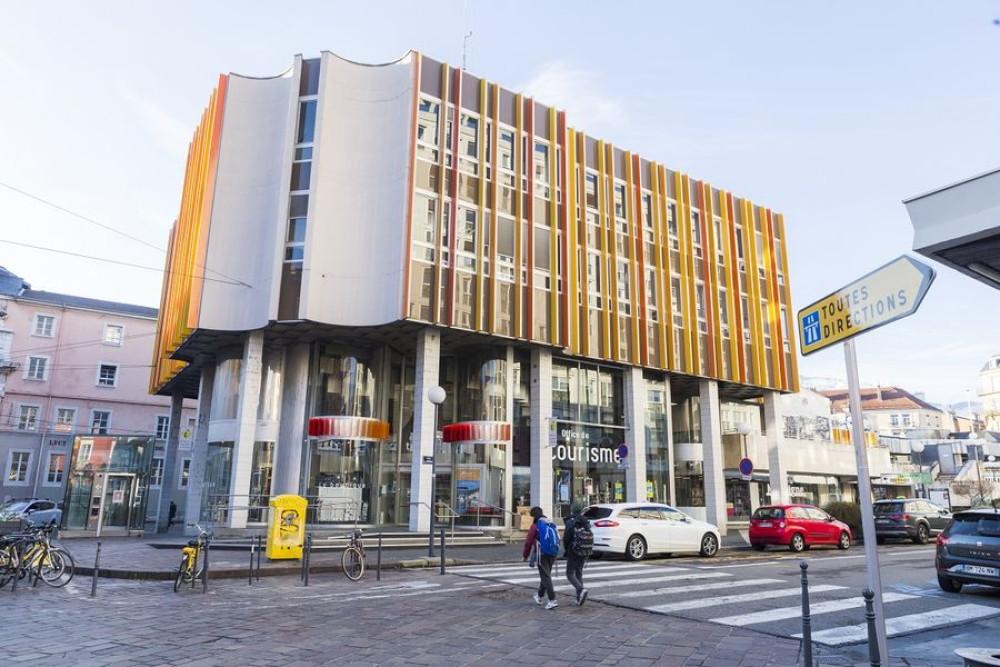
The Grenoble Alpes Tourist Office welcomes you every day to help you discover the riches of this metropolitan area nestled in the heart of the Alps, between the Chartreuse massif, the peaks of Belledonne and the Vercors plateau.
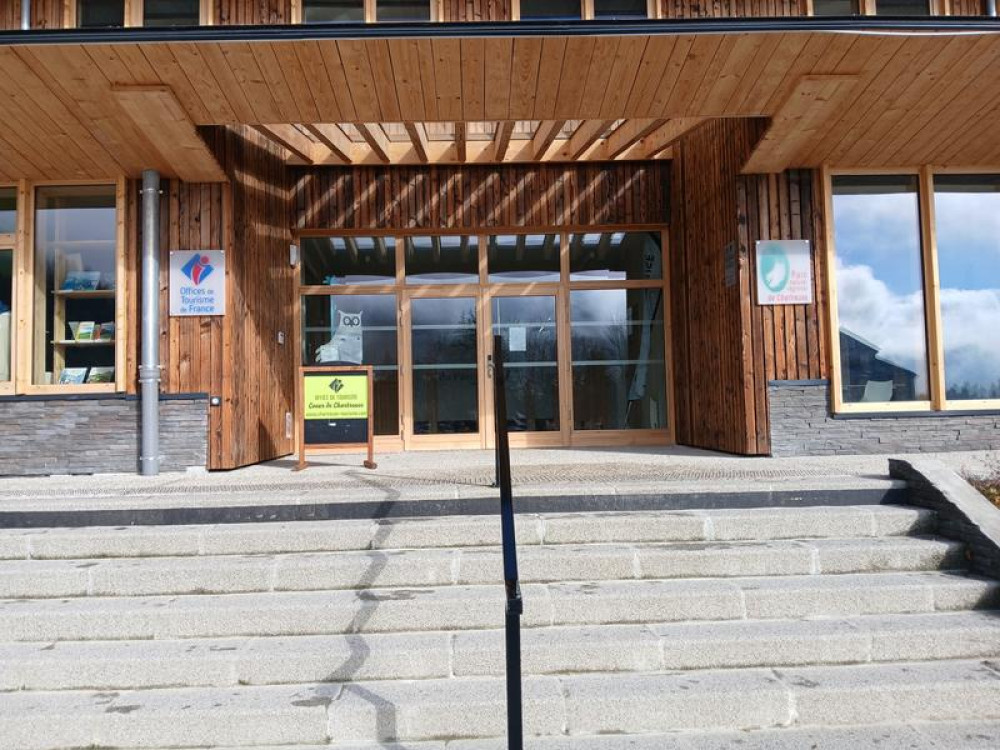
Carole and Fanchon are here to welcome you, provide information and offer advice on local activities. We also have a shop and offer ticket services, fishing permits and coach tickets (Relais Cars région).
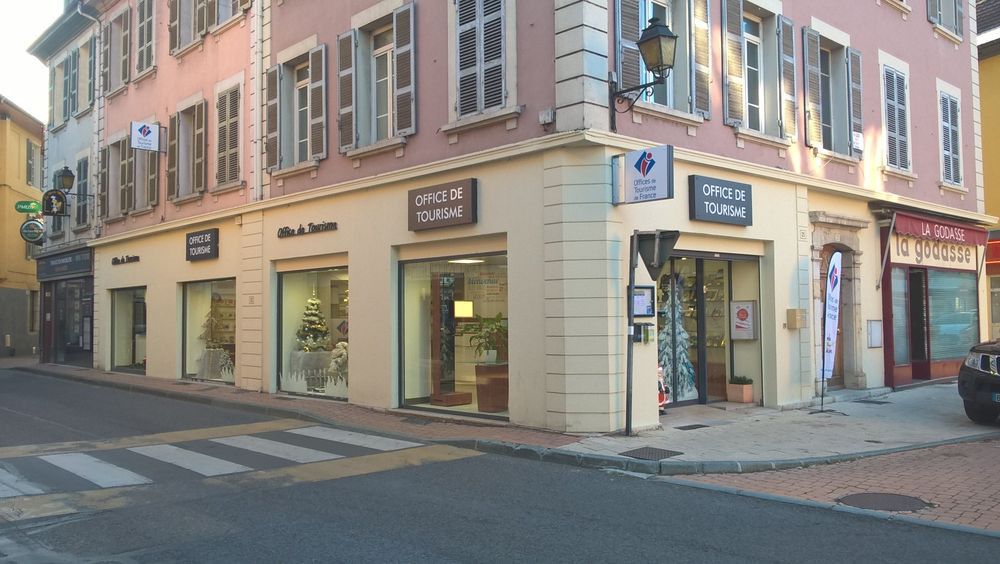
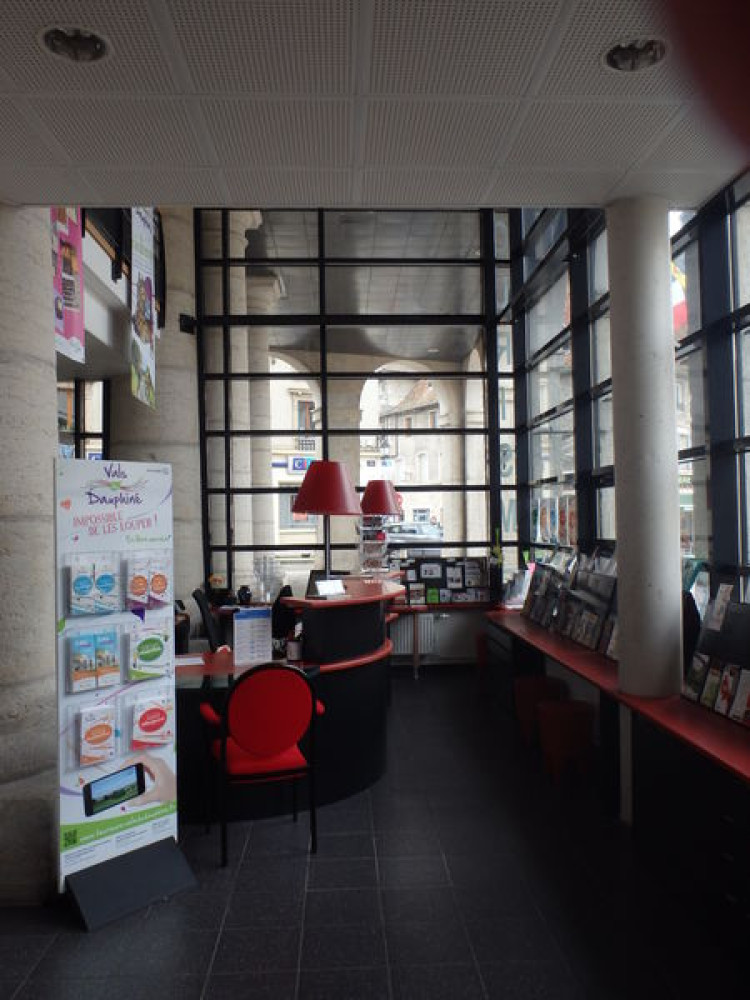
Les Vals du Dauphiné tourist office will guide you through the discovery of the city and its territory Les Vals du Dauphiné : advices and orientations, guides & brochures, suggestions, gift shop...Between lakes and mountains, this area is a concentration of nature and of the french lifestyle. Charming country, wooded, hilly, crossed by the river Guiers and many clear streams, the authentic countryside of this region Iséroise encourages the peaceful discovery of landscapes and viewpoints on the Pre-Alps.
Great moments of the History of France are to be discovered, from the Gallo-Roman period, through François 1st (Pont-de-Beauvoisin, city of furnitures) or the former border between Dauphiné and Savoie.
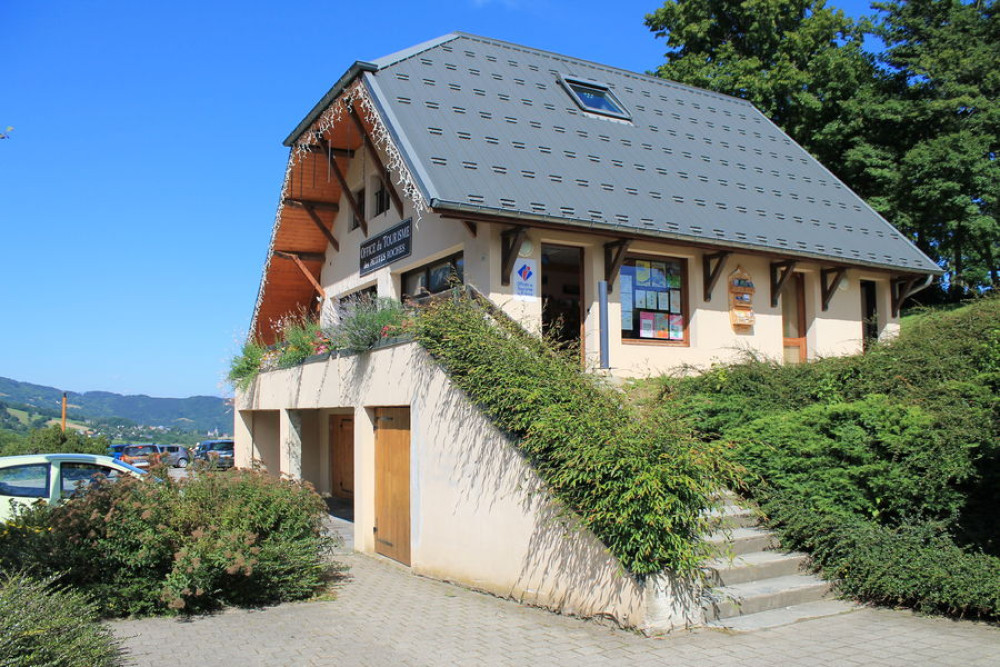
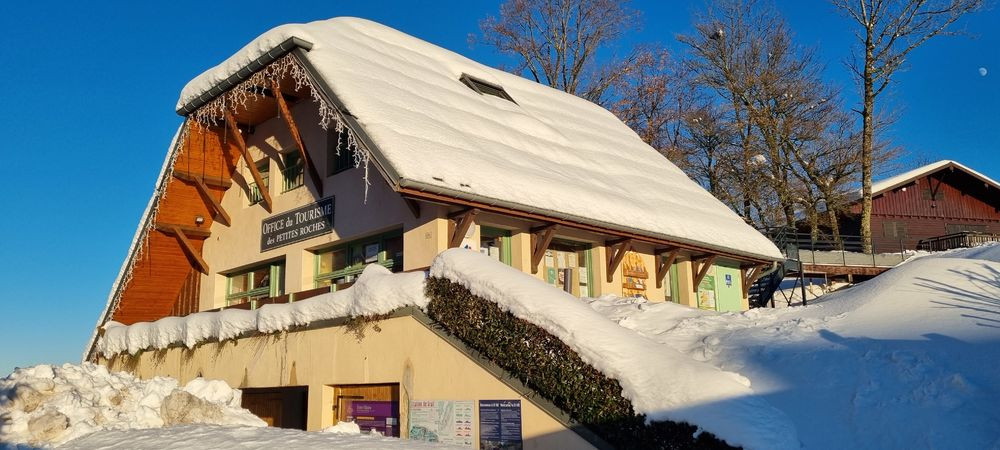
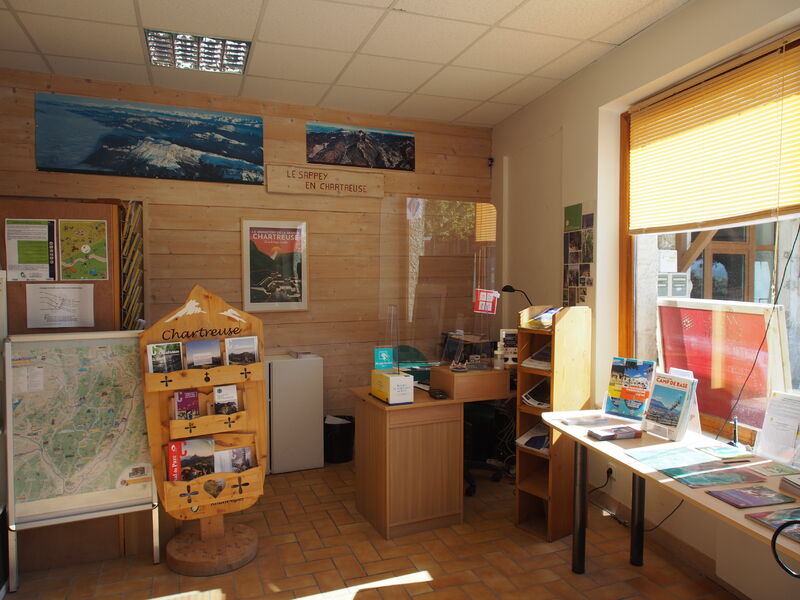
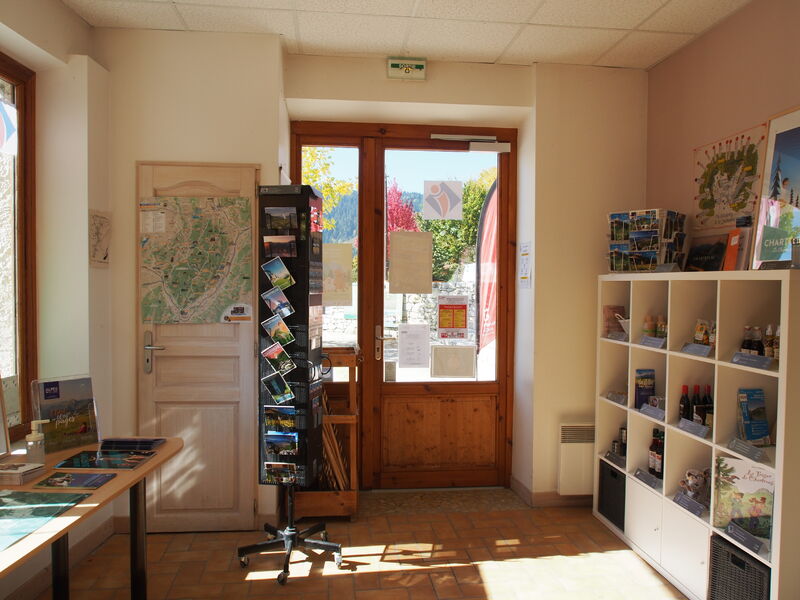
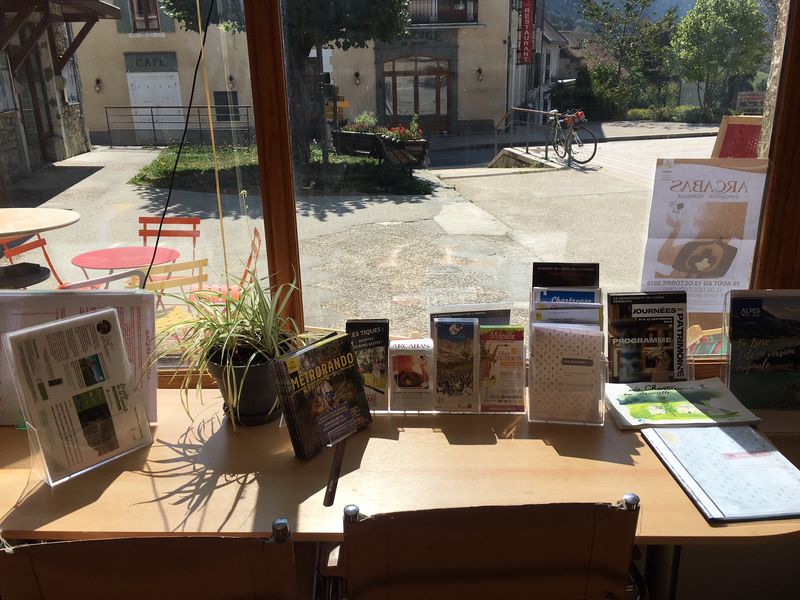
Located in the heart of the Chartreuse Regional Nature Park, Le Plateau des Petites Roches is a mid-mountain village that welcomes you in summer and winter with warmth and friendliness.
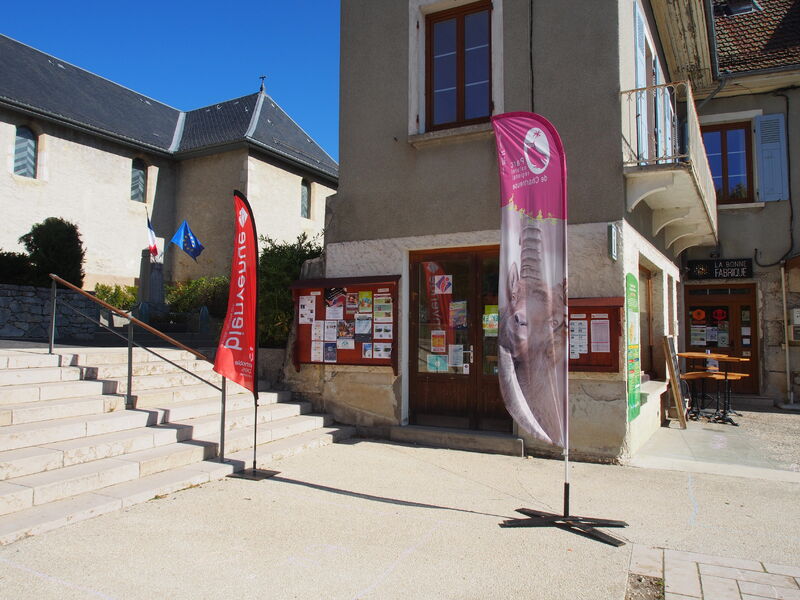
Le Sappey-en-Chartreuse, southern gateway to the Haute Chartreuse, is a village with a long tradition of tourism. Nestled at the foot of Chamechaude - the highest point of the Chartreuse - it has kept its family and rural character even though it is near Grenoble.Numerous sports and cultural activities are offered throughout the seasons, for the greatest pleasure of strollers, families, nature lovers and sports enthusiasts: hiking, orienteering, forest acrobatic park, mountain biking, alpine and nordic skiing, snowshoeing, exhibition gallery, historical monuments; and also highlights: the Traversée de Chartreuse, the Croix de Chamechaude, the Montée pédestre des 3 communes, the Crantée de Chamechaude, craft festivals, etc...
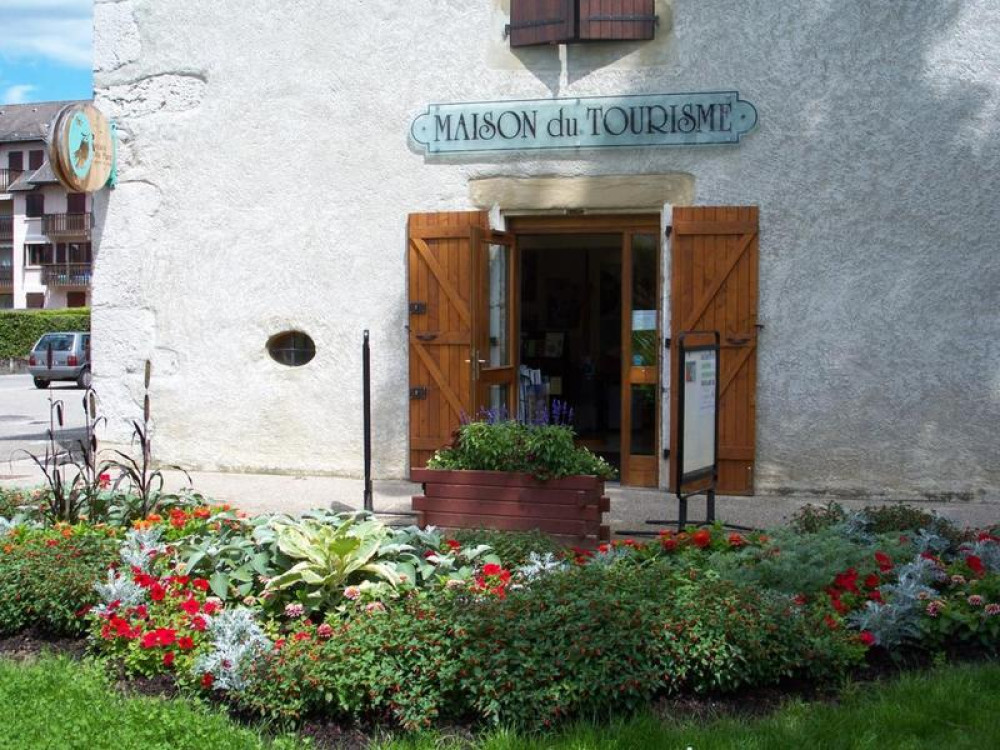
Chloé and Fanchon are on hand to provide information and advice on local activities. The Tourist Office in St-Laurent-du-Pont also has a shop and offers ticket services, fishing permits and coach tickets (Agence Cars Région).
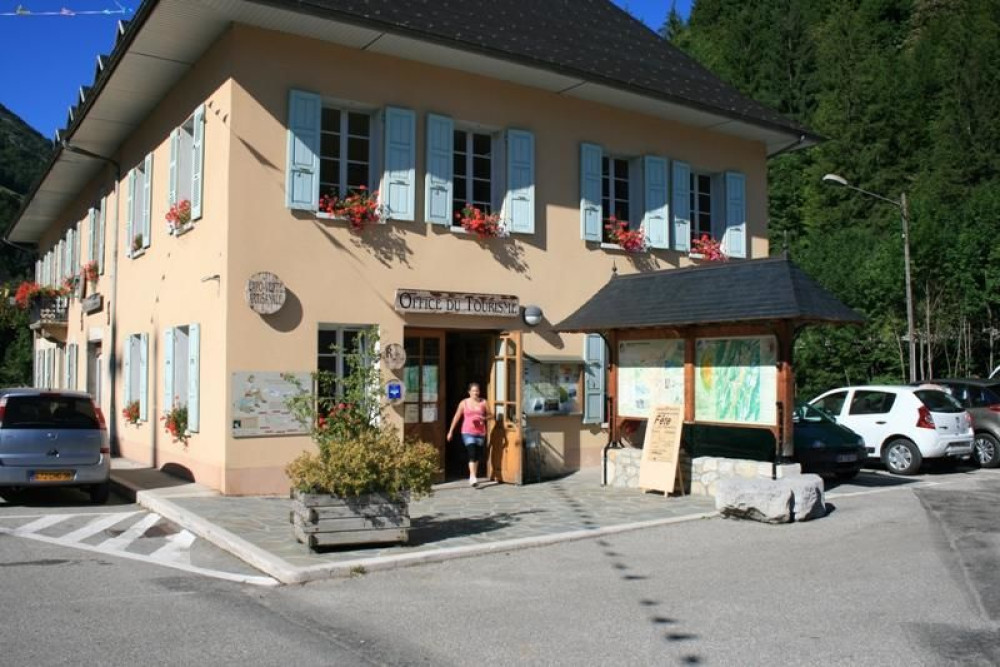
The tourist information centre of Les Entremonts welcomes you all the year. In the heart of the Chartreuse massif, the villages of St Pierre d’Entremont exude simplicity and authenticity. Ideal for relaxing or active holidays
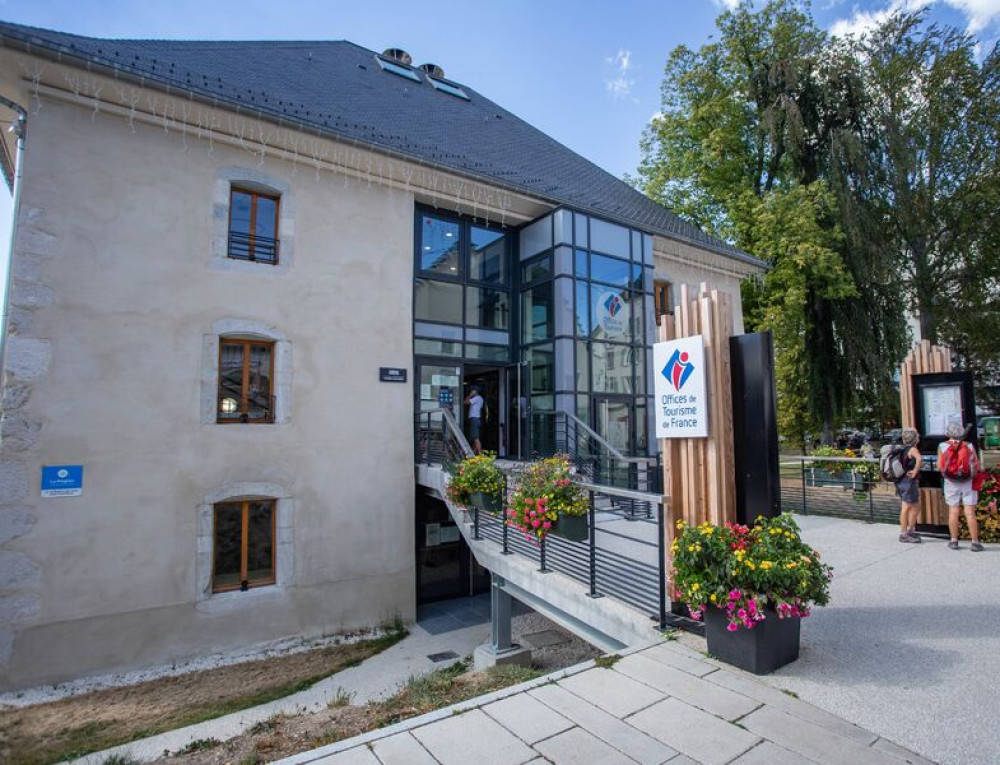
Villard-de-Lans, a year-round destination in the heart of the Vercors. Skiing, hiking, family activities, and preserved nature for unforgettable holidays throughout the year.The Villard-de-Lans Tourist Office welcomes you to the heart of the Vercors Regional Natural Park, a prime destination for nature lovers and winter sports enthusiasts. Located at an altitude of 1,050 meters, the resort offers an exceptional setting for holidays with family or friends.
In winter, enjoy numerous alpine and Nordic ski slopes suited to all levels. The resort also features dedicated areas for beginners and children, such as La Colline des Bains. Thrill-seekers can tackle red and black slopes, while families will appreciate the green and blue runs.
In summer, Villard-de-Lans transforms into a paradise for hikers and cyclists. Explore the marked trails through the lush landscapes of the Vercors, or try activities such as mountain biking, climbing, or paragliding.
The Tourist Office also offers a variety of cultural and leisure activities throughout the year, as well as practical services to make your stay easier. Whether you're looking for adventure or relaxation, Villard-de-Lans is the perfect destination for an unforgettable holiday!
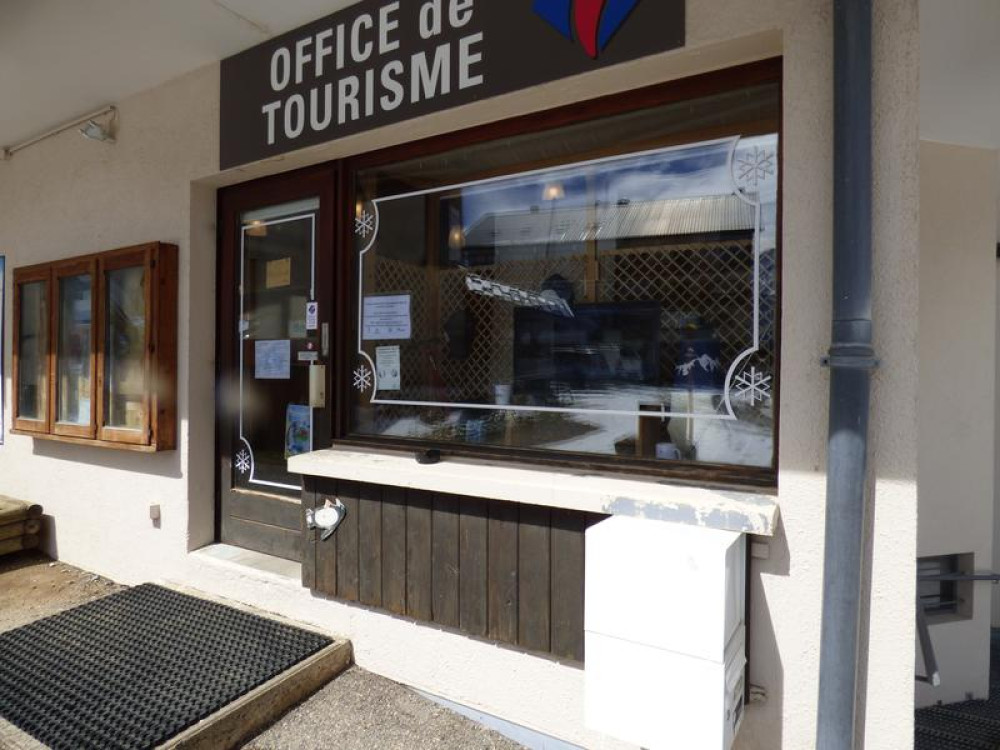
This family resort is situated at Oisans's doors and at 45 km from Grenoble, at Taillefer (2857m) and Grand Serre (2141) mountain range feet.Located at the gateway to the Oisans region, just 45 minutes from Grenoble,
L'Alpe du Grand Serre is a welcoming, family-friendly mid-mountain resort open in both winter and summer. Nestled at the foot of the Taillefer Massif (2,857 m) and the Grand Serre peak (2,141 m), it is one of the oldest ski resorts in the Dauphiné region.
The ski area covers 550 hectares and offers 55 km of alpine slopes, including 2 black runs, 12 red, 19 blue, and 5 green. The resort also offers many opportunities for off-piste skiing.
L'Alpe du Grand Serre is a charming village of chalets and alpine pastures, a peaceful place where life is good.
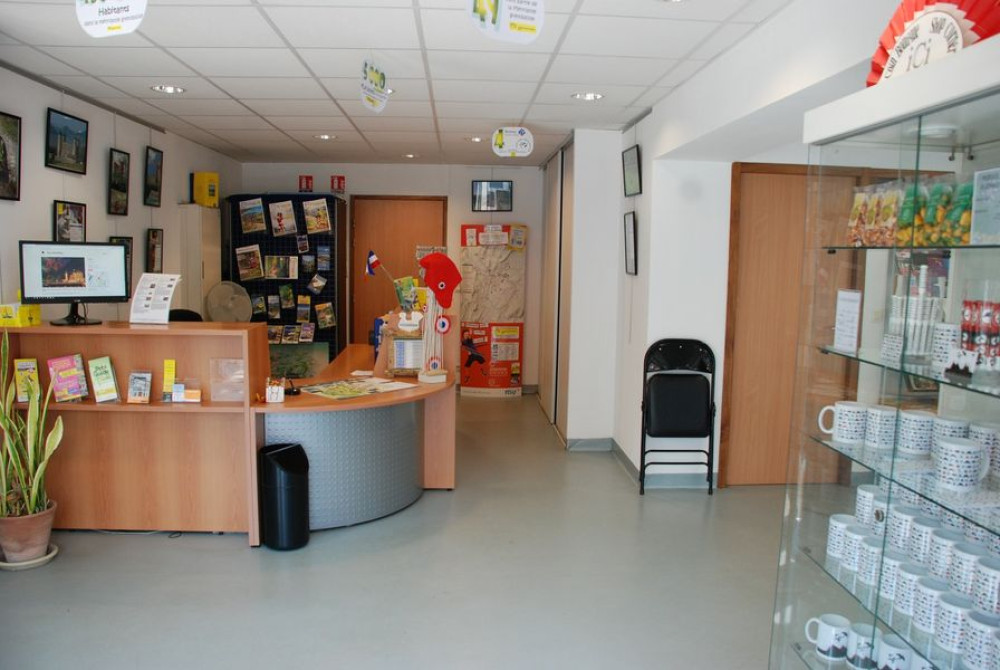
Grenoble-Alpes Métropole, it's 49 cities and villages to be explored!
Discover the territory in all its variety...
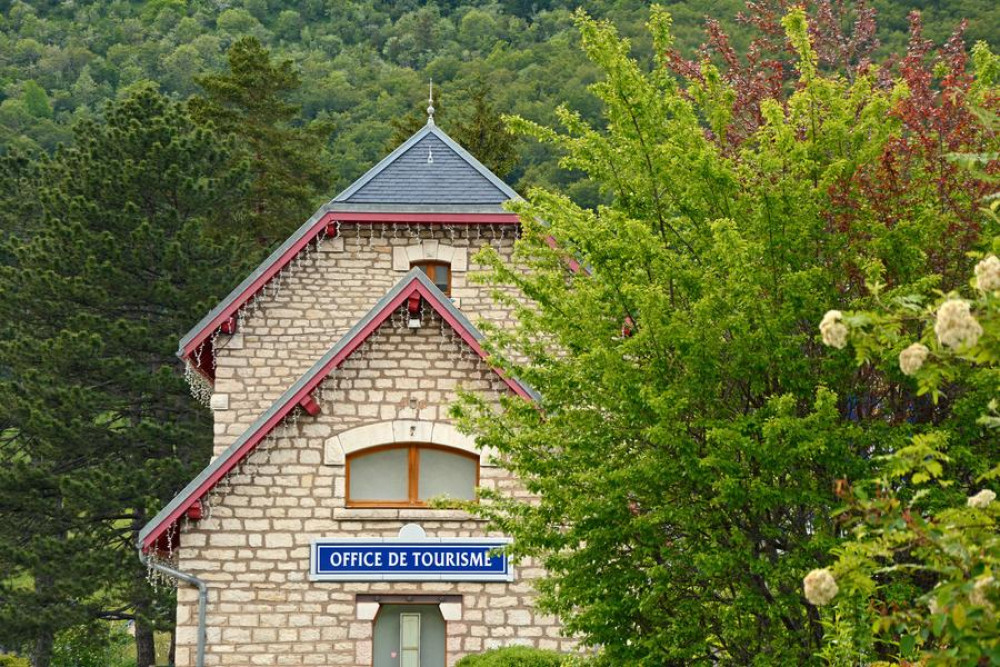
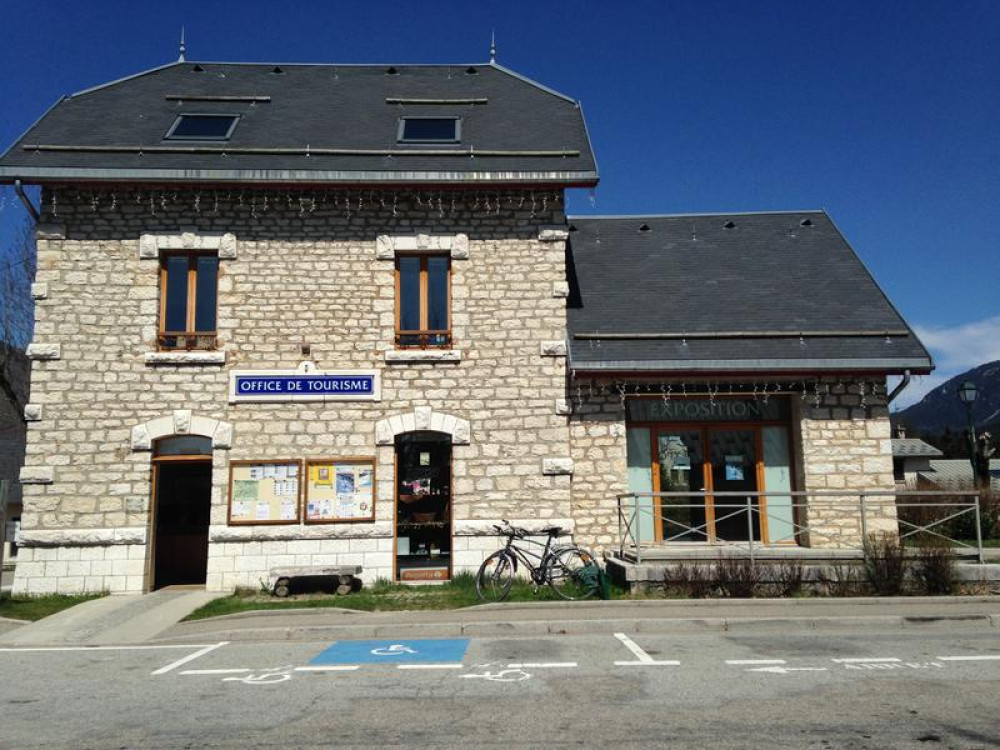
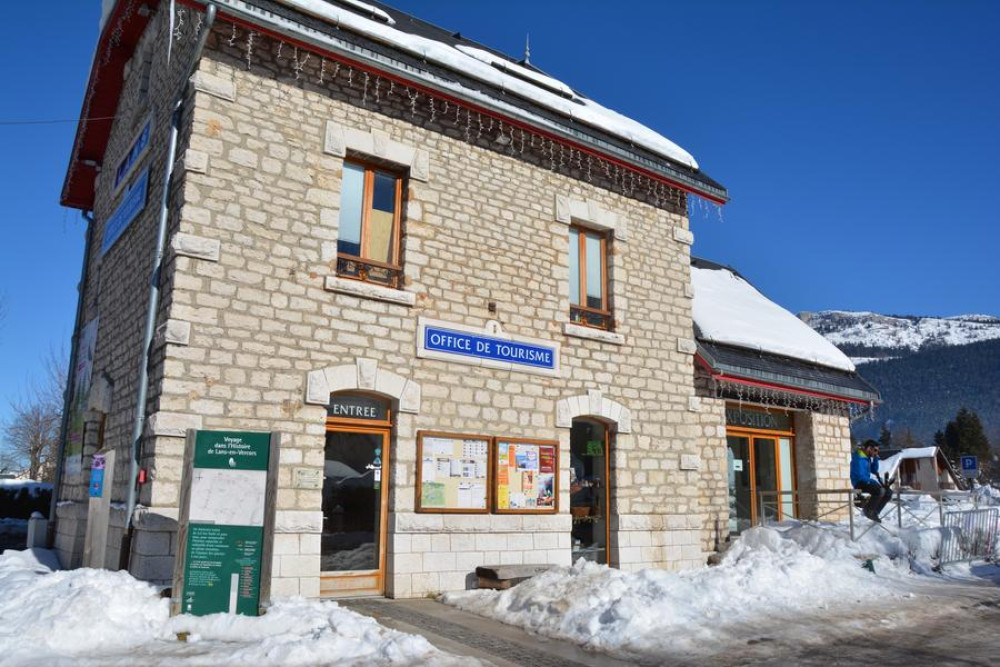
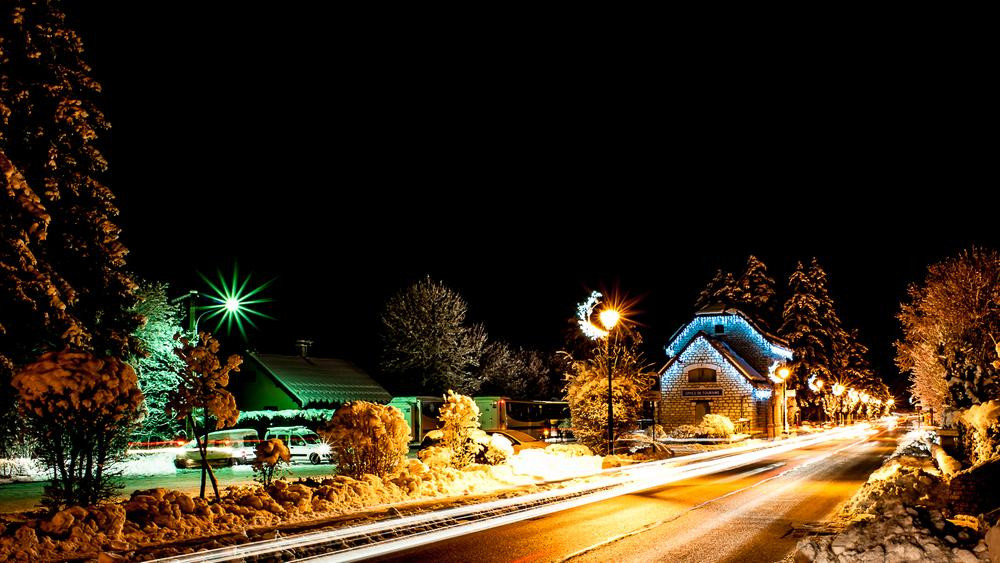
The Lans-en-Vercors Tourist Office, located in the former tram station, is open year-round and is here to help you plan your getaways in the Vercors Mountains.Tourist Office Services
> Trilingual in-person and phone support.
> Online activity reservations and ticket sales with secure payment.
> Marketplace for lodging reservations.
> Ground-level access for people with limited mobility.
> Exhibition hall.
> Cars Région sales office.
> Electric bike charging available at the Tourist Office (during opening hours)
Accessibility
Access:
1 parking space reserved for people with reduced mobility in front of the building entrance.
Outdoor access ramp with a slope of less than 5%.
90 cm wide glass swing door.
Reception:
Staff trained in accessibility.
Lowered counter located to the left of the reception desk.
Tourist brochure display ranging from 20 cm to 1.80 m in height.
1.20 m-wide circulation space with a turning radius of more than 1.50 m.
Brochures organized by theme with corresponding pictograms.
As part of our commitment to quality, we pledge to:
> Provide you with an easily accessible reception and information area.
> Make your visits as smooth as possible.
> Provide you with free information on local tourist attractions.
> Offer you free Wi-Fi access.
> Display and publicize our opening hours in at least two foreign languages.
> Be open at least 240 days a year, including Saturdays and Sundays, during the tourist season or when events are taking place.
> Respond to your correspondence year-round.
> Provide a permanent reception service staffed by personnel who speak at least one foreign language.
> Provide printed tourist maps, city maps, and guidebooks.
> Give you access to its trilingual website.
> Distribute its tourist information in print, translated into at least two foreign languages.
> Update its tourist information annually.
> Display emergency phone numbers outside the facility.
> Present the full range of quality offerings in its service area for all types of visitors.
> Handle your complaints and measure your satisfaction.
> Adhere to a quality assurance process.
> Ensure that information on local tourism offerings is reliable and up-to-date.
Where to find us: At the entrance to Lans-en-Vercors, turn left at the roundabout toward the village center. After the roundabout, on the main street, go 200 m; you’ll see a stone house on the right: the former tram station.
Drop-off zone in front of the Tourist Office.
Parking available in the immediate vicinity.
Atout France Registration Number: IM038190005
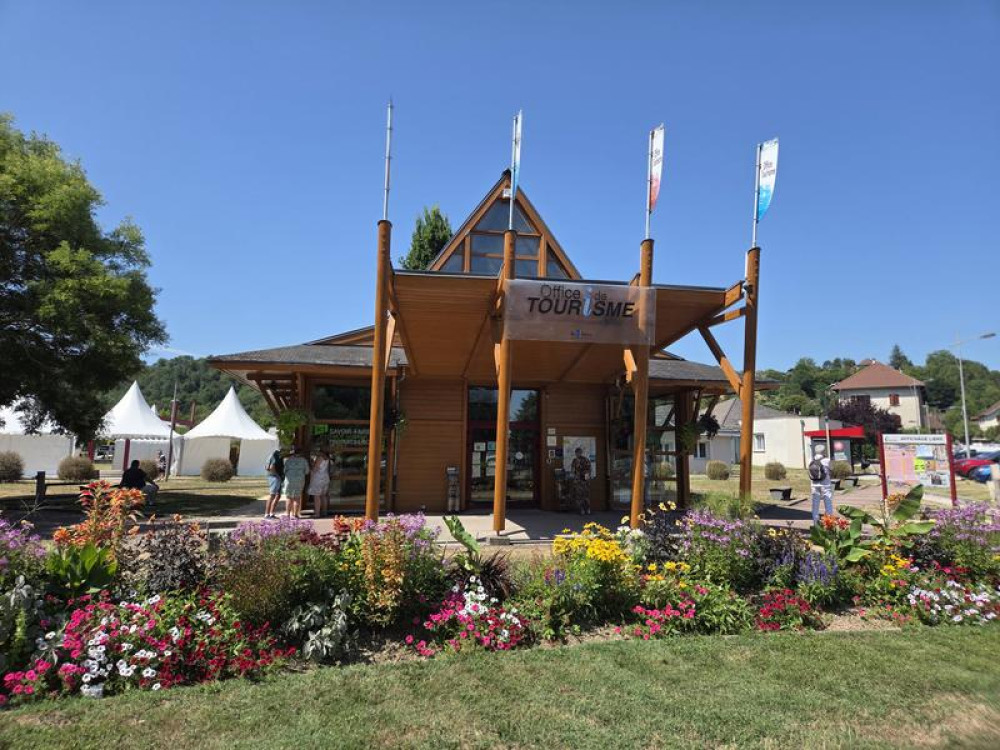
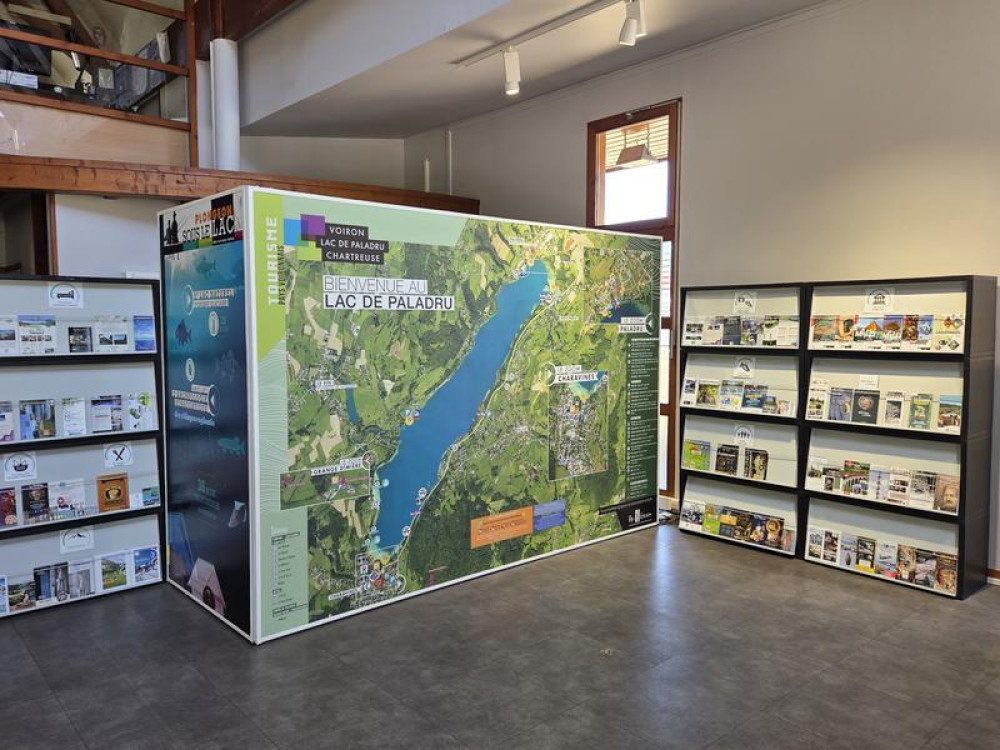
Lake Paladru Information Office is located near to Charavines Beach and is at your disposal for all information: events, sites to visit, accommodation, sports activities, sailing and fishing...At the foot of the Chartreuse Mountains, the Pays Voironnais offers a natural playground for moments of pure relaxation and rejuvenation.
From the blue waters of Lake Paladru to the rolling hills of the Valdaine, this is a place to breathe and escape, perfect for the whole family year-round.
Choose from a variety of outdoor activities: hiking, relaxing, swimming, biking... A variety of experiences, from exploring history to gourmet tastings...
Gourmet breaks, festive evenings, or well-deserved cozy rest... Here, everyone does what they enjoy!
...Also discover our “local crafts” area on site
All these pleasures can also be found in Voiron, the heart of the Pays Voironnais. A small, welcoming town offering a wide range of amenities: shops, restaurants, local specialties, and places to visit...
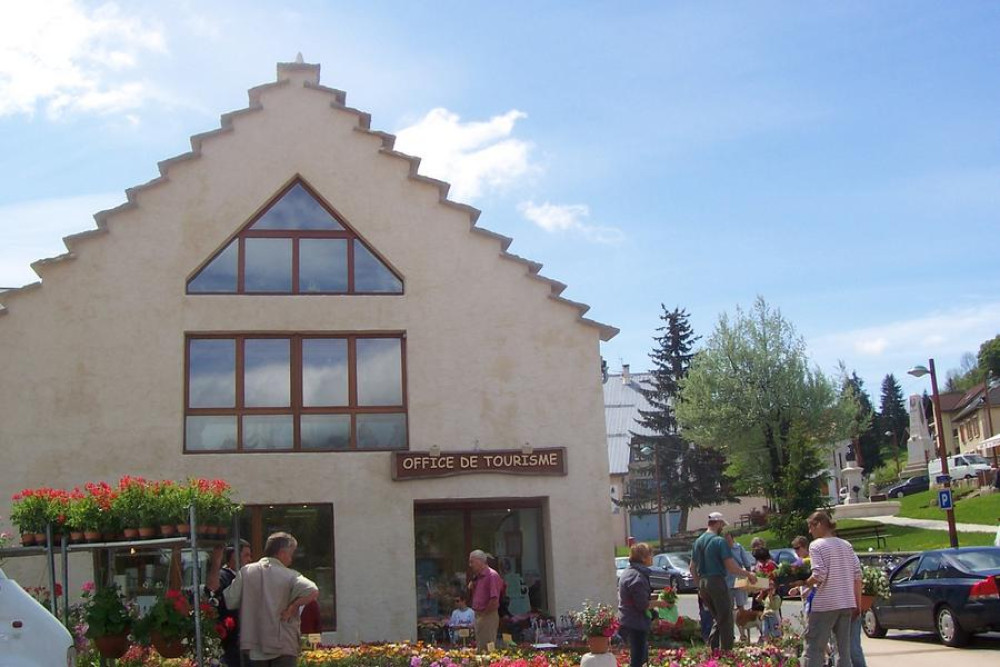
Located in the centre of the village, shops and parking nearby.
It provides advice on holidays, sells hiking maps, organises shows and various activities.
Manages the resort's accommodation. Information on tourism.E-bike charging is available at the Tourist Office (during business hours)
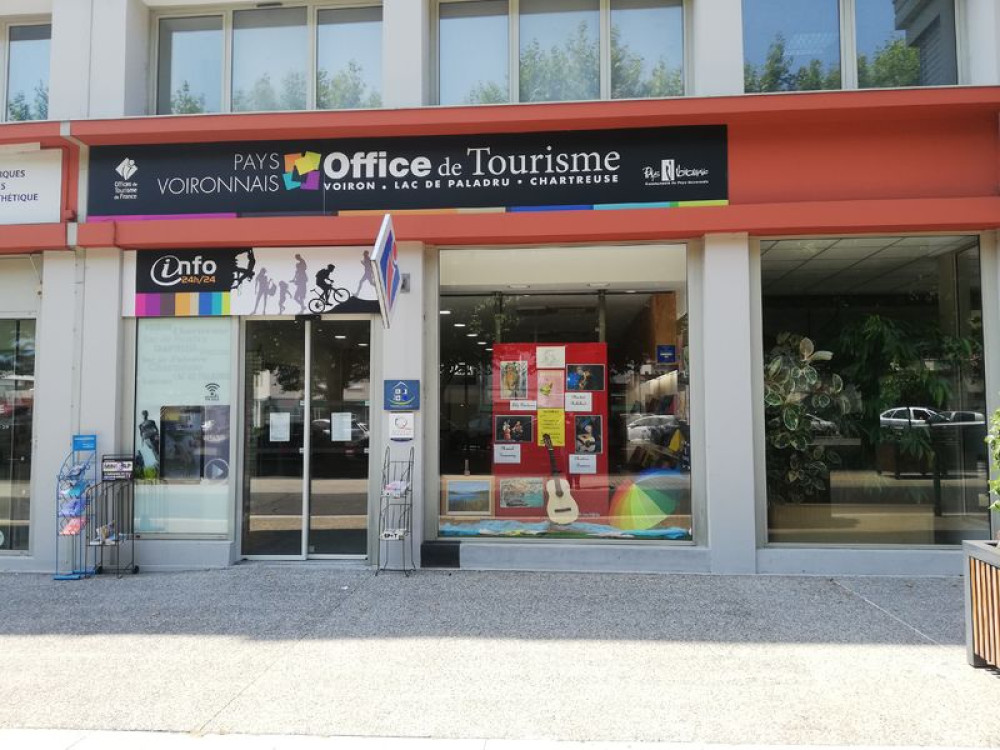
The information office, located in the town centre, is open to welcome you from Tuesday to Saturday. Our tourist advisors will provide you with all the information about the local attractions and other useful information. Here you will also find an entertainment ticket office and various items available for purchase.
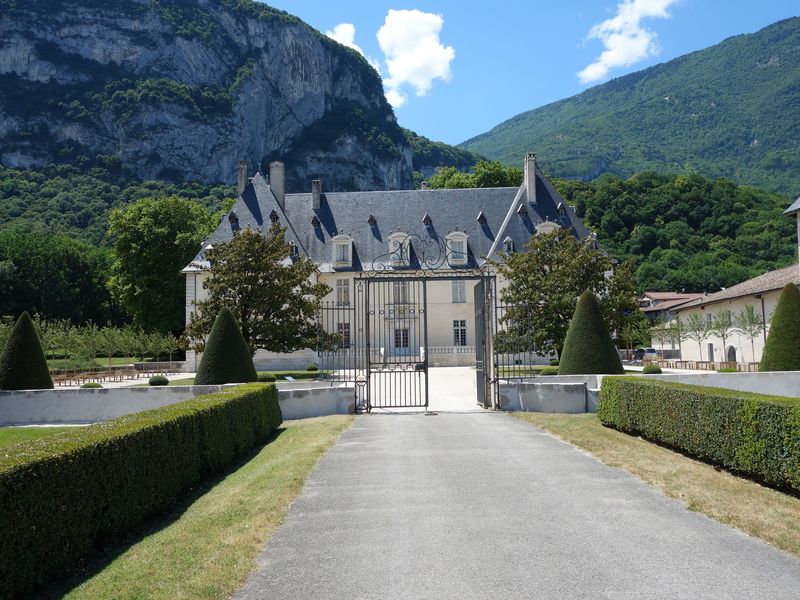
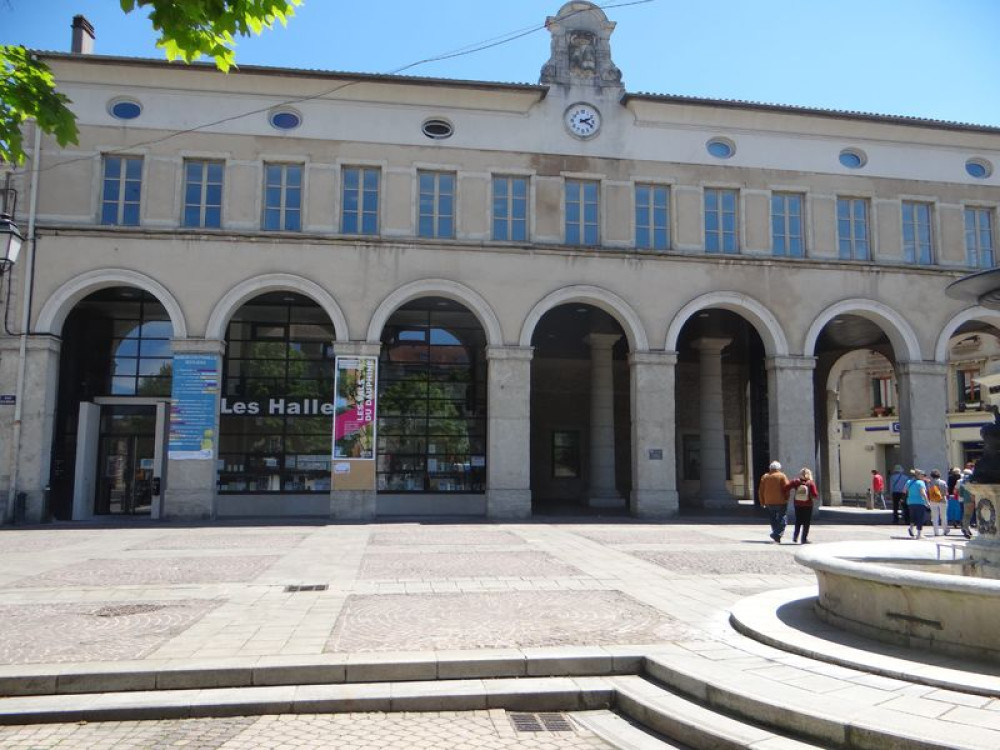
Vals du Dauphiné tourism office in La Tour-du-Pin will guide you through the discovery of the city and its territory Les Vals du Dauphiné : advices and orientations, guides & brochures, suggestions, gift shop...Ideally located between Lyon, Grenoble and Chambéry, La Tour-du-Pin offers the charm of a historic center easily accessible by train or from the highway, in the heart of a territory with multiple gems "Les Vals du Dauphiné". A stop is essential at the pastry shops to enjoy the Miron, specialty of the city. The architecture, legends and history will allow you to fully understand the characteristics of the urban center.
Do not miss the church overlooking the city, which houses the famous triptych of the XVI° classified as a historical monument and the contemporary triptych made in 2001 by the great master of sacred art Arcabas.
This break will also be an opportunity to enjoy the beautiful views on the Alps, as well as the many castles and fortified houses nestled in a green landscape.

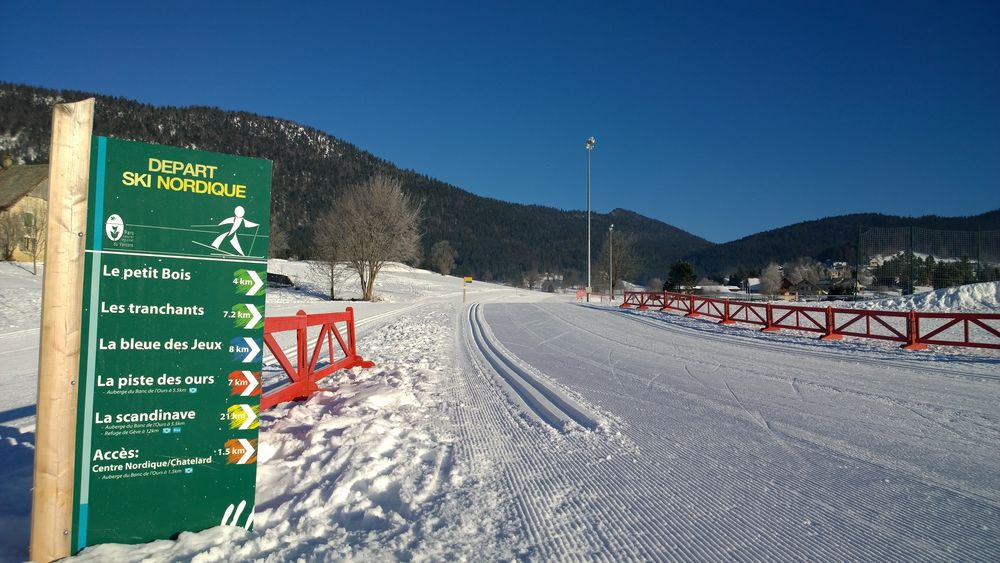
Period of opening : From 01/12 to 30/03 between 9 am and 5 pm.
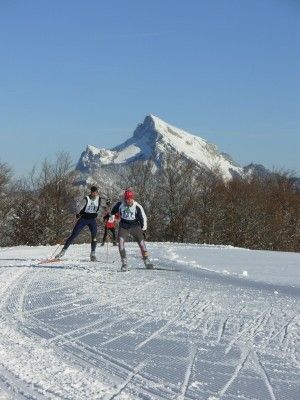

Period of opening : From 18/12 to 31/03 between 9 am and 5 pm.
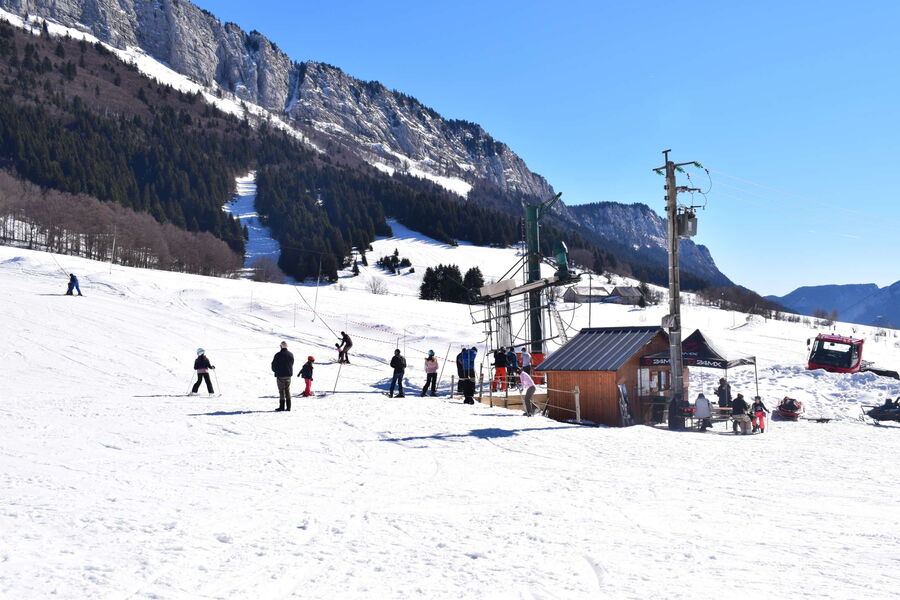
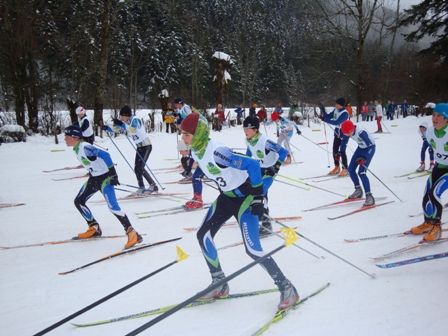
Location de ski de fond et raquettes. Vente des forfaits journée et saison. Salles hors-sac.
Tel: 04 76 50 01 26
Période d'ouverture : Du 01/12 au 31/03 : 7 jours sur 7 de 9h à 17h et les jeudis jusqu’à 21h pour les Nocturnes du Col d Porte (en fonction des conditions d’enneigement)
Tarifs :
- Vente des forfaits en ligne journée
- Pass saison Chartreuse sur https://www.domainedechamechaude.fr/
- Pass saison départemental Isère Drôme Pass National sur https://www.nordic-isere.fr/
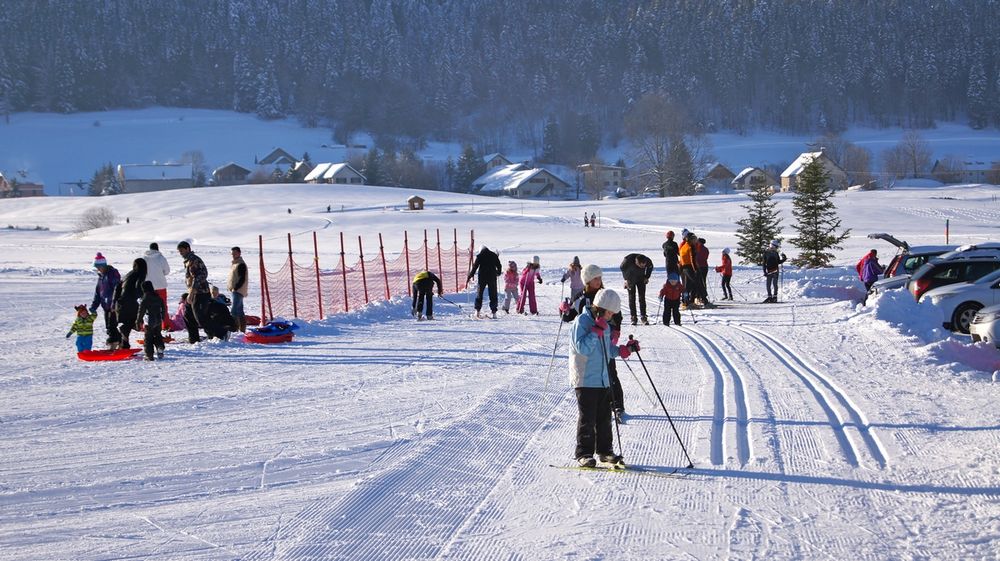
The Nordic area of Méaudre offers you a cross-country skiing area, a fun learning stadium, a toboggan run...and much more!Period of opening : From 19/12/2022 to 25/03/2023.
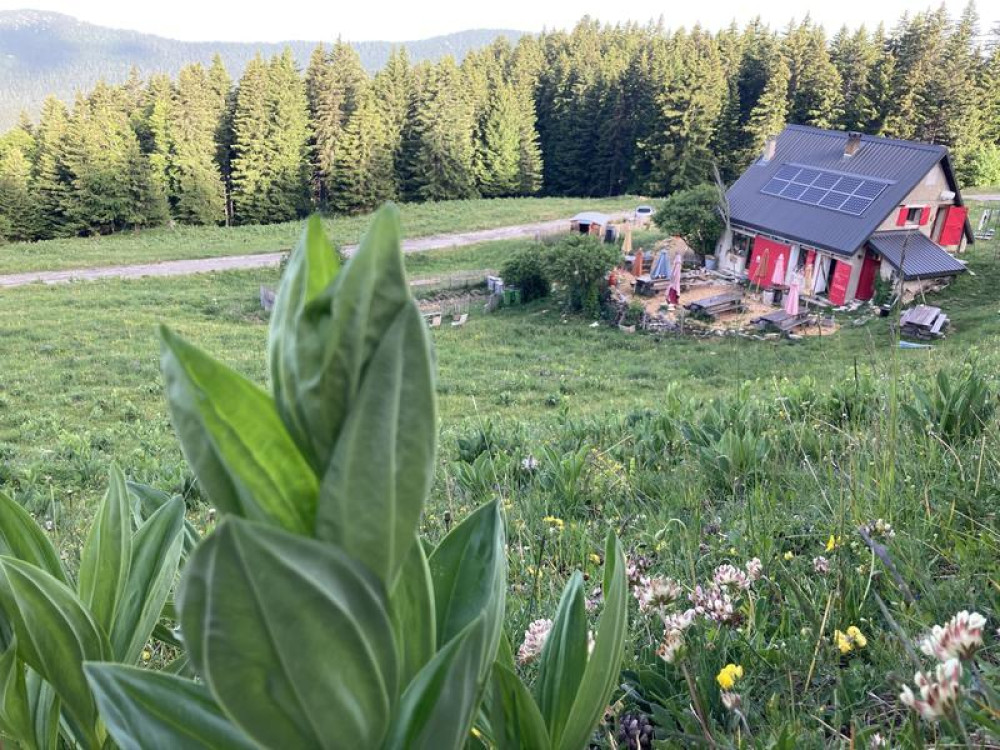
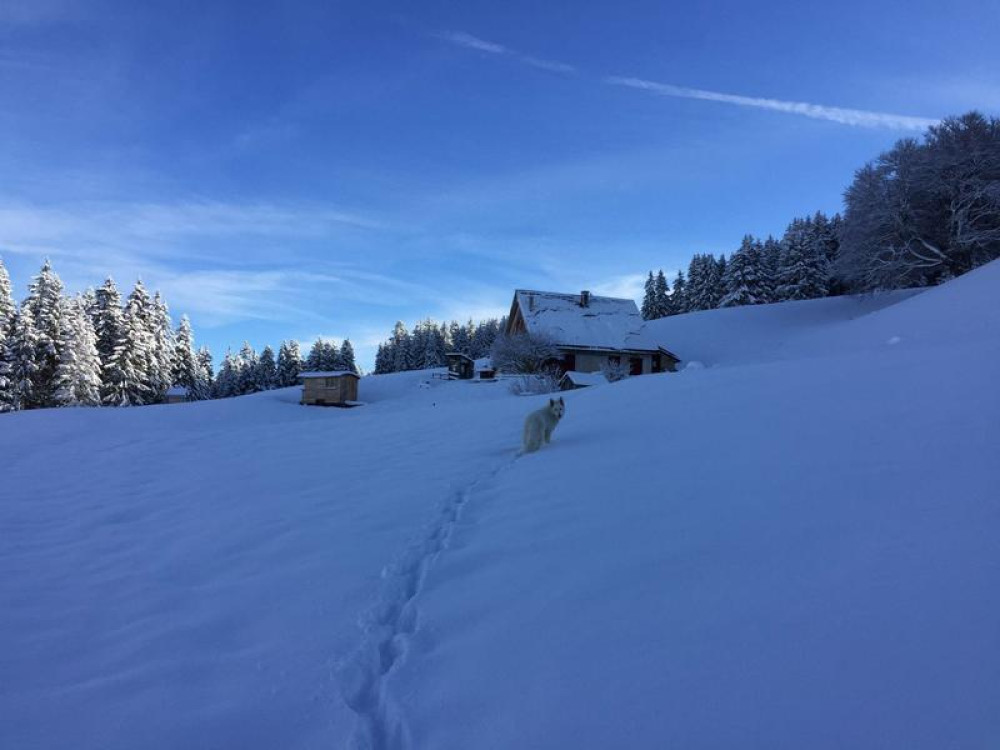
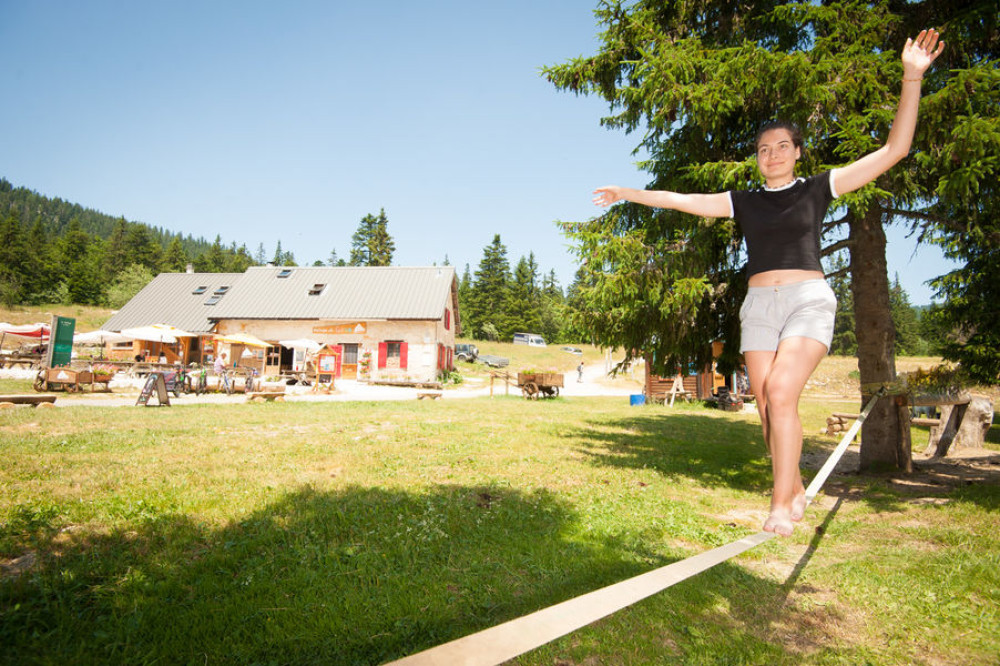
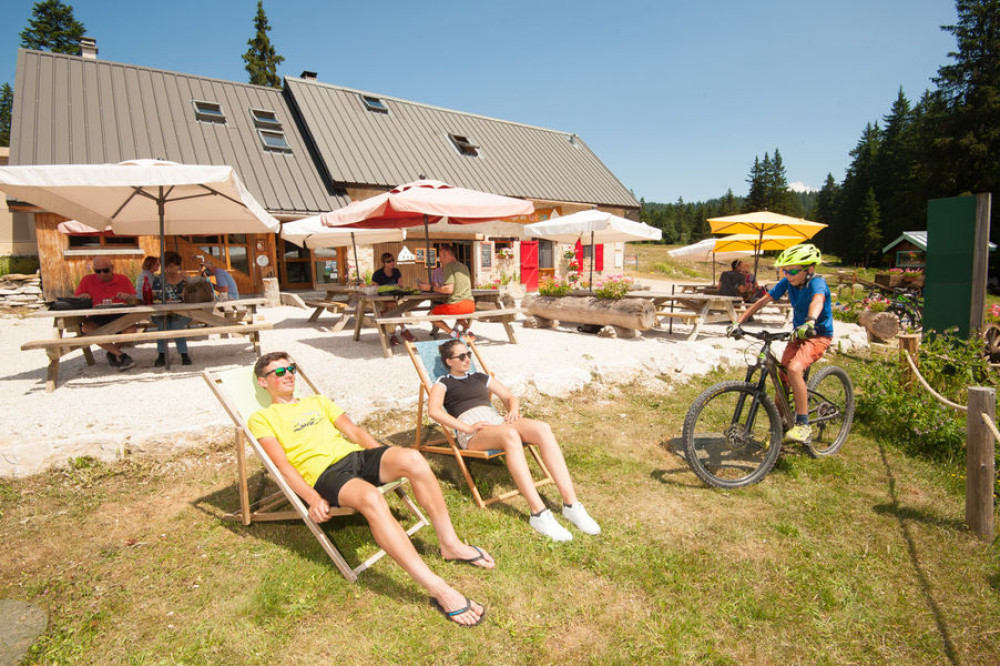
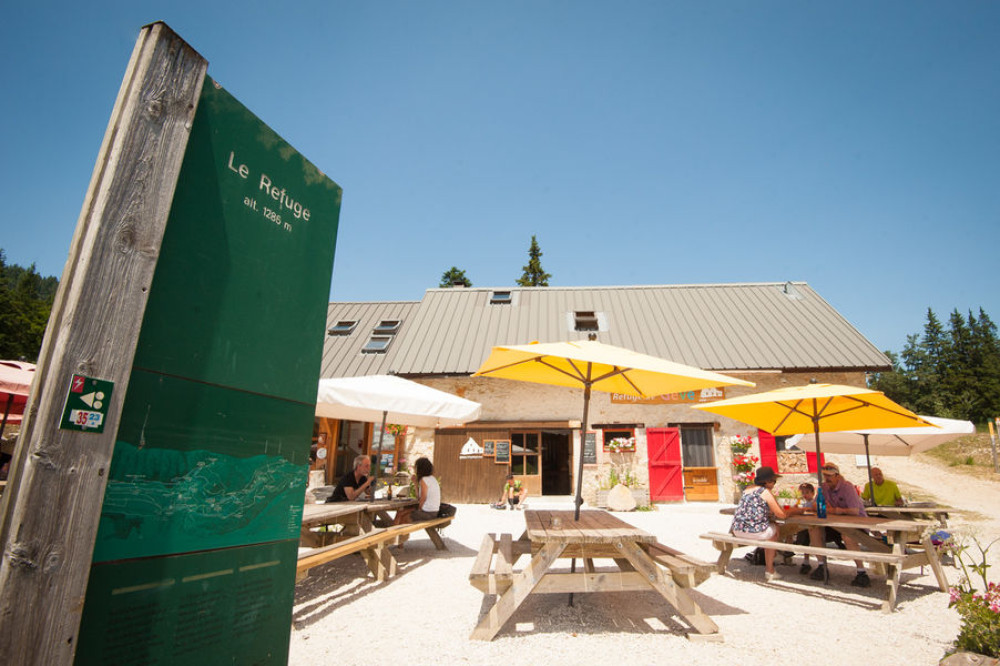
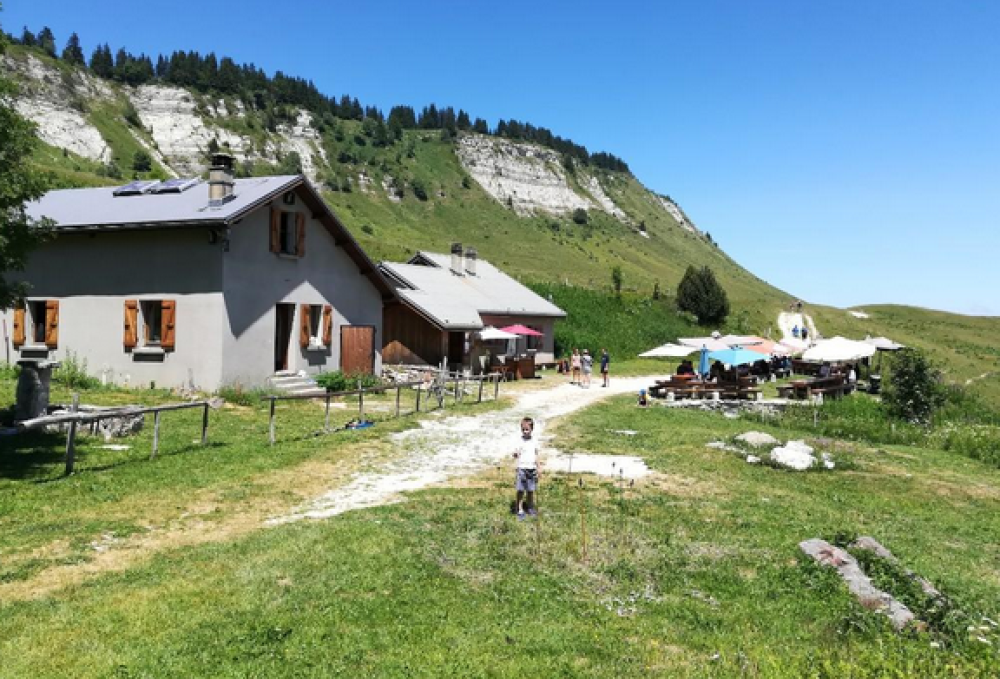
In a calm and gentle setting, the Refuge des Feneys is located on the road to La Molière, ideally placed on the foothills of the summit of the same name, in the middle of a clearing, this small house, which is typical of the alpine pastures, faces due south.

Period of opening : All year round.Prices : From 01/01 to 31/12/2022
Night: 27 €
Breakfast: 10 €
Half board (pp): 54 €.
From 01/01 to 31/12/2023
Night: 27 €
Breakfast: 10 €
Half board (pp): 54 €.
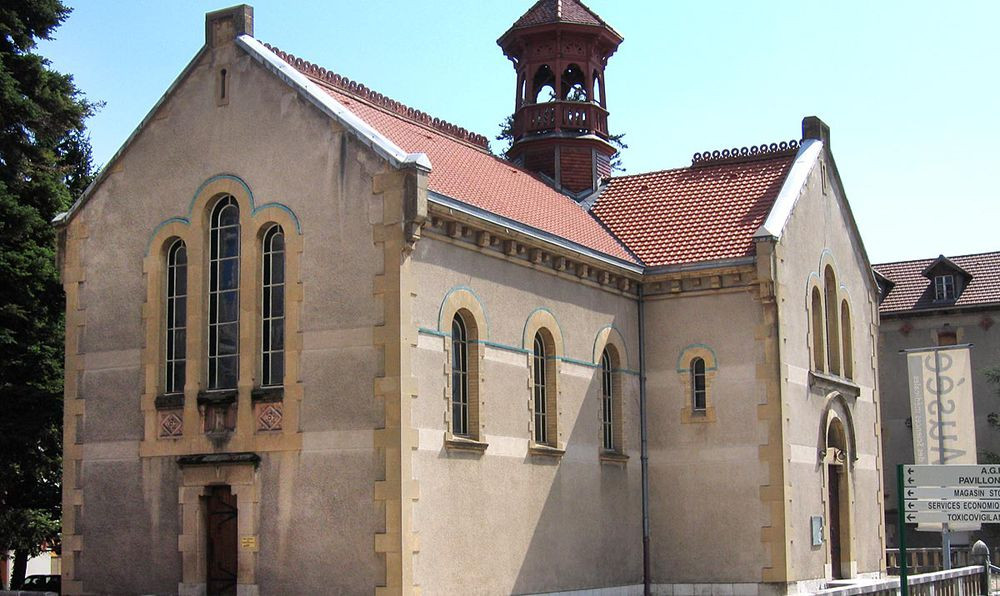
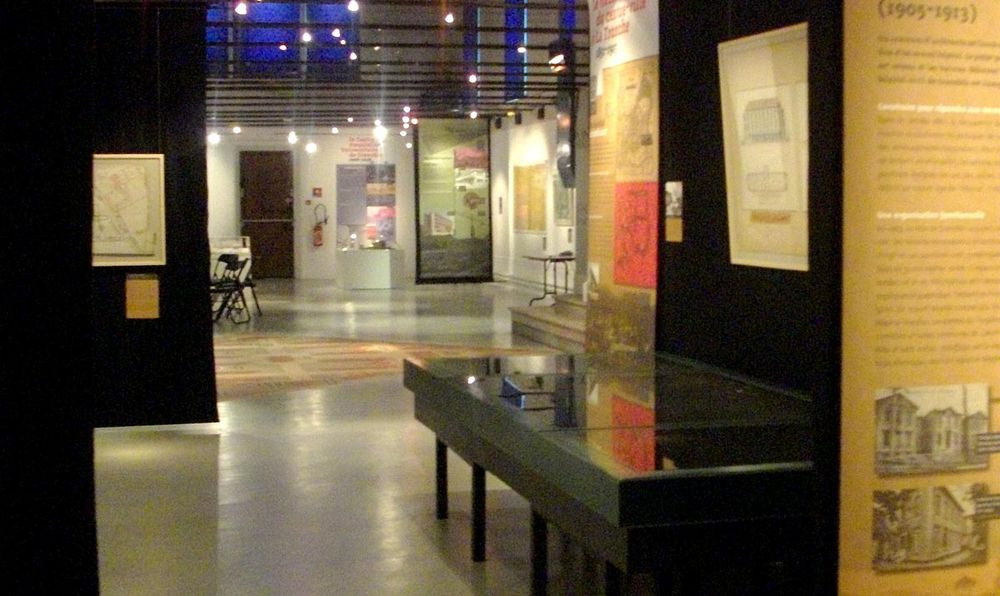
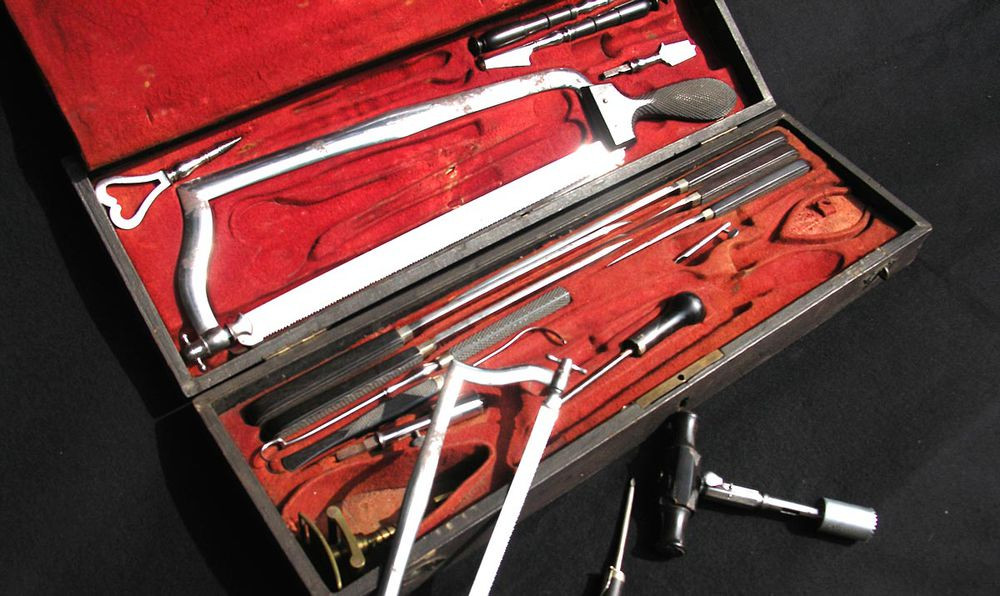
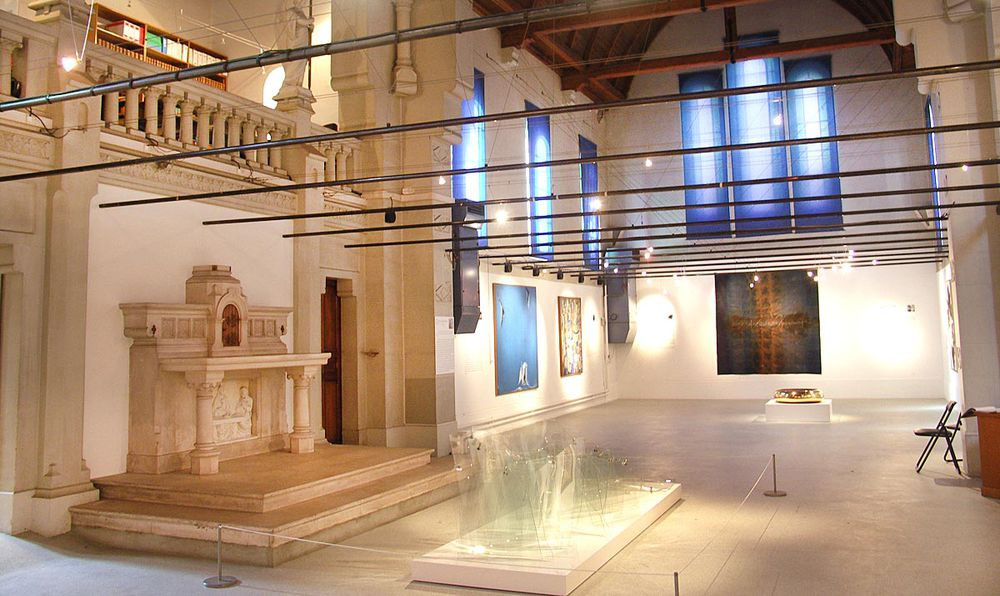
Medical sciences museum of Grenoble was created in 1992 thanks to the initiative of several hospital decision makers concerned about preserving the history of their institution.The preservantion of the hospital's heritage, undertaken by many hospital workers long before the creation of the association, is a field in which the CHU of Grenoble invests itself fully, thus opening its doors in partly to the cultural sphere. A building filled with history was made available to the Grenoble Museum of Medical Science at the northern hospital--the old chapel of Tuberculosis victims, also called the Chapel of the Asylum for the Aged, named for the ensemble of pavillons in which it is located. Today, the geographic situation and the theme of the museum make it an unusual site at the heart of the hospital where ideas can come together and debates can take place. One of the hospital's objectives and one of the museum's missions is to showcase the hospitals rich collection, but also to change mentalities and do away with preconceived notions, making the hospital a place just like any other. Basically, it's all about showing what the hospital once was, what it is today, at the same time much like other hospitals and specific thanks to its location in Grenoble.
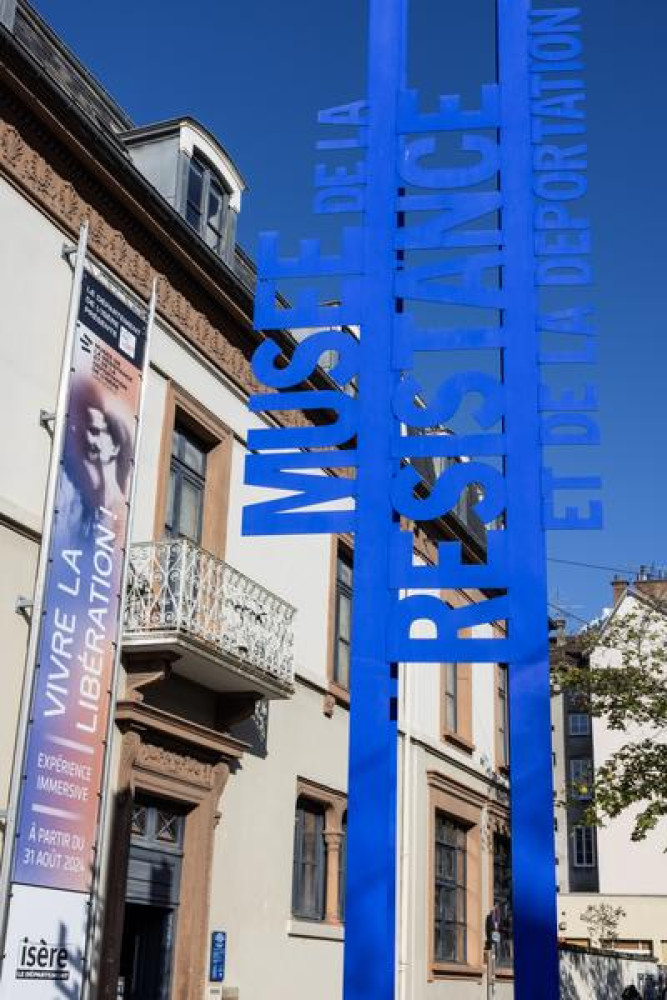
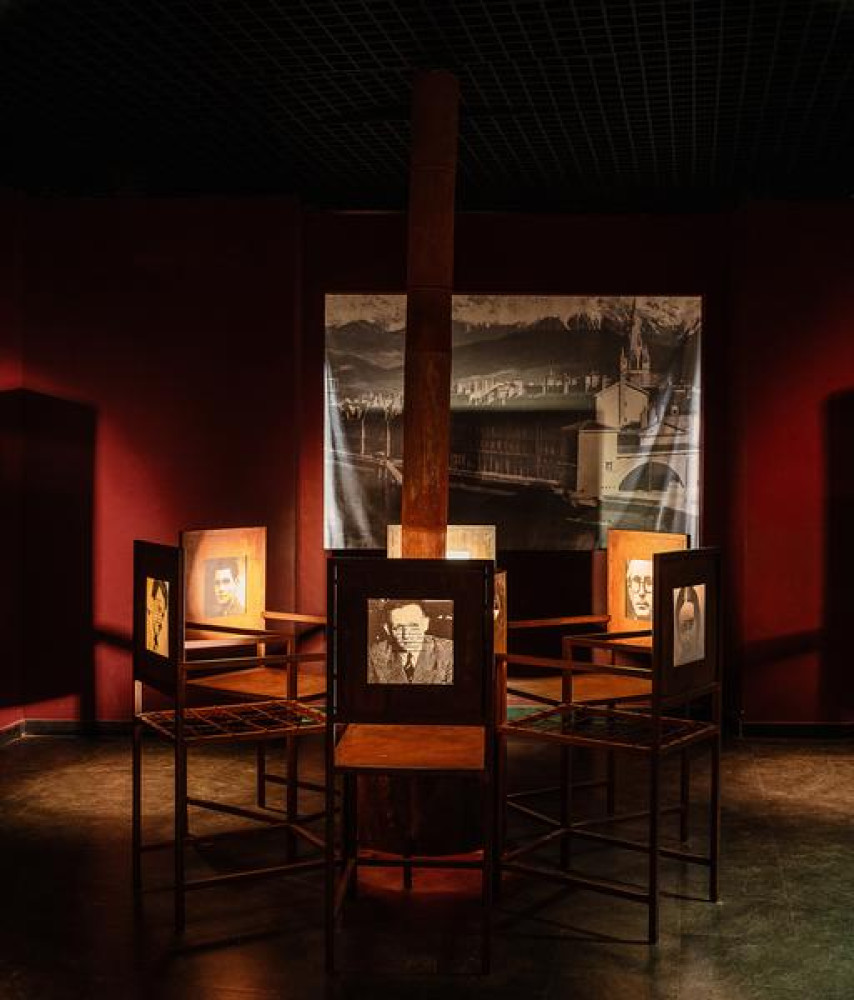
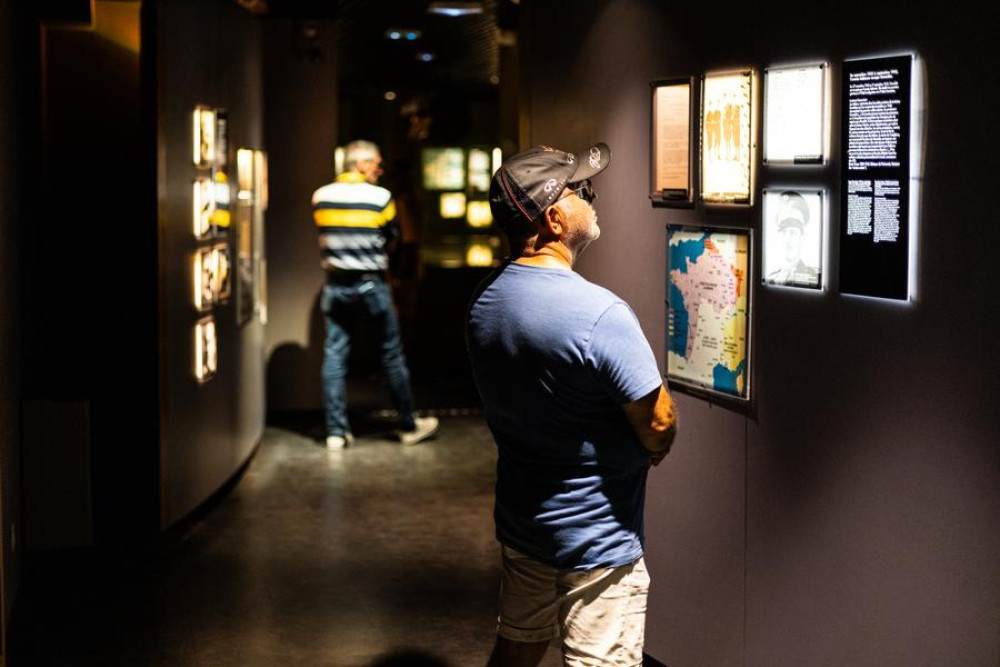
The Resistance and Deportation Museum is designed to be a true history museum.
The Resistance and deportation are approached through local history, the people, and the episodes that took place.The Resistance and Deportation Museum is designed to be a true history museum, even if it also serves as a memorial site. The Resistance and deportation are approached through local history, the people, and the episodes that took place.
Six main themes are developed inside the museum:
-The beginning of the Resistance, a pivotal moment for Grenoble. Few French cities saw resistance movements grow in as many groups and situations as Grenoble did.
-The resistance fighters and their preponderant position in the Isere department, from 1943 on. They all communicated via Grenoble, which was thus baptized “capital of the resistance fighters.”
-The situation of Grenoble’s and Isere’s Jewish population, from the 1930s to the time of the German occupation.
-The violent repression that struck the directors of the main resistant movements, especially at the end of 1943, during what is called the “Grenoble Saint Barthelemy,” and the deportation which revealed the monstrosity of Nazi logic.
-The Liberation and the role of the Departmental Committee of National Liberation, born out of the “Monaco” meeting, where the representatives of the Resistance decided to rally their actions around the values of the French Republic.
-Current resistance movements, because today, the Nazi ideology has yet to completely disappear and many countries suffer from totalitarian or terrorist regimes.
The visit, which follows the chronology of events, is divided between the museum’s three levels.
- On the first floor: a first sequence, dedicated to the outbreak and events of the world conflict as they were lived in Grenoble and Isere. An important event from this period: Marshall Pétain’s visit to Grenoble on March 19, 1941. An amateur video from the event recounts the important moments.
- On the second floor: The visitor is transported through several different, separated areas where the idea of the Resistance was born. Six different places are recreated. The visitor first crosses through a Grenoble street, scene of student and other youth protests, the dining room of Marie Reynoard, head of the Isere chapter of “Combat,” the office of René Gosse, head of the Grenoble college of sciences and member of the “Marco Polo” network, etc.
The visit continues with a presentation of the Isere resistant fighters, a relief map where the maquis, sabotages, and parachuting sites light up at the push of a button.
- On the third floor, the chronology continues with the presentation of the tragic events that defined the German occupation: collaboration, sabotage, repression, and deportation. One of the highlights of the visit: three doors from prison cells built by the Gestapo in the building located at 28 cours Berriat, Grenoble, marked with inscriptions from those held captive. The visit ends with the Liberation and the restoration of the values of the French Republic. Another area deals with today’s Resistance values, for which many people continue to fight.
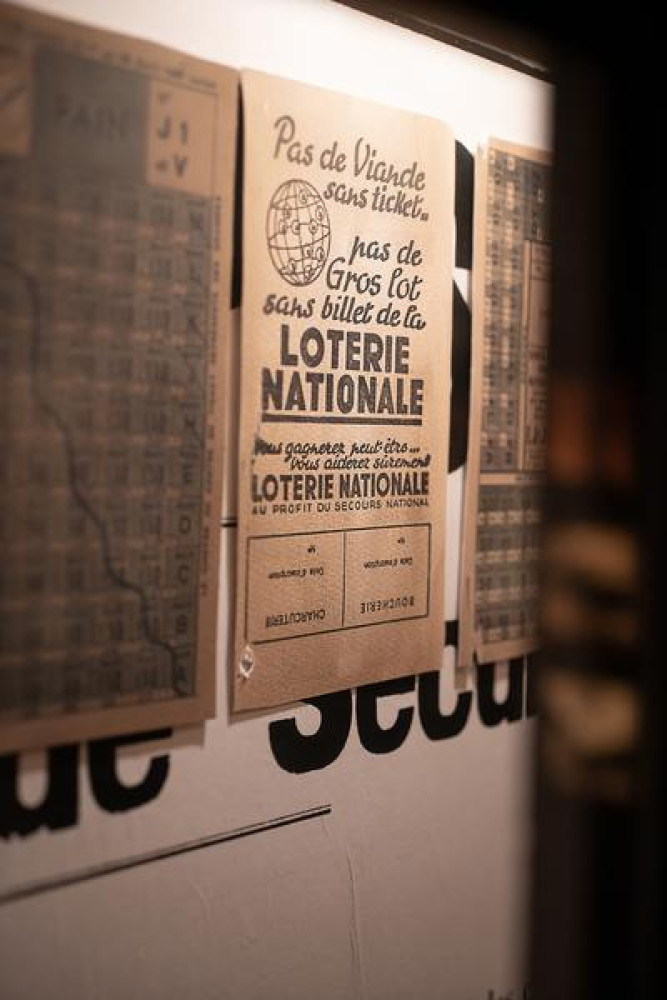
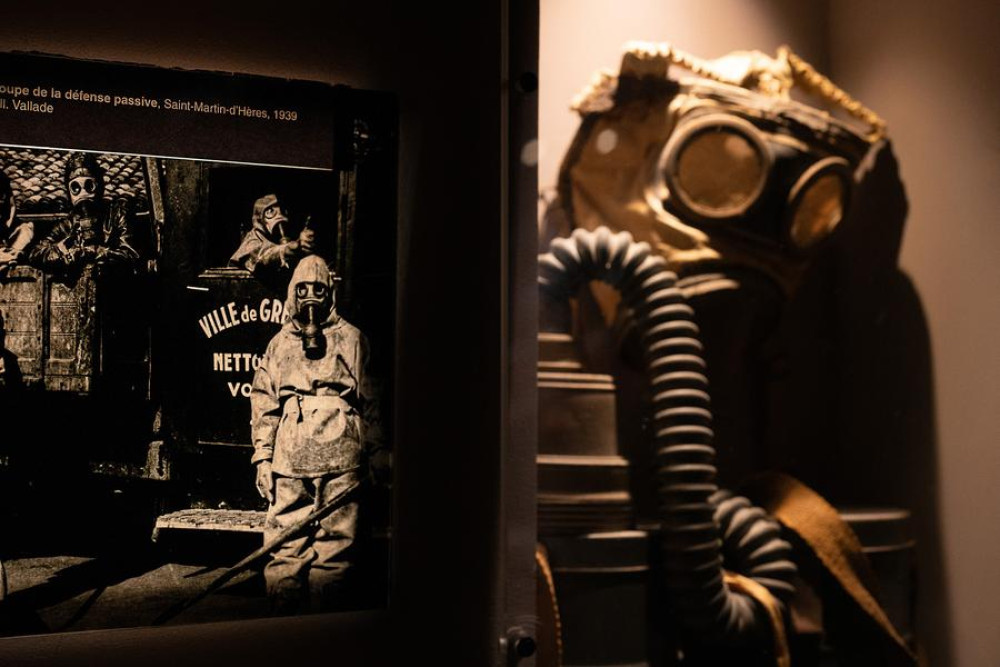
Over thirty years of acquisitions and donations, more than 5,000 objects and documents make up the museum’s collection. The collection is precious not only because of its age, but also by the breadth and quality of the documents: more than 80 posters, original drawings, numerous photos, printed documents (tracts, reports, brochures), copies of regional newspapers (with some complete collections, such as with “les Allobroges”), and of course objects (transmission and sabotage material, everyday objects from life during the Occupation, etc.).
This collection was completed with audio archives starting in 1990, made up of interviews from hundred of Resistance and deportation veterans. Carefully inventoried as part of digital cataloguing, these collections were declared to be of public interest on June 17, 1993 by the Artistic Council of Directors of the Museums of France. This recognition bestows upon the Isere Resistance and Deportation Museum the status of “inspected museum,” and also that of “Museum of France.”
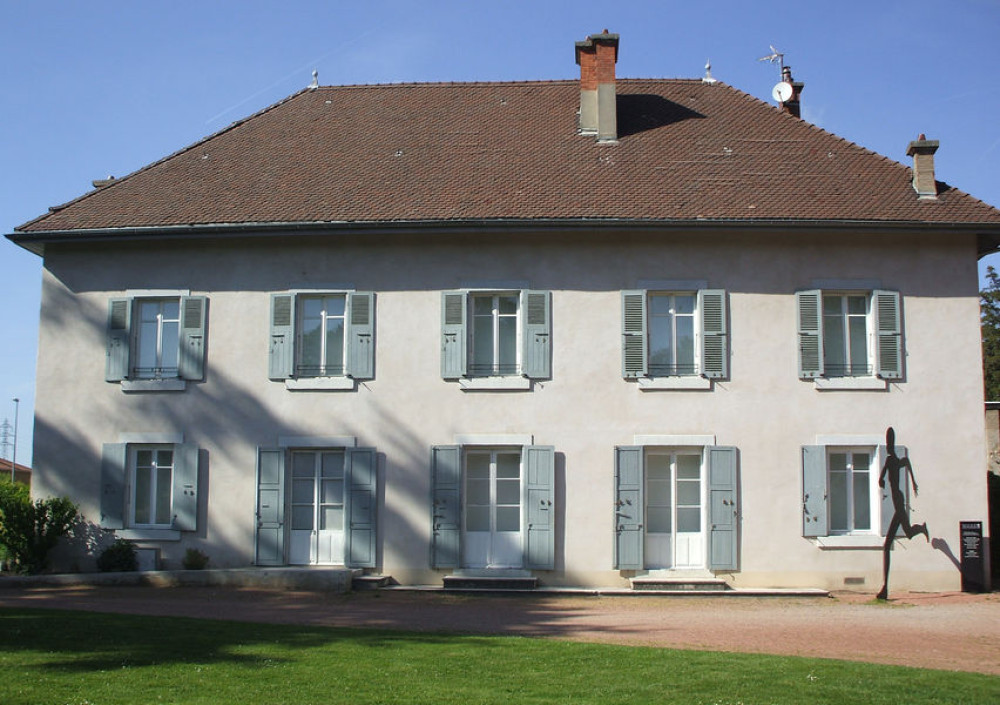
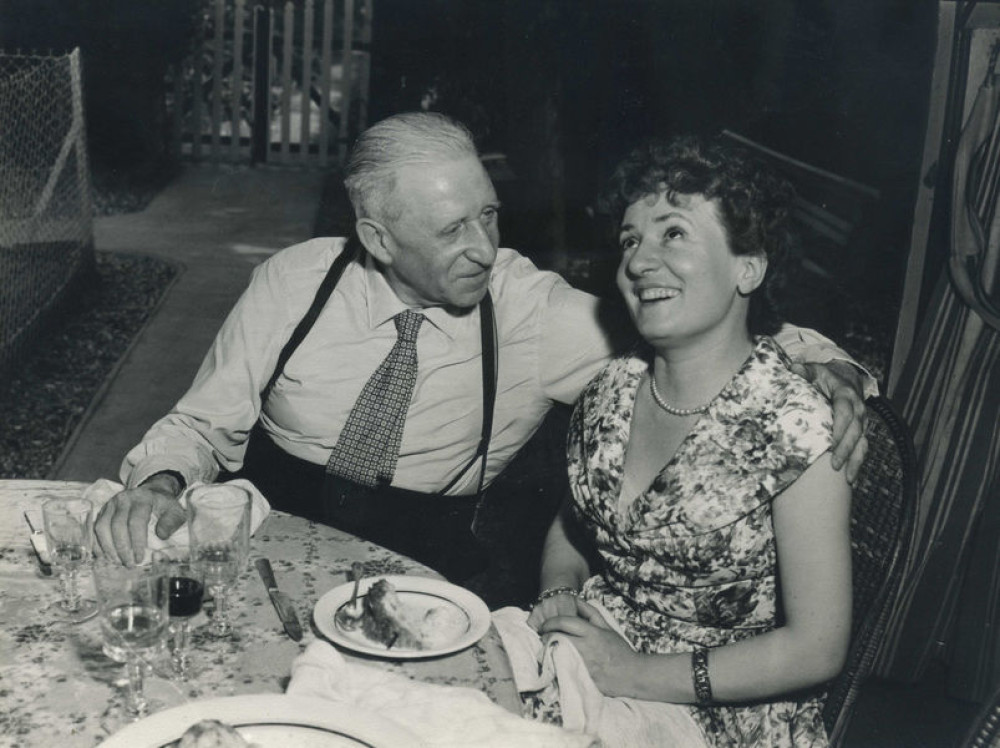
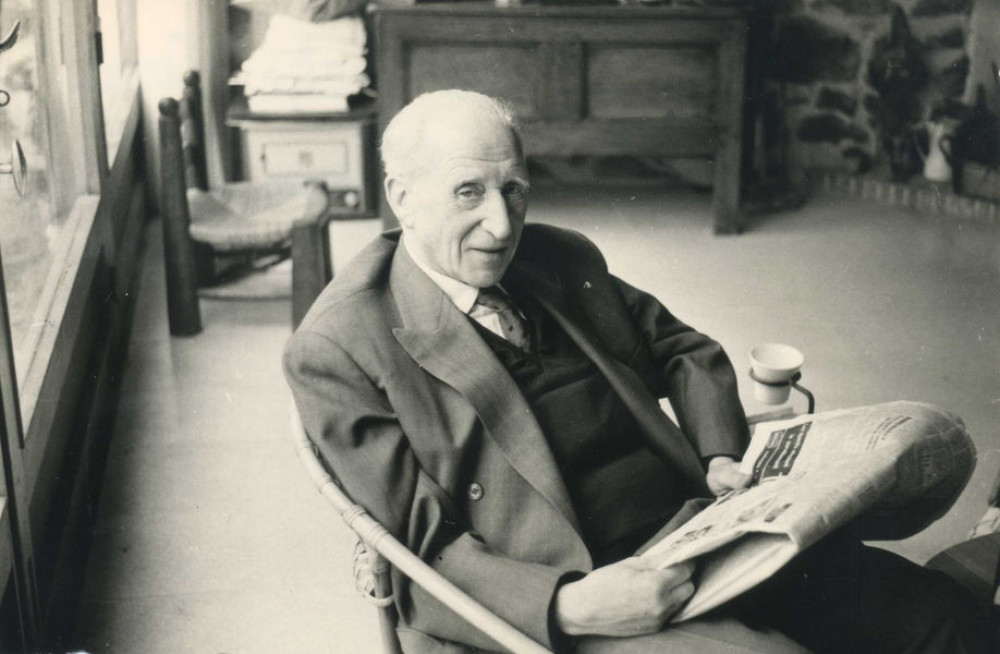
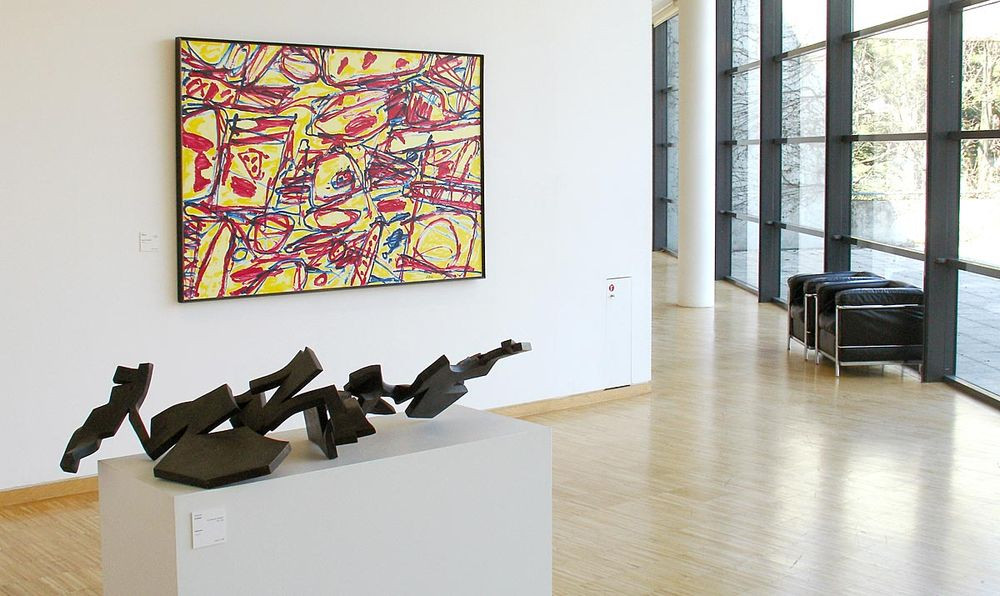
Este museo nació del encuentro entre el deporte, el arte y la literatura. Valorando la donación Géo-Charles, el museo se mantiene fiel a su espíritu, cerca del arte contemporáneo y de su audacia.The Géo-Charles Museum aims at enhancing the links between sport and art, through the heritage provided by the donation, as well as through the acquiered pieces of works and temporary exhibits on the subjects of sports or contemporary art.
The city of Echirolles acquired this house in 1982, which once belonged to the viscose company, and transformed it into a sports culture and contemporary art museum.
As a Museum of France, it houses the archives and collections donated by Madame Lucienne Géo-Charles. This heritage makes up a unique 20th century collection of artistic, athletic, and literary treasures, as well as contemporary art works, creating a singular museum at the crossroads of several disciplines.
The museum's collections bring together the acquisitions of a selective collector from the first half of the 20th century, with an inclination for the avant-garde style of the Paris school.
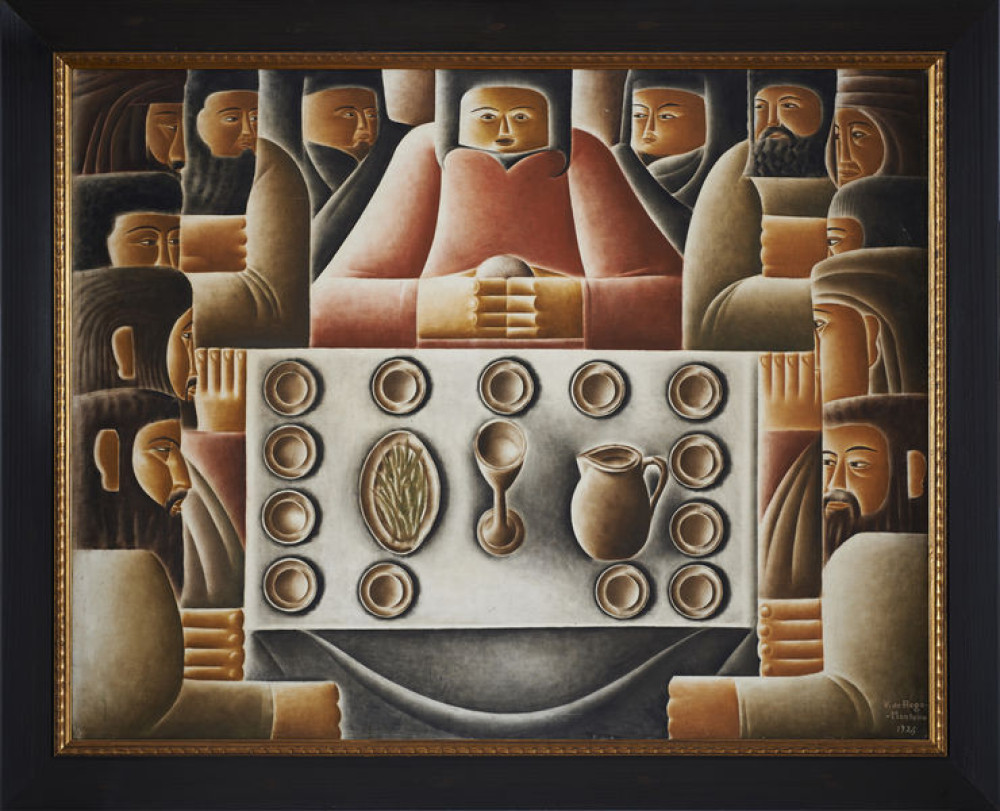
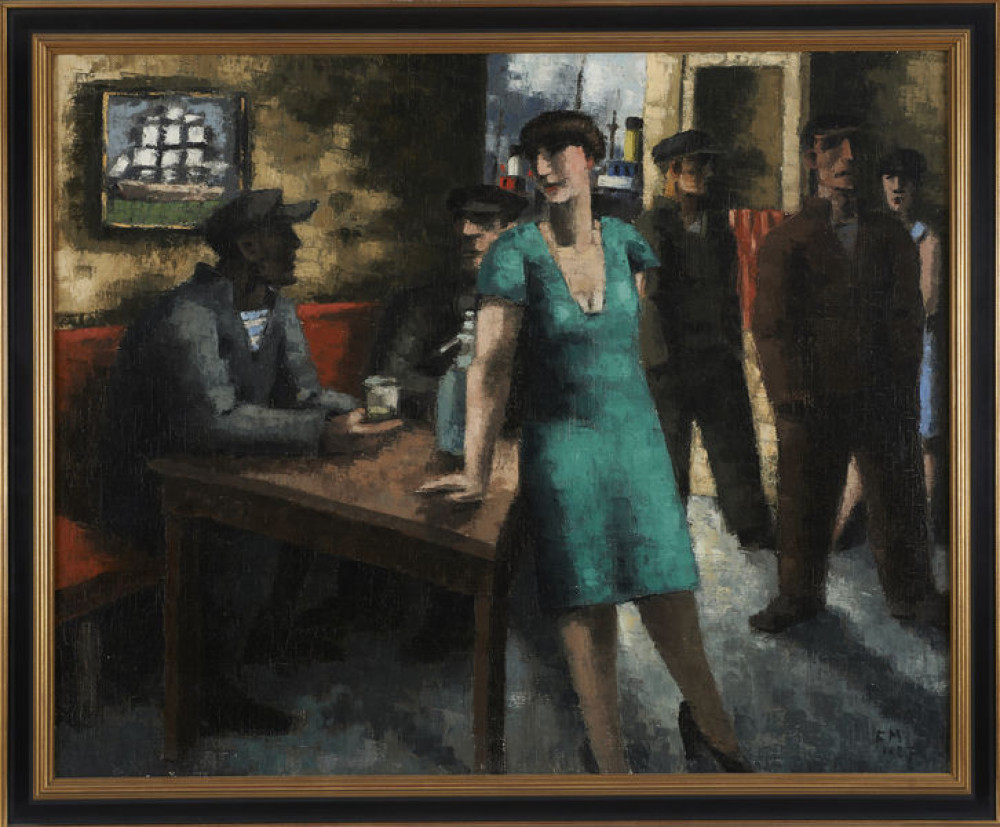
Made up of an ensemble of paintings, sculptures, drawings, and engravings from artists like Derain, Delauney, Léger, Lhote, Masereel, Metzinger, Monteiro, Reth, and Survage, the collection illustrates the sports themed modern art of the period.
The renovation of the museum in 2000 allowed for the assembly of the permanent collection made up of donations by Géo-Charles, a pioneer in athletic art.
The Géo-Charles museum is also a center for contemporary art and hosts temporary exhibits.
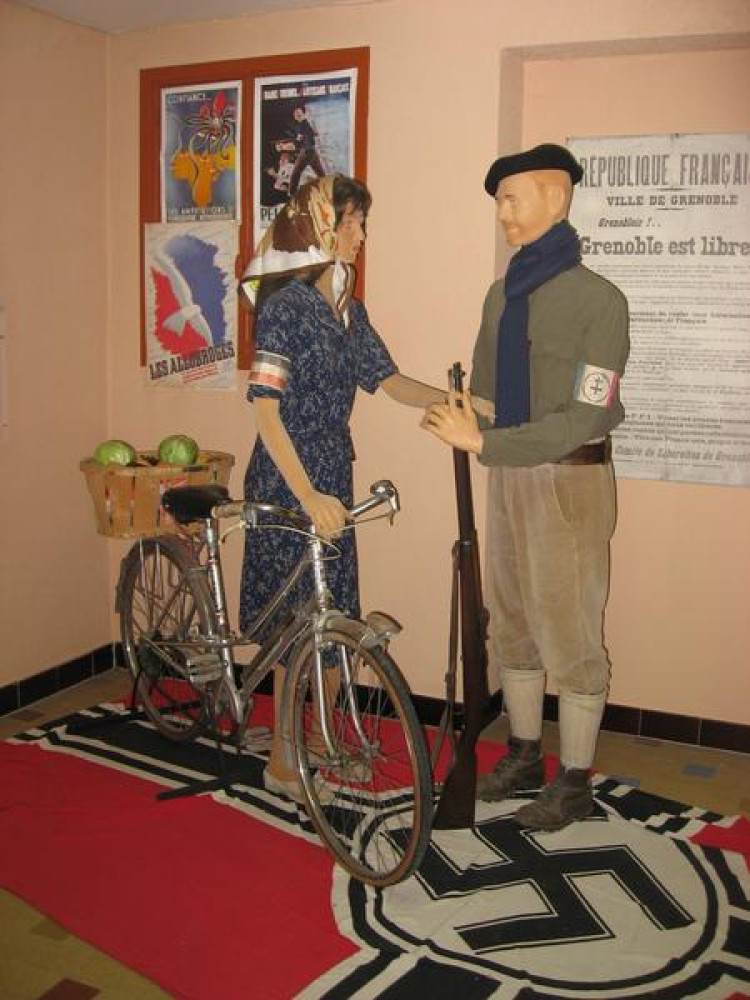
Created by a group of former regional resistance fighters, this museum aims to bequeath to posterity the memory of the fight of the resistance fighters against Nazism and the Vichy regime.Unpublished photographs and documents relating to the Resistance in Pont de Beauvoisin and the surrounding area are presented.
Guided tour by former members of the Resistance or friends of the Resistance (ANACR) on request.
Reading and documentation room.
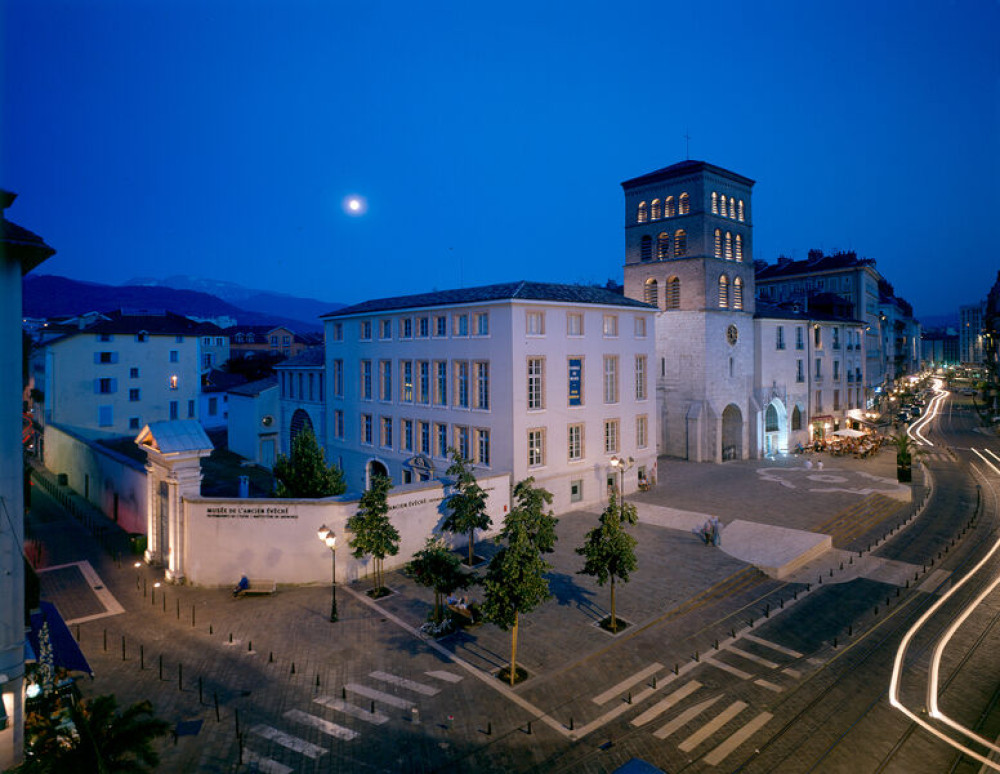
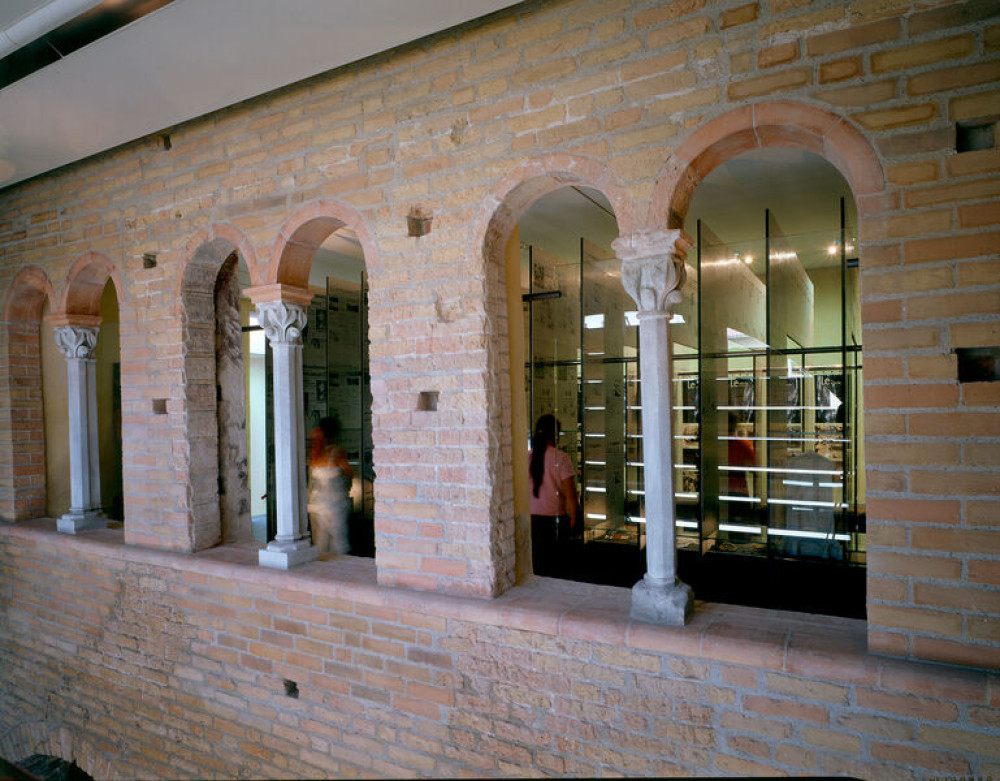
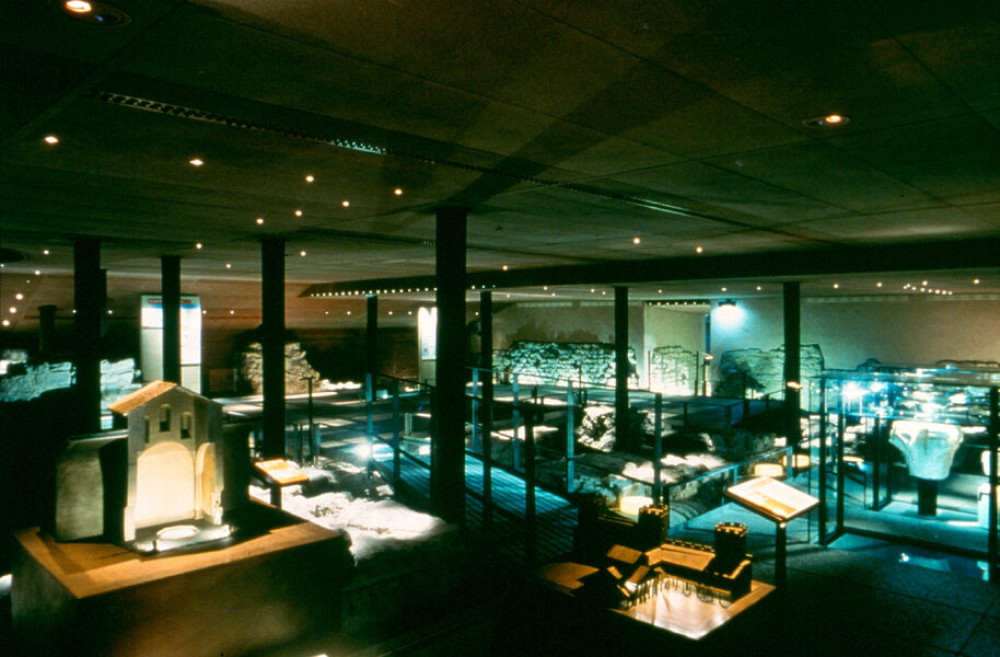
At the heart of Grenoble’s historic district, the museum offers a journey below Notre Dame square, to the vestiges of the city’s fortified ramparts, Grenoble’s first baptistery, and into the old bishop’s palace.Grenoble’s historic district
The bishopric-cathedral complex is a major part of the city’s history and was Grenoble’s original core. When the town was promoted to the official rank of a city in the 3rd century, Grenoble (called Cularo at the time), built a rampart and became the Episcopal seat shortly after. Built in bend in the rampart, the “city of the bishop” revolves around a double cathedral (Notre Dame and Saint Hugues), a baptistery (to the right of the cathedral), and a residency, the bishop’s palace.
The architecture of this ensemble would be modified many times over the course of history. The 13th century builders expanded the palace to the north and rebuilt the Saint Hugues and Notre Dame cathedrals. Marked by the Cardinal Le Camus’ strong personality and audacity, the 17th century gave the bishopric its opening onto the rue Très Cloîtres, a garden, and a courtyard with a monumental entrance way. At the end of the 19th century and during the early 20th century, Notre Dame square was finally entirely reconstructed and the cathedral fitted with a façade of molded cement (the work of Alfred Berruyer). The façade of the Episcopal palace was enlarged to mask that of the Saint Hugues cathedral. With the 1905 law that separated the Church and the State, the bishopric buildings were turned over to civil uses. The Isere Departmental Council acquired the building in 1988, just a short time before a fire would heavily damage a part of the western façade.
A museum for a site
To the visitor who crosses the threshold of the Ancient Bishopric Museum, a visit leading beneath Notre Dame square then into the halls of the ancient bishop’s palace is proposed. While very different, these two parts complement each other and are linked by the reception and gift shop. The order of the visit is coherent, making for fluid transitions between the different parts of the museum.
The visit is designed to offer a harmonious understanding of the ensemble of the site’s vestiges. The visit begins beneath the palace, with the discovery of the Gallo-Roman vestiges that were uncovered by architects. After walking along the city’s ancient ramparts, the visitor crosses the postern, the entrance to the city as of the 3rd century. The visit continues in the Paleo-christian rooms before leading to the baptistery, the highlight of the visit. The site reminds us of the bishop’s role and power, as well as the rituals of Christian baptism.
The visit then continues through the floors of the old Episcopal palace, where the evidence of the building’s complex evolution has been carefully preserved and presented through restoration campaigns.
An audio guide, available in French and English, is accompanies visitors as they move through the site.
A museum for a land and its history
Located on the three floors of the old Episcopal palace, a permanent exhibit offers a journey into the history of mankind and the history of a land, the Isere, from early evidence of human present all the way to the 20th century. The museum acts as a sort of historical epic, the first of its kind in the Isere department, which gives us reference points and mentions the region’s main historical monuments. No other cultural institution had given itself such a mission, to offer such a synthetic view of the department’s history and development.
Other museums are dedicated to specific periods in history, such as the Museum of the French Revolution in Vizille, or to certain themes, like the Isere Resistance and Deportation Museum, or still others to precise areas, like the Matheysin Museum. As for the Dauphinois Museum, it continues to grow through renewed exhibits on various aspects of society.
The visit of the Ancient Bishopric Museum is chronological and takes the visitor through six successive periods: Prehistory, the Gallo-Romain period, the Middle Ages, Modern Times, the 19th century, and the 20th century.
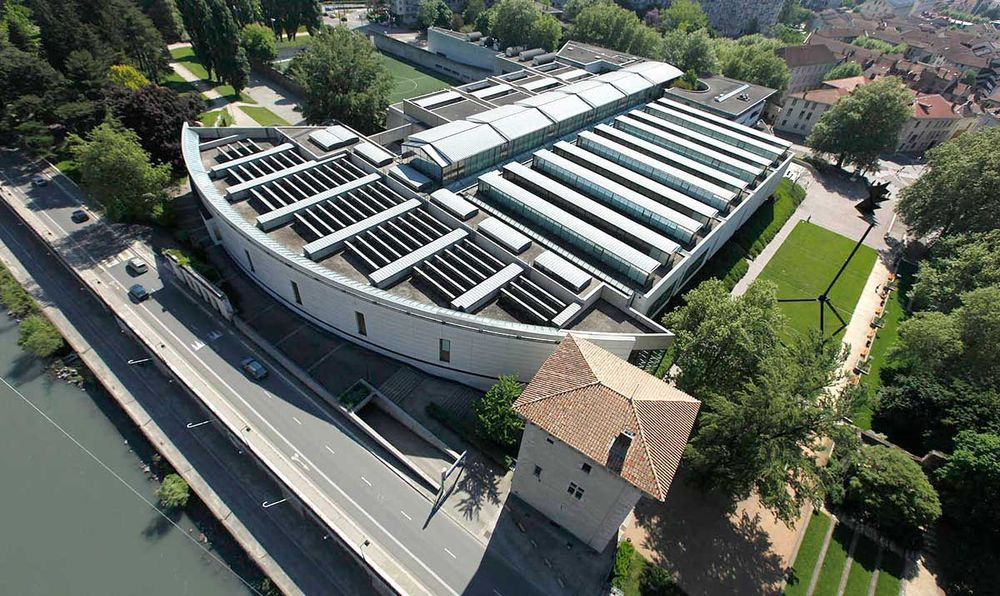
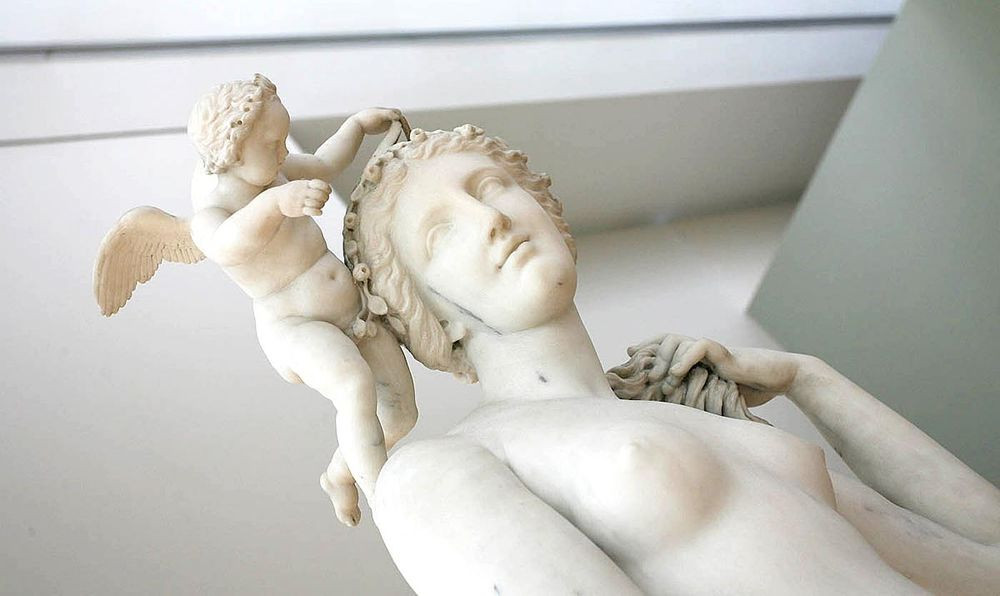
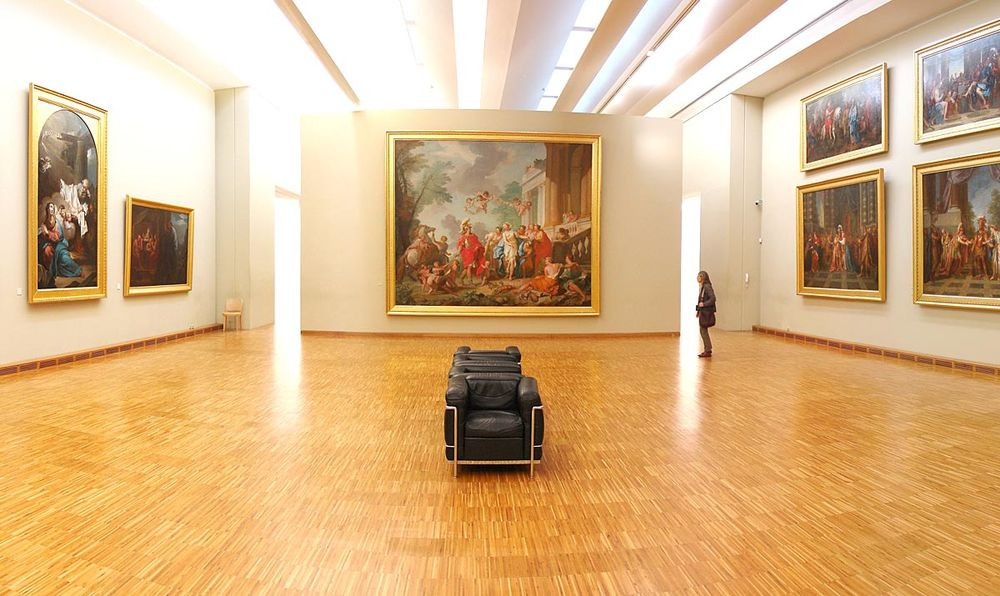
Considered one of the most prestigious museums in Europe for its collections of ancient art and 20th century art, the museum covers the history of Western painting from the 13th century to the present day, with major works for each period.Presented in chronological order, the collections, totalling some 800 painted or sculpted works, are arranged into two distinct large sections. The first is devoted to the great painting schools of the 13th to 19th centuries and to 17th century Europe in particular, with artists such as Rubens, Georges de La Tour, Philippe de Champaigne, La Hyre and Zurbarán, who give the antique art collection its rich splendor.
The 19th century is illustrated by a set of works ranging from Neo-classicism to Impressionism, graced by such great names as Delacroix, Pradier, Fantin-Latour, Monet and Gauguin. The second section presents 20th century art, with key works by the great names in modern art, including Matisse, Picasso, Léger and Ernst, through to the creators of the contemporary period with works by Soulages, Warhol, Nauman, Boltanski and Schütte who, along with many others, have contributed to the museum’s reputation.
This collection is complemented by an extensive collection of drawings, including a number of sheets of great quality. Two of the museum’s rooms are taken up by Egyptian antiquities and Greek and Roman archeology.
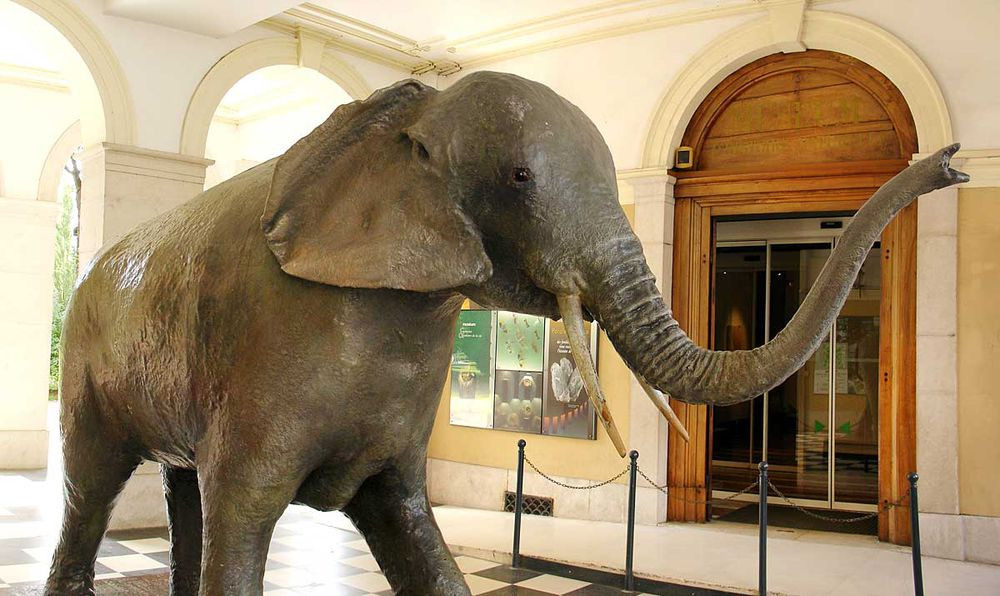
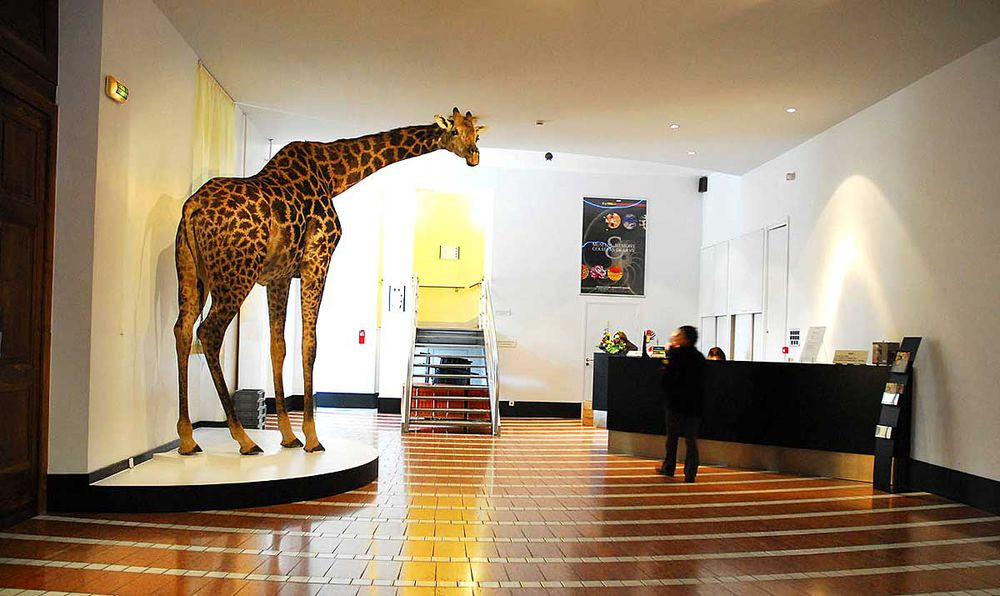
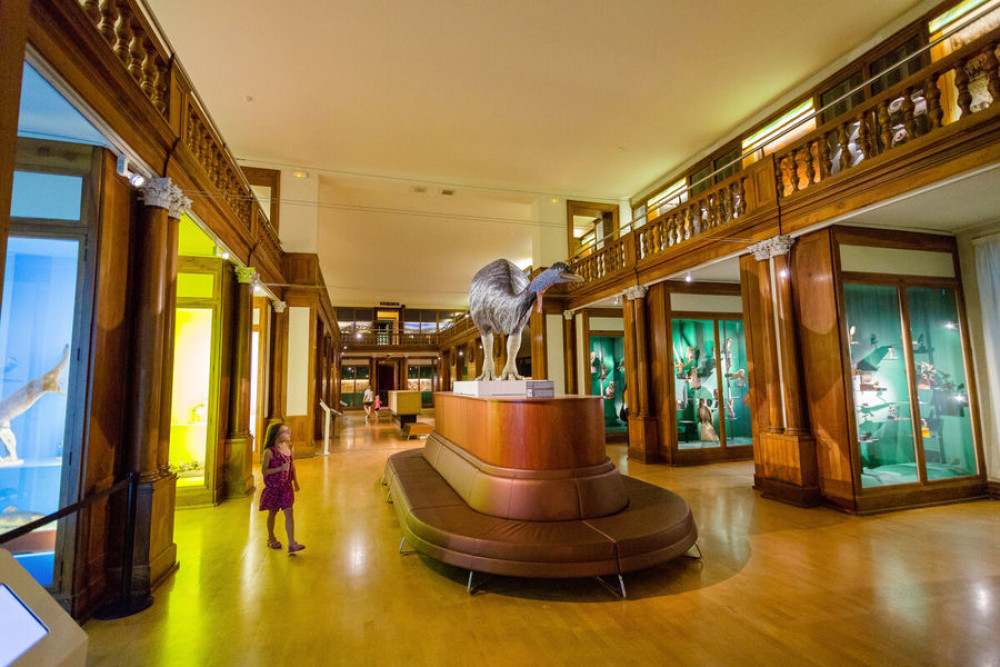
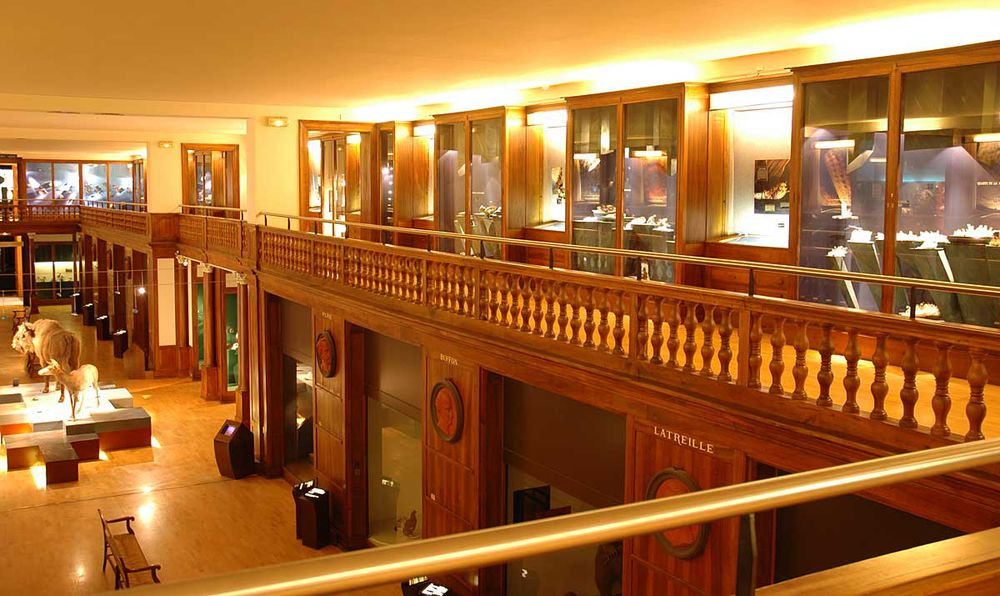
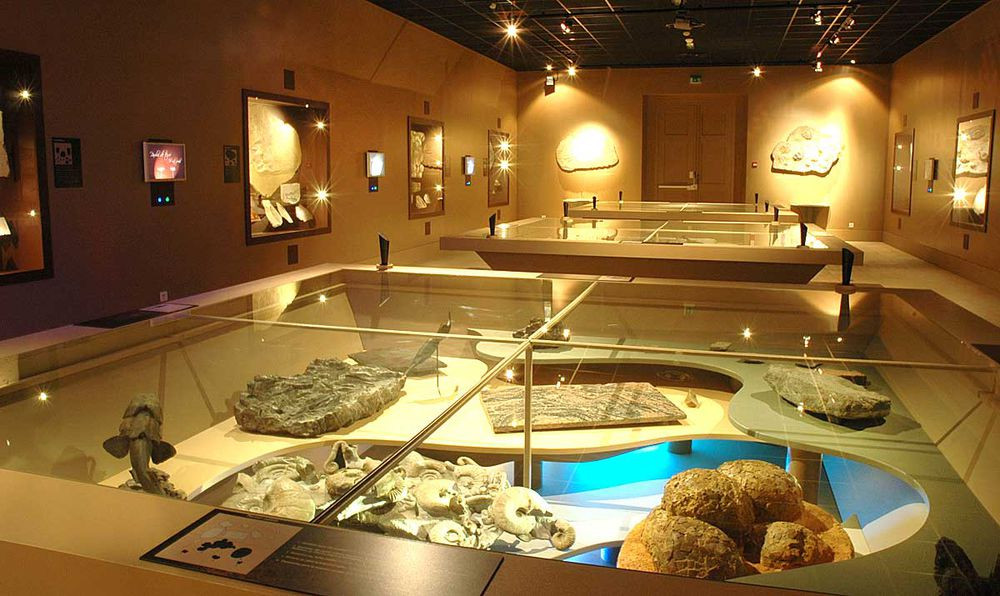
Located in the heart of the botanical garden, the Grenoble Natural History Museum features 2,800 m² of exhibits on natural heritage.With more than three million specimens in its collections, an exceptional mineralogy collection, tens of thousands of fossils, insects, and birds, and a herbarium that is unique for the study of botany, this museum is a must-see destination for exploring nature, the mountains, and the sciences.
Built in the 19th century amid the lush greenery of the Jardin des Plantes, the Grenoble Museum is now a place for people to meet, connect, and share knowledge about the human sciences, life sciences, and Earth sciences. It’s an experience the whole family will love!
The museum’s collections are regularly featured in permanent and temporary exhibitions and are showcased through a wide variety of activities: workshops, films, lectures, and discussions…
With six accessible galleries, the Grenoble Natural History Museum remains, for its visitors, a space dedicated to the conservation and presentation of natural heritage and a remarkable venue for disseminating scientific knowledge.
> The Living Mountain: a true encounter with the natural environment and animal species of the Alpine world, whose diversity is explored through a series of slide shows.
> Crystal Symphony: this 13-faceted cavern invites curiosity and wonder. Unusual shapes and colors raise questions about how minerals form.
> Atlas: Here, you can see, hear, and touch all at once! This room aims to spark children’s curiosity through its playful design. The many interactive exhibits placed in front of the display cases foster strong interaction between very young visitors, their parents, and the museum objects.
> Genesis of the Alps: What was it like before the Alps? This exhibition hall helps visitors contextualize and understand the formation of the Alps within the broader history of Earth.
> Voices of the Earth: the history of life told through exceptional fossils.
> Jardin des Plantes: a magnificent garden featuring rare trees, greenhouses, and streams...
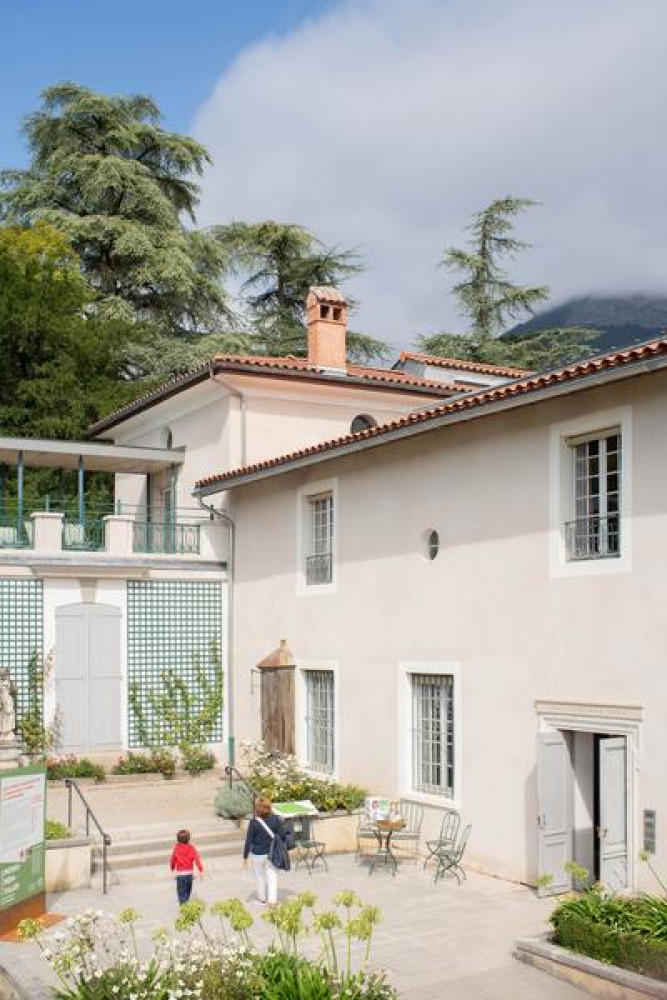
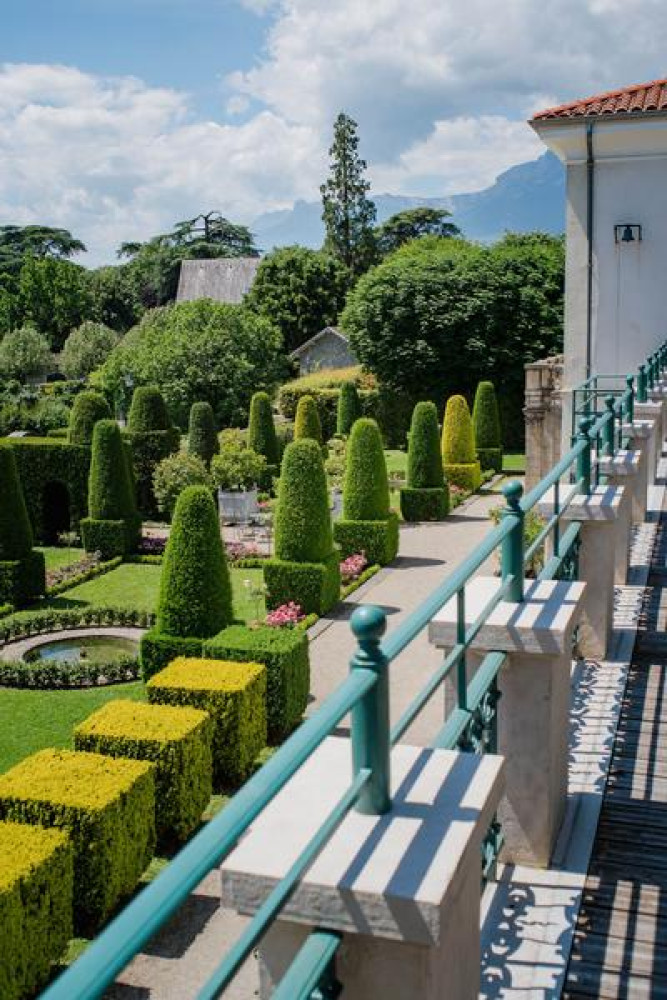
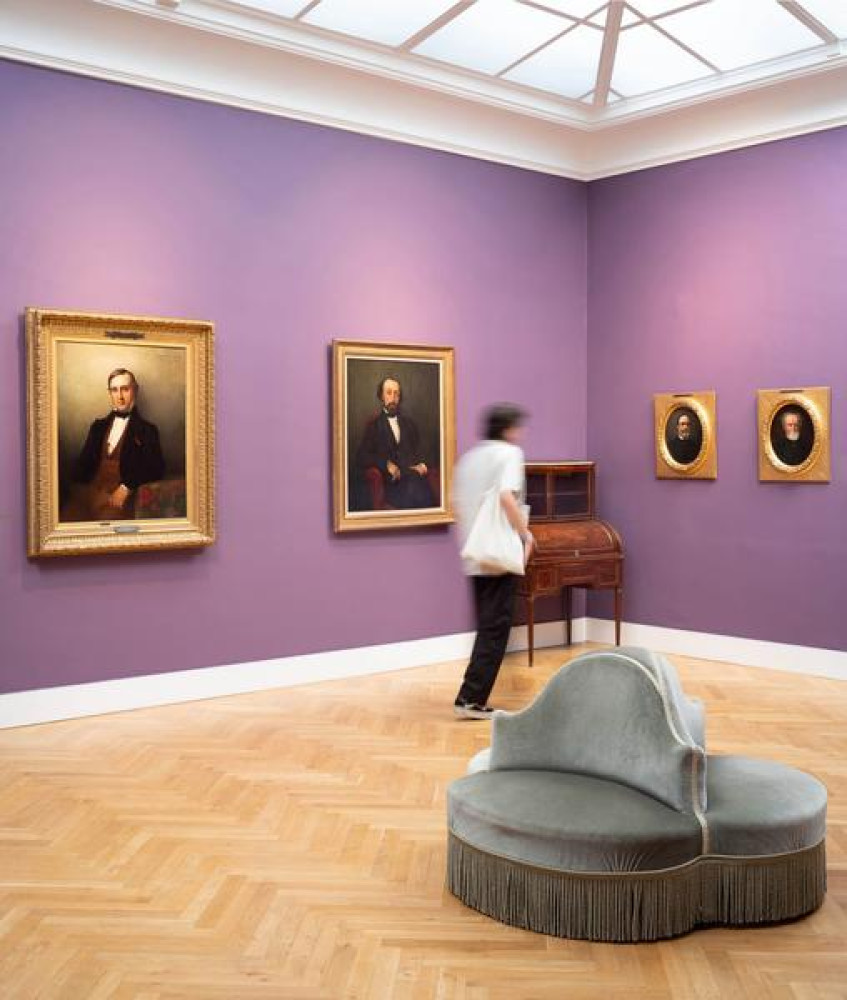
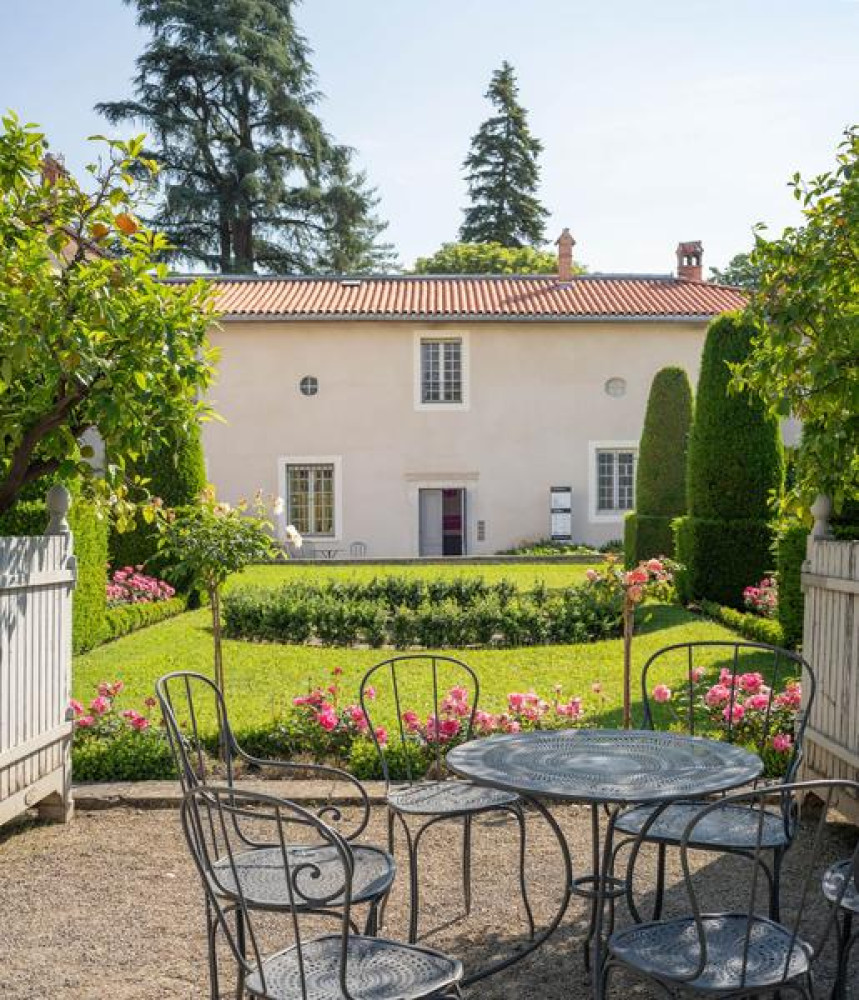
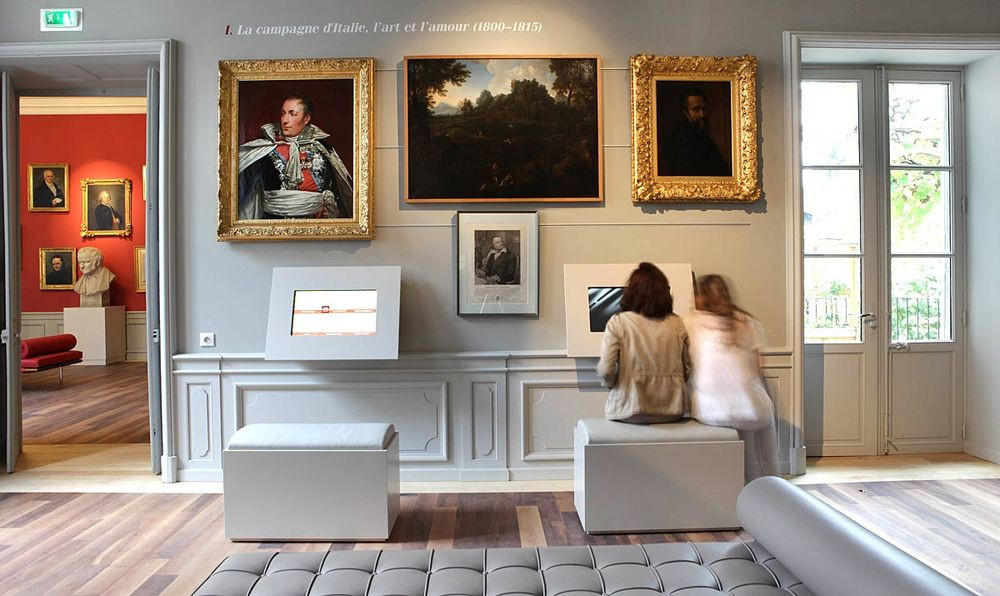
The renovated property of painter Ernest Hébert invites visitors to step into the artist's 19th century world and to discover his work through the presentation of his collections.The Hébert museum of La Tronche is a somewhat unusual museum: sheltered behind walls, this two and a half hectare estate has protected itself from the wears of time. The artist's house has held onto the spirit of the place and the intimate character of a family house. The garden, sometimes hidden in the shadows, still holds onto the artist's memories of Italy. The museum, as soon as it opened in 1979, set a double mission for itself: encourage a better knowledge of 19th century art through the artist's collection and to promote contemporary artists, both aspiring and confirmed.
The permanent exhibit halls take the visitor on a journey through Ernest Hébert's long artistic career via his works and those of his friends. They illustrate the academics, whose complexity and importance we are rediscovering today and which sheds light on official art. Between the romanticism of Eugene Delacroix and the symbolism of Gustave Moreau, Hébert paves the way for a deeper understanding of 19th century aesthetic movements.
The painter
Ernest Hébert (1817-1908), after having studied at l'Ecole des Beaux Arts de Paris and winning the Grand Prix of Rome for historic painting, became famous with "La Malaria" which he presented at the 1850 Salon. A flourishing career was set before him and he shared his time between France and Italy, where he served twice as director of the Academy of France in Rome (1867-1873 and 1885-1890). He very soon became a sought-after portraitist for high Parisian society during the Second Empire and Third Republic, where he frequented upper class salons. Hébert keenly expressed the poetry and secrecy of his feminine models, but it was in Italy that he found the most inspiration, preferring to depict rural scenes imprinted with a melancholic realism. He was responsible for the mosaic on the apse of the Pantheon, inaugurated in 1884.
The museum
Through a chronological and thematic layout, the museum presents Hébert's work plus the paintings and sculptures of his friends and students. His years of study, his life at the Villa Medicis, his stays in Italy, the two terms he spent as a director, and his Parisian career are presented.
The recreated studio has been restored to its original function.
The numerous drawings included in the collection are presented in rotation, in the drawing room, set up in one of the house's bedrooms (2nd floor).
The house
The house recreates the atmosphere that the artist knew with its period furniture and souvenirs, including the restored Laetitia Bonaparte salon. The impressive 17th century frescoes, uncovered during renovation work, depict the ancient history of the house. Numerous testimonies from Hébert's mentors—David d'Angers, Delaroche, his friends from the Académie de France in Rome, Gounod, Regnault,--and his patrons—Théophile Gautier or Princess Mathilde—evoke his career as well as illustrating the artististic wealth of the prolific 19th century.
The gardens
Set aside from urban life, the museum's park, with its shaded alleyways, rippling brooks, and trellises, has held onto the charm of the artist's "secret garden."
In 2004, it was recognized as a "Remarkable Garden," an award recently created by the Ministry of Culture and Communication. This label recognizes the garden's quality and charm, whose richness stems as much from its 17th and 18th century origins as from the modifications made by Ernest Hébert and his wife Gabrielle. The juxtaposition of well groomed, Italian style areas with English garden-type landscapes, the antique elements, and the numerous water basins are reminiscent of the Villa Medicis in Rome and make for an original setting, open freely to the public.
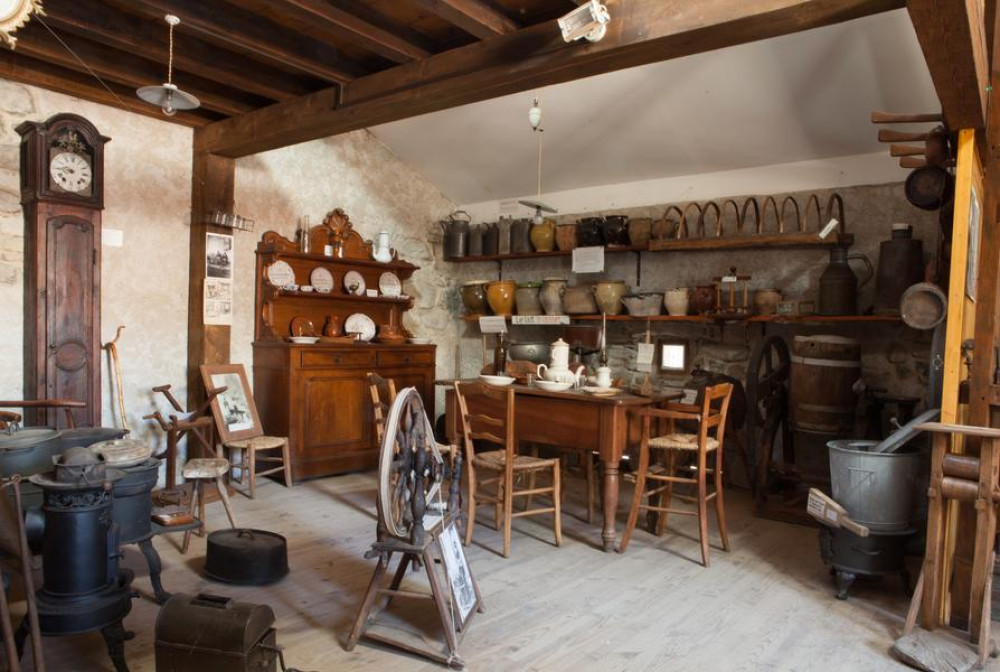
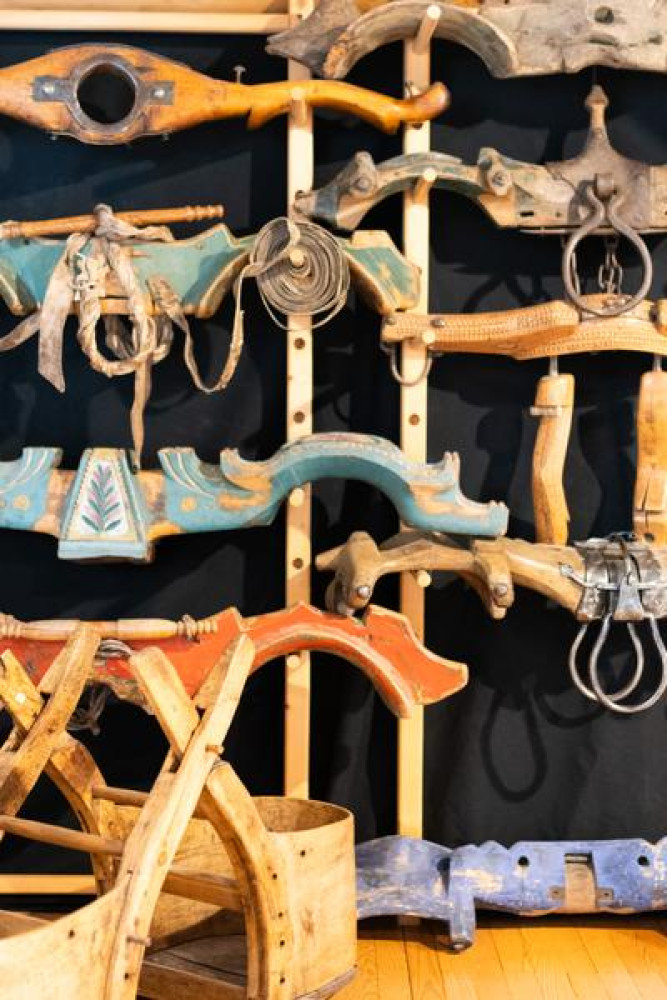
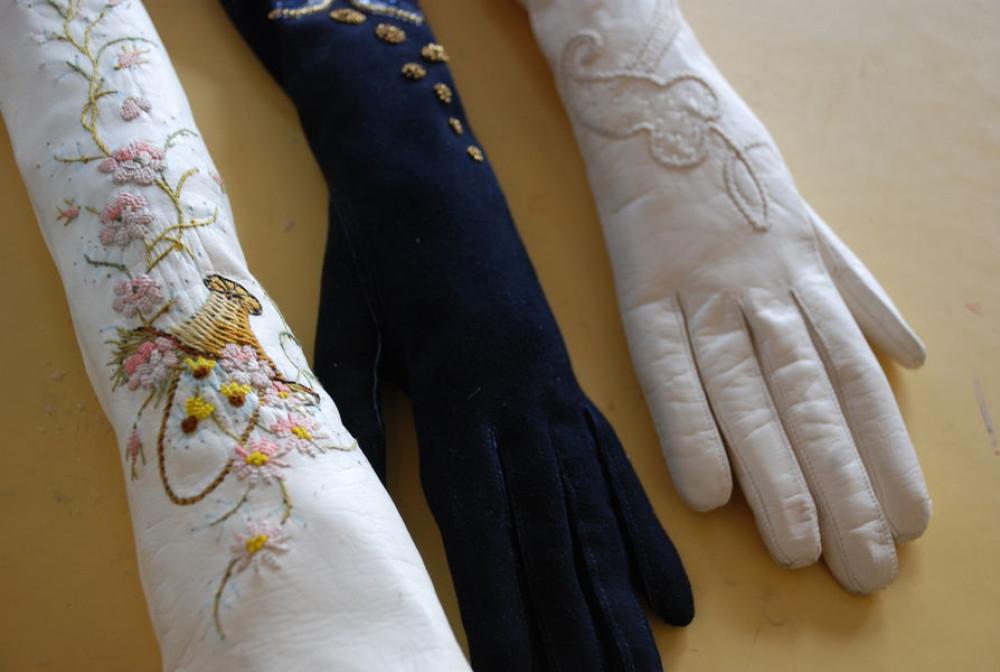
Since 1988, the Combe de Lancey Rural Museum has been housed in the outbuildings of the Château. It boasts a rich collection of objects and tools illustrating life in the hamlets of the Belledonne balconies in bygone days.More than 1300 objects represent 5 themes: former activities such as glove making, clog making, smith working... It also shows how the houses were furnished, what life was like for an farmer in mountain areas.
Come and discover the rich and fascinating History in a guided tour of the Museum.
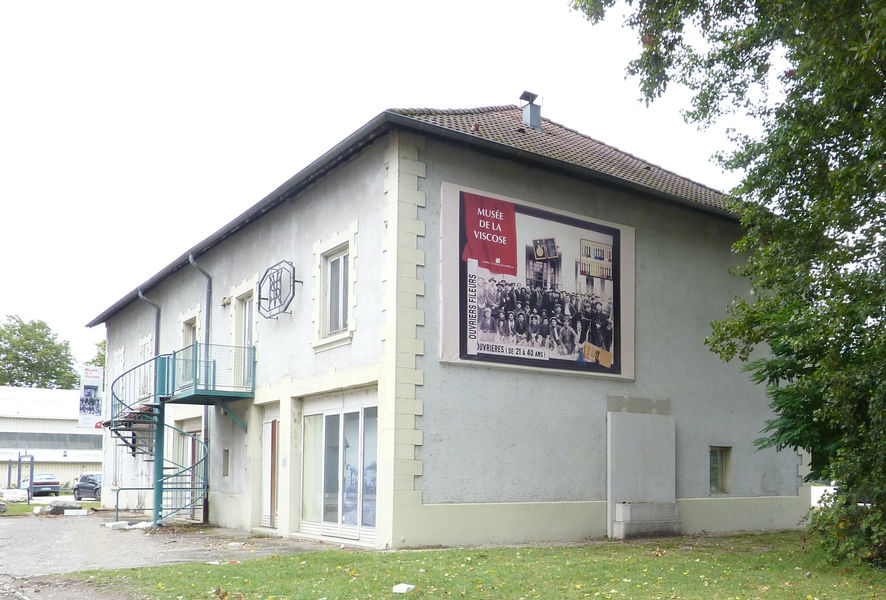
On an old industrial site, 60 years of viscose history is told: the invention of artificial silk, the manufacturing process, the work in the factory, the life of the factory workers in the industrial housing complexes."The viscose was above all, a huge factory, with its tall chimney, like a lighthouse. But it was also the country just outside the city, a veritable village with the factory workers' gardens, its little dances, and its Sunday dresses." The history of the Grenoble factory, in operation from 1927 to 1989.
The invention:
How could thread so fine, so soft, so brilliant, and so solid as silk be artificially produced? In 1884, in north Isere, in Vernay de charrette, the count Hilaire de Chardonnet created the first artificial textile in the world, imitating silk thread. Manufactured using wood pulp, viscose would become an important industrial product. Until the 1950s, viscose was everywhere: in ready to wear clothes, in lingerie, in furniture, even in tires. Starting in 1950, synthetic textiles began appearing, leading to the decline of artificial silk.
The industrial adventure:
From wood pulp to the finished thread, the ground floor of the museum brings to life the movements and the tasks of the viscose worker. The manufacturing line is recreated. The soaking of the wood pulp in soda, its grinding and mixing with carbon sulfur and finally its dissolving in soda water, which gives the material its amber color and honey-like consistence. The museum shows how the viscose was threaded, how it was wound, and how the meticulous inventory of threads was carried out, and how it was stored.
The human adventure:
The second floor of the museum retraces the history of the factory workers, their work, their living quarters, their strikes, leisure activities, team sports, their Resistance and Liberation. When the factory opened in 1927, Echirolles was a country village of 800 souls. The management looked to foreign countries to make up nearly its entire workforce. Close to 40 nationalities (Hungarians, Pollacks, Italians, Armenians, Russians, Yugoslavians, Portuguese, Algerians, Turks, etc.) lived together in the viscose industrial city. Co-workers and partners in everyday life, they shared the hard conditions of factory life and the relaxed ambiance of Sunday sports.Period of opening : All year round, daily.Prices : Free of charge.
Access : Bus line 1 stop Viscose
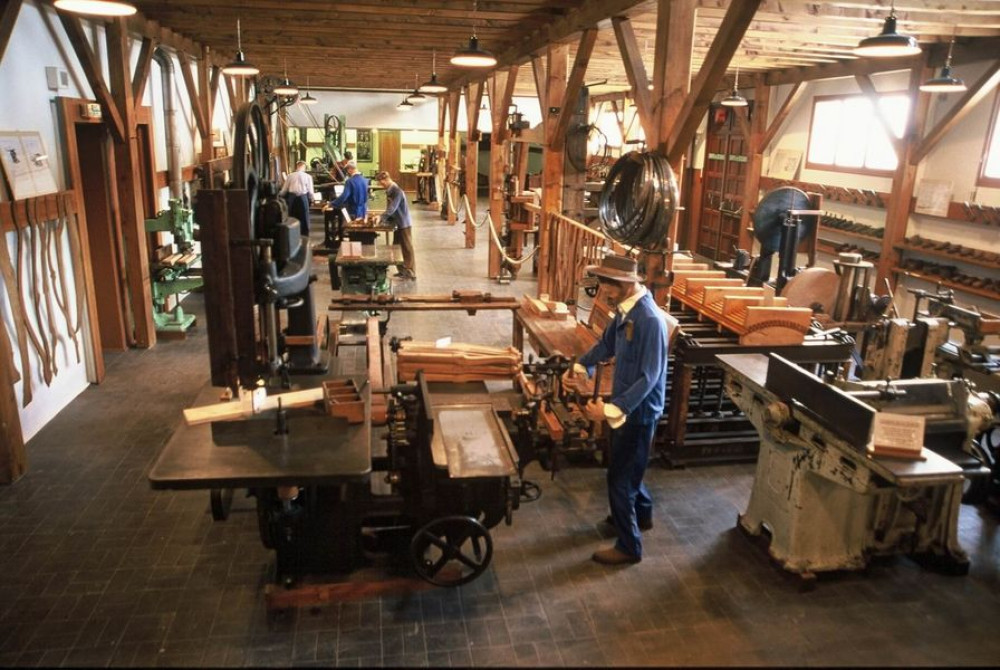
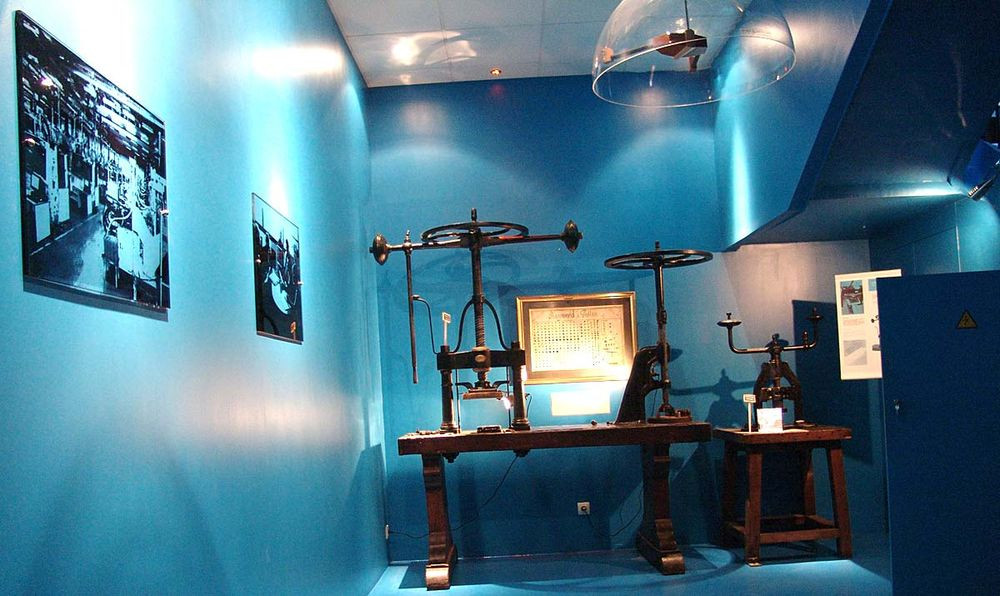
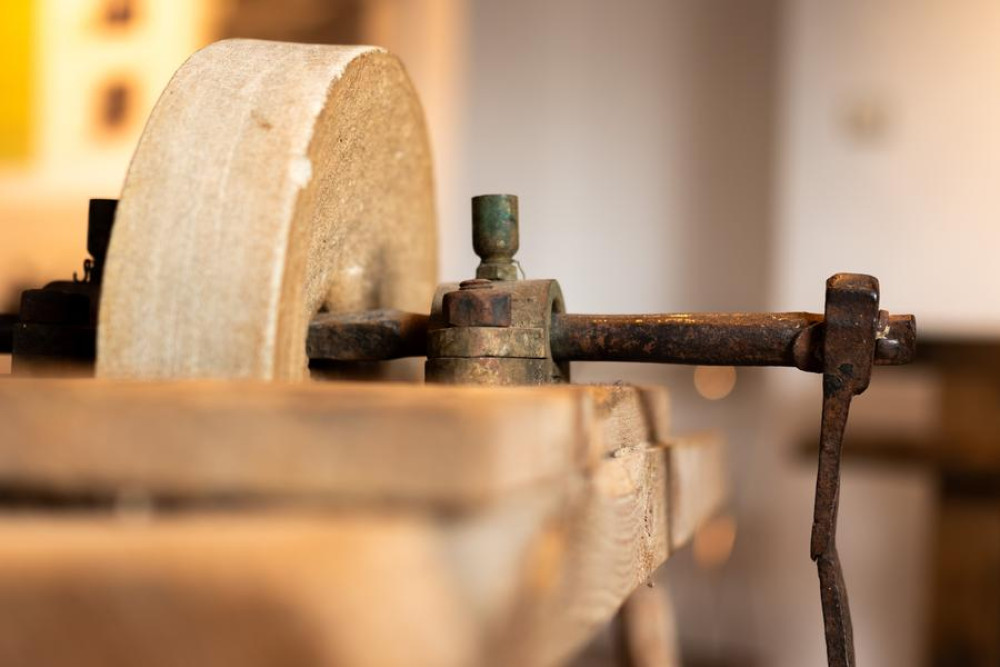
Pont-de-Beauvoisin, city of wood furniture since François the 1st, shelters a museum of woodworking machinery. From trees to furnitures, experiment an old fashioned cabinetmaker workshop.Relive the adventure of a cabinetmaking workshop of yesteryear through a sound journey.
Unique in France, this museum recreates the atmosphere of a workshop from the first half of the 20th century. It testifies the complexity of the work of the craftsmen who made the reputation of Pont de Beauvoisin, city of wood furnitures since François 1er.
Individual and free visits. Group visits with guide by reservation.
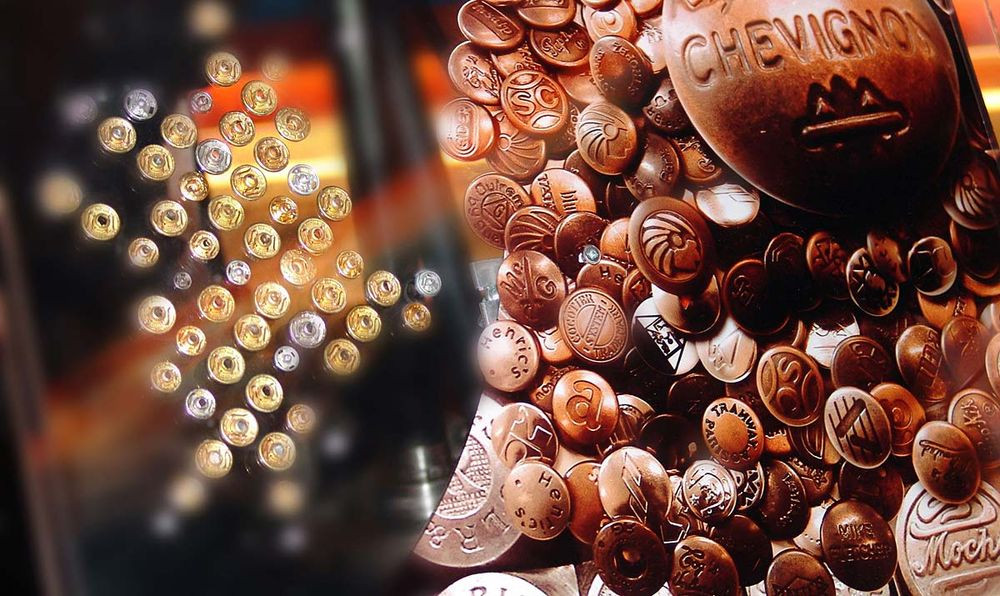
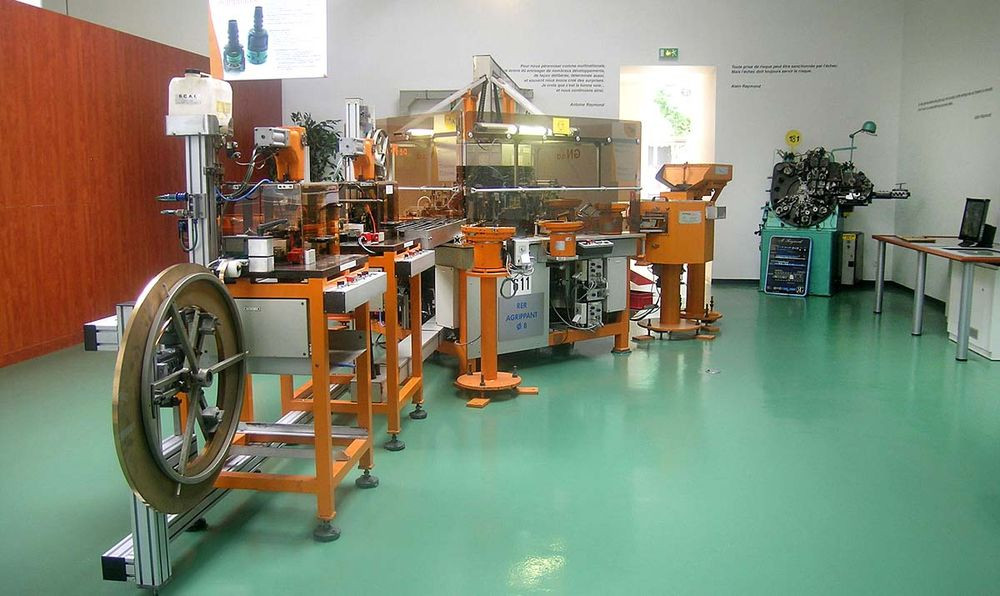
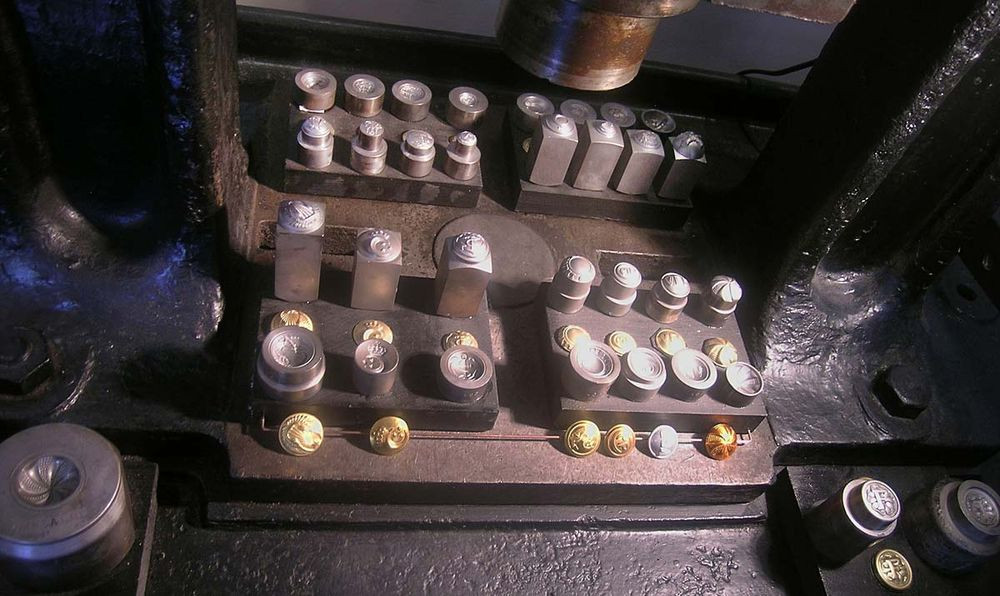
The Museum of Industrial Innovation tells more than just the history of a family company which has grown into a multinational enterprise. Very innovating, it offers you an experimental, playful and peculiar course which recounts the remarkable times of French Industry.The A. Raymond company (Raymond-Bouton for long time Grenoble natives) has become an international group, and number one in certain bindings markets, notably in the automobile industry.
The time was that of prosperity, and while many workshops on the cours Berriat were moving out to new locations, the directors chose to create a company museum.
Heritage technicians, accustomed to preservation requests after a company has closed, saluted the effort to bring history to life while the company was continuing to prosper!
On the site where the company was founded 140 years ago by the first A. Raymon (Albert-Pierre) when the cours Berriat was rhythmed by factory life, the new museum offers an original scenography, which involves all the senses and focuses on the history of the family company, still under control of A. Raymond (today Antoine, who succeeded Alain). Part of the presentation is dedicated to industrial innovations that led the group to impose itself as the dominant player in its field, as well as to recent products.
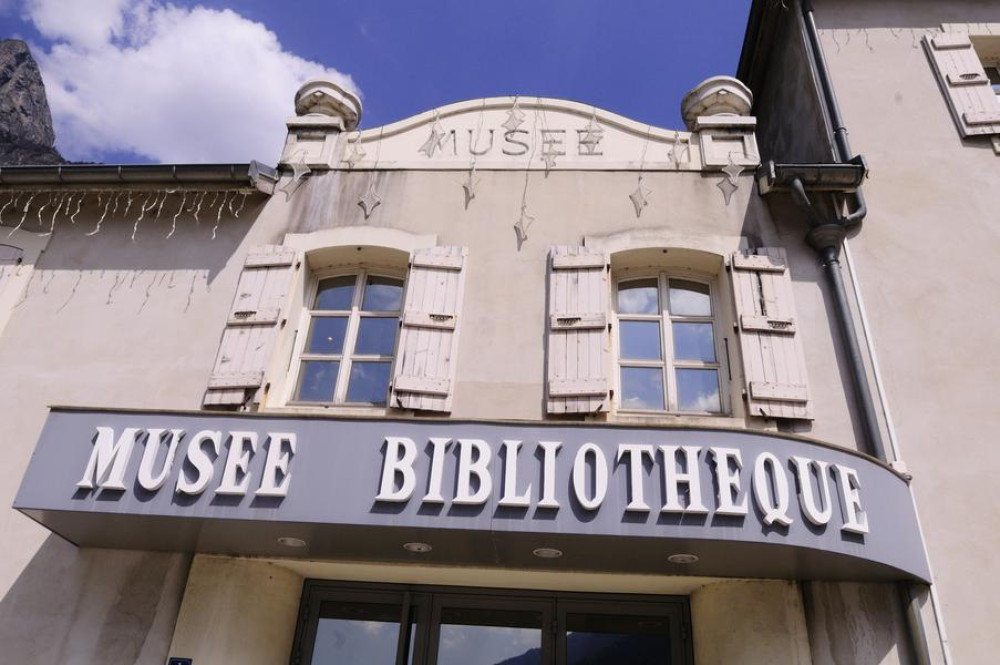
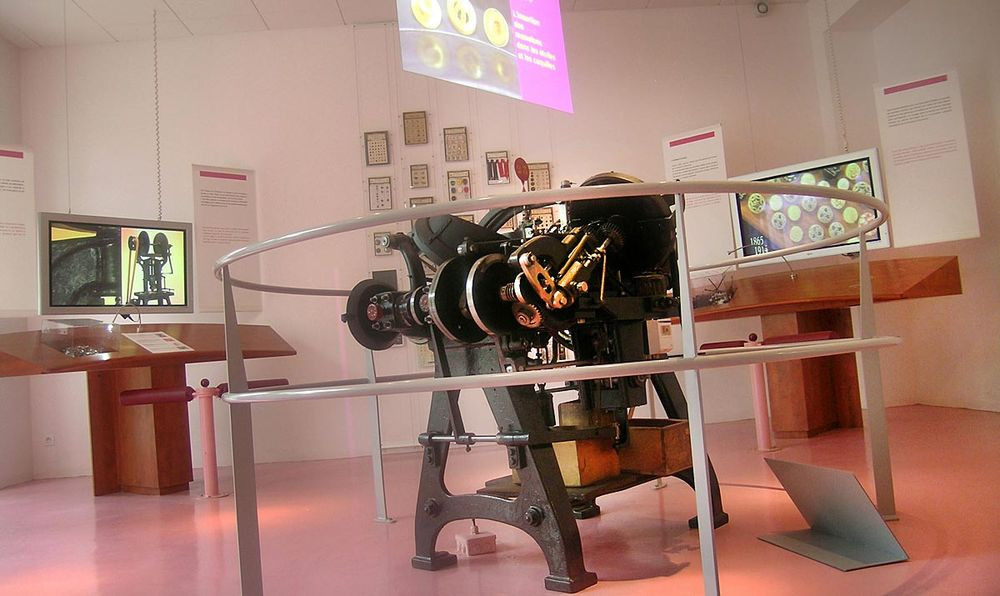
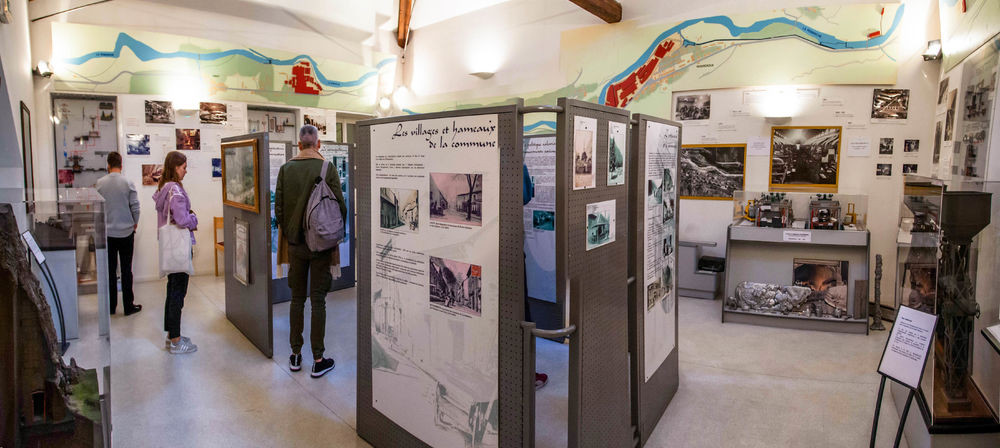
The Musée de la Romanche traces the industrial, energy and human history of the Romanche valley, an area shaped by water, hydroelectricity and the development of major industries.The Musée de la Romanche, located in Livet-et-Gavet, was created in 2001. It traces the industrial, human and energy history of the Romanche valley, an area shaped by water, fed by five torrents, and which over time has become a major economic factor in Isère.
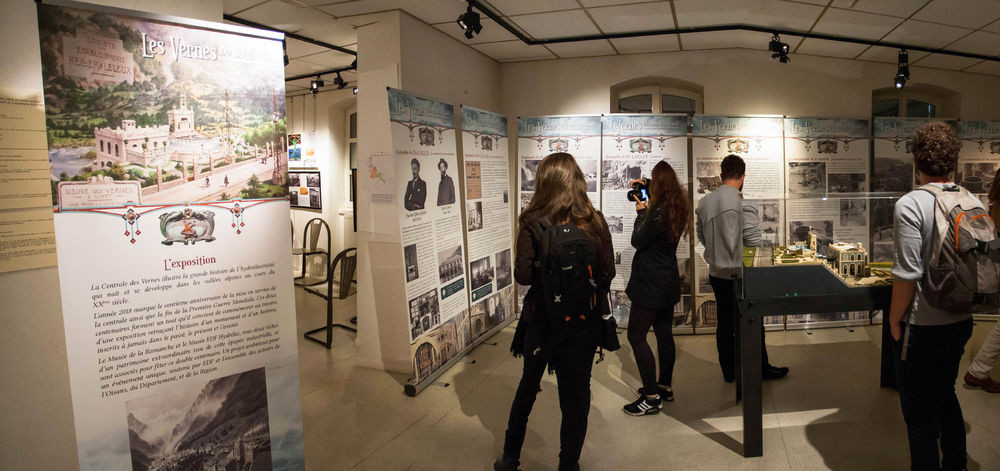
On the 1st floor, a space is dedicated to Charles-Albert Keller, an emblematic figure in local industrialization and a pioneer in the development of hydroelectricity in the valley. The Keller space features an immersive museography showcasing numerous models, some of which have recently been restored. These spectacular models were once presented by Keller at world and international exhibitions, illustrating the industrial innovation of the time.
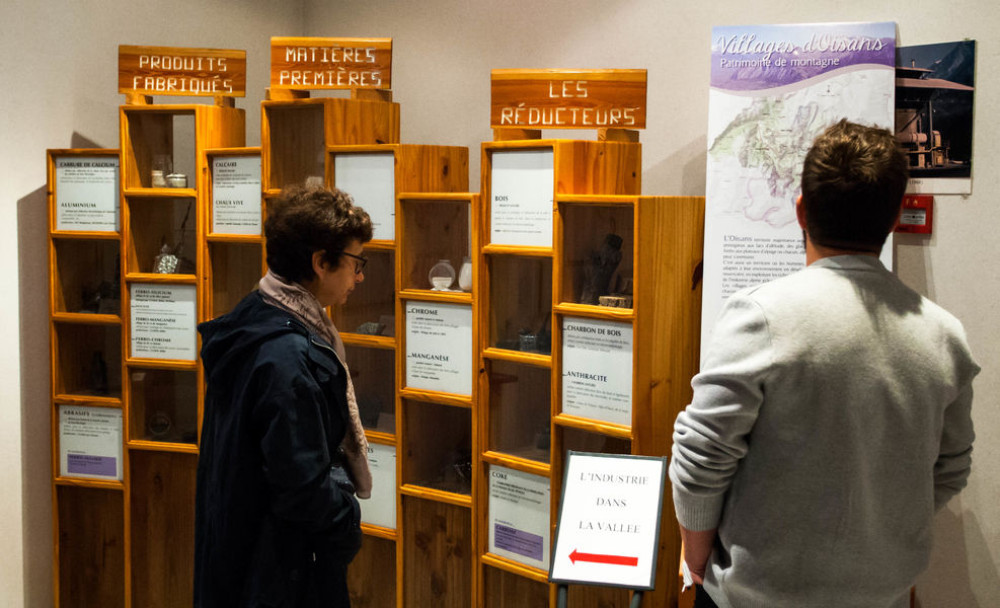
The 2nd floor is dedicated to the other industries of the Val de Livet, which accompanied the start-up and expansion of industrialization in the valley: the Neyret paper mill in Rioupéroux, steel and synthetic iron production in Livet, aluminum production in Rioupéroux, and calcium carbide production in Gavet with the CUAEM group. This space also highlights the social and territorial impact of this industrial activity on the hamlets of Livet, Rioupéroux and Gavet, and on the daily lives of their inhabitants.
The Musée de la Romanche thus offers a fascinating discovery of a unique industrial heritage, in the heart of a valley where nature and industry are closely linked.
The museum is a member of the Route des Savoir-Faire de l'Oisans. It organizes guided tours of the museum (by appointment).
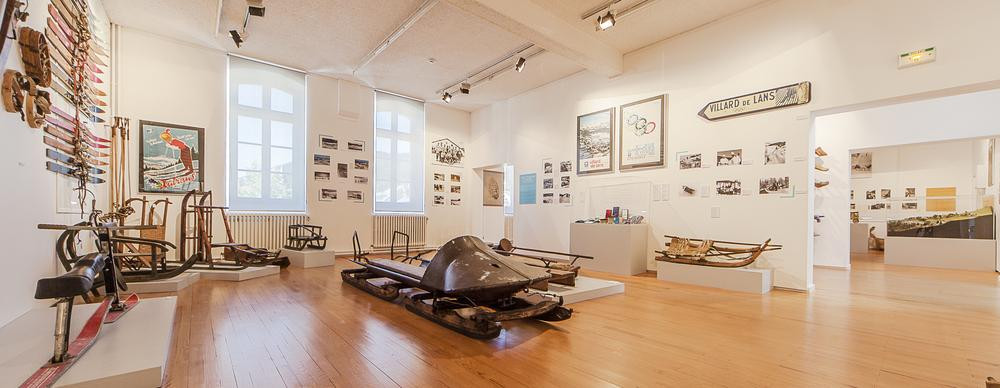
Located in the former Town Hall in the centre of Villard-de-Lans, the Heritage Centre has been completely renovated. Founded by Jacques Lamoure in 1988, it tells the story of the Quatre Montagnes.
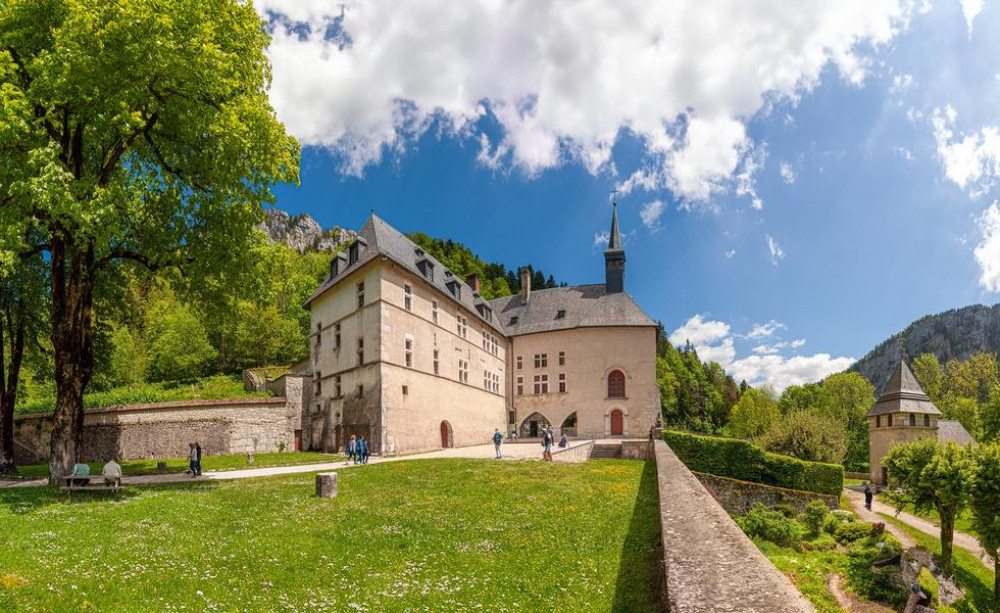
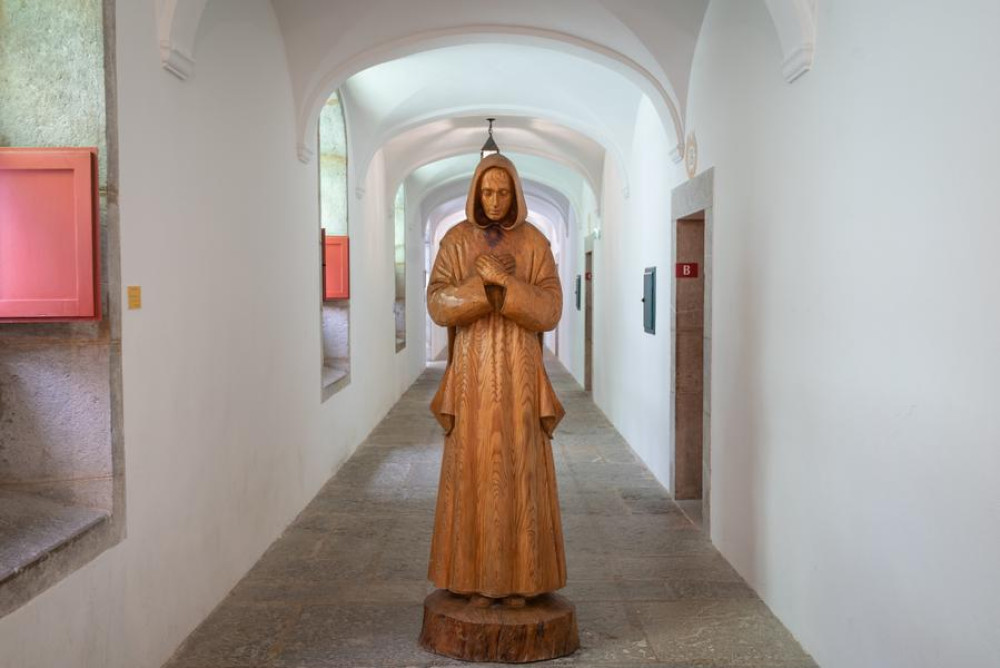
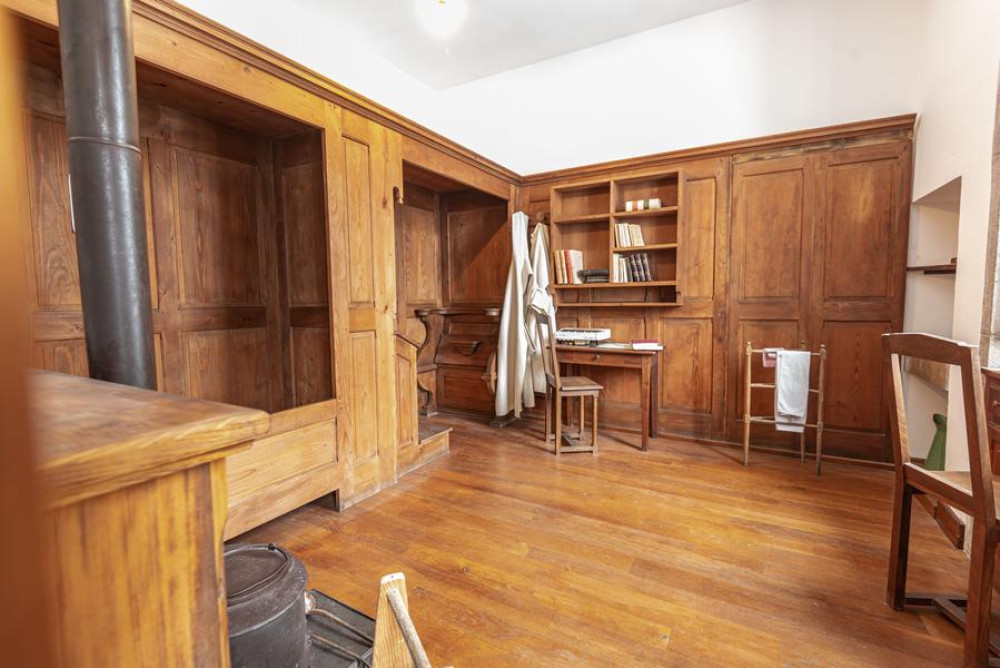
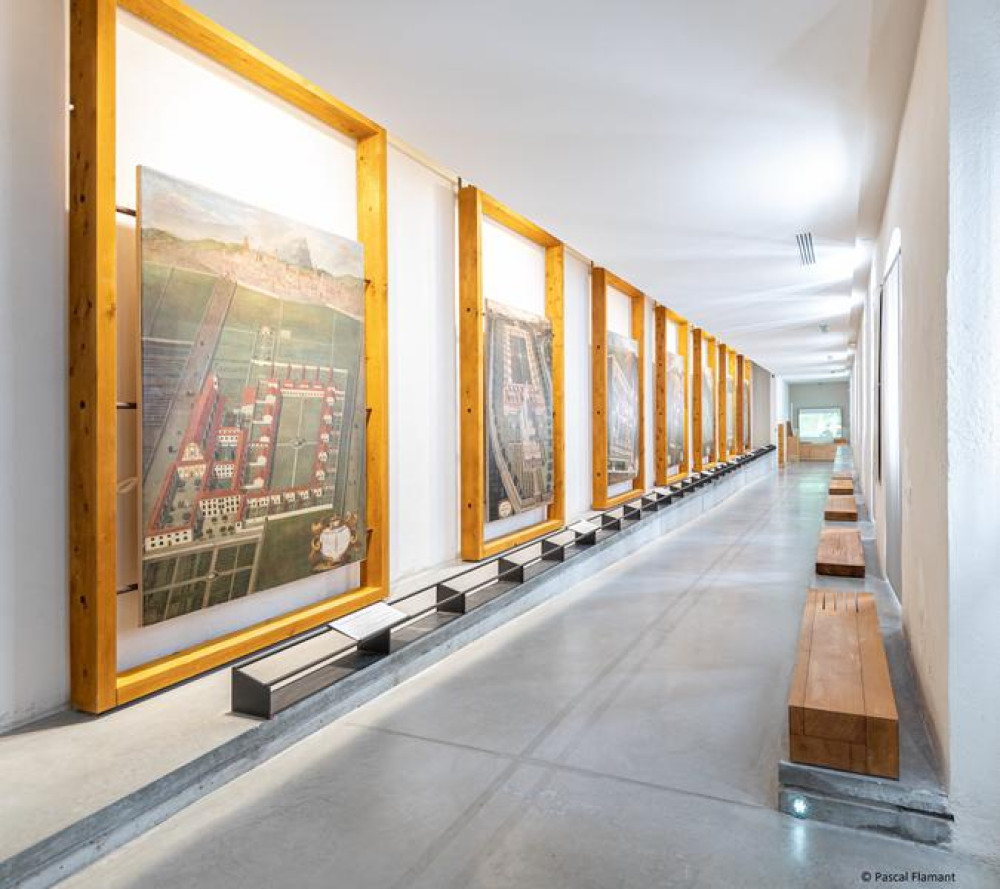
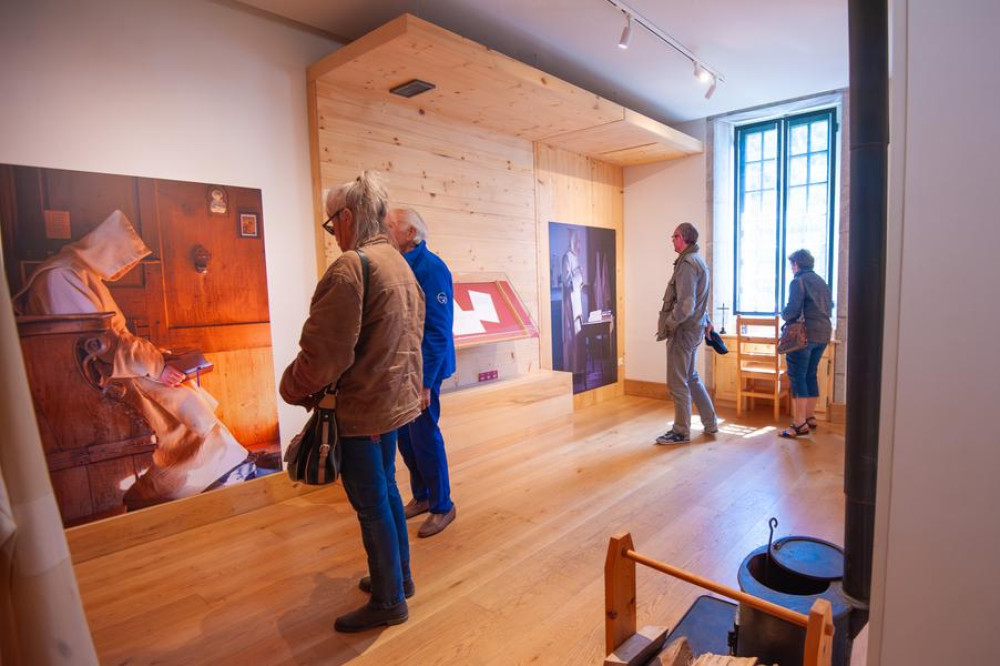
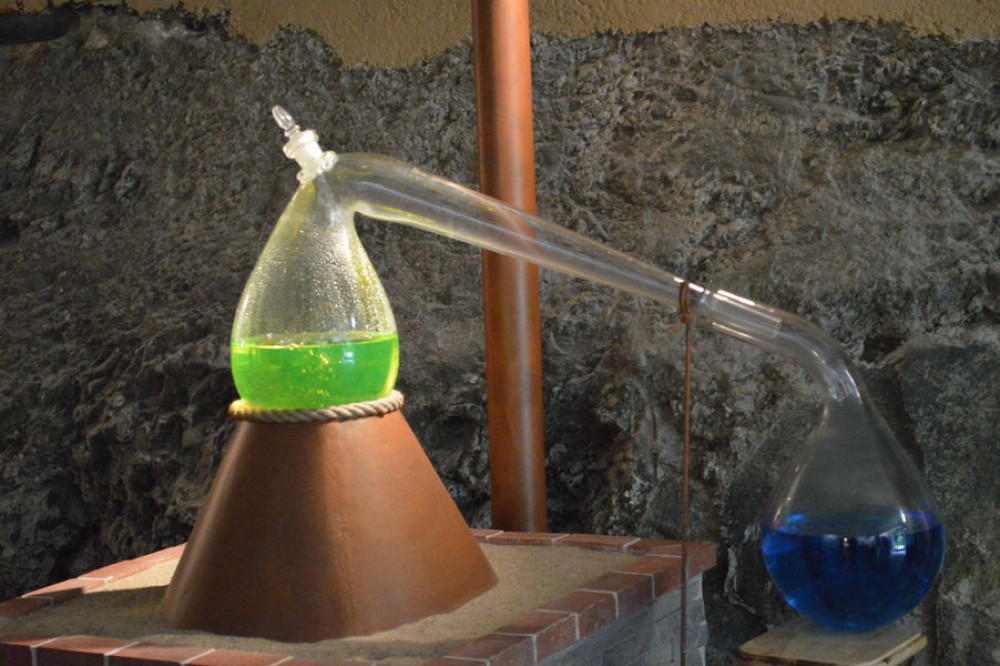
In the heart of the chartreuse mountains, this unique site is just 2 km from the famous monastery founded by Saint Bruno in 1084.cIn the heart of Chartreuse mountains, this unique site is just 2 km from the famous monastery founded by St bruno in 1084. It was an idea of the monks themselves, and allows you to better understand the mystery of the Cartusians Order, its 900 years history, the monks way of life and more. The present museum, located in the ancient annexe of Chartreux Monastery, provides visitors with a wealth of insight into the monks'human and spiritual adventure.
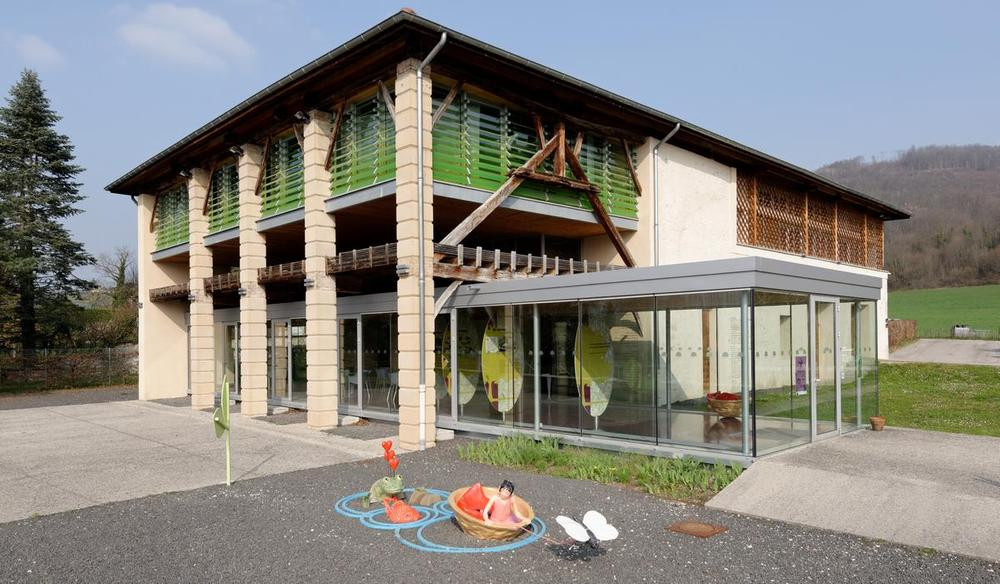
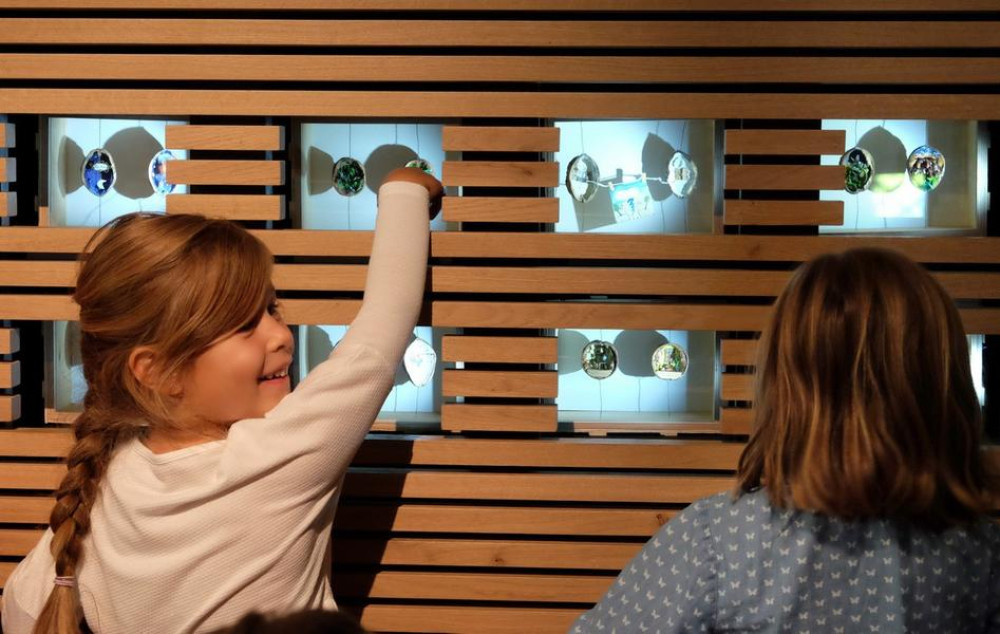
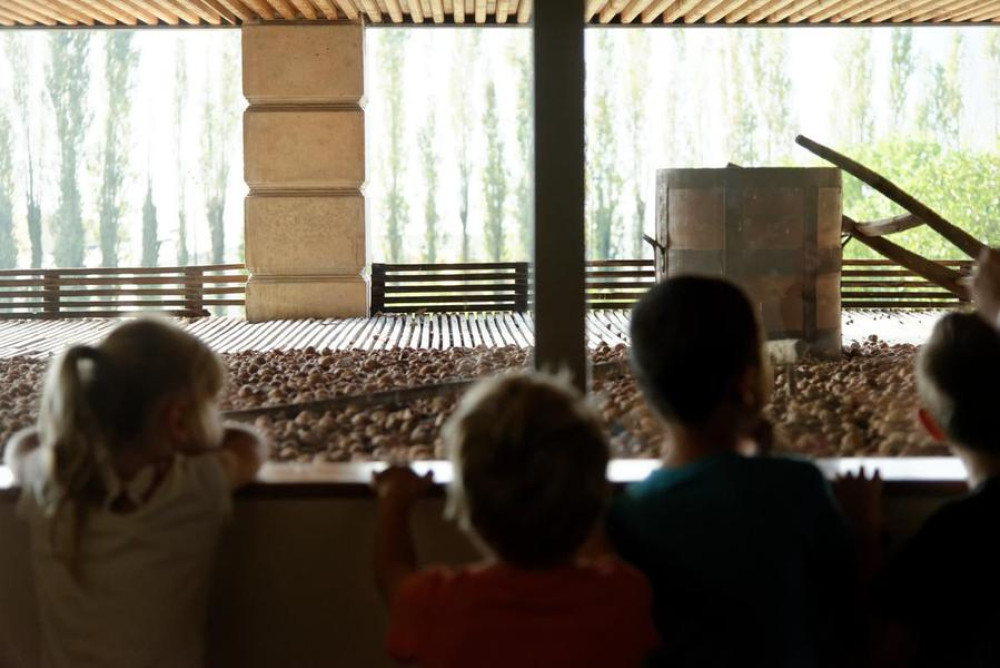
The Grand Séchoir is a lively place, a place for sharing, an inspiring place where you can really learn EVERYTHING about nuts while having fun.Located in Vinay, in the heart of the Isère walnut groves, within a restored farmhouse, the museum space showcases the richness of the walnut-growing region: its tales and legends, traditional craftsmanship, and the walnut-farming profession today; gastronomy and heritage as reflected in the architecture of the walnut drying sheds.
At the heart of the museum, an interactive area invites visitors of all ages to let their imaginations run wild and view walnuts from a unique perspective.
Escape game “THE LEGEND OF THE GOLDEN WALNUTS”: recommended for ages 14 and up, this game will immerse you in the world of witchcraft for a fun (re)discovery of the Grand Séchoir.
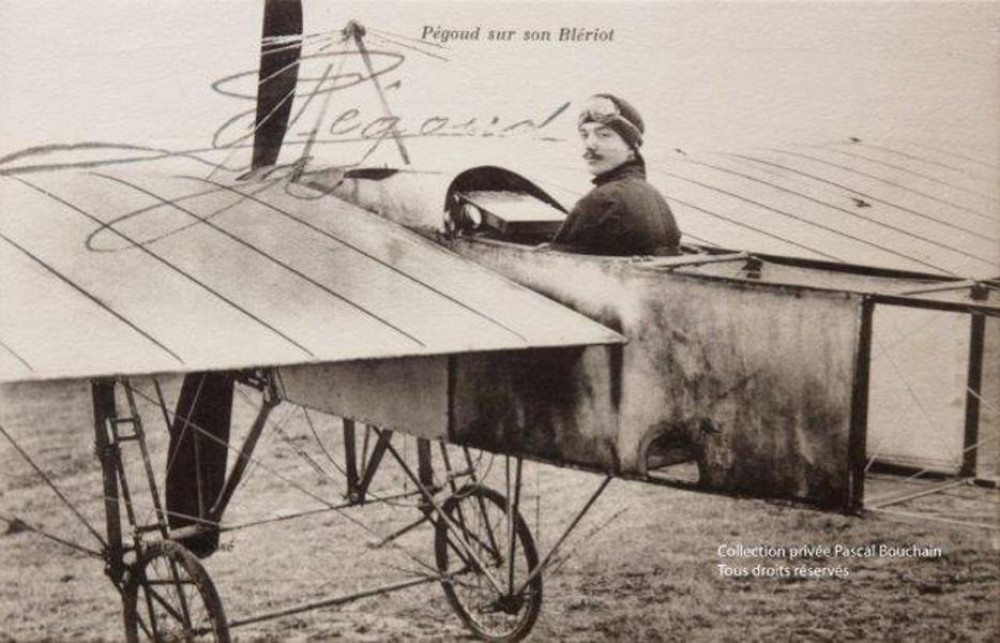
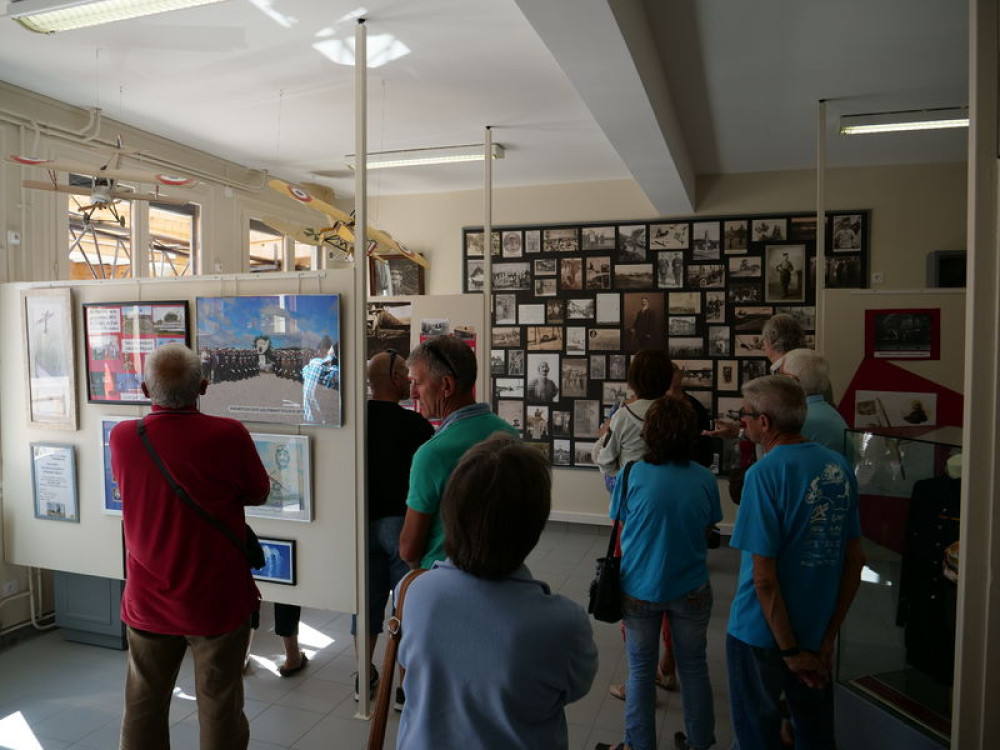
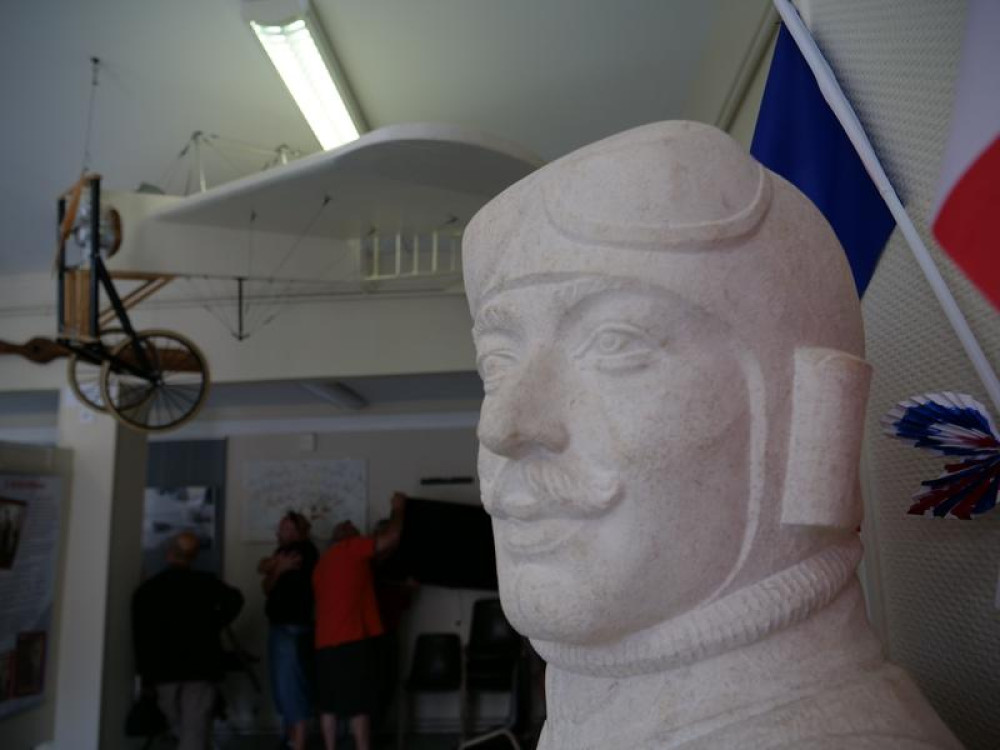
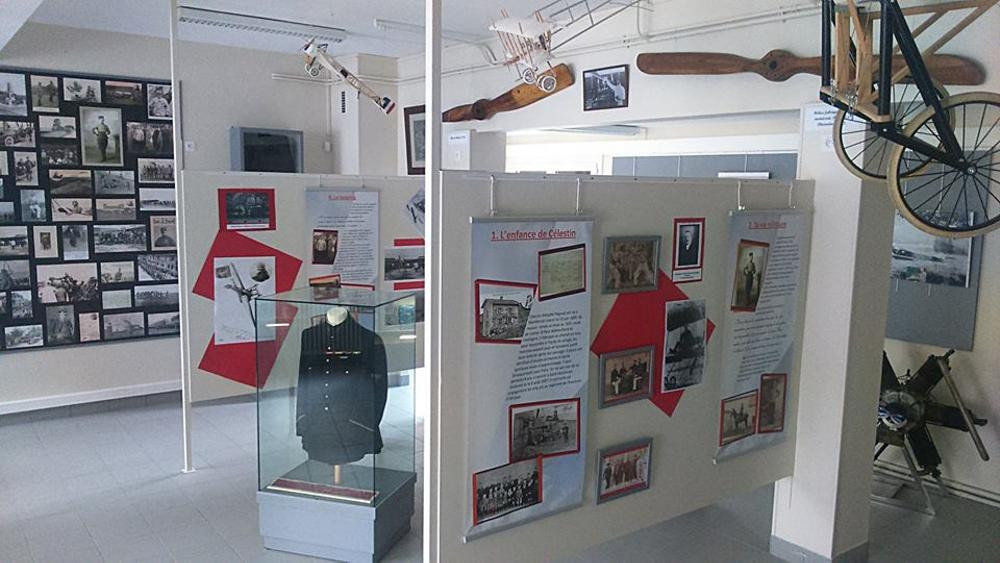
A museum entirely dedicated to the exploits of the aviator Adolphe Pégoud, pioneer of aerial acrobatics who performed the first parachute jump and the first looping in 1913. First Ace of the 14-18 war.Presentation of his childhood, his military life and his hour of glory... Until his tragic death for France on August 31, 1915, at Petit-Croix in the Territoire de Belfort. Through videos, written documents, photos, clothing and numerous objects dedicated to aviation, the museum retraces this epic tale.
Period photos, spare parts of the last plane are gathered. More than the visit, the comments on his origins, his life, will make you discover what he represented for aviation.
You will be welcomed by the members of the Pégoud committee who will tell you about the exceptional adventures of an aviator who left his mark on aviation.
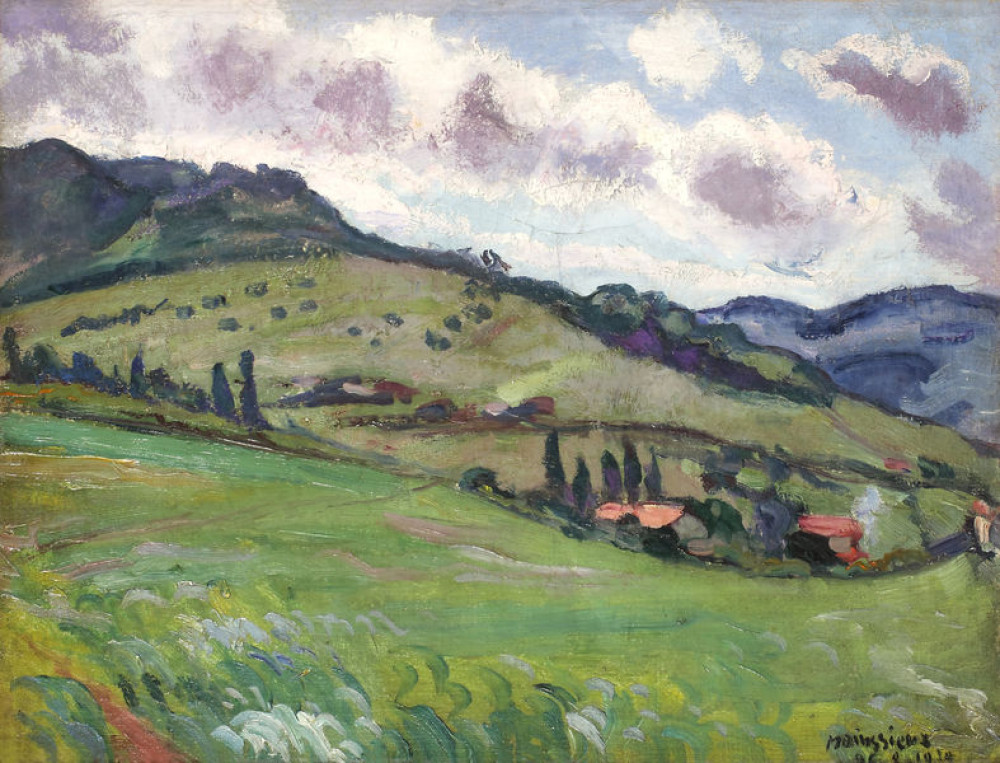
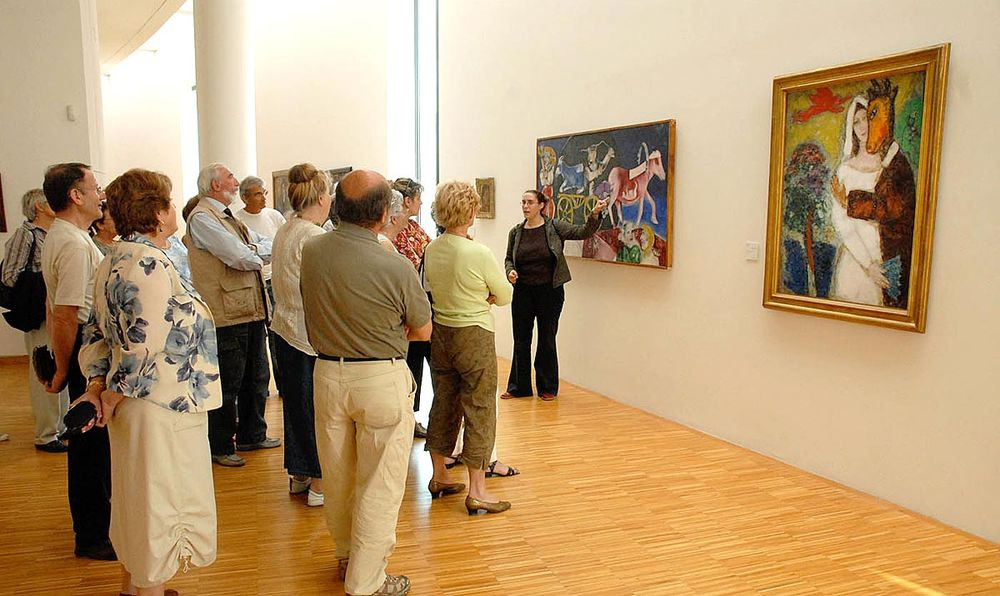
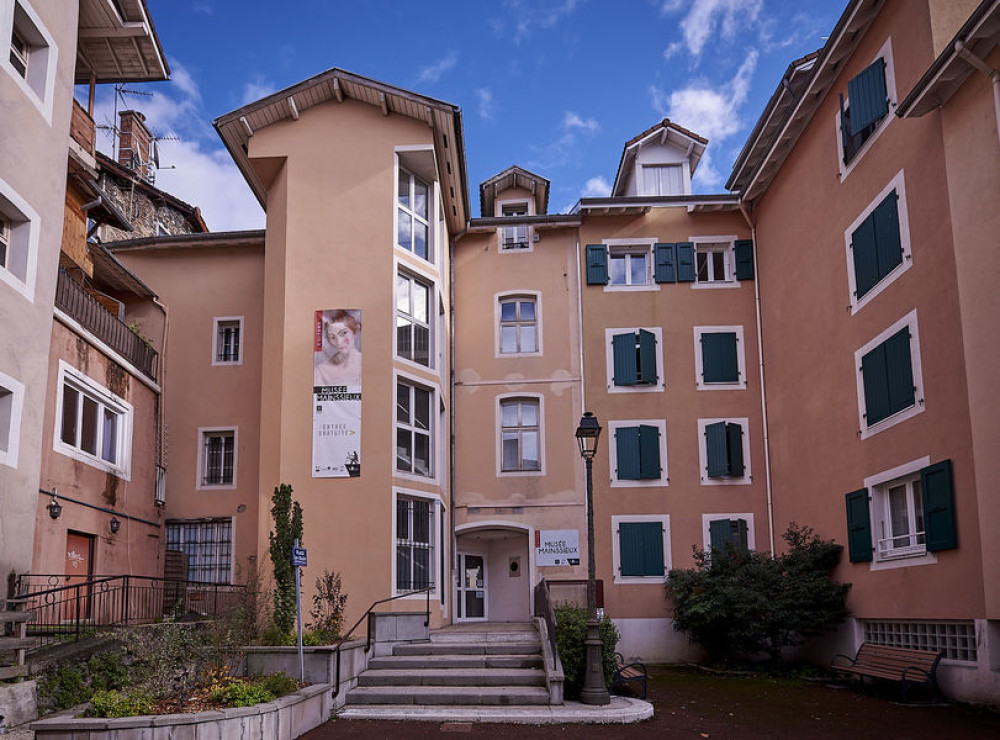
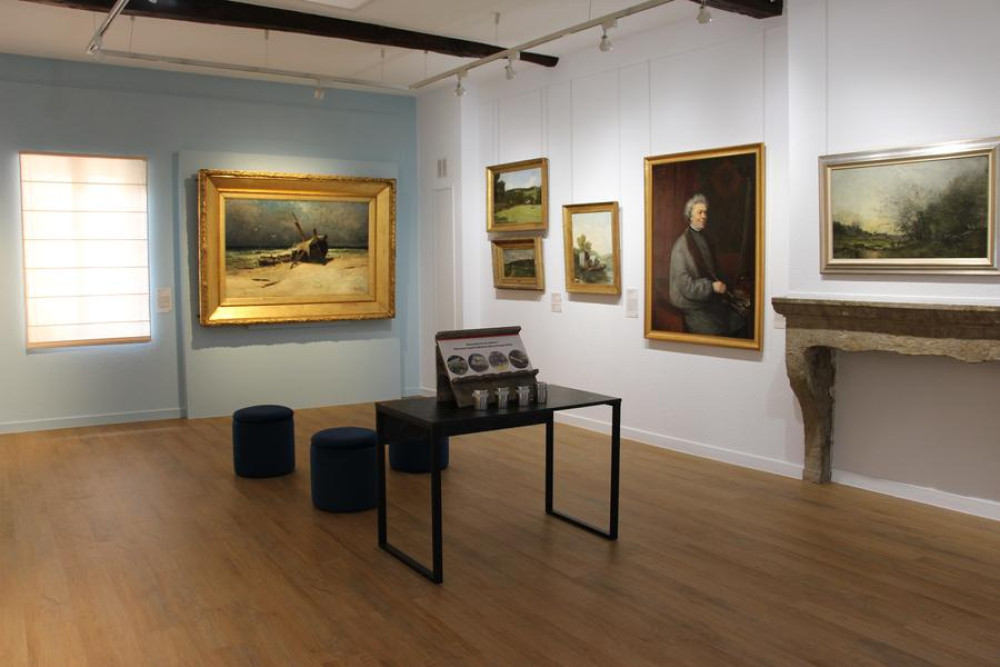
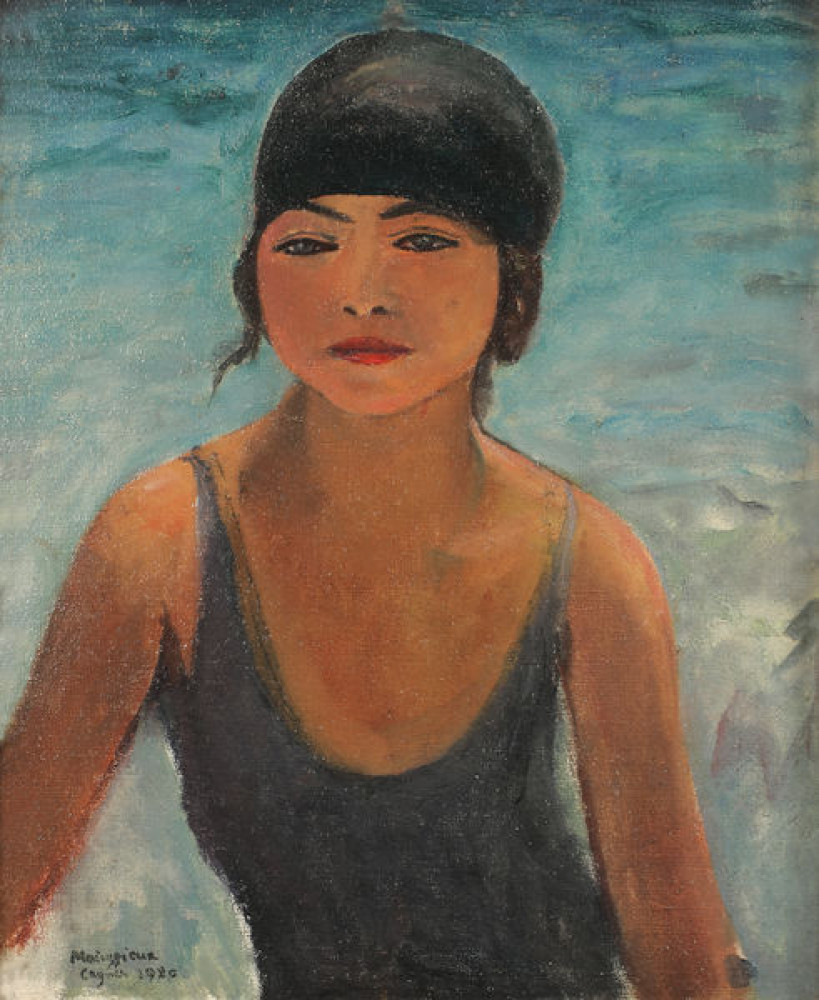
The museum, created in 1989, is located in an old house in the Saint-Bruno district. It presents the studio fund of the painter Lucien Mainssieux and the collection of works he built up throughout his life, mainly paintings from the 19h and 20th centuries.Throughout his life, Lucien Mainssieux (1885-1958) collected works dating from the end of the 19th century, as well as those of his fellow students. He had an obsession : to create a museum for these works and to be its custodian…
This collection is the testimony of the glance of the artist on the art, so its interests for the landscape painters of the XIX° century, for the Orientalist works as well as for his contemporaries and friends.
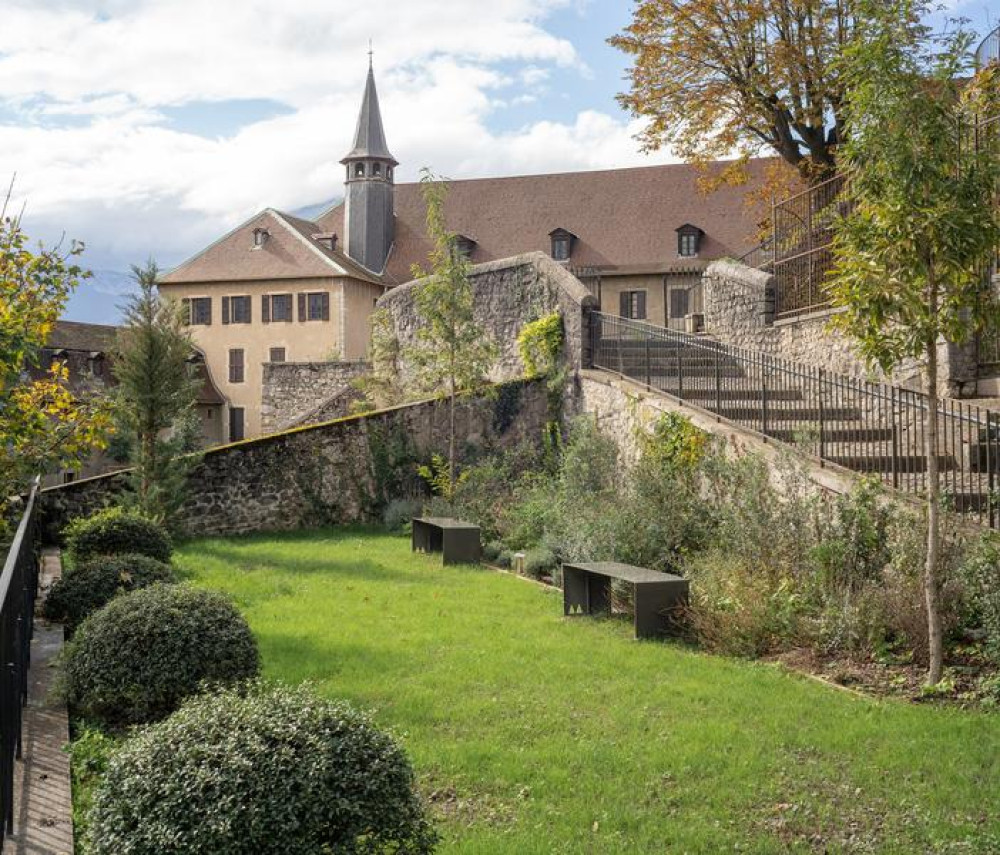
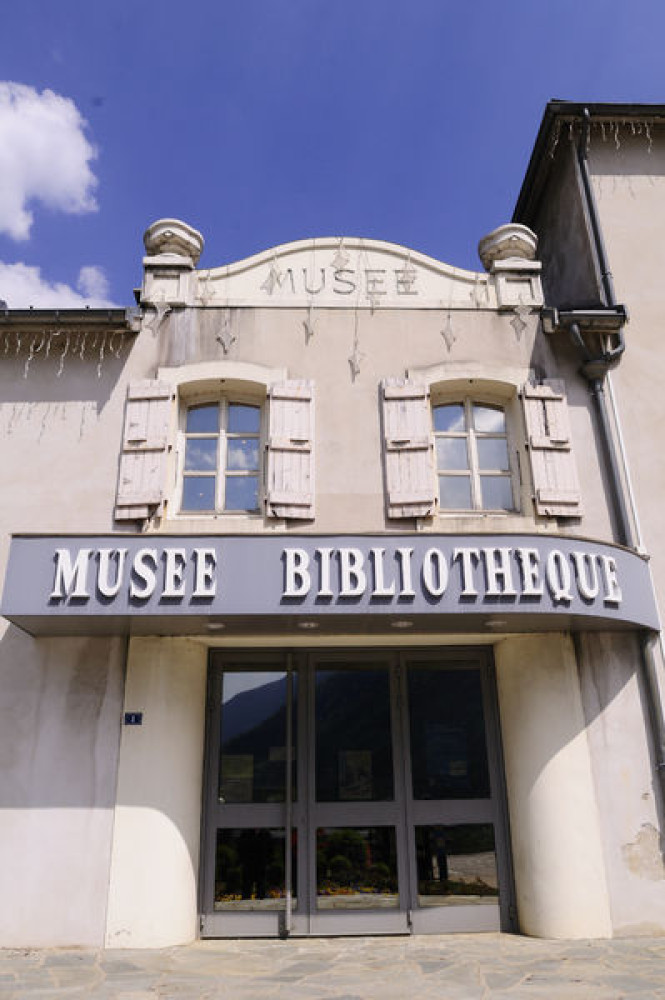
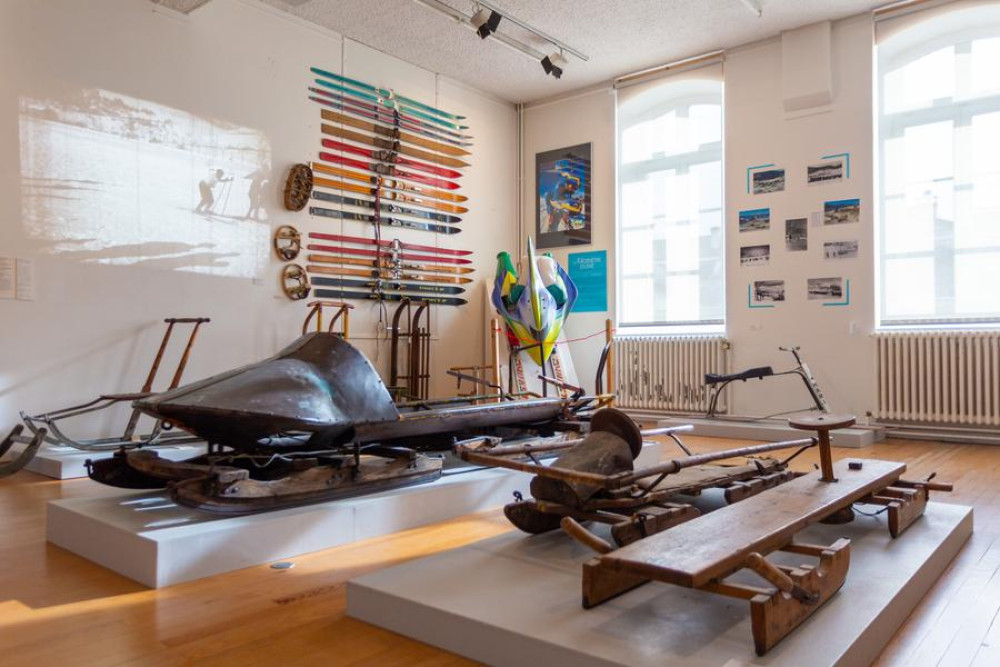
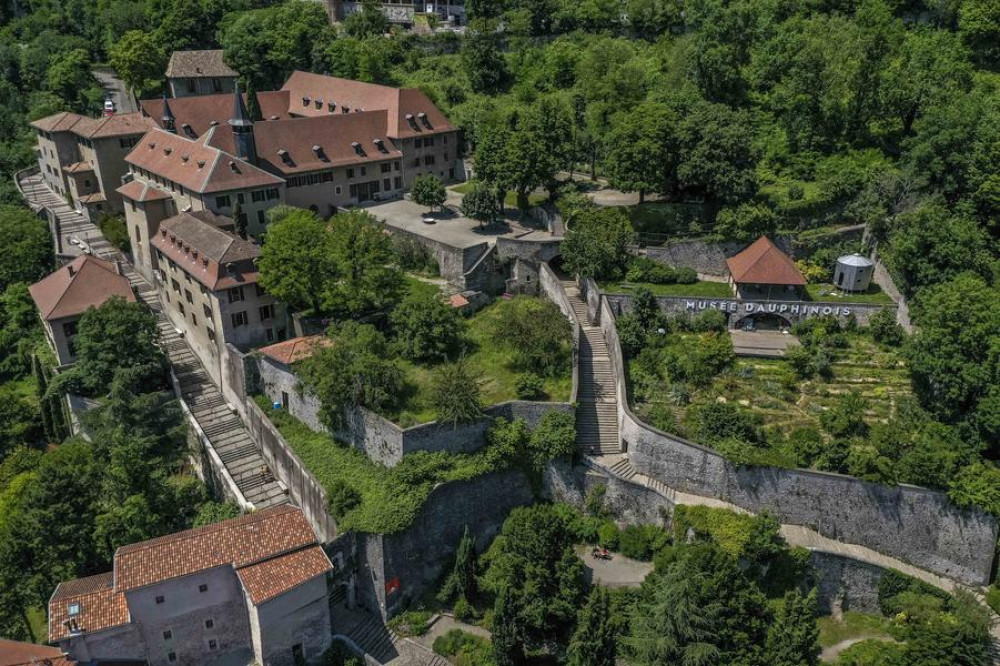
Located in a 17th century convent building, this Alpine museum presents varied exhibits on regional heritage from the past and present, including The People of the Alp (a presentation of 19th century rural mountain life) and the Grand History of Skiing.The museum was created in 1906 thanks to the initiative of its first curator Hippolyte Müller, who sought to "link the first inhabitants of the region to those who still live here today." The Dauphinois museum is located in what was once the Sainte Marie d'en Haut convent. Classified as a historical monument, the complex was founded at the beginning of the 17th century by saint Francis de Sales and saint Jeanne de Chantal. After an eventful history, which saw the building used as a prison, religious boarding school, barracks, and immigrant housing, the building was restored for the 1968 winter Olympics in Grenoble. The Dauphinois museum, in its current location, was inaugurated that same year by André Malraux.
As a genuine regional museum of mankind, the Dauphinois museum looks at all the aspects of life and history in the old Dauphiné province, and on a wider scale, in the French Alps. Archeology, pre-history and history, ethnology, industrial heritage, and regional decorative arts are just some of the fields that this museum deals with.
Other than The People of the Alp and The Grand History of Skiing, the Dauphinois Museum does not house a permanent exhibit. Instead, it renews its offer every six to twelve months, with exhibits on regional heritage, the Dauphiné, the Alps, but also on foreign cultures.
A social museum, the Dauphinois museum believes that heritage and history worth our attention simply because they allow us to answer questions about today's society, to understand the movements of our time, and to express the wealth and diversity of various cultures over space and over time.
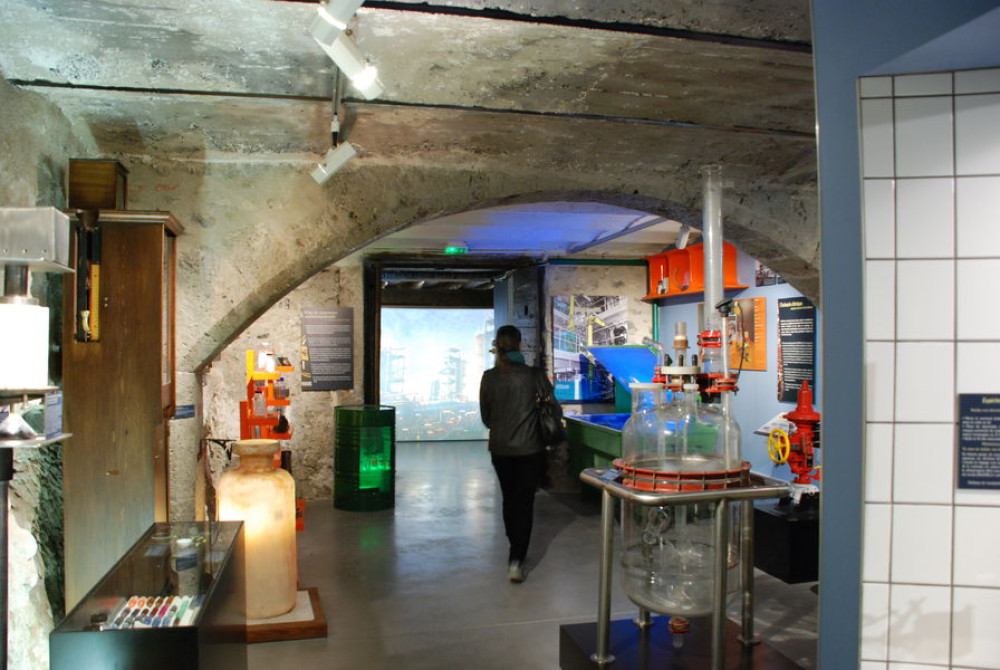
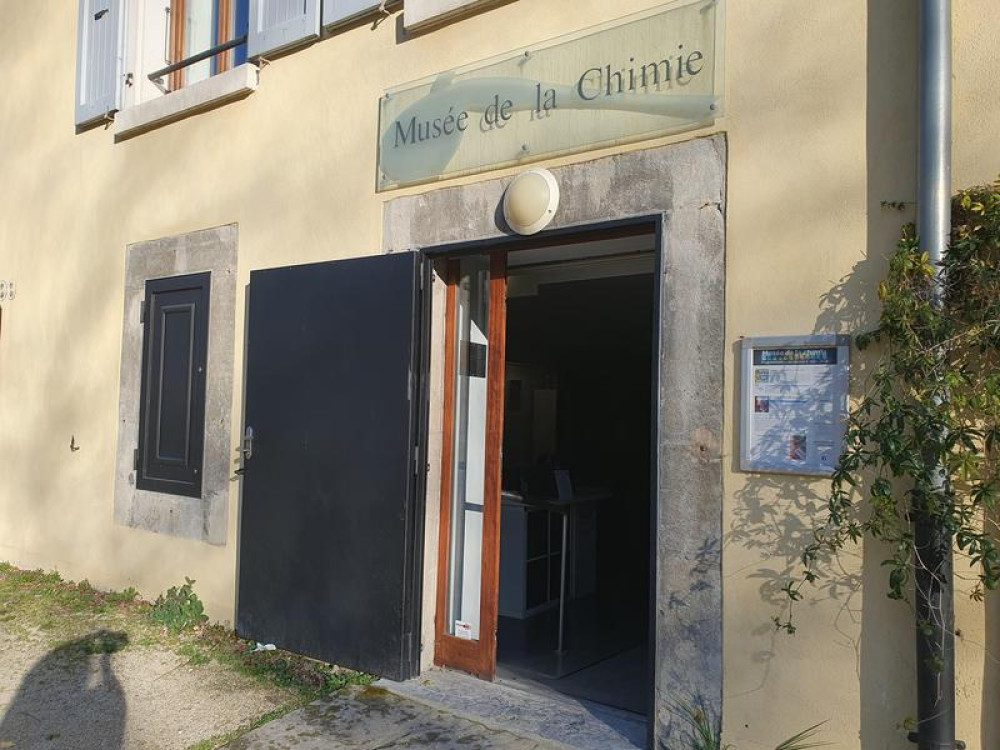
The museum traces the history, techniques and applications of the chemical industry in southern Grenoble from 1915 to the present day.
Self-guided tour, guided tour or audioguide via the Tellnoo app.Located in Jarrie, on the first floor of the town hall, in the heart of the Clos Jouvin municipal park, the museum is set in the preserved environment of the old, cool, vaulted cellars of the manor house. The tour presents the history of chemistry since antiquity, and traces the history, techniques and applications of the chemical industry in southern Grenoble, from 1915 to the present day. The chemistry of the 21st century, omnipresent in our daily lives and essential to meeting the challenges of sustainable development, is more innovative and responsible than ever.
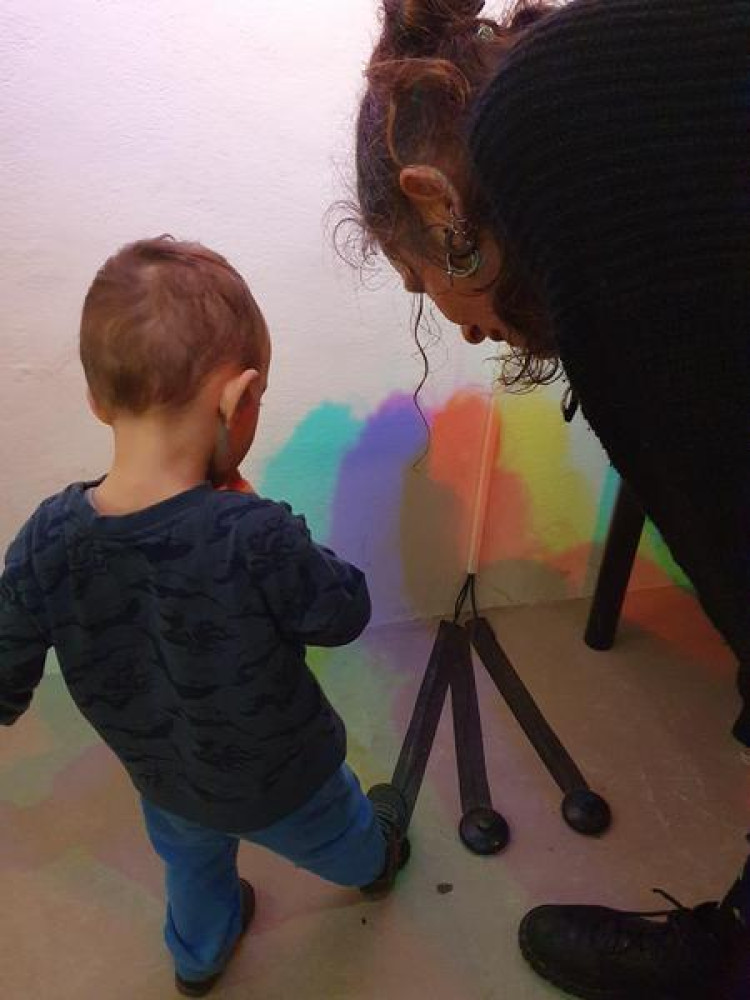
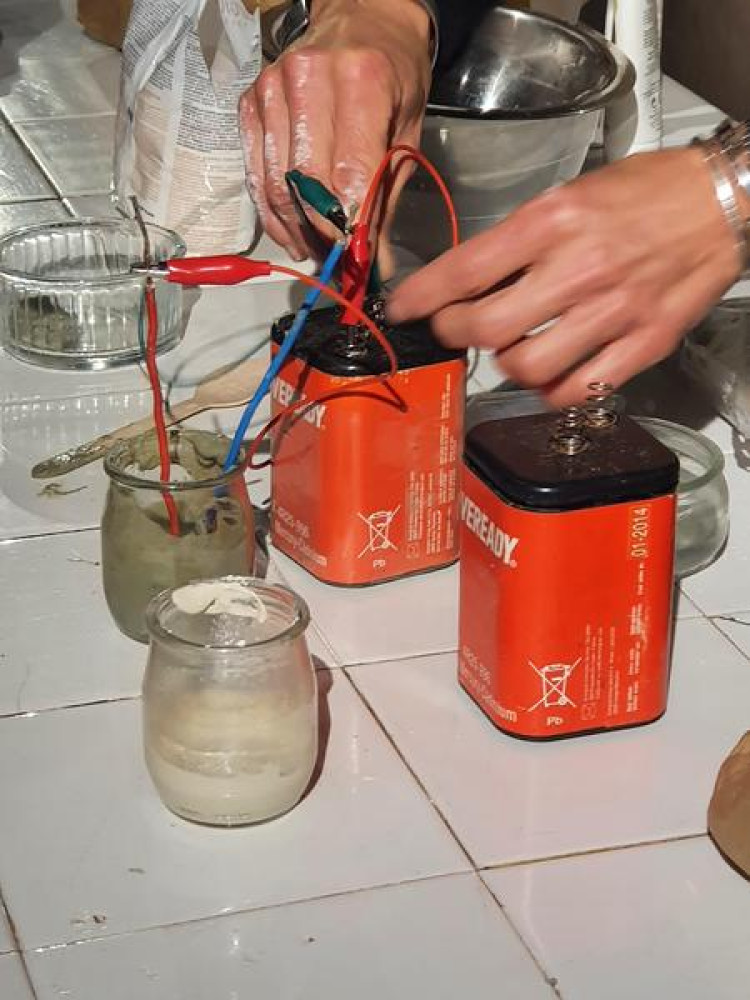
The tour route, completely renovated in 2014, is punctuated by new open-access workbenches: build a Volta cell, perform electrolysis or operate a fuel cell!
A video consultation area and a library are available to the public. A new mediation and exhibition room means you can visit the Chemistry Museum as and when it suits you.
Additional equipment: audioguide with Tellnoo application (free download from your smartphone).
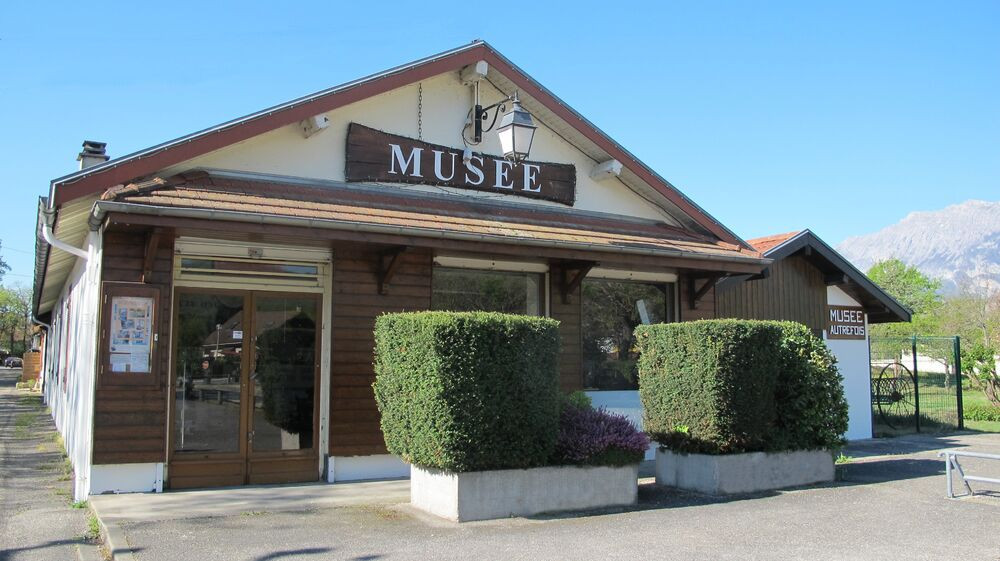
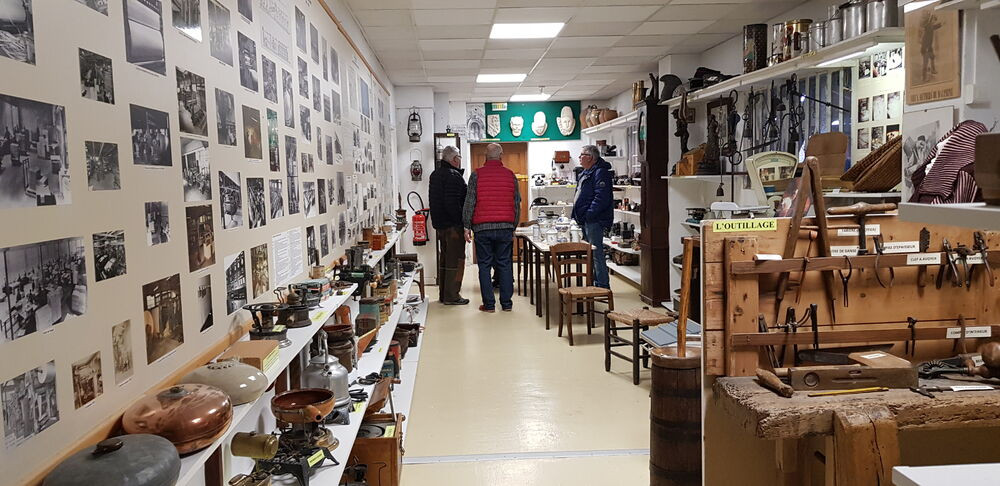
This fascinating museum, abundantly supplied by the inhabitants' gifts, is a rich testimony of the story of Champ sur Drac and the Navarre paper mill. A real industrial saga which cannot be dissociated from the village's story.The museum is situated in the heart of the Navarre working city, in the former retailer which had been built so as to answer to the workers' needs.
Among the many richness of the museum, one can see a cinema projector which dates back to 1914, tools which used to belong to several different building trades such as the leather trade, cobbling, gloves making, including the “main de fer” invented by Xavier Jouvin, as well as everyday life objects, craftsmanship, schools and the former associative life.
This fascinating museum, abundantly supplied by the inhabitants' gifts, is a rich testimony of the story of Champ sur Drac and the Navarre paper mill. A real industrial saga which cannot be dissociated from the village's story.
The museum is situated in the heart of the Navarre working city, in the former retailer which had been built so as to answer to the workers' needs.
Among the many richness of the museum, one can see a cinema projector which dates back to 1914, tools which used to belong to several different building trades such as the leather trade, cobbling, gloves making, including the “main de fer” invented by Xavier Jouvin, as well as everyday life objects, craftsmanship, schools and the former associative life .
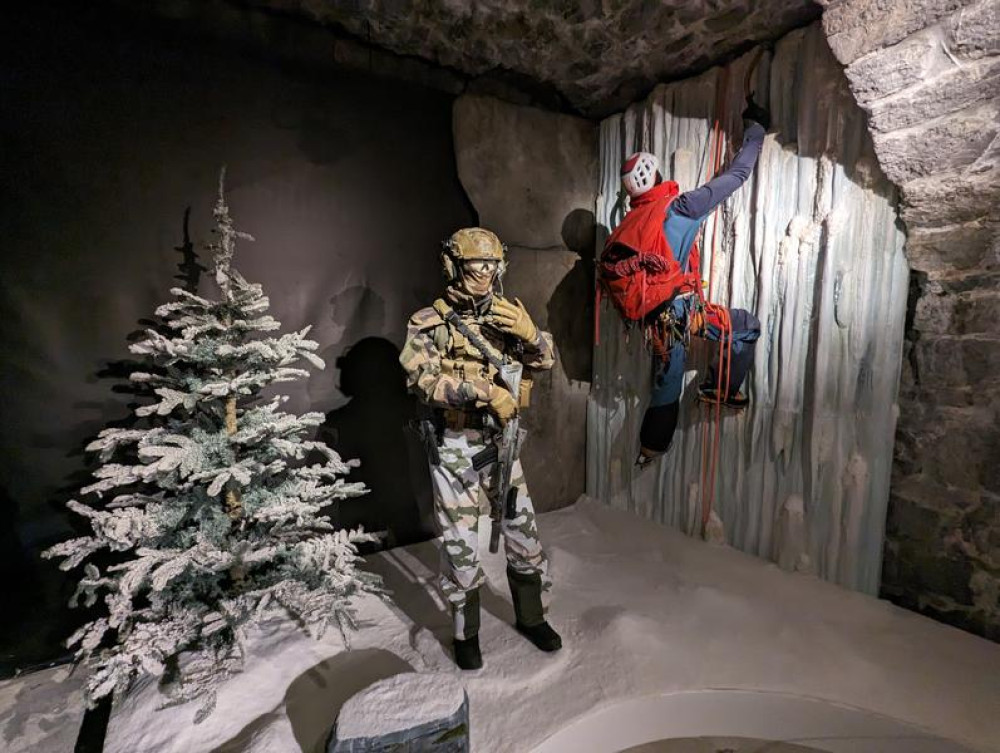
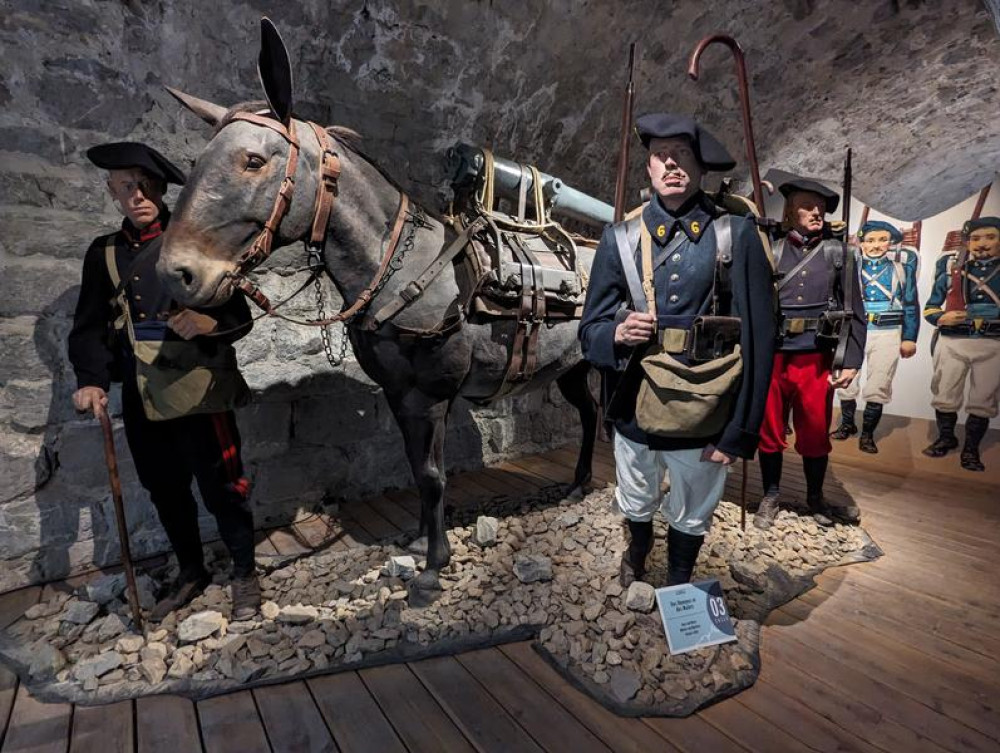
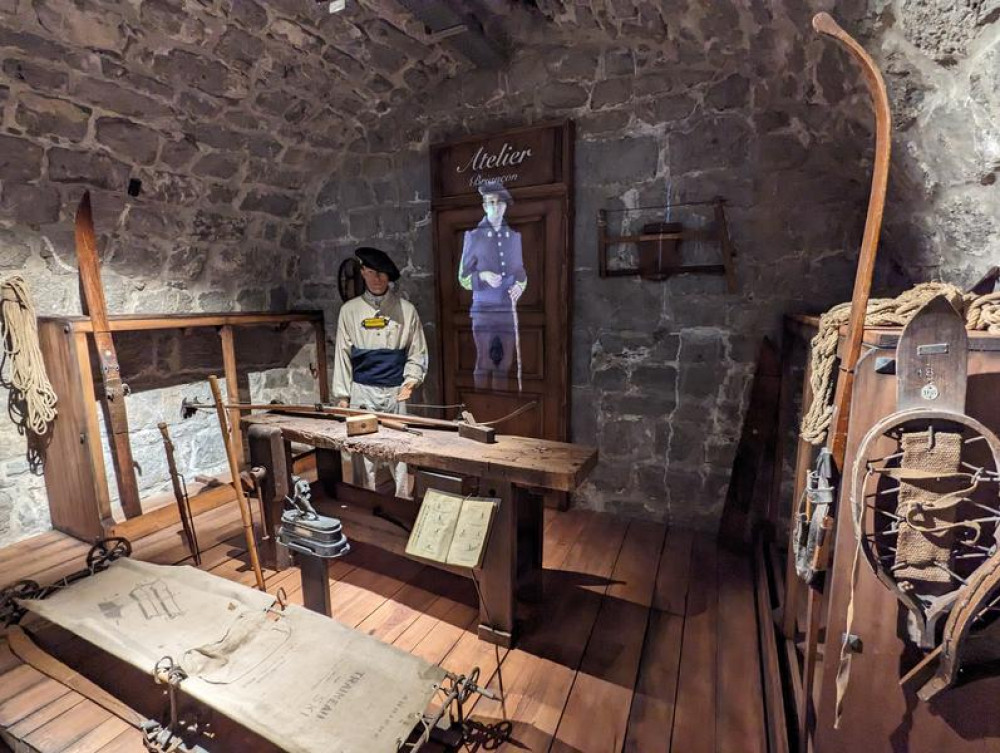
The public is invited to discover the history of mountain soldiers from their creation to the present day.Six thematic areas are presented: History of the Mountain Troops, Conquering and Surviving in the Mountains, Combat, Living in the Mountains and with the Local Population, Culture and Identity, and Alongside the Mountain Troops. Other themes are presented through temporary exhibits. They focus on the relationship between the military and civilian communities.
The Museum:
As part of the historic Bastille site, Isere's number one tourist attraction, the Mountain Troops Museum, targets a wide public and families in particular.
In a privileged setting, at the heart of an old fortress, the museum offers visitors an experience unique in France, which associates man and the mountain.
It is on this alliance that the Mountain Troops are based. A visit to the museum comes as a good complement to that of the Bastille site.
Overlooked by the Memorial to the Soldiers of the Mountain 200 metres above, this museum also reminds us that the history of the Bastille and of Grenoble itself is inextricably linked to that of the Mountain Troops.
The visit
Through its rich collection and innovative layout, the museum offers an attractive visit presenting the history of the Mountain Troops from its foundation to today.
Thanks to the audio guide, a multilingual voice will recount the story of this Alpine adventure.
The information is presented through a resolutely modern format, unlike that of most traditional military museums, and includes many exceptional objects.
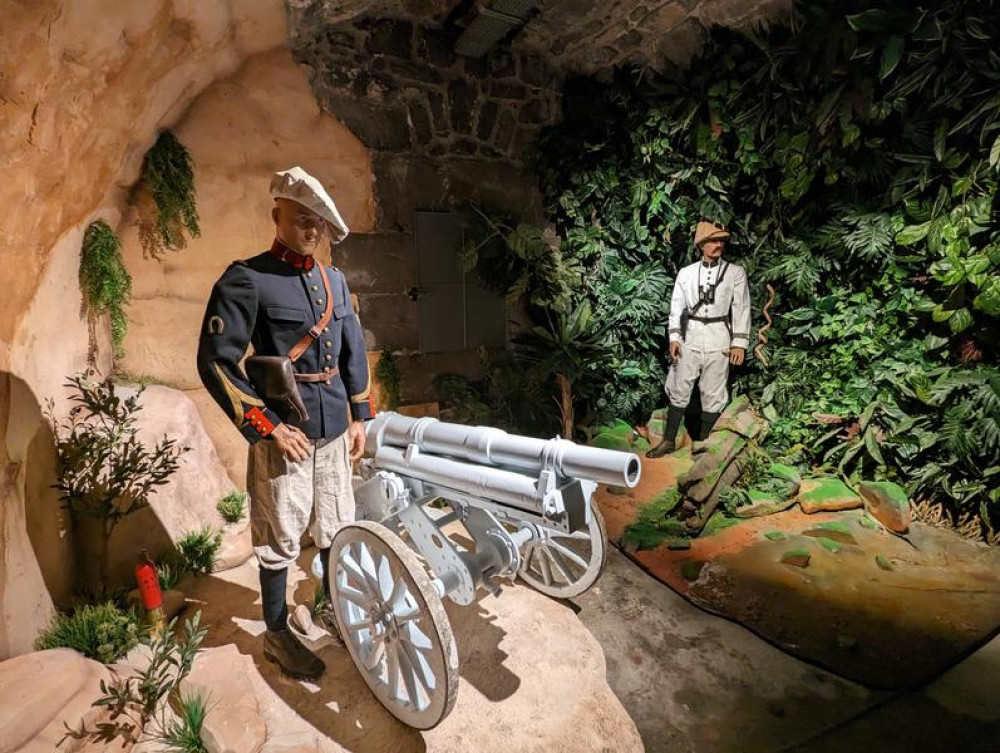
A spectacular and realistic scenography totally immerses the visitor in the epic of the mountain soldiers through life size recreations of poignant scenes of military life, such as a World War I trench or a room from the Maginot Line.
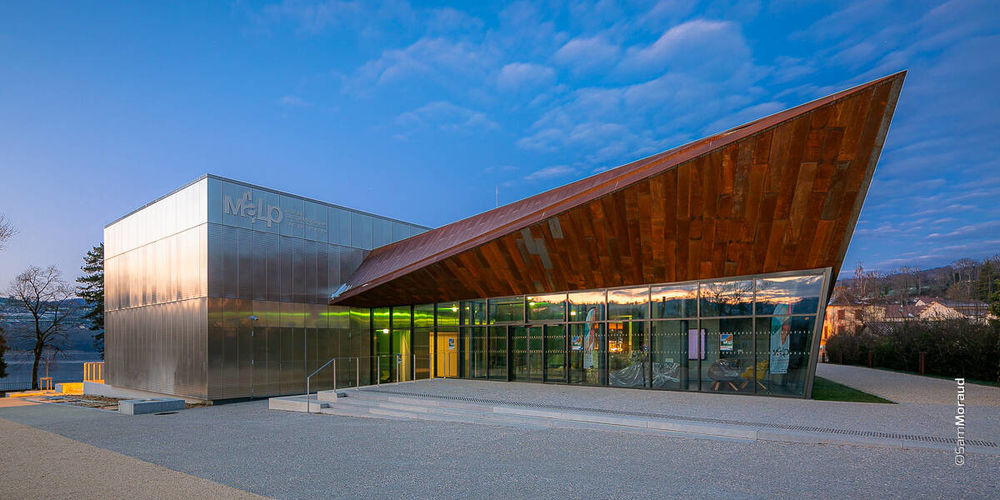
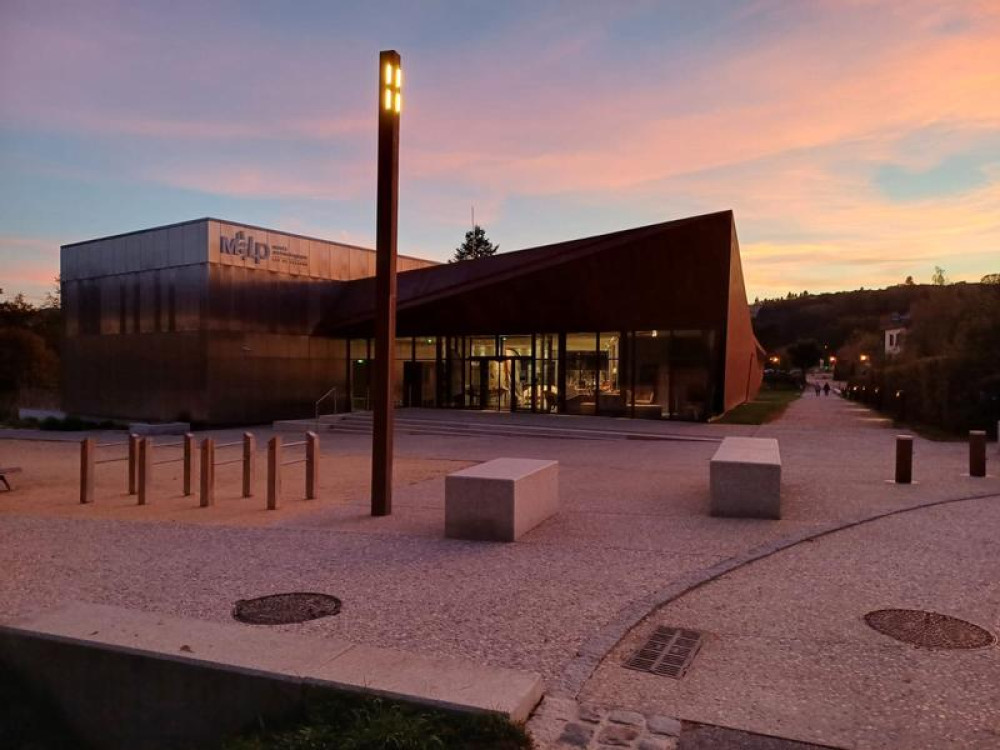
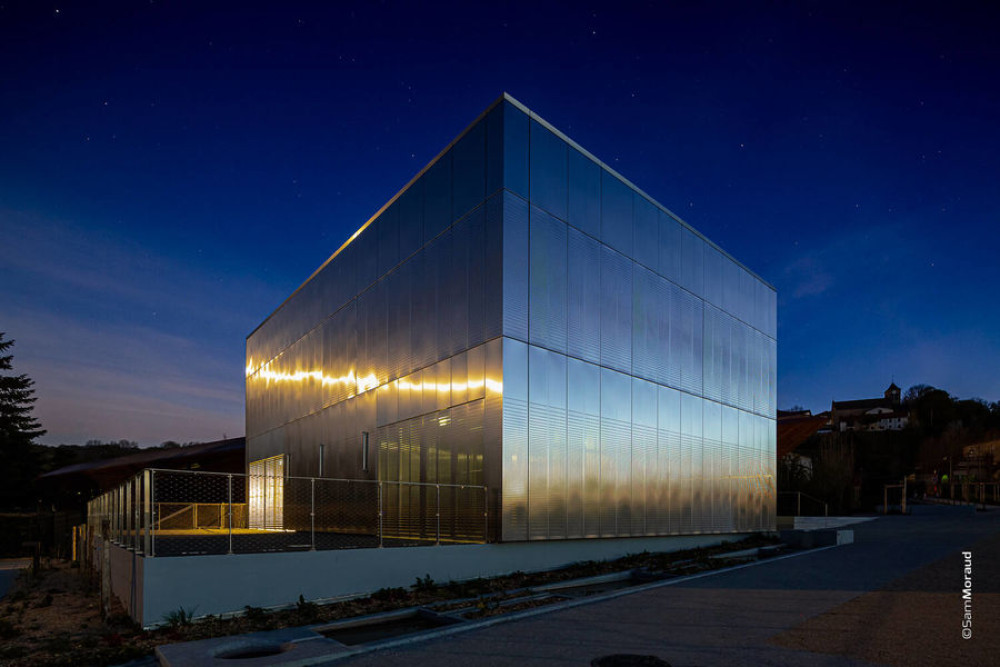
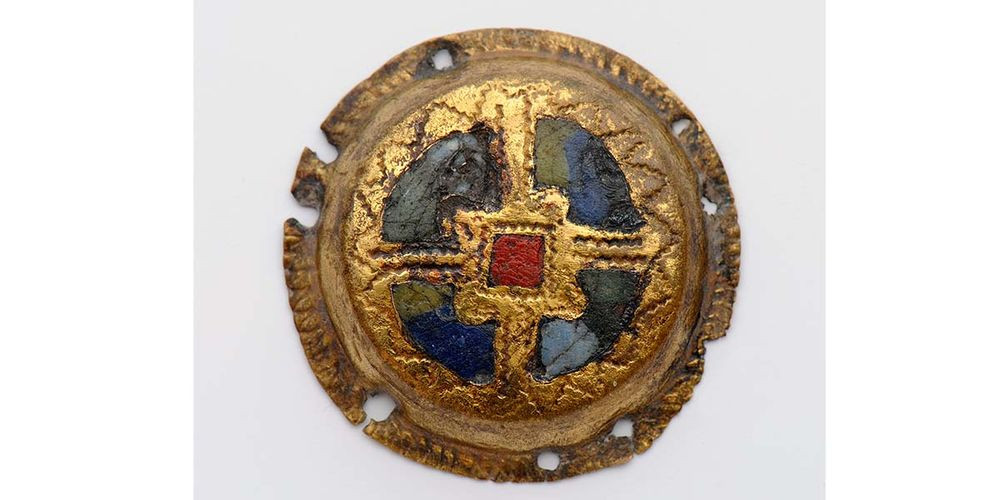
Welcome to MALP for a captivating time travel to the Neolithic and the year 1000. Through the exceptional remains discovered under the waters of the lake, meet the men who lived there so long ago.Thanks to its remains and many legends, Lake Paladru has always been able to feed the imagination of its visitors. It was only during the 19th century, with the discoveries of Ernest Chantre, and the 20th century, with the excavations of Hyppolite Müller, that the history of the first archaeological sites, which emerged from the waters of the lake, was revealed.
Over the years, the work of archaeologists escalated and became more specific. It was in 1972 that the archaeological sites of Lake Paladru received both national and international recognition. The lake soon became a site of experimentation for innovative excavation techniques, as well as a unique site in France, for the rarity of its findings.
The museum is a history of encounters, sharing, discoveries, secrets and ideas which intertwine in and around the lake. It is also a history of a village and its inhabitants, all of whom, in one way or another, have encountered the lake and its history.
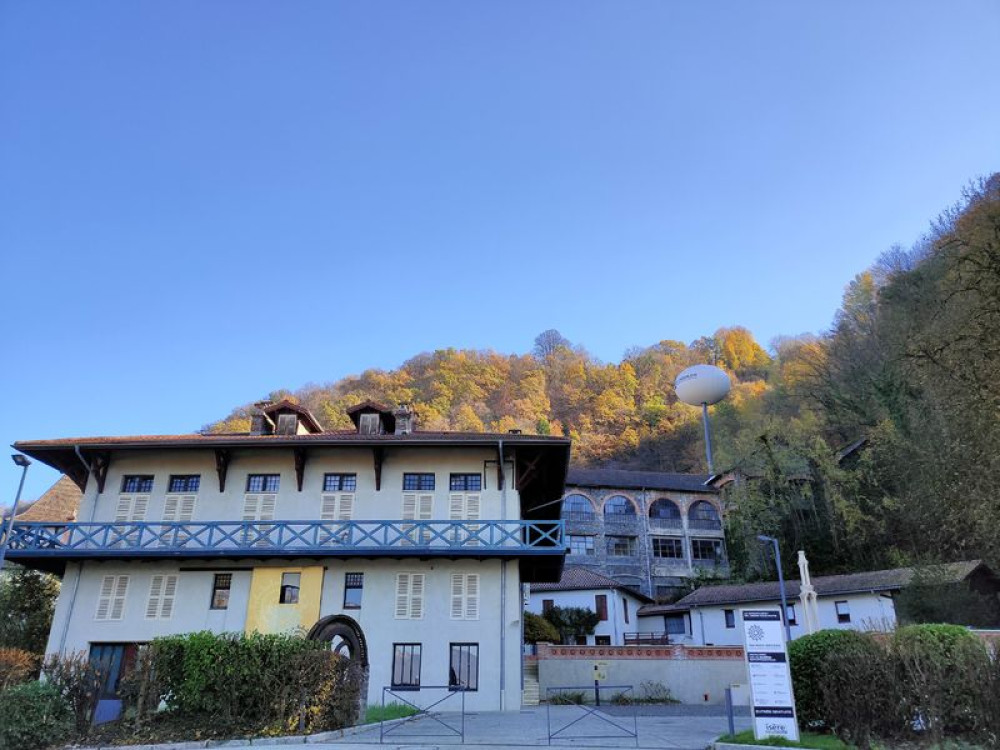
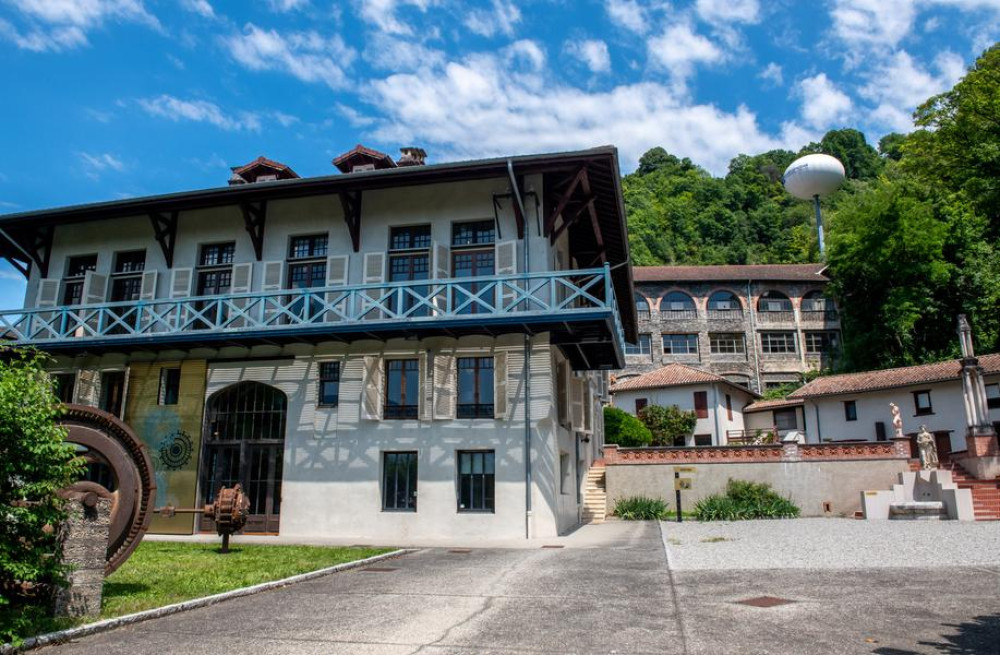
La Maison Bergès [the Bergès family home] - Museum of Hydroelectric Power, standing at the foot of the Belledonne Massif, is an exceptional cultural heritage site which transports visitors back in time to the advent of hydroelectric power.
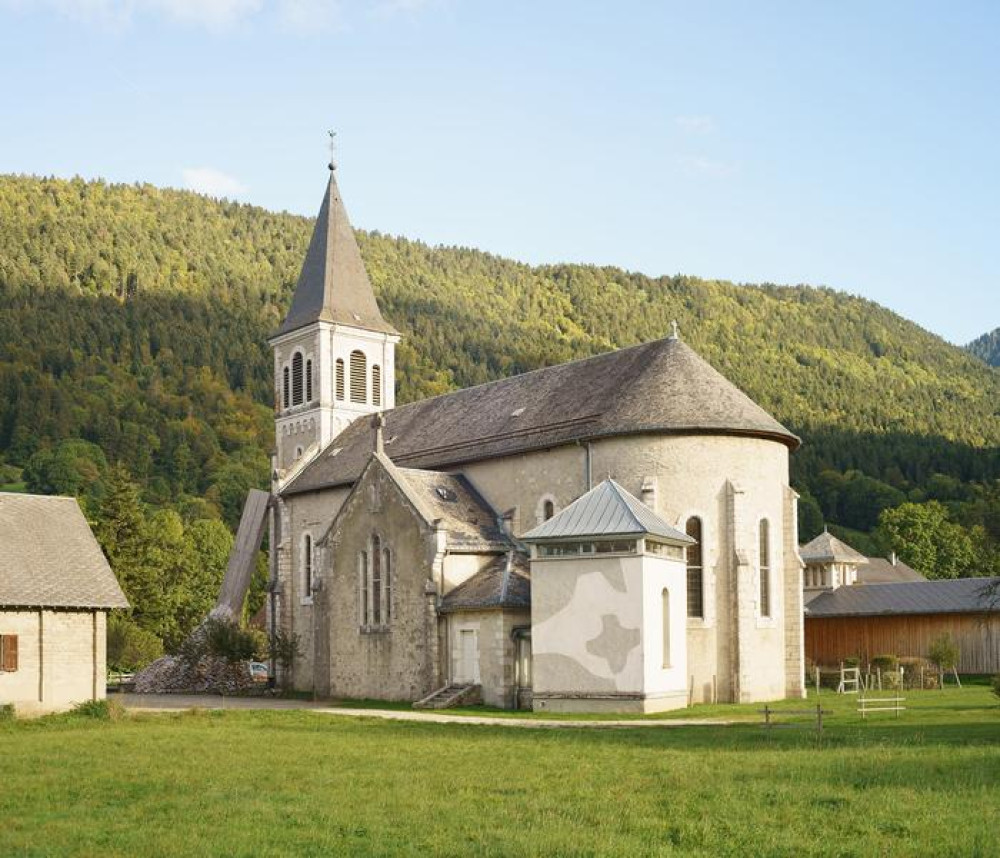
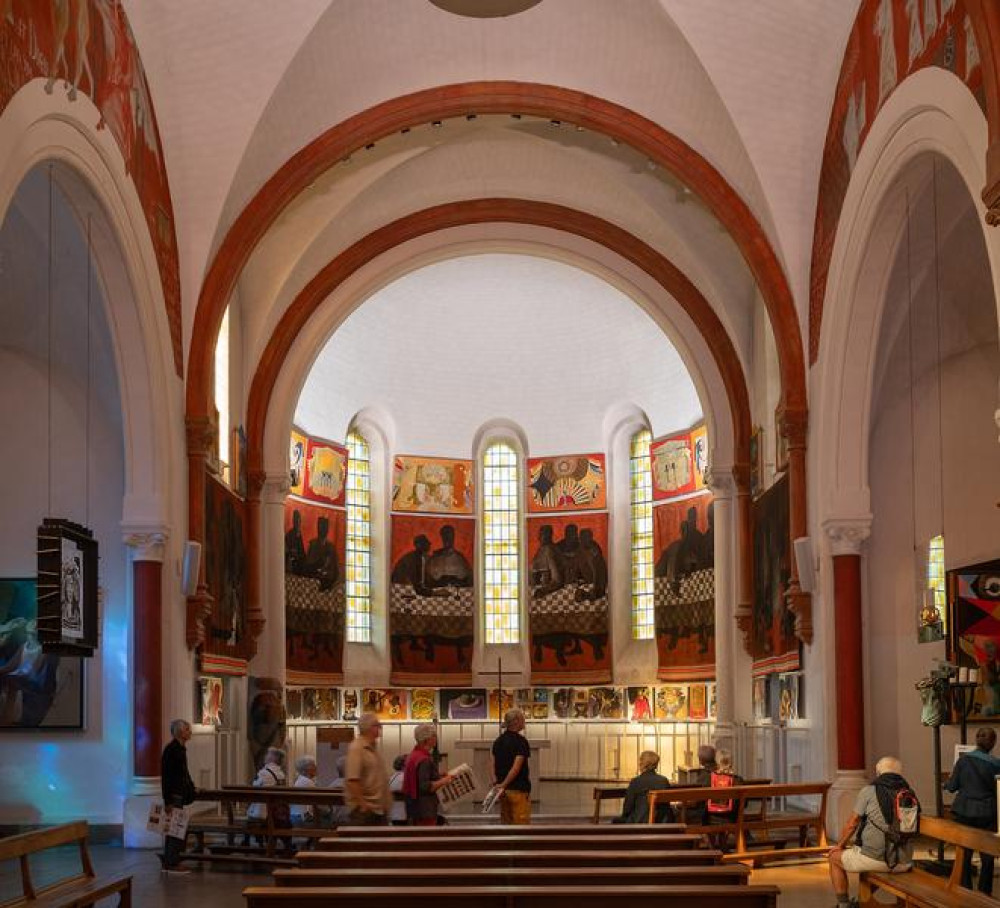
Conceived, designed and created by the artist Arcabas over a period of more than thirty years, this collection of one hundred and eleven paintings, stained glass windows, sculptures and furniture is one of the most accomplished examples of twentieth-century sacred art.Located in an exceptional setting in the heart of the Chartreuse Regional Nature Park, the museum offers visitors a unique experience of encounter with the world of the painter and sculptor Arcabas.
Nowadays, it's rare to see a building whose interior volume is so vigorously possessed by color. Subordinate to the initial volume, but deliberate in the development of its expression, it takes root on the structure of the vault and blossoms in symmetry around the perimeter of the central vessel.
You have to enter this small mountain church, built in 1860, far from the world, to get the shock of this colorful mass, solemnly ordered, becoming a fiery speech, which goes from exordium to narration to end in the conversation of sacred texts. Small in construction, it suddenly becomes large, thanks to a unity of tone that absorbs and includes the entire chromatic scale, and all the diversity of plastic proposals.
Intended, conceived and realized by a single artist, abandoned and then revived over the course of more than thirty years, this unique ensemble ranks as one of the most ardent and accomplished achievements of contemporary sacred art.
After several years spent searching for church walls to paint, where he could express himself and his faith through painting, Arcabas finally came across the modest church of Saint Hugues and its parish priest, Raymond Truffot, in February 1952. The church was undergoing roof and floor repairs. The mayor, confident in his priest, agreed to an artistic intervention inside the church, graciously offered by this unknown painter. It was the beginning of an adventure, but also of a friendship between an artist and a priest, who placed his unwavering trust in the twenty-five-year-old until his death. But little does anyone know that the adventure itself will last thirty-four years.
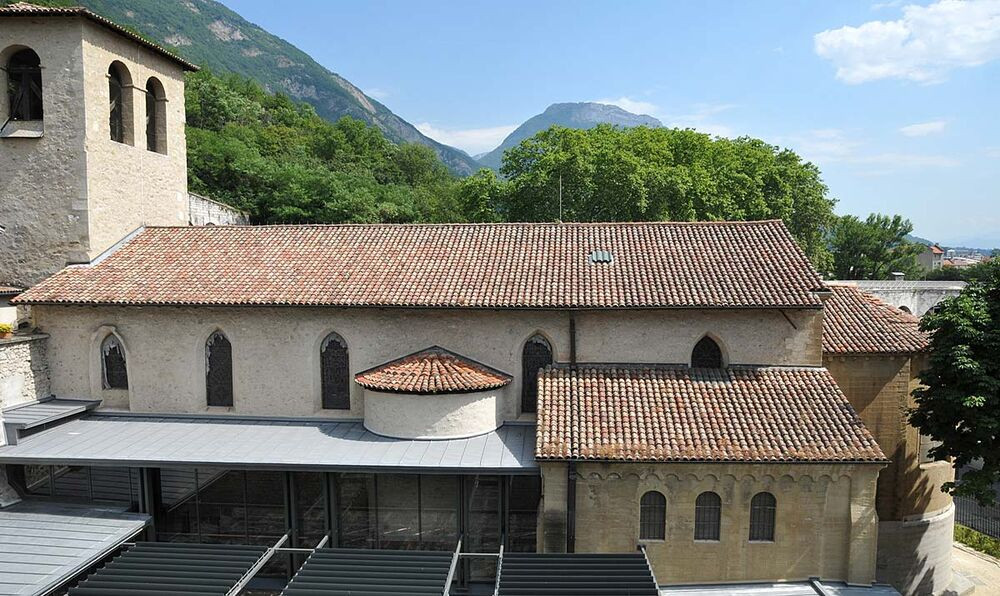
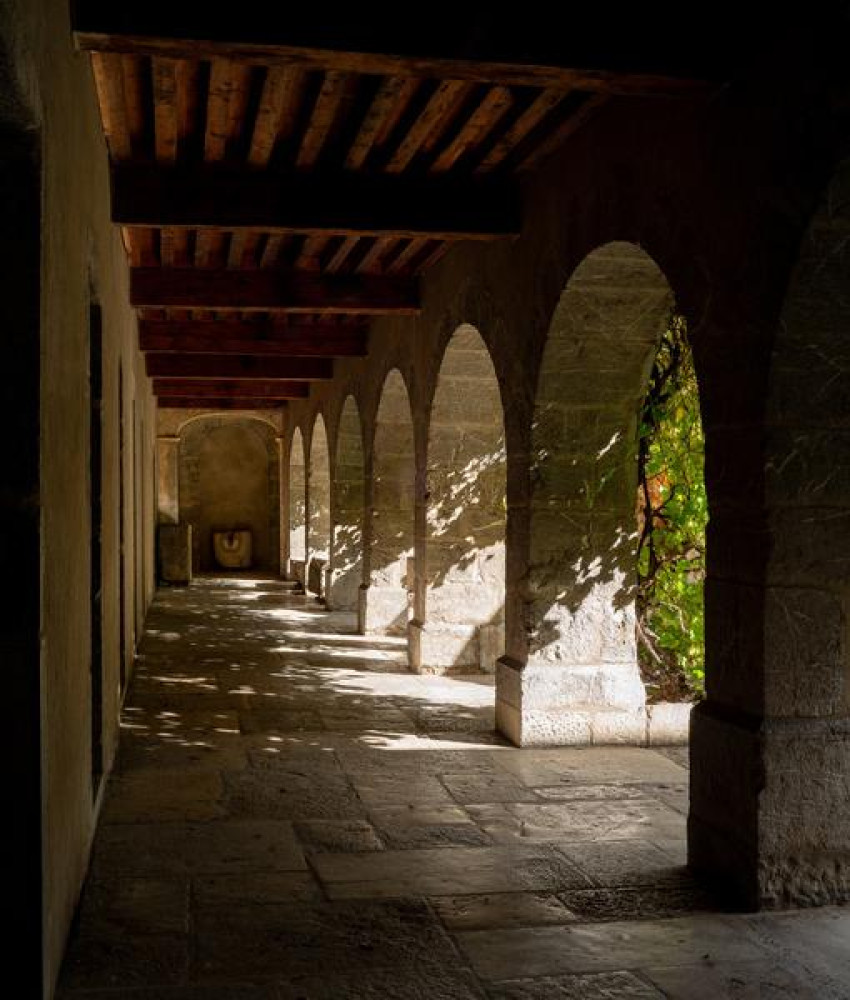
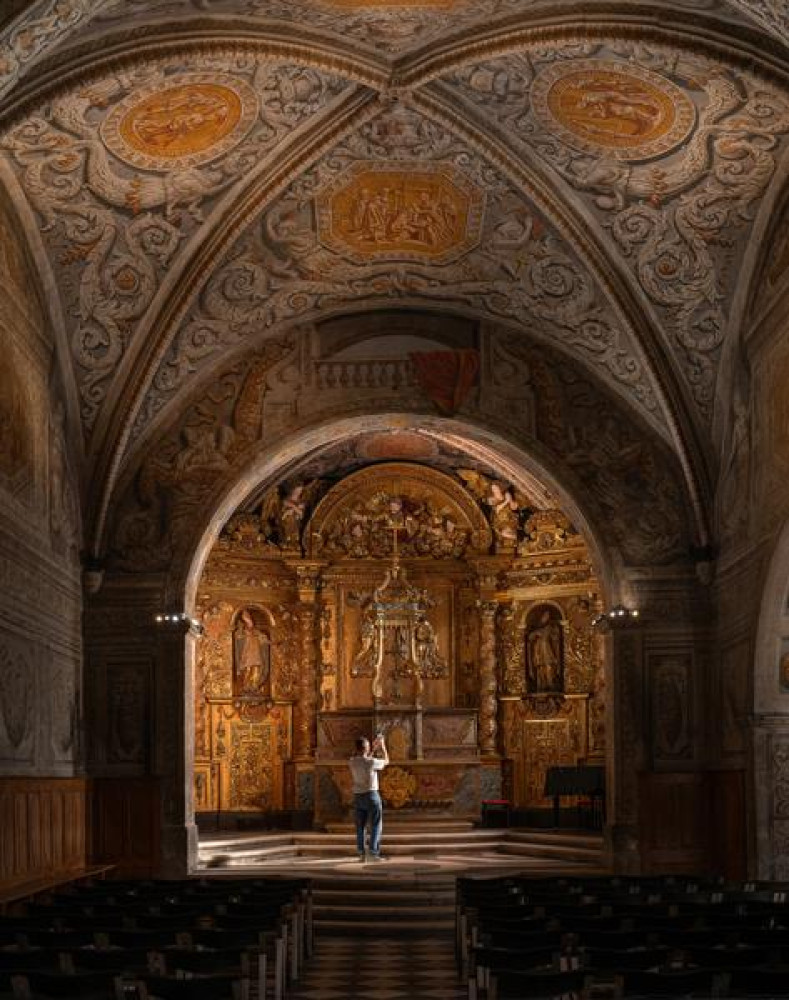
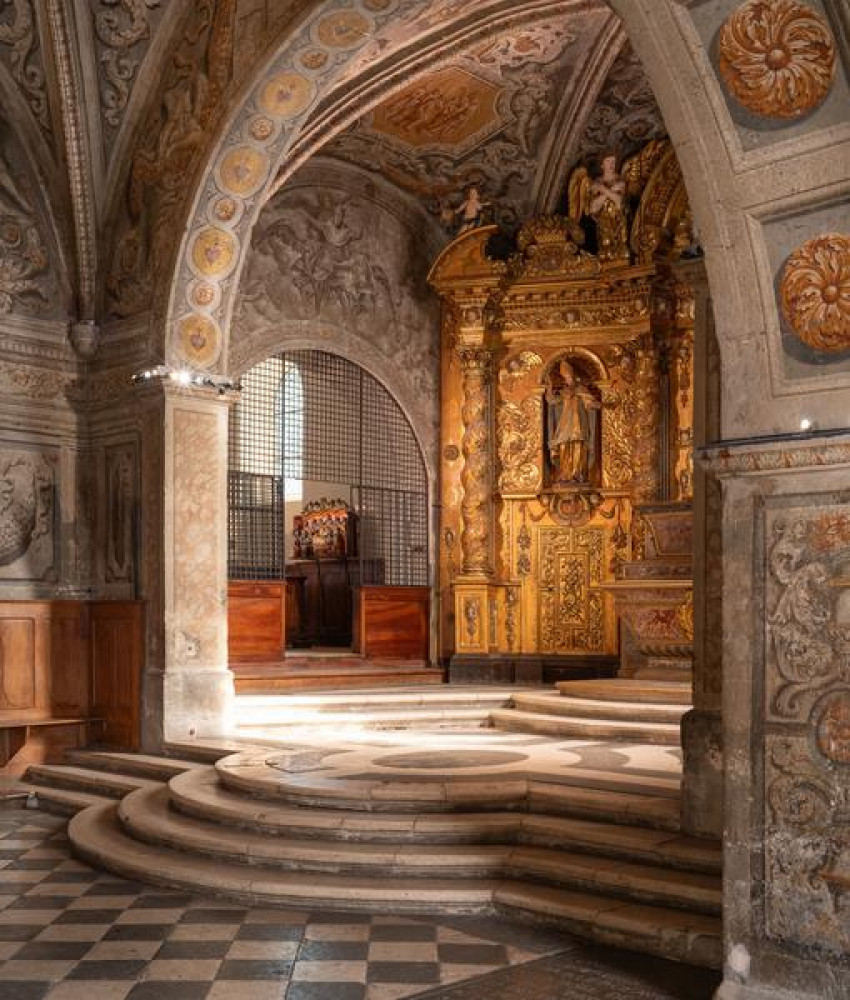
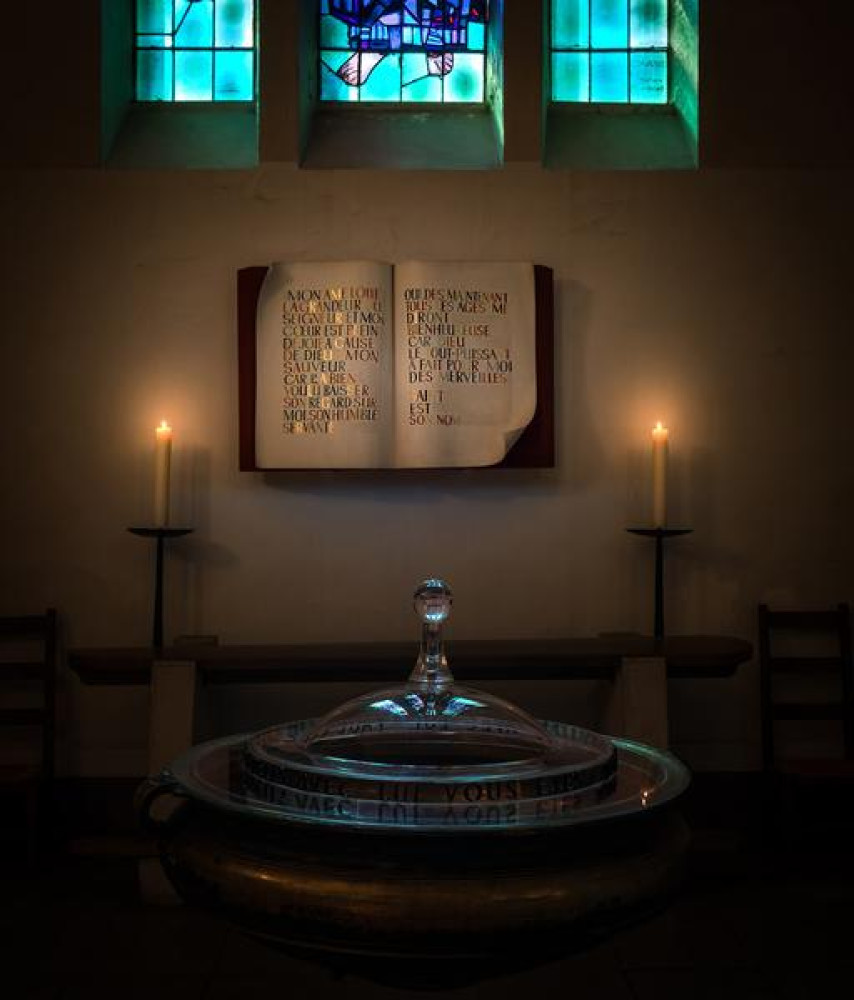
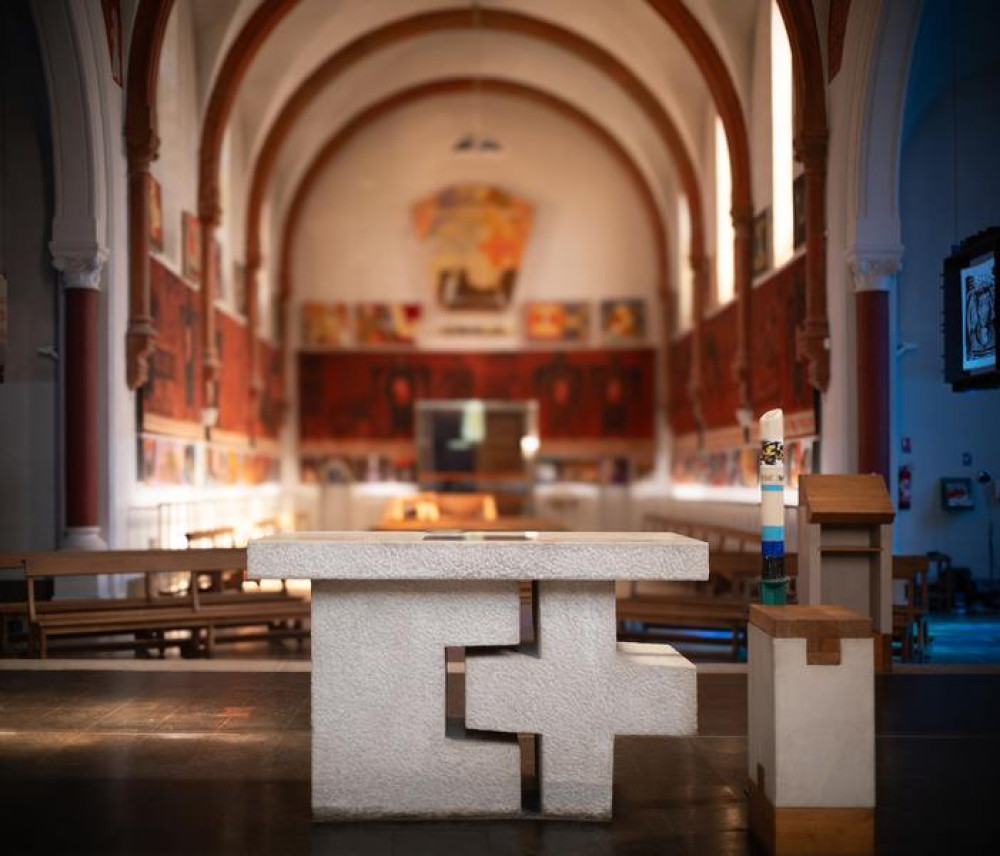
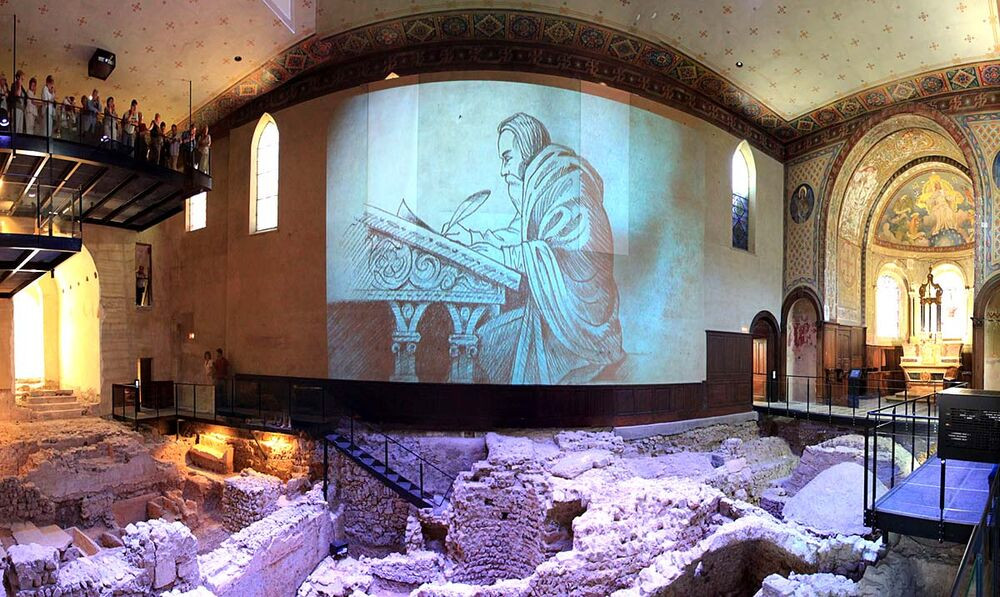
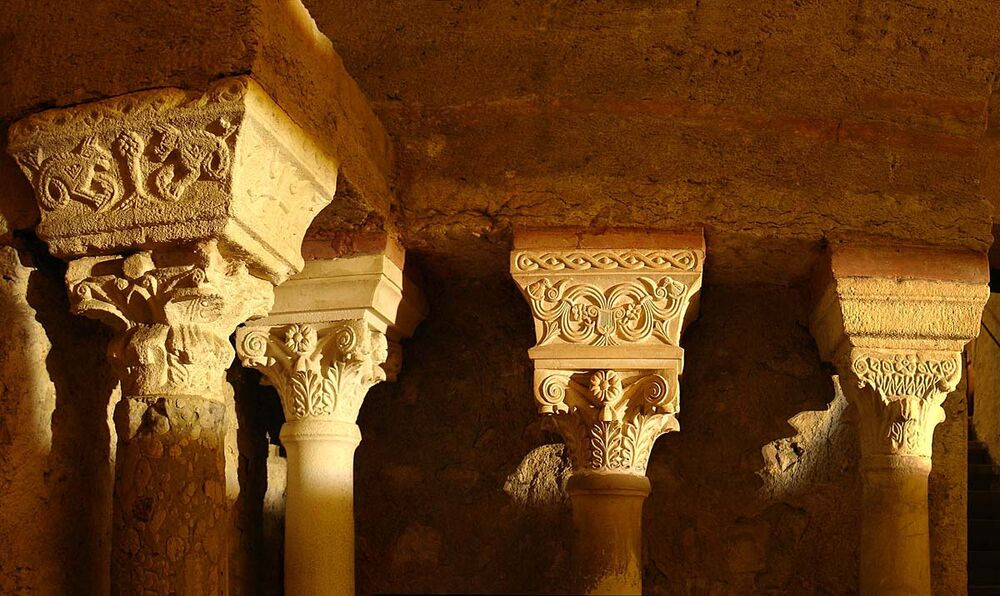
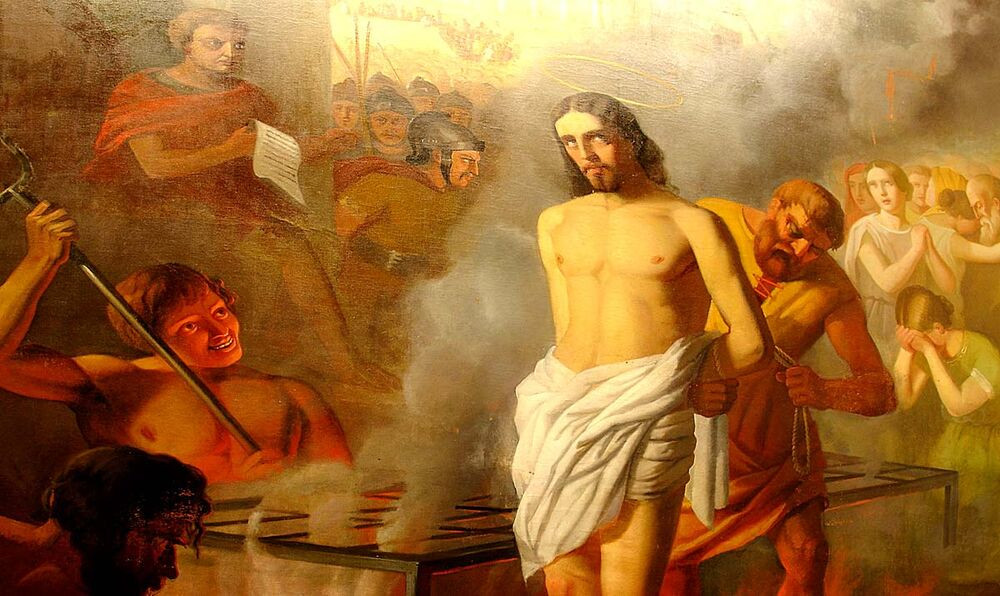
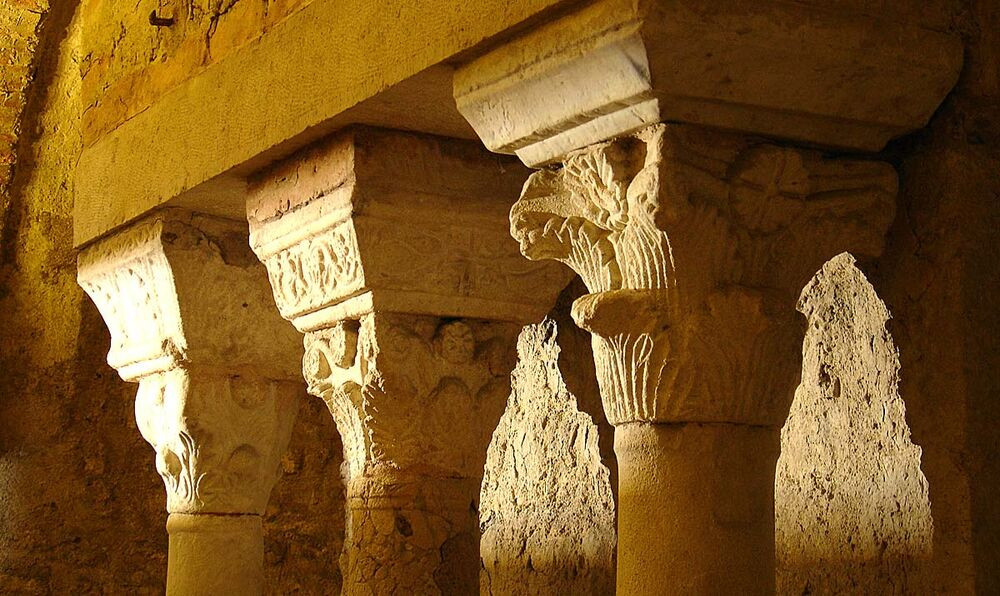
A rarity in Europe, this museum was installed in an old parish church. The structure was among the first to be classified as a Historic Monument of France. Its Merovingian-era crypt is a unique witness to the art and architecture of the very early Middle Ages.After much archeological research, the Saint Laurent archeological museum and church is getting a face lift in order to better welcome visitors. The works,is now finished with the construction of a visitor's path and the bringing of the site up to modern standards began in February 2009.
The site has earned a solid reputation, thanks in part to its sanctuary dating from the early Christian era (6th century) and its exceptional crypt. The renovation project strives to better exploit the site's historical and archeological wealth, which is classified as a Historic Monument of France.
1500 years of religious and funerary history have been uncovered. We can see the different construction phases: antique mausoleums, the Roman-style church and its Benedictine capitals, the Merovingian funeral basilica, and Carolingian church.
Where the cloister once stood, the relics uncovered by archeologists are protected by a glass and metal structure.
A collection of objects uncovered during the dig enriches the permanent exhibit, which for the first time, reveals the essential findings of 30 years of on-site research. This exhibit presents the key information concerning the urban, religious, and human history of Grenoble.
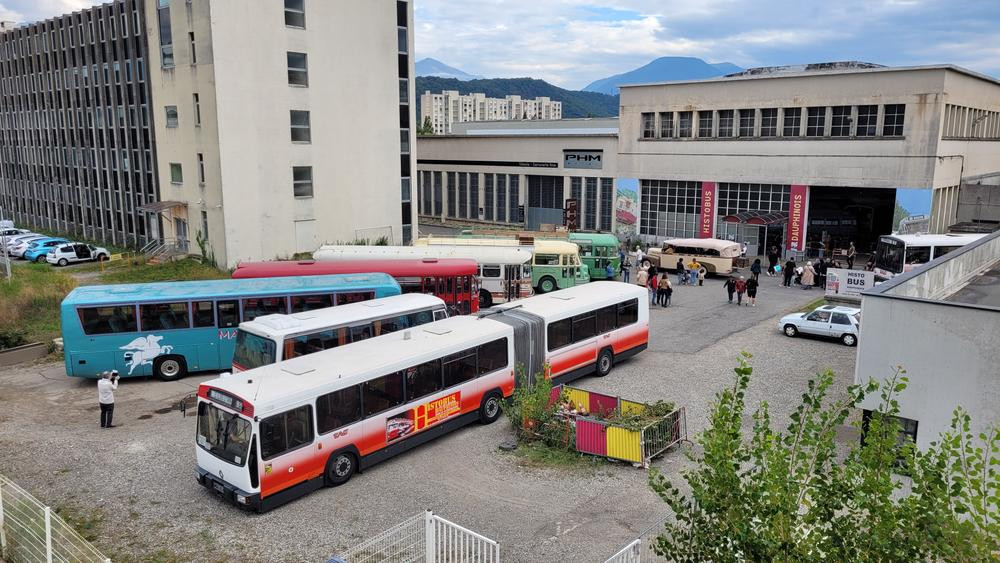
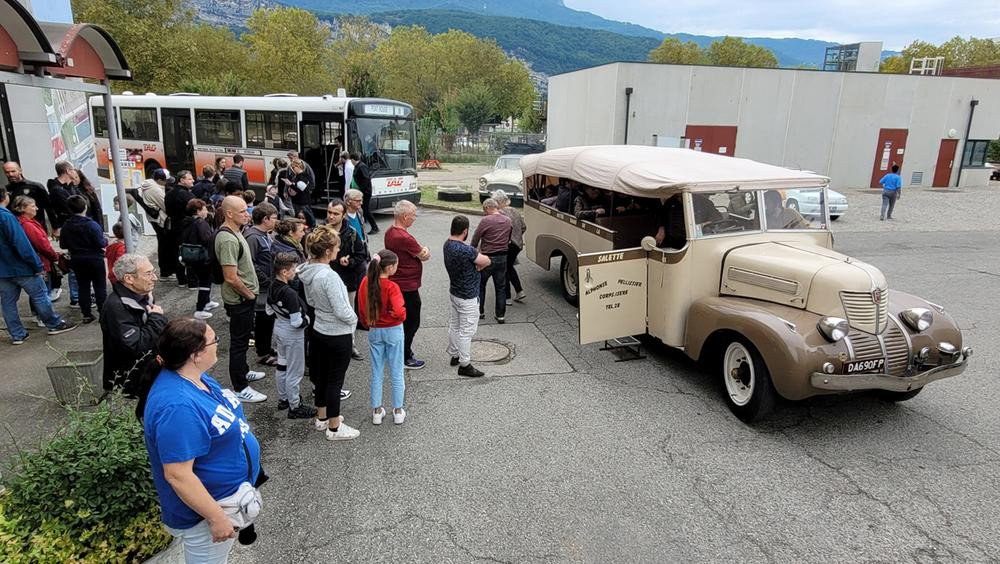
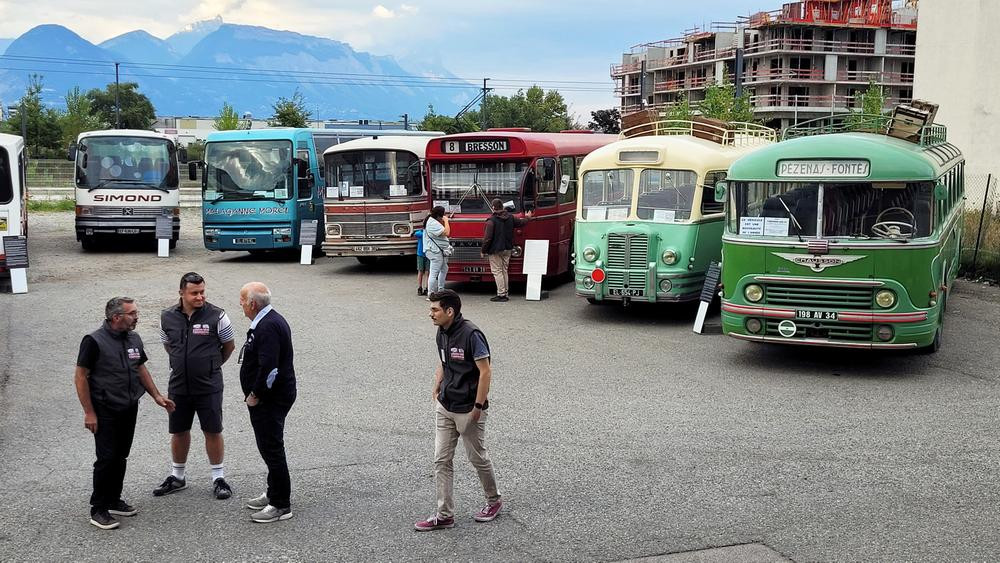
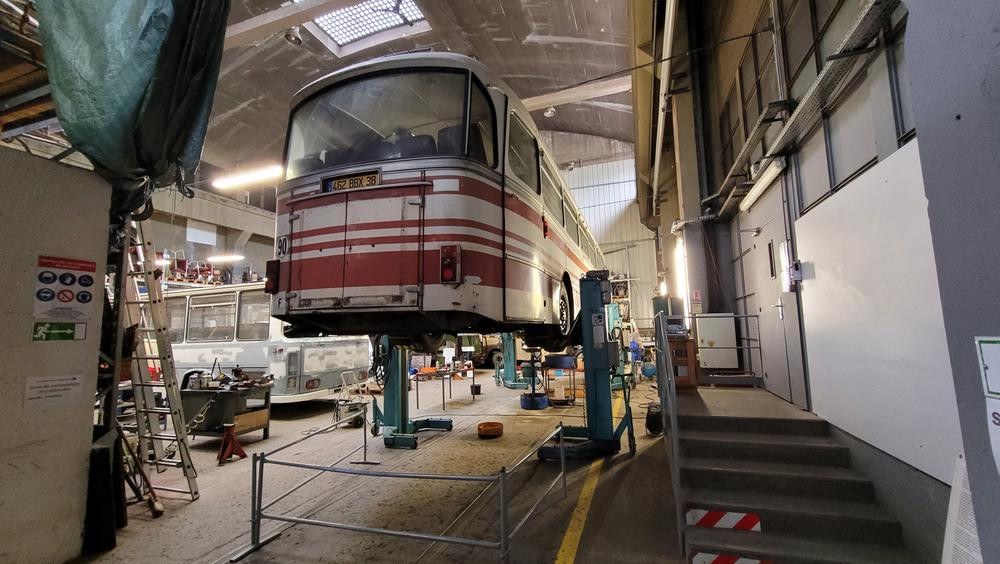
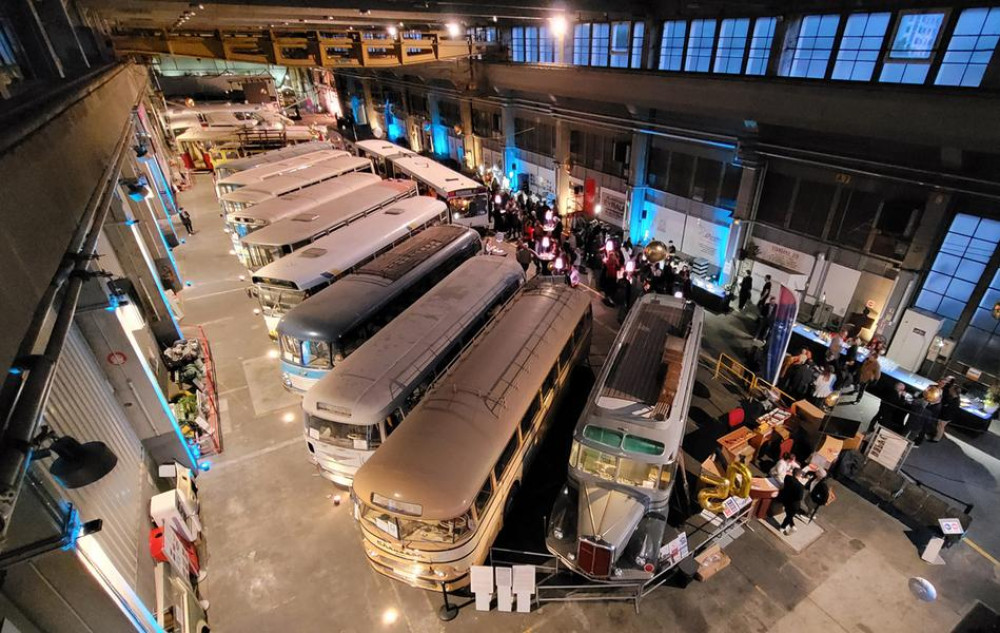
Through a collection of 40 vehicles: char-à-bancs, coaches, buses, articulated buses, midibuses, trolleybuses, diesel and electric engines and numerous accessories and posters, the museum presents our public transport from 1865 to 2020.Also on display is a 23 m-long model of the La Mure railway.
A ride in coaches and buses dating from the 1930s to the 1990s is possible during our museum's open days: Nuit Européenne des Musées / Musées en Fête en Isère (3rd weekend in May) and the Journées Européennes du Patrimoine (3rd weekend in September).
Relive the history of public transport in the Dauphiné!
This is one of the very first French sites devoted to streetcars, buses, trolleybuses and coaches.
The Espace Histo Bus Dauphinois features :
> 40 vehicles: char-à-bancs, coaches, buses, articulated buses, midibuses and trolleybuses that operated in the Grenoble region and Isère département between 1939 and 2020;
> Engines, gearboxes and mechanical components that have equipped vehicles since 1940;
> An area devoted to ancient and modern tramways, with models;
> A room dedicated to the Train de la Mure: a large model representing the line's characteristic sites, and a giant diorama of a locomotive;
> An evocation of regional manufacturers (Berliet, Saviem and Belle-Clot) and also of Cars Chausson (factories in the Paris region).
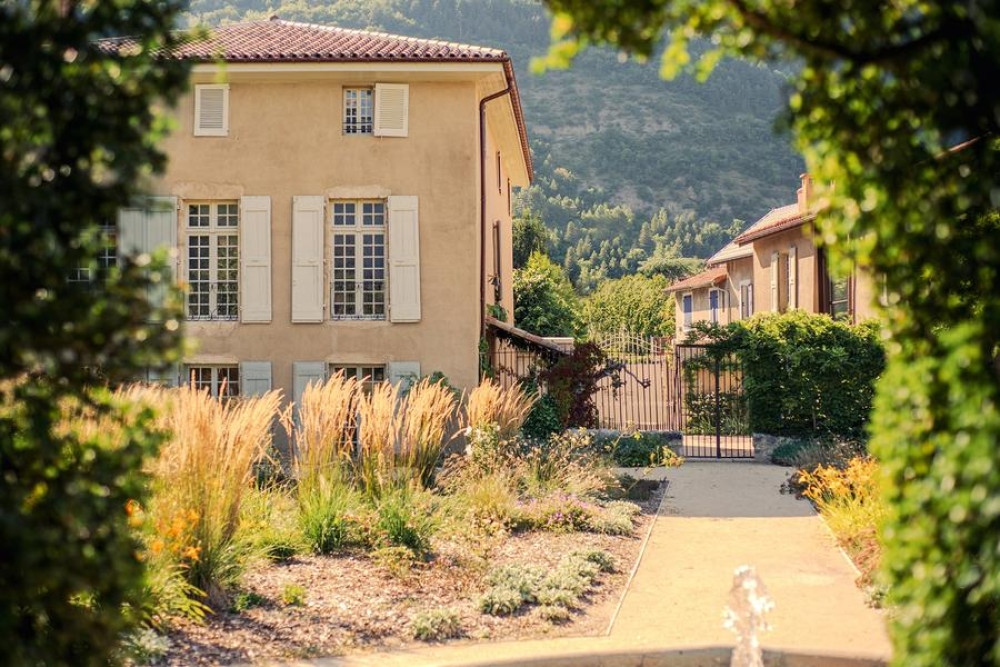
Located on the "Les Champollion" estate in Vif, the Musée Champollion is dedicated to the work of the two brothers and the birth of Egyptology. It is the 11th museum in the Isère department.The Musée Champollion is dedicated to the memory of the Champollion brothers: Jean-François (1790-1832), the Egyptologist, and Jacques-Joseph Champollion-Figeac (1778-1867), his elder brother, and to the birth of Egyptology. Protected as a Monument Historique, the property, acquired by the Département de l'Isère, bears witness to the Dauphiné sojourns of the two brothers. Everything about the place bears witness to their presence and keeps their memory alive: the shadows of the park they loved, the mansion and its interior decor, the furniture, objets d'art and personal effects of the two men, preserved by their descendants. In order to perpetuate the work of memory initiated by the family, the Département de l'Isère has undertaken an ambitious architectural, landscaping and museographic project to give this place of memory an influence worthy of the Champollion brothers. Labelled a Musée de France in 2020, it invites visitors on a journey from the banks of the Isère to the banks of the Nile.
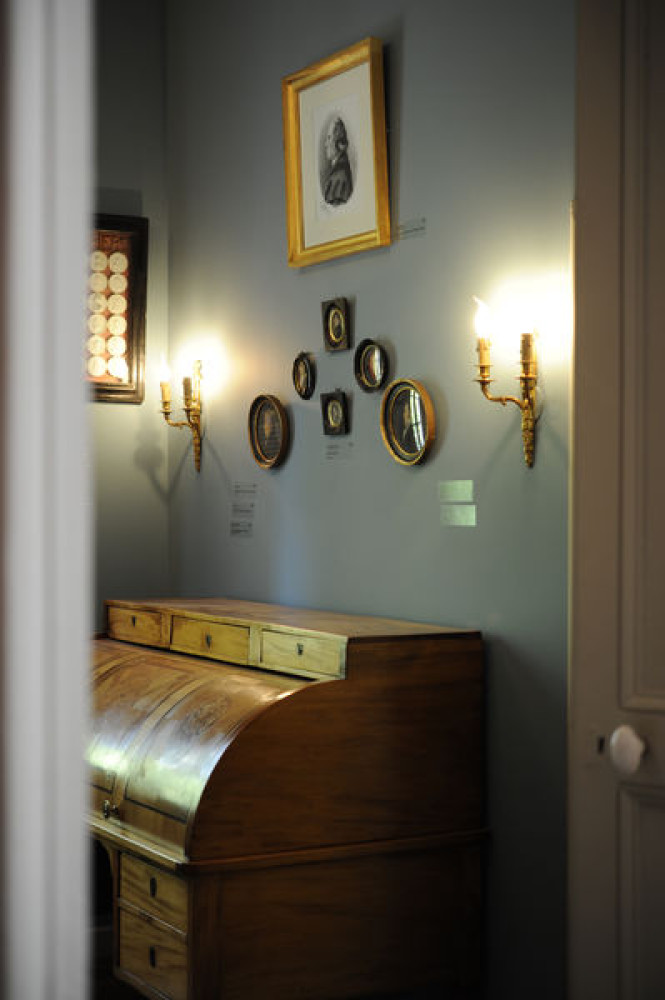
Inaugurated in 2012, the Musée Stendhal brings together the Gagnon apartment, Stendhal's native apartment, a historical itinerary in Grenoble's old town and the Stendhal collections of Study and Heritage Library.Inaugurated in 2012, the Musée Stendhal brings together the Gagnon apartment, Stendhal's birthplace apartment, a historical itinerary in Grenoble's old town and the Stendhal collections of Study and Heritage Library.
The Gagnon apartment
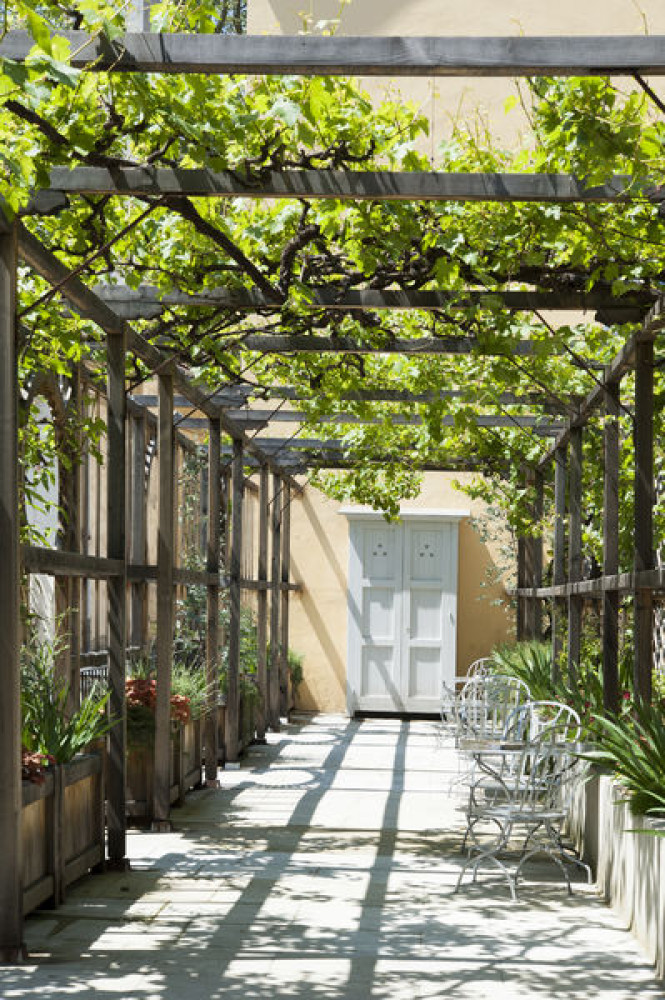
The apartment of Dr. Gagnon, Stendhal's maternal grandfather, is the cornerstone of the networked Stendhal Museum. Rehabilitated in 2012, its architectural design and museography bring to life for the general public the apartment in which the heart and mind of the future writer were awakened. The apartment includes the large Italian-style living room, the natural history cabinet, the study or "summer cabinet", the guest room, and the terrace with its oriental pergola, better known as "Stendhal's trellis".
Stendhal's native apartment
Accurately depicted by Stendhal himself in his autobiographical story Vie de Henry Brulard, Stendhal's native apartment was typical of 18th century bourgeois living and belonged to the family of Stendhal's father. For the young Henri Beyle, this place rhymed with happiness until the death of his mother Henriette in 1790, when he was just 7 years old. The apartment then became essentially a place of study, where the child was taught by his tutor, the austere Abbé Raillane. It was in the salon de compagnie, which overlooked Rue des Vieux-Jésuites, now Rue Jean-Jacques Rousseau, that the future Stendhal made his first literary attempts. Situated a stone's throw from Dr. Gagnon's apartment, the birthplace today houses the administrative and educational premises of the Stendhal Museum.
The historical itinerary
In Grenoble's historic center, discover the places that marked the life of the young Henri Beyle. A dozen of them are marked by bilingual French/English heritage plaques. This tour is an integral part of the networked Musée Stendhal.
Grenoble's Stendhalian heritage: richness and complementarity
The Musée Stendhal is a meeting place for the Stendhalian heritage preserved in Grenoble: the library's exceptional literary and documentary holdings, a collection of objects on Stendhal and his times, and the built heritage made up of the places Stendhal lived in, visited and described. These three collections are complementary and inseparable, and the history of their creation and preservation bears witness to the special attention Grenoble has paid to the writer for almost two centuries.
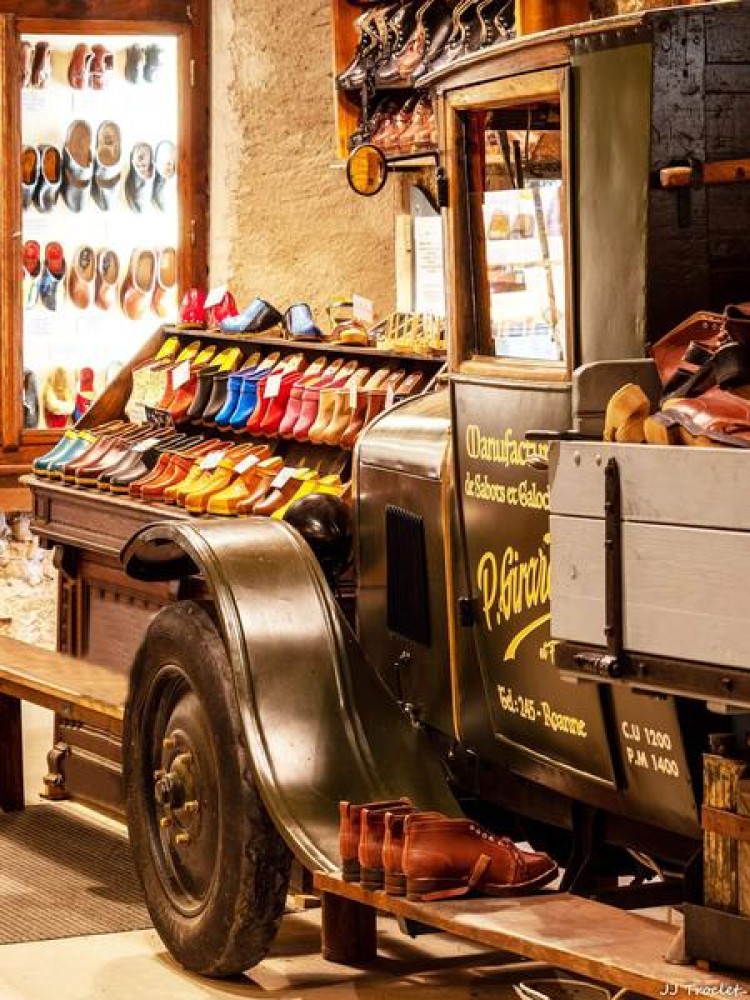
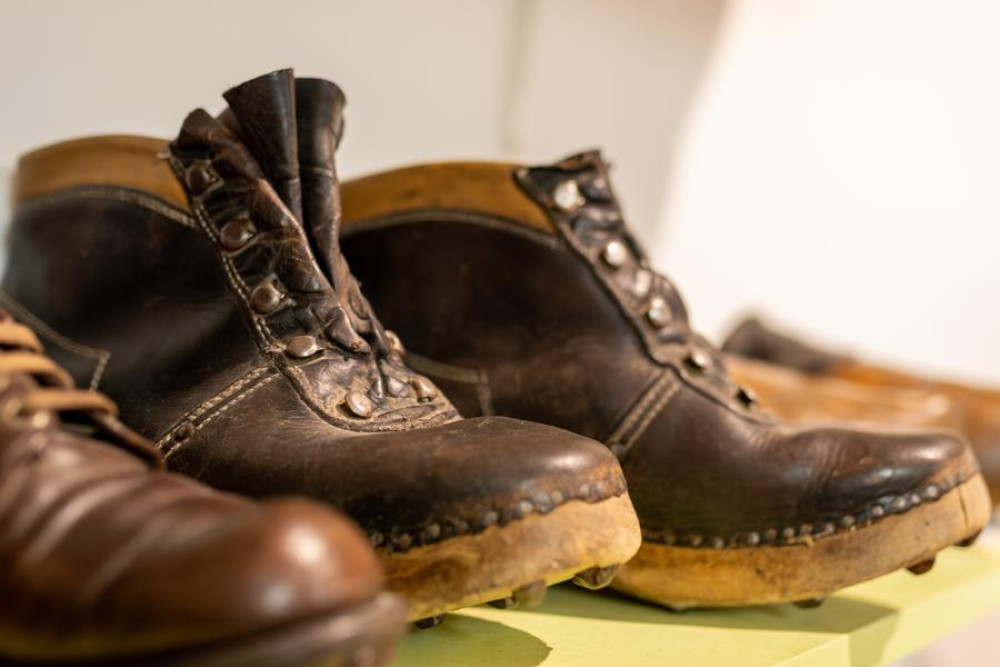
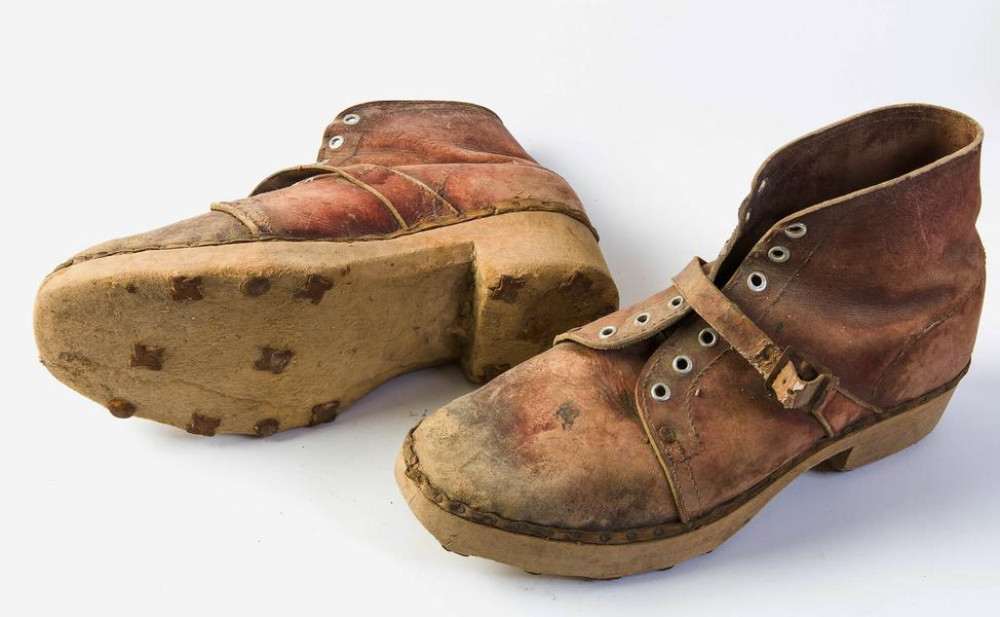
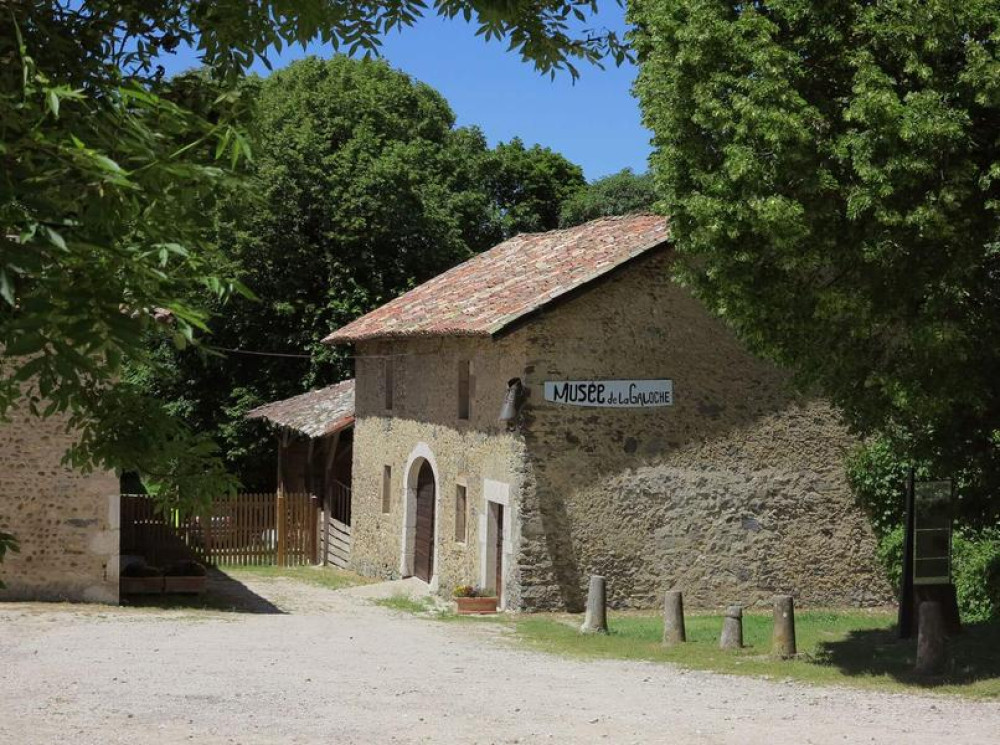
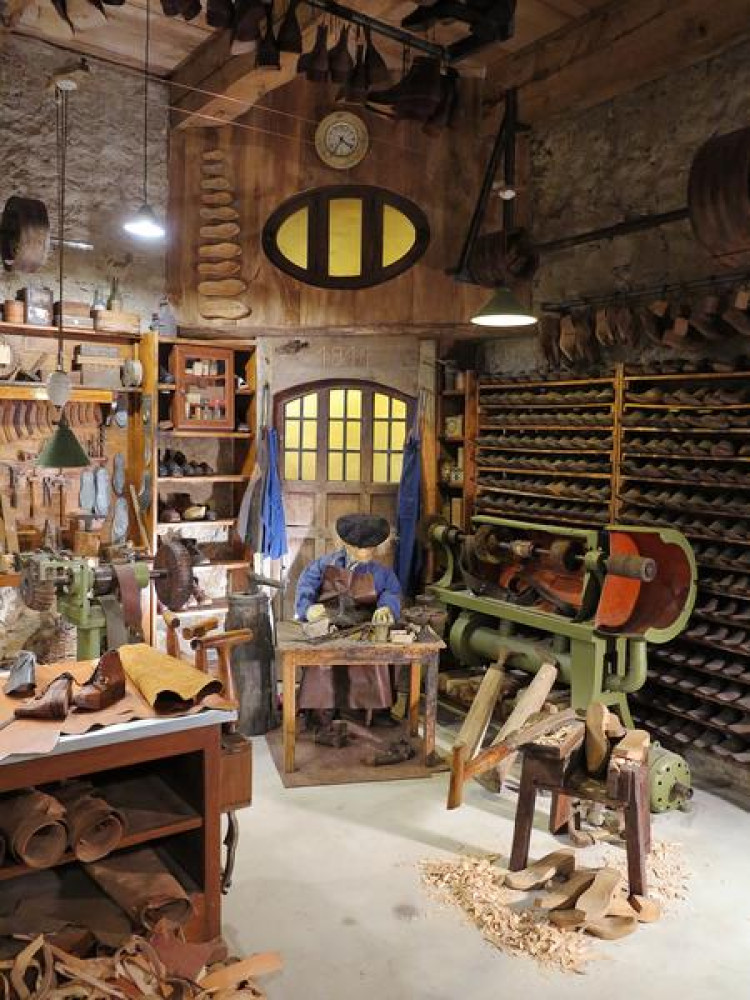
This museum retraces the History of the clog, a shoe made with a leather upper and a wooden sole.The clog, hoof's cousin... We often mistake one for the other, yet the difference is simple : the hoof is entirely shaped from a piece of wood, while the clog is composed of a wooden sole on which is nailed the upper part, the "Tige", made of leather. The clog, disregarded in most shoe museums, is highlighted in Isère in the only place entirely dedicated to it in France : the Clog museum.
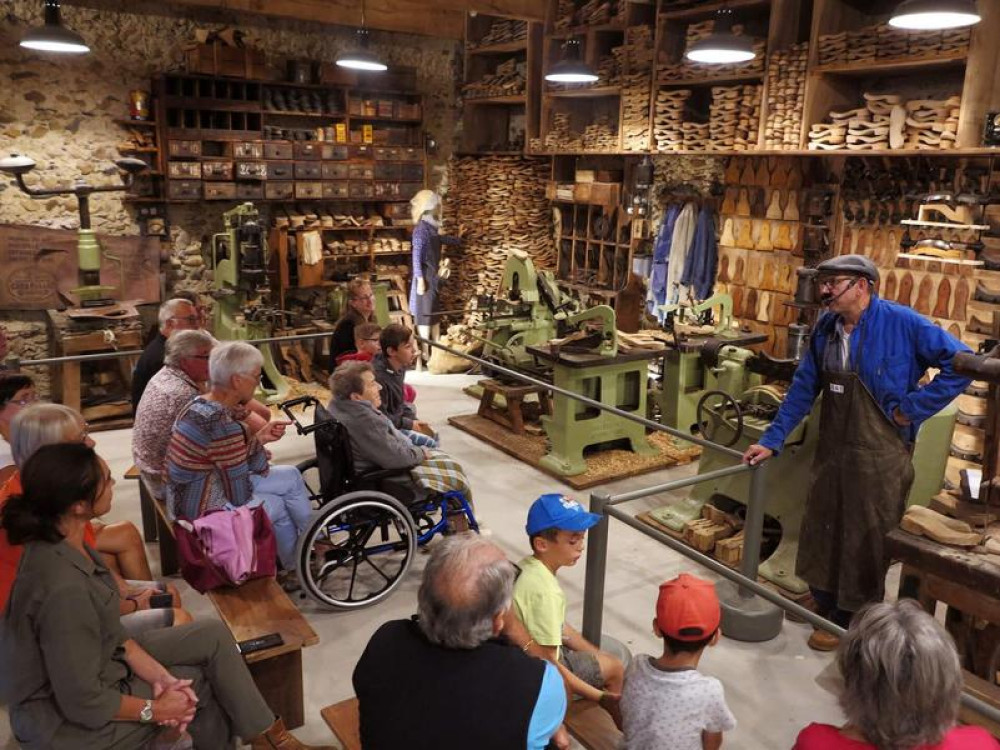
Great by the evocative power, this summary of heritage carries the memory of the clog's industrial activity. This museum is a place of memory, with the identical reconstruction of the workshop of a galochier (persons who makes clogs), which makes it a unique site in France. This workshop takes the visitor back in time. Leather coupons, wooden soles, laces, nails, sewing machine, grooving lathe, coal stove ... with of course a multitude of models of galoshes. Hundreds of tools arranged according to the stages of the confection, everything is there, as if the galochier was going to cross the door to get back to work.
Visitors can feel the old atmosphere through this warm and out of time workshop. An exceptional visit and a rare moment in a wonderful heritage that pays a moving tribute to our ancestors.
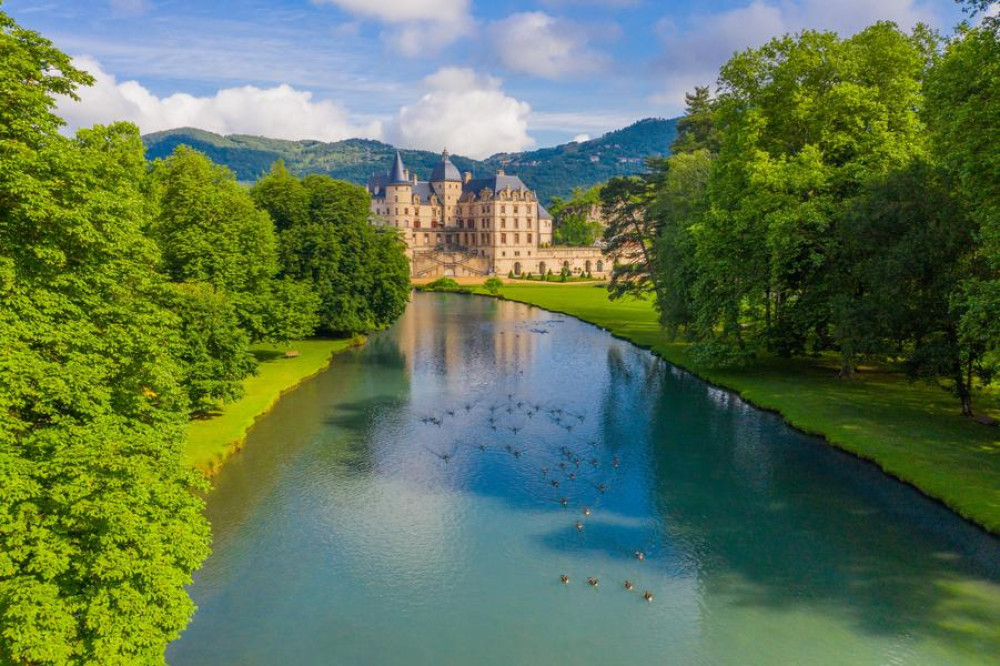
The castle shelters the museum of the French Revolution since 1984. The collections gather pieces of art such as paintings, drawings, sculptures and engravings.On July 21st 1788, the castle of Vizille entered History. The Etats Généraux of the Dauphiné meeting which had been forbade by Grenoble authorities had been thus sheltered by Claude Perrier. Seduced by the liberal ideas, his castle sheltered this meeting. 187 members of the Tiers Etats, 49 clergymen and 159 noblemen deliberated during 16 hours. In demanding the meeting of the Etats généraux this event is considered to have triggered the Revolution. The Salle du jeu de paume which was the witness of this event have burnt during the fire of 1865. Its implantation is now symbolised by a terrace planted with trees at the entrance of the museum.
The castle shelters the museum of the French Revolution since 1984. The collections gather pieces of art such as paintings, drawings, sculptures and engravings. One can see figurative piece of art too such as English and French ceramics, tapestries, materials and furniture. But one can also find French and foreign historical pieces such as (stones of the Bastille, swords of the National Guard) dating from the Ancien Régime to the 3rd Republic.
The museum recalls the French Revolution as well as the artistic creation and cultural transformations all around Europe, from the times of the Lumières to Romanticism.
The museum offers to the public an original approach of this period and its myth through evocative pieces which are replaced in their context.
The museum is opened every day except on Tuesdays, from 10 a.m. to 12.30 p.m. And from 1.30 p.m. to 6p.m. from April till October and from 10 a.m to 12.30 p.m and from 1.30 p.m. To 5 p.m from November till March. Closed on public holidays from November till March and on the May 1st . Free entrance and possibility of audio guide .

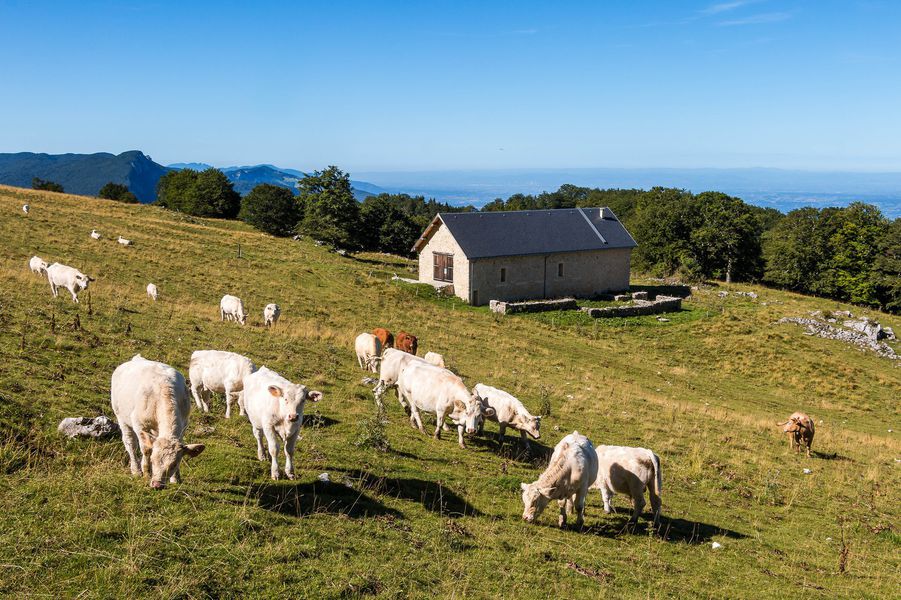
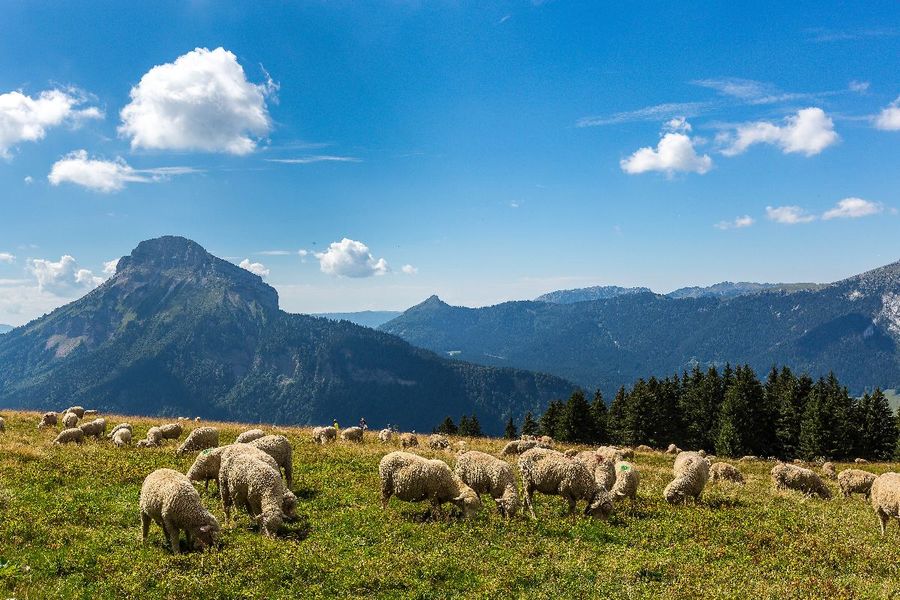
La Moliere at 1,632m high is an alpine pasture where hundreds of heifers graze every summer. La Molière is a pleasant place to play in the forest or on the ridges with superb views of the Alps.
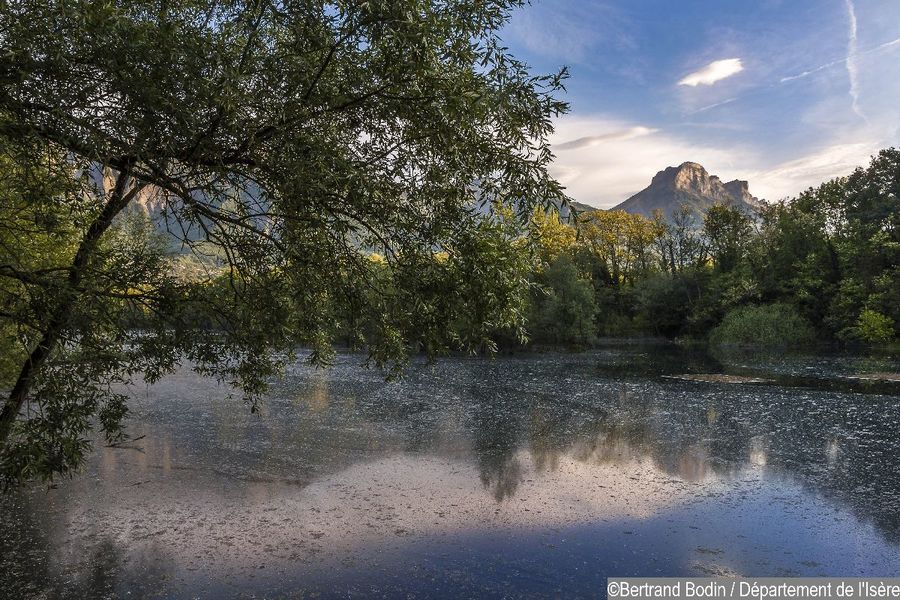
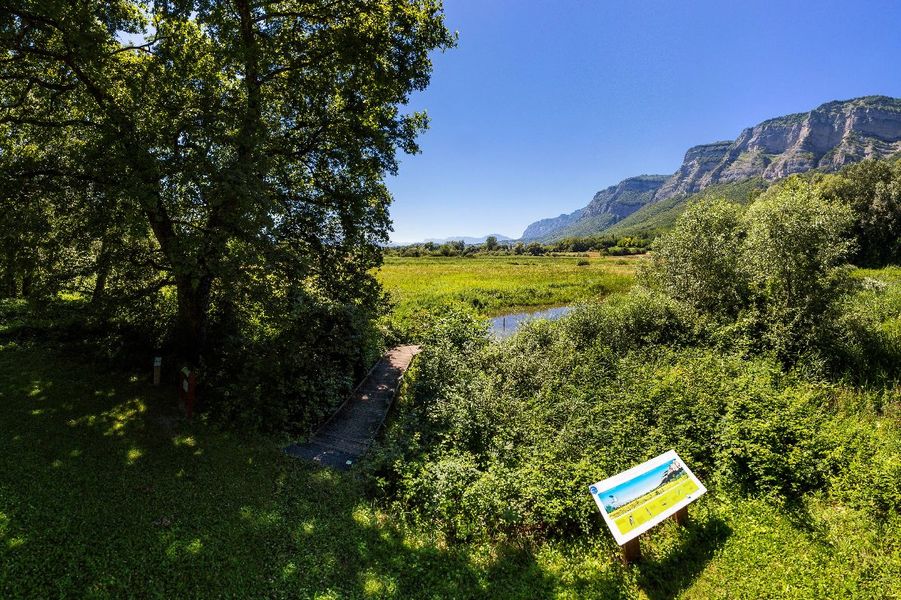
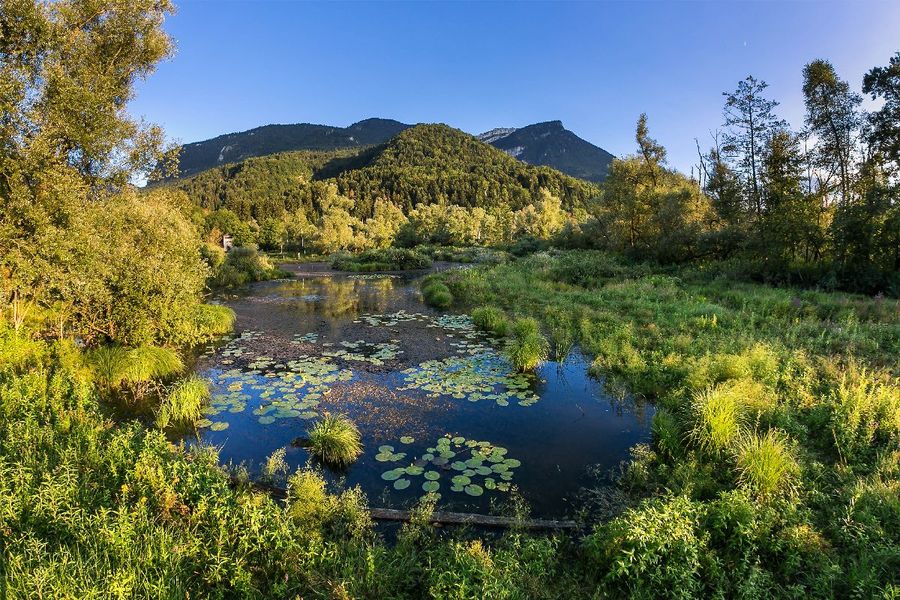
Located between St-Joseph de Rivière and St-Laurent du Pont, this protected Natural Area of 60 ha is remarkable for its fauna and flora. An educational trail and an observatory are on site to discover it alone all along the year or during a guided tour in summer.

This is one of the few wetlands in the Vercors massif: essentially limestone, it is not conducive to this type of site. The site contains a precious ecosystem with rare plant and animal species.At an altitude of 1,000 meters in the Vercors, the Peuil peat bog overlooks the 60-hectare commune of Claix. On the cliffside, 400 species of flowers thrive in the cool soil, including Grande Astrance and Drosera, an insectivorous plant. The fauna is highly varied, and if you're discreet, you may catch a glimpse of the peony bullfinch, the agile frog, the palmate newt or the depressed dragonfly.


At all seasons, follow the path bordering this protected area and discover landscaped elements of local History and natural heritage.Loop of 1,8km around the pond
Duration : 1 hour
Get a french-only booklet in the Vals du Dauphiné's Tourist Office to help you to discover the biodiversity of this environment.

The site is composed of the catchment area of Lake Achard, as well as the valley and the vast peaty plateau of Arselle, which are crossed by the Salinière stream. This site has been included in the Natura 2000 (Europe) and ENS* (Department) networks.Because of the peat bog that makes up the plateau, and its landscape, botanical and faunistic interest, the Arselle plateau is a natural area protected by an arrêté préfectoral de protection de biotope since 2019. The aim of this decree is to preserve the site and the plant and animal species present.
This peat bog is of a particular type, as it forms on acidic soils. Few plant species can colonize this environment (e.g. sphagnum moss, cattail and common butterwort). Droséra and Grassette are carnivorous species. These flowers feed on insects that provide them with the nitrogen they can't find in this poor soil. They capture the insects and digest them using enzymes contained in the viscous droplets they secrete.
Similarly, the forest, wetland and rocky habitats in the Lac Achard watershed and in the Vallon de la Salinière are home to a wealth of heritage flora and fauna, which led to an extension of the ENS perimeter, in order to preserve them in the face of increasing visitor numbers.
The site is home to many protected species: the Arctic cordillera (dragonfly), Vandeli's androsacea (flower), Frog orchid, Alpine newt (amphibian), Bearded vulture (bird), Alpine ibex, Schreibers miniopter (bat), and more.
Take to the trails to discover these rare and sensitive environments, accompanied by local guides: Bureau des Guides de Chamrousse and Belledonne en marche.
? Please note: burning, camping, fishing and swimming are strictly forbidden (under penalty of fine). Bivouacs are permitted on Lac Achard from sunset to sunrise (except from early May to late October + Infernet area) and strictly forbidden on the Arselle plateau. Please stay on the paths to preserve the fragile environment (the Arselle peat bog is classified as an APPB - Arrêtés Préfectoraux de Protection Biotope - and it is forbidden to go onto the plateau off the path).




 Isère Outdoor - Trace - Dans la roue des coureurs du Tour de France : De la Tour-du-Pin à Villard-de-Lans