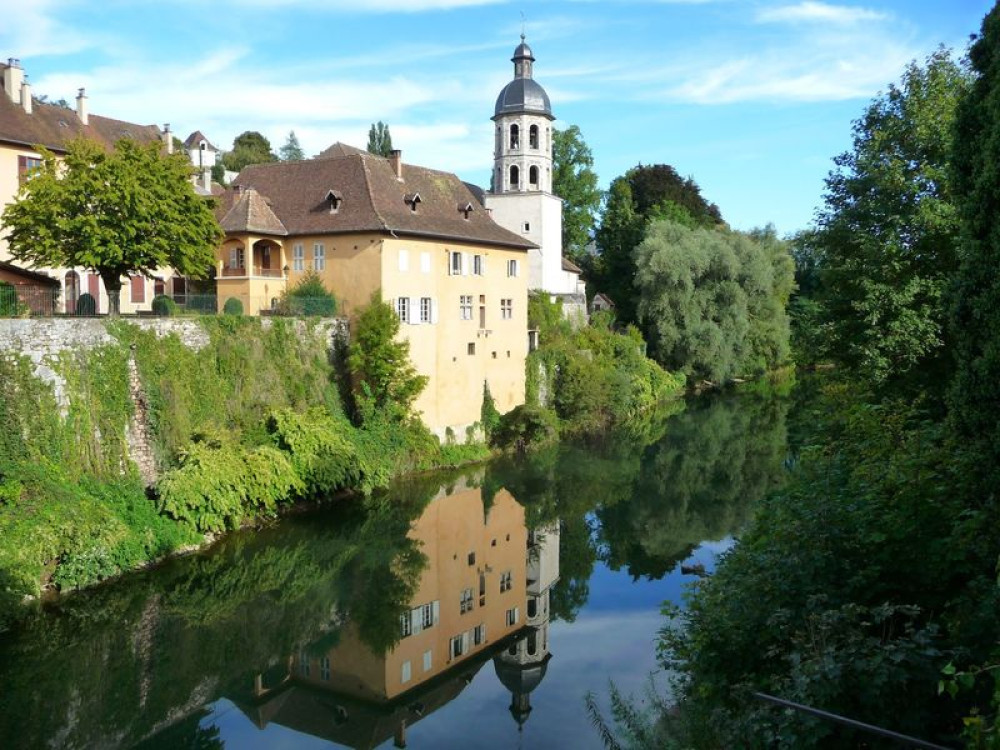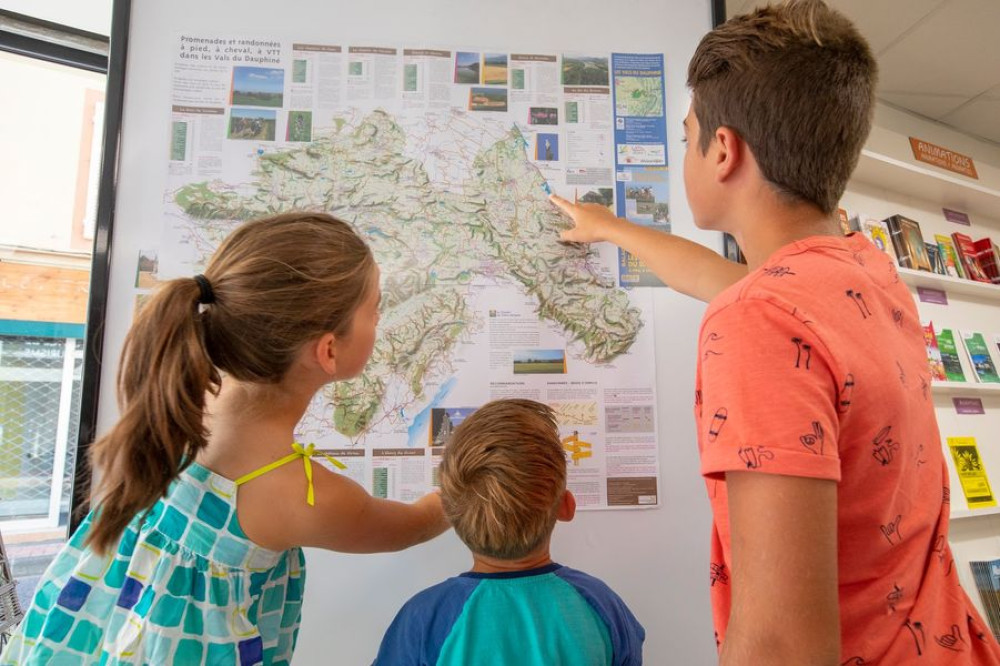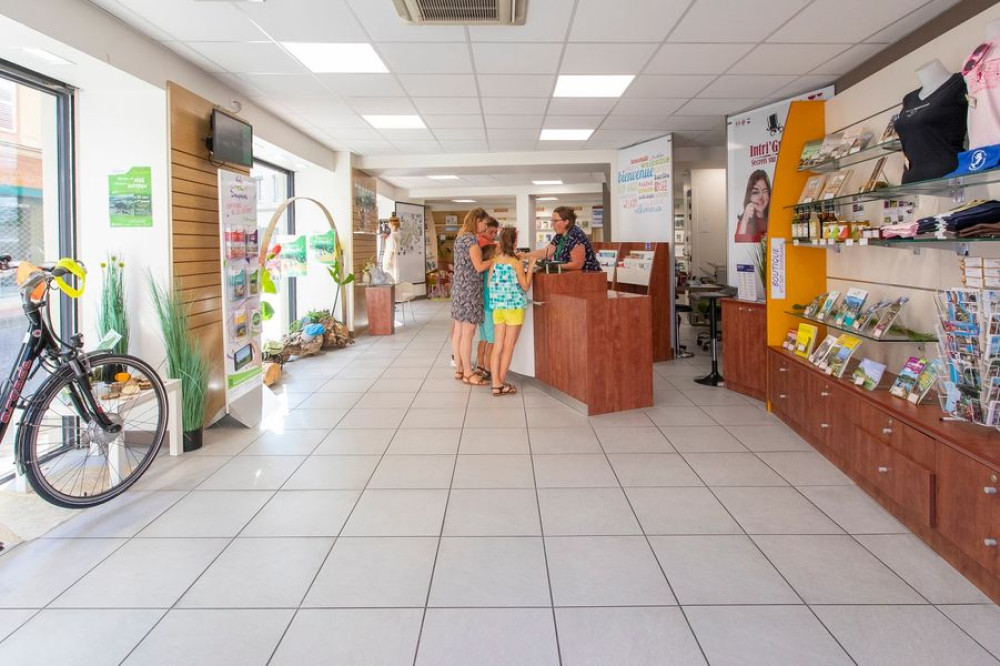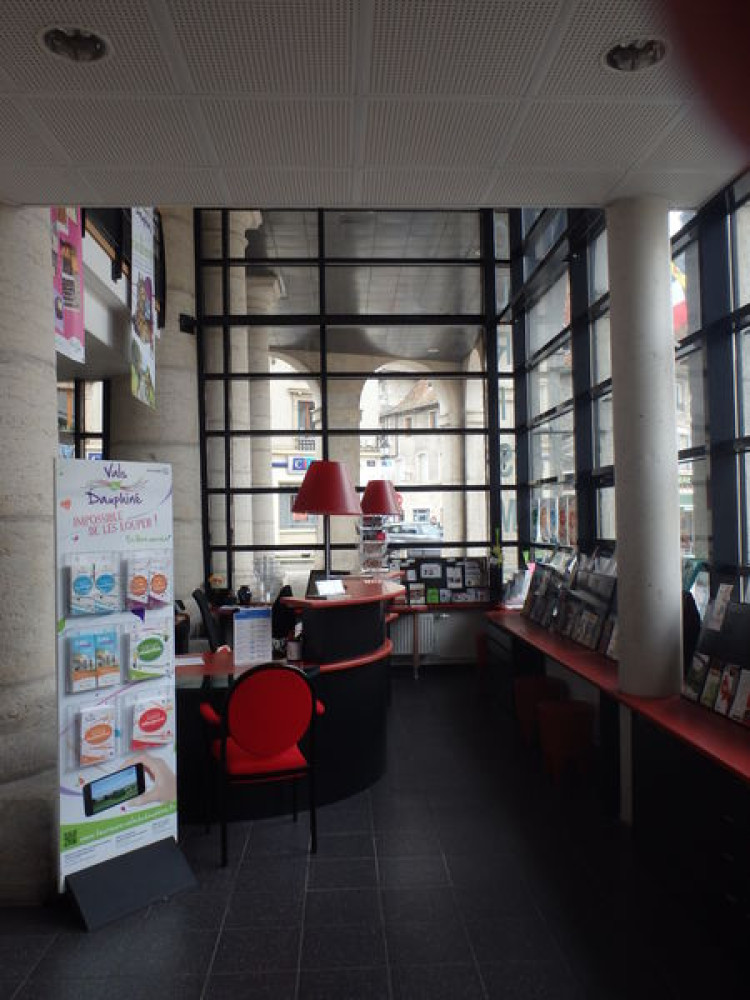
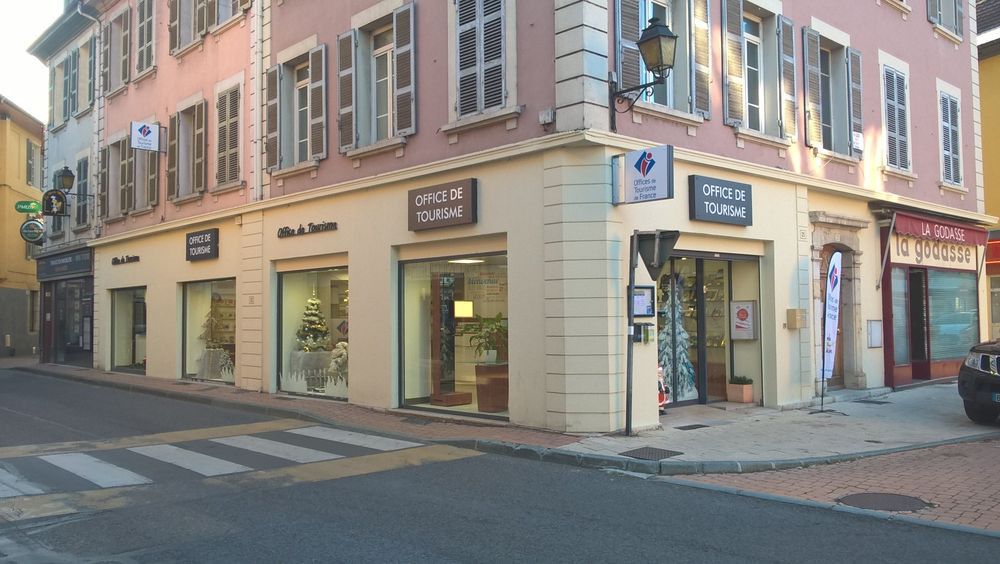
Les Vals du Dauphiné tourist office will guide you through the discovery of the city and its territory Les Vals du Dauphiné : advices and orientations, guides & brochures, suggestions, gift shop...Between lakes and mountains, this area is a concentration of nature and of the french lifestyle. Charming country, wooded, hilly, crossed by the river Guiers and many clear streams, the authentic countryside of this region Iséroise encourages the peaceful discovery of landscapes and viewpoints on the Pre-Alps.
Great moments of the History of France are to be discovered, from the Gallo-Roman period, through François 1st (Pont-de-Beauvoisin, city of furnitures) or the former border between Dauphiné and Savoie.



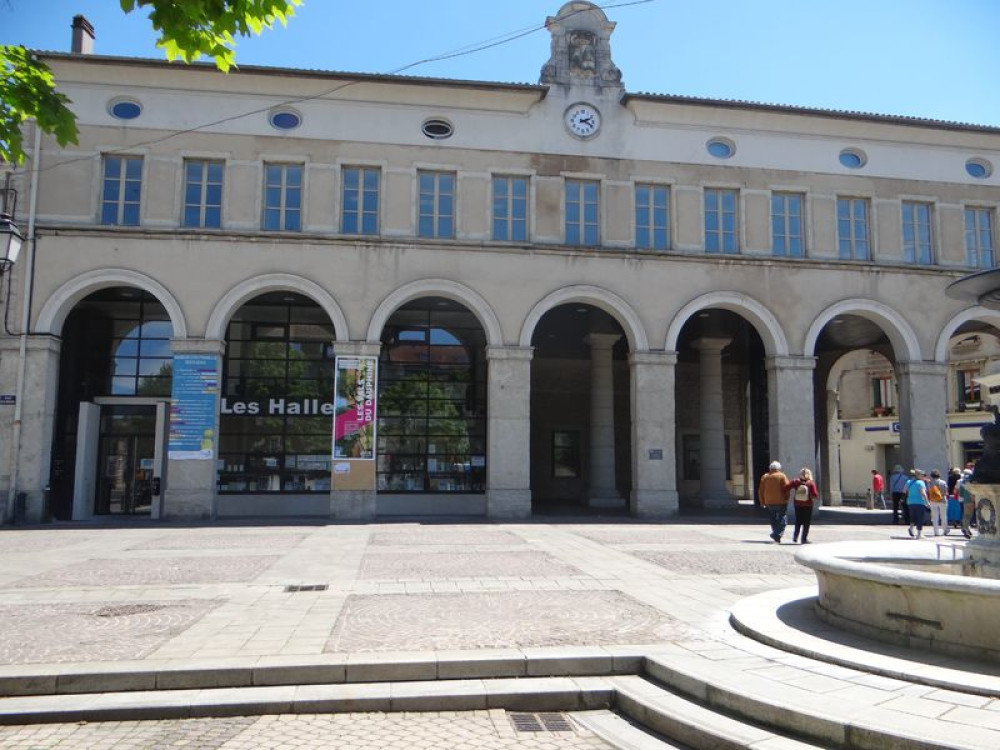
Vals du Dauphiné tourism office in La Tour-du-Pin will guide you through the discovery of the city and its territory Les Vals du Dauphiné : advices and orientations, guides & brochures, suggestions, gift shop...Ideally located between Lyon, Grenoble and Chambéry, La Tour-du-Pin offers the charm of a historic center easily accessible by train or from the highway, in the heart of a territory with multiple gems "Les Vals du Dauphiné". A stop is essential at the pastry shops to enjoy the Miron, specialty of the city. The architecture, legends and history will allow you to fully understand the characteristics of the urban center.
Do not miss the church overlooking the city, which houses the famous triptych of the XVI° classified as a historical monument and the contemporary triptych made in 2001 by the great master of sacred art Arcabas.
This break will also be an opportunity to enjoy the beautiful views on the Alps, as well as the many castles and fortified houses nestled in a green landscape.
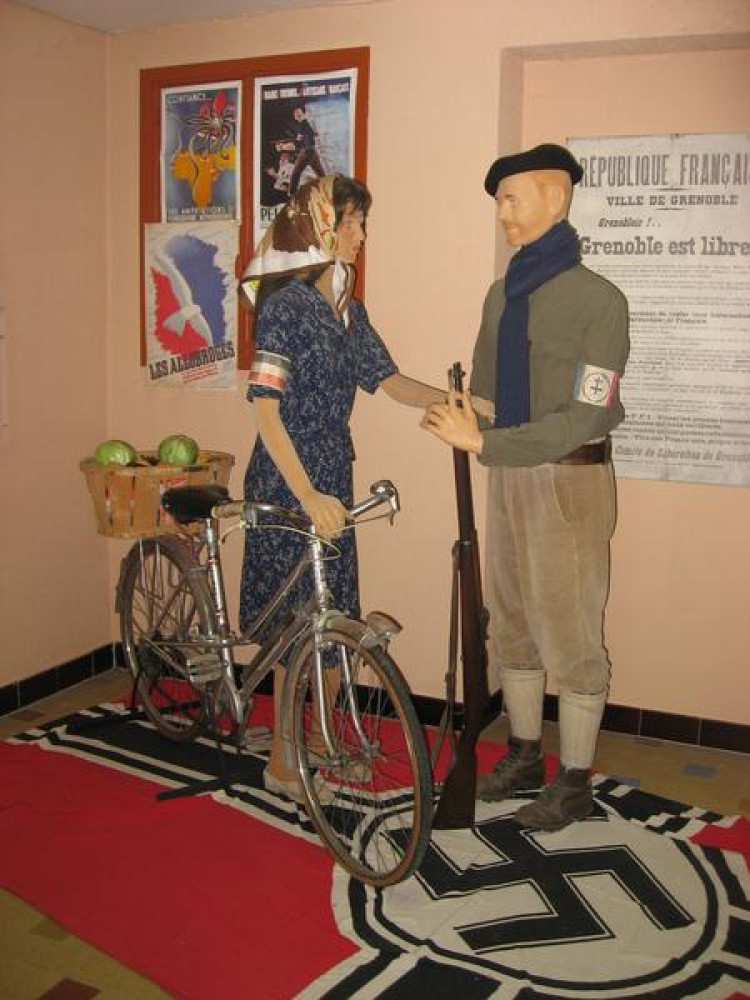
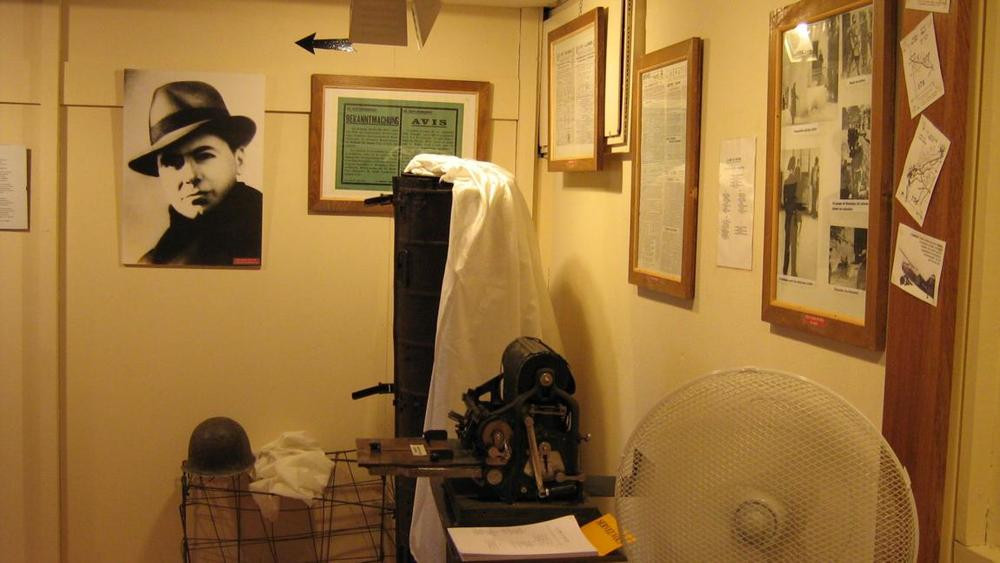
Created by a group of former regional resistance fighters, this museum aims to bequeath to posterity the memory of the fight of the resistance fighters against Nazism and the Vichy regime.Unpublished photographs and documents relating to the Resistance in Pont de Beauvoisin and the surrounding area are presented.
Guided tour by former members of the Resistance or friends of the Resistance (ANACR) on request.
Reading and documentation room.
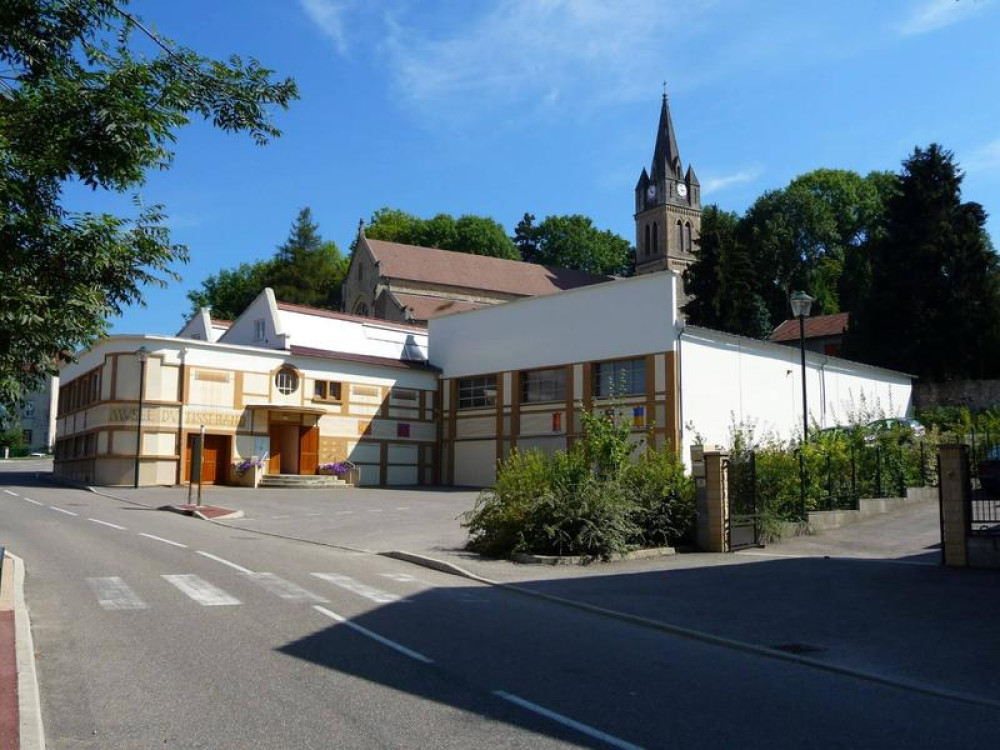
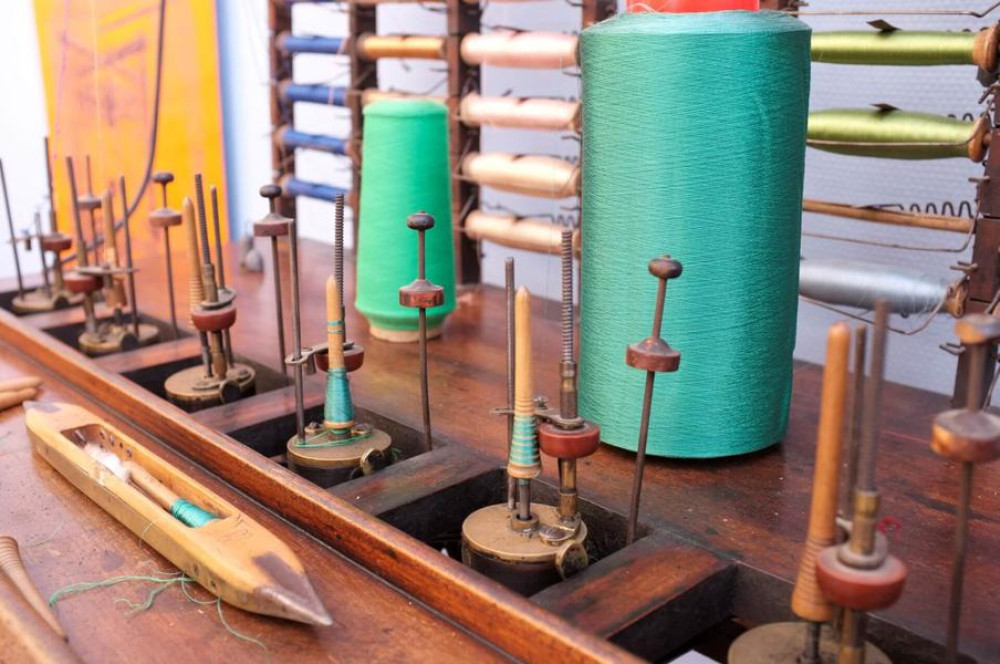
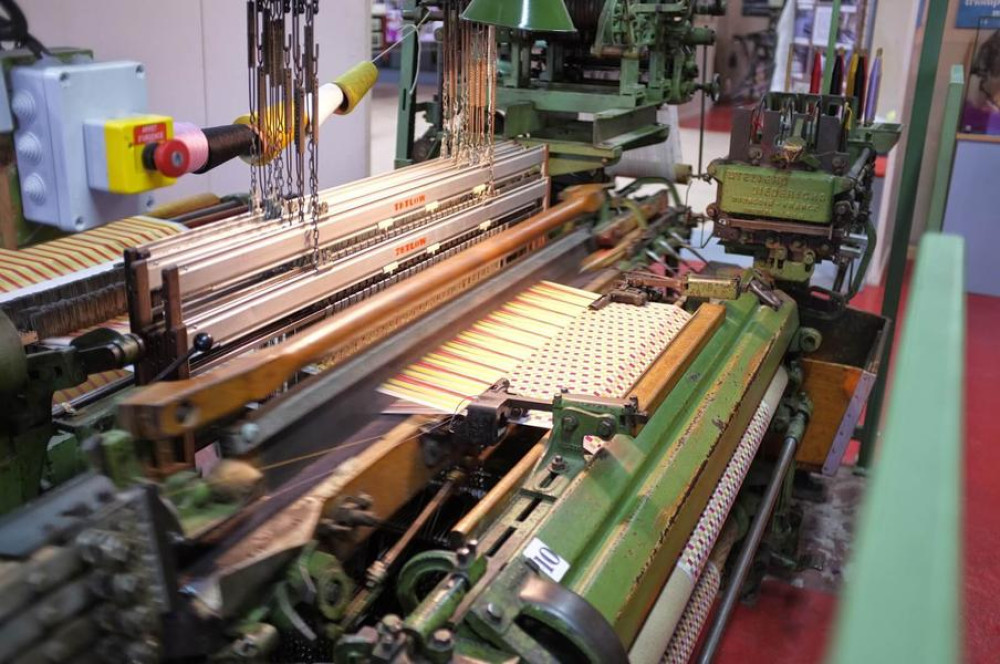
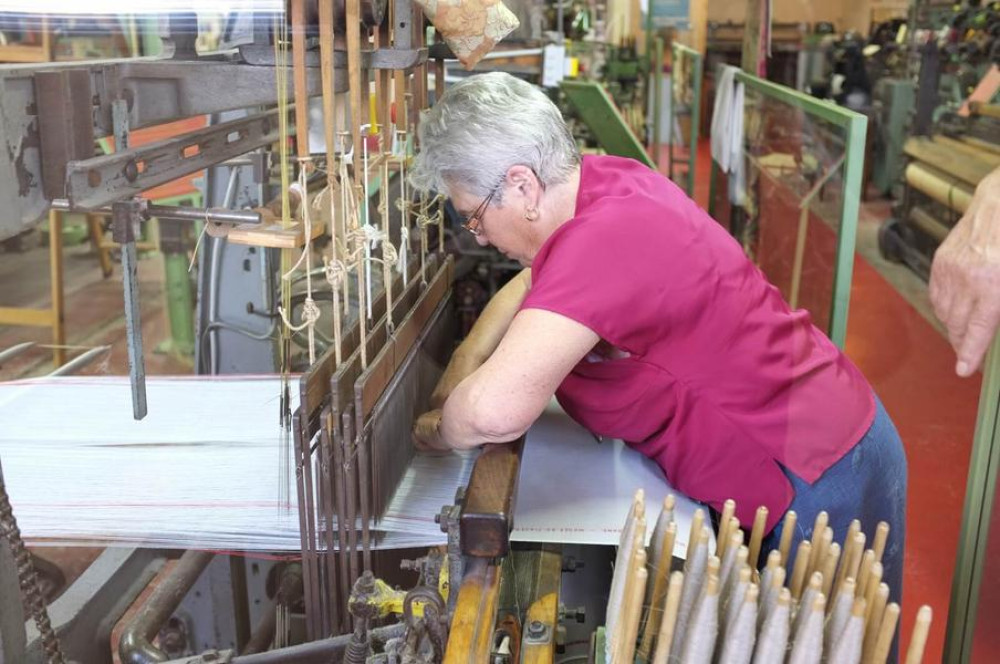
In a former weaving factory are presented more than 200 years of silk weaving History.Set up in a former weaving factory, this museum presents a unique industrial heritage that bears witness to more than 200 years of textile history in the Nord-Dauphiné region.
This technical museum keeps alive the memory of those who worked (and still do) this marvelous fabric that is silk. The hand looms and mechanical looms come back to work to let you discover, during your visit, the confection of prestigious fabrics such as Broché, Damas or Lampas.
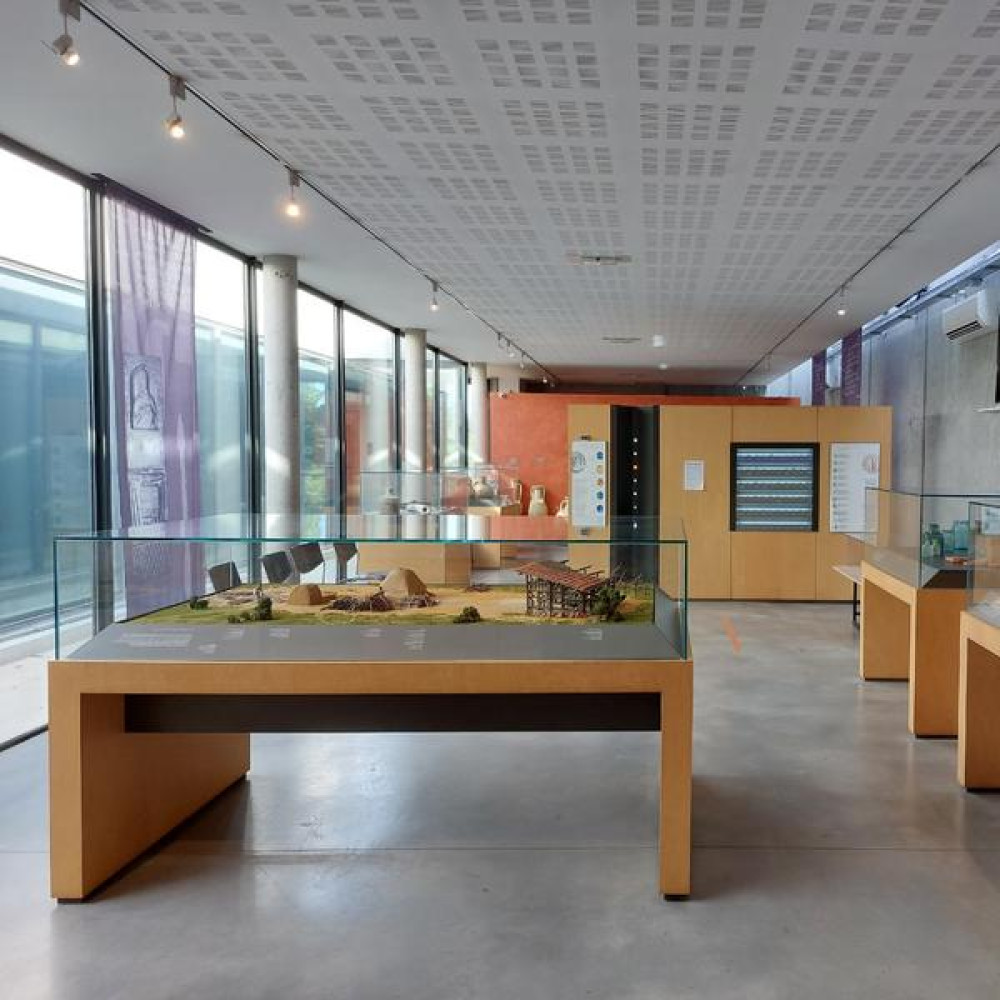
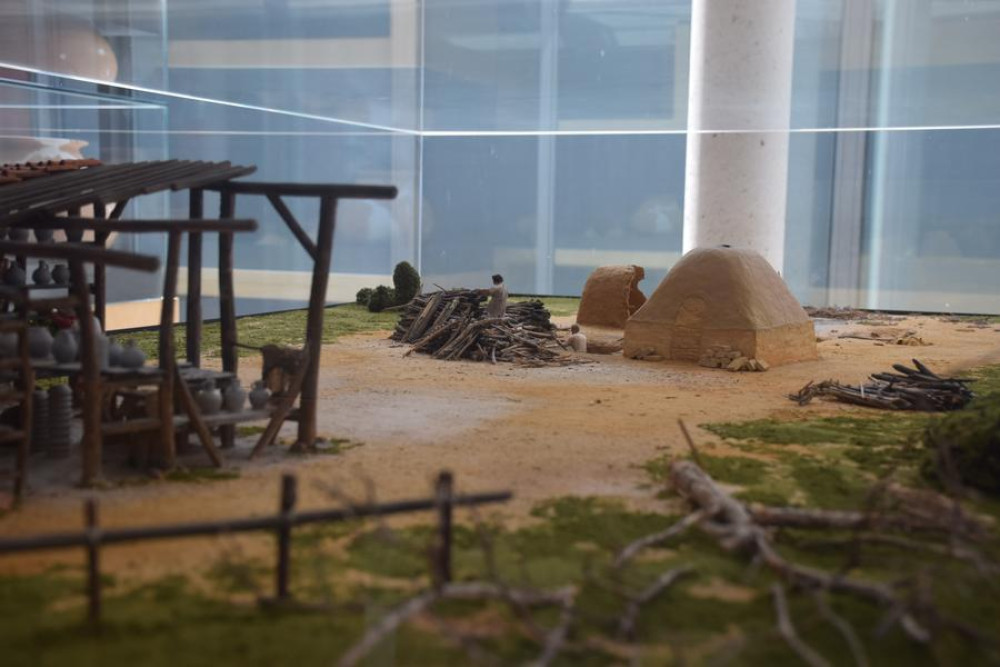
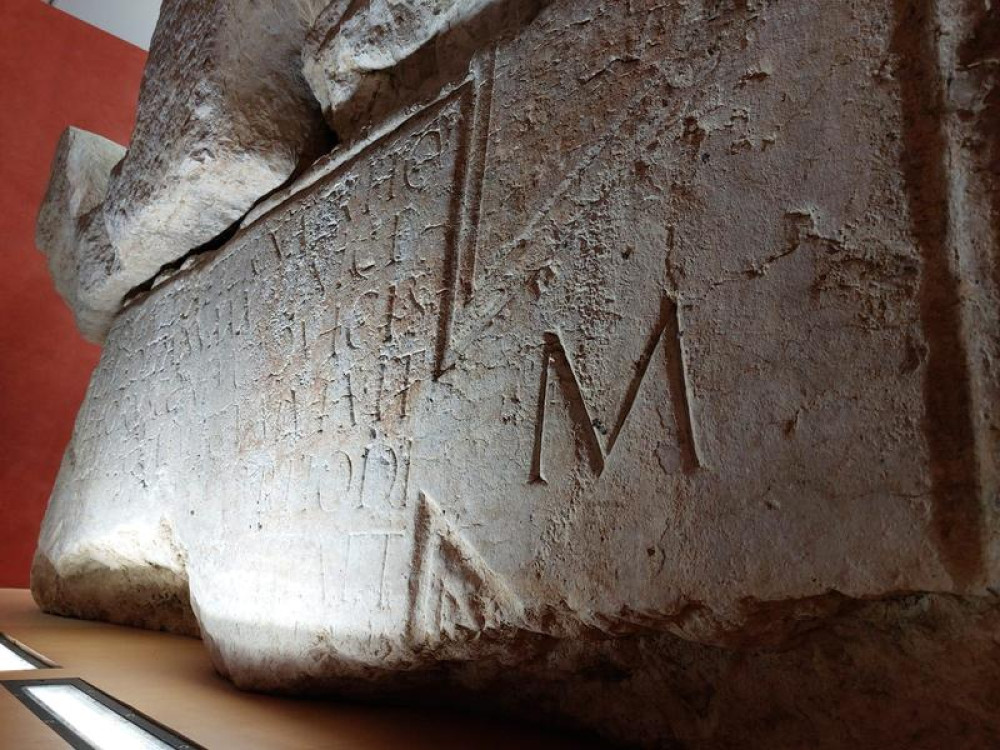
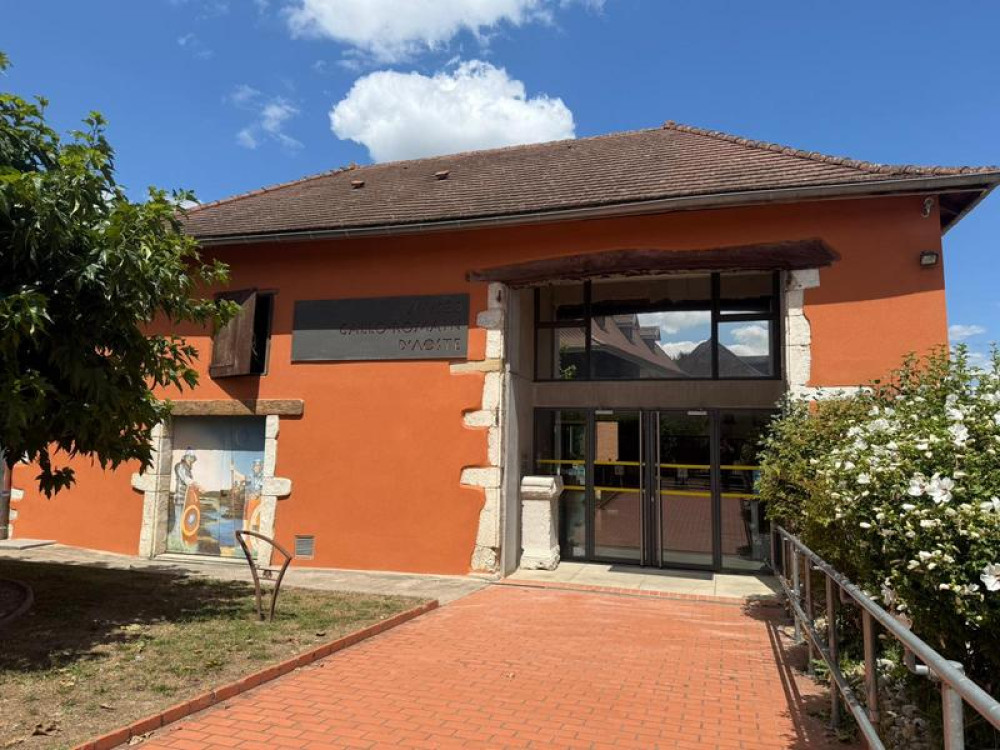
Learn about the everyday life in the ancient city of Vicus Augustus. A thematic and educational journey illustrated with a 2000 years collection of antique ceramics and glass objects.AUGUSTUS VICUS
The confines of existing departments of Isere, Savoie and Ain, Aosta is a Gallo-Roman town.
The ancient name of Aosta, Vicus Augustus, was given to the city in honor of Emperor Augustus (27 BC. - 14 AD. BC), as usual for new towns.
Today, a museum is entirely devoted to the history and life of this agglomeration of Roman Gaul.
The museum
The history of excavations in 1856 until the inauguration of its new version in 2000, the gallo-roman museum of Aosta has a very nice set of archaeological objects and testimonies found on the town of Aosta and its surroundings. A continuous path immerses the visitor in the lives of our Gallo-Roman ancestors there 2000 years. Large and small back in time and find beautiful pieces of ceramics and glass, including jewel, the ewer, shines among mortars, local productions, or the inevitable jars containing imported products (wine, oil, dried fish). Achievements very teaching, such as models or the kitchen table, invite anyone enters this place follow the footsteps of Roman time a trip.
Manual workshops on the Antiquity theme on saturdays and during school holidays or for a birthday parties. Programs available at Tourist Office and at the Museum.
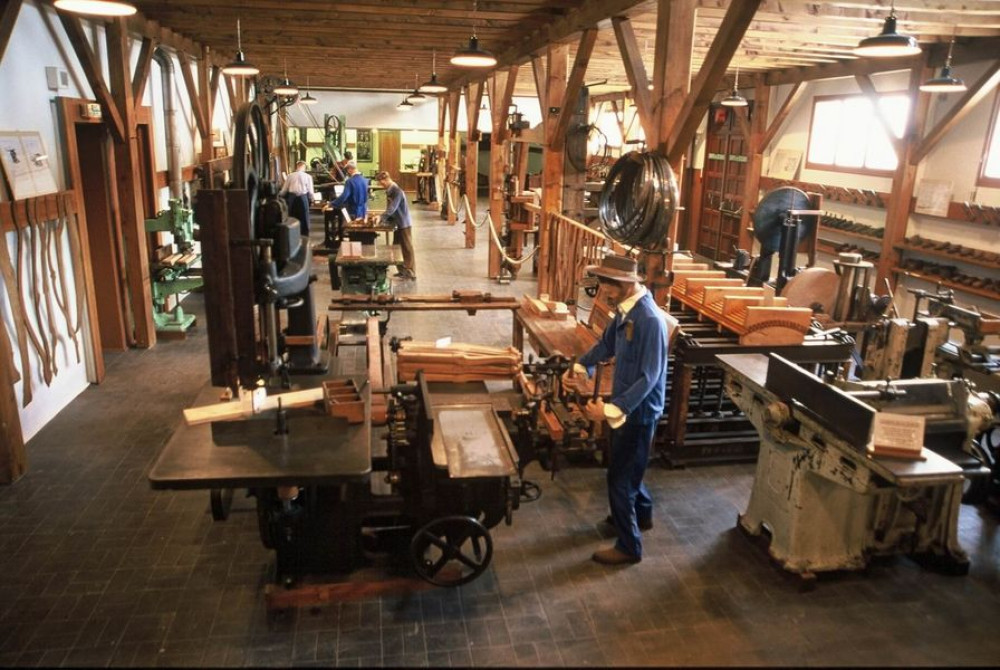
Pont-de-Beauvoisin, city of wood furniture since François the 1st, shelters a museum of woodworking machinery. From trees to furnitures, experiment an old fashioned cabinetmaker workshop.Relive the adventure of a cabinetmaking workshop of yesteryear through a sound journey.
Unique in France, this museum recreates the atmosphere of a workshop from the first half of the 20th century. It testifies the complexity of the work of the craftsmen who made the reputation of Pont de Beauvoisin, city of wood furnitures since François 1er.
Individual and free visits. Group visits with guide by reservation.
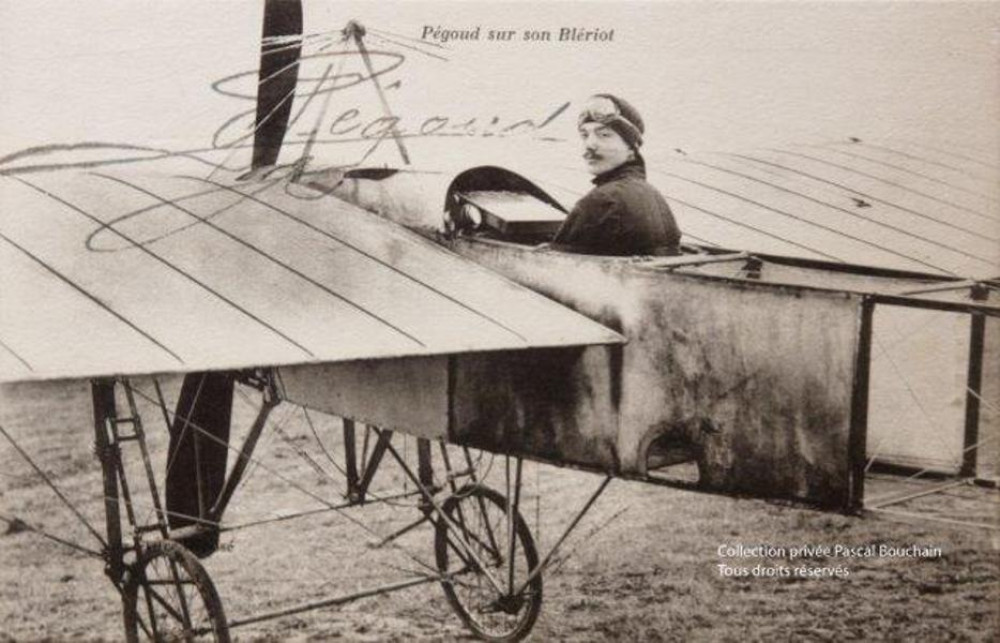
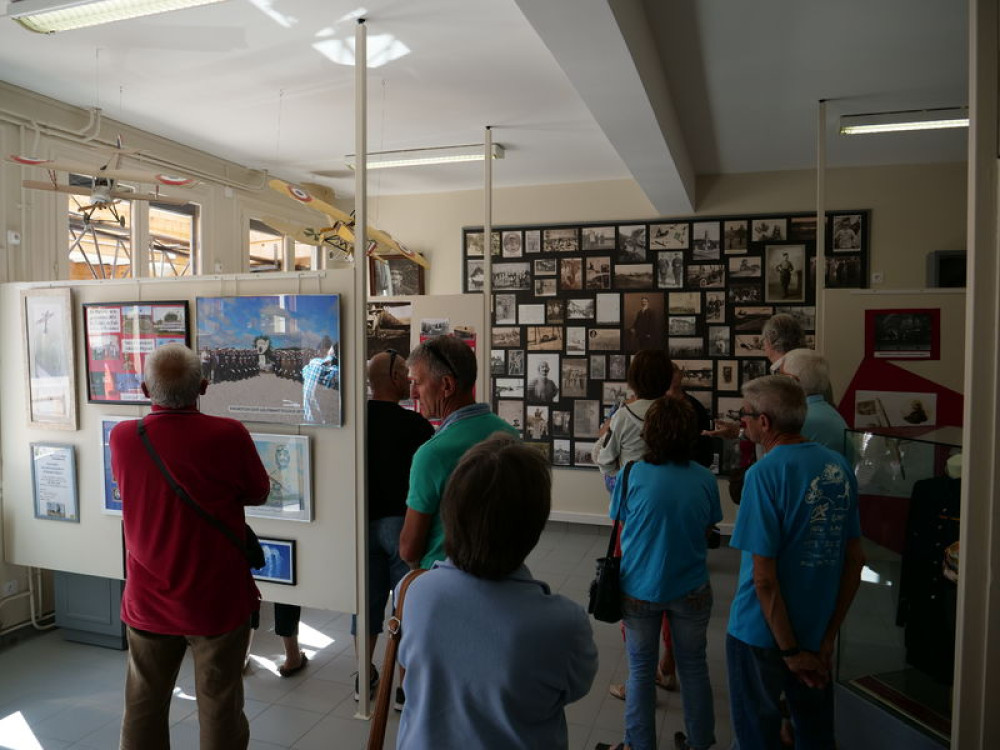
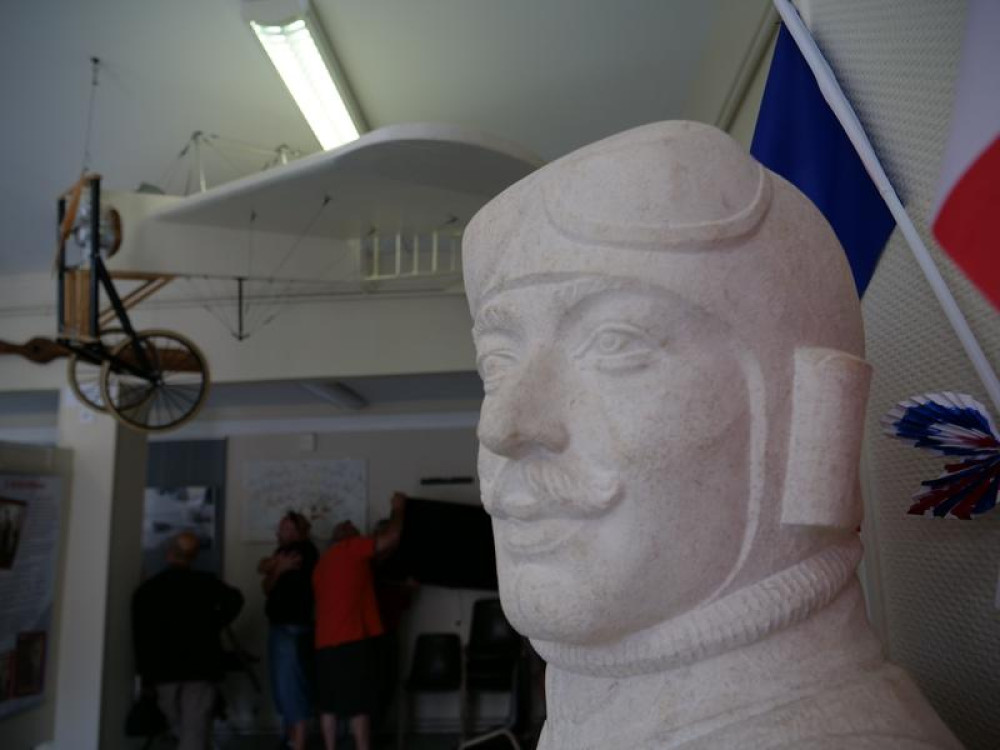
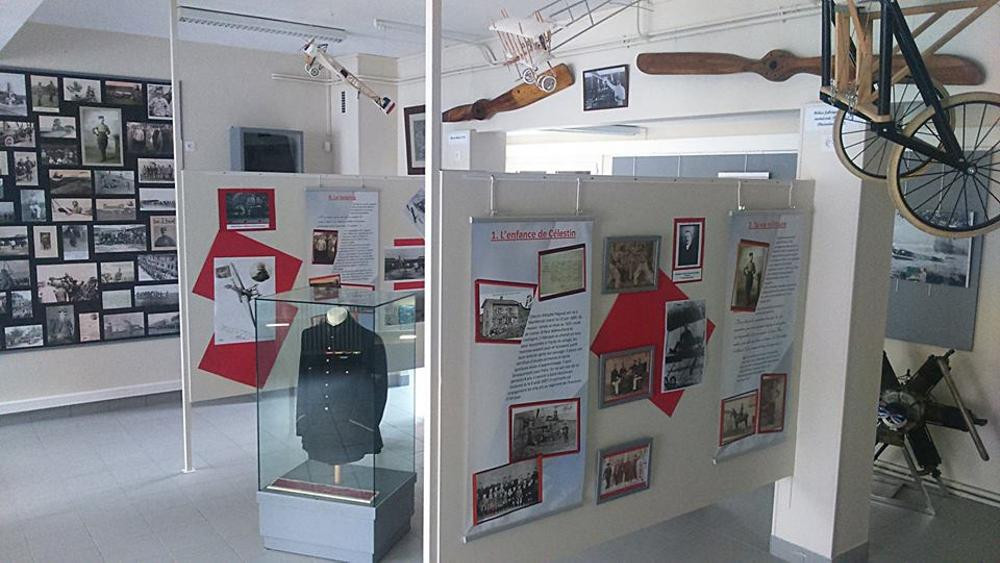
A museum entirely dedicated to the exploits of the aviator Adolphe Pégoud, pioneer of aerial acrobatics who performed the first parachute jump and the first looping in 1913. First Ace of the 14-18 war.Presentation of his childhood, his military life and his hour of glory... Until his tragic death for France on August 31, 1915, at Petit-Croix in the Territoire de Belfort. Through videos, written documents, photos, clothing and numerous objects dedicated to aviation, the museum retraces this epic tale.
Period photos, spare parts of the last plane are gathered. More than the visit, the comments on his origins, his life, will make you discover what he represented for aviation.
You will be welcomed by the members of the Pégoud committee who will tell you about the exceptional adventures of an aviator who left his mark on aviation.
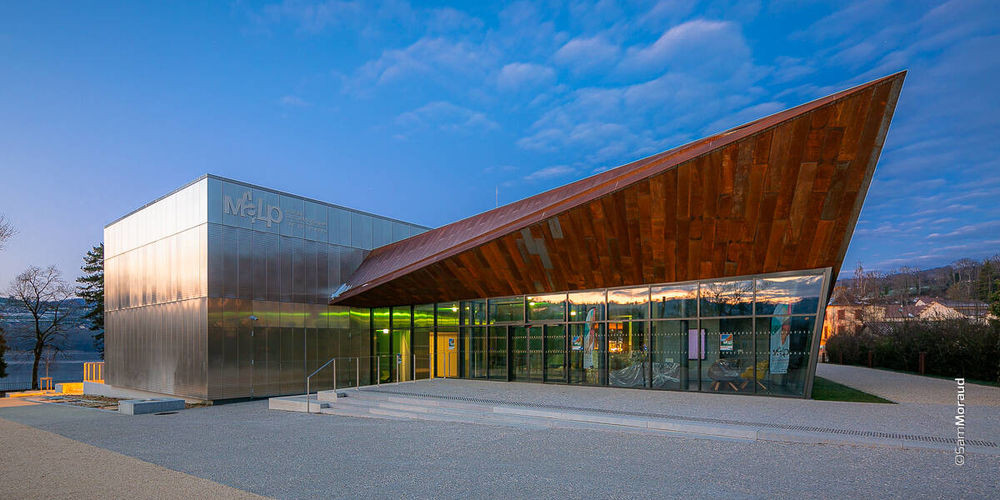
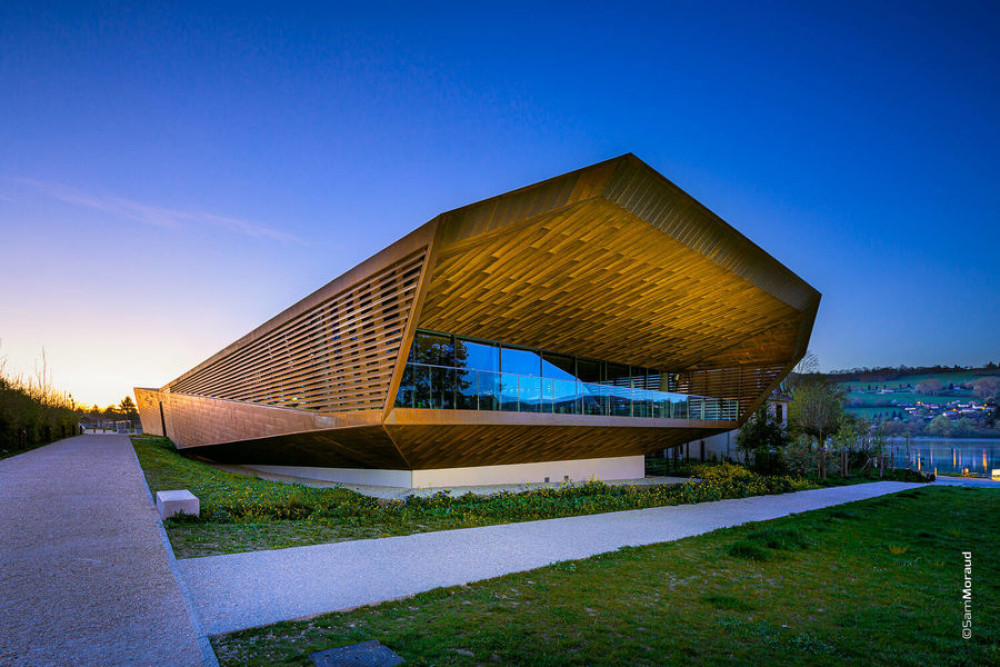
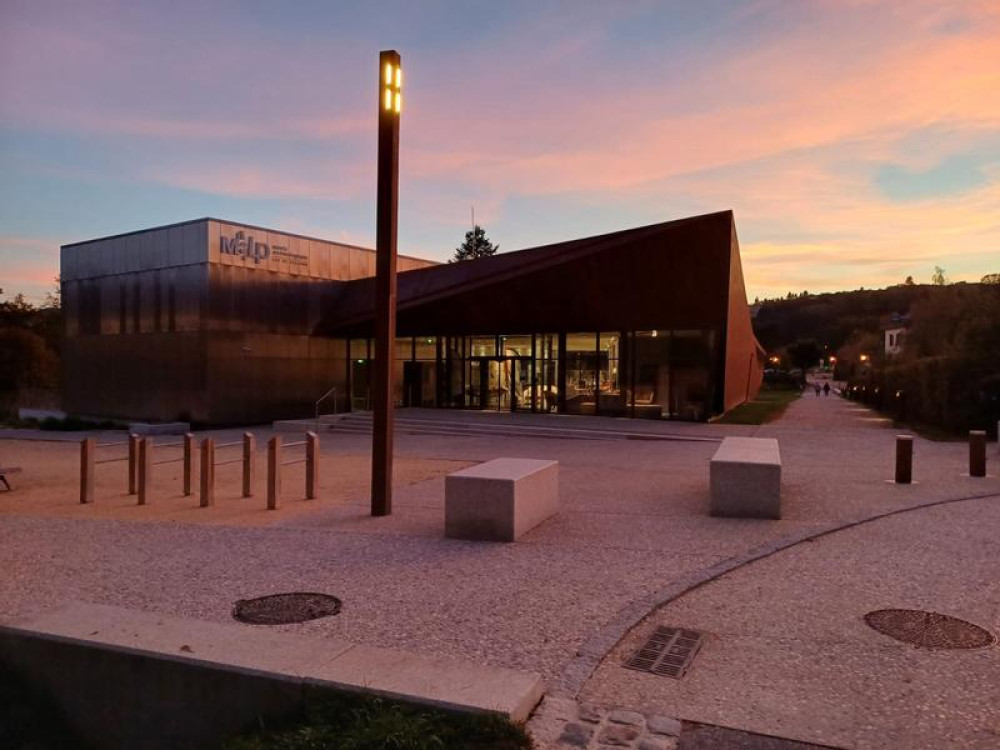
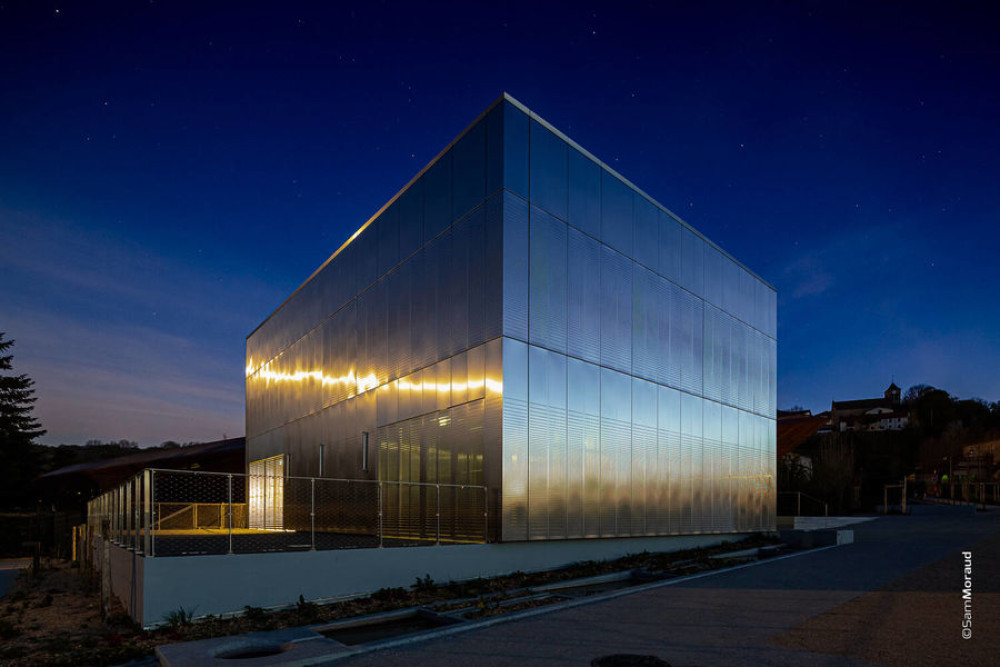
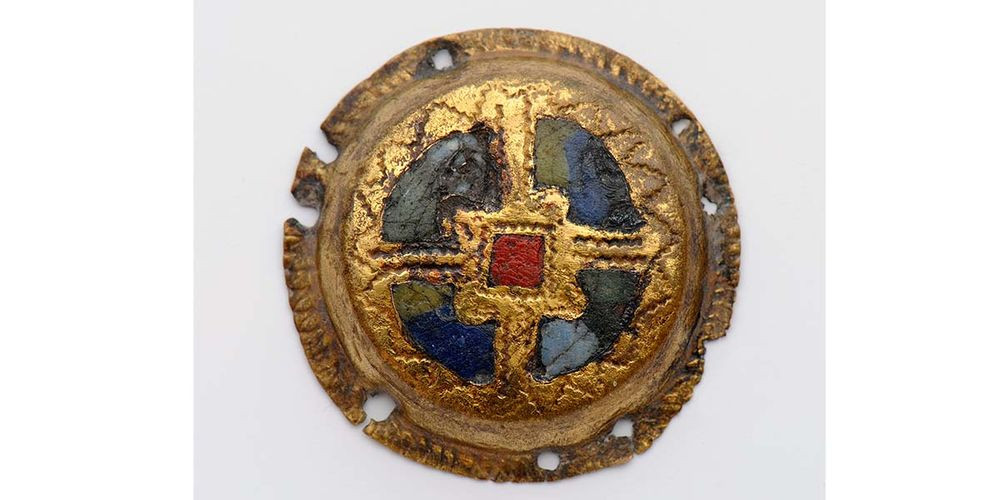
Welcome to MALP for a captivating time travel to the Neolithic and the year 1000. Through the exceptional remains discovered under the waters of the lake, meet the men who lived there so long ago.Thanks to its remains and many legends, Lake Paladru has always been able to feed the imagination of its visitors. It was only during the 19th century, with the discoveries of Ernest Chantre, and the 20th century, with the excavations of Hyppolite Müller, that the history of the first archaeological sites, which emerged from the waters of the lake, was revealed.
Over the years, the work of archaeologists escalated and became more specific. It was in 1972 that the archaeological sites of Lake Paladru received both national and international recognition. The lake soon became a site of experimentation for innovative excavation techniques, as well as a unique site in France, for the rarity of its findings.
The museum is a history of encounters, sharing, discoveries, secrets and ideas which intertwine in and around the lake. It is also a history of a village and its inhabitants, all of whom, in one way or another, have encountered the lake and its history.
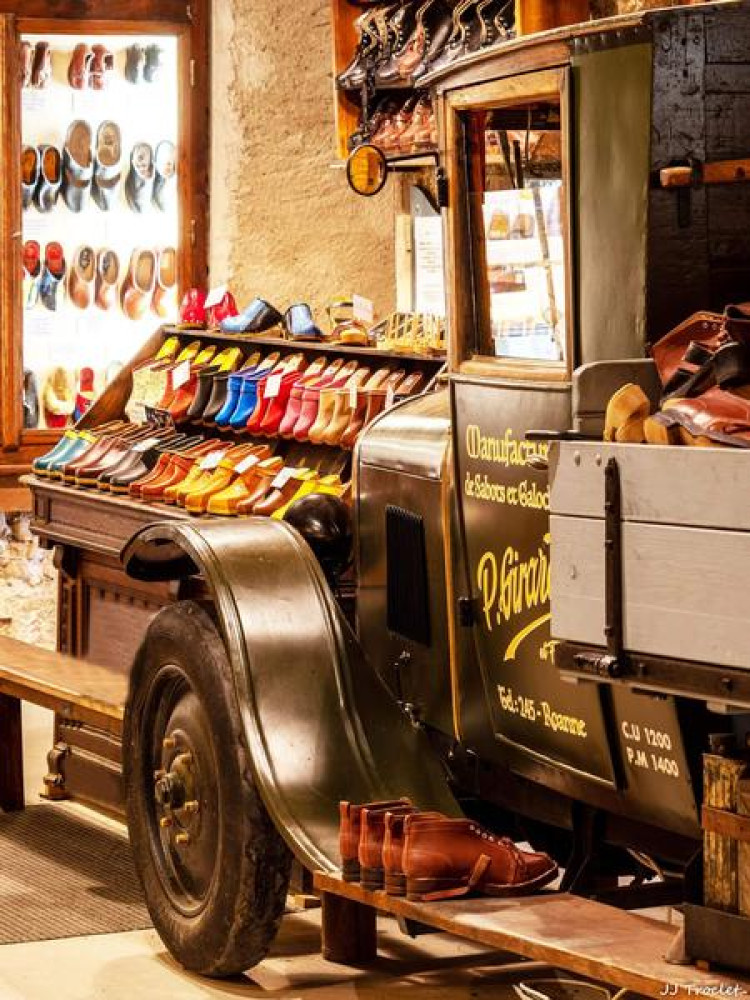
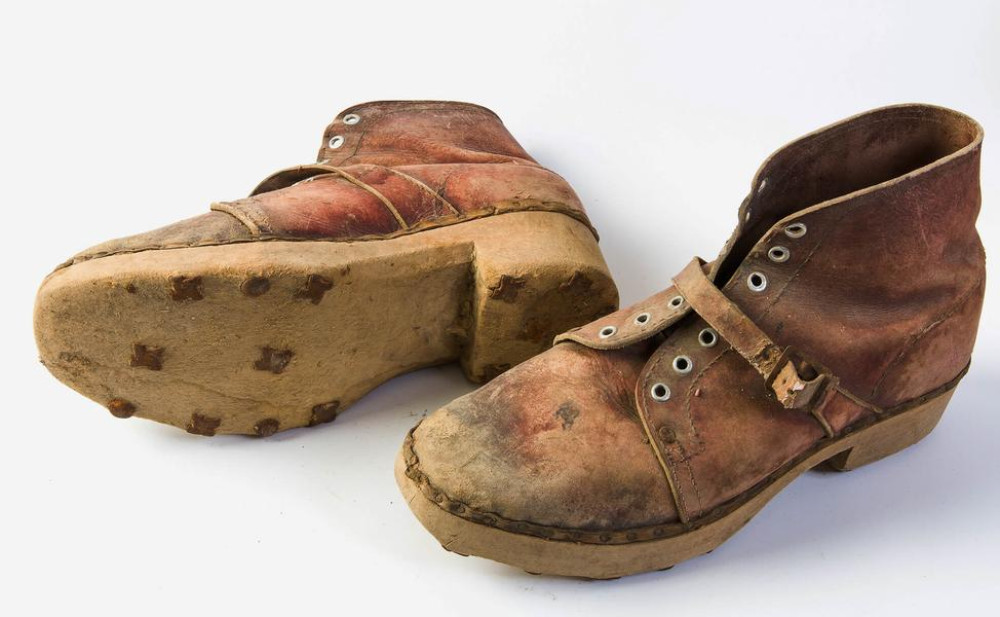
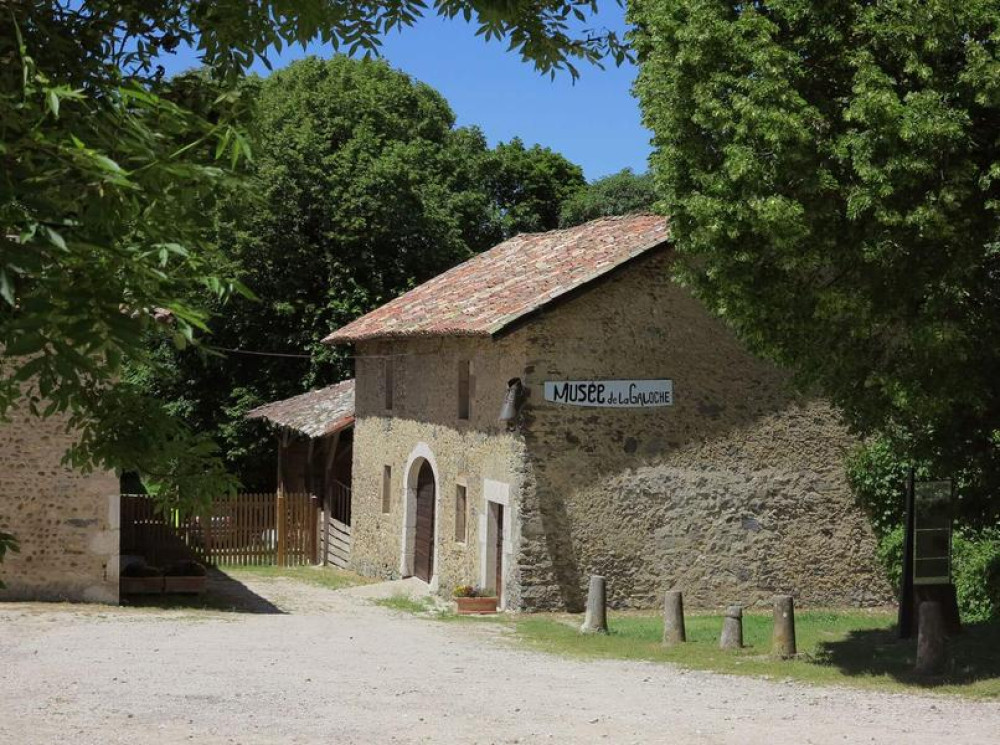
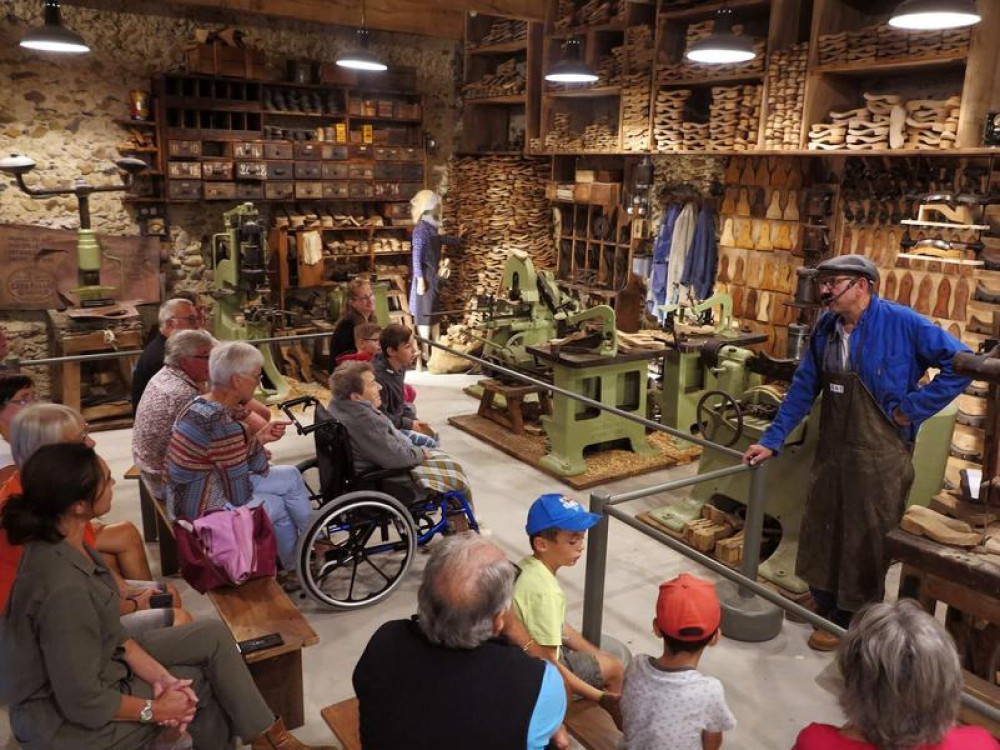
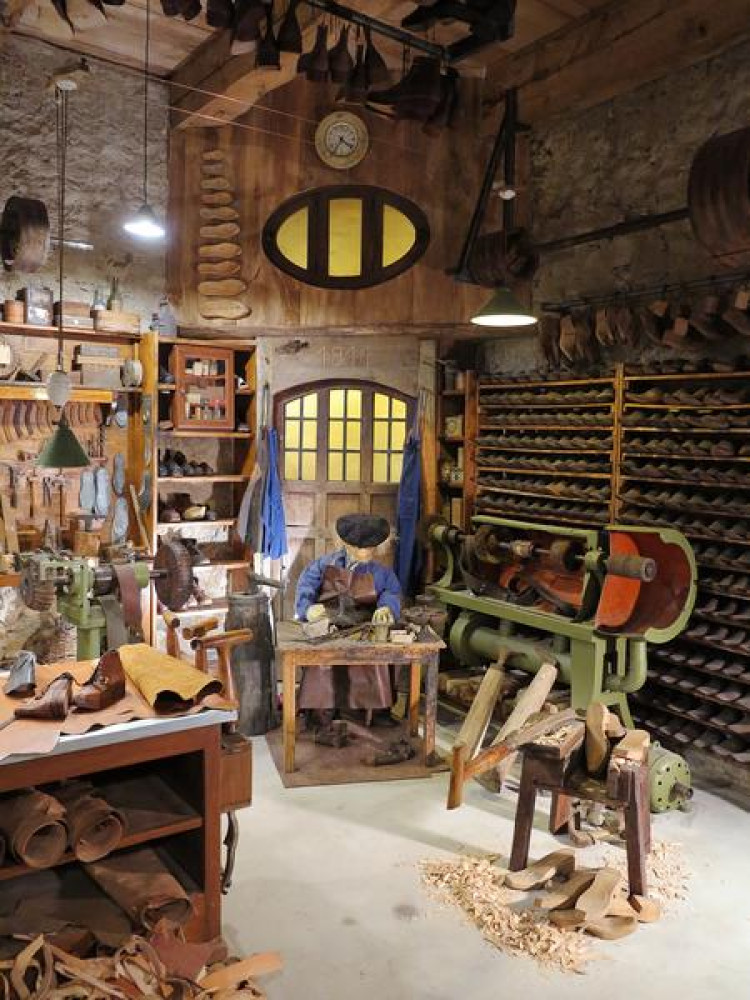
This museum retraces the History of the clog, a shoe made with a leather upper and a wooden sole.The clog, hoof's cousin... We often mistake one for the other, yet the difference is simple : the hoof is entirely shaped from a piece of wood, while the clog is composed of a wooden sole on which is nailed the upper part, the "Tige", made of leather. The clog, disregarded in most shoe museums, is highlighted in Isère in the only place entirely dedicated to it in France : the Clog museum.
Great by the evocative power, this summary of heritage carries the memory of the clog's industrial activity. This museum is a place of memory, with the identical reconstruction of the workshop of a galochier (persons who makes clogs), which makes it a unique site in France. This workshop takes the visitor back in time. Leather coupons, wooden soles, laces, nails, sewing machine, grooving lathe, coal stove ... with of course a multitude of models of galoshes. Hundreds of tools arranged according to the stages of the confection, everything is there, as if the galochier was going to cross the door to get back to work.
Visitors can feel the old atmosphere through this warm and out of time workshop. An exceptional visit and a rare moment in a wonderful heritage that pays a moving tribute to our ancestors.


At all seasons, follow the path bordering this protected area and discover landscaped elements of local History and natural heritage.Loop of 1,8km around the pond
Duration : 1 hour
Get a french-only booklet in the Vals du Dauphiné's Tourist Office to help you to discover the biodiversity of this environment.


 Isère Outdoor - Trace - Route from station to station - La Trans' Vals du Dauphiné