
Majestic encounters: The Isère mountain ranges boast exceptional biodiversity and serve as a true haven for unique species. As you make your way along a climbing route, you’ll find yourself in the habitat of iconic and protected birds of prey such as the golden eagle, the Eurasian eagle-owl, and the bearded vulture.
Caution: Babies on board: The period from late winter to late summer is a time of peak sensitivity for birds. For some species, egg-laying begins very early, as early as mid-December. Their cozy nests are discreetly hidden in cavities, on ledges, or in crevices in the rock.
What we can do as climbers: Unfortunately, the increase in our recreational activities can disrupt the natural behavior of this very fragile wildlife.
What are the golden rules for respecting these animals?
- Stay on marked trails during approach hikes
- Exercise the utmost discretion while climbing, while taking the time to observe nature.
- Remember to check the app for the status of climbing sites and sectors—some may be temporarily closed.
2. Free Flight: Sharing the Sky
Paragliding Under Close Surveillance: In the air, paragliders and hang gliders share the same thermal currents as these birds. However, flying too close to the ledges where the nests are located is immediately perceived by raptors as a formidable predatory threat.
The Stress of Nesting: The rapid, silent approach of a large, colorful wing can create a wave of panic among the parents. If they flee the nest out of fear, the eggs or fledglings that cannot yet fly are left dangerously exposed to fatal cold snaps or predation by other species.
Fly with respect: The secret to a peaceful flight is anticipation! Always check for nesting areas (often called “quiet zones”) before takeoff so you can fly around them with a wide safety margin. Once in the air, if a raptor displays nervous behavior—such as zigzagging flight, a dive, or repeated cries—the message couldn’t be clearer: you must immediately move away from the cliff face to leave them undisturbed.
How can you find out more?
On Isère Outdoor:
- “Protected Areas” section directly on the homepage
- On your route/activity site page: a clickable banner appears on the “Info” tab if you are in a protected area
Crédit photo : kilian.Hl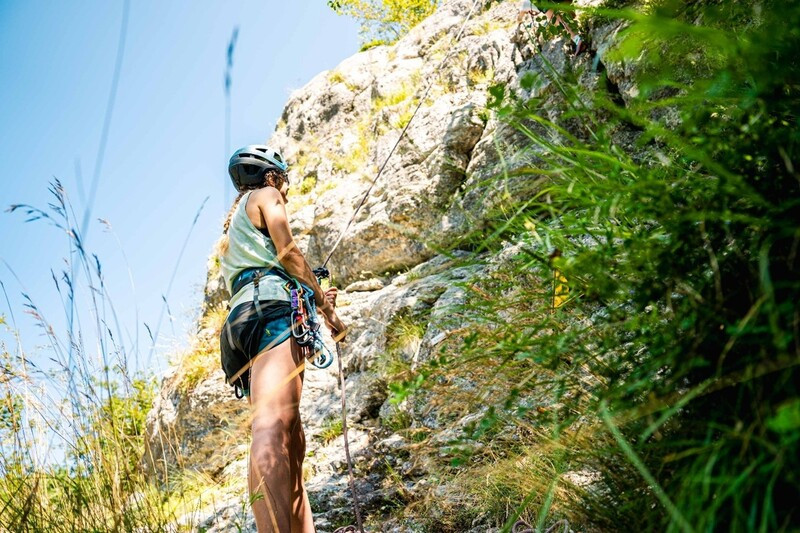



the digital trails





The Isère Outdoor application was created
by the Département de l'Isère
Infos & contact
Conseil départemental de l'Isère
7 rue Fantin Latour
CS 41096
38 022 Grenoble cedex 1
Tel. 04 76 00 38 38
 Isère Outdoor - Actu - A Guide to Protecting Our Birds of Prey.

