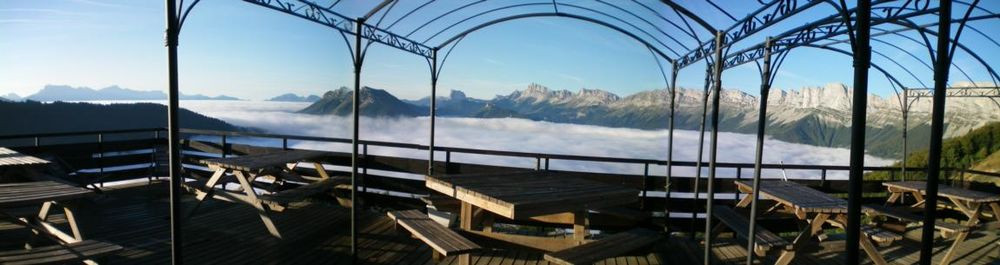
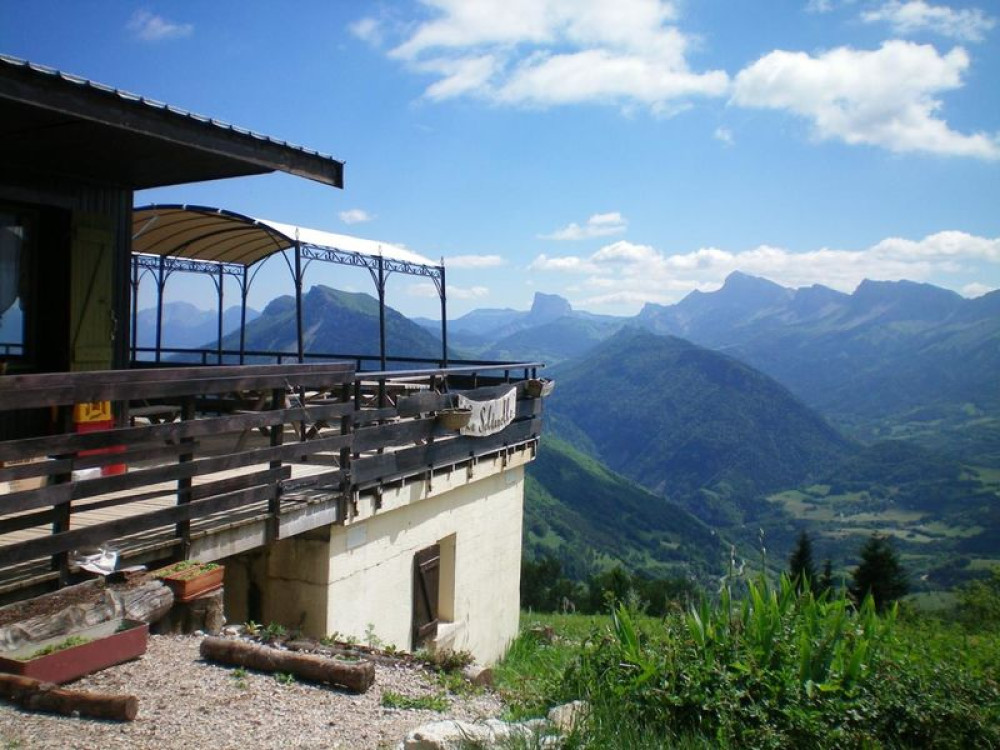
In the Vercors Regional Nature Park, stop off at the Soldanelle refuge. As a stopover on the Grandes Traversées du Vercors, it remains easily accessible in summer for families, or will be the starting point for sporting hikes.The Refuge de la Soldanelle is located at 1500m altitude, at the foot of the Rocher des Deux Sœurs, on the Balcons-Est of the Vercors plateau.
Easily accessible on foot after a 45-minute ascent on a signposted hiking trail, it enables a varied public to enjoy the pleasures of the mountains in an exceptional panorama.
The view from the refuge's terrace has nothing to envy of high mountain massifs. The panorama stretches from the crests of the Vercors to Mont Blanc, including Dévoluy, Ecrins, Belledonne, Grandes Rousses and Chartreuse.



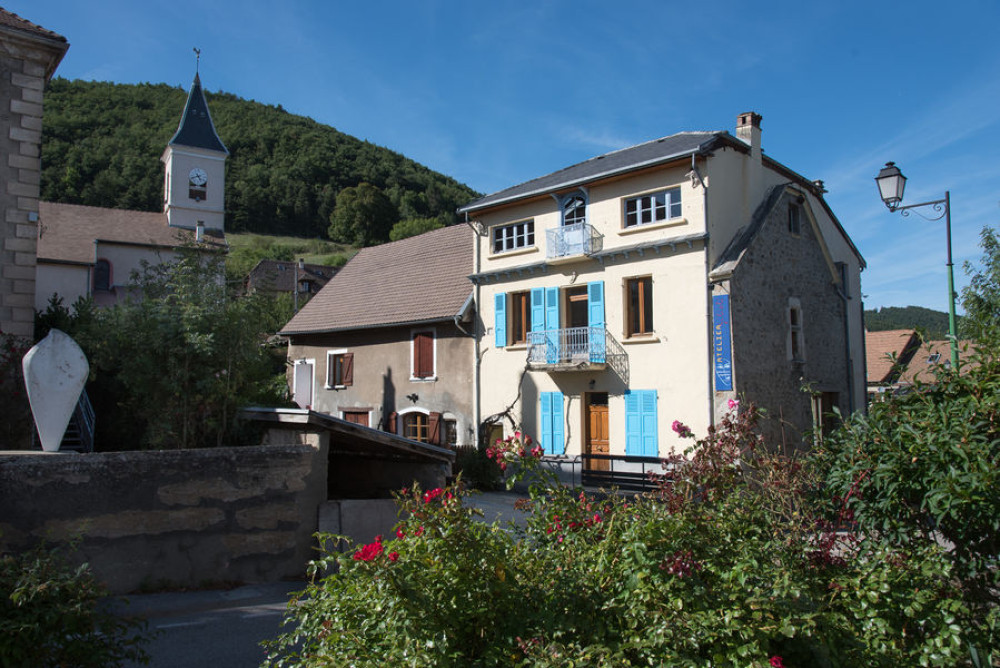
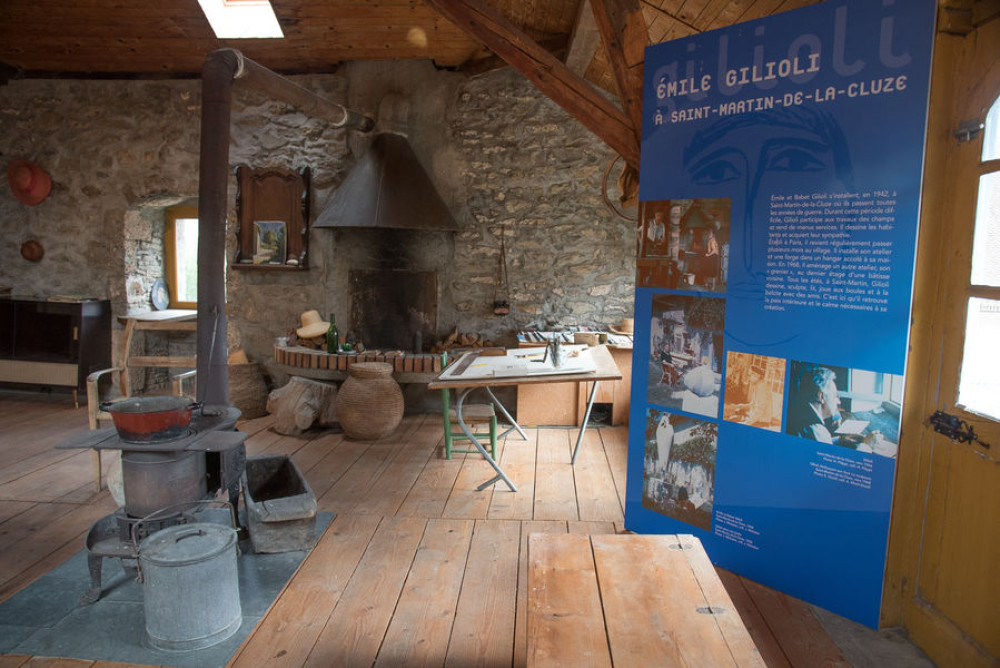
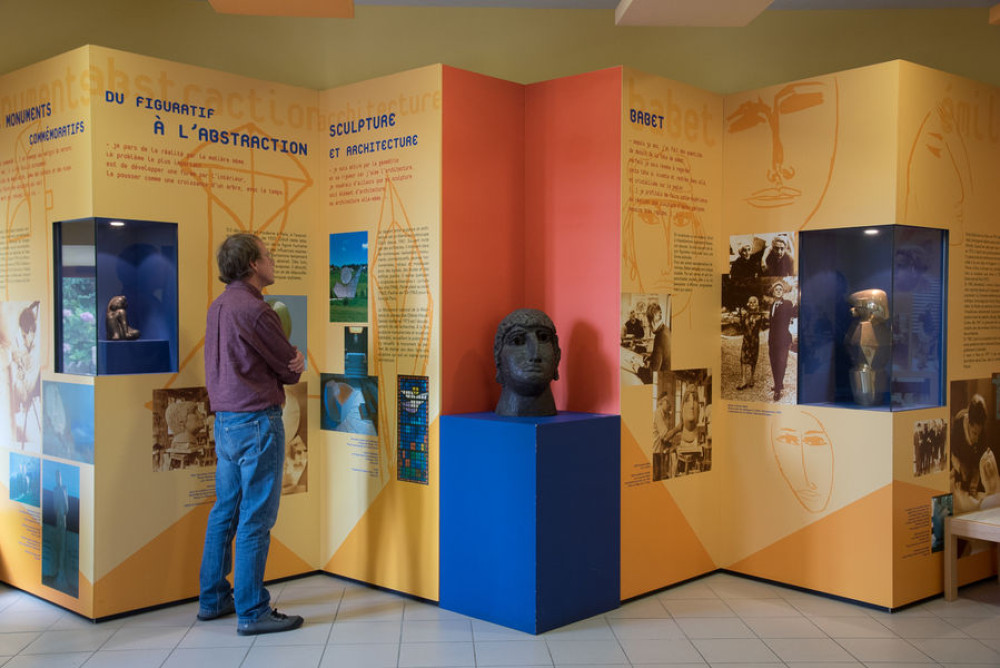
The house and the workshop where the sculptor Emile Gilioli lived, considered of the most influencal sculptor of the abstract post-war sculpting. Many of his original work is presented there.The simplicity of Emile Gilioli's (1911-1977) art, in which form and material are mutually dependent, inspired by archaic Greece, ancient Egyptian statuary and Cubism, won him a number of public commissions, notably in the Isère department, where he created the Voreppe Memorial in 1946, the Grenoble Memorial to the Deported in 1950, the La Chapelle-en-Vercors Monument in 1951, the Vassieux-en-Vercors Recumbent in 1952, the Town Hall Fountain in 1968, and the Resistance Memorial on the Plateau des Glières (Haute-Savoie) in 1973.
In 1997, the municipality of Saint-Martin-de-la-Cluze decided to acquire Emile Gilioli's house and studio, responding to the wish expressed by his wife Babet Gilioli to create a place in memory of the artist.
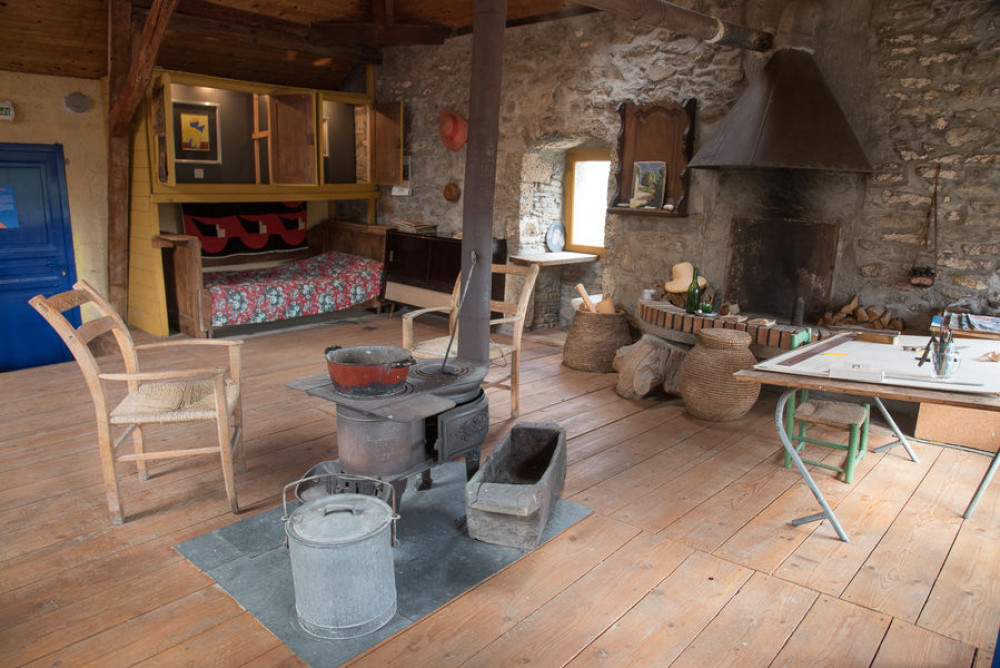
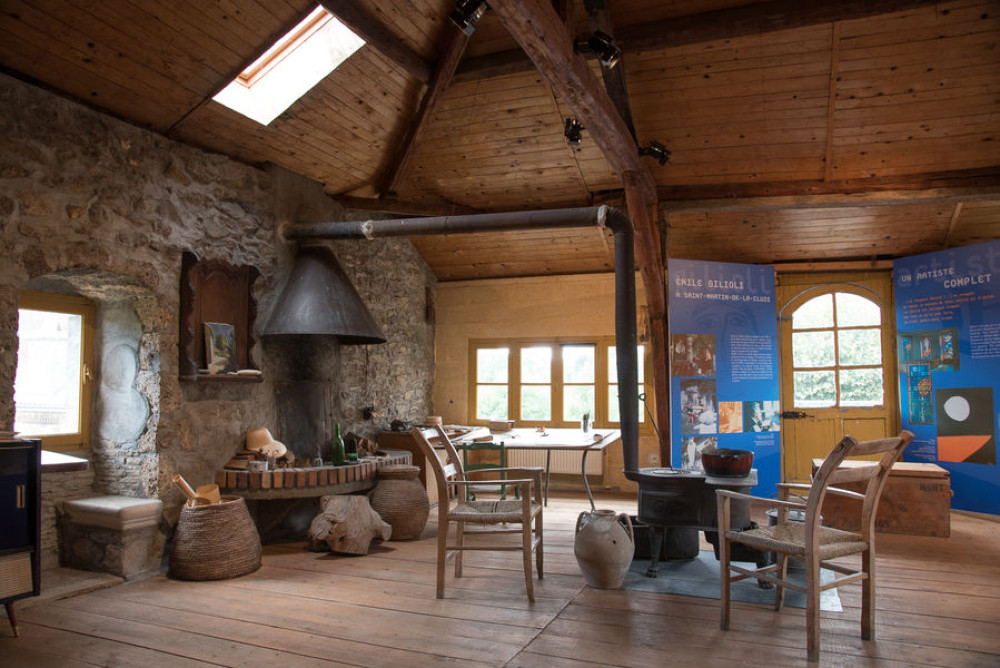
The premises, which have remained intact, recreate the atmosphere in which the artist lived.
The house now houses a permanent exhibition of the artist's world-famous work, including some of his sculptures. Under the roof, the sculptor's studio, his "attic", has remained intact since his death.
A visit to the studio can be complemented by a stroll to the Pâquier chapel, a 12th-century Romanesque chapel surrounded by a small cemetery, where you'll find the sculptor's tomb, surmounted by one of his works: "Le Couple".
Emile Gilioli's works are exhibited worldwide, including: Musée National d'Art Moderne, Paris; Tate Gallery, London; Musée de Sculpture de Plein Air de Middelheim, Antwerp; Museo de Arte Moderna, Sao-Paulo; Museum of Modern Art, New York; Musée Bezabel, Jerusalem; Musée de Peinture et de Sculpture, Grenoble; Musée des Beaux-Arts, Ostend, Musée National d'Histoire et d'Art de Luxembourg, Centre Georges-Pompidou in Paris, Musée de Sculpture de la Ville de Paris, Museo de Bellas Artes de Caracas, Musée des Beaux-Arts de Dunkerque, Musée des Beaux-Arts de Rouen, Museo dei Bozzetti Pietrasanta, Kunsthaus de Zurich, Musée Fabre Montpellier.
Purchase of the Le Temps museum pass gives access to the 3 museum sites in the Trièves (Musée du Trièves, Espace Giono, Atelier Gilioli). It is valid for one year from the date of purchase, and must be presented at the entrance to each of the sites when you visit.
 Isère Outdoor - Trace - The Fiery Fountain Trail